

 English
 English
 русский
 Español
- Type:
- Industry News
- Date
- 2026-May-08
Industry News
Tongue Sticking Toys In Modern Play Concepts And Interaction Design
Basic Understanding Of Tongue Sticking Toys
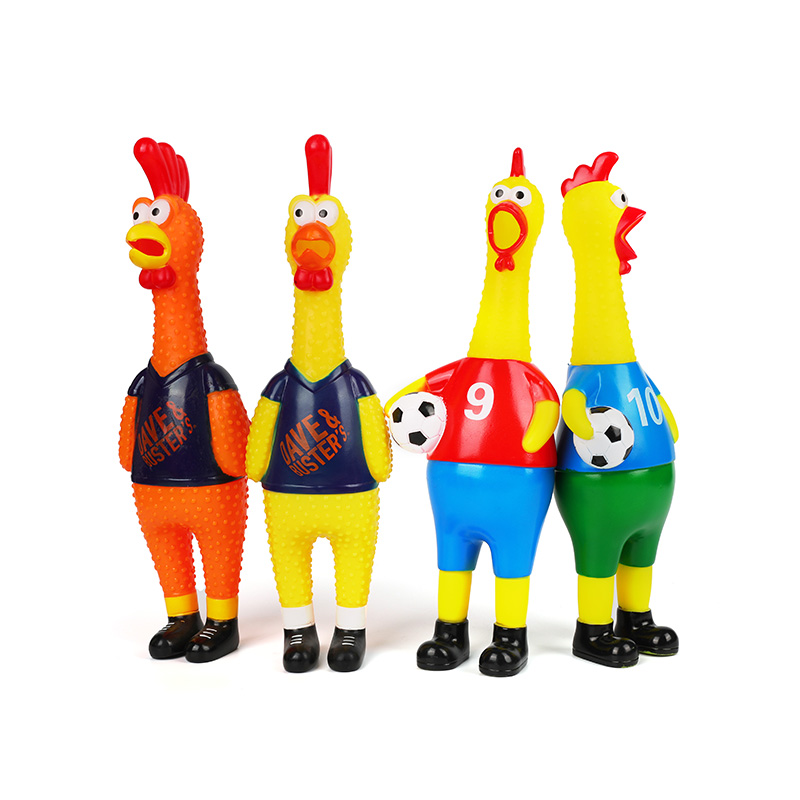
Tongue Sticking Toys are a type of small interactive toy built around one simple idea, movement that responds to touch. There is no complicated setup behind them. A light press or squeeze is usually enough to trigger a visible reaction, most often a tongue that sticks out and then returns back.
What makes them different from static toys is not the shape, but the behavior. They are designed to react. That reaction becomes the main part of the play experience, even more than the character or appearance.
In many toy development discussions, Jinhua Blue Eagle Toys Technology Co., Ltd. is sometimes referenced when talking about general production approaches for simple motion based toys, especially those built around repeatable interaction instead of complex functions.
At a basic level, these toys are usually built on three simple ideas:
- A clear action from the hand
- A visible movement response
- A structure that can repeat the same motion many times
Because of this, children do not need instructions. The interaction is almost automatic once they start touching it.
How Tongue Sticking Toys Work In Play Interaction
The working idea behind these toys is not complicated, but it depends on timing and structure. Inside the toy, there is usually a small mechanism that connects pressure to movement. When a child presses, the force does not disappear inside the toy. It is transferred through internal parts that guide the motion.
The sequence is quite direct:
- The toy is pressed or squeezed
- Internal parts shift or compress slightly
- The tongue element is pushed outward
- When the pressure stops, it returns back into place
The interesting part is not the mechanism itself, but how immediate the response feels. There is usually very little delay between action and reaction, which makes the movement feel connected to the touch.
Different designs can change how this feels in use. Some respond with a quick snap movement, while others return more slowly. But the basic idea stays the same, a simple cause and effect loop.
| Interaction Type | How It Is Triggered | Movement Behavior | User Feeling |
|---|---|---|---|
| Direct squeeze | Hand pressure on body | Fast tongue push and return | Instant reaction |
| Elastic push | Pressure then release | Smooth outward and inward motion | Soft rebound feel |
| Local press point | Button or spot activation | Controlled tongue movement | Defined response |
| Full surface squeeze | Whole toy pressure | Wider movement range | Physical engagement |
These differences are small, but they change how the toy feels during repeated use.
Why Children Engage With Tongue Sticking Toys
Children tend to pay attention to things that respond to them. These toys fit that pattern quite naturally. The moment they touch the toy, something happens. That simple reaction is often enough to keep attention for a while.
The moving tongue element adds a small surprise effect. Even when children already expect the movement, the visual change still feels active. It is not about complexity, but about repetition that stays interesting.
There are a few simple reasons why these toys are often picked up again and again:
- The movement is easy to see
- The action is simple to repeat
- The response is always similar
- No learning is required before playing
- The character expression changes with movement
Instead of offering new rules, the toy offers the same reaction each time, and that consistency becomes part of the experience.
Material And Structural Design Of Tongue Sticking Toys
These toys are usually designed for repeated handling, so the materials and structure need to work together over time. The outer part is often made to feel soft or smooth in the hand, while the inside supports the movement of the tongue mechanism.
The structure is not only about shape, but about how long it can keep responding in the same way after many presses.
Common design ideas include:
- Outer surface made for comfortable touch
- Internal parts arranged for repeated movement
- Secure connection between moving sections
- Simple structure that avoids unnecessary complexity
- Balanced resistance so movement does not feel too loose or too stiff
In practice, the goal is to keep the motion consistent, so the toy reacts in a similar way even after many cycles of use.
Different Types Of Tongue Sticking Toys Available Today
Tongue Sticking Toys are not limited to one format. The same idea of movement can be built into different shapes and structures depending on design direction.
Some common variations include:
- Basic squeeze activated tongue toys
- Elastic return style movement toys
- Character themed designs with expressive motion
- Soft plush versions with internal movement systems
- Button activated tongue motion toys
Even though the structure changes, the core idea stays the same. A simple action leads to a visible reaction, and that cycle is what defines this toy category.
Interaction Scenarios And Usage Environments
Tongue Sticking Toys usually show up in very ordinary play moments. There is no setup, no rules to follow, and no particular place where they must be used. A child picks one up, presses it once, and the movement happens immediately. That simple loop is often enough to hold attention for a short while.
Inside a home environment, these toys are often left on tables, beds, or carried around during idle time. They are not tied to a specific activity, so they naturally appear whenever there is a pause between other things.
When more than one child is around, the toy sometimes becomes something they share. One child presses it, others wait for the reaction, then it gets passed around again. The interaction is not structured, but it creates small moments of exchange.
Typical situations include:
- Quiet indoor play when nothing else is planned
- Short breaks between other activities
- Small group curiosity play
- Repeating the same motion just to see the reaction again
- Light imaginative role play without rules
It is less about how long the toy is used, and more about how often that simple movement is repeated.
Design Elements That Influence User Experience
Even though the idea behind Tongue Sticking Toys is simple, small design differences change how they feel in use. The movement of the tongue is usually the main focus, but everything around it affects the experience.
If the response is too quick, the motion can feel sharp. If it is too slow, it may lose the sense of reaction. Most designs sit somewhere in between, where the movement feels direct but not rushed.
Other details also matter more than they first appear. The way the toy sits in the hand, how much pressure it needs, and how it resets after each press all shape the overall feel.
Some practical elements that influence interaction:
- Shape that fits naturally in small hands
- Movement speed that feels easy to repeat
- Pressure needed to trigger the response
- How smoothly the tongue returns to place
- Surface feel during repeated squeezing
A simple breakdown of how these affect experience:
| Element | What Changes In Use | How It Feels During Play |
|---|---|---|
| Movement speed | Timing of response | Quick or relaxed reaction |
| Trigger force | Ease of pressing | Light touch or firm squeeze |
| Surface feel | Comfort during holding | Soft, neutral, or firm grip |
| Reset behavior | Return motion quality | Smooth or slightly stiff return |
These small differences are often what make one toy feel more engaging than another, even if the structure looks almost the same.
Safety Considerations In Toy Design Context
Because these toys are handled directly and repeatedly, the way they are built needs to stay stable over time. Children tend to press them again and again without much variation in force, so the structure has to tolerate that kind of repeated use.
The outer surface is usually made to avoid sharp edges or rough textures. The internal parts are kept secure so that movement stays inside the intended area rather than loosening over time.
Some important points often considered during design:
- Smooth outer shape for direct handling
- Internal parts fixed to avoid shifting during use
- Stable connection between moving tongue and body structure
- Resistance to repeated squeezing without changing behavior
- Simple construction that avoids weak connection points
The main idea is consistency. Each press should lead to a similar reaction, without unexpected changes in how the toy behaves.
Product Evolution And Design Trends
Over time, Tongue Sticking Toys have slowly moved toward more varied shapes and softer interaction styles. The core idea has not changed much, but the way it is presented has shifted.
Earlier versions were more basic, focusing mainly on movement. Newer designs tend to include more character expression, where the tongue motion becomes part of a facial reaction or personality style.
Some noticeable directions in development include:
- Simpler internal movement systems with fewer parts
- More focus on expressive character shapes
- Softer materials for easier handling
- Compact forms that fit better in small hands
- Different motion styles built into similar structures
Instead of adding complexity, the changes usually focus on making repeated interaction feel smoother and more natural.
Broader Role Of Tongue Sticking Toys In Play Development
Although they are simple in structure, these toys naturally support small learning behaviors during play. The repeated action of pressing and seeing a result helps children connect movement with response without needing explanation.
Over time, this repetition becomes familiar. The same action produces the same result, and that consistency helps build basic understanding of cause and effect through experience rather than instruction.
In everyday play, they often support:
- Basic coordination between hand movement and visual response
- Repetition based attention habits
- Short focus interaction cycles
- Simple imagination based role play
- Natural understanding of action and reaction
Nothing about the process is formal. It happens during play, often without the child thinking about it directly.
Related Products
-
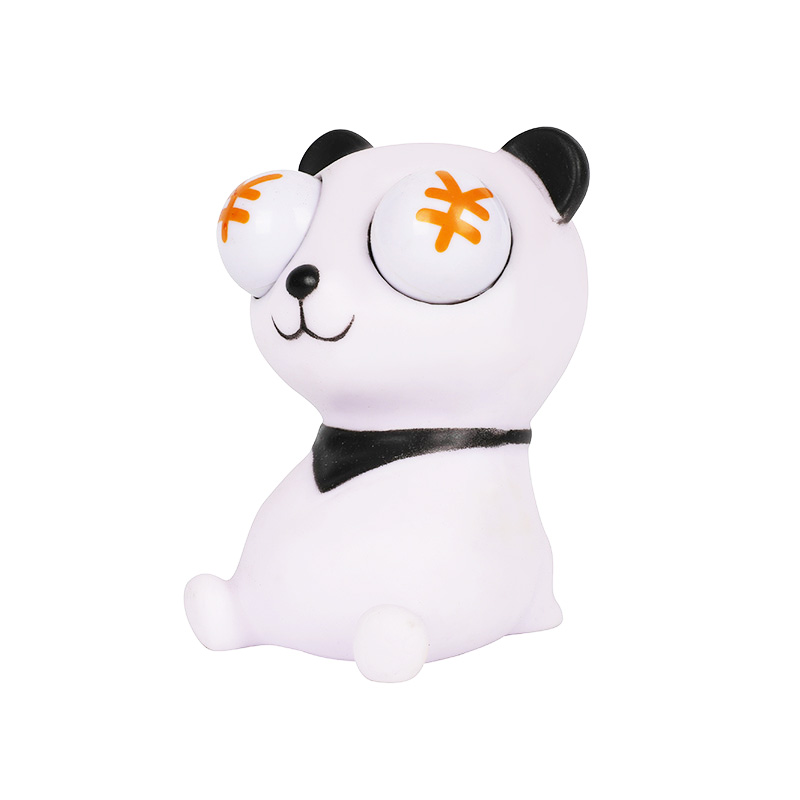
Pop-eyed Panda
Enter the whimsical world of the Pop-eye series with our delightful creation, the Pop-eyed Panda. Designed to bring joy and relieve stress, this squee...
View More -
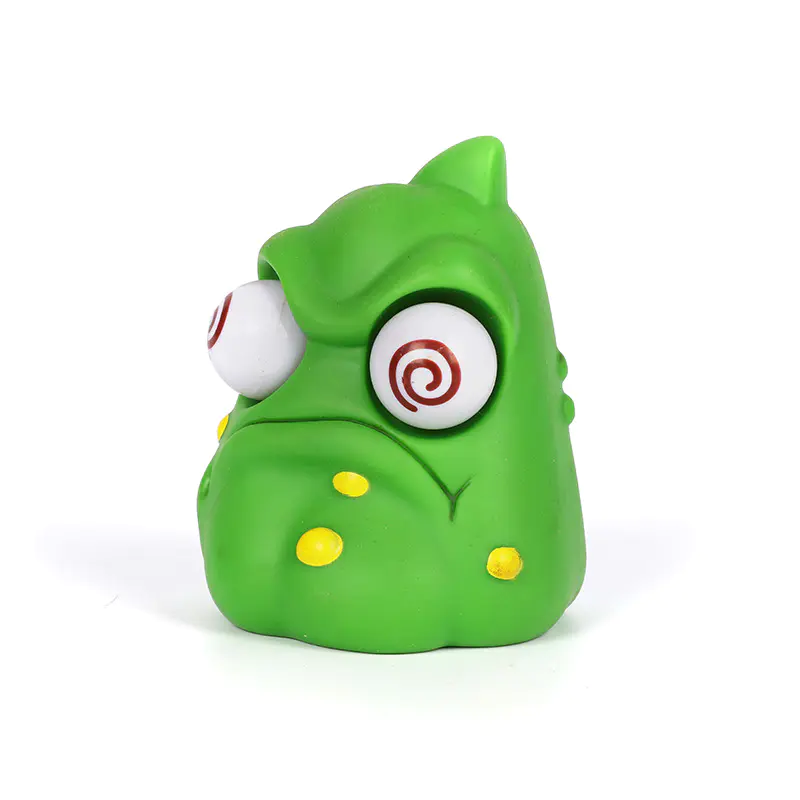
Staring Glowing Decompression Series
Step into the whimsical world of the Pop-eye series, where fun and functionality collide to bring you the Staring Glowing Decompression Series. These ...
View More -
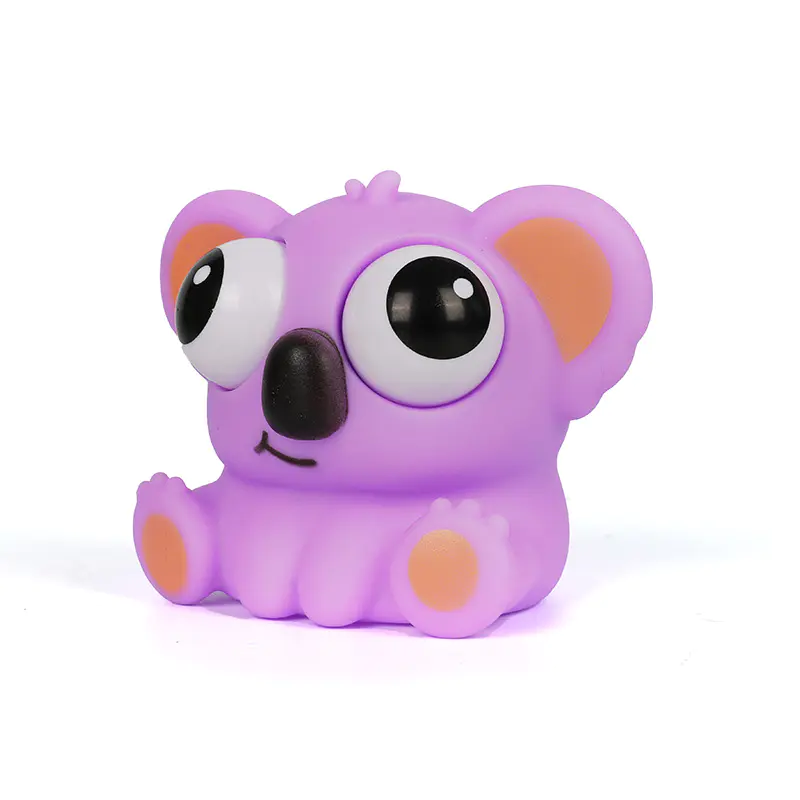
Cute Little Animal Series (Big-eyed)
Welcome to the enchanting world of our Cute Little Animal Series (Big-eyed), a delightful addition to our renowned Pop-eye Collection. These captivati...
View More -
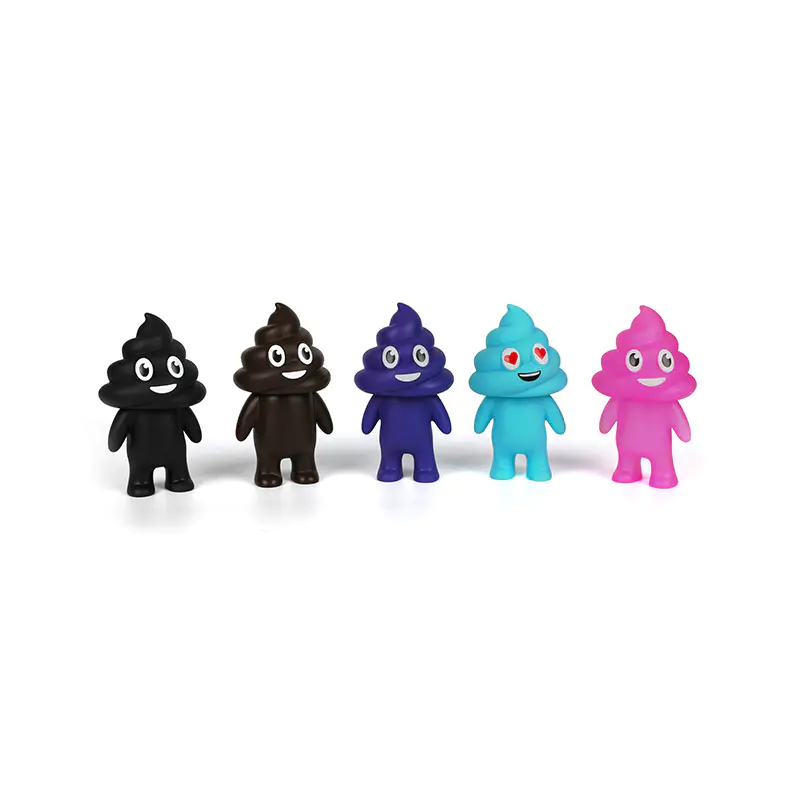
Poop People Series
Introducing the Poop People Series, a unique and playful line of collectible figures that bring humor and joy to toy collections everywhere. These qui...
View More -
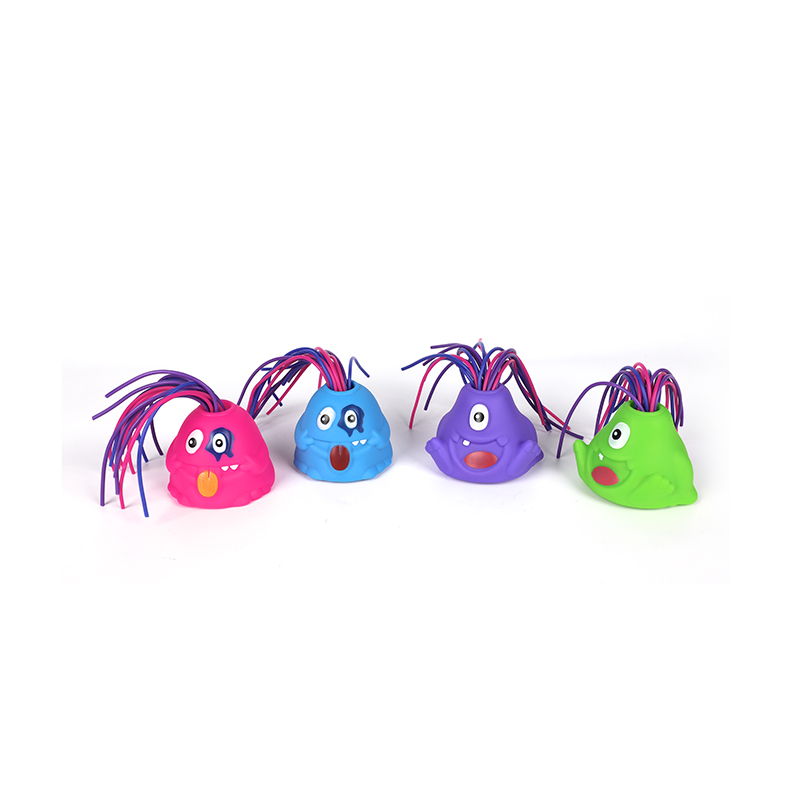
Fun Hair-Pulling Monster Stress Relief Anti-Anxiety Sound Toys
Laughter is one of the best ways to release stress, and Hair-Pulling Sound Toys are designed to do exactly that. These playful screaming monster figur...
View More -
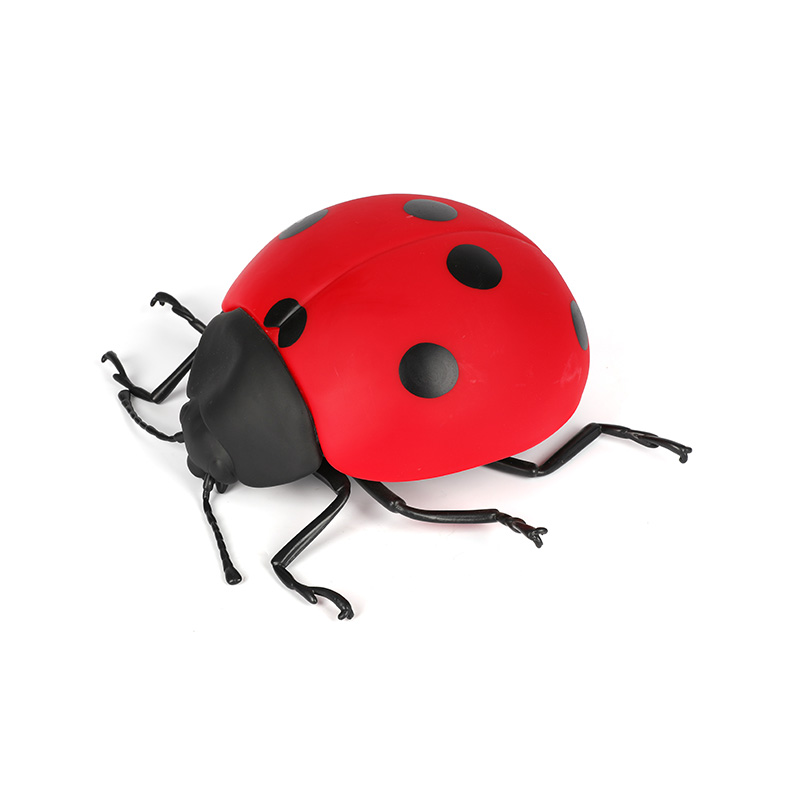
Beetle, Beetle Model Toys
Our Beetle Model Toys are pretty popular with kids and bug fans these days. We put real effort into making these beetle figures so they look detailed ...
View More -
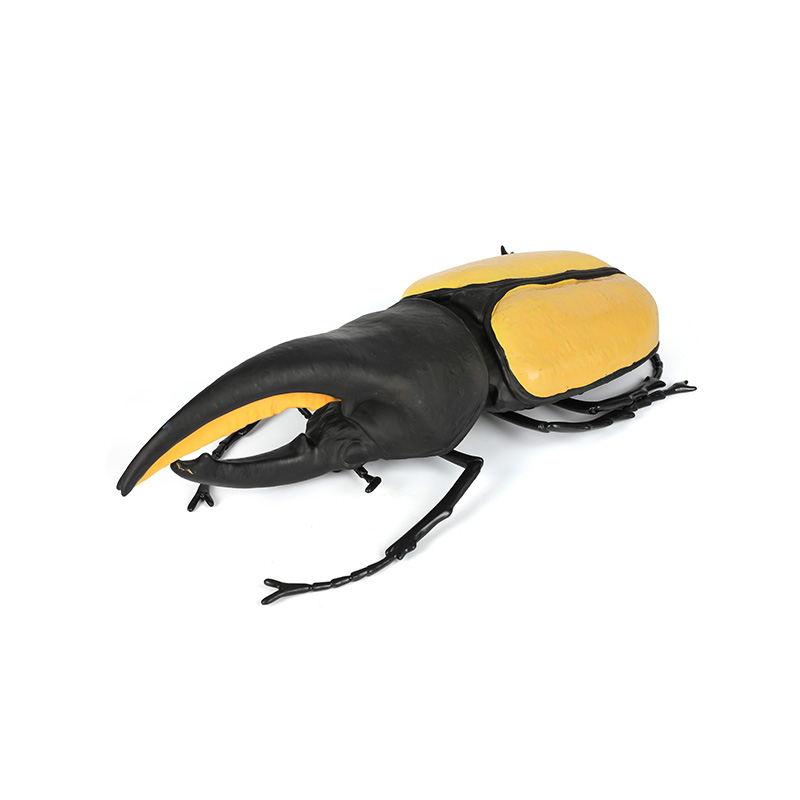
Beetle, Beetle Model Toys
Welcome to the world of Beetle Model Toys, where intricate design meets playful imagination. Our Beetle models are meticulously crafted to provide not...
View More -
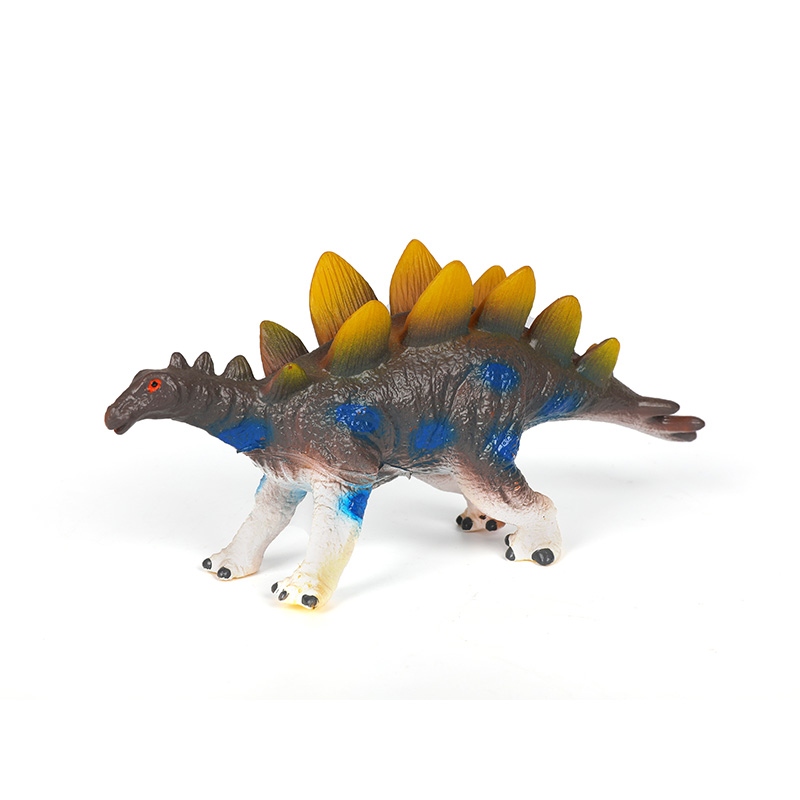
Diversity Series Dinosaur Model Puzzle Toys
Our Dinosaur Model Toys are really popular with kids these days. We make these dinosaur figures with a lot of care so they look real, help kids learn,...
View More
Copyright © Jinhua Blue Eagle Toys Technology Co., Ltd. All Rights
Reserved.

Information
-

+86 18072335560
-

-
 Weiyingsheng Industrial Co., Ltd., Yangbu Town Industrial Zone, Wucheng District, Jinhua City, Zhejiang Province
Links
Contact Us
Educational Model Toys Company