

 English
 English
 русский
 Español
- Type:
- News
- Date
- 2026-Feb-13
News
The Production Framework of a Bubble Blowing Decompression Toys Factory
Defining the Product Category and Its Purpose
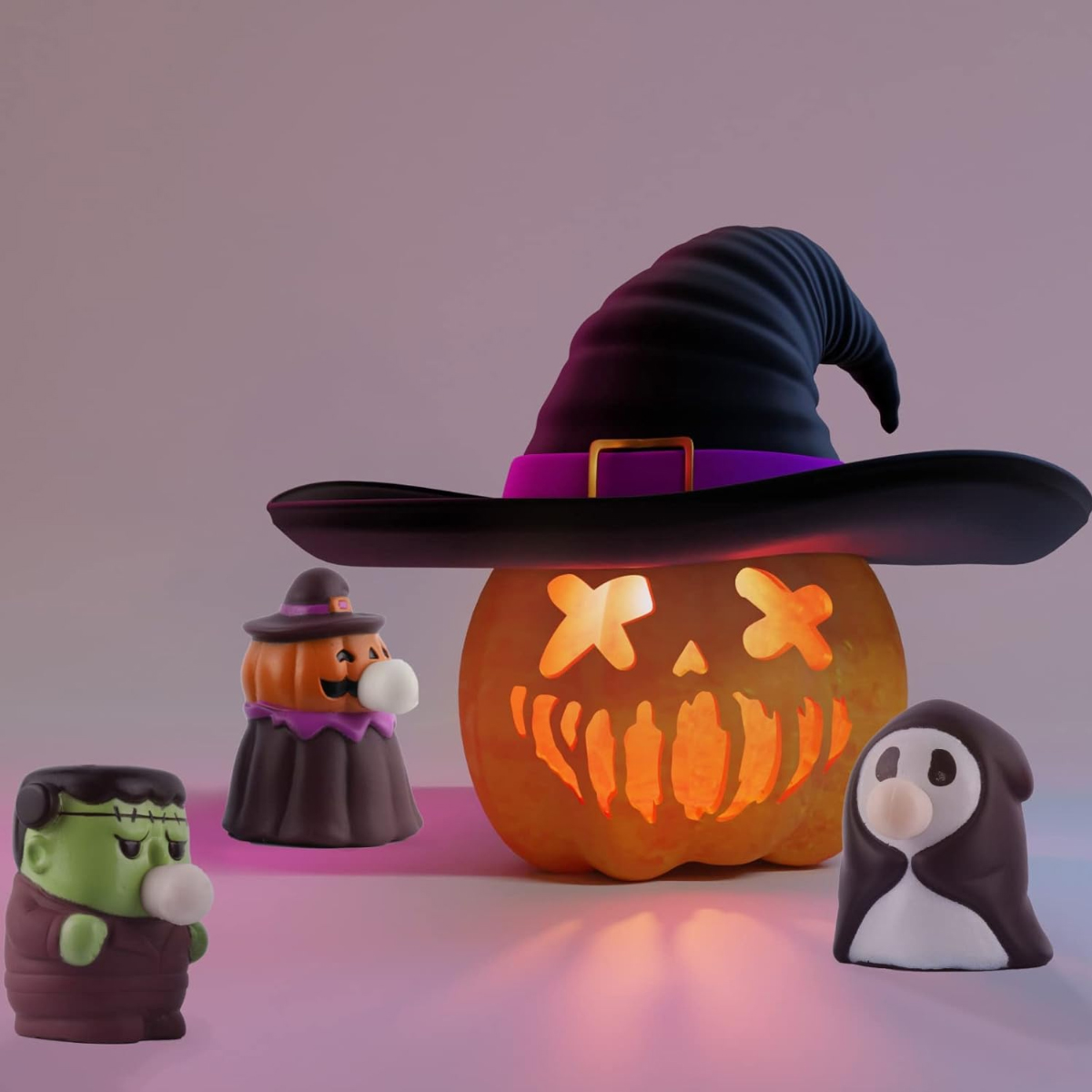
A bubble blowing decompression toys factory manufactures a specific niche of sensory and fidget toys designed to combine tactile interaction with visual satisfaction for stress relief. These toys typically consist of a silicone or TPR dome attached to a plastic base. When pressed, they emit a soft popping sound and create the visual effect of a bubble being formed and released. The core value proposition lies in providing a repetitive, satisfying sensory feedback loop that can aid in focus and anxiety reduction. The operation of such a factory is situated at the intersection of toy manufacturing, material science for pleasant haptics, and an understanding of wellness trends. The bubble blowing decompression toys factory must engineer both physical durability for repeated use and the precise sensory response that defines the product's decompression appeal.
Material Science for Tactile and Acoustic Feedback
The sensory experience is dictated by advanced material formulation. The bubble dome is typically made from platinum-cured silicone or a specific thermoplastic rubber blend. These materials must possess a precise durometer (hardness)—soft enough to be easily deformed yet elastic enough to snap back instantly without permanent deformation. The formulation also affects the sound; a softer, thicker dome creates a muffled pop, while a thinner one creates a sharper snap. The plastic base must provide a rigid, airtight seal with the dome. A bubble blowing decompression toys factory invests in R&D to perfect these material properties, often working closely with polymer suppliers to develop proprietary blends that deliver the optimal "pop" feel and sound, which are the product's key differentiators in a crowded market.
Precision Molding and Assembly for Consistency
Manufacturing consistency is critical, as any variation in wall thickness or seal integrity alters the popping sensation. Production relies on high-precision injection molding. The silicone dome requires liquid silicone rubber molding with carefully controlled temperature and pressure to achieve uniform thickness and flawless surface finish. The plastic base is produced via standard plastic injection molding. The assembly process, often automated, involves placing the dome into a fixture and ultrasonically welding or adhesive-bonding the base to create a perfect, permanent, and airtight seal. The bubble blowing decompression toys factory implements strict quality control at this stage, testing a sample from each batch for popping force, sound, and return speed to ensure every unit delivers the identical decompression experience promised to the consumer.
Design Innovation and Product Line Expansion
To maintain market relevance, a bubble blowing decompression toys factory must continuously innovate in design. This extends beyond simple round bubbles to include multi-bubble arrays, geometric shapes, character-based designs, and even integrated features like LED lights that activate with a pop. Color psychology plays a role in palette selection, with calming pastels or vibrant mixes targeting different moods. The factory's design team creates molds for new shapes and sizes, expanding the product line to cater to varied preferences. Some factories also explore integration with other product categories, such as attaching bubble poppers to pencil toppers, phone grips, or keychains, transforming the bubble blowing decompression toys factory into a provider of functional sensory accessories rather than standalone toys.
Compliance, Packaging, and Direct-to-Consumer Trends
As products marketed for handling and potential use by all ages, compliance with toy safety standards is essential. The factory ensures materials are free from phthalates and heavy metals, and that small parts are securely attached. Packaging is designed for both retail appeal and product protection, often using clear plastic to display the toy's texture and color. With the rise of e-commerce and social media marketing, the bubble blowing decompression toys factory increasingly engages in direct-to-consumer sales or partners with online influencers. This shift requires adapting logistics for single-unit shipping and creating packaging that enhances the unboxing experience. By mastering the supply chain from polymer pellet to a satisfying pop in the user's hand, the factory serves a growing market seeking simple, tangible tools for mindfulness and stress management.
Related Products
-
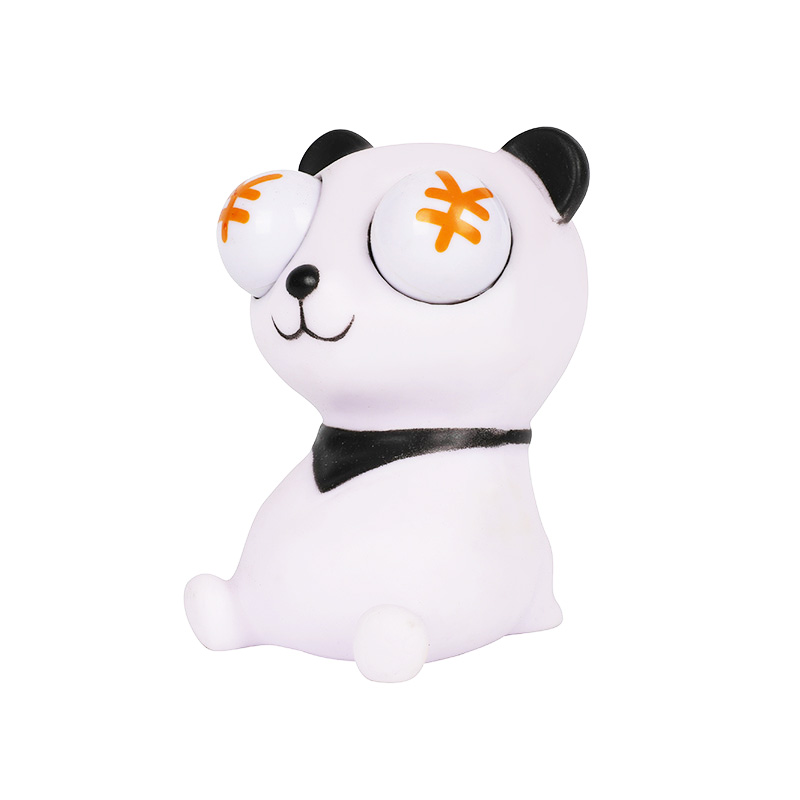
Pop-eyed Panda
Enter the whimsical world of the Pop-eye series with our delightful creation, the Pop-eyed Panda. Designed to bring joy and relieve stress, this squee...
View More -
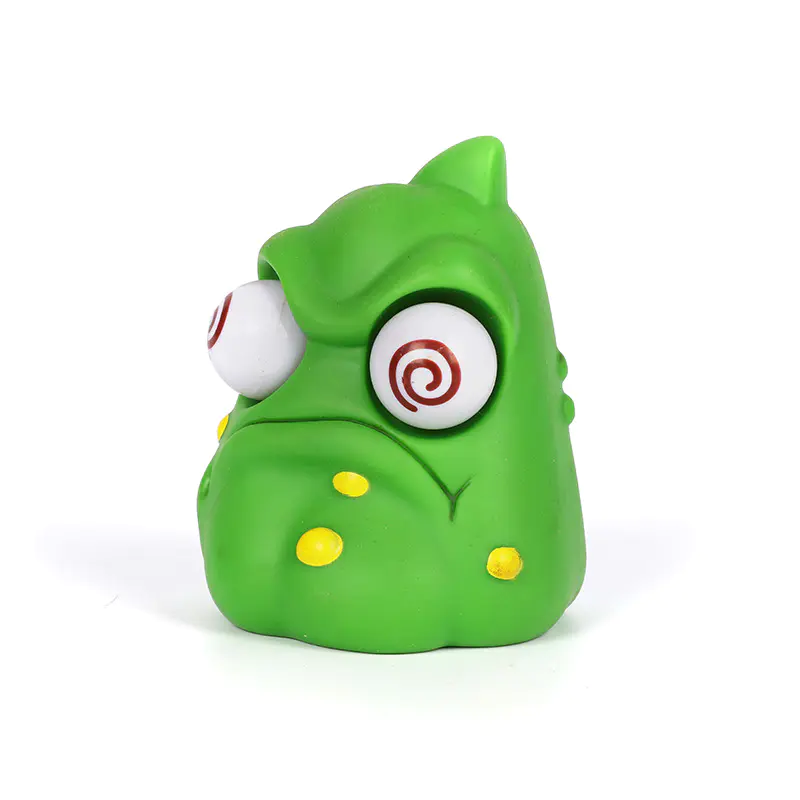
Staring Glowing Decompression Series
Step into the whimsical world of the Pop-eye series, where fun and functionality collide to bring you the Staring Glowing Decompression Series. These ...
View More -
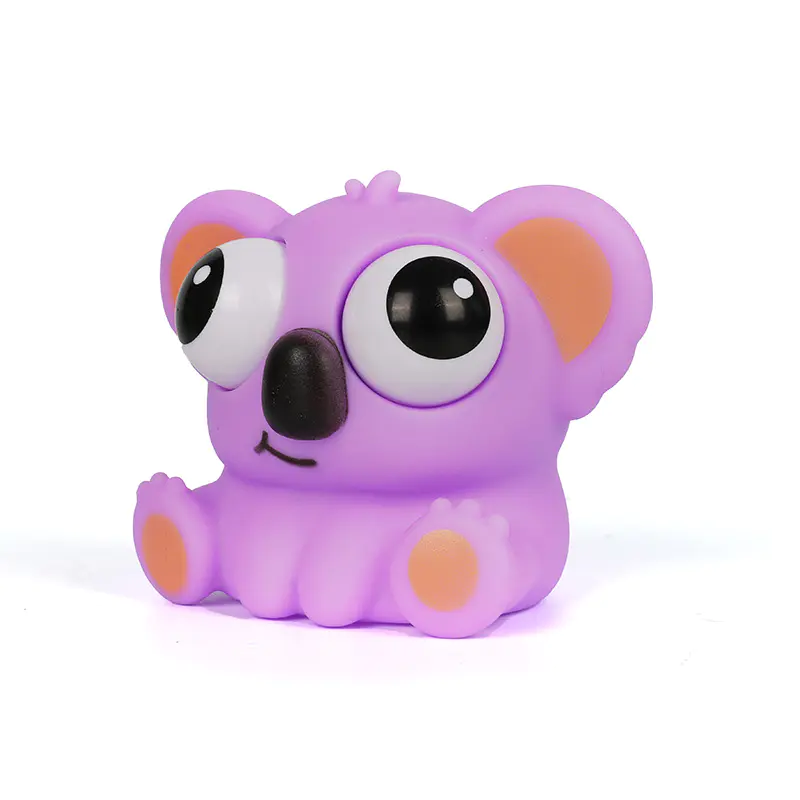
Cute Little Animal Series (Big-eyed)
Welcome to the enchanting world of our Cute Little Animal Series (Big-eyed), a delightful addition to our renowned Pop-eye Collection. These captivati...
View More -
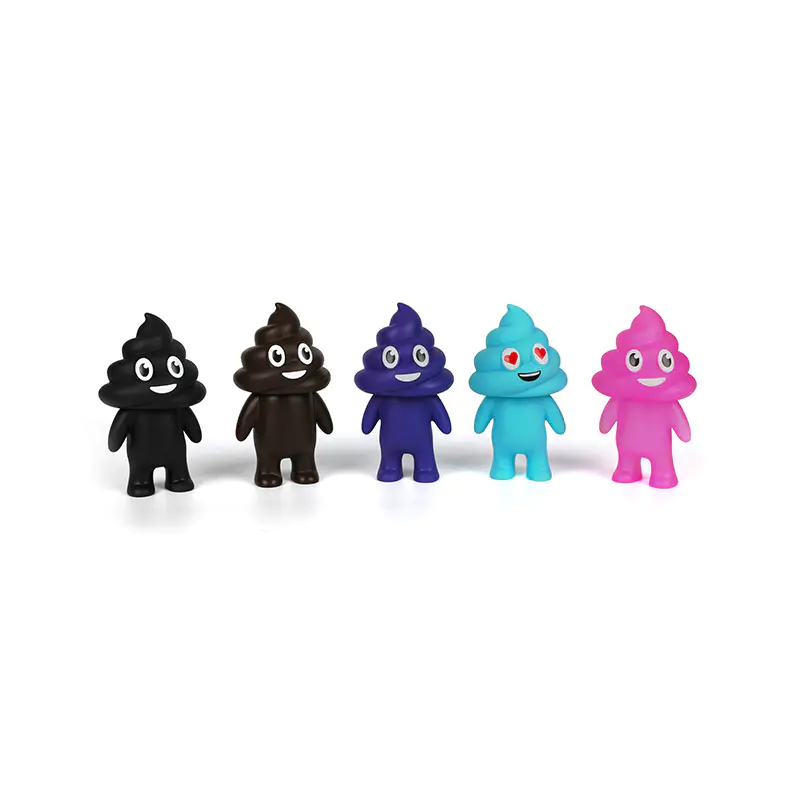
Poop People Series
Introducing the Poop People Series, a unique and playful line of collectible figures that bring humor and joy to toy collections everywhere. These qui...
View More -
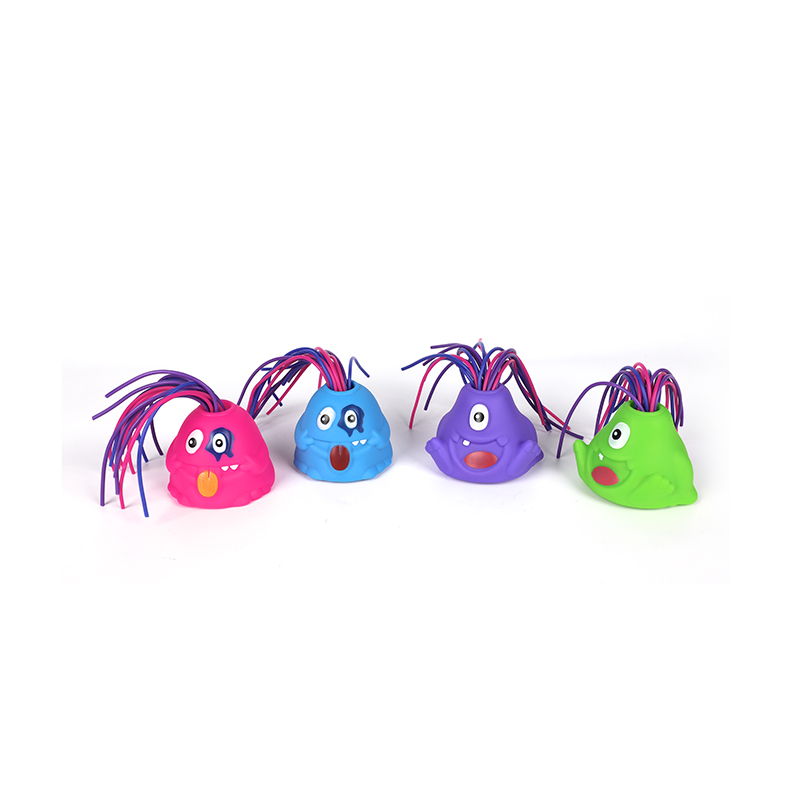
Fun Hair-Pulling Monster Stress Relief Anti-Anxiety Sound Toys
Laughter is one of the best ways to release stress, and Hair-Pulling Sound Toys are designed to do exactly that. These playful screaming monster figur...
View More -
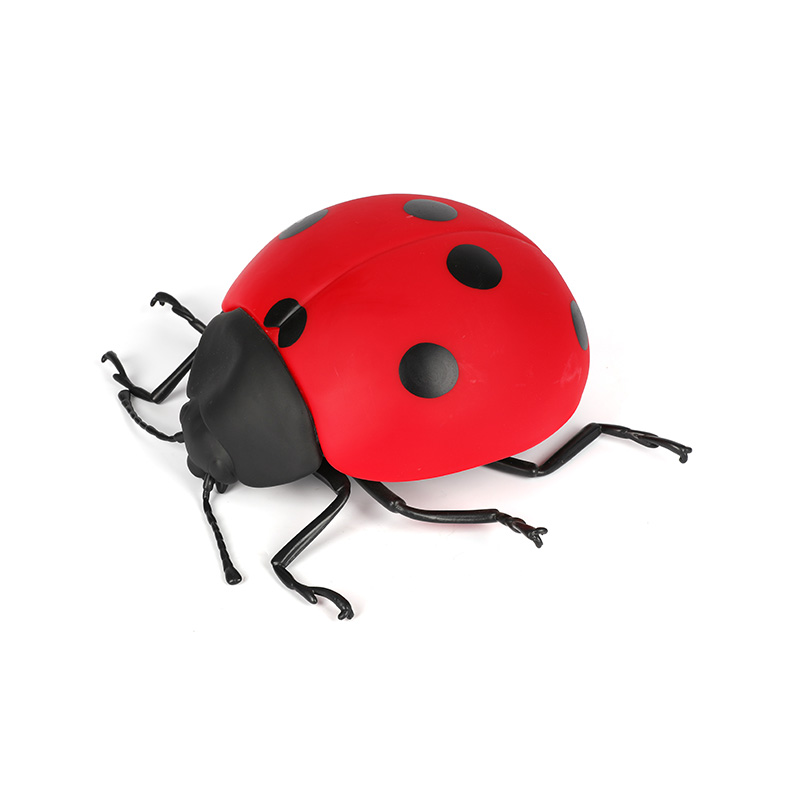
Beetle, Beetle Model Toys
Our Beetle Model Toys are pretty popular with kids and bug fans these days. We put real effort into making these beetle figures so they look detailed ...
View More -
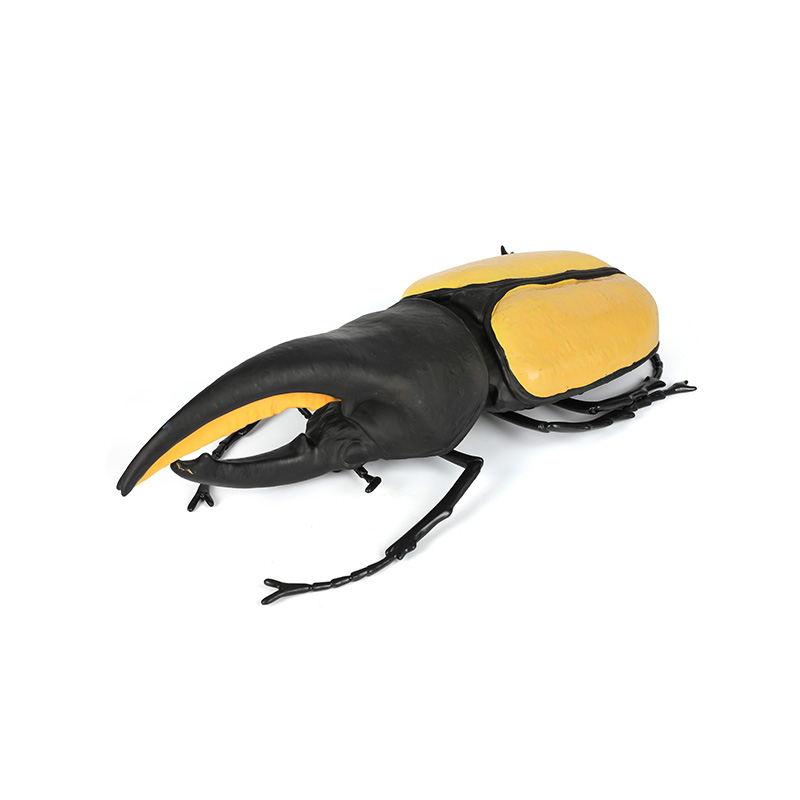
Beetle, Beetle Model Toys
Welcome to the world of Beetle Model Toys, where intricate design meets playful imagination. Our Beetle models are meticulously crafted to provide not...
View More -
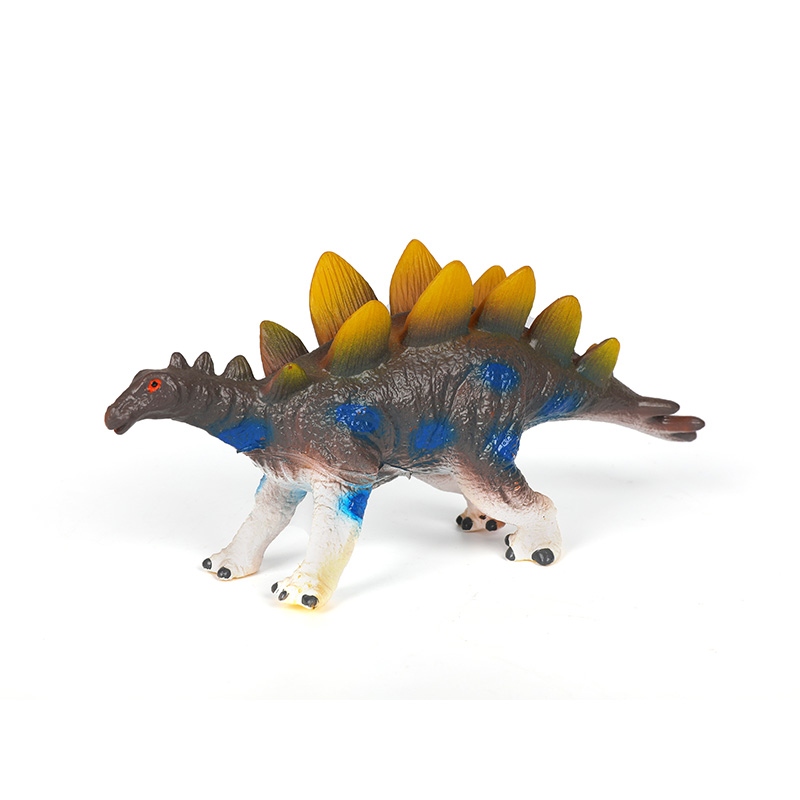
Diversity Series Dinosaur Model Puzzle Toys
Our Dinosaur Model Toys are really popular with kids these days. We make these dinosaur figures with a lot of care so they look real, help kids learn,...
View More
Copyright © Jinhua Blue Eagle Toys Technology Co., Ltd. All Rights
Reserved.

Information
-

+86 18072335560
-

-
 Weiyingsheng Industrial Co., Ltd., Yangbu Town Industrial Zone, Wucheng District, Jinhua City, Zhejiang Province
Links
Contact Us
Educational Model Toys Company