

 English
 English
 русский
 Español
- Type:
- Industry News
- Date
- 2026-Jul-03
Industry News
Home / News / Industry News / How Do Dinosaur Puzzle Toys Help Improve Children Daily Thinking Skills
A child hunched over a scatter of dinosaur puzzle pieces, trying to make one edge meet another, is doing more than passing time. That focused silence, occasionally broken by a mutter of frustration or a small sound of satisfaction, signals something real happening inside the mind. Parents and teachers have noticed this for years, and the growing presence of these prehistoric-themed challenges in early learning settings points to a broader recognition of what they offer. The appeal goes far beyond the novelty of dinosaurs themselves. What unfolds across that tabletop is a rehearsal for the kinds of thinking that children will draw on again and again as they move through their days.
Puzzle work does not resemble the kind of learning that happens when someone recites facts or watches a demonstration. The child cannot rely on memory to tell them which piece goes where. Each attempt asks for a fresh reading of the shapes, the colors on the printed surface, and the gaps left in the partially completed image. A Dinosaur Puzzle Toys scene with its greens and browns, its jagged teeth and long necks, presents a visual field that changes with every piece placed. Keeping track of what has been tried and what remains becomes a mental balancing act.
Spatial thinking gets a steady workout. Flipping a piece over, turning it around, holding it up to the empty space and trying to see in the mind's eye whether it might work—these small actions build an internal sense of how objects relate to one another in space. The same kind of thinking helps a child figure out whether their backpack will fit into a crowded locker, or how to arrange their colored pencils so the ones they use most sit closest at hand. There is also the matter of order. Some pieces cannot go in until others are already in place. A dinosaur tail piece depends on the torso pieces beneath it; a sky piece must wait until the horizon pieces define the boundary below. Children absorb this sense of sequence without anyone having to lecture them about it.
When a piece does not fit, the child encounters a problem that demands a response. Maybe the piece belongs somewhere else. Maybe it needs to be turned the other way. Maybe the piece they thought was part of the head actually belongs to the shoulder. Each mismatch pushes them to reconsider their assumptions and try again. This cycle of trying, failing, adjusting, and trying once more takes on a rhythm that feels natural. That rhythm carries over into other situations—trying to open a sticky drawer, figuring out why a flashlight has gone dim, or working out whose turn it is in a game.
Look closely at what a child actually does during puzzle time, and the connections to daily functioning become hard to ignore. Planning starts early. A child faced with a mess of pieces does not typically dive in randomly for long. They begin sorting, perhaps pulling out all the edge pieces, or gathering together the bits that show a particular dinosaur's foot or eye pattern. This sorting impulse reflects the same mental operation that helps them approach a messy bedroom by grouping toys into categories, or organize their schoolwork by separating reading materials from writing tasks.
The ability to change course matters just as much. A child who has been trying to fit a piece into a certain spot and keeps failing eventually has to let go of that approach. Maybe the piece does not go there. Maybe the whole section they have been working on needs to be shifted. Shifting perspective is not always comfortable, but puzzle practice makes it routine. Children who have spent time with puzzles seem more willing to abandon a plan that is not working and start over, and this willingness affects how they handle disagreements with friends, unexpected changes in routine, or homework problems that resist their first attempt.
Paying attention to small differences becomes second nature. A slight curve on one edge, a faint color change where the dinosaur's back meets the sky, the particular shape of a claw—these details matter. Noticing them in puzzle work trains the eye to notice them elsewhere. The child who spots the subtle distinction between two similar puzzle pieces is the same child who picks up on the difference between a lowercase b and a d, or notices that their coat pocket has a small tear before it becomes a big one.
Patience, too, grows through this kind of play. A puzzle with many pieces cannot be rushed. Working through the challenge without walking away requires a sustained effort that does not come naturally to every child. Over time, the experience of finishing a difficult puzzle teaches something about the relationship between effort and reward. That lesson does not require words; it resides in the feeling of clicking the final piece into place.
Puzzles come in many forms, and each form leans on slightly different mental muscles. A flat floor puzzle with a vivid dinosaur landscape asks the child to recognize how small sections fit into a larger whole. The image on the box provides a guide, but translating that two-dimensional picture into a completed floor covering involves more than copying. The child has to hold the overall composition in mind while handling individual pieces. This skill connects to reading, where letters form words and words form sentences, and to interpreting maps or diagrams.
Three-dimensional models raise the bar. Assembling a standing dinosaur from wooden or plastic pieces requires thinking about balance and support. A leg that looks right from the front might not provide enough stability when the model stands. The child must consider how pieces connect in three planes, not just two. This kind of reasoning shows up in practical tasks like building with blocks, understanding how furniture fits together, or arranging objects on a shelf without them toppling over.
Some sets offer a graduated challenge, starting with larger pieces and moving to smaller, more numerous ones. These allow the child to experience success before facing greater difficulty, building confidence alongside skill. Other sets incorporate a discovery element, where children first uncover pieces from a plaster block and then assemble them. The combination of excavation and construction adds a layer of purpose—the pieces are not just parts of a puzzle but fragments of something that once existed. This narrative dimension keeps engagement high without diminishing the cognitive demands.
| Puzzle Feature | Mental Activity It Encourages | Where That Activity Shows Up in Daily Life |
|---|---|---|
| Large jigsaw with detailed scene | Seeing how parts create a whole, matching visual patterns | Reading comprehension, understanding group dynamics, interpreting charts |
| 3D assembly requiring balance | Imagining objects from multiple angles, evaluating structural soundness | Packing a bag, navigating around obstacles, understanding how machines work |
| Progressive piece count | Gauging one's own ability, adjusting to increased difficulty | Setting personal goals, recognizing when a task requires more time or effort |
| Excavation combined with building | Following a sequence of steps, connecting new pieces to existing knowledge | Cooking from a recipe, completing multi-stage projects, applying prior experience to novel situations |
Each design has its place, and children benefit from exposure to more than one. The particular shape of the puzzle matters less than the variety of experiences it offers.
Young children carry around a strange fascination with creatures that vanished long before anyone they know existed. Ask a four-year-old about a tyrannosaur, and out comes a flood of facts. Ask about an elephant or a giraffe, and the response often feels more muted. Something about the scale, the teeth, the sheer impossibility of those animals walking the earth captures a particular kind of wonder. A puzzle maker who puts a dinosaur on the box does not have to convince the child to care. The child already cares. The puzzle simply gives that caring something to do.
That existing interest changes how a child approaches the assembly work. A piece showing a spiked tail or a long neck carries meaning beyond shape and color. The child connects it to what they already know or want to know about that creature. They might pause and wonder whether the animal used that tail for defense or for balance. They might look at the background plants and think about what kinds of leaves existed in that ancient world. These thoughts do not slow down the puzzle work in a negative way; they enrich the experience. The mind moves between the immediate task of fitting pieces and the larger context of what the finished picture represents. That back-and-forth movement mirrors how people naturally think about complex problems—shifting between details and the bigger picture without losing track of either.
When the final piece clicks into place, the child sees more than a completed puzzle. They see a creature they recognize, a scene they have imagined, a world they have wondered about. That recognition carries emotional weight. The child can step back, look at the picture, and name what they have built. The sense of having brought something meaningful into being stays with them. That feeling does not fade quickly, and it makes the next puzzle seem less intimidating.
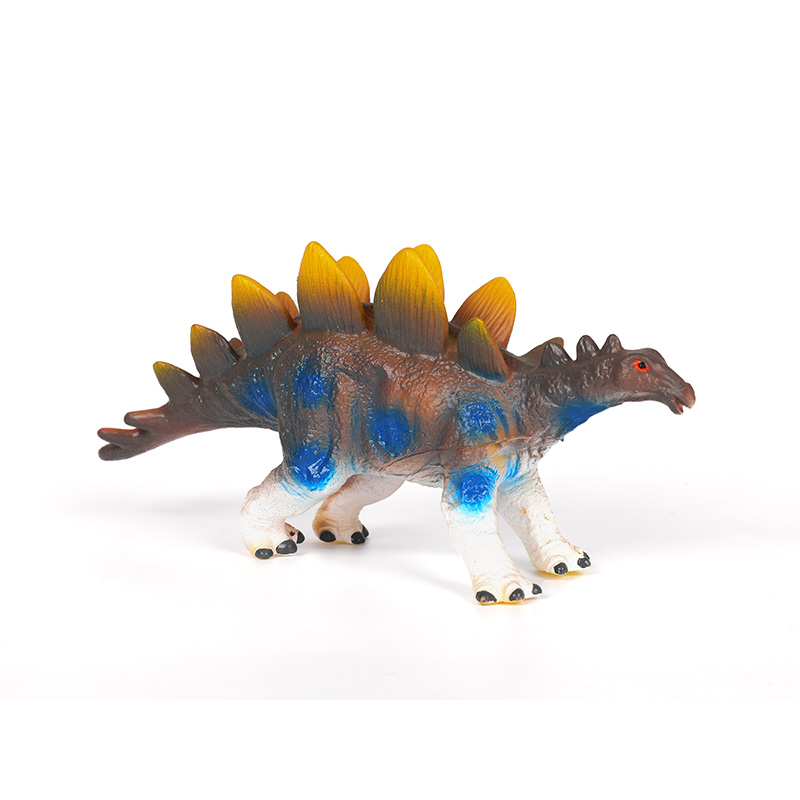
Gather two or three children around a single puzzle, and the dynamic shifts. Quiet turns into talk. The child who picks up a piece and tries to place it hears from another child that the piece does not belong there. A back-and-forth begins. One child points to the gap and explains why the piece fits based on the curve of the edge. Another child counters with a different piece that seems to match better. Through this exchange, each child clarifies their own thinking. The act of putting reasons into words helps the speaker see the problem more clearly.
Not every child jumps into the action immediately. Some prefer to watch first. They stand back, observe how one child sorts pieces, notice how another uses the box image as a guide, see how a third handles difficult fits through trial and error. Over minutes or across multiple sessions, these observations accumulate. When the watching child eventually takes a turn, they have a mental library of strategies to draw from. No one taught them these strategies. They picked them up through quiet attention. The same process unfolds in many areas of life—a child learns how to handle a tricky social situation by watching peers, or how to approach a difficult reading passage by observing a classmate's method.
Roles in group puzzle work tend to sort themselves out naturally. One child gravitates toward the edge pieces, methodically building the frame. Another child searches for recognizable features—a dinosaur eye, a claw, a particular pattern of scales. A third child fills in the large open areas of sky or ground. No adult assigns these roles. They emerge from each child's preferences and strengths. The puzzle moves toward completion through this unplanned division of effort. Children learn without being told that different people can contribute in different ways, and that those different contributions add up to something larger than any individual could produce alone.
Adults often feel the pull to step in when a child struggles. The impulse to point, suggest, or demonstrate runs strong. Many a parent has watched a child try the same wrong piece three times and felt the urge to say something. But stepping in too quickly takes something away. The child who manages to place a piece after their own trial and error owns that success. The small grunt of satisfaction, the quiet "oh" when the piece finally slides into place—those sounds mark genuine discovery.
Choosing puzzles at the appropriate level requires noticing rather than calculating. One child might breeze through a sixty-piece puzzle in a single sitting. Another might need to step away from a thirty-piece puzzle and come back to it later. Neither response indicates ability. They reflect different approaches, different temperaments, different days. The same child who breezes through a puzzle today might struggle tomorrow when tired or distracted. The adult who watches closely picks up on these rhythms and adjusts accordingly. No formula exists. No fixed rule applies across all children or all situations.
The timing of puzzle play matters more than many realize. Mornings before school often feel rushed, with breakfast and shoes and backpacks competing for attention. Evenings near bedtime bring tiredness. The quiet pockets of the day—after lunch, mid-afternoon, weekend mornings without scheduled activities—offer better conditions. A child who does not feel pressure to finish quickly can engage more fully. They can sit with a piece, turn it over, try it in multiple spots, set it aside and come back to it. This unhurried quality makes the thinking deeper.
Physical puzzles offer something screens cannot replicate. The texture of a cardboard piece, the slight resistance when two edges push together, the sound of pieces sliding across a table—these sensory inputs become part of the experience. A child who works with physical pieces develops spatial awareness through touch and movement. The same activity on a screen provides visual feedback but lacks that tactile dimension. Both have uses, both have appeal. But the hands-on version offers a distinct kind of engagement that remains valuable on its own terms.
Consider again that child at the table, surrounded by scattered pieces, working through placement one by one. The scene looks simple, even ordinary. But the mental activity happening underneath the surface reaches into many areas of life. Planning, adjusting, persisting, watching others, working with others—these capacities show up in schoolwork, in friendships, in everyday problem-solving. A child does not learn these capacities all at once or through direct instruction. They accumulate through repeated experiences like puzzle play.
The dinosaur theme draws children in, but the structure of the activity does the real work. A puzzle presents a clear goal, demands sustained effort, and offers a tangible reward. These elements have kept puzzles relevant for generations. The materials have changed, the designs have varied, the themes have multiplied, but the essential nature has stayed the same. A child working through a puzzle engages in a kind of thinking that passive activities cannot provide.
Children grow, and their challenges change. The skills built through puzzle play do not disappear. They become woven into how the child approaches new situations. The child who learned to mentally rotate a piece to check fit later finds map-reading more intuitive. The child who persisted through a difficult assembly later shows more patience with complex homework. The child who worked alongside others on a shared puzzle later moves through group projects with less friction. These connections are not dramatic. They do not announce themselves. They simply operate in the background, quietly shaping how a child meets the world.
Life moves quickly for most families. Schedules fill up, screens demand attention, and quiet activities can get pushed aside. Yet the slow, deliberate thinking that puzzle work encourages has its own value. It does not compete with other activities or claim superiority over them. It simply offers something different—a space for thinking that unfolds at its own pace, without external pressure, without comparison to others. That kind of space matters. Dinosaur puzzles, with their ability to capture curiosity and hold attention, provide that space well.
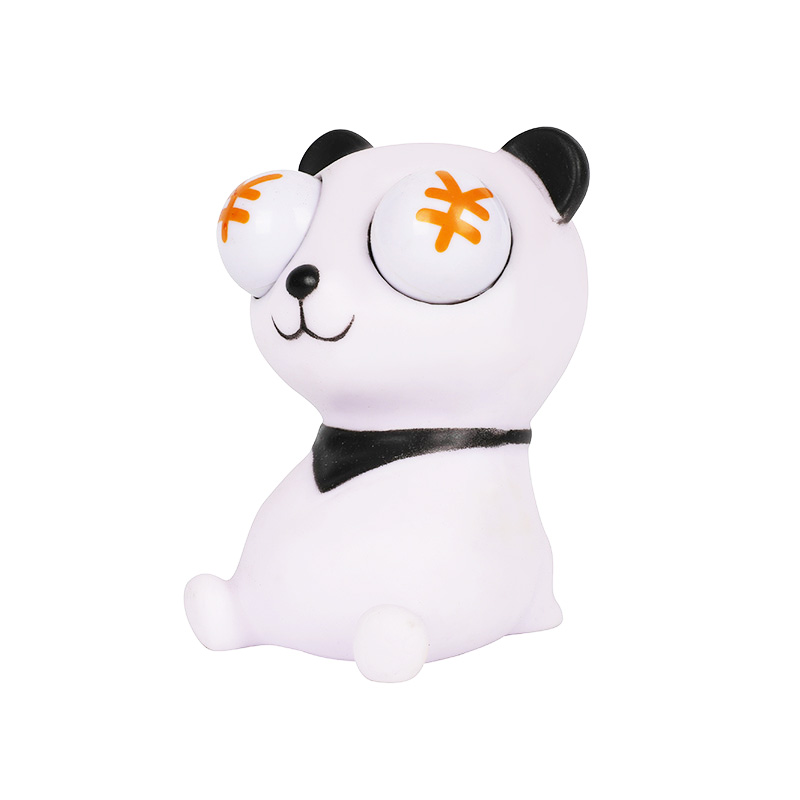
Enter the whimsical world of the Pop-eye series with our delightful creation, the Pop-eyed Panda. Designed to bring joy and relieve stress, this squee...
View More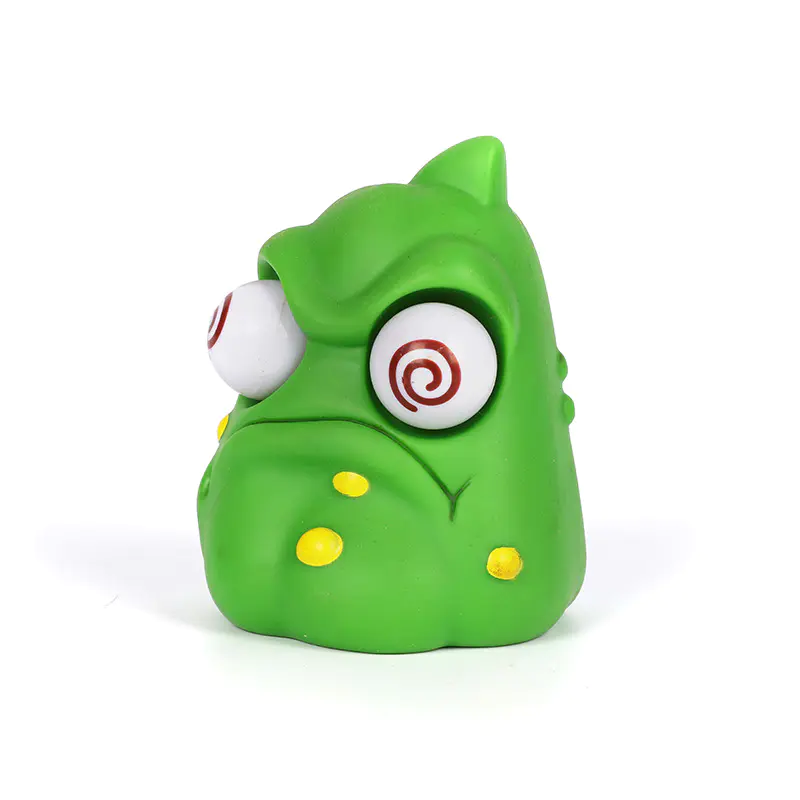
Step into the whimsical world of the Pop-eye series, where fun and functionality collide to bring you the Staring Glowing Decompression Series. These ...
View More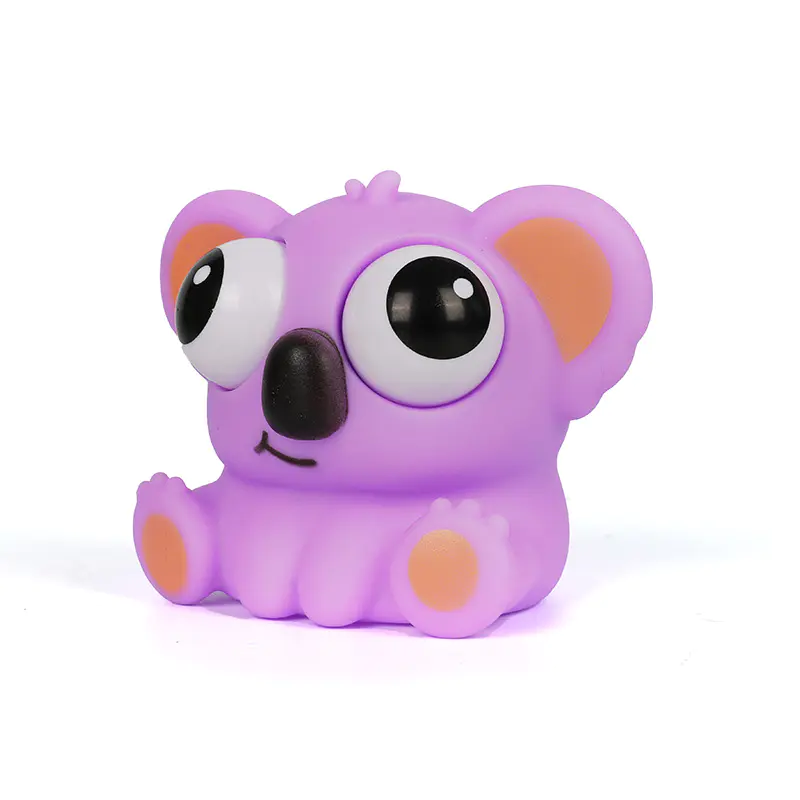
Welcome to the enchanting world of our Cute Little Animal Series (Big-eyed), a delightful addition to our renowned Pop-eye Collection. These captivati...
View More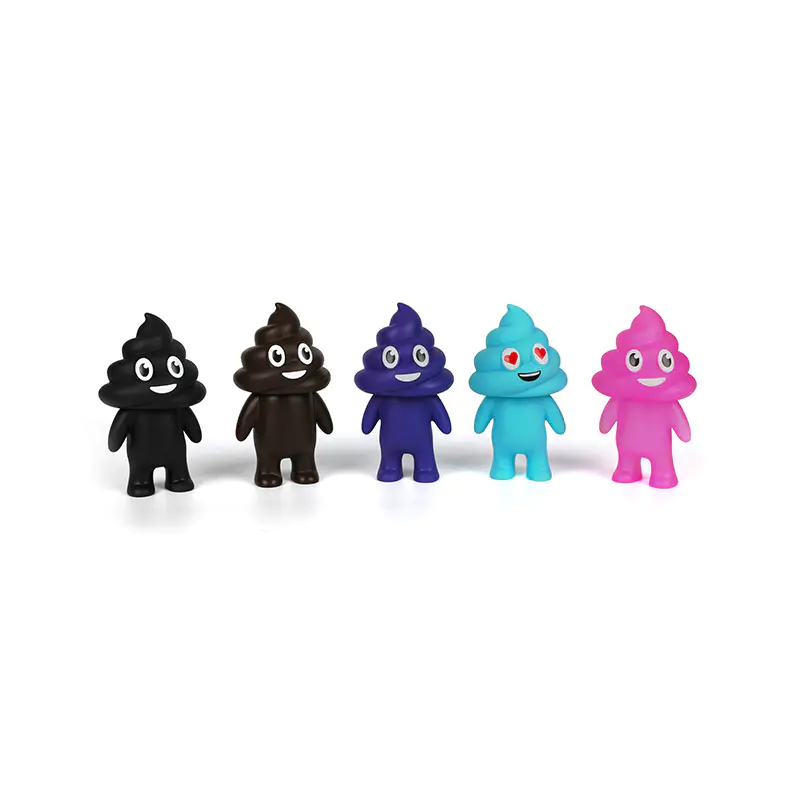
Introducing the Poop People Series, a unique and playful line of collectible figures that bring humor and joy to toy collections everywhere. These qui...
View More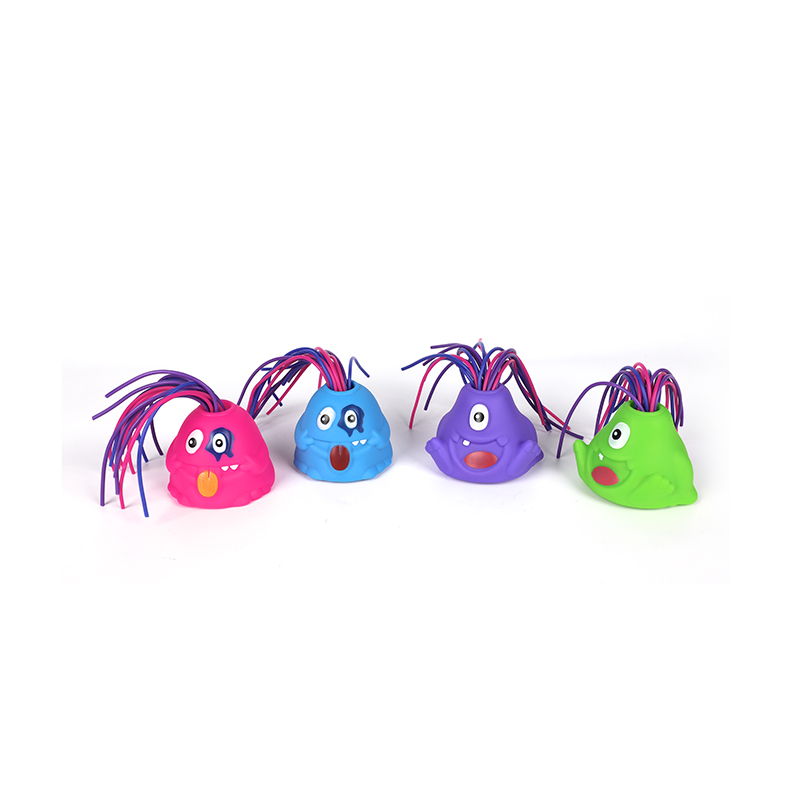
Laughter is one of the best ways to release stress, and Hair-Pulling Sound Toys are designed to do exactly that. These playful screaming monster figur...
View More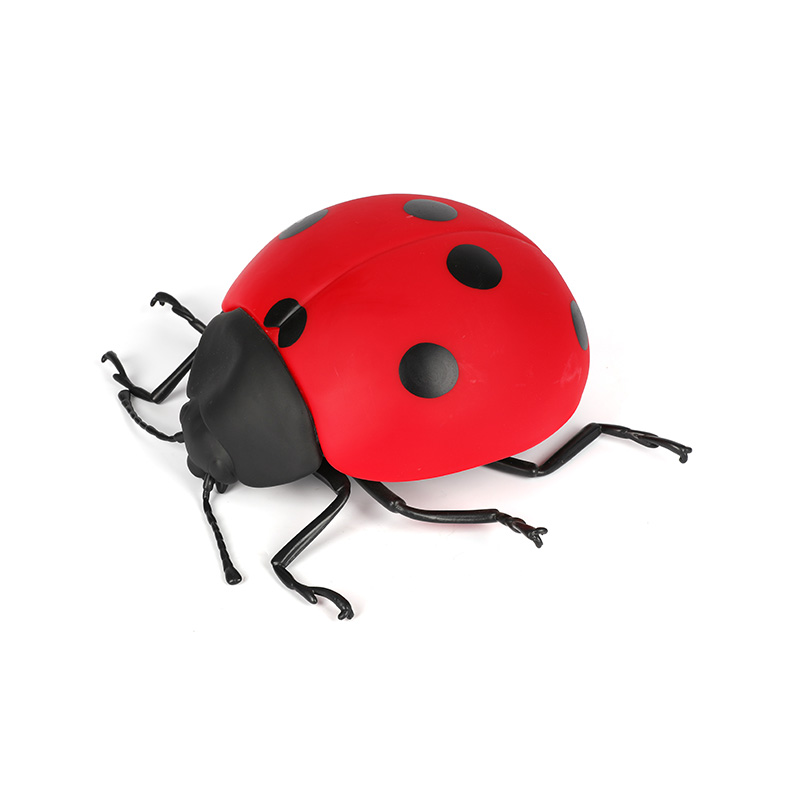
Our Beetle Model Toys are pretty popular with kids and bug fans these days. We put real effort into making these beetle figures so they look detailed ...
View More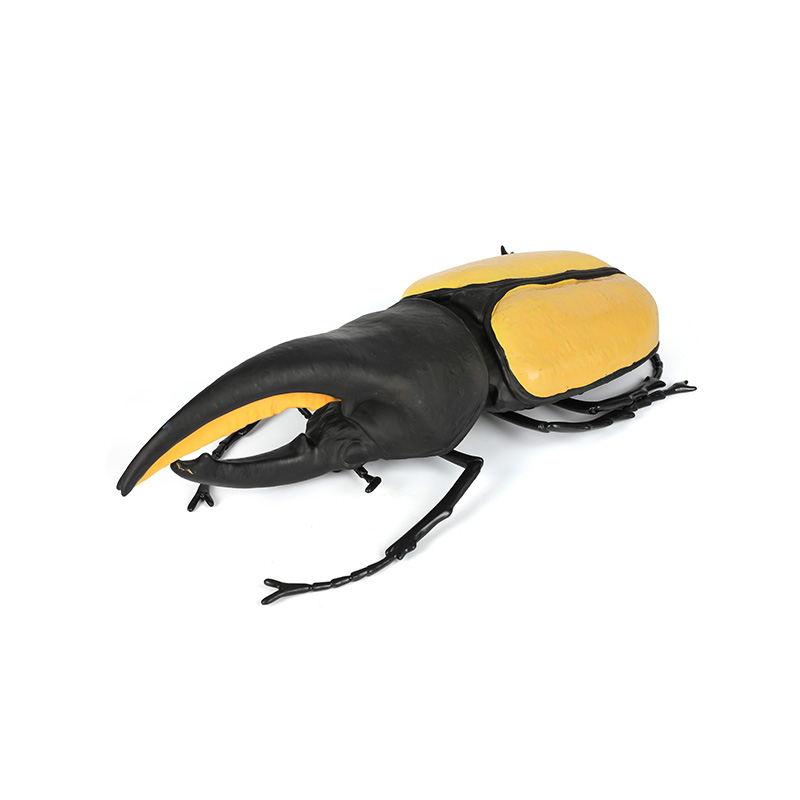
Welcome to the world of Beetle Model Toys, where intricate design meets playful imagination. Our Beetle models are meticulously crafted to provide not...
View More
Our Dinosaur Model Toys are really popular with kids these days. We make these dinosaur figures with a lot of care so they look real, help kids learn,...
View More
Copyright © Jinhua Blue Eagle Toys Technology Co., Ltd. All Rights
Reserved.


+86 18072335560


Educational Model Toys Company