

 English
 English
 русский
 Español
- Type:
- Industry News
- Date
- 2026-Jul-07
Industry News
What Makes Fidget Bubble Toy Different From Traditional Fidget Toys
Sensory toys have become part of many daily routines because simple hand movements often fit naturally into moments of waiting, reading, studying, traveling, or taking a short break. Product styles have gradually become more diverse, with each design offering a different way to interact rather than serving exactly the same purpose. Some rely on rolling or twisting, while others encourage repeated pressing through a flexible surface.
A Fidget Bubble Toy belongs to a category built around continuous pressing. Instead of requiring several moving parts, its structure usually combines a soft body with raised bubbles that can be pressed back and forth. Such a design changes how fingers move during use and creates a different rhythm from traditional handheld toys made with rotating or sliding components.
Material selection also influences daily use. Surface texture, flexibility, cleaning convenience, and long-term handling all contribute to how a product feels after repeated use. Looking beyond appearance makes it easier to understand why different sensory toys continue to exist side by side instead of replacing one another.
Why Have Sensory Toys Evolved Into Different Designs
Older sensory toys often focused on a single movement. Some encouraged spinning, others relied on rolling small balls, clicking buttons, or turning rotating parts. Each design offered one primary action, making interaction fairly predictable after a short period of use.
Daily life, however, presents many different situations. A person waiting for public transport may prefer something quiet. Someone sitting through a long meeting may look for an object that keeps one hand occupied without drawing attention. Children at home often enjoy products that allow repeated movement without complicated operation. Such differences gradually encouraged manufacturers to create products with new structures instead of making small changes to existing designs.
Bubble-style toys appeared as a different approach. Rather than depending on moving mechanical parts, each bubble becomes a small point of interaction. Pressing one bubble naturally leads to another, creating a continuous sequence instead of repeating exactly the same movement.
Design development has also become more closely connected with everyday habits. Small products that fit into a pocket, school bag, desk drawer, or travel pouch are often easier to carry throughout the day. Compact size alone does not determine usability, though it allows more flexibility when moving between different places.
Another noticeable change involves simplicity. Products with fewer separate components often require less attention during daily handling because there are fewer pieces that may become loose after long-term use. A straightforward structure also makes cleaning easier, especially when the product is handled frequently.
How Does A Bubble Pressing Structure Create A Different Experience
Interaction begins with a simple finger movement, although repeated pressing gradually creates a rhythm that differs from twisting or spinning. Each bubble offers gentle resistance before changing position, followed by a small tactile response that encourages another press nearby. Hand movement becomes continuous rather than focused on one central point.
Unlike rotating toys that mainly use thumb and index finger, bubble designs allow different fingers to participate naturally. One hand may press across several rows, while both hands may work together during longer periods of use. Movement changes according to grip, finger position, and product shape instead of following one fixed pattern.
Pressing also produces a slower pace than rapid spinning. Many users move from one bubble to another without paying much attention to speed, making interaction feel more relaxed during reading, waiting, or casual conversation.
Another practical difference appears when comparing movement variety.
| Interaction Style | Finger Movement | Daily Situation |
|---|---|---|
| Bubble pressing | Repeated pressing across different areas | Reading, waiting, desk work |
| Rolling | Forward and backward movement | Short breaks |
| Twisting | Rotation using fingers | Standing or walking |
| Sliding | Back-and-forth motion | Seated activities |
Structure influences comfort as well. Rounded bubble layouts allow fingers to travel naturally across the surface instead of remaining in one place. Long sessions often involve changing grip without conscious effort because different sections become easier to reach from different angles.
A Fidget Bubble Toy also creates interaction that does not depend on visual attention. After becoming familiar with the layout, finger movement can continue while reading a page, listening to a conversation, or thinking through a task, making the product suitable for situations where visual focus stays elsewhere.
What Difference Does Silicone Material Make
Material plays an important role because fingers remain in direct contact with the surface during every press. Hard plastics create a completely different feeling from flexible materials, even when both products share a similar shape.
A Silicone Bubble Toy is generally recognized by its soft surface and elastic response. When a bubble is pressed, material bends and returns to its original position through natural flexibility instead of depending on separate moving parts. That simple behavior gives each press a consistent feeling over repeated use.
Surface texture also changes daily handling. Soft material is usually more comfortable to hold during longer periods because edges remain gentle against fingers and palms. Small changes in grip happen naturally without creating discomfort around pressure points.
Cleaning becomes another practical advantage. Dust from school bags, office desks, or travel pockets can usually be removed with ordinary washing, allowing the product to return to daily use without complicated maintenance.
Flexible material also adapts well to different shapes. Round, square, animal-inspired, or geometric designs can all use similar bubble structures while maintaining comparable pressing behavior. As a result, appearance may change considerably without changing the basic interaction.
Another practical consideration involves repeated handling. Products used every day are often carried between home, school, workplaces, and travel bags. Material capable of returning to its original form after frequent pressing helps maintain a familiar feel over time, reducing noticeable changes during ordinary use.
Which Everyday Situations Suit Different Types Of Fidget Toys
Daily routines rarely stay the same from morning to evening, so a sensory toy that feels comfortable in one place may not be equally practical somewhere else. Choice often depends less on appearance and more on where the product will be used and how often it will be picked up during the day.
A desk at home usually provides enough space for larger shapes. During reading or computer work, a bubble toy can remain beside a keyboard or notebook and be picked up for a few moments before being placed back on the table. Since no assembly is required, use begins as soon as the product is in hand.
School bags and office backpacks create another situation. Items carried every day are often placed together with notebooks, cables, pens, and personal belongings. A compact design fits more naturally into limited storage space and can be taken out without searching through several pockets.
Travel creates different habits again. Waiting areas, public transport, or long journeys often involve periods with little activity. A product that can be operated with one hand while remaining quiet is generally easier to use in shared spaces than one containing loose moving parts.
Home environments also vary from room to room. Some people leave a sensory toy beside a sofa for short breaks, while others keep one near a study desk or bedside table. Instead of moving a single product from place to place throughout the day, different locations sometimes become regular storage points.
No single design matches every routine. Everyday habits usually determine which shape, size, and structure feel more convenient over time.
How Do Shape And Size Influence Daily Use
Shape changes the way fingers move across the surface. A round design encourages continuous movement around curved edges, while a square layout often follows straight rows from one side to another. Neither approach changes the basic function, although hand movement feels slightly different during longer use.
Product size also affects storage and handling. A larger toy provides more pressing space and allows both hands to move comfortably across the surface, making it suitable for use at home or on a desk. Smaller versions are easier to carry in a pocket, handbag, or pencil case, making them practical companions during travel or daily commuting.
Grip comfort depends on more than dimensions alone. Rounded edges, balanced thickness, and evenly spaced bubbles allow fingers to move naturally without needing frequent changes in hand position. When the layout feels consistent, movement develops into a steady rhythm instead of stopping after only a few presses.
Designers often consider how a product will be picked up rather than simply how it looks on a shelf. A toy that slips easily into a bag, rests comfortably in one hand, and can be placed on a table without rolling away often becomes easier to include in everyday routines.
Why Is Reusability An Important Design Consideration
Many everyday products are expected to remain useful after repeated handling, and sensory toys are no different. Pressing bubbles over and over creates constant movement across the same areas, making material quality and structural design more important than decorative details.
Reusable construction also changes the way people interact with the product. There is no need to reset complicated parts or replace small components after ordinary use. Once one side has been pressed completely, turning the toy over allows the same sequence to begin again, creating a continuous cycle without additional preparation.
Cleaning becomes part of long-term use as well. Toys carried between school, workplaces, and outdoor activities naturally collect dust and everyday dirt. A surface that can be cleaned with simple daily care remains practical without requiring special maintenance.
Frequent handling also highlights the value of a structure that keeps its original shape after repeated pressing. Consistent movement from one bubble to another helps maintain a familiar experience over time, allowing the product to remain comfortable during regular use.
How Do Manufacturing Details Affect Product Consistency
Although a sensory toy appears simple, small manufacturing details influence everyday handling. Bubble depth, surface smoothness, edge finishing, and overall flexibility all contribute to how the finished product feels in the hand.
Even spacing between bubbles helps fingers move naturally across the surface without unexpected changes in resistance. A balanced layout also creates a more regular pressing rhythm because each section responds in a similar way.
Surface finishing deserves attention as well. Rough edges may become noticeable after longer use, especially when fingers move repeatedly across the same areas. A smooth finish allows movement to continue without interruption and makes cleaning easier after daily use.
Material consistency is another practical point. Flexible material that responds evenly across the whole surface creates a more predictable pressing experience, while uneven flexibility may cause one area to feel different from another.
During production, careful inspection helps maintain similar quality from one product to the next. Small differences that seem unimportant during manufacturing often become more noticeable after repeated daily handling.
What Should Be Considered Before Choosing A Sensory Toy
Appearance often attracts attention at the beginning, although practical use usually becomes a more important factor after several days. Looking at everyday habits before making a choice often provides a clearer direction.
Several points are worth considering:
- Where the toy will be used most often.
- Preferred material for everyday handling.
- Size that fits bags, desks, or storage spaces.
- Ease of cleaning after regular use.
- Shape that feels comfortable during longer pressing sessions.
A Fidget Bubble Toy may suit someone looking for continuous pressing movement, while a Silicone Bubble Toy may appeal to those who place greater value on flexibility, soft touch, and simple maintenance. Neither approach replaces every other sensory toy because different routines naturally create different preferences.
Daily use usually reveals more than appearance alone. A product that fits naturally into ordinary activities often remains in regular use longer than one chosen only for its visual style.
Differences between sensory toys become clearer after looking beyond shape alone. Interaction style, material choice, product size, and everyday handling all influence how a toy fits into daily routines.
A Fidget Bubble Toy stands apart through repeated bubble pressing that encourages continuous finger movement without relying on rotating or sliding parts. A Silicone Bubble Toy adds another layer through flexible material, comfortable grip, and straightforward cleaning, making it suitable for regular handling across different environments.
As product designs continue to diversify, practical use remains closely connected with everyday habits. Matching a sensory toy to real situations, storage needs, and preferred hand movements often provides a more meaningful basis for selection than appearance by itself.
Related Products
-
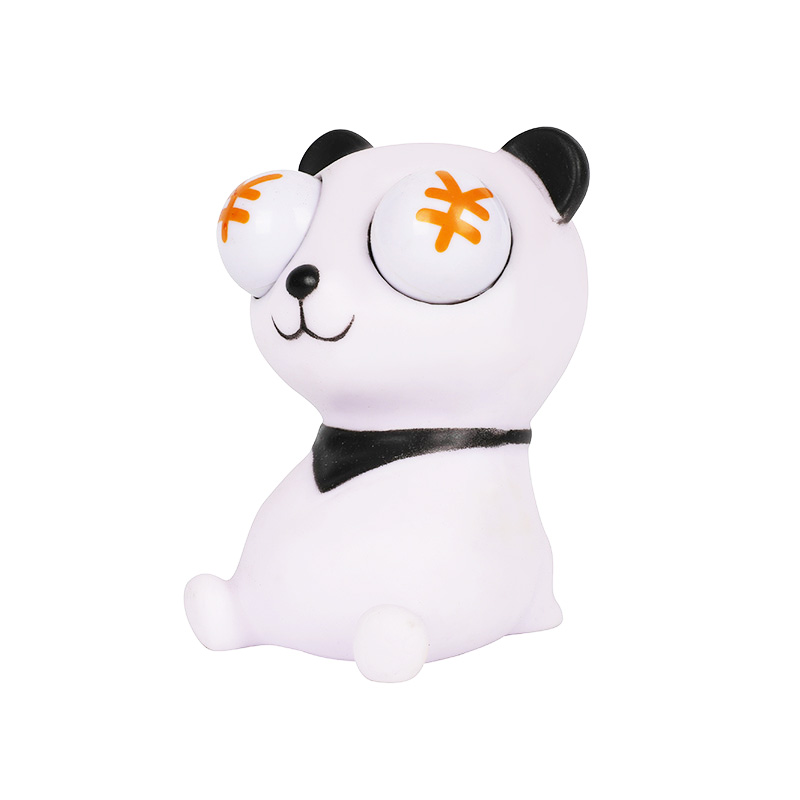
Pop-eyed Panda
Enter the whimsical world of the Pop-eye series with our delightful creation, the Pop-eyed Panda. Designed to bring joy and relieve stress, this squee...
View More -
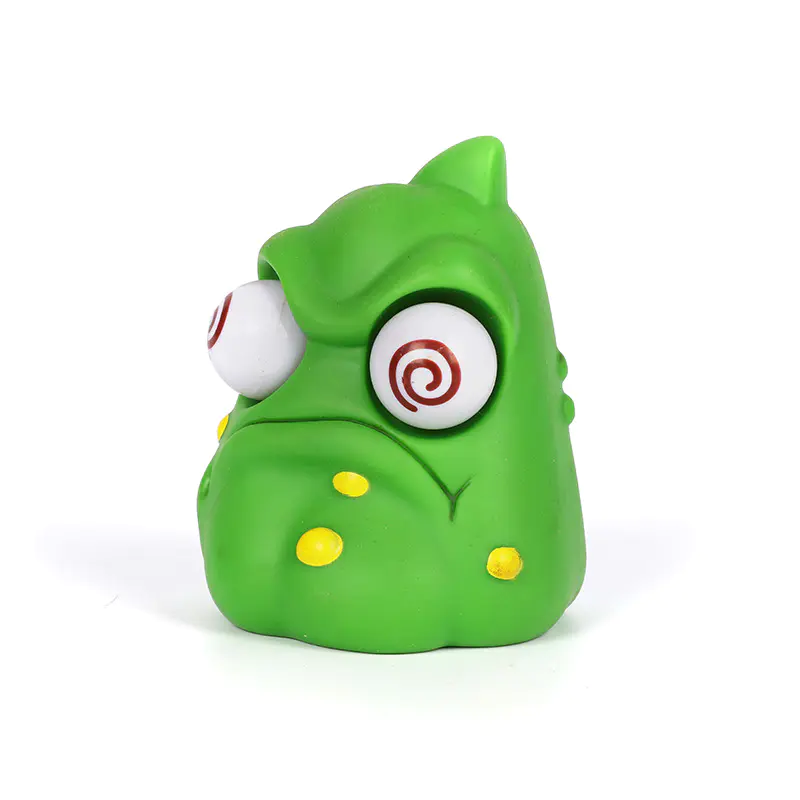
Staring Glowing Decompression Series
Step into the whimsical world of the Pop-eye series, where fun and functionality collide to bring you the Staring Glowing Decompression Series. These ...
View More -
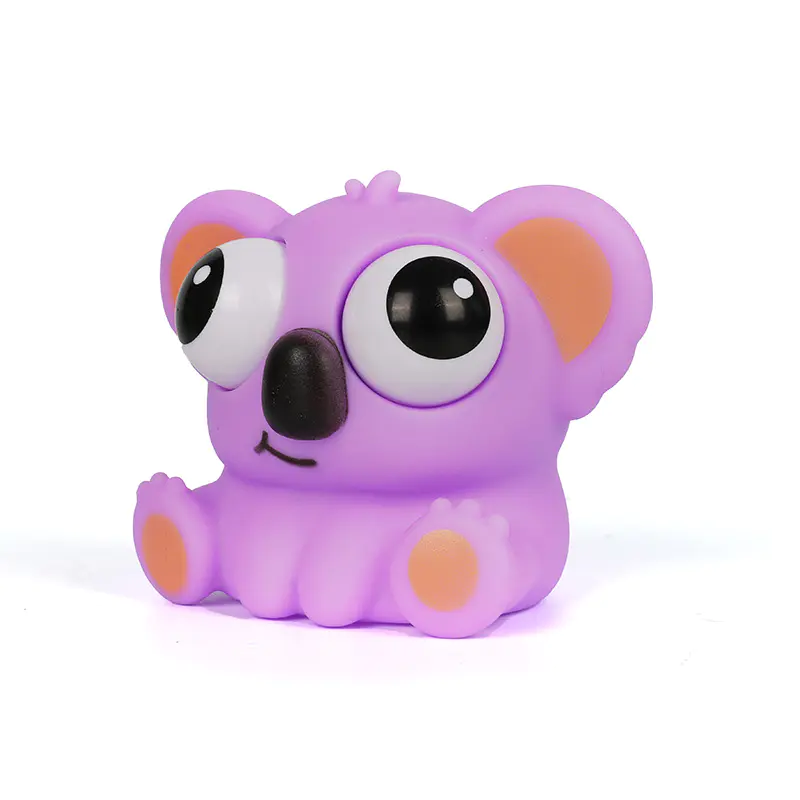
Cute Little Animal Series (Big-eyed)
Welcome to the enchanting world of our Cute Little Animal Series (Big-eyed), a delightful addition to our renowned Pop-eye Collection. These captivati...
View More -
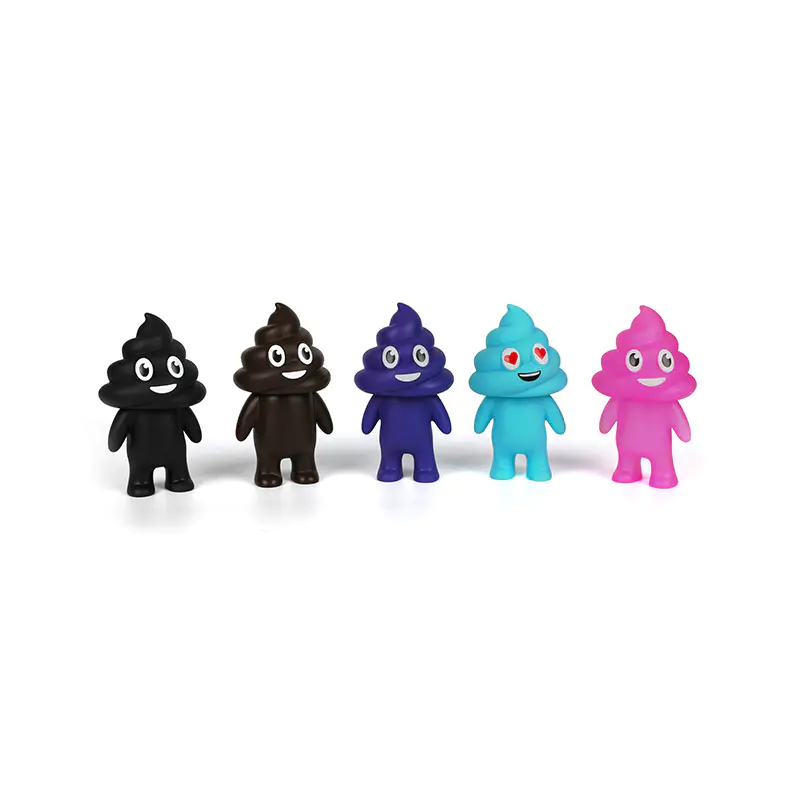
Poop People Series
Introducing the Poop People Series, a unique and playful line of collectible figures that bring humor and joy to toy collections everywhere. These qui...
View More -
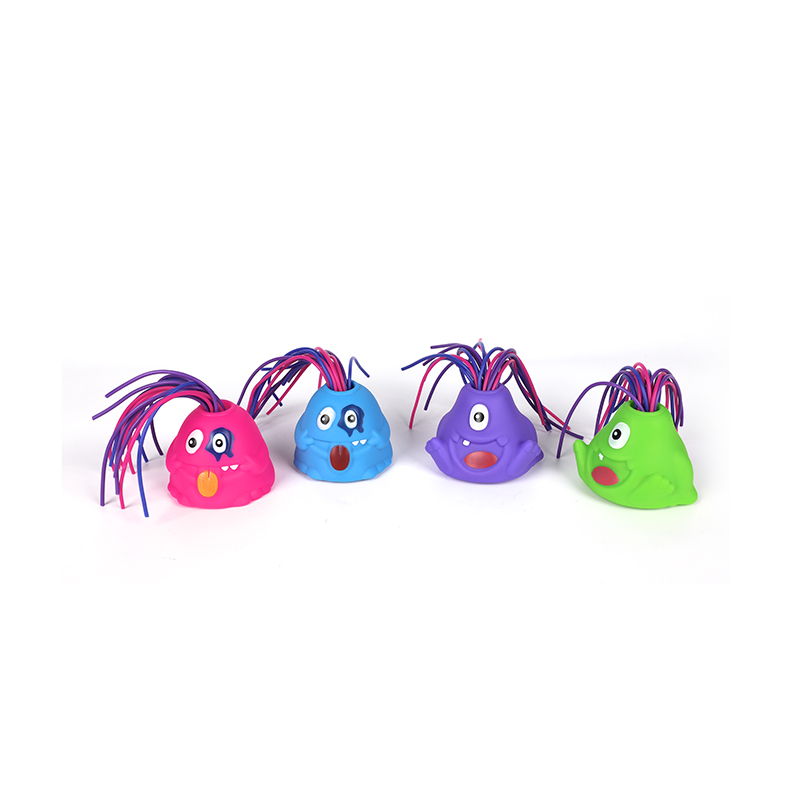
Fun Hair-Pulling Monster Stress Relief Anti-Anxiety Sound Toys
Laughter is one of the best ways to release stress, and Hair-Pulling Sound Toys are designed to do exactly that. These playful screaming monster figur...
View More -
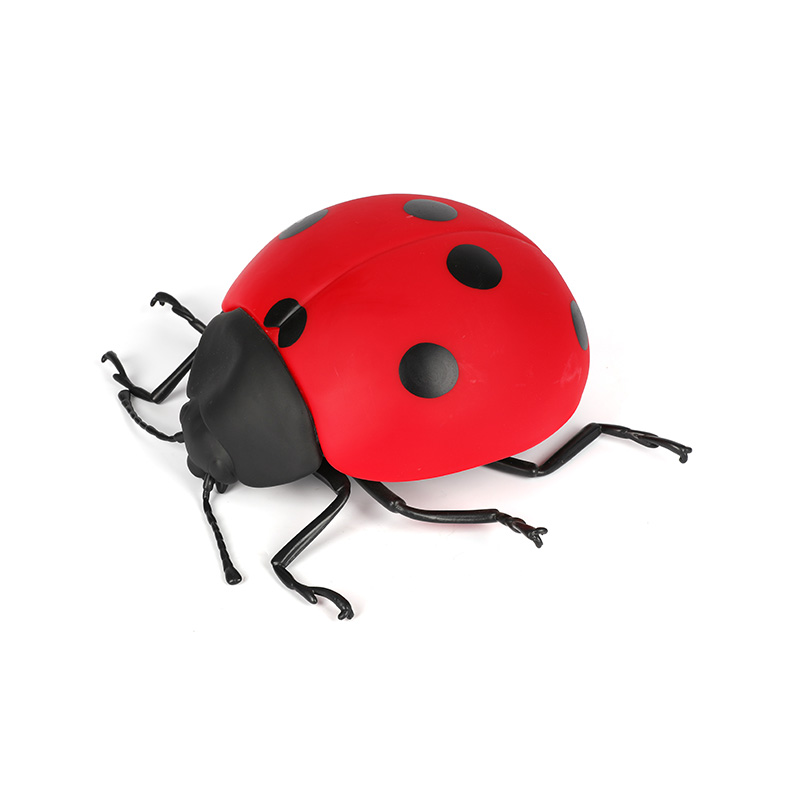
Beetle, Beetle Model Toys
Our Beetle Model Toys are pretty popular with kids and bug fans these days. We put real effort into making these beetle figures so they look detailed ...
View More -
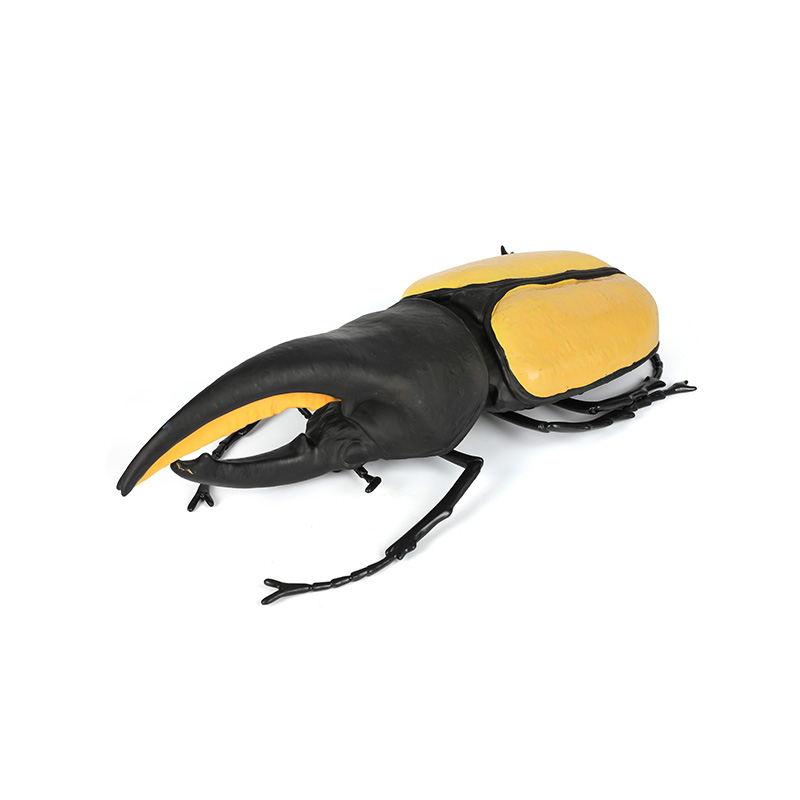
Beetle, Beetle Model Toys
Welcome to the world of Beetle Model Toys, where intricate design meets playful imagination. Our Beetle models are meticulously crafted to provide not...
View More -
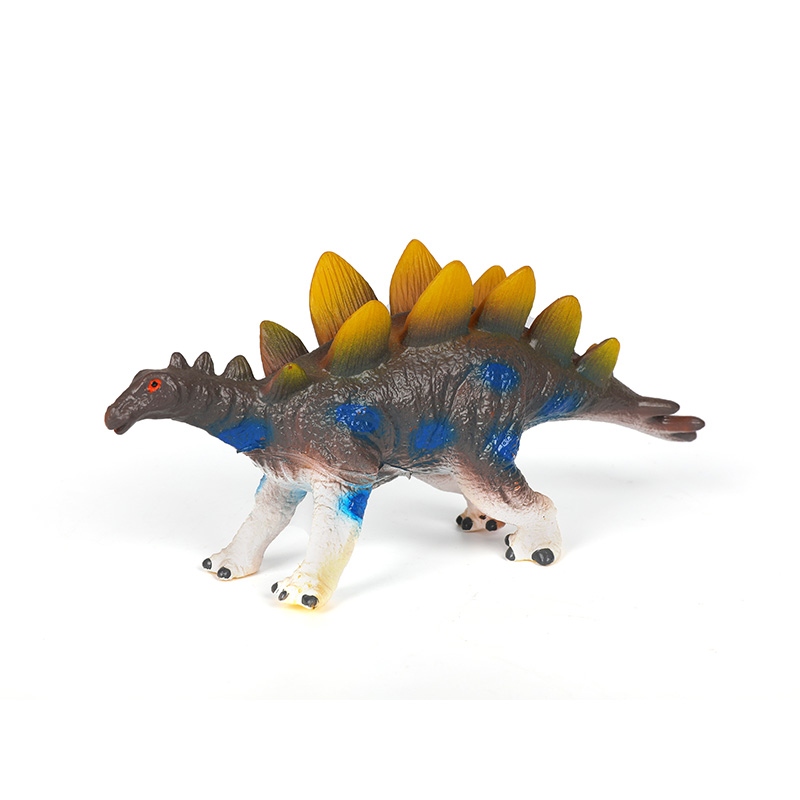
Diversity Series Dinosaur Model Puzzle Toys
Our Dinosaur Model Toys are really popular with kids these days. We make these dinosaur figures with a lot of care so they look real, help kids learn,...
View More

Copyright © Jinhua Blue Eagle Toys Technology Co., Ltd. All Rights
Reserved.

Information
-

+86 18072335560
-

-
 Weiyingsheng Industrial Co., Ltd., Yangbu Town Industrial Zone, Wucheng District, Jinhua City, Zhejiang Province
Links
Contact Us
Educational Model Toys Company