

 English
 English
 русский
 Español
- Type:
- Industry News
- Date
- 2026-Oct-23
Industry News
How Do Screaming Plastic Chicken Toys Make Unique Sounds
Pick up two rubber toys of the same size and squeeze them. One gives a thin chirp, the other a rough, rasping cry. You will remember the second one, and you may not even recall its color. Sound can give a toy an identity before anyone studies its shape or surface. Fitting a noise-making part inside the body is only the beginning. The sound depends on how the body is built, what it is made of, and how consistently the factory can repeat it.
A Screaming Plastic Chicken, a Squeaky Stress Toy, and a Vocalization Toy each call for a different approach. The chicken needs an exaggerated cry that makes people laugh. The stress toy needs a short squeak that stays the same after hundreds of presses. The vocalization toy aims for something closer to an animal or a cartoon character. Treating sound as a core feature, and not a last-minute add-on, helps a team make clearer choices from the first sketch.
How Can Designers Shape a Sound People Remember?
Why Describe the Sound in Words First?
Teams often start by naming the sound in plain terms: piercing, raspy, airy, nasal, or muted. A shared vocabulary keeps designers, engineers, and factory staff on the same page. A note such as "make it more interesting" sends everyone in circles. A note such as "shorter, with a rougher ending" gives a direction that can be tested.
Distinctiveness does not depend on volume. It can come from how the sound begins, how long it lasts, or how it changes as the body is pressed and released. The sound should also suit the look of the toy. A cheerful cartoon animal that makes an unrelated mechanical noise feels disconnected, and shoppers notice that even if they cannot explain why.
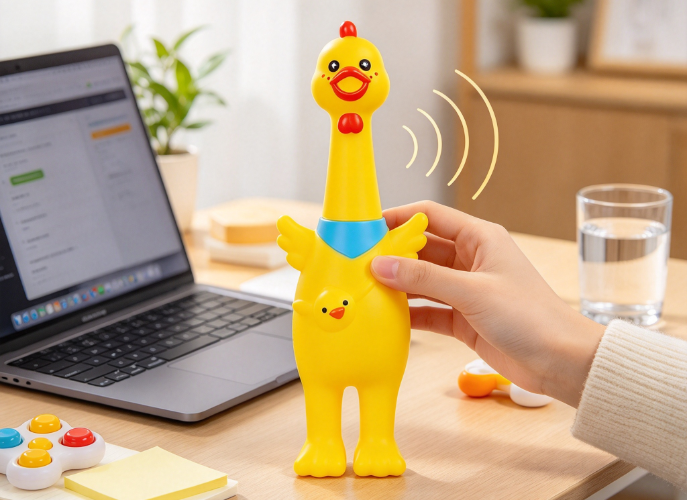
How Do the Three Products Differ in What They Need?
The Screaming Plastic Chicken depends on the contrast between a silly shape and an unexpected cry. Designers can explore the start of the sound, its length, and how it shifts with the pressure of a hand. The goal is a deliberate effect and not a random noise.
A Squeaky Stress Toy gets squeezed over and over at a desk or in a pocket, so repeatability matters more than character. A squeak that changes from press to press feels unreliable. A Vocalization Toy relies on rhythm, roughness, and changes in tone to feel like a voice and not a generic squeak.
| Product | Sound Priority | Design Focus |
|---|---|---|
| Screaming Plastic Chicken | Exaggerated, memorable cry | Sound onset, length, link to the character |
| Squeaky Stress Toy | Short, predictable squeak | Repeatable response to pressure |
| Vocalization Toy | Animal or character-like voice | Rhythm, texture, tone changes |
Simple prototypes let the team compare a clean squeak, a rough cry, and a softer effect side by side. A sound that wins people over in one demonstration can become tiring after a long afternoon of squeezing, so test it under realistic handling.
How Do Structure and Materials Affect the Sound?
What Happens Inside the Body?
In squeeze-operated toys, pressing the body pushes air past a small sound part. The shape of the inner space, the position of the opening, and the airflow path all change the result. A body that is too stiff takes effort to press, and a child may give up. One that is too soft can fold in a way that alters the sound.
Hands matter too. An outlet partly covered by fingers sounds different from a clear one, so the outer shape has to serve both appearance and acoustics. Recovery speed also counts. A slow-returning body delays the next sound, and an uneven one makes repeated presses differ.
Change one feature at a time during prototyping, such as wall thickness or opening position. That shows which choice really shaped the sound, and it avoids piling up changes nobody can explain.
Which Materials Support the Intended Effect?
Material affects feel, durability, how quickly the toy springs back, and how much sound the body absorbs. A firmer flexible plastic gives a defined response to pressure. A softer one feels gentler but can change airflow or the behavior of inner parts. A shell material that feels pleasant may not suit every internal component.
Small differences in flexibility or wall thickness become audible when a design relies on a narrow response range. Clear material requirements and incoming checks help catch variation before a whole batch is affected. Safety also guides the choice, including age suitability, expected handling, cleaning, and damage during normal play. Follow applicable toy safety requirements, and do not trade safe construction for acoustic effect.
How Do Makers Balance Sound, Comfort, and Safe Use?
Should the Sound Part Be Mechanical or Electronic?
Mechanical designs depend on movement, airflow, and the relationship between body and outlet. Electronic designs offer more ways to shape a sound but add power, controls, component placement, and maintenance to the list. A simple mechanical system suits a toy that answers directly to pressure. An electronic one may suit several distinct effects or a set sequence. The concept should drive the choice, not habit.
How Loud and How Firm Should It Be?
A toy squeezed repeatedly can make many sounds in a short time, which is why listening comfort deserves attention. Evaluate at a realistic distance in an ordinary room, not only in a quiet lab. Check whether the sound turns harsh or shifts when the toy is held differently.
Operating force needs the same care. Too much pressure frustrates some users, while a hair-trigger response creates stray noise in a toy box or school bag. Inspect openings, seams, and internal parts so components stay enclosed and the body withstands the handling expected for its age group.
How Can Testing Keep the Sound Consistent?
What Should a Review Cover?
Test repeated operation and not a single good squeeze. Listen for shifts in pitch, length, volume, and texture, and confirm that the body recovers and the sound part stays in place.
- Sound identity: does the prototype match the written description?
- Handling: how does output change with different squeezing motions?
- Structure: do the body, openings, seams, and assembly show interference?
- Repeatability: do several samples sound alike?
- Use and safety: is the construction suitable for the intended users?
A weak or rough sample does not always point to a bad sound part. A blocked opening, an uneven body, or a loose fit may be the cause. Record the version, the change tested, the sound heard, and any structural issue, so the team does not repeat adjustments that already failed.
How Does Differentiation Continue Beyond Sound?
Shape, texture, color, and handling all support recognition. Change one clear feature per version, such as a softer tone, a longer response, or a body that suits a different grip. An intricate structure may sound distinctive yet prove harder to assemble consistently, so weigh acoustic character against materials, assembly, inspection, and product life. Keep sound review in routine design checks, using feedback from prototypes, factory inspection, and real use to keep body design, materials, assembly, and interaction aligned.
Related Products
-
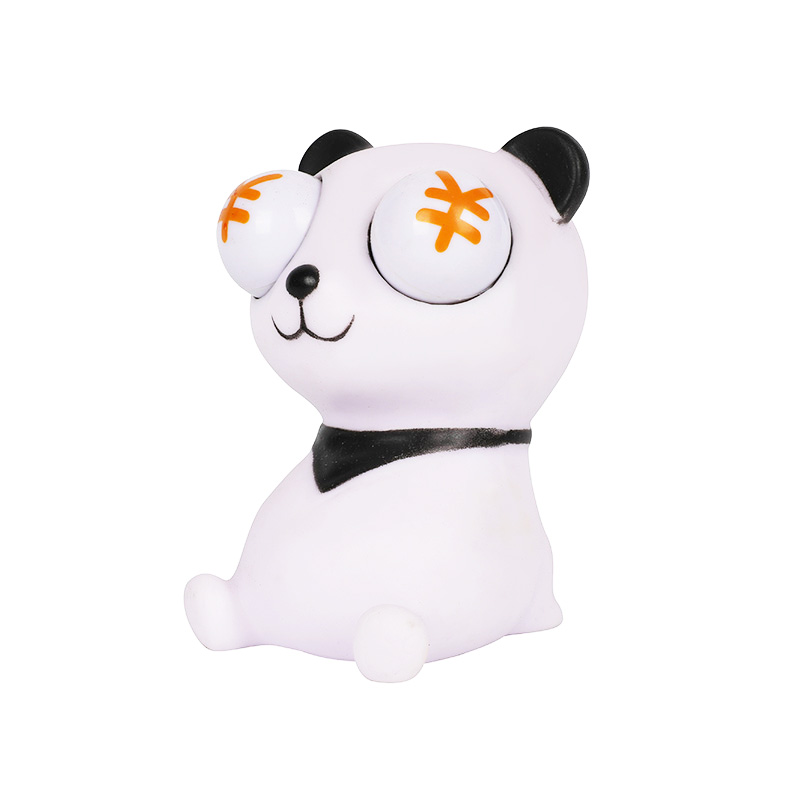
Pop-eyed Panda
Enter the whimsical world of the Pop-eye series with our delightful creation, the Pop-eyed Panda. Designed to bring joy and relieve stress, this squee...
View More -
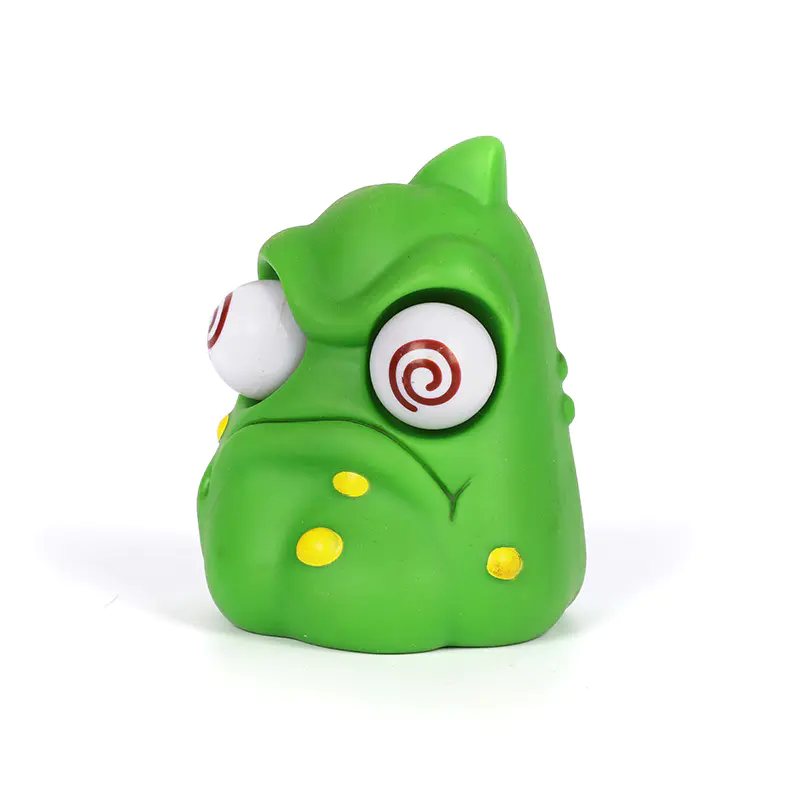
Staring Glowing Decompression Series
Step into the whimsical world of the Pop-eye series, where fun and functionality collide to bring you the Staring Glowing Decompression Series. These ...
View More -
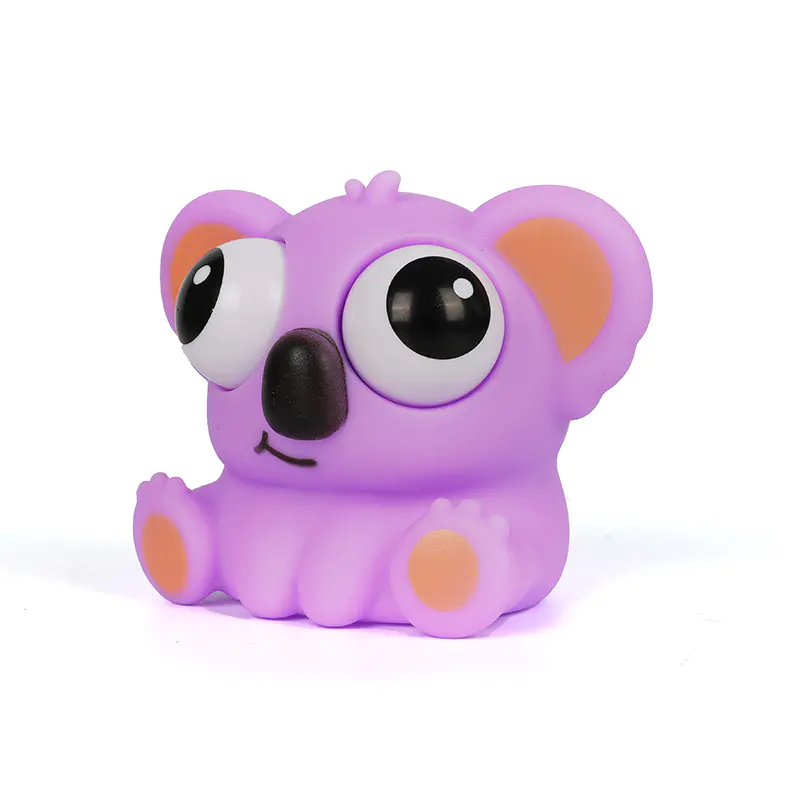
Cute Little Animal Series (Big-eyed)
Welcome to the enchanting world of our Cute Little Animal Series (Big-eyed), a delightful addition to our renowned Pop-eye Collection. These captivati...
View More -
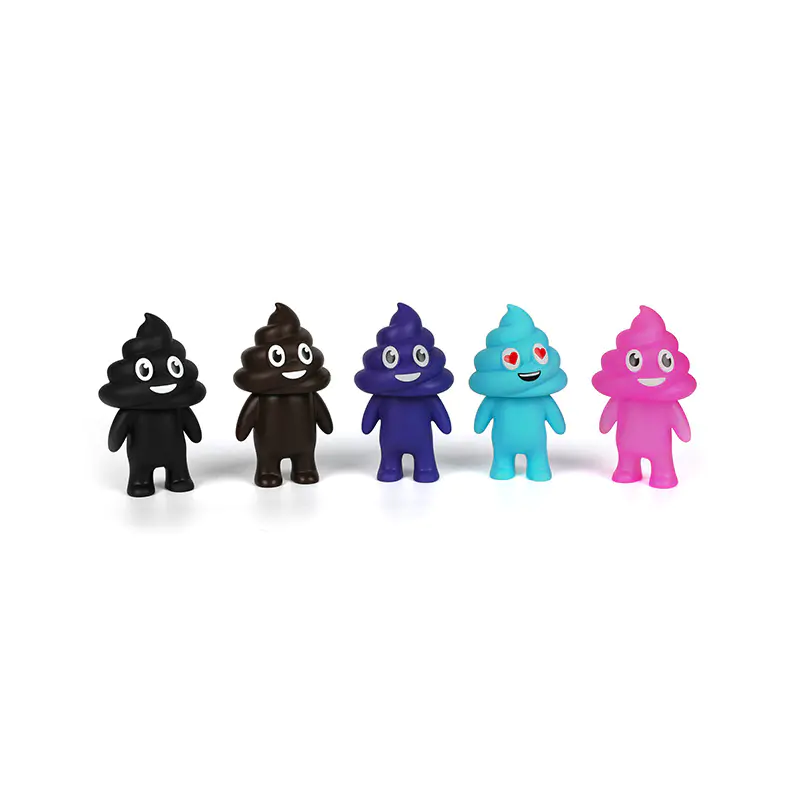
Poop People Series
Introducing the Poop People Series, a unique and playful line of collectible figures that bring humor and joy to toy collections everywhere. These qui...
View More -
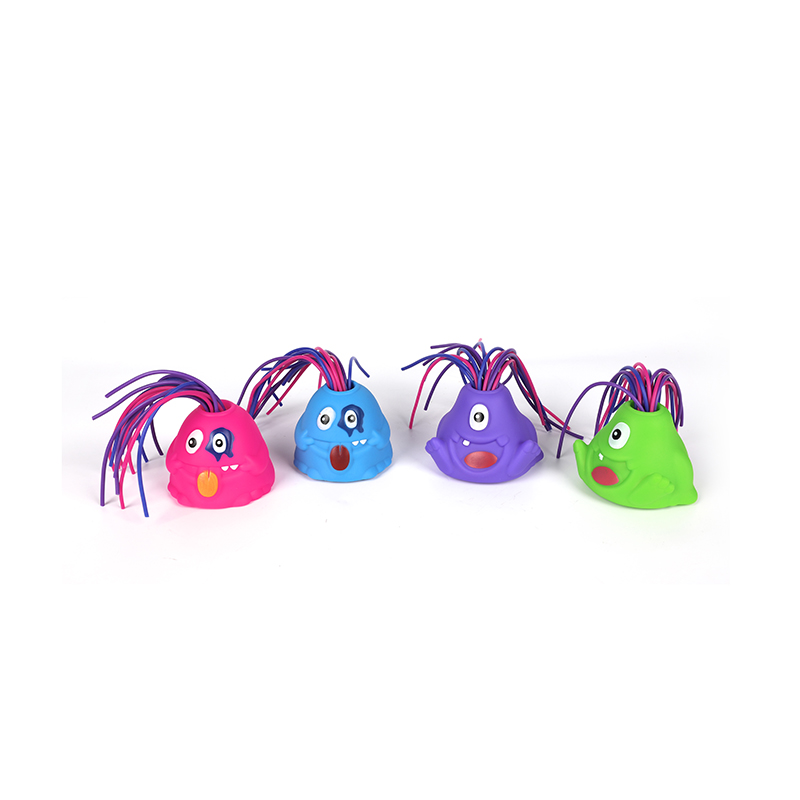
Fun Hair-Pulling Monster Stress Relief Anti-Anxiety Sound Toys
Laughter is one of the best ways to release stress, and Hair-Pulling Sound Toys are designed to do exactly that. These playful screaming monster figur...
View More -
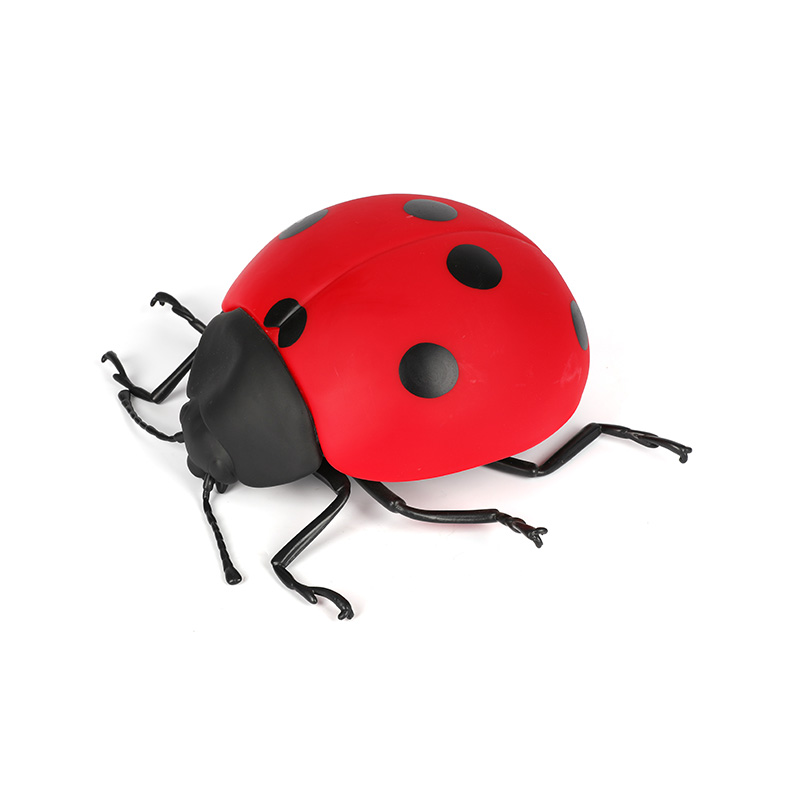
Beetle, Beetle Model Toys
Our Beetle Model Toys are pretty popular with kids and bug fans these days. We put real effort into making these beetle figures so they look detailed ...
View More -
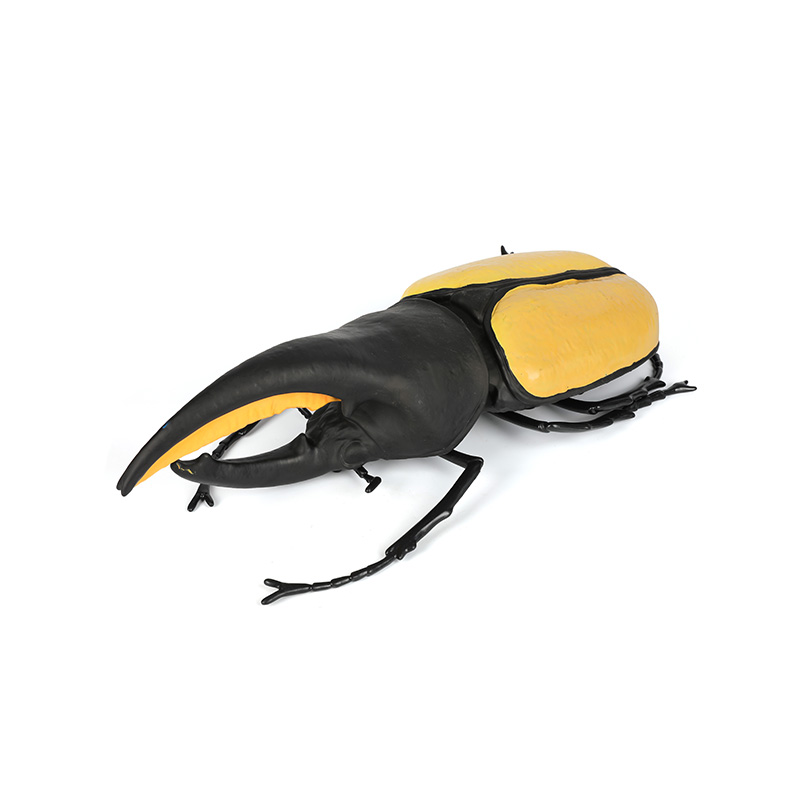
Beetle, Beetle Model Toys
Welcome to the world of Beetle Model Toys, where intricate design meets playful imagination. Our Beetle models are meticulously crafted to provide not...
View More -
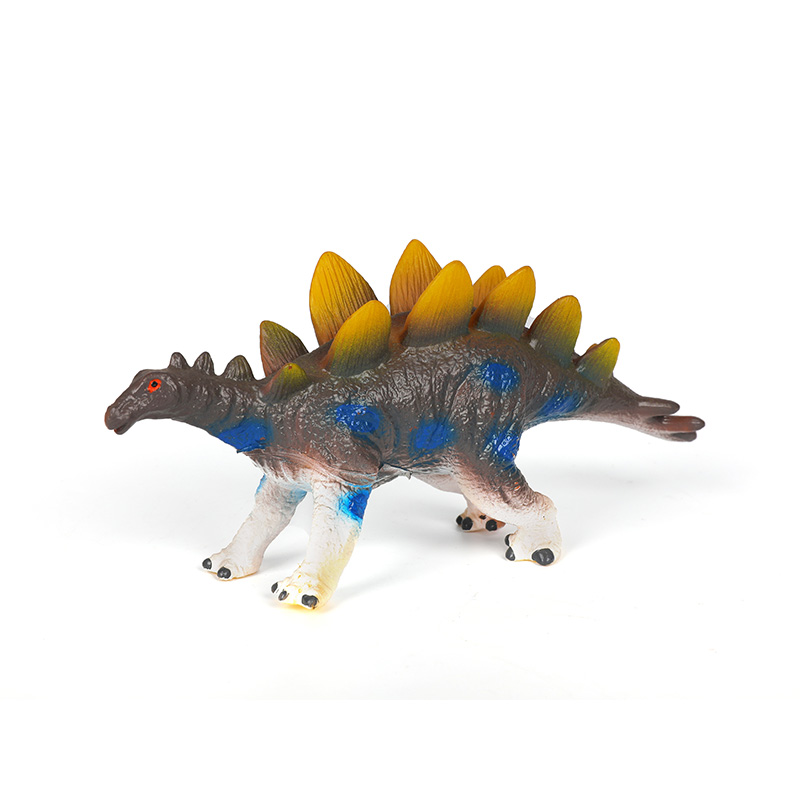
Diversity Series Dinosaur Model Puzzle Toys
Our Dinosaur Model Toys are really popular with kids these days. We make these dinosaur figures with a lot of care so they look real, help kids learn,...
View More

Copyright © Jinhua Blue Eagle Toys Technology Co., Ltd. All Rights
Reserved.

Information
-

+86 18072335560
-

-
 Weiyingsheng Industrial Co., Ltd., Yangbu Town Industrial Zone, Wucheng District, Jinhua City, Zhejiang Province
Links
Contact Us
Educational Model Toys Company