

 English
 English
 русский
 Español
- Type:
- Industry News
- Date
- 2026-Oct-16
Industry News
How Does a Screaming Plastic Chicken Create Its Signature Sound
A small toy can fill a room with noise and no battery at all. The Screaming Plastic Chicken has a long neck, a soft body, and a wavering cry that cuts through party chatter. One squeeze is all it takes.
The sound comes from air, not electronics. Pressing the body pushes air through an internal sound-producing structure. Shape, material flexibility, opening size, and the user's grip decide what comes out. For makers and buyers of a Squeaky Stress Toy or another Vocalization Toy, these details shape the user experience and the consistency between units.
Why It Sounds Different From an Ordinary Squeaker
Many squeaky toys give a short, high chirp. A screaming chicken gives a drawn-out, uneven cry. The difference lies in how air passes through the internal structure as pressure changes.
A typical design pairs a hollow body with a narrow opening. Squeezing raises the air pressure inside, and air rushes through the opening. A flexible section or the airflow itself vibrates, and those vibrations reach the ear as sound. This is the same basic idea behind a whistle, with the hand supplying the energy.
| Design Element | Effect on Sound |
|---|---|
| Hollow body | Gives air room to move |
| Flexible wall | Responds to hand pressure |
| Air outlet | Directs air through the sound structure |
| Internal passage | Shapes airflow and tone |
| Wall thickness | Changes how the body deforms |
| Opening shape | Influences pitch and intensity |
Change one feature and the others react. A slightly narrower opening can alter how easily the toy sounds off.
Why the Cry Rises and Falls
Listen closely during one squeeze. The sound starts abruptly, wavers in the middle, and fades at the end. Pressure and airflow are changing the whole time.
A firm press pushes air quickly. As the grip relaxes, pressure drops and the airflow shifts. The body also changes shape as it is pressed, which alters the space inside. The sound-producing part responds to each change.
Compression: the hand raises internal pressure.
Air movement: air heads for the outlet.
Sound production: airflow and structure create vibration.
Pressure change: the squeeze deepens or eases.
Variation: tone and volume shift.
Recovery: the body expands and draws air back in.
A slow squeeze therefore sounds different from a quick punch. The user controls the input, and the construction decides how that input becomes sound.
Body Shape, Material, and Squeeze Feedback
The chicken shape gives the toy its identity, but it also sets practical limits. Walls must bend under a hand yet spring back. If the material is too rigid, the toy is tiring to squeeze. If it is too soft, it loses shape or recovers unevenly. The neck and head also guide where people grip, which affects where pressure lands.
| Material Property | User Experience |
|---|---|
| Flexibility | How easily the body compresses |
| Elastic recovery | How well it returns after release |
| Wall thickness | Stiffness and deformation |
| Surface texture | Grip and handling feel |
| Wear resistance | Behavior after repeated use |
| Consistency | Similar feel from unit to unit |
Squeeze feedback is what the hand feels, joined by what the ear hears. A gentle press may give a shorter, quieter cry, and a firm one a stronger cry. No button or instruction is needed, which is a large part of the appeal. For a Squeaky Stress Toy handled repeatedly, comfort matters more, so material choice should match the expected use.
When reviewing a sample, check these points together:
Force needed to start compressing
Feel of the body during a full squeeze
Speed of shape recovery
Link between pressure and sound
Surface comfort over repeated handling
Why Two Chickens Sound Different
Two toys that look identical can still sound unlike. Small differences in wall thickness, outlet geometry, material flexibility, or internal construction change how air moves. Grip location matters too, since it decides where the body deforms.
Consistency in production therefore matters. If the opening varies between units, airflow varies. If wall thickness shifts, the squeeze force shifts. Comparing samples under similar handling can reveal these gaps early. The goal is not identical sound in every situation. It is behavior that stays within what the design promises.
Sound Recognition and Mechanical Versus Electronic
People often recognize a toy by its sound before they see it. The contrast between a small, silly object and a dramatic cry creates surprise, and the chicken form gives that noise a face. Loudness is only part of it. Tone, duration, wavering quality, and the link between squeeze and sound all shape the impression. A party novelty needs brief bursts, while a handheld squeeze toy may be used often, so the sound level should suit the setting.
A Vocalization Toy can work through physical airflow or through electronic playback.
| Consideration | Mechanical | Electronic |
|---|---|---|
| Energy source | User's squeeze | Battery or other supply |
| Sound production | Airflow and vibration | Speaker and signal |
| Structure | Flexible body and passage | Housing, speaker, circuitry |
| User control | Pressure and timing | Buttons or sensors |
| Upkeep concerns | Material wear, airflow path | Power and electronic parts |
The mechanical route keeps the product simple and ties sound closely to pressure. Electronic designs allow more control over sound but add power management and component protection. The right choice depends on the concept, use, and production plan.
Production Checks, Wholesale Buying, and Care
Looking right is only half the job. The sound passage must work after molding and assembly. Keep the opening clear, the body suitably flexible, and the parts aligned so air flows freely. During development, review body shape consistency, wall thickness near the compression area, outlet condition, assembly alignment, recovery after squeezing, and visible defects. Visual checks catch blocked openings and damage, and functional checks confirm the body compresses and sounds as intended. Keep the method practical enough for routine production without harming the toy.
Wholesale buyers serve gift shops, novelty stores, party retailers, promotions, and online sales. A sample shows shape, feel, sound, and handling. Purchasing talks should also cover how delivered goods will match the approved sample, plus material information, inspection, packaging, and defect handling. Since sound is central to the appeal, include functional testing in the agreed quality review. Packaging should prevent deformation in storage and transit and make items easy to identify. Clear requirements help when a Screaming Plastic Chicken is ordered with other novelties or reordered later.
Repeated squeezing strains the body and sound section, and dust can collect in the opening. Follow care instructions and avoid pulling or twisting the body. If the sound changes unexpectedly, look for damage or a blocked opening. Store the toy away from sharp objects and heat, and avoid leaving it compressed under other items. Clear care notes from distributors help customers understand why a toy's feel or sound may change after heavy use.
Related Products
-
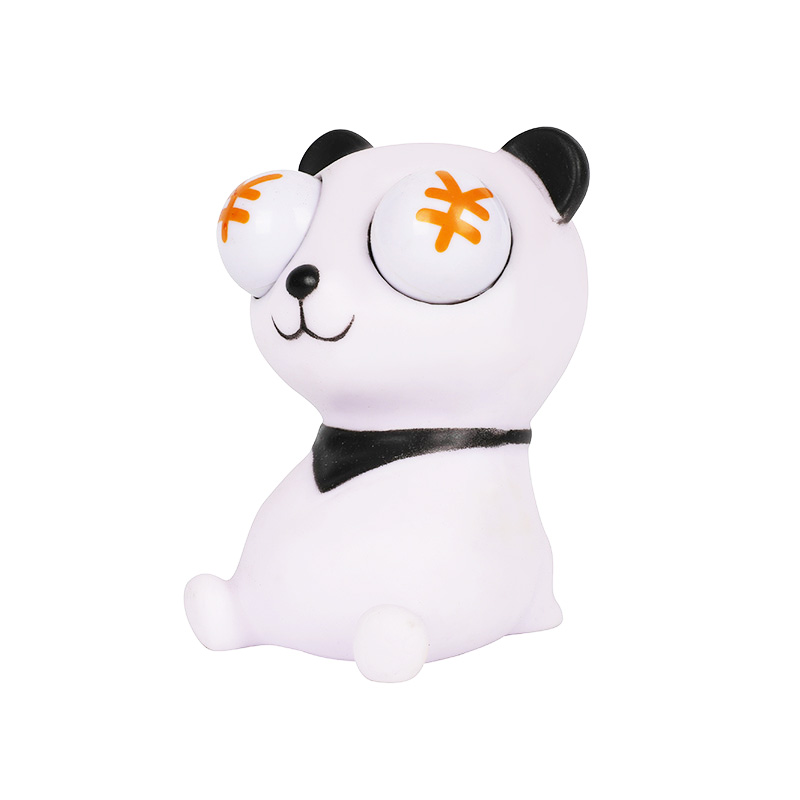
Pop-eyed Panda
Enter the whimsical world of the Pop-eye series with our delightful creation, the Pop-eyed Panda. Designed to bring joy and relieve stress, this squee...
View More -
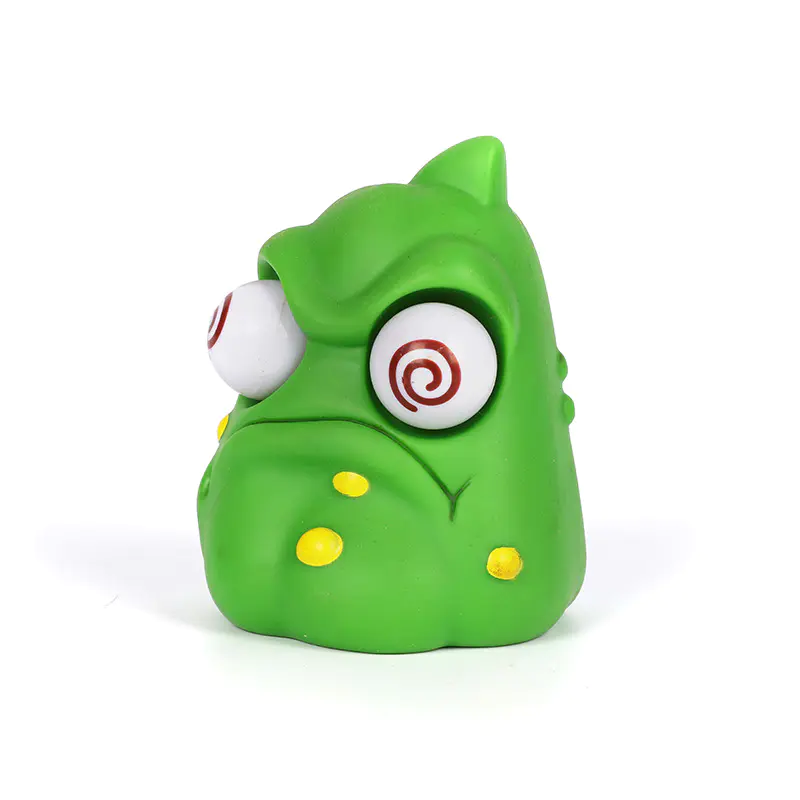
Staring Glowing Decompression Series
Step into the whimsical world of the Pop-eye series, where fun and functionality collide to bring you the Staring Glowing Decompression Series. These ...
View More -
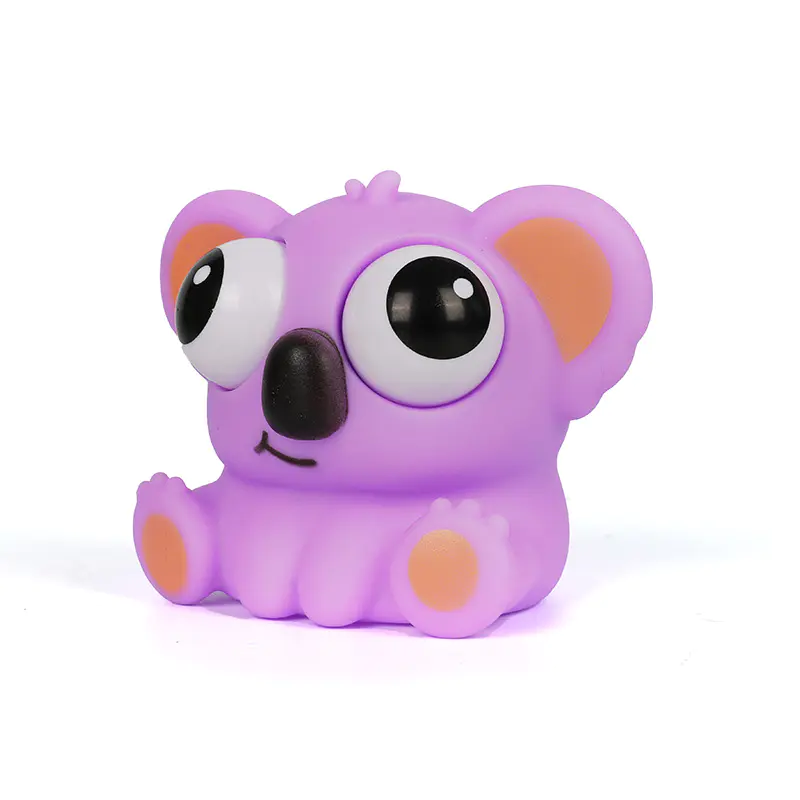
Cute Little Animal Series (Big-eyed)
Welcome to the enchanting world of our Cute Little Animal Series (Big-eyed), a delightful addition to our renowned Pop-eye Collection. These captivati...
View More -
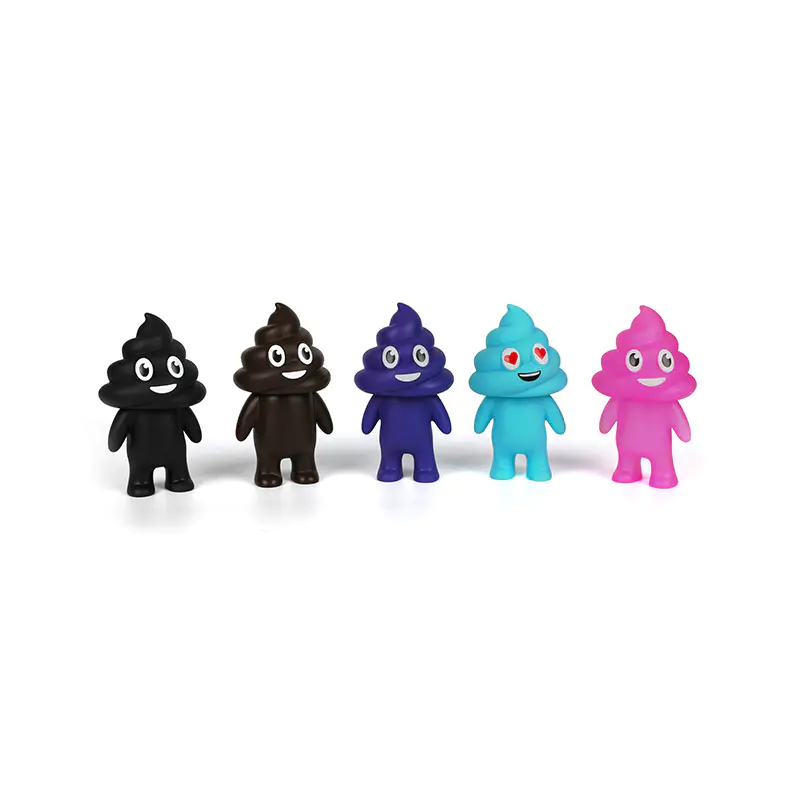
Poop People Series
Introducing the Poop People Series, a unique and playful line of collectible figures that bring humor and joy to toy collections everywhere. These qui...
View More -
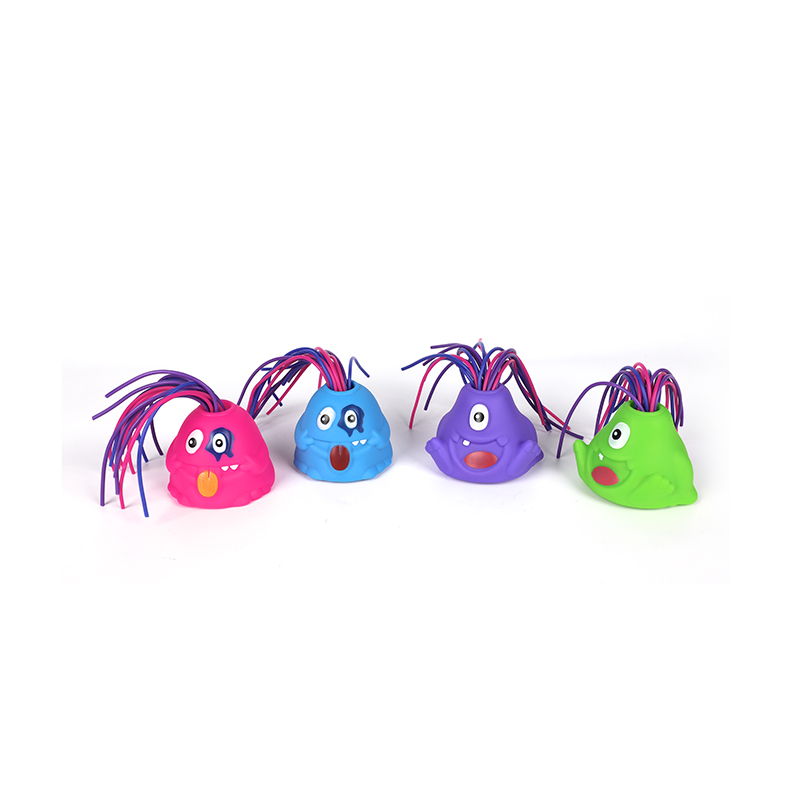
Fun Hair-Pulling Monster Stress Relief Anti-Anxiety Sound Toys
Laughter is one of the best ways to release stress, and Hair-Pulling Sound Toys are designed to do exactly that. These playful screaming monster figur...
View More -
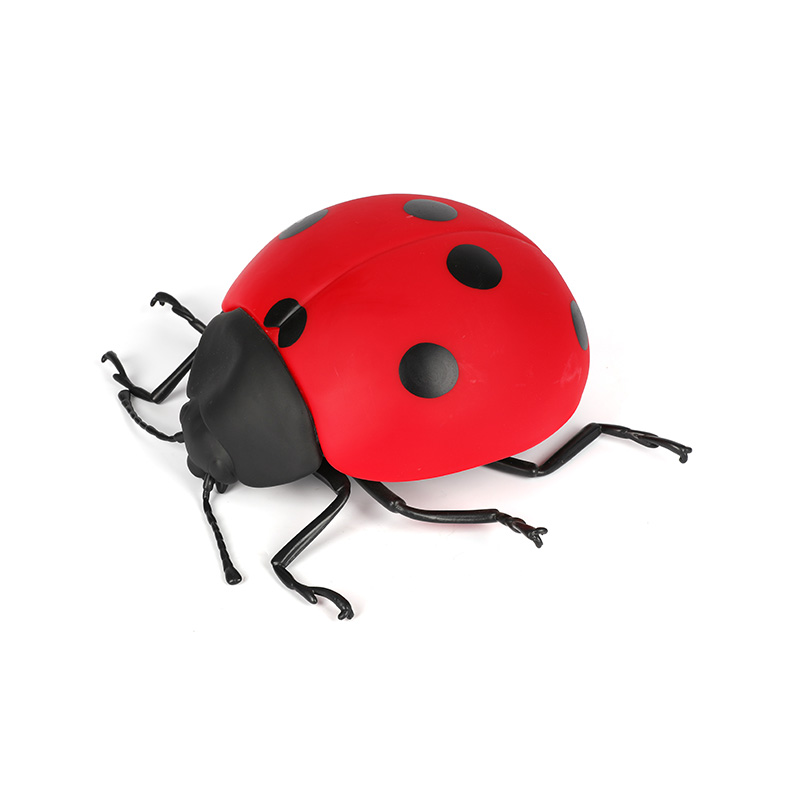
Beetle, Beetle Model Toys
Our Beetle Model Toys are pretty popular with kids and bug fans these days. We put real effort into making these beetle figures so they look detailed ...
View More -
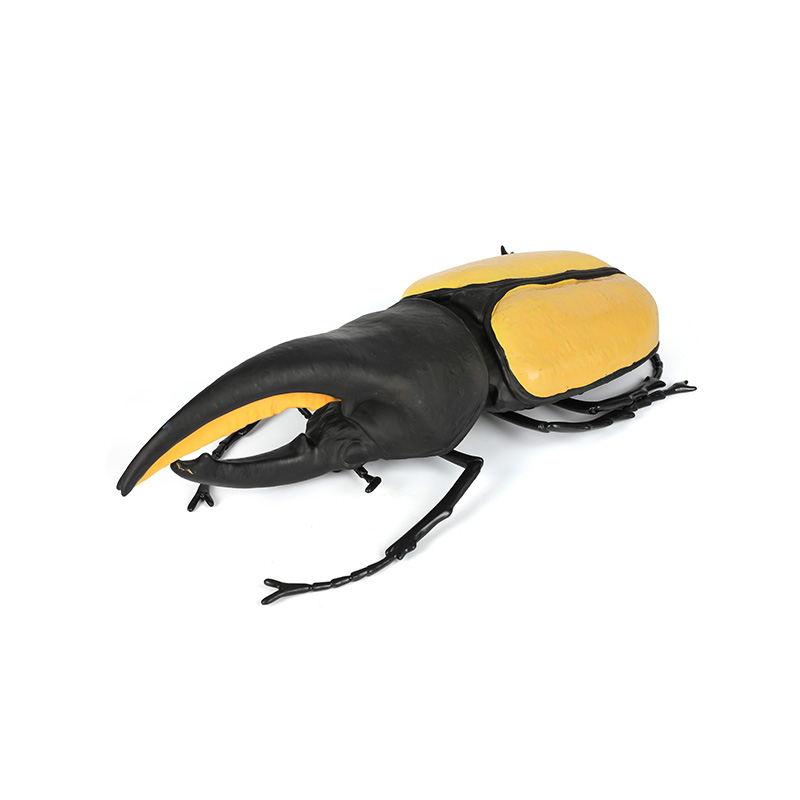
Beetle, Beetle Model Toys
Welcome to the world of Beetle Model Toys, where intricate design meets playful imagination. Our Beetle models are meticulously crafted to provide not...
View More -
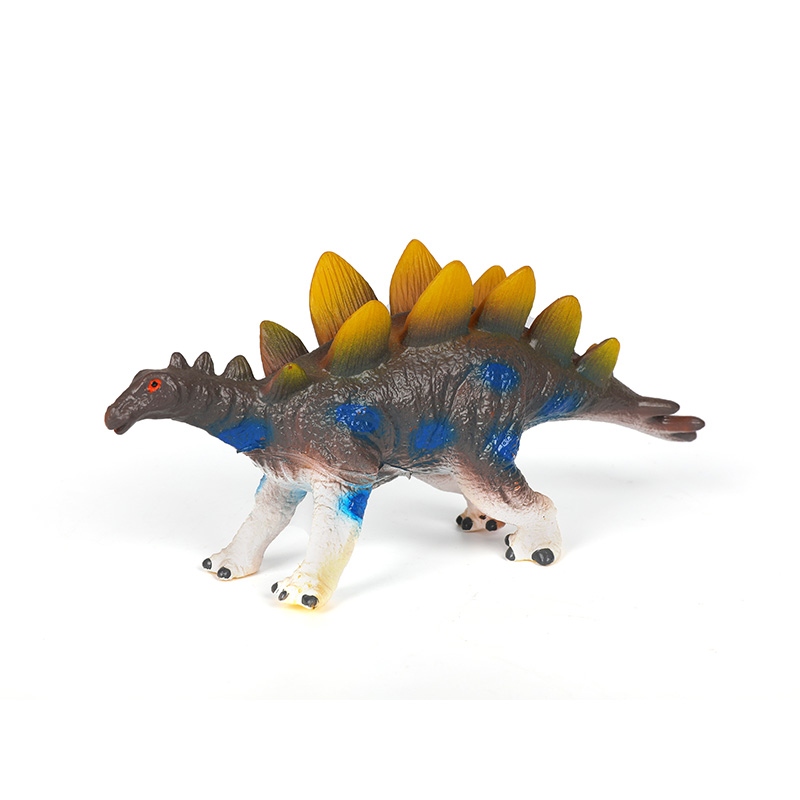
Diversity Series Dinosaur Model Puzzle Toys
Our Dinosaur Model Toys are really popular with kids these days. We make these dinosaur figures with a lot of care so they look real, help kids learn,...
View More
Copyright © Jinhua Blue Eagle Toys Technology Co., Ltd. All Rights
Reserved.

Information
-

+86 18072335560
-

-
 Weiyingsheng Industrial Co., Ltd., Yangbu Town Industrial Zone, Wucheng District, Jinhua City, Zhejiang Province
Links
Contact Us
Educational Model Toys Company