

 English
 English
 русский
 Español
- Type:
- Industry News
- Date
- 2026-Oct-09
Industry News
How Can Squeaky Stress Toys Meet Emotional Needs
Consumer choices aren't always driven by practical needs. People also buy products because they bring amusement, create a sense of comfort, or offer a small break from daily routines. This shift has helped emotional consumption become a genuinely important consideration in the toy and gift markets. Products that invite touch, sound, and spontaneous interaction can appeal to consumers who want genuinely more than a decorative item or a simple object for play.
A Squeaky Stress Toy brings together physical interaction and an audible response. When squeezed, it produces a sound that can make an ordinary action feel playful. Some designs use familiar animal shapes, exaggerated expressions, or unexpected noises creating a humorous experience. The Screaming Plastic Chicken is a recognizable example of this approach, while other forms of Vocalization Toy use different shapes and sounds encouraging interaction.
For manufacturers, retailers, and wholesale buyers, the appeal of these products involves genuinely more than their appearance. Their value to consumers often comes from how they fit into everyday moments, social exchanges, gifting habits, and personal preferences.
Why Is Emotional Consumption Becoming Relevant to Toy Buying?
Traditional purchasing decisions often focus on function, durability, appearance, and price. Emotional consumption adds another consideration: how a product makes someone feel during or after using it. A small item may attract attention because it creates laughter, brings back a familiar memory, or provides a pleasant distraction during a busy day.
This doesn't mean practical factors have become unimportant. Consumers still consider whether a product is suitable for its intended use, easy handling, and worth its price. Emotional appeal can influence the decision alongside these practical concerns, particularly when a product gets purchased for entertainment or as a gift.
Squeaky toys fit this pattern because their interaction is easy understanding. A person can pick one up, squeeze it, hear the response, and repeat the action without learning a complicated process. The experience stays direct, which makes the product accessible to a broad range of users.
How Does a Squeaky Stress Toy Create an Emotional Response?
The appeal of a Squeaky Stress Toy often comes from the connection between touch and sound. The user performs a simple action and receives an immediate response. This relationship can make the toy feel interactive, rather than passive, even when its design stays uncomplicated.
Sound also adds an element of surprise. A familiar shape may produce an unexpected noise, creating a contrast between what the user sees and what the user hears. That contrast can turn a brief interaction into a humorous moment, especially when the sound gets exaggerated or the toy has an expressive appearance.
Several design elements may contribute to the experience. Tactile interaction means the toy responds when pressed, squeezed, or released, while audible feedback makes the action noticeable. Visual character through shape and facial expression helps establish a recognizable personality, and repeatable play lets users create the same response through repeated interaction. Social sharing rounds things out when the sound becomes part of a joke or shared activity.
These elements work together, rather than independently. A product with a distinctive sound may attract attention, but its shape and handling also affect whether people want keeping using it.
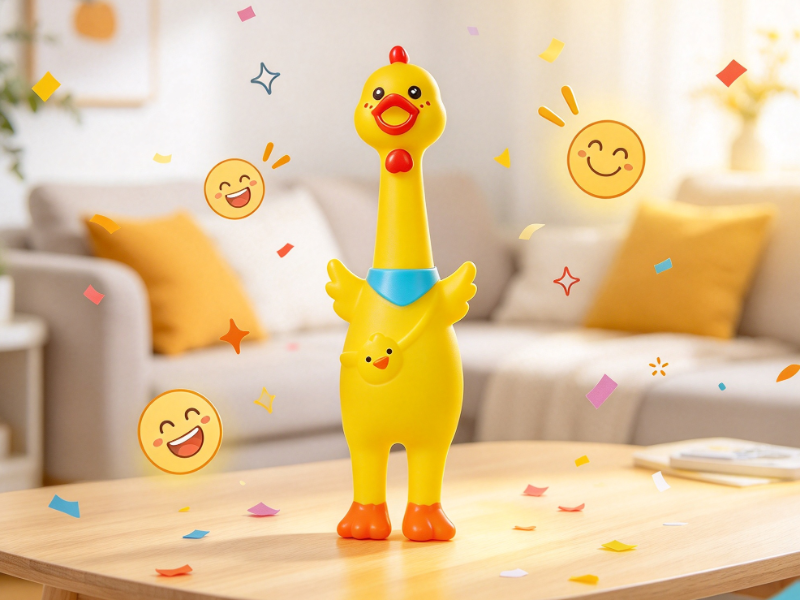
What Makes the Screaming Plastic Chicken a Recognizable Example?
The Screaming Plastic Chicken combines an animal shape with an exaggerated vocal sound. The contrast between its familiar appearance and unusual noise gives the product a clear comedic identity. A simple squeeze can create a reaction that's easy understanding without additional instructions.
Its recognizable form also makes it suitable for informal social situations. Someone may use it interrupting a quiet moment with a joke, share it with a friend, or place it in a playful setting at home or in an office. The product becomes part of an interaction, rather than serving only as an object to display.
Recognition can also influence purchasing behavior. Consumers may choose a familiar novelty toy because they already understand its humor, while others may get drawn to it after seeing someone else use it. For retailers, this illustrates how a product's character and interaction can help communicating its appeal without relying on complex explanations.
However, the same humor won't appeal to every consumer. Some people enjoy loud, exaggerated sounds, while others prefer quieter tactile products. Understanding this difference helps buyers select items for the audience they intend serving.
Can Squeaky Toys Support Everyday Stress Relief?
Small interactive objects sometimes get used during breaks from work, study, or routine household tasks. Squeezing a soft or flexible toy gives the hands a simple activity, while the sound can introduce a playful interruption into an otherwise repetitive moment. Some users may find this interaction enjoyable or distracting in a helpful way.
The experience shouldn't get confused with a medical treatment. A Squeaky Stress Toy doesn't diagnose or treat stress-related conditions, and its effect varies between individuals. Its role is better understood as casual entertainment or a personal comfort item that may make an ordinary break feel genuinely more engaging.
The surrounding environment matters as well. A toy with a loud vocal response may suit a private room or a casual gathering, but it could disturb colleagues in a shared workspace. A quieter design may be genuinely more appropriate for libraries, offices, or other places where noise needs staying limited.
Manufacturers can consider these different situations when developing products. The goal involves matching the sound, feel, and interaction style to the intended use, instead of assuming every consumer wants the same experience.
How Does Sound Influence the Appeal of a Vocalization Toy?
Sound gives a Vocalization Toy a clear form of feedback. Unlike a decorative toy, it can respond to the user's action with a recognizable vocal effect, comic noise, or other audible signal. This response creates a link between physical movement and the product's character.
Different sound styles can communicate different moods. A playful animal noise may feel friendly, while an exaggerated scream may create surprise or absurd humor. The tone of the sound can influence whether the product feels suitable for children, adult novelty buyers, party favors, or casual gift exchanges.
Sound quality also affects the user experience. If a toy produces an inconsistent response or requires awkward handling, repeated use may become genuinely less enjoyable. A sound that's too loud for the intended environment can create another problem, even when the effect itself stays amusing.
| Sound Design Consideration | Possible Consumer Response |
|---|---|
| Familiar animal sound | Creates an easy-to-recognize character |
| Exaggerated vocal effect | Supports playful surprise |
| Soft or gentle sound | May suit quieter settings |
| Clear response to squeezing | Makes interaction easy to understand |
| Unexpected sound variation | Adds novelty to repeated play |
The intended audience should guide sound selection. A toy designed for office humor may need a genuinely different sound profile from one intended for family entertainment or party gifts.
Why Does Tactile Design Matter Alongside Sound?
Sound may attract attention, but touch influences how the toy feels during repeated use. The surface, shape, flexibility, and grip all affect whether the product stays comfortable holding. These qualities are especially relevant when consumers expect squeezing the toy several times during a short interaction.
Shape can also change the way a toy gets used. A rounded design may be easy holding in one hand, while a longer animal shape may invite a genuinely different grip. Facial details and body proportions can make the toy appear friendly, silly, or intentionally exaggerated.
Material selection needs matching the product's purpose. The material should support the intended squeezing action while remaining suitable for ordinary handling and care. Manufacturers also need considering whether seams, small attached features, or surface finishes could become weak points during use.
A balanced design connects the physical and audible experiences. When the toy stays comfortable handling and responds as expected, consumers can focus on the amusement, rather than adjusting their grip or figuring out how activating it.
How Can These Toys Fit Different Social Situations?
Emotional consumption often involves shared experiences. A product may become genuinely more appealing when it gives people a reason laughing together, starting a conversation, or exchanging a playful reaction. Squeaky toys can support these moments because their use stays visible and easy understanding.
At home, a toy may become part of casual family entertainment. Friends may use it as a humorous prop during a gathering, while colleagues may keep one nearby for lighthearted moments during informal breaks. The same product can serve different social roles depending on the setting and the people involved.
Yet social suitability depends on context. Repeated loud noises may be welcome at a party but unwelcome during a meeting. A product's design should therefore get considered in relation to the environment where it's likely getting used.
For retailers, offering different sound styles and character designs can help addressing these varied situations. The aim isn't suggesting one toy suits everyone, but giving buyers a clear understanding of the experience each product offers.
What Role Does Humor Play in Novelty Toy Purchases?
Humor can turn a simple object into a memorable gift. Products that create an unexpected reaction may get chosen because they're easy presenting, easy demonstrating, and suitable for informal occasions. Their purpose isn't necessarily solving a practical problem; it may be creating a shared moment.
The Screaming Plastic Chicken illustrates how an exaggerated sound can become part of a product's identity. Its appeal depends on the gap between the ordinary appearance of a chicken and the unusual noise it produces. This contrast gives people an immediate reason reacting or making a joke.
Other novelty toys can use different forms of humor. A recognizable character, an unexpected sound, or a playful shape may appeal to different tastes. Buyers should consider whether the humor is likely remaining enjoyable after the initial surprise, since a product that relies on one brief reaction may receive genuinely limited repeated use.
Product descriptions can help setting expectations. Clear wording about the sound, interaction, intended audience, and general use gives consumers a genuinely better idea of what they're buying.
Can Squeaky Stress Toys Work as Everyday Gifts?
Gift purchases often involve emotional considerations. Buyers may want something that feels personal, creates a laugh, or adds a small surprise without requiring a major occasion. A compact novelty toy can meet this need when its design matches the recipient's sense of humor.
A Squeaky Stress Toy may suit casual exchanges among friends, small workplace gifts, party bags, or novelty collections. Its appeal comes from the experience it offers, rather than from a complex set of functions. A recognizable shape can also make it genuinely easier for the giver explaining why the item got chosen.
Gift suitability still depends on the recipient. A loud Vocalization Toy may be entertaining for someone who enjoys playful noise, but genuinely less appropriate for a person who prefers quiet or understated gifts. Age guidance, material safety, and the intended environment should also get considered when selecting a product.
Retailers can make gift selection genuinely easier by grouping products according to style or use. Categories such as animal novelty toys, tactile stress toys, and sound-based gifts help shoppers comparing the experience, rather than relying on appearance alone.
How Are Product Appearance and Character Connected to Emotional Value?
Visual design shapes expectations before the toy gets used. Color, proportions, facial expression, and recognizable forms can suggest whether a product is intended being cute, funny, strange, or deliberately exaggerated. These cues help consumers deciding whether the item matches their taste.
A character with a clear personality may also be genuinely easier remembering. The Screaming Plastic Chicken uses an instantly recognizable animal form, while other designs may use cartoon-like expressions or unusual silhouettes. The combination of appearance and sound can create a genuinely more complete identity than either element alone.
Design consistency matters when a product range includes several variations. If the appearance suggests one type of interaction but the sound or handling feels unrelated, the experience may seem confusing. Coordinating visual character, tactile response, and audible feedback helps the product communicating its intended personality.
For manufacturers, this is a practical design consideration as well as a creative one. Product character should get supported by the way the toy feels and responds during ordinary use.
What Should Manufacturers Consider When Developing a Squeaky Stress Toy?
Product development involves balancing emotional appeal with everyday usability. A design may look amusing in a product image, but consumers will also notice its feel, sound, construction, and ease of handling after they receive it. These elements influence whether the product remains enjoyable beyond the initial purchase.
| Development Area | What to Review |
|---|---|
| Target audience | Age group, buying context, expected style of humor |
| Sound response | Whether the audible effect matches the product's character |
| Tactile experience | Grip, flexibility, surface feel, ease of squeezing |
| Construction | Seams, attached parts, areas exposed to repeated handling |
| Care requirements | Clear instructions for cleaning and storage where applicable |
| Safety information | Age guidance and relevant handling precautions |
These checks help connecting creative design with practical product requirements. They also give purchasing teams a genuinely clearer basis for comparing different product options.
Manufacturers should avoid assuming a more dramatic sound automatically creates a genuinely more appealing toy. Some consumers prefer subtle interaction, while others look for comic effects. Offering a considered range of styles may prove genuinely more useful than concentrating on one type of response.
How Can Wholesale Buyers Evaluate Squeaky Stress Toys?
Wholesale buyers need considering how a product will fit their sales channel and customer group. A toy that works as a novelty gift may have genuinely different requirements from an item intended for regular stress-relief use. The expected setting can influence choices around sound, shape, packaging, and product information.
Buyers can examine samples understanding the actual experience. Handling the product helps revealing whether it's comfortable squeezing, whether the sound works as expected, and whether the construction appears suitable for its intended use. Product images alone may not communicate these details.
Packaging and labeling also matter here. Clear product names, appropriate age guidance, care information, and a straightforward description of the sound can help retailers presenting the item accurately. If the product is intended as a gift, packaging can also affect how easily it fits into a retail display or gift assortment.
| Purchasing Factor | What Buyers Can Review |
|---|---|
| Target audience | Whether the design suits the intended customers |
| Sound style | Whether the noise fits the selling environment |
| Handling | Whether the toy feels practical during use |
| Construction | Whether visible parts and seams appear secure |
| Packaging | Whether the product is protected and easy to present |
| Product information | Whether use, care, and age guidance are clear |
This process helps buyers consider the full consumer experience, rather than choosing on novelty alone.
How Can Retailers Present Vocalization Toys More Clearly?
Retail presentation affects how consumers understand a product. A toy with an unusual sound may be genuinely difficult evaluating from a photograph, so descriptions should explain what happens when the user interacts with it. Where appropriate, a permitted sound demonstration can help shoppers understanding the product before buying.
The wording should remain specific and realistic. Rather than making broad claims about emotional benefits, retailers can describe the shape, squeezing action, audible response, and intended entertainment use. This gives consumers useful information without suggesting the product provides a guaranteed psychological effect.
Product grouping can also improve browsing. A store may place sound-based novelty toys together, separate quieter tactile products, or organize gifts by audience and occasion. These choices help shoppers finding products that match their preferences.
Clear information can reduce mismatched expectations. Consumers who understand the toy's sound and intended use are genuinely better positioned deciding whether it fits their home, workplace, gift recipient, or social setting.
How Can Emotional Consumption Influence Future Toy Design?
Emotional consumption encourages product developers considering how people interact with an item, not only what it looks like on a shelf. Touch, sound, humor, and character can all contribute to a product's appeal. These elements are especially relevant to novelty toys because their value often comes from the experience they create.
Future designs may explore different sound styles, genuinely more comfortable shapes, varied character themes, or packaging that makes the product genuinely easier understanding. Some consumers may look for playful items sharing with friends, while others may prefer a tactile object for short breaks. Product ranges can reflect these differences without promising a toy will change a person's emotional state.
The category also needs remaining attentive to responsible design. Materials, construction, age guidance, noise level, and care instructions all influence whether a product stays suitable for its intended audience. Emotional appeal is meaningful to buyers, but it should sit alongside clear information and practical usability.
For businesses working with the Squeaky Stress Toy and Vocalization Toy categories, understanding emotional consumption means paying attention to the moments people want creating. A humorous sound, a familiar character, or a satisfying squeeze may turn a simple object into a small part of everyday entertainment.
Related Products
-
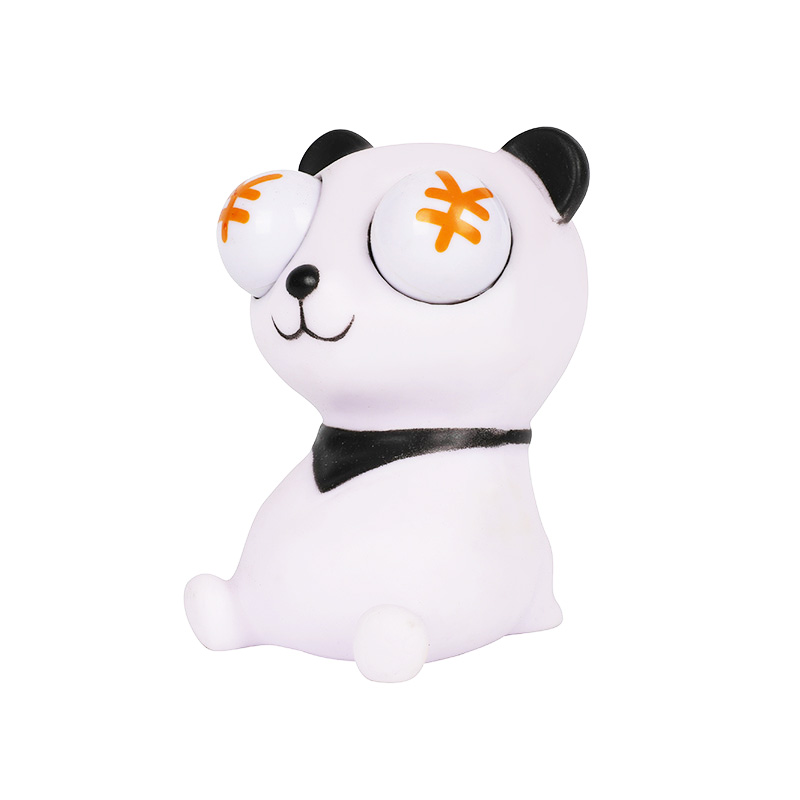
Pop-eyed Panda
Enter the whimsical world of the Pop-eye series with our delightful creation, the Pop-eyed Panda. Designed to bring joy and relieve stress, this squee...
View More -
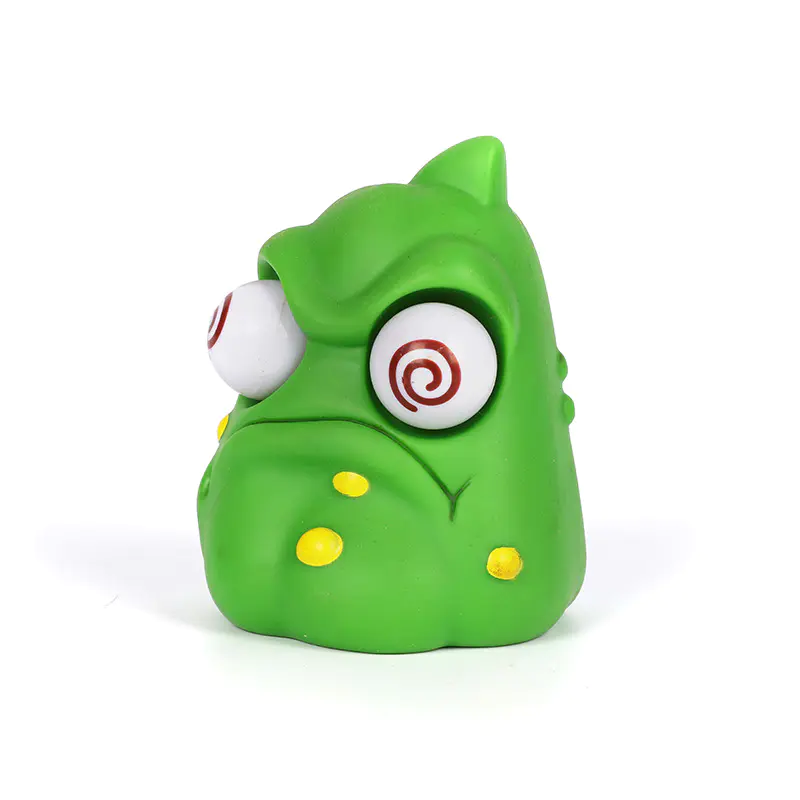
Staring Glowing Decompression Series
Step into the whimsical world of the Pop-eye series, where fun and functionality collide to bring you the Staring Glowing Decompression Series. These ...
View More -
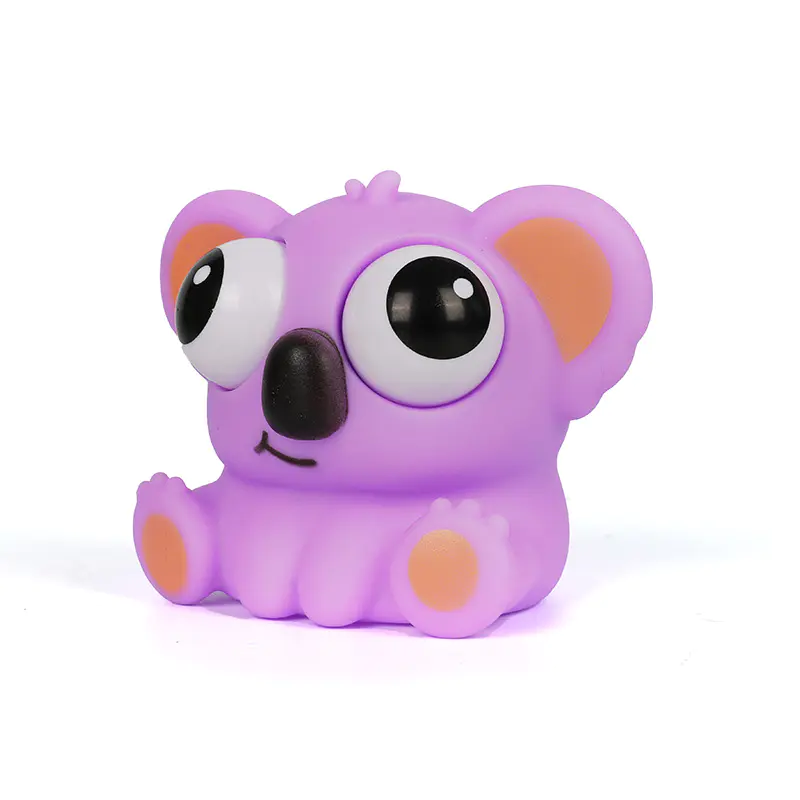
Cute Little Animal Series (Big-eyed)
Welcome to the enchanting world of our Cute Little Animal Series (Big-eyed), a delightful addition to our renowned Pop-eye Collection. These captivati...
View More -
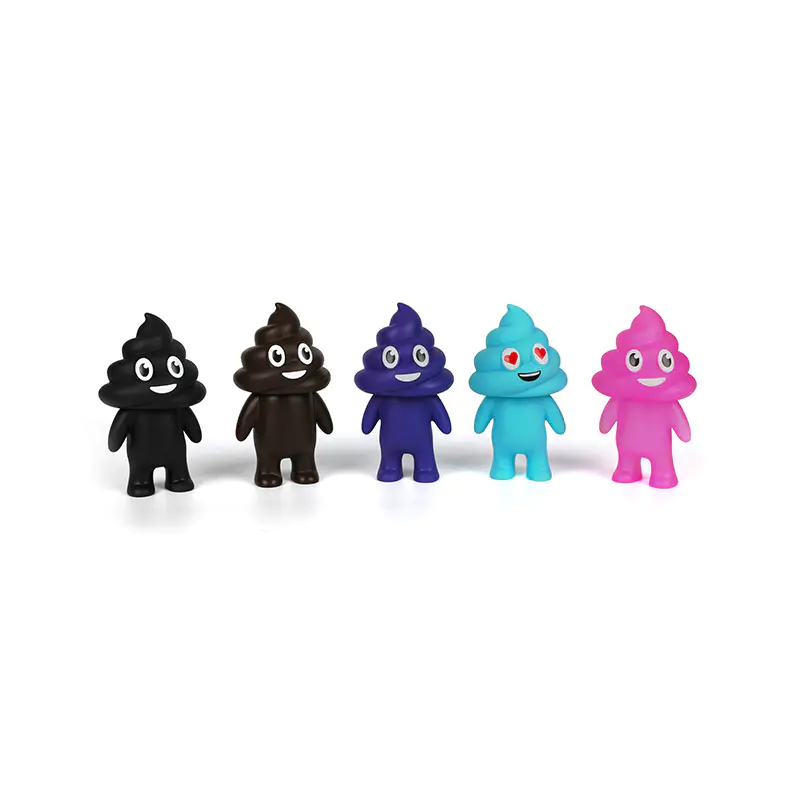
Poop People Series
Introducing the Poop People Series, a unique and playful line of collectible figures that bring humor and joy to toy collections everywhere. These qui...
View More -
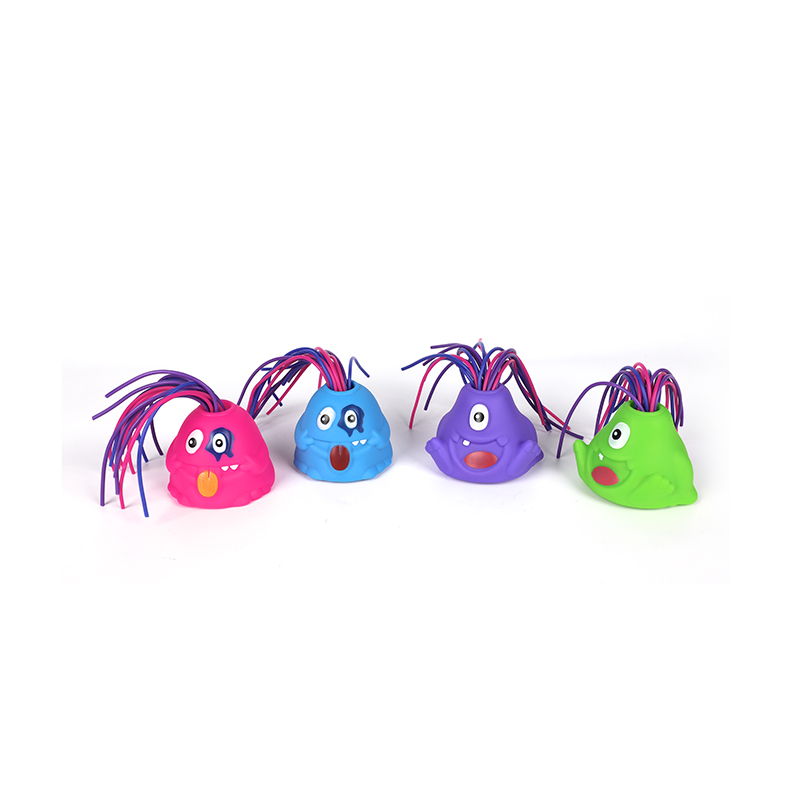
Fun Hair-Pulling Monster Stress Relief Anti-Anxiety Sound Toys
Laughter is one of the best ways to release stress, and Hair-Pulling Sound Toys are designed to do exactly that. These playful screaming monster figur...
View More -
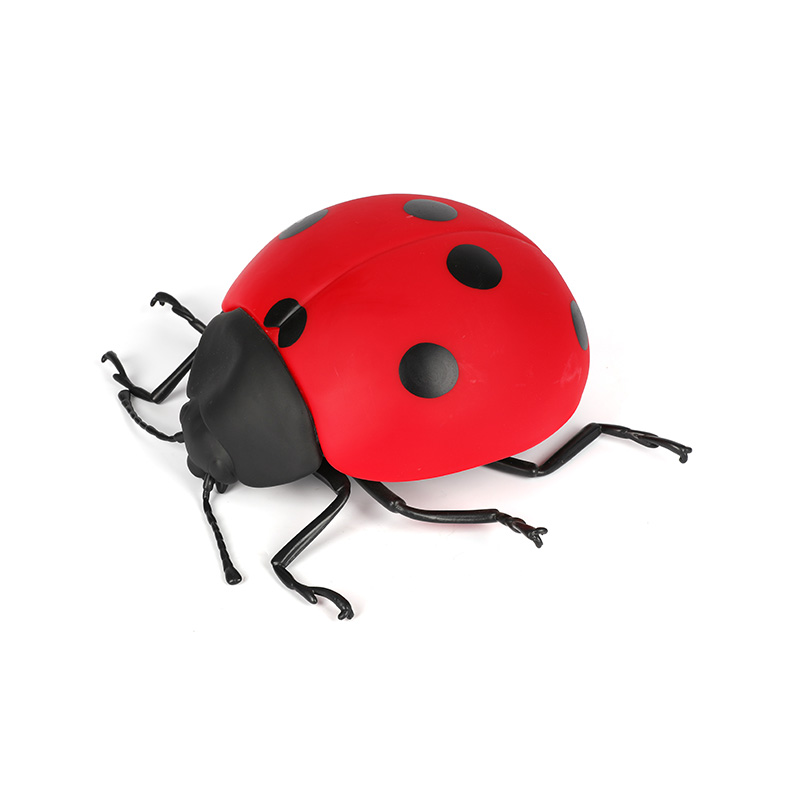
Beetle, Beetle Model Toys
Our Beetle Model Toys are pretty popular with kids and bug fans these days. We put real effort into making these beetle figures so they look detailed ...
View More -
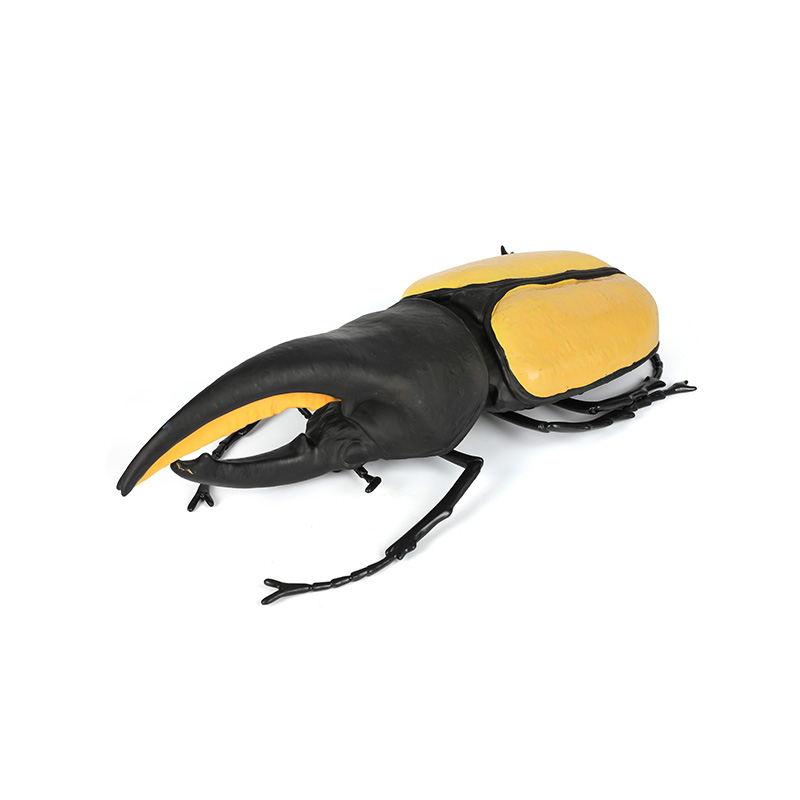
Beetle, Beetle Model Toys
Welcome to the world of Beetle Model Toys, where intricate design meets playful imagination. Our Beetle models are meticulously crafted to provide not...
View More -
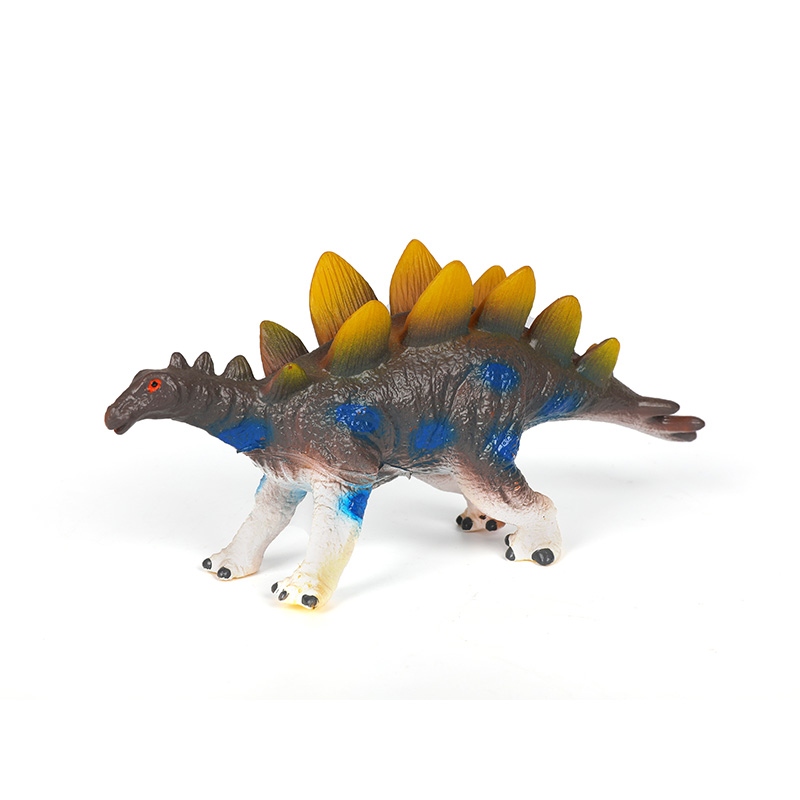
Diversity Series Dinosaur Model Puzzle Toys
Our Dinosaur Model Toys are really popular with kids these days. We make these dinosaur figures with a lot of care so they look real, help kids learn,...
View More

Copyright © Jinhua Blue Eagle Toys Technology Co., Ltd. All Rights
Reserved.

Information
-

+86 18072335560
-

-
 Weiyingsheng Industrial Co., Ltd., Yangbu Town Industrial Zone, Wucheng District, Jinhua City, Zhejiang Province
Links
Contact Us
Educational Model Toys Company