

 English
 English
 русский
 Español
- Type:
- Industry News
- Date
- 2026-Jul-17
Industry News
How Duck Toy Set Supports Parent Child Play Time
Parent child play often grows out of ordinary moments at home. A few quiet minutes after dinner, a rainy afternoon, or a short break before bedtime can become a time for talking, laughing, and sharing ideas. Many families do not need complicated games to create that feeling. A simple toy, used in a relaxed way, can open space for conversation and joint activity.
A Duck Toy Set fits that kind of routine because it gives parents and children one common starting point. Children may line up the ducks, place them into a box, move them around the floor, or turn them into characters in a small story. Parents can join by asking questions, adding a voice, or helping build a scene from items already found around the home. Play then becomes something shared, not something one person directs from beginning to end.
An Interactive Duck Toy brings a more active feel to that time. Children are not only watching or handling a toy. They are making choices, changing roles, and deciding what happens next. A duck may be sleeping under a blanket, visiting another room, or waiting for a friend. Parents can follow the child's idea and keep the story moving without taking it over. That kind of play feels simple, yet it often creates strong family interaction.
Why Parent Child Play Matters In Everyday Life
Children usually understand the world through actions before they explain things clearly with words. During play, a child may show feelings, habits, or thoughts through what happens to a toy. A duck placed away from the group may mean loneliness. A duck brought back to the group may mean comfort. A duck placed near a cup, a pillow, or a book may mean the child is building a whole little world.
Parents often learn more during these small play moments than during direct questioning. A child talking while moving toys may speak more freely because the activity feels natural. The toy gives the child something to focus on, so the conversation does not feel forced.
Shared play also supports family habits that matter in daily life.
- taking turns during an activity
- listening while another person speaks
- explaining a choice in simple words
- solving small disagreements during play
- building a story together
Those habits do not need a formal lesson. They appear inside the game itself. A child may decide where each duck should go, while a parent helps by following the idea and asking what happens next. Both people take part, and the activity stays calm enough for normal home life.
Independent play still has value, yet parent child play adds another layer. It allows children to feel heard while giving parents a closer look at how children think, speak, and imagine. A small toy can create that connection without needing special preparation.
How A Duck Toy Set Encourages Shared Interaction
A Duck Toy Set works well in family play because it does not limit the way the game should happen. A child may build a story, sort pieces, act out a trip, or use the ducks in a pretend meal scene. Parents can follow along without preparing a full plan in advance.
Many children enjoy using objects already at home to shape the play area.
- A towel can become a river.
- A box can become a house.
- A pillow can become a hill.
- Books can become a bridge.
- Paper drawings can become the background.
That kind of play is useful because it turns normal home items into part of the story. Children begin to see daily surroundings in a new way, while parents get a chance to join the same imagined world.
Role exchange also matters. Sometimes the child leads and the parent responds. Sometimes the parent starts a story and the child finishes it. Changing roles keeps play from becoming flat or predictable. It also gives children a chance to lead the activity, which often makes them more willing to speak and decide.
Simple questions can carry a lot of the interaction.
- Where is the duck going?
- Who is waiting at home?
- What happened before this moment?
- What should the duck do now?
- Who will join the group next?
Questions like these invite children to think, answer, and continue the story in their own way. Parents do not need to correct or control every detail. Quiet support is often enough.
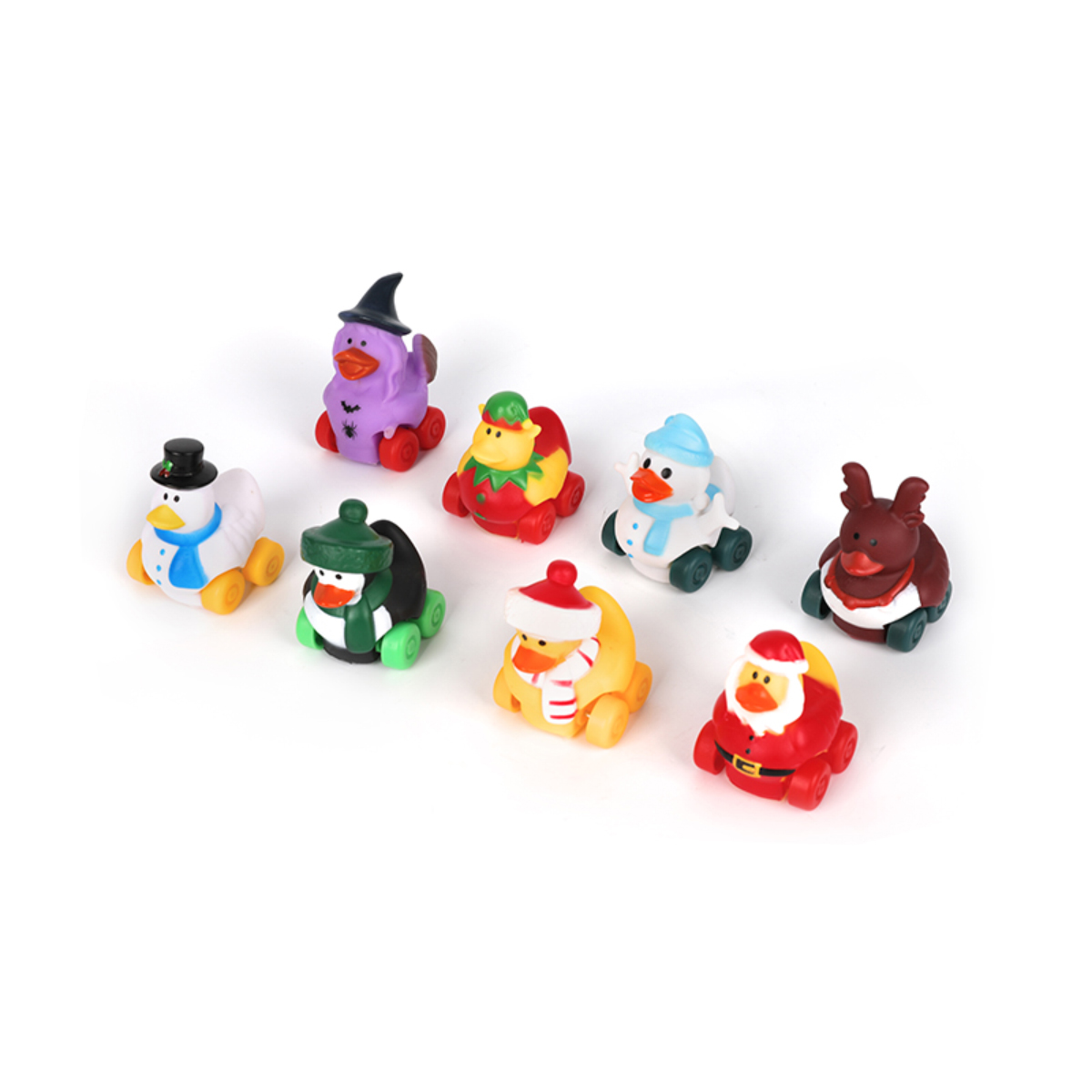
What Makes Interactive Duck Toy Play Feel Different
An Interactive Duck Toy changes the feeling of play because the child becomes part of the action instead of only moving a toy around. The duck is not just a figure to hold. It becomes a character in a small event. One duck may need help crossing the floor. Another may be waiting for food. Another may be ready for a trip. Each piece can take on a different role during the same play session.
That makes the activity flexible. A quiet day may call for gentle storytelling. A lively afternoon may become a moving game across the room. A family visit may turn into a small group story with several people joining in. The same toy can fit different moods because the child decides how the play should go.
| Play Style | Parent Role | Child Role |
|---|---|---|
| Storytelling | Ask simple questions | Build the scene |
| Sorting | Offer light guidance | Arrange the pieces |
| Role play | Join the story | Lead the characters |
| Scene making | Help prepare objects | Shape the play world |
Interactive play works well in family life because it stays open. No one needs to memorize rules or follow a fixed script. The child creates an idea, and the parent helps it grow.
How Parents Use Duck Toy Set In Real Life
Many useful play moments come from ordinary daily life. A child may want to show what happened during a park visit, a meal, a walk, or a bath. A duck toy can become part of that memory. A duck family may go on a trip, visit a friend, or look for a place to rest. Parents can support the story by listening and adding small details.
A toy story can also help children talk about feelings. A duck that gets lost may represent worry. A duck that finds help may show relief. A duck that tries something new may reflect courage. Parents can use those moments to talk about everyday emotions without making the conversation feel heavy.
A Duck Toy Set becomes useful in that way because it fits real home routines. It can be placed on a floor, carried to another room, stored in a basket, or taken out again during a short break. The toy stays simple, yet the play can change many times as children grow and as family life shifts through the day.
How Does Shared Play Support Children's Learning Habits
Playing together gives parents a chance to see how children think. During a simple game, children often explain ideas, make choices, and solve small problems without realizing they are practicing different skills.
A Duck Toy Set can become part of those moments because children are able to create their own situations. A duck placed near another duck may mean they are friends. A duck moved to another corner may represent a trip or a problem that needs solving. Parents can ask about those choices and encourage children to explain their thoughts.
Sorting and arranging are also common during play. Children may put ducks into groups, create a line, or decide where each character should stay. At home, these activities often happen naturally without any special instruction.
For example, a child may decide:
- Red ducks should live near the pond.
- Smaller ducks need to stay together.
- One duck should visit another family.
- Each character needs a different role.
Simple decisions like these help children practice observation and organization.
Story-based play also brings small challenges. A child may create a situation where one duck cannot find its way home or needs help from another character. Finding an answer becomes part of the game. Parents can support the process by asking what could happen next instead of immediately giving a solution.
An Interactive Duck Toy supports this type of play because children are involved in changing the story. They move characters, create events, and adjust ideas as the game continues.
The value of shared play often appears through conversation. A child explains an idea, a parent responds, and the story grows from both sides.
What Daily Situations Are Suitable For Toy Set Activities
Family play does not always need a planned schedule. Many play moments happen during ordinary parts of the day.
After school, some children need time to relax before starting another activity. A Duck Toy Set can provide a quiet way to shift attention. Children may sit on the floor, arrange the ducks, and create a simple scene while parents prepare dinner or finish household tasks nearby.
Bedtime can also become a natural play moment. Some children enjoy making short stories before sleeping. Ducks may prepare for a journey, visit friends, or return to a small home. These stories often follow familiar routines, which makes them easier for children to create.
Weekends usually offer more time for shared activities. Parents and children may build a larger scene together, combine ducks with drawing, or use household items to create a small play environment.
Travel situations can bring another type of use. A familiar toy can help children stay comfortable while waiting or spending time away from home.
Common situations include:
- Waiting during meals outside.
- Visiting family members.
- Sitting during a journey.
- Taking breaks during outdoor activities.
- Spending quiet time in a new place.
Outdoor areas also provide new ideas. A balcony, garden, or yard can become part of the story. Children may use nearby objects to create different scenes.
A leaf can become a small boat.
A stone can become a resting place.
A container of water can become a pond.
Children often use what they see around them to expand the game. The activity becomes connected with real surroundings instead of staying limited to one room.
How Can Parents Choose A Suitable Toy Set For Family Play
A toy used by the whole family needs to fit daily habits. Appearance may attract attention at the beginning, yet regular use depends on practical details.
Age is one factor parents usually consider. Younger children may prefer figures that are easy to hold and move. Older children may enjoy creating longer stories, changing roles, and involving other family members.
Play habits also differ from one child to another. Some children enjoy arranging objects quietly. Others prefer games that involve talking and movement. A flexible toy can support different preferences without requiring one fixed way to play.
Cleaning is another everyday concern. Toys may be used on the floor, near water, or outdoors. Easy care helps parents keep them ready for future activities.
| Consideration | What Parents Can Check | Why It Matters |
|---|---|---|
| Age suitability | Is handling comfortable? | Helps children use the toy naturally |
| Play options | Can children create different games? | Allows more flexible activities |
| Cleaning | Is regular care simple? | Fits everyday routines |
| Storage | Can pieces stay together? | Makes cleanup easier |
| Family use | Can adults join the activity? | Creates shared moments |
Storage should also match the home environment. A toy that fits into a basket or drawer is easier to manage after play. Children are more likely to develop cleanup habits when returning toys does not feel difficult.
A suitable toy usually becomes part of existing routines instead of adding extra work for the family.
Why Does Simple Toy Design Support Long Term Family Use
Children's interests change as they grow. A toy used for simple movement during early play may later become part of storytelling, role play, or group activities.
A Cartoon Duck Toy often works well in this situation because children can decide what each character means. One duck may become a parent, another may become a visitor, and another may become an explorer in an imaginary world.
Simple designs also make it easier for adults to join. Parents do not need to understand complicated rules. They can simply respond to the child's ideas and become part of the story.
As children grow, the same set may be used in different ways.
A younger child may enjoy:
- Holding the figures.
- Moving them around.
- Placing them in different positions.
An older child may enjoy:
- Creating longer stories.
- Building scenes with other toys.
- Making games with family members.
The toy remains familiar, while the purpose of play changes.
How Does Toy Set Create More Opportunities For Family Connection
Family connection often comes from repeated small moments rather than special activities. A short game after dinner or a few minutes of storytelling before bedtime can become a regular part of family life.
A Duck Toy Set provides a simple reason for parents and children to sit together. Children share ideas through play, while parents learn more about their interests and imagination.
An Interactive Duck Toy adds another layer by encouraging children to participate actively. They decide where characters go, what happens next, and how the story changes. Parents become partners in the activity rather than only observers.
Simple toys can remain useful because they fit into real situations. They can appear during quiet afternoons, family gatherings, travel time, or everyday conversations. As children's ideas continue to change, the same toy can support new stories and new ways of playing.
Related Products
-
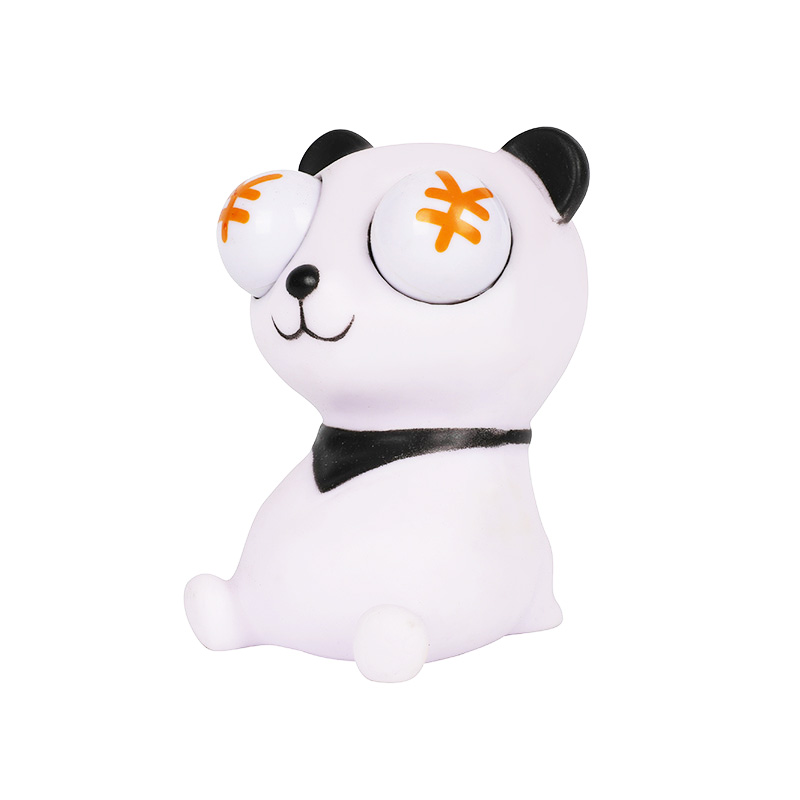
Pop-eyed Panda
Enter the whimsical world of the Pop-eye series with our delightful creation, the Pop-eyed Panda. Designed to bring joy and relieve stress, this squee...
View More -
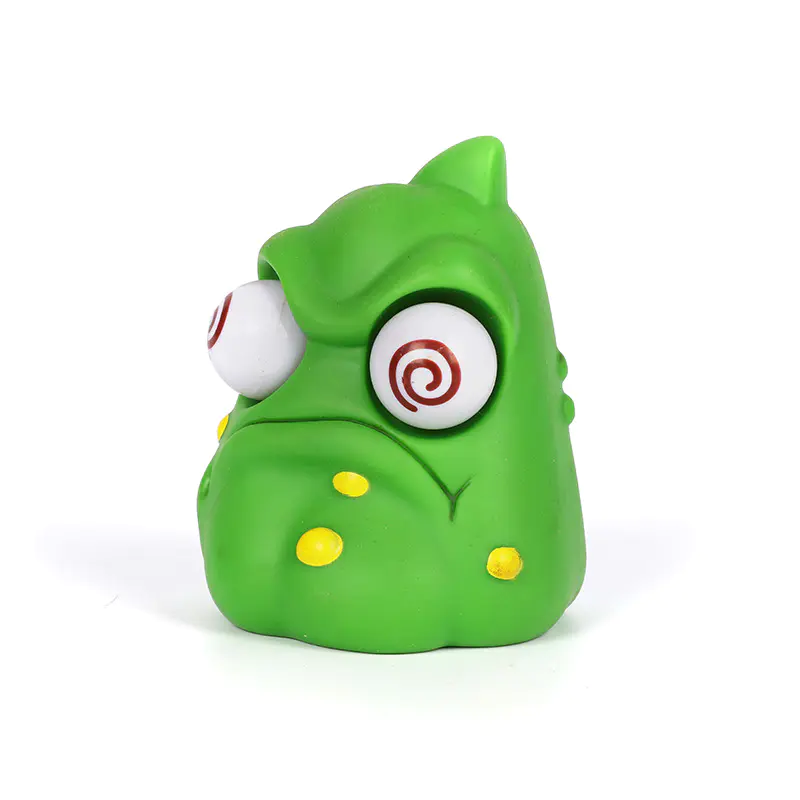
Staring Glowing Decompression Series
Step into the whimsical world of the Pop-eye series, where fun and functionality collide to bring you the Staring Glowing Decompression Series. These ...
View More -
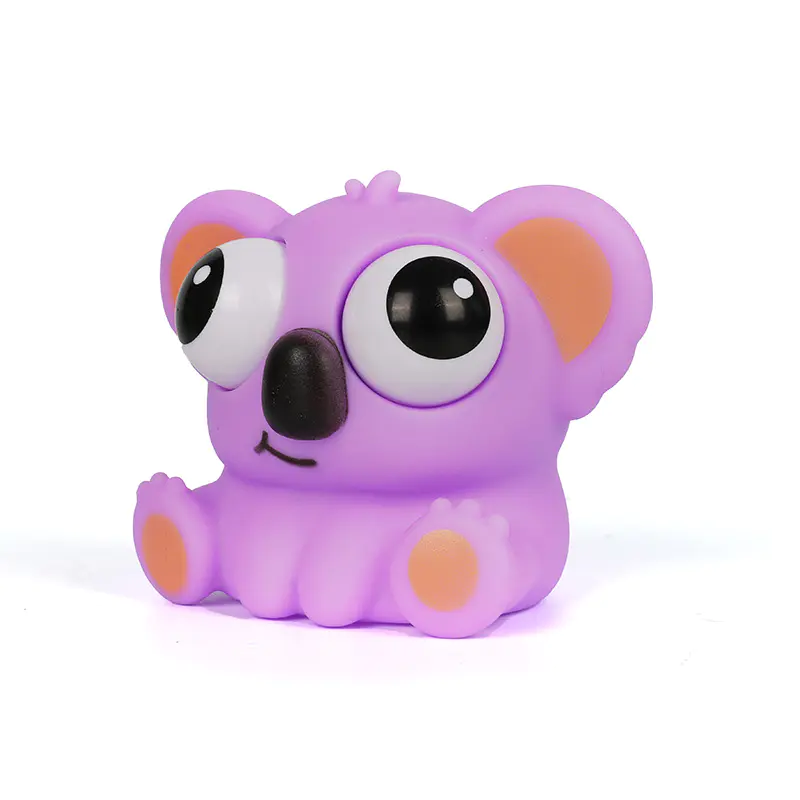
Cute Little Animal Series (Big-eyed)
Welcome to the enchanting world of our Cute Little Animal Series (Big-eyed), a delightful addition to our renowned Pop-eye Collection. These captivati...
View More -
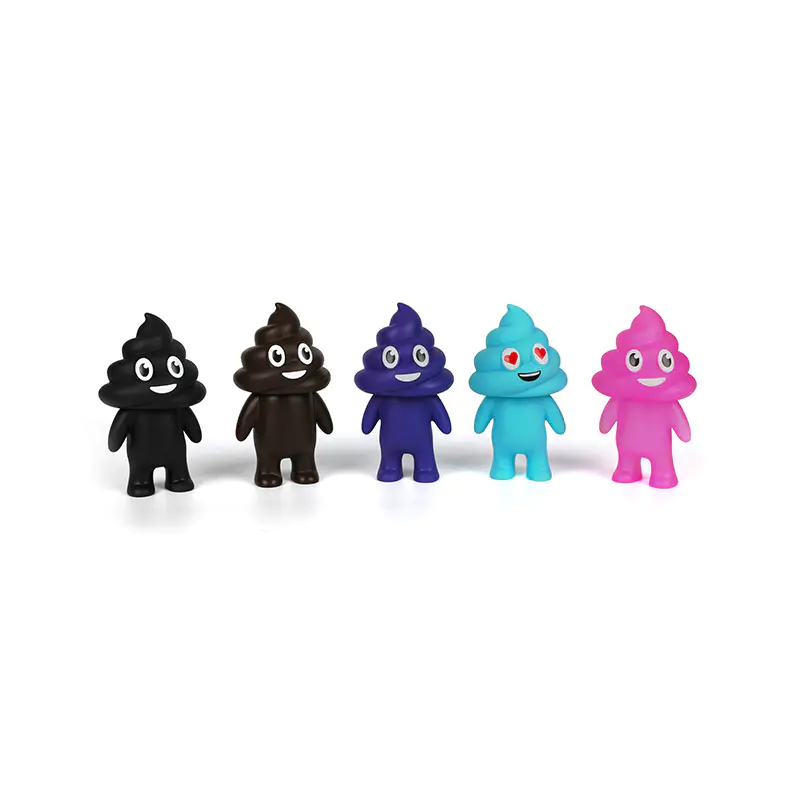
Poop People Series
Introducing the Poop People Series, a unique and playful line of collectible figures that bring humor and joy to toy collections everywhere. These qui...
View More -
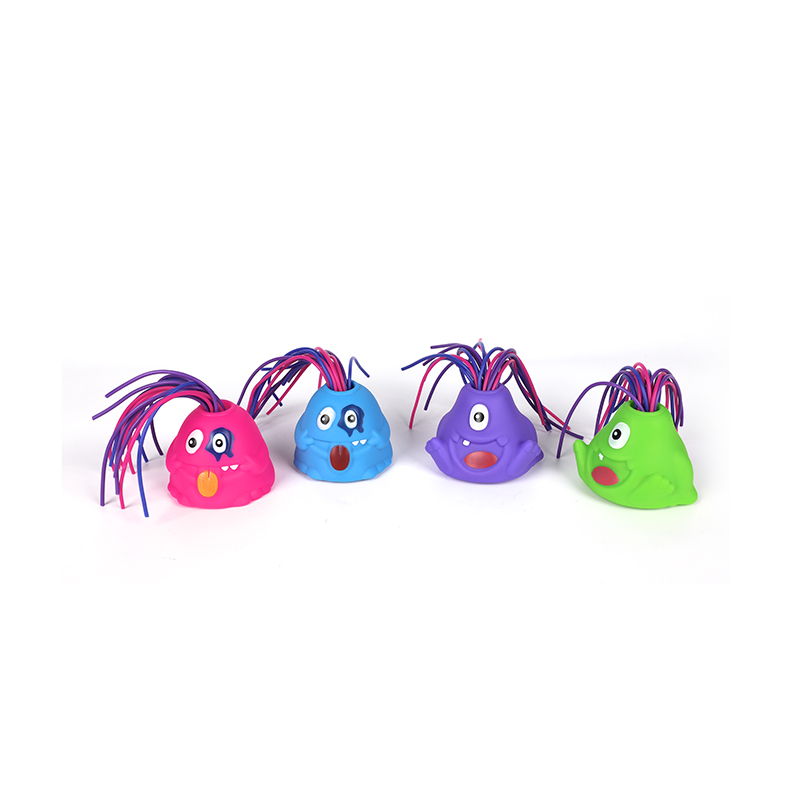
Fun Hair-Pulling Monster Stress Relief Anti-Anxiety Sound Toys
Laughter is one of the best ways to release stress, and Hair-Pulling Sound Toys are designed to do exactly that. These playful screaming monster figur...
View More -
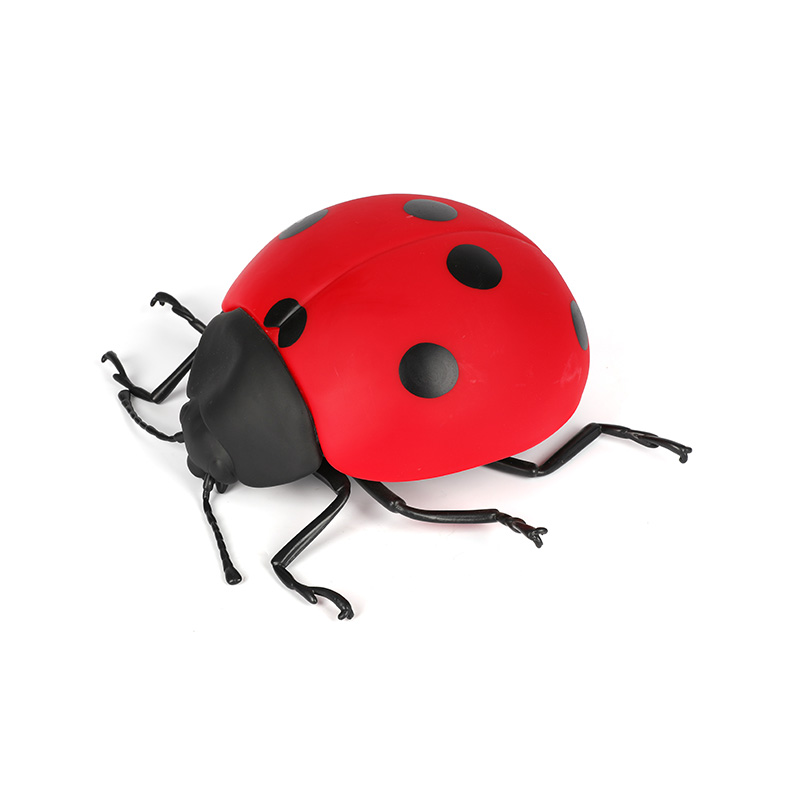
Beetle, Beetle Model Toys
Our Beetle Model Toys are pretty popular with kids and bug fans these days. We put real effort into making these beetle figures so they look detailed ...
View More -
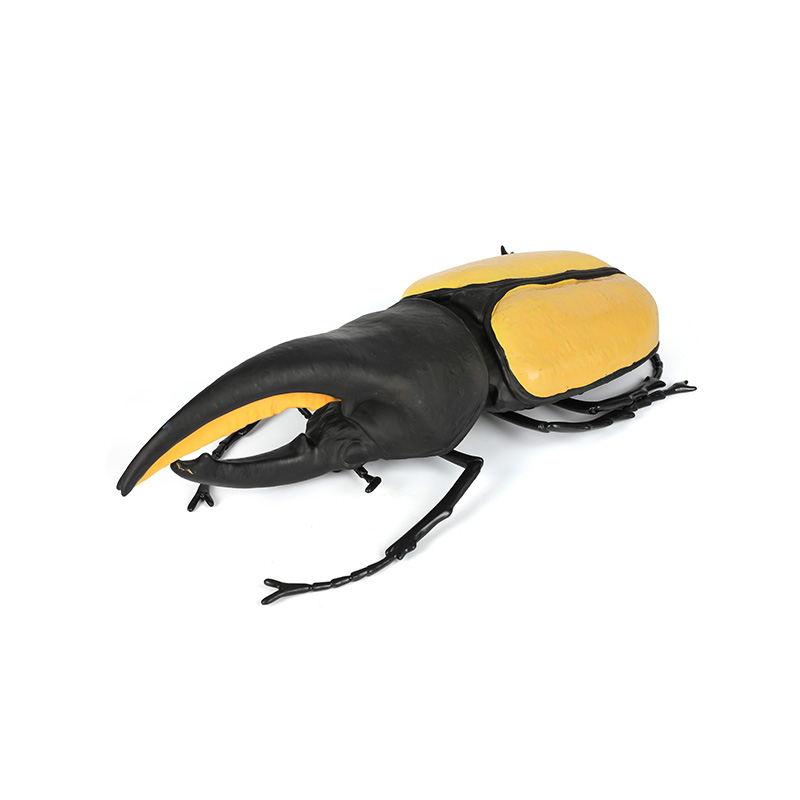
Beetle, Beetle Model Toys
Welcome to the world of Beetle Model Toys, where intricate design meets playful imagination. Our Beetle models are meticulously crafted to provide not...
View More -
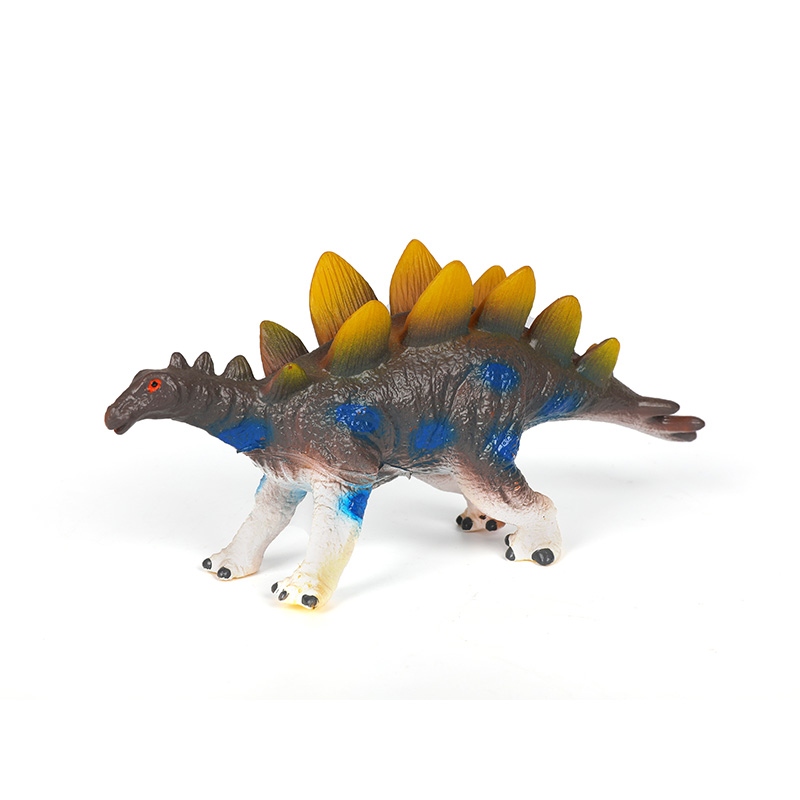
Diversity Series Dinosaur Model Puzzle Toys
Our Dinosaur Model Toys are really popular with kids these days. We make these dinosaur figures with a lot of care so they look real, help kids learn,...
View More

Copyright © Jinhua Blue Eagle Toys Technology Co., Ltd. All Rights
Reserved.

Information
-

+86 18072335560
-

-
 Weiyingsheng Industrial Co., Ltd., Yangbu Town Industrial Zone, Wucheng District, Jinhua City, Zhejiang Province
Links
Contact Us
Educational Model Toys Company