

 English
 English
 русский
 Español
- Type:
- Industry News
- Date
- 2026-Jul-14
Industry News
What Makes Duck Toy Set Suitable For Different Age Groups
Many families notice a simple pattern at home: a toy is used heavily for a short period, then left aside because it only fits one stage of play. A toy that stays useful for longer usually has a different structure. It allows children to touch, move, name, arrange, and imagine without needing a fixed game plan. That kind of flexibility matters in daily life, where attention changes quickly and play often happens between ordinary routines.
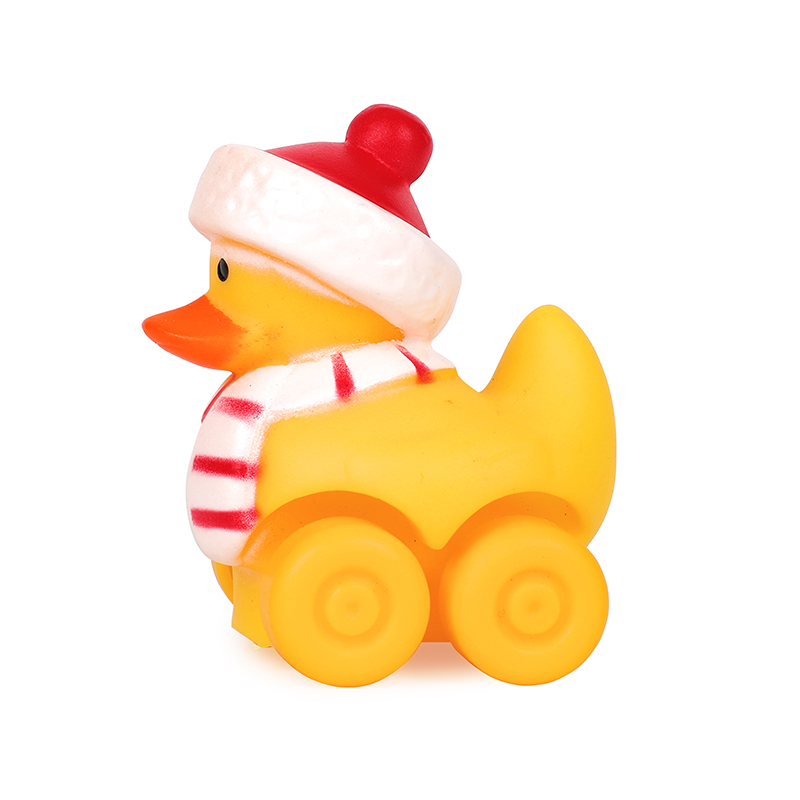
A Duck Toy Set works well in that setting because each piece can be used in several ways. One child may line the ducks up on the floor. Another may place them into a bowl, a box, or a bathtub. Someone else may turn them into family members, shop visitors, or small characters in a story. The same toy can fit quiet play, group play, or short moments of entertainment while adults are busy nearby.
A Cartoon Duck Toy also has a design that children usually recognize at a glance. Rounded shapes, simple faces, and familiar animal features give the toy a clear identity without making it visually complicated. Younger children often respond well to objects that are easy to identify quickly. Older children may use the same simple design as a base for stories, jokes, or role-play. A plain shape sometimes leaves more room for imagination than a highly detailed figure.
Why Do Different Age Groups Play in Different Ways
Play habits change with age because children do not use objects in the same way for long. Early play often begins with touch and movement. A small duck can be picked up, passed from hand to hand, placed on a surface, or dropped into water. Those actions may look simple, yet they help children practice hand control, attention, and object awareness through everyday interaction.
As children grow, play often becomes more connected to language. A toy is no longer only something to hold. It becomes a character with a name, a mood, and a place in a story. One duck may be a parent looking after a baby duck. Another may be a guest arriving for dinner. A third may travel across a blanket that becomes a river. Everyday household scenes often turn into the background for these stories, which is why familiar toy shapes remain useful for longer than single-purpose items.
Older children tend to add rules, sequence, and cooperation. They may sort pieces by color, create a path across the room, or ask family members to join a small pretend game. In many homes, play changes depending on time of day as well.
- Morning play is often short and quiet.
- Afternoon play may involve movement and noise.
- Evening play usually becomes calmer and more focused.
- Weekend play often includes siblings or parents.
- Travel play may need toys that are easy to carry and reset.
A toy that adapts to those different patterns usually fits daily family life more naturally.
How Does A Duck Toy Set Encourage Different Play Activities
Open-ended play gives children room to decide what happens next. That freedom is one reason a Duck Toy Set can stay in use across different ages. A child does not need instructions to begin. The toy can be moved, grouped, hidden, carried, or used inside a small story from the first moment.
Pretend play often starts from ordinary situations children already know. Ducks may "eat" at a toy table, "sleep" in a shoebox, "travel" through a tunnel made from cushions, or "visit" a park created from books and blocks. These scenes often copy real life in a simple way, which helps children connect play with their surroundings.
Sorting play can happen at the same time. Children may separate ducks by size, color, expression, or where they are placed. Parents often use that moment for small questions that fit normal conversation.
- Which duck should stay near the water?
- Which one should go first?
- Can the smaller figures stand together?
- Which character belongs with the family group?
Questions like these support observation, language, and memory without turning play into a lesson.
Water play is another common use. Bath time can become easier when a child has a small object to focus on. Floating ducks may help keep attention during washing, while also turning a routine task into a short game. Children may create races, rescue games, or simple stories in the water. For many families, that keeps bath time calmer and less rushed.
Outdoor play brings a different kind of value. A small duck set can move into the yard, garden, or balcony. A shallow tray, a basin, or even a patch of grass can become part of the scene. Natural objects such as stones, leaves, or sticks often become part of the game too. Everyday surroundings become part of the activity without needing special equipment.
What Role Does Cartoon Duck Toy Design Play
A child often reacts to the look of a toy before deciding how to play with it. A Cartoon Duck Toy usually has a friendly shape that feels easy to approach. Soft lines, simple eyes, and clear outlines make the figure easy to understand. Younger children often respond to that kind of clarity because it matches how they first recognize animals and characters in books or pictures.
Facial expression can matter more than adults expect. A smiling duck may seem cheerful, a wide-eyed one may seem curious, and a quiet-looking one may become part of a bedtime story. Children often assign feelings to toy characters without being told what to imagine. That makes the toy useful for language growth, since naming emotions and actions becomes part of play.
Color can also help with practical use at home. Different colors make cleanup easier when several pieces are mixed together. Children can be asked to collect all the same color, match similar pieces, or place each duck into a storage box in a fixed order. Small routines like that help build habits while keeping the process simple.
Which Material Features Matter During Everyday Play
Material choice affects how a toy performs in real homes. Children rarely play in one neat place. A toy may move from bedroom to living room, from a shelf to the bath, or from a picnic bag to the floor. Repeated handling puts pressure on edges, surfaces, and joints.
Smooth surfaces are helpful because they are easier to wipe after daily use. Dust, fingerprints, or water spots usually appear quickly when toys are handled often. Rounded edges also make the pieces easier to hold during long play sessions.
Light weight matters for younger children, who may want to carry a whole set at once. Compact size helps with storage too. A small set can fit inside a box, basket, or travel bag without taking much space.
| Everyday Situation | Practical Feature | Why It Helps |
|---|---|---|
| Bath time | Easy-to-clean surface | Simple care after use |
| Travel | Compact size | Easy to pack and carry |
| Shared play | Lightweight pieces | Children can move them easily |
| Daily storage | Simple shape | Quick cleanup at home |
| Outdoor play | Stable construction | Handles repeated use better |
In daily family life, those practical details often matter more than appearance alone. A toy that is easy to handle, easy to clean, and easy to store usually stays in use longer because it fits normal routines without extra effort.
How Can A Duck Toy Set Fit Different Indoor And Outdoor Situations
Children rarely keep play in one fixed place. A toy that starts in a bedroom may later move to the bathroom, living room, balcony, or even a travel bag. Daily life changes the play space all the time, so toys that can travel with those changes usually feel easier to use.
A Duck Toy Set fits that kind of routine because the figures can take part in many small moments through the day. In a quiet room, ducks may sit beside books, blocks, or pillows and become part of a made-up scene. A blanket can turn into a river. A box can become a house. A chair can become a hill. Children often build play around what is already nearby, so a simple toy set can work without extra setup.
Indoor play often grows from ordinary family habits. A child may copy breakfast time by lining the ducks around a plate, or repeat bedtime routines by placing them in a row and saying good night. A trip to the store, a walk in the park, or a visit to grandparents may also appear in play. Children like using familiar life moments, since those scenes feel easy to understand and easy to change.
Outdoor play brings another kind of use. A small water tray, a basin, or a patch of grass can become part of the game. Leaves, stones, and sticks often join the play scene without any adult planning. In a yard or garden, children may place ducks beside flowers, under a bench, or near a shallow container of water. Simple surroundings often give children enough material to keep playing for a long time.
Travel situations matter as well. Long car rides, waiting rooms, restaurant visits, and family outings can feel slow for younger children. Small toys help fill those quiet gaps. A familiar duck figure can give a child something known and comfortable in a place that feels new or uncertain.
How Does Shared Play Support Family Interaction
Shared play often works better than adults expect because a toy can become a common subject for conversation. A Cartoon Duck Toy is easy to describe, easy to point at, and easy to turn into a character. Parents, siblings, and grandparents can join without needing special instructions.
A child may give each duck a name. Another family member may ask what the duck is doing, where it is going, or who it wants to meet. A few small questions can keep a story moving without taking control away from the child. That balance matters, because children often enjoy play more when they feel they are building the idea themselves.
Sibling play often becomes lively in a different way. One child may move the ducks, another may decide where they live, and someone else may create a sound or a voice for each character. A small set can support turn-taking without making the game feel strict. Children may argue a little, then settle on a new plan. That process is part of how shared play works at home.
Family interaction through play also fits short time periods. A few minutes after dinner, before bath time, or while waiting for another task to finish can still become a small play session. Short moments like that often matter because they happen inside normal daily routines rather than during special planned activities.
Common shared activities may include:
- building a duck family story;
- making a tiny house from household items;
- creating a pretend shop or picnic;
- moving ducks through a path made from cushions;
- adding voices, sounds, or simple dialogue.
Simple toys often work well in shared play because they leave space for each person to add something different.
Why Does Toy Organization Matter After Playtime
Cleanup is part of the whole play habit, not just an extra chore. When toys have several small pieces, storage becomes important. A set that stays together is easier to use again later, while scattered pieces often get forgotten or misplaced.
A Duck Toy Set is usually easy to organize because the pieces are small enough to fit into a basket, box, drawer, or travel pouch. Children can help put everything back in one place after play ends. That small routine teaches order in a way that feels natural rather than forced.
Cleanup can become part of the game. Children may collect ducks by color, count them before storage, or place each one back in a fixed spot. A simple routine like that often works better than asking for a quick cleanup without guidance. Young children respond well to clear steps.
A few everyday habits help keep toys ready for the next use:
- keep all pieces in one storage place;
- dry toys after bath time or water play;
- check for dirt before putting them away;
- avoid mixing them with heavy objects;
- look over the set now and then for wear.
Good organization also helps parents notice small changes. A toy with a damaged surface, a missing piece, or a loose part is easier to spot when cleanup happens regularly. That makes the toy easier to manage in the long run.
Storage also affects how often children return to a toy. When pieces are easy to find, children can begin play again without waiting for an adult to search for missing items.
What Should Be Considered When Choosing A Duck Toy Set
Selecting a toy often comes down to how it fits normal home life. Appearance matters, yet daily use matters more. A toy that looks nice but is hard to store or hard to clean may not stay useful for long.
Age is one point to keep in mind. Younger children often need figures that are easy to hold and move. Older children may enjoy a set that supports storytelling, sorting, and role-play. A single design can still work across ages when the play options remain open.
Cleaning is another practical factor. Toys used near water or outdoors need simple care. Smooth surfaces and easy drying can save time after play. Families usually notice that kind of detail once the toy starts being used often.
Storage space matters too. A toy set that fits into an existing basket or drawer is easier to keep around. A small and tidy storage method reduces clutter, which makes the toy easier to bring out again.
Family participation can also guide the choice. Some toys work well for quiet solo play. Others invite parents or siblings to join in. A Cartoon Duck Toy often fits both, since the shape is simple enough for a child to lead the play and clear enough for adults to follow the story.
| Consideration | Practical Question | Daily Use Effect |
|---|---|---|
| Child's age | Is it comfortable to handle? | Supports easier play |
| Play habits | Can it support different games? | Creates more activity options |
| Cleaning needs | Is maintenance simple? | Reduces daily effort |
| Storage space | Can pieces stay organized? | Helps prevent missing parts |
| Family participation | Can others join? | Encourages interaction |
A toy usually stays useful longer when it fits the way a family already lives, instead of asking everyone to adjust around it.
How Does A Duck Toy Set Keep Its Value As Children Grow
Children change the way they play, yet familiar toys often stay useful because the meaning of play changes with age. A younger child may enjoy carrying ducks from one room to another. Later, the same set may become part of a story, a sorting game, or a small family scene.
A Duck Toy Set works in that quiet but steady way. It can stay simple during early use, then take on new roles as imagination, language, and social habits grow. A Cartoon Duck Toy adds a friendly face to that process, making the toy easy to recognize and easy to use in everyday play.
When a toy can move with changing routines, it becomes part of family life rather than a short-lived distraction. That practical value often matters more than anything else.
Related Products
-
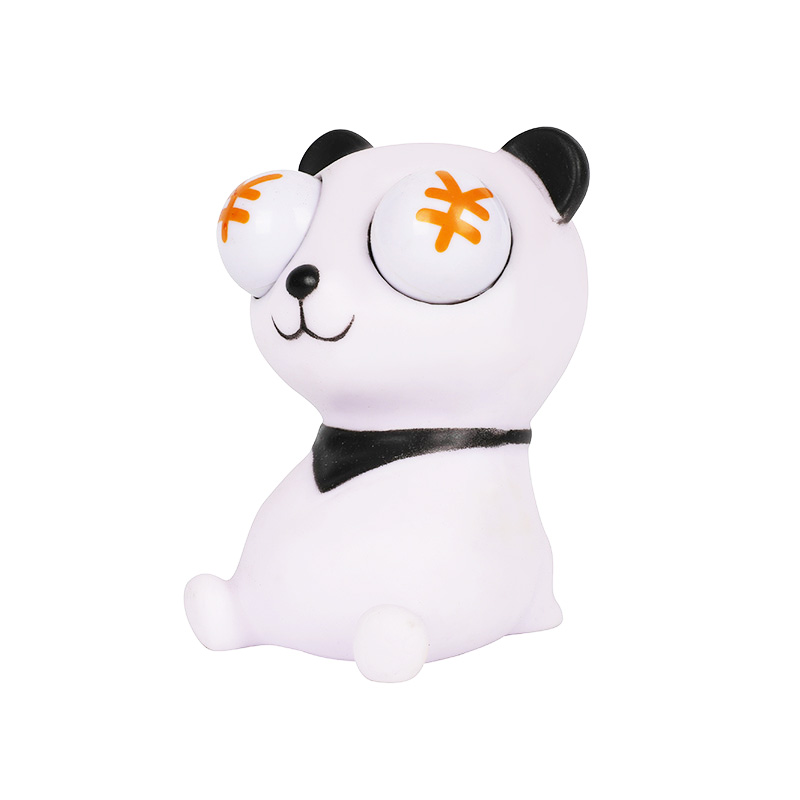
Pop-eyed Panda
Enter the whimsical world of the Pop-eye series with our delightful creation, the Pop-eyed Panda. Designed to bring joy and relieve stress, this squee...
View More -
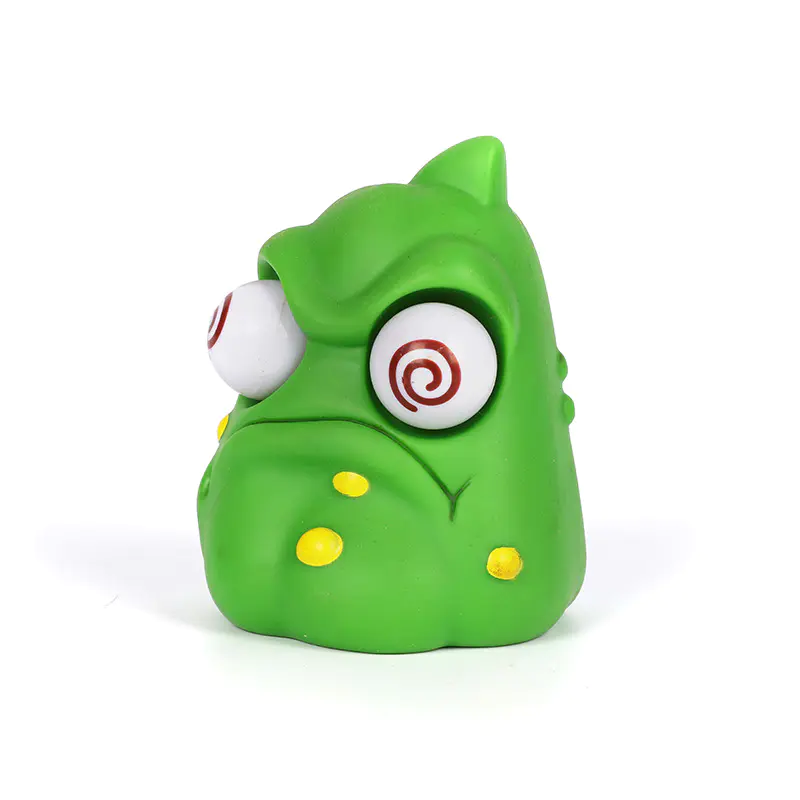
Staring Glowing Decompression Series
Step into the whimsical world of the Pop-eye series, where fun and functionality collide to bring you the Staring Glowing Decompression Series. These ...
View More -
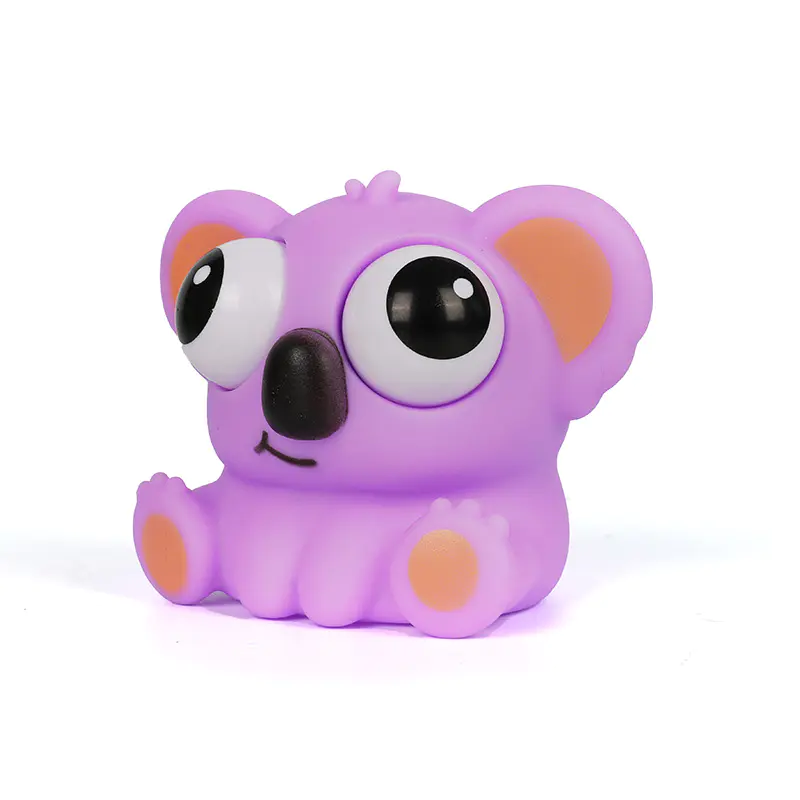
Cute Little Animal Series (Big-eyed)
Welcome to the enchanting world of our Cute Little Animal Series (Big-eyed), a delightful addition to our renowned Pop-eye Collection. These captivati...
View More -
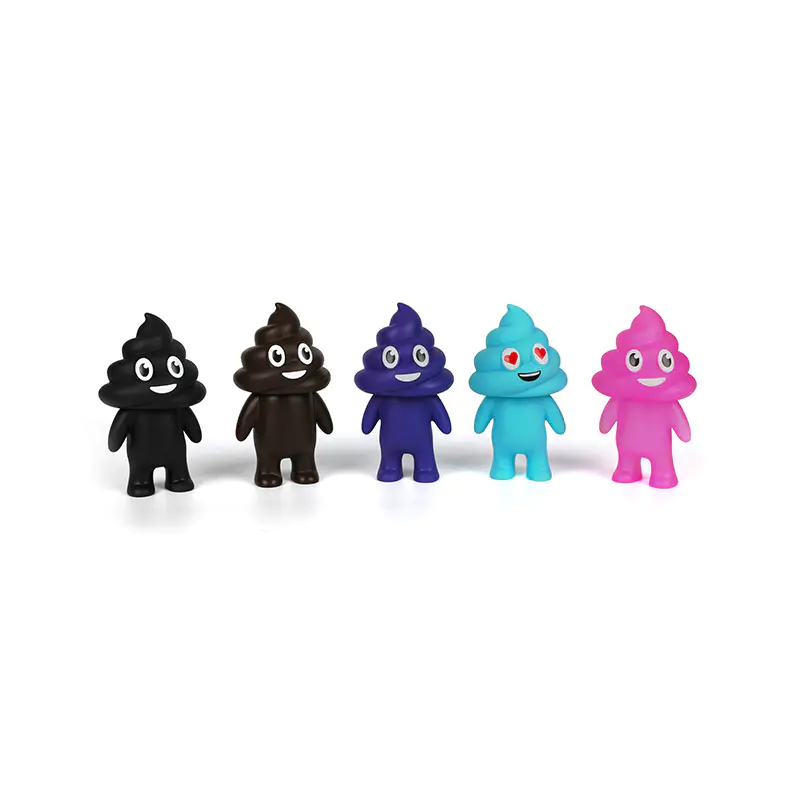
Poop People Series
Introducing the Poop People Series, a unique and playful line of collectible figures that bring humor and joy to toy collections everywhere. These qui...
View More -
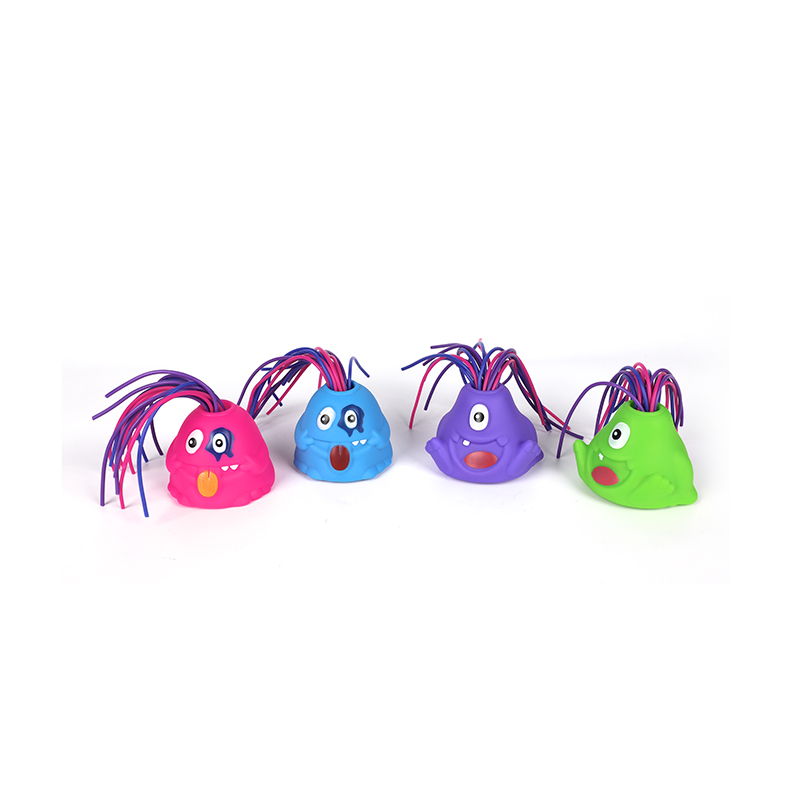
Fun Hair-Pulling Monster Stress Relief Anti-Anxiety Sound Toys
Laughter is one of the best ways to release stress, and Hair-Pulling Sound Toys are designed to do exactly that. These playful screaming monster figur...
View More -
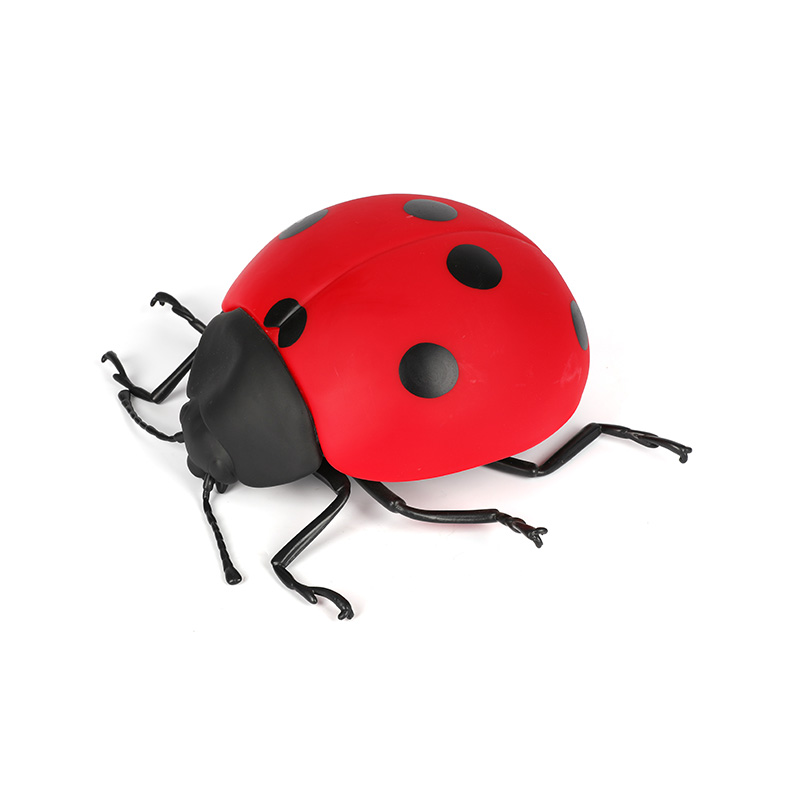
Beetle, Beetle Model Toys
Our Beetle Model Toys are pretty popular with kids and bug fans these days. We put real effort into making these beetle figures so they look detailed ...
View More -
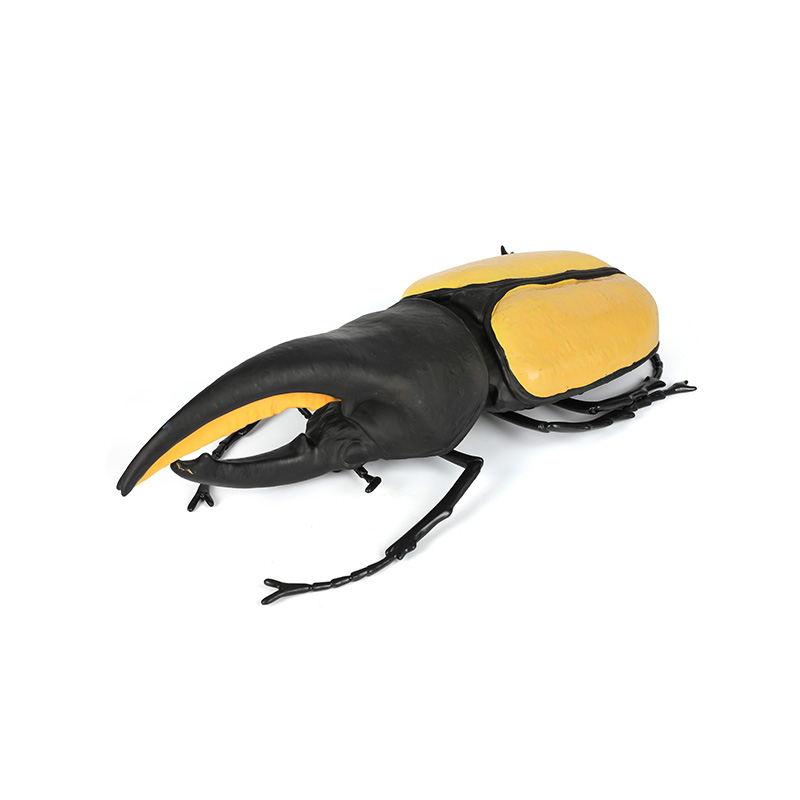
Beetle, Beetle Model Toys
Welcome to the world of Beetle Model Toys, where intricate design meets playful imagination. Our Beetle models are meticulously crafted to provide not...
View More -
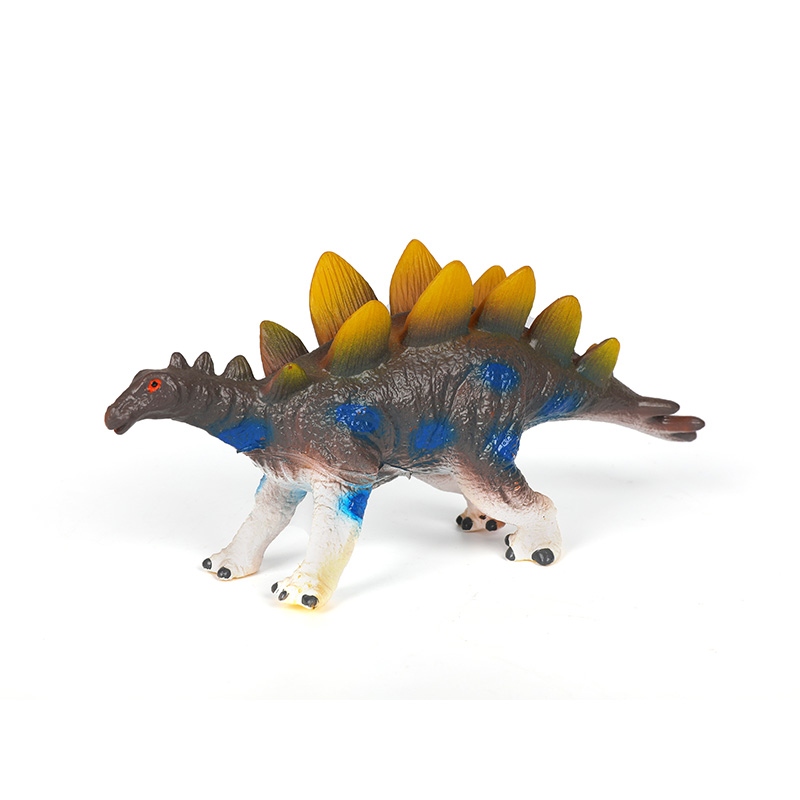
Diversity Series Dinosaur Model Puzzle Toys
Our Dinosaur Model Toys are really popular with kids these days. We make these dinosaur figures with a lot of care so they look real, help kids learn,...
View More

Copyright © Jinhua Blue Eagle Toys Technology Co., Ltd. All Rights
Reserved.

Information
-

+86 18072335560
-

-
 Weiyingsheng Industrial Co., Ltd., Yangbu Town Industrial Zone, Wucheng District, Jinhua City, Zhejiang Province
Links
Contact Us
Educational Model Toys Company