

 English
 English
 русский
 Español
- Type:
- Industry News
- Date
- 2026-Jul-10
Industry News
How Silicone Bubble Toy Supports Everyday Sensory Play
A small object with a row of raised domes has found its way into many homes, clinics, and classrooms over recent years. People press the bubbles down, turn the toy over, and press them again. Repeatedly. The activity looks almost too simple to deserve much attention. Yet the Silicone Bubble Toy keeps showing up in places where sensory regulation matters.
Sensory play is nothing new. Children have always explored their world through touch, sound, and movement. What has changed is the range of materials made specifically for sensory engagement. Among these options, the bubble popper draws notice not from any technological feature but from its simple design and predictable feedback. Watching how people interact with it raises an interesting point: what makes this object so suitable for regular sensory use? The answer involves the material itself, how hands engage with it, and the dependable nature of each interaction.
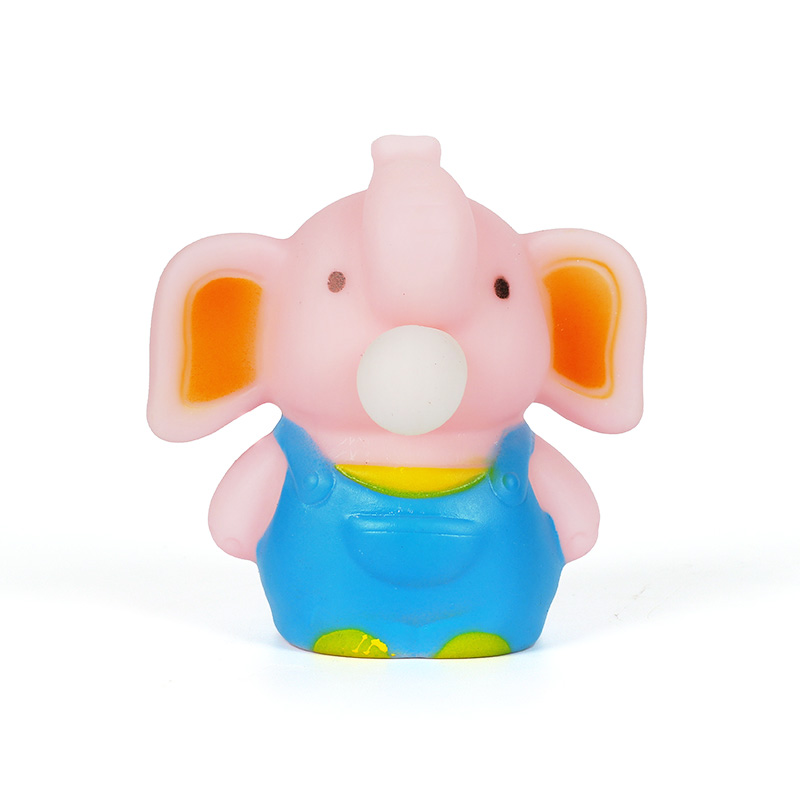
What Defines a Silicone Bubble Toy as a Sensory Tool
A few physical qualities set the Silicone Bubble Toy apart from other objects used in play or therapy. The material bends easily under finger pressure but always bounces back to its original dome shape. Pressing one dome gives a soft click or pop as air moves through a small opening and the silicone turns inside out.
Silicone brings something to the experience that other materials cannot quite match. It stays flexible without feeling sticky. Each press meets some resistance, though not so much that it tires the fingers. Every dome has its own surface feel—smooth on top, slightly thicker around the edges. Running fingers across the whole piece reveals small differences in height and firmness from one bubble to the next.
| Material | Texture | Flexibility | Temperature Feel | Holds Up Over Time |
|---|---|---|---|---|
| Silicone | Smooth with raised domes | High | Neutral to warm | Well |
| Plastic | Smooth or textured | Low to none | Cold at first | Fair to good |
| Rubber | Grippy, slightly tacky | Medium | Warms quickly | Fair |
| Wood | Natural grain | None | Cool | Varies |
| Fabric | Soft, woven | None | Neutral | Varies |
The bubble design works on two levels. Seeing the rows of domes creates a pattern that draws the eye and invites touch. Actually pressing each dome gives a clear action and reaction—push down, hear a pop, flip it over, and start again. That cycle keeps people engaged without needing any instructions.
Why Texture Matters in Sensory Play
Touch gives the nervous system constant information about the surrounding world. Hands hold a dense network of receptors that pick up pressure, temperature, and surface details. Consistent tactile input helps regulate how alert or calm a person feels.
The raised bubble surface delivers a particular kind of touch experience. Each dome has a clear edge that fingers can trace and push. Moving from the flat base to the curved top gives fingertips a changing landscape to explore. That variety within one object stops the interaction from getting boring too quickly.
Silicone feels gentler than harder materials. Pressing into a dome gives some springiness without any sharpness. People who dislike certain textures often find silicone more agreeable than rigid plastics. The material also warms up to skin temperature quickly, which makes it feel approachable and comfortable to hold for longer periods.
Some people find that pressing bubbles in a repeated pattern gives organizing input to their sensory system. The steady pressure applied to each dome creates a rhythm. That rhythm helps the nervous system settle, especially during transitions from one activity to another. The toy acts as a small pause that does not require much focus.
How the Toy Supports Fine Motor Development
Fine motor skills depend on small muscles working together in the hands and fingers. Pressing bubbles on a silicone toy engages several aspects of hand control. Each press asks the fingertip to find the center of a dome, push down, and hold until the dome flips. Letting go allows the dome to return to its raised position.
The amount of pressure needed matters for motor growth. Too much resistance would wear out the hands. Too little would not give enough feedback. Silicone bubbles sit in the middle—they require steady light pressure that works muscles without straining them. Doing this over and over builds strength in the small hand muscles used for gripping and handling objects.
Finger isolation improves with regular practice. Using one finger at a time to press individual bubbles encourages each digit to move on its own. Switching between fingers or using both hands together builds coordination across both sides of the body. Those movements carry over to everyday tasks like writing, eating with utensils, and using tools.
The repetitive action also helps with motor planning. Motor planning means the brain's ability to think through, organize, and carry out a sequence of movements. Each press follows the same path—approach, touch, push, release. Over time, that sequence becomes automatic. For people working on motor planning, predictability lowers mental effort and lets practice happen naturally through play.
The toy works across a wide age range. Young children build hand strength through pressing. Older adults with reduced hand function can join in without discomfort. The needed force stays manageable for most ability levels, which makes the toy useful in places that serve all kinds of people.
Where the Toy Fits Into Daily Routines
Sensory needs do not follow a schedule, but they do show up at certain times of day more than others. Mornings often bring transitions from sleep to wakefulness, from quiet to activity. Evenings ask for a shift from stimulation to calm. The Silicone Bubble Toy slides into these moments without requiring setup or cleanup.
Waiting periods present another natural placement. Therapy waiting rooms, school hallways, and clinic lobbies all involve sitting still for stretches of time. Having an object to hold gives hands something productive to do. The toy does not make noise that disturbs others, and it fits into a bag or pocket without trouble.
Classroom teachers sometimes keep a few bubble toys available for students who need a break. A child can reach for one during independent work time or after completing a task. The toy sits quietly on a desk corner, ready for use whenever the need arises. No permission slip or adult intervention is required.
The portability of the toy matters for daily routines. It moves from the car to the waiting room, from the desk to the couch. Being able to carry sensory support from place to place means continuity across settings. A child who uses the toy at home can bring it to school. An adult who keeps one at work can take it to meetings. That consistency supports regulation across changing environments.
How the Toy Addresses Emotional Regulation
Emotions and physical sensations connect more closely than many people realize. A racing heart, tense shoulders, or restless legs often accompany feelings of worry or frustration. Giving the body something to do can shift that internal state.
The Silicone Bubble Toy offers a physical outlet without requiring complex actions. Pressing bubbles gives the hands a job. That job draws attention away from whatever caused the tension and toward a neutral activity. Each press produces the same soft pop, the same slight give of silicone. That predictability feels reassuring when other things feel uncertain.
Some people use the toy during moments of restlessness. Sitting through a long presentation, waiting for an appointment, or riding in a vehicle all involve staying in one place. The toy provides movement within that stillness. Fingers stay busy while the rest of the body remains seated.
The rhythm of pressing also matters. Steady, repeated motions have a settling effect on the nervous system. Breathing often slows down to match the pace of the hands. Without any conscious effort, the act of pressing bubbles moves attention from internal distress to an external, manageable task.
For children who have trouble naming or expressing emotions, the toy serves as a bridge. A child who feels overwhelmed may not have words for that feeling. Handing them a bubble toy gives them a way to process through action rather than language. The adult can observe that the child is seeking calming input and respond accordingly.
What Makes Silicone a Suitable Material for Sensory Use
The material choice affects how a sensory object performs over time. Silicone holds up well to repeated use. It does not crack or peel like some plastics. It stays flexible without becoming sticky or brittle.
Cleaning is straightforward. The non-porous surface does not absorb moisture or harbor bacteria. A quick wipe with soap and water removes dirt and oils from handling. In shared environments like clinics or classrooms, that ease of cleaning matters. Multiple people can use the same toy throughout the day without worry about hygiene.
Silicone does not react to temperature changes in uncomfortable ways. It does not get painfully cold in winter or uncomfortably hot in direct sun. That thermal stability makes it usable across different seasons and settings.
The material also offers the right amount of give. Too soft and the bubbles would not pop satisfyingly. Too firm and pressing would require too much effort. Silicone sits in a middle range that suits most hands, from small children to older adults.
Why the Toy Appeals to Both Children and Adults
Age does not limit who finds satisfaction in pressing bubbles. The action itself feels pleasant across developmental stages. Children enjoy the cause-and-effect relationship. Adults appreciate the low-stakes interaction.
The toy does not require reading, following rules, or performing to any standard. It simply sits there, waiting for someone to pick it up. That openness invites use by anyone who happens to be nearby. Parents find themselves pressing bubbles while watching their children play. Therapists reach for the toy during sessions with clients of all ages.
Workplace settings have seen increased interest in objects that offer brief mental breaks. A desk drawer containing a bubble toy gives employees a way to reset focus without leaving their workspace. The action takes only seconds but can shift attention and reduce tension.
Shared use across ages creates opportunities for connection. A grandparent and grandchild can sit together, each pressing their own set of bubbles. The activity does not require conversation but allows it to happen naturally. The toy becomes a neutral presence that supports interaction without demanding it.
How the Toy Encourages Spontaneous Interaction
Some toys require explanation. Others demand setup or adult guidance. The Silicone Bubble Toy asks for none of those things. Its operation is self-evident. Press a dome and it flips. Turn it over and press again.
That simplicity invites curiosity. A person encountering the toy for the first time will usually reach out and try it. No instruction manual sits nearby. No parent has to explain the rules. The object itself communicates how to use it.
The popping sound adds another layer of engagement. The soft noise rewards each press with immediate feedback. That auditory cue keeps attention anchored to the activity. People who struggle with sustained focus often find that the combination of touch and sound holds their interest longer than purely visual activities.
The toy remains engaging over time. Unlike battery-operated gadgets that run out of power or digital games that require updates, the bubble toy stays consistent. It offers the same interaction today as it did months ago. For sensory seekers who rely on predictability, that reliability matters.
Sensory play does not need to be complicated to be useful. The Silicone Bubble Toy shows that a straightforward design can serve many purposes across different settings. The material feels right for hands of all sizes. The pressing action builds motor skills while providing calming input. The toy fits into daily routines without requiring extra effort from caregivers or teachers.
People of all ages find something satisfying in the act of pressing bubbles. Children strengthen their fingers while playing. Adults find a brief moment of focus during a busy day. Therapists have a tool that works across many different needs and ability levels.
The toy does not compete with other sensory tools. It complements them. It sits alongside fidget spinners, stress balls, and textured objects, each serving its own role. What sets the bubble toy apart is its simplicity, its durability, and the universal appeal of pressing something that pops back up again. Those qualities keep it relevant in homes, schools, and clinics around the world.
Related Products
-
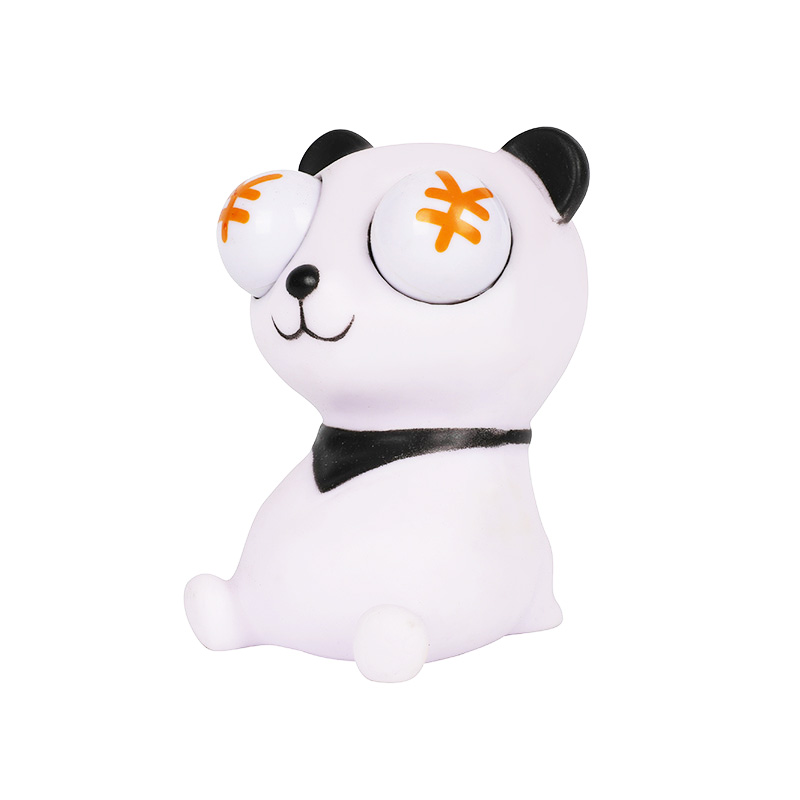
Pop-eyed Panda
Enter the whimsical world of the Pop-eye series with our delightful creation, the Pop-eyed Panda. Designed to bring joy and relieve stress, this squee...
View More -
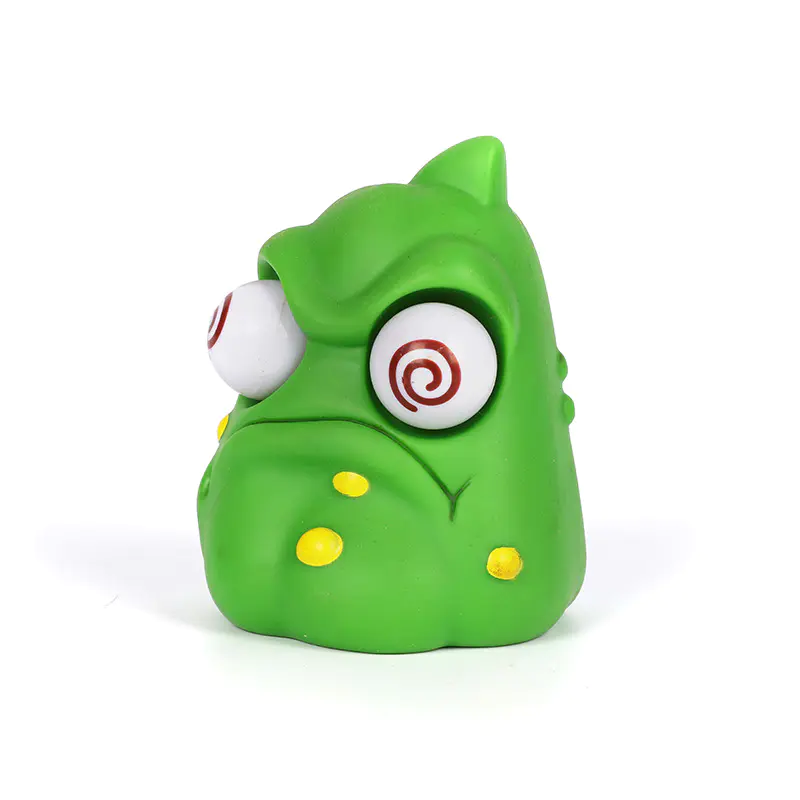
Staring Glowing Decompression Series
Step into the whimsical world of the Pop-eye series, where fun and functionality collide to bring you the Staring Glowing Decompression Series. These ...
View More -
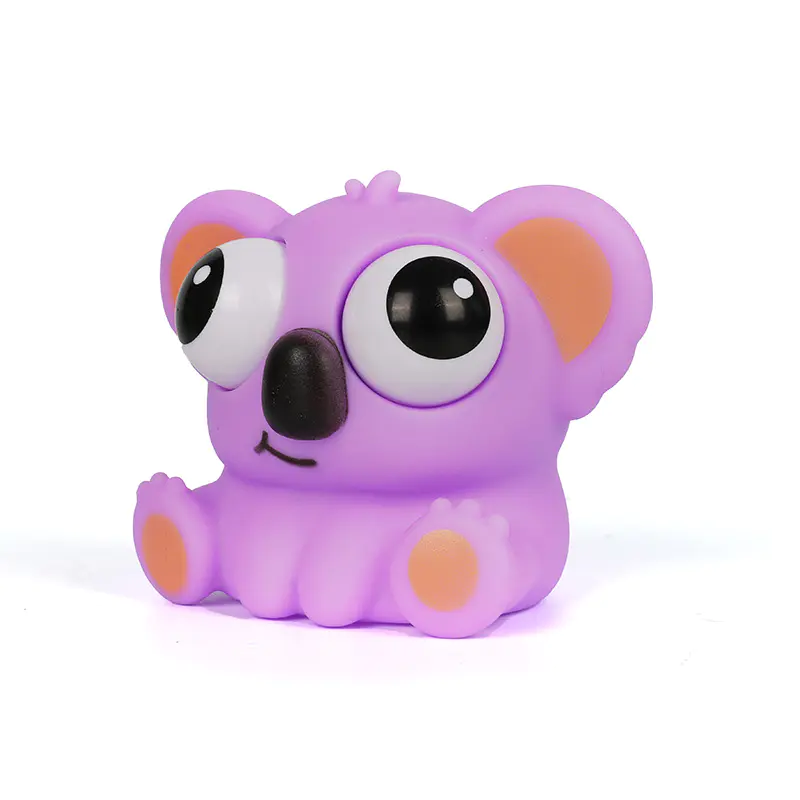
Cute Little Animal Series (Big-eyed)
Welcome to the enchanting world of our Cute Little Animal Series (Big-eyed), a delightful addition to our renowned Pop-eye Collection. These captivati...
View More -
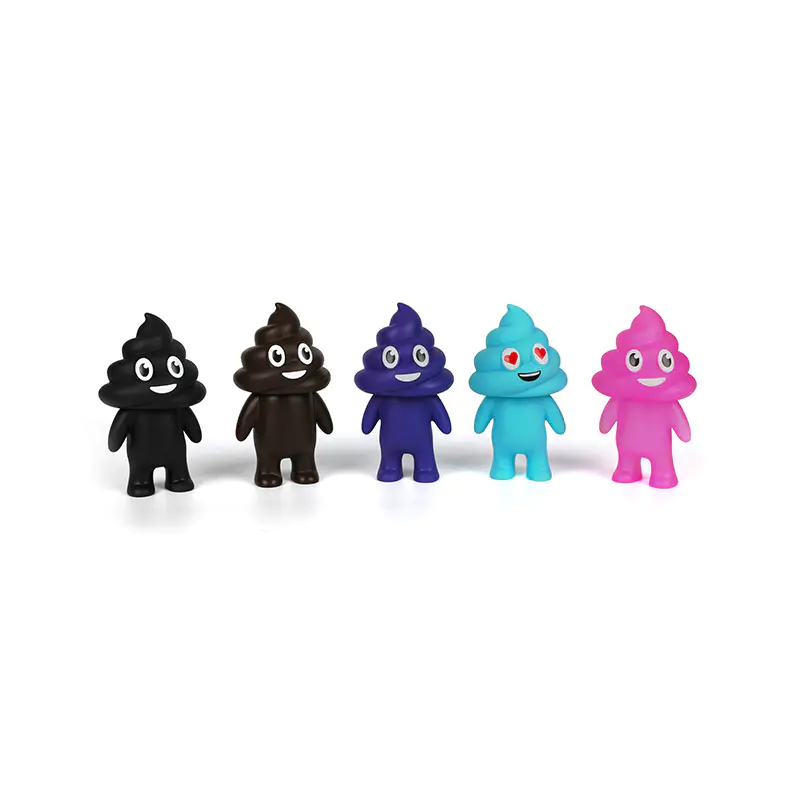
Poop People Series
Introducing the Poop People Series, a unique and playful line of collectible figures that bring humor and joy to toy collections everywhere. These qui...
View More -
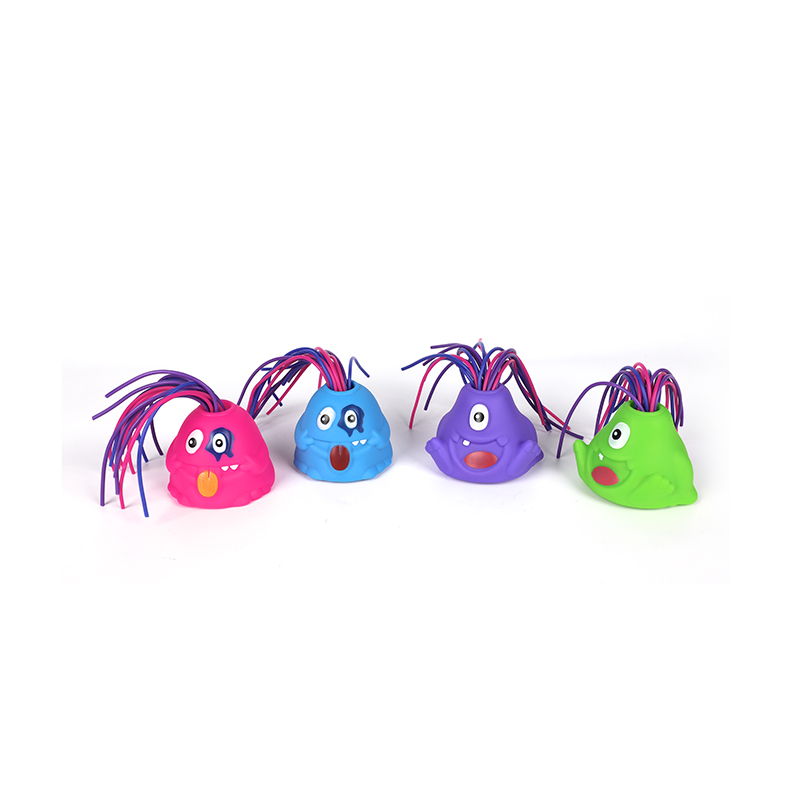
Fun Hair-Pulling Monster Stress Relief Anti-Anxiety Sound Toys
Laughter is one of the best ways to release stress, and Hair-Pulling Sound Toys are designed to do exactly that. These playful screaming monster figur...
View More -
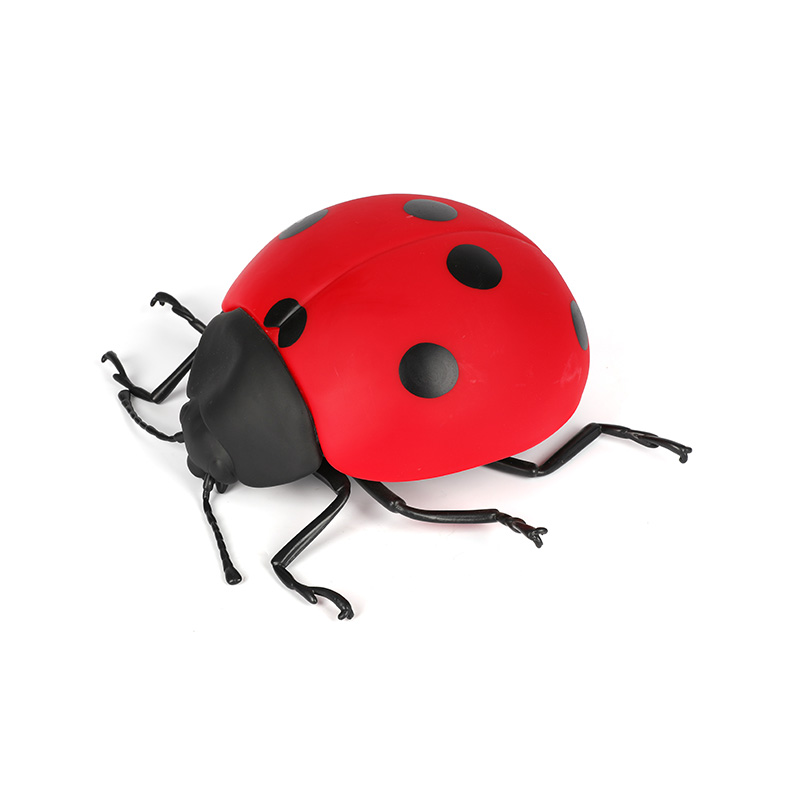
Beetle, Beetle Model Toys
Our Beetle Model Toys are pretty popular with kids and bug fans these days. We put real effort into making these beetle figures so they look detailed ...
View More -
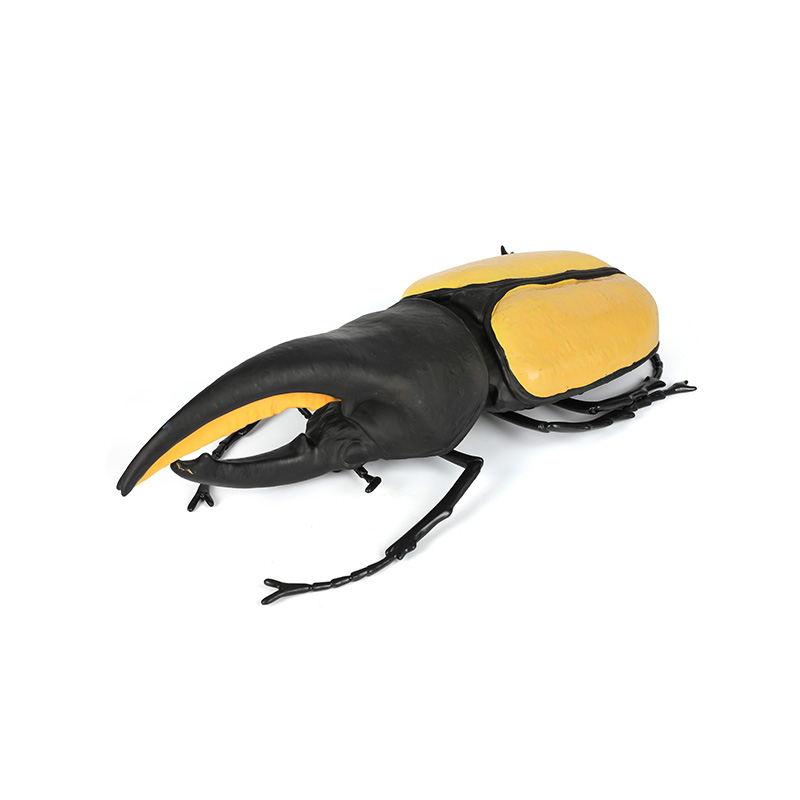
Beetle, Beetle Model Toys
Welcome to the world of Beetle Model Toys, where intricate design meets playful imagination. Our Beetle models are meticulously crafted to provide not...
View More -
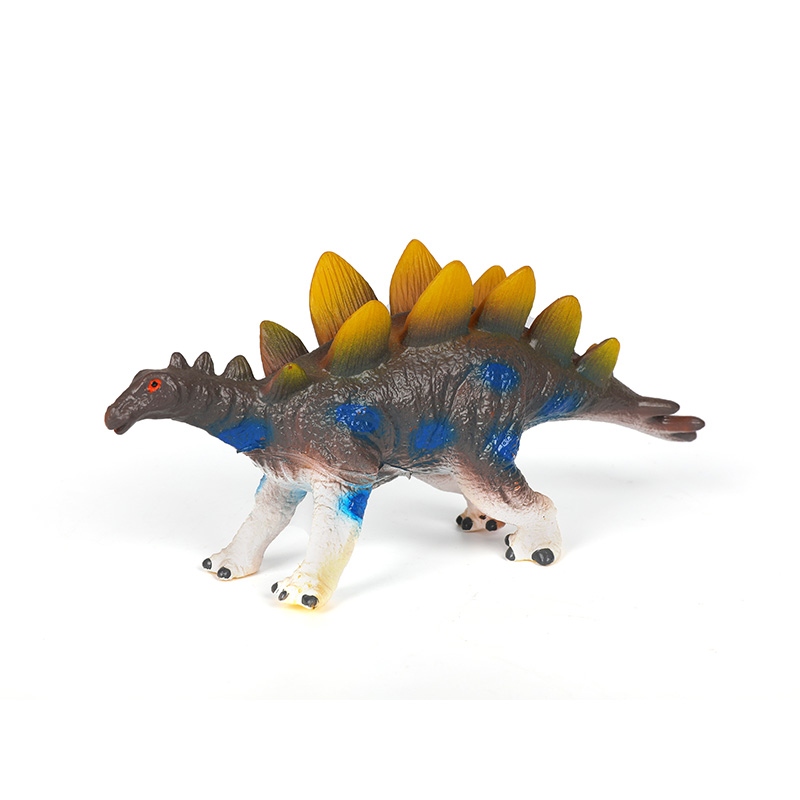
Diversity Series Dinosaur Model Puzzle Toys
Our Dinosaur Model Toys are really popular with kids these days. We make these dinosaur figures with a lot of care so they look real, help kids learn,...
View More

Copyright © Jinhua Blue Eagle Toys Technology Co., Ltd. All Rights
Reserved.

Information
-

+86 18072335560
-

-
 Weiyingsheng Industrial Co., Ltd., Yangbu Town Industrial Zone, Wucheng District, Jinhua City, Zhejiang Province
Links
Contact Us
Educational Model Toys Company