

 English
 English
 русский
 Español
- Type:
- Industry News
- Date
- 2026-Oct-30
Industry News
How Vocalization Toys Turn Simple Sounds Into Product Appeal
Squeeze a rubber chicken in a quiet office and heads turn. The noise lands before anyone has read a word of the packaging. A Vocalization Toy lives on that quick loop of touch, sound, and reaction, and a plain design can hold attention for a surprisingly long time.
Short videos have made the loop even more useful. A clip shows the squeeze and plays the sound within seconds. The harder job belongs to the maker: keeping the toy comfortable, steady in tone, and still fun after the fiftieth squeeze.
Why Does a Simple Sound Stick in Memory?
Most toys rely on shape and color. A sound toy adds an answer to every touch: press, hear, grin. A child at a birthday party or a coworker at a desk figures it out in a second, with no manual.
Surprise does a lot of the work. A calm animal face that lets out a ridiculous cry creates a small gap between expectation and result. A sharp squawk feels cheeky, while a soft squeak feels gentle, so tone shapes the mood of the whole object.
Looks and sound should tell the same story. A wide-eyed face, a bendy body, and one odd noise are easy to describe in a single sentence. That helps a toy travel through group chats, office desks, and gift swaps.
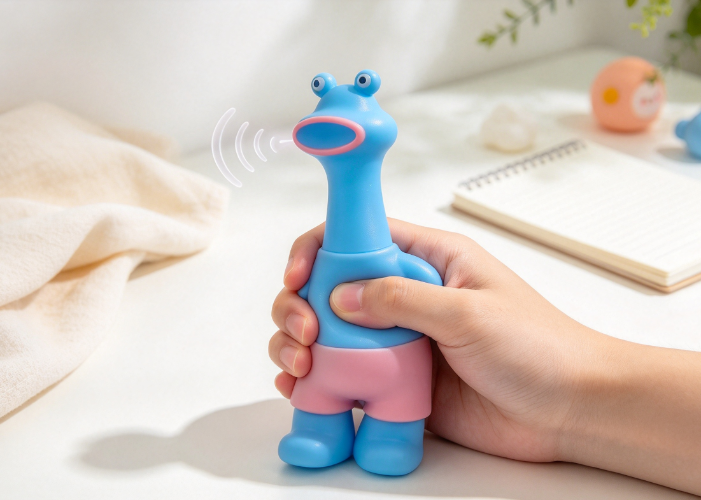
What Makes the Screaming Plastic Chicken Stand Out?
The Screaming Plastic Chicken pairs a familiar bird with a noise nobody expects. A viewer sees a hand squeeze, hears the cry, and understands the joke. The contrast between a placid face and a loud scream carries the humor.
Several choices support that appeal:
- Clear silhouette: The bird reads well on a shelf and in a small thumbnail.
- Distinct sound: A recognizable squawk gives the object a voice.
- One-step activation: A single squeeze works for children and adults alike.
- Steady character: A consistent face and color scheme keep it recognizable in photos and on packaging.
Repeat use is the real test. A sound that is hard to trigger, uneven between squeezes, or harsh to listen to wears out its welcome fast. A toy that squawks the same way on the first day and the hundredth earns more goodwill than one that only shines in a demo.
How Does a Squeaky Stress Toy Add Touch to the Fun?
A Squeaky Stress Toy moves the attention from character to feel. The user sets the pace, squeezing and letting go while the squeak follows. During a work break or a long study session, that rhythm can be calming.
Comfort decides how long people keep it in hand. A soft body that compresses easily and springs back beats one that needs a hard grip. A sticky or rough surface makes repeated handling tiring, and a squeak that suits a living room may feel intrusive in a meeting.
Material and the internal sound unit need to work together. If the outer shell is too thick, the squeak turns muffled. If it is too thin, it may tear under strong hands.
| Feature | Screaming Plastic Chicken | Squeaky Stress Toy | Vocalization Toy (general) |
|---|---|---|---|
| Main attraction | Funny animal cry | Squeeze and squeak | Sound-based play |
| Interaction | Press the body | Compress and release | Varies by design |
| Look | Often animal-inspired | Simple shapes or characters | Depends on theme |
| Typical setting | Gifts, pranks, party games | Desk, study, travel | Home, office, events |
| Design focus | Shape and sound | Handling comfort, steady response | Clear action, fitting sound |
Categories overlap. A chicken can double as a stress toy, and a wider range may mix several sounds with expressive faces.
Why Do Sound Toys Work Well in Online Shopping?
Many shoppers now meet a product through a clip. A sound toy suits that format because one action and one noise explain everything. A hand squeezes, the toy squawks, someone laughs off-screen, and the viewer already knows what it does.
Close-ups help the stress toy. Viewers watch it fold under a thumb, hear the squeak, and see it recover. A still photo cannot show that. A hand or a coffee mug beside the toy also helps shoppers judge size.
Sellers can build useful content from a few habits:
- Film the exact action that triggers the sound
- Record the real audio instead of adding effects
- Show everyday settings such as a desk, a party table, or a gift bag
- Use genuine customer reactions, and never pass off staged ones as reviews
A funny clip does not guarantee a sale. Many people watch, laugh, and scroll on. Product pages still need honest descriptions, material details, age guidance, and realistic notes about volume. Misleading audio brings disappointed buyers and returns.
What Should Designers Balance Behind the Squeak?
The body and the sound unit have to cooperate. If one behaves unevenly, the whole toy feels cheap. Volume, length of sound, and squeeze effort all affect comfort, and a noise that delights a family room can annoy a shared office.
Construction deserves a close look:
- Seams should survive strong squeezes from excited children.
- The surface should feel pleasant and wipe clean easily.
- The sound unit should keep working after drops, sitting, or a trip in a backpack.
- Small parts, materials, and sound level should meet the rules for the intended age group.
Cleaning advice matters more than it seems. Some toys tolerate a damp cloth, while others trap moisture near the sound unit and end up muffled or silent. Clear care notes prevent that.
Realistic testing catches weak points early. Repeated squeezing, temperature swings during shipping, and rough handling reveal faults that a quick bench check never will.
How Can Similar Sound Products Stand Apart?
When many toys squeak or squawk, a new sound alone rarely sets one apart. Character offers a better route. A chicken can have bold eyebrows, a crooked beak, or a tiny accessory, and other animals can build identity through posture and color.
A stress toy can compete on texture, size, and recovery speed. Small versions slip into pockets, while larger ones give a firmer squeeze. Each feature should have a reason, since extra functions that confuse users add little.
Packaging can carry the difference too. It should show the look, the way to activate the sound, the intended audience, and care needs. Where sound is the main draw, a chance to hear it before buying builds trust. Complaints about stiff activation, rough texture, or loud output deserve a hearing, weighed against testing, because tastes vary.
How Can Product Pages Help Buyers Choose?
Clear writing serves shoppers and search tools alike. Pages on the Screaming Plastic Chicken can describe its shape, sound, and playful uses. Pages on the Squeaky Stress Toy can cover squeezing, material feel, and quiet-time use. Broader Vocalization Toy pages can explain how different products make their sounds. Terms belong where they add meaning, such as headings and image descriptions.
A good page answers the questions buyers actually ask:
- How is the sound triggered?
- How does it feel when squeezed?
- Does the sound suit a shared room?
- What is the outer body made of?
- How should it be cleaned and stored?
- Which ages is it meant for?
Matching details across listings and packaging make the product easy to recognize. Photos beside everyday objects show scale, and short audio samples set honest expectations. A toy that sounds as promised, feels good in the hand, and survives daily squeezing keeps its owner reaching for it long after the first laugh.
Related Products
-
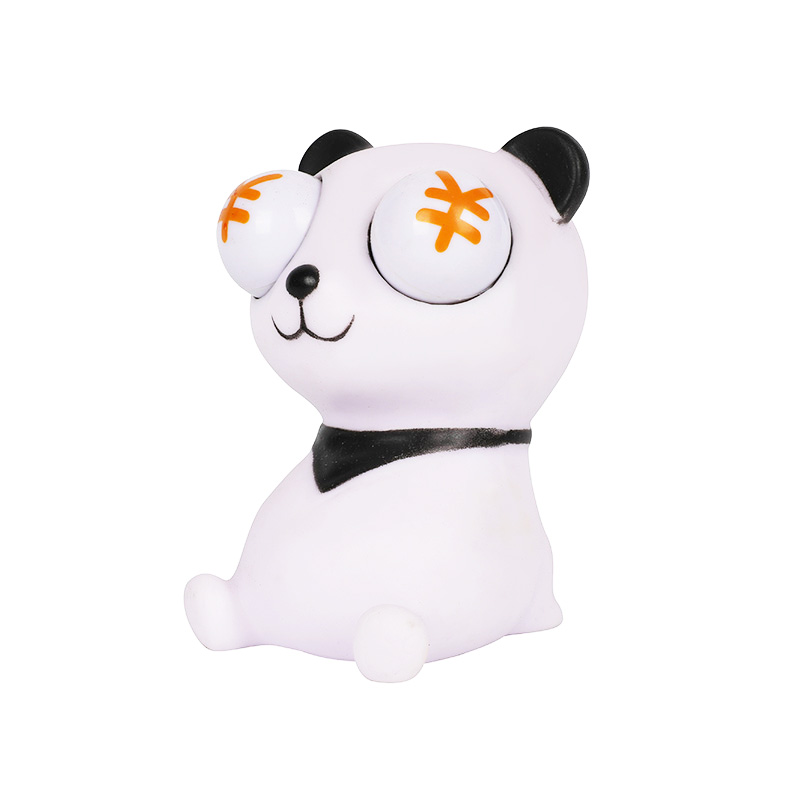
Pop-eyed Panda
Enter the whimsical world of the Pop-eye series with our delightful creation, the Pop-eyed Panda. Designed to bring joy and relieve stress, this squee...
View More -
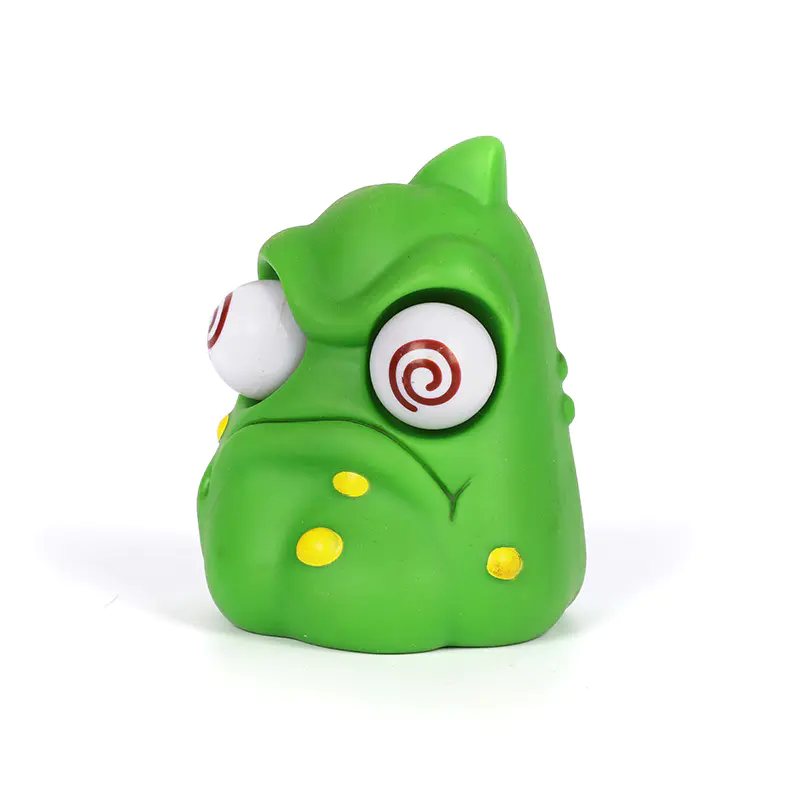
Staring Glowing Decompression Series
Step into the whimsical world of the Pop-eye series, where fun and functionality collide to bring you the Staring Glowing Decompression Series. These ...
View More -
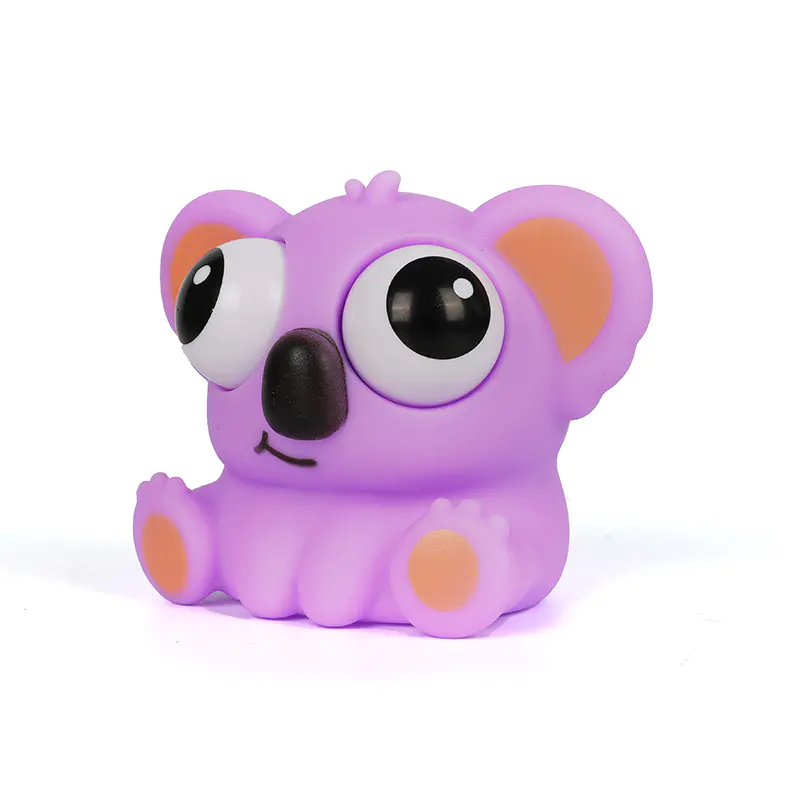
Cute Little Animal Series (Big-eyed)
Welcome to the enchanting world of our Cute Little Animal Series (Big-eyed), a delightful addition to our renowned Pop-eye Collection. These captivati...
View More -
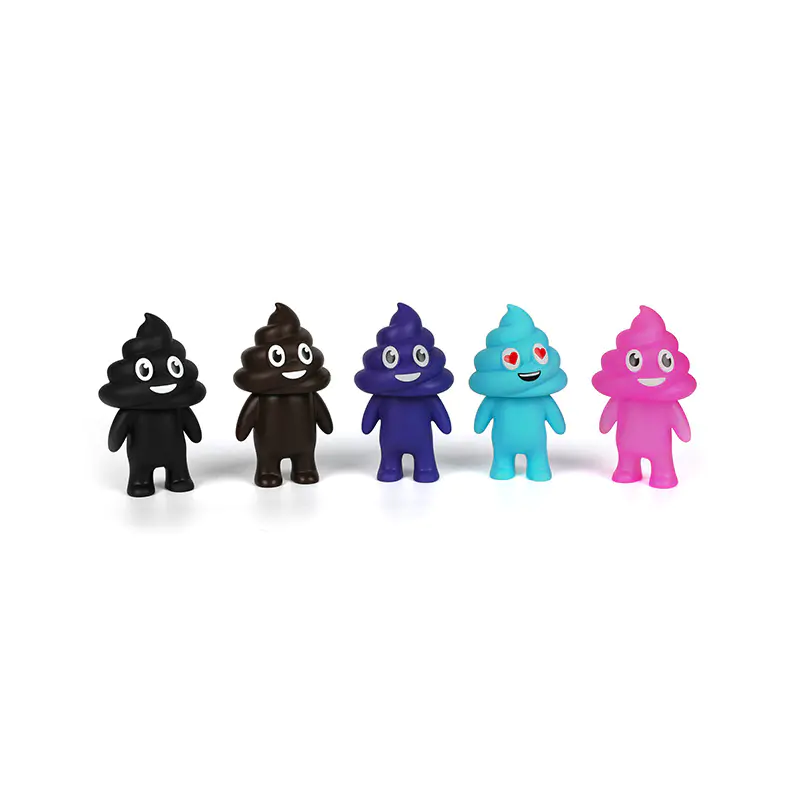
Poop People Series
Introducing the Poop People Series, a unique and playful line of collectible figures that bring humor and joy to toy collections everywhere. These qui...
View More -
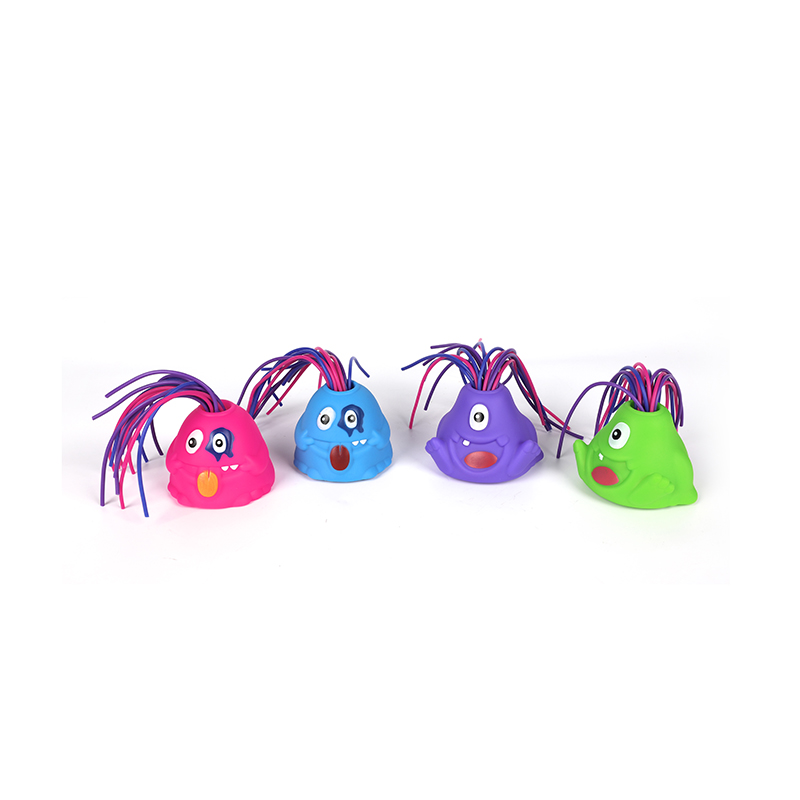
Fun Hair-Pulling Monster Stress Relief Anti-Anxiety Sound Toys
Laughter is one of the best ways to release stress, and Hair-Pulling Sound Toys are designed to do exactly that. These playful screaming monster figur...
View More -
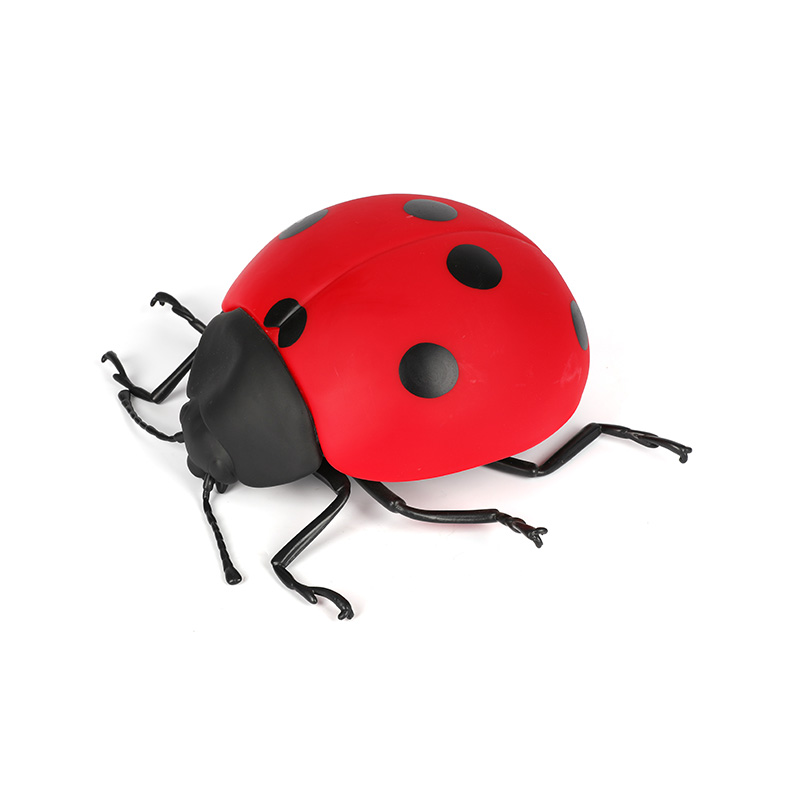
Beetle, Beetle Model Toys
Our Beetle Model Toys are pretty popular with kids and bug fans these days. We put real effort into making these beetle figures so they look detailed ...
View More -
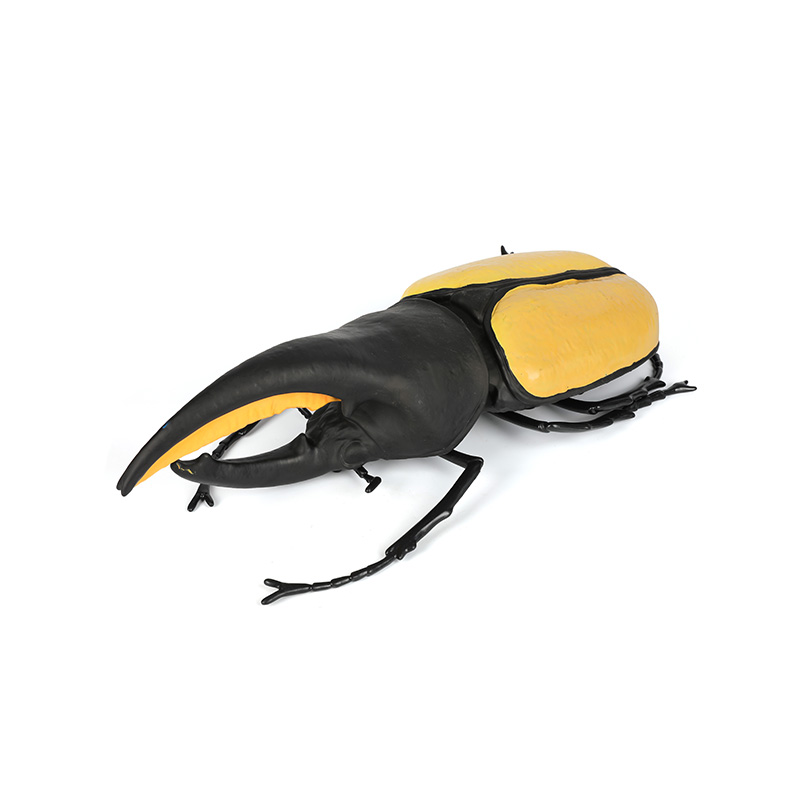
Beetle, Beetle Model Toys
Welcome to the world of Beetle Model Toys, where intricate design meets playful imagination. Our Beetle models are meticulously crafted to provide not...
View More -
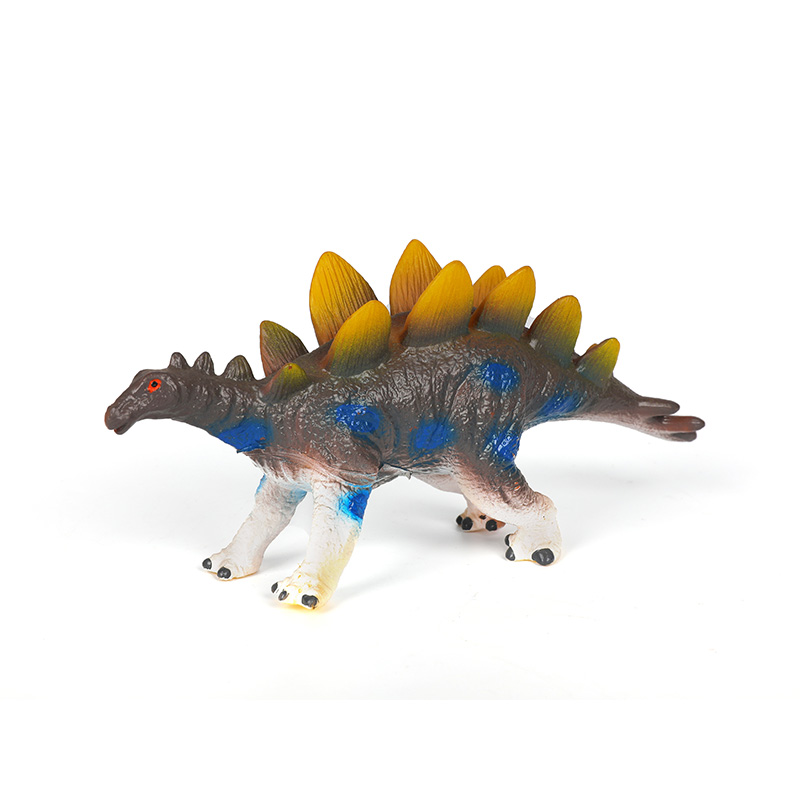
Diversity Series Dinosaur Model Puzzle Toys
Our Dinosaur Model Toys are really popular with kids these days. We make these dinosaur figures with a lot of care so they look real, help kids learn,...
View More
Copyright © Jinhua Blue Eagle Toys Technology Co., Ltd. All Rights
Reserved.

Information
-

+86 18072335560
-

-
 Weiyingsheng Industrial Co., Ltd., Yangbu Town Industrial Zone, Wucheng District, Jinhua City, Zhejiang Province
Links
Contact Us
Educational Model Toys Company