

 English
 English
 русский
 Español
- Type:
- Industry News
- Date
- 2026-Jun-16
Industry News
What an Elephant Squeeze Toy Feels Like When Pressed Between Fingers
Small tactile objects shaped like animals often appear in work desks, study tables, and quiet personal spaces. An Elephant Squeeze Toy belongs to that category where interaction is simple, yet the hand receives continuous feedback during each press.
In daily life, finger movement stays repetitive. Typing, scrolling, writing, holding devices, all create steady tension in small muscle groups. A squeeze object changes that pattern for a short moment. Pressure replaces motion. That shift explains why attention often moves toward touch instead of sight during use.
The first contact feels soft. Pressure increases gradually. Shape deforms under the fingers, then returns slowly after release. Each stage gives a different sensation rather than one fixed feeling.
Common real-life sensations include:
- surface giving way under light contact
- deeper resistance appearing during stronger squeeze
- slow shape recovery after release
- uneven deformation depending on finger placement
Interaction stays short, often only a few seconds. Even so, repeated use creates a familiar tactile rhythm.
| Finger Pressure Type | Contact Area | Deformation Depth | Sensory Feel Description |
|---|---|---|---|
| Single Finger Press | Small point | Shallow | Focused soft indentation with quick rebound feel |
| Two Finger Press | Medium area | Moderate | Balanced compression with stable resistance feedback |
| Multi Finger Squeeze | Wide area | Deep | Full shape deformation with slower recovery sensation |
| Full Hand Press | Entire surface | Maximum | Strong structural resistance with slow rebound cycle |
| Repeated Light Press | Variable points | Low to moderate | Rhythm-like tactile feedback with predictable return |
How Material Structure Shapes The First Touch Impression Of Elephant Squeeze Toy
Material inside a squeeze toy usually contains layered softness. Outer skin responds immediately, while inner filling controls how far compression can travel. That difference explains why the first press feels smooth at entry, then gradually firmer.
At home or desk use, pressure rarely stays constant. Fingers move slightly, shifting force across different points. Inner structure reacts by redistributing pressure instead of collapsing in one direction.
Key structural behavior seen in real use:
- outer layer reacts instantly to fingertip contact
- inner core slows down deeper compression
- trapped air influences rebound speed
- uneven density creates different softness zones
A simple press on the edge feels different from pressing the center. Edge areas often feel tighter. Central zones usually allow deeper deformation. That variation comes from how material is arranged inside the shape rather than surface appearance.
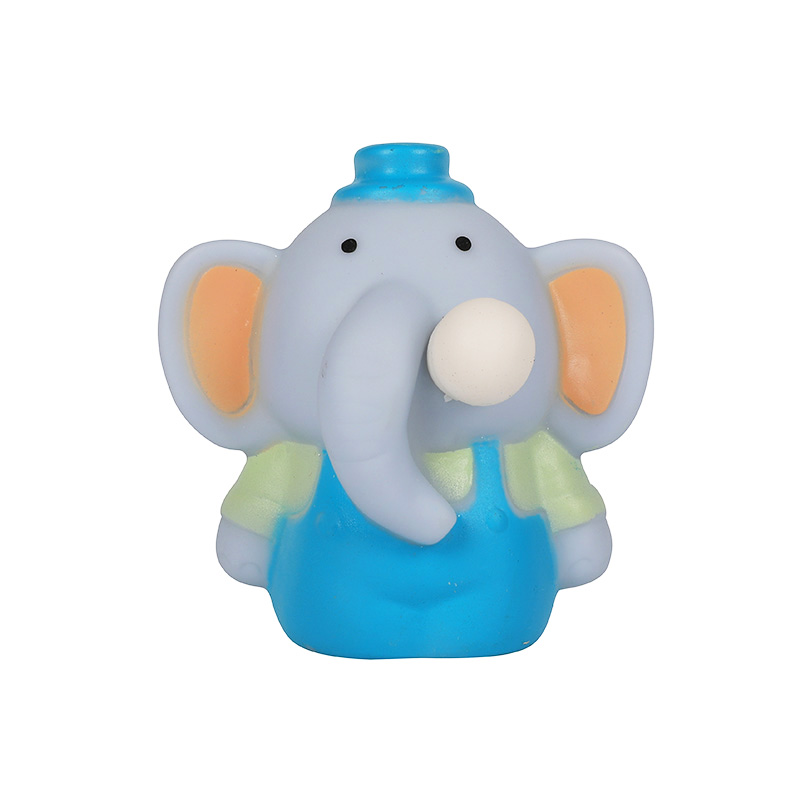
What Happens At The Moment Fingers Begin To Press The Surface
The earliest stage of pressing happens before shape change becomes visible. Skin contact sends force into the surface layer, and internal air begins to shift. That stage lasts a fraction of a second, yet it sets the direction of the entire deformation.
During normal use, three stages can be noticed:
- surface contact with mild indentation
- slow sinking into soft outer layer
- internal resistance increasing gradually
Inside the structure, air pockets compress and redistribute. Material fibers adjust position to handle pressure. That internal adjustment creates the feeling of "soft entry followed by support."
In everyday handling, pressing rarely stays symmetrical. One finger often leads, others follow. That uneven force creates slightly different shapes each time, even when the same object is used repeatedly.
How Finger Pressure Patterns Change The Feel Of Elephant Squeeze Toy
Different pressing styles create different tactile responses. A single finger press concentrates force in a narrow point, while multiple fingers spread pressure across a wider surface. That change influences depth, speed, and rebound behavior.
In practical use, several patterns appear frequently:
- single fingertip press creating focused indentation
- two-finger press increasing controlled deformation
- full-hand squeeze producing wide shape compression
- repeated quick press cycles affecting rebound rhythm
A deeper press reaches internal resistance faster. A lighter press stays within surface softness. When pressure is released quickly, material returns with a slightly delayed motion, creating a visible recovery effect.
Repeated pressing in short intervals changes perception slightly. Fingers begin to anticipate rebound timing, and the toy feels more predictable over time.
How Shape Design Influences Pressure Distribution Across The Toy Surface
Shape plays a strong role in how force travels across the structure. An elephant form contains curved surfaces, extended parts, and uneven contours. Each area reacts differently under pressure.
Rounded body sections distribute force evenly. Trunk or ear-like extensions concentrate pressure into smaller zones. That creates variation even under similar pressing strength.
Observed behavior across different zones:
- curved body area compressing evenly under palm pressure
- extended parts bending more sharply under fingertip force
- edge zones reacting faster to angled contact
- central mass holding deeper compression longer
In daily handling, fingers rarely stay fixed in one position. Small adjustments shift pressure across different regions, changing tactile feedback from moment to moment.
Why Slow Rebound Behavior Feels Important In Squeeze Interaction
After pressure release, material does not return instantly. Recovery happens in stages, starting from internal expansion and ending with full shape restoration.
That delay creates a noticeable transition between compression and recovery. The hand often observes shape movement for a short moment after release.
Typical rebound sequence:
- partial return immediately after release
- slow expansion of compressed zones
- gradual smoothing of surface folds
- final return to original form
Slow rebound behavior often increases tactile awareness. The interaction does not end at release; it continues visually and physically for a brief period.
How Temperature And Hand Condition Affect Sensory Feedback
Touch sensation changes depending on environment and skin condition. Warm fingers increase surface softness perception. Cooler conditions tend to make the same material feel slightly firmer.
Skin condition also affects interaction. Dry fingertips create more friction during pressing. Moist contact changes glide and resistance slightly, which affects how smooth the deformation feels.
Common real-life influences:
- warm hands increasing softness perception
- cool surroundings making material feel more resistant
- dry skin increasing grip friction
- slight moisture changing surface glide
Even though structure remains unchanged, sensory feedback shifts depending on these external factors.
How Repeated Pressing Creates Familiar Sensory Patterns
A squeeze object rarely feels the same after only one interaction. Repeated pressing gradually builds a sense of familiarity in the fingers, not because the material changes dramatically, but because the hand begins to recognize how resistance and rebound behave.
During repeated use, pressure patterns start to repeat. Fingers press in similar ways, release at similar timing, and expect similar return speed. That repetition creates a predictable tactile loop.
Common patterns noticed during repeated interaction:
- pressing depth becomes more controlled over time
- rebound timing feels easier to anticipate
- pressure points shift toward familiar contact areas
- squeezing rhythm develops a steady pace
In daily routines, this often appears during short pauses between tasks. A few seconds of pressing becomes a reset point for hand movement, then attention returns to other activities.
How Elephant Squeeze Toy Fits Into Desk And Daily Work Environments
On a desk surface, a squeeze object usually stays within reach rather than being actively used all the time. Interaction happens in short intervals between typing, reading, or focusing on screens.
Hand movement during work often stays limited to small motions. A squeeze object introduces a different kind of movement where pressure replaces motion. That contrast helps the hand shift away from repetitive actions for a short period.
Typical desk-related use patterns:
- brief pressing during thinking pauses
- light squeezing between typing cycles
- idle hand movement replaced by tactile contact
- short interaction during mental resets
Placement also matters. When positioned within natural reach, interaction becomes spontaneous rather than planned. That spontaneity often leads to more frequent short presses throughout the day.
How Variations In Size And Density Change User Experience
Size influences how pressure spreads through the object. A smaller form concentrates force into tighter zones, while a larger form allows broader distribution across the surface.
Density changes internal resistance. A softer interior compresses easily with minimal force. A denser interior resists deeper pressure, requiring stronger squeeze to reach full deformation.
Real-world differences include:
- small size creating focused fingertip sensation
- larger size allowing palm-based compression
- low density producing soft entry feeling
- higher density increasing internal resistance feedback
Even when shape remains similar, these variations change how the hand interprets softness and support during pressing.
Common Misunderstandings About Soft Squeeze Objects
Soft squeeze objects often create expectations that do not fully match actual behavior. One common assumption is that surface softness remains uniform across all areas. In practice, different zones often respond differently due to internal structure and shape design.
Another misunderstanding involves rebound timing. Slow recovery is sometimes interpreted as loss of shape stability, yet it usually reflects internal material recovery rather than damage.
Other frequent misconceptions:
- expecting identical softness across all surface points
- assuming rebound delay indicates wear
- thinking pressure response is the same in every direction
- overlooking the role of internal air distribution
In real use, variation in feel is normal and often part of how the structure manages pressure changes.
How Tactile Objects Like Elephant Squeeze Toy Connect To Sensory Awareness
Hand movement and sensory feedback are closely linked. When pressing a soft object, attention often shifts toward touch signals rather than visual input. That shift creates a brief focus on physical sensation instead of surrounding activity.
During pressing, the hand receives continuous feedback:
- initial softness at contact
- increasing resistance during compression
- slow recovery after release
This cycle repeats naturally during use. Over time, the hand becomes more aware of pressure levels and timing without conscious effort.
In daily environments, this often appears during moments of mental pause, where tactile input becomes a quiet point of focus while other activity slows down.
Soft squeeze objects shaped like familiar forms remain present in many small daily spaces because of simple interaction patterns. Pressing, holding, and releasing create a short cycle that does not require attention or instruction.
Each interaction combines three elements: surface softness, internal resistance, and rebound timing. Those elements stay consistent yet slightly variable depending on pressure and placement.
In daily use, the experience often remains subtle. A few seconds of pressing shifts hand sensation, then movement returns to normal activity. That small cycle repeats across different moments of the day, forming a quiet tactile habit rather than a structured activity.
Related Products
-
Pop-eyed Panda
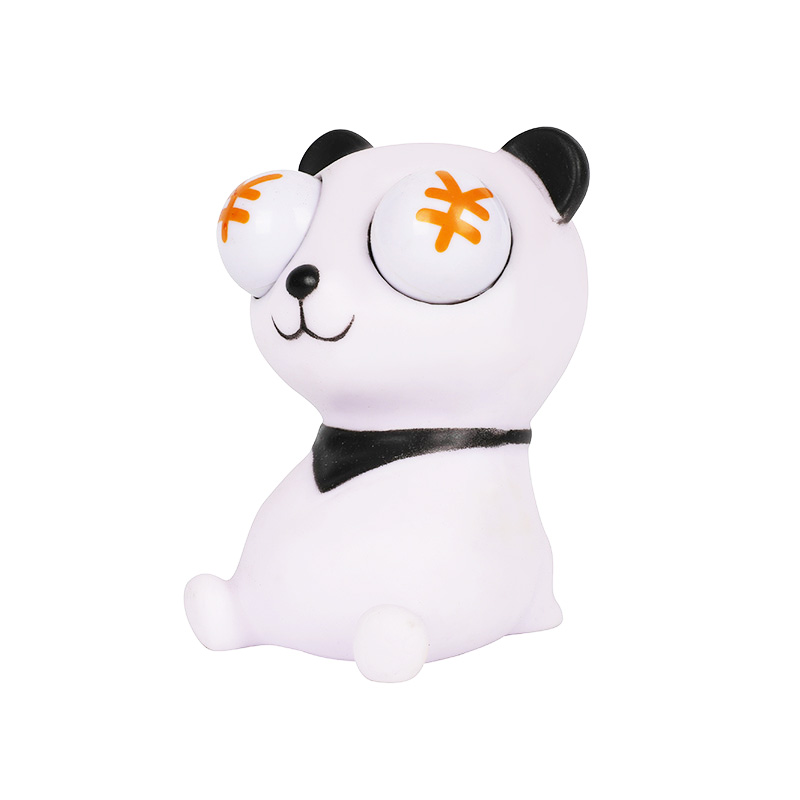
Enter the whimsical world of the Pop-eye series with our delightful creation, the Pop-eyed Panda. Designed to bring joy and relieve stress, this squee...
View More -
Staring Glowing Decompression Series
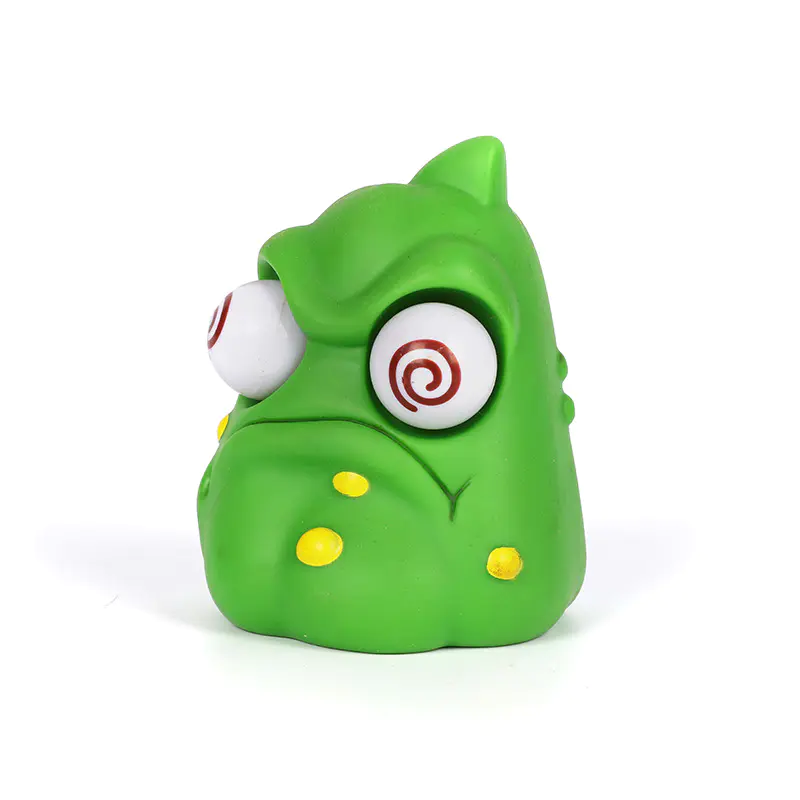
Step into the whimsical world of the Pop-eye series, where fun and functionality collide to bring you the Staring Glowing Decompression Series. These ...
View More -
Cute Little Animal Series (Big-eyed)
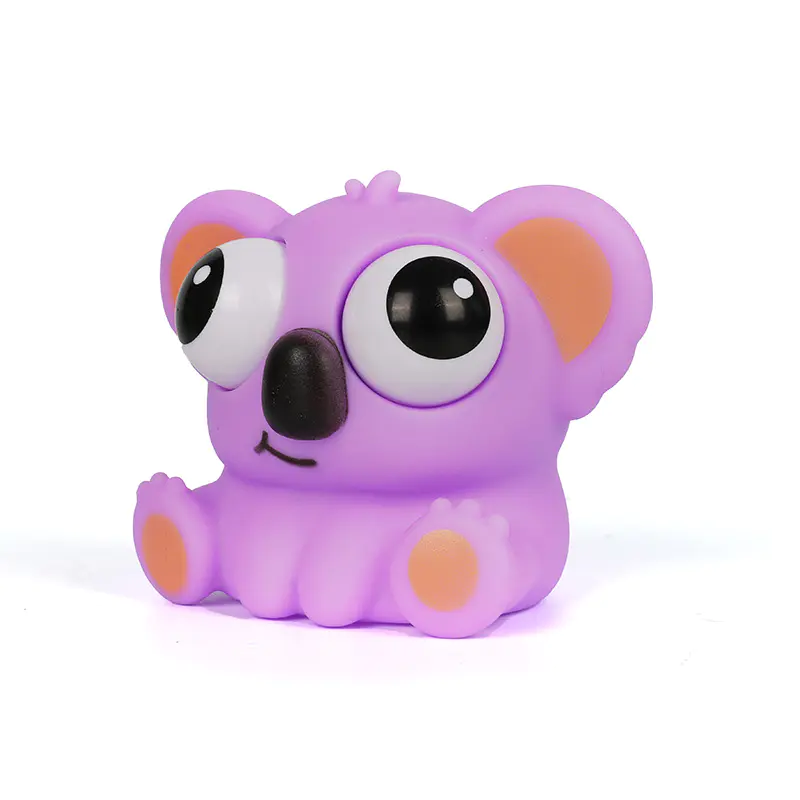
Welcome to the enchanting world of our Cute Little Animal Series (Big-eyed), a delightful addition to our renowned Pop-eye Collection. These captivati...
View More -
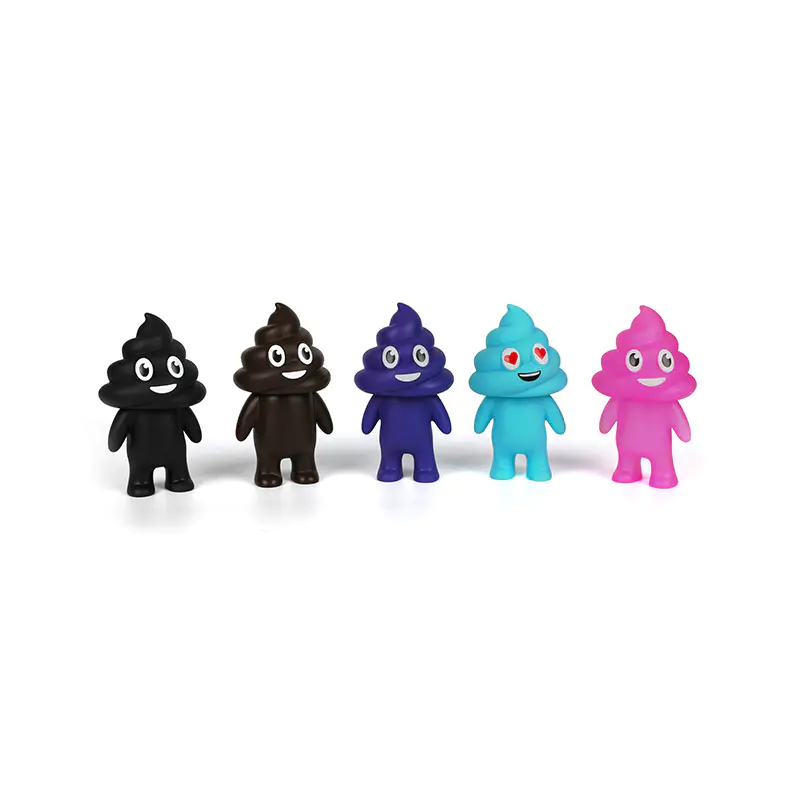
Poop People Series
Introducing the Poop People Series, a unique and playful line of collectible figures that bring humor and joy to toy collections everywhere. These qui...
View More -
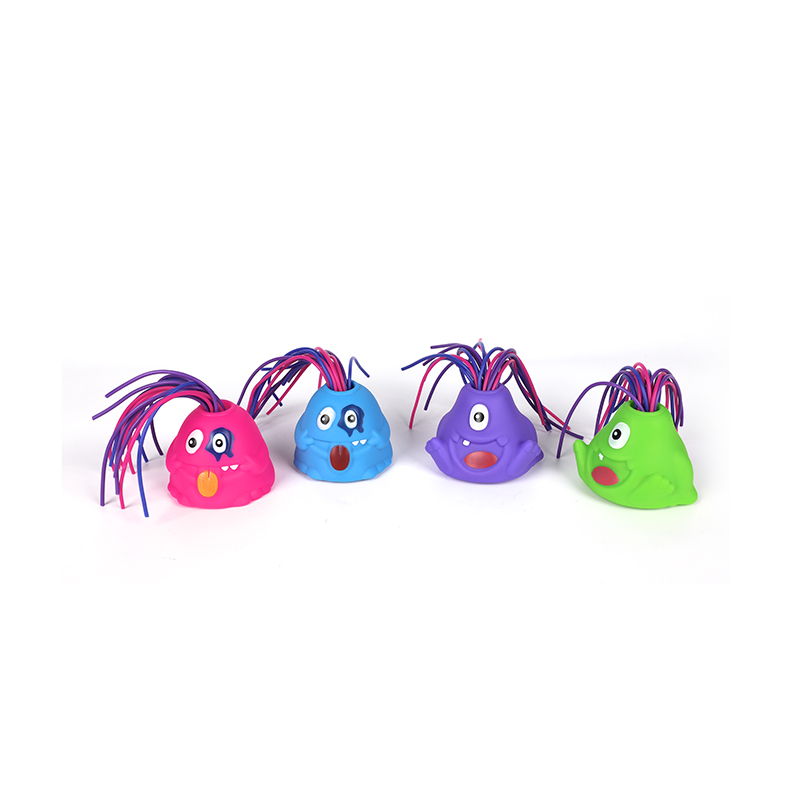
Fun Hair-Pulling Monster Stress Relief Anti-Anxiety Sound Toys
Laughter is one of the best ways to release stress, and Hair-Pulling Sound Toys are designed to do exactly that. These playful screaming monster figur...
View More -
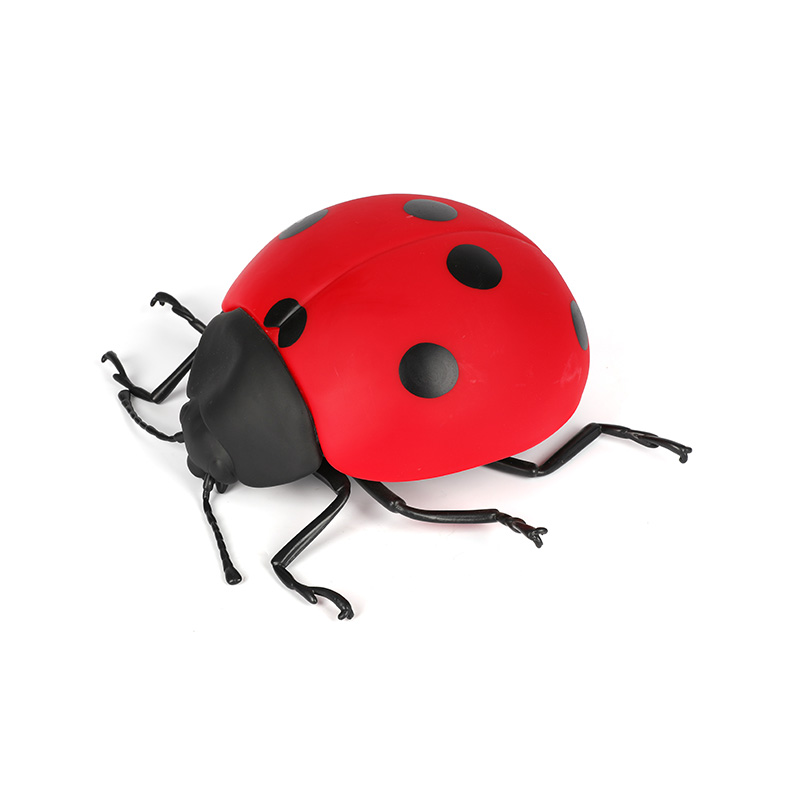
Beetle, Beetle Model Toys
Our Beetle Model Toys are pretty popular with kids and bug fans these days. We put real effort into making these beetle figures so they look detailed ...
View More -
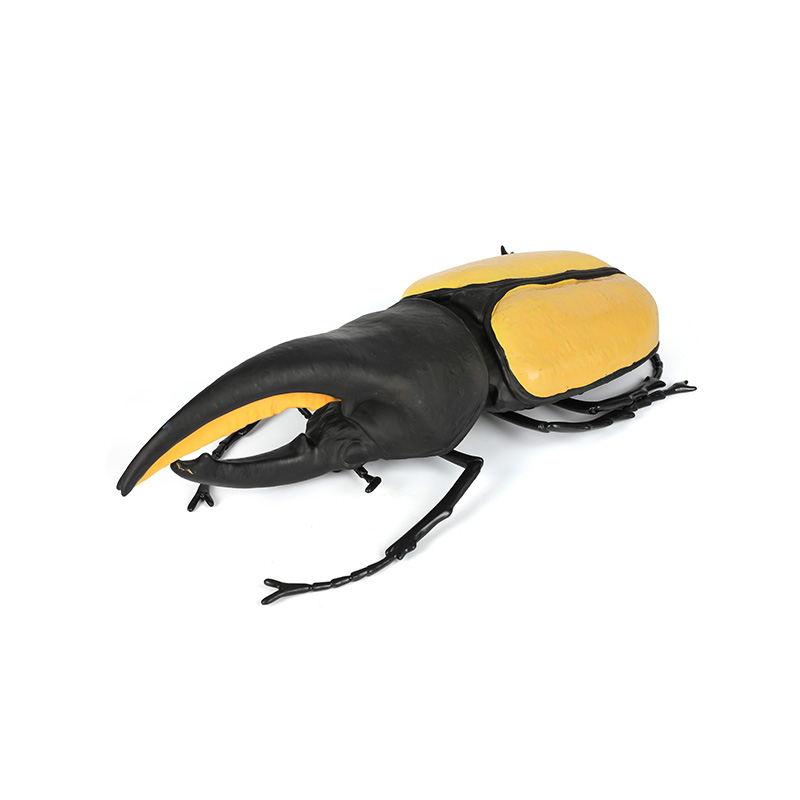
Beetle, Beetle Model Toys
Welcome to the world of Beetle Model Toys, where intricate design meets playful imagination. Our Beetle models are meticulously crafted to provide not...
View More -
Diversity Series Dinosaur Model Puzzle Toys
Our Dinosaur Model Toys are really popular with kids these days. We make these dinosaur figures with a lot of care so they look real, help kids learn,...
View More

Copyright © Jinhua Blue Eagle Toys Technology Co., Ltd. All Rights
Reserved.

Information
-

+86 18072335560
-

-
 Weiyingsheng Industrial Co., Ltd., Yangbu Town Industrial Zone, Wucheng District, Jinhua City, Zhejiang Province
Links
Contact Us
Educational Model Toys Company