

 English
 English
 русский
 Español
- Type:
- Industry News
- Date
- 2026-Jun-19
Industry News
How a Dumbbell Chew Toy Looks Different From a Regular Bone Toy
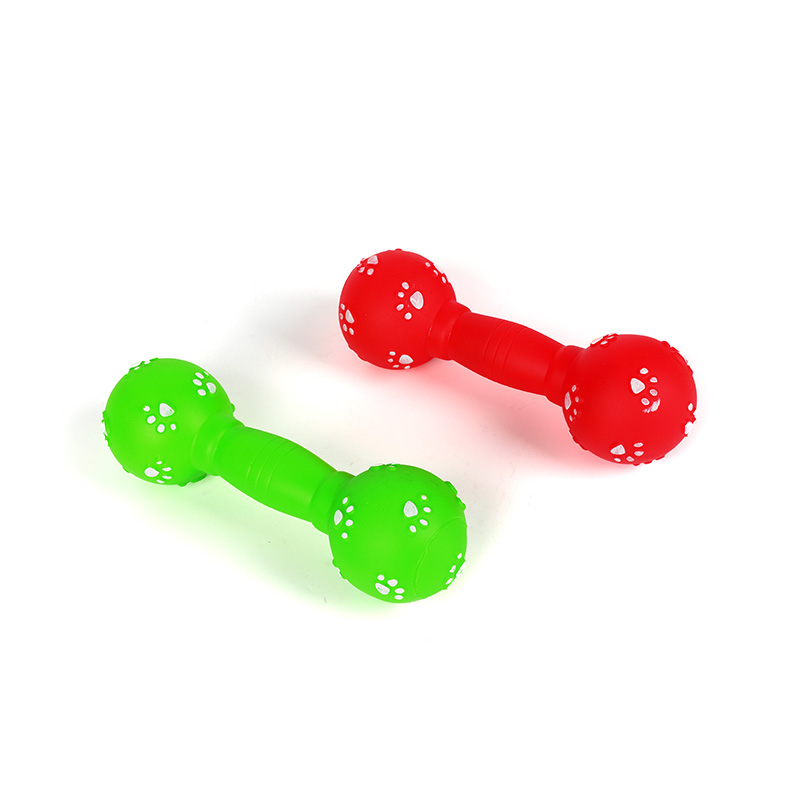
Dogs pour their daily energy into chew toys, and the shape of each one quietly steers how those moments play out. Among aggressive chew toys for dogs, you come across all kinds of forms, some simple and straight, others built with clearer sections that invite different kinds of handling. The Dumbbell Chew Toy sits in there with its two solid ends linked by a middle bar, giving dogs room to switch between gripping, rolling, and biting without much effort. Regular bone toys take a longer, stretched-out path instead, which seems to suit steadier chewing along one continuous line.
In busy households, these shape choices end up mattering more than they first appear. A toy that rolls easily might pull a dog across the room for a quick chase, while something longer and steadier keeps activity in a smaller spot. Dumbbell Chew Toys often spark those little direction changes during play because the weight sits evenly at both sides. Bone styles feel more predictable, letting dogs settle in and work along the length for stretches at a time. Over repeated days, owners start noticing which forms keep coming back into the rotation.
- Many options exist for dogs that chew with real focus
- Shape influences how comfortably a dog carries or braces the toy
- Everyday routines show preferences forming around certain profiles
How Does a Dumbbell Chew Toy Take Its Overall Form
A Dumbbell Chew Toy basically looks like two rounded or weighted parts connected by a narrower bar in the middle. Those ends offer solid areas for teeth to dig into, and the bar leaves just enough space for a dog to clamp down and hold the whole thing steady. Sizes differ a bit depending on the piece, with some having fuller ends and others featuring a thicker connector that adds a bit more resistance when chewed. You often find gentle ridges running down the bar or wrapped around the ends, giving extra texture right where pressure hits.
Most dogs start out grabbing one end firmly, then slide their mouth toward the center as they get comfortable. The even balance makes turning the toy feel natural instead of awkward. A thicker bar pushes back more against the jaws, while a slimmer one lets them flip it around quicker. The ends might sit slightly rounded or flattened, creating small shifts in how the surface feels under steady biting.
The places where the bar meets the ends turn into handy spots for lighter nibbles or short tugs. Suddenly one toy offers several different zones to explore. Owners watch dogs carry everything by the middle section before flipping back to work on the outer parts again. The whole build seems geared toward keeping things interesting across longer sessions because fresh angles keep showing up. Material thickness stays fairly even from one end to the other so wear spreads out rather than concentrating in weak spots.
What Defines the Shape of a Regular Bone Toy
Regular bone toys stretch out longer overall, with wider knobs sitting at each end and a narrower section running through the center. Those end knobs flare out enough to give clear chewing targets, while the middle shaft stays slim enough for easy carrying in the mouth or between paws. Gentle curves along the length help the toy settle naturally when dropped or held.
Dogs tend to latch onto one knob and then slide their teeth along the shaft in longer, more continuous motions. Raised textures often appear near the knobs or lightly down the center, offering grip without breaking the smooth overall flow. The extended profile works well for holding sideways across the mouth or lengthwise on the floor.
- Knobby ends act as main anchors during focused chewing
- Slimmer middle makes dragging or carrying simpler
- Full length supports steady jaw work across broader surfaces
In What Ways Do Their Silhouettes Differ Visually
Side by side, a Dumbbell Chew Toy stands out for its clear symmetry, two similar ends framing a distinct connecting bar. Bone toys flow differently, with gradual widening from the narrow center toward broader ends that create one continuous outline rather than separated blocks. From the side, dumbbell forms break into obvious parts while bone shapes blend more smoothly from section to section.
Textures deepen those visual gaps. Dumbbell Chew Toys usually carry matching patterns on both ends with different detailing around the bar connections. Bone toys gather more pronounced raised areas near the knobs and keep the shaft relatively smoother. Colors often follow the natural breaks in dumbbell designs, sitting heavier on the ends, while bone toys spread tones more evenly down their full length.
| Aspect | Dumbbell Chew Toy Profile | Regular Bone Toy Profile |
|---|---|---|
| Overall Outline | Two balanced ends joined by central bar | Long form with flared ends and narrow middle |
| Symmetry | Strong balance between both sides | Gradual changes along the length |
| Surface Focus | Varied textures on ends and transitions | Raised details near ends with smoother shaft |
| Visual Balance | Centered around the connecting section | Spread evenly from end to end |
The sense of visual weight feels gathered in the middle of dumbbell versions and stretched out along bone styles. These outline differences show up plainly when toys roll across the floor or come to rest in various positions after play.
How Does Weight Distribution Vary Between These Shapes
On Dumbbell Chew Toys, weight tends to gather toward the two outer sections, leaving the central bar comparatively lighter. That setup creates a natural balance point in the middle, which leads to spinning or short rolls whenever a dog nudges the toy. Lifting from either side feels consistent.
Bone toys spread weight more uniformly down the shaft, with a little extra density at the knobs. The straight flow creates longer, straighter paths when tossed and extended slides across smooth floors. When they stop, bone toys usually lie flat along their full length while dumbbell versions often tip onto one end or rest sideways.
- Dumbbell forms produce more quick direction shifts during movement
- Bone styles allow longer, steadier rolls or glides
- Play sessions reveal how these habits add variety over time
You see the results clearly in everyday home spaces, where dogs push toys under furniture or settle into corners for quieter chewing. Chew Toys often spark short bursts of activity followed by repositioning, while bone toys support more contained, ongoing motion.
What Chewing Surfaces Stand Out in a Dumbbell Chew Toy
The broad ends of a Dumbbell Chew Toy give jaws plenty of open area to work across, while the connecting bar creates a narrower zone perfect for side-to-side pressure. Those transition spots between bar and ends become natural edges for smaller, curious bites.
Bone toys offer a more continuous middle surface that lets teeth travel in longer strokes from one end toward the other. Their knobs serve as primary targets too, but they connect directly into the shaft instead of standing apart. Dogs shift their grip more frequently on Toys to reach each section in turn. The bar particularly suits tugging games since teeth can lock on with open space remaining on both sides.
How Do Dogs Interact Differently With Each Shape
Dogs approach Dumbbell Chew Toys by moving between the ends and the bar in a sort of rotation that keeps things active. One moment they clamp onto an end with steady pressure, the next they slide their mouth to the center bar and twist the whole piece around. Paws often come into play to hold the bar steady while teeth work the outer sections. This back and forth seems to stretch out the session because each shift brings a fresh angle or grip.
With regular bone toys the pattern feels steadier. Dogs latch onto one knob and settle in along the shaft, often lying down with the length braced between front paws. Chewing runs in longer passes rather than quick switches. The extended shape makes it easier to anchor the toy in place for deeper work without constant readjusting.
You notice these habits during everyday play. Chew Toys lead to more repositioning and full body shifts as dogs flip or roll them to reach new spots. Bone toys support quieter, focused stretches where the dog stays in one position longer. Both fit well into routines built around aggressive chew toys for dogs, yet they draw out different kinds of movement and energy release.
- Frequent grip changes on dumbbell forms add variety
- Steady holding along bone shafts suits concentrated chewing
- Paw use and body positioning adjust naturally to each outline
How Do Materials Adapt to These Distinct Forms
Materials on Dumbbell Chew Toys follow the separated sections closely, building up thicker layers on the ends where most biting happens and staying a bit more flexible along the narrower bar. Textures mold to the curves and transitions, creating spots with extra friction right where jaws land repeatedly. The open layout between parts makes it simpler to reach every surface during cleanup after play.
On bone toys the same kinds of materials stretch smoothly along the full length, reinforcing the knobby ends while covering the shaft in an even layer. Raised textures blend into the wider areas near the knobs and ease off toward the middle. Wear tends to spread gradually across the continuous surfaces rather than concentrating in isolated zones.
Over time these adaptations show in how each toy holds up. Toys often develop marks mainly on the ends with lighter traces along the bar. Bone styles smooth out more evenly down their length. The shape influences how easily owners can maintain them in regular home use, with the separated sections of dumbbell designs allowing quicker spot cleaning and the flowing bone form needing broader wiping.
What Play Dynamics Emerge From These Shape Differences
Dumbbell Chew Toy structure brings out solo play that mixes carrying, rolling, and targeted biting in short cycles. The balanced ends make the toy spin or change direction easily when pushed across the floor, turning simple nudges into little chases. Dogs engage more of their body when they follow the movement and then settle back into chewing one section before starting the pattern again.
Bone toys encourage play that centers on holding and dragging in straighter lines. The longer profile works naturally for games where a dog pulls one end while bracing the rest against the ground or furniture. Interactive moments with owners often involve steady tugging along the shaft rather than spinning motions.
These differences appear in how dogs spend their energy. Dumbbell versions invite quick head turns and adjustments as the toy moves unpredictably. Bone shapes support sustained jaw effort and stable body positioning. Active dogs shift between the two depending on the mood of the day, sometimes wanting the contained focus of a bone toy and other times the varied motion that comes with Chew Toys.
- Rolling and repositioning stand out with dumbbell forms
- Dragging and anchored chewing appear more with bone styles
- Both add physical variety suited to energetic routines
Which Practical Factors Guide Shape Selection for Aggressive Chew Toys for Dogs
Storage space plays a quiet role when choosing between the forms. Dumbbell Chew Toys with their compact balanced profile slide easily into smaller baskets or bins, while the longer bone toys need a bit more room laid out flat or standing on end. In tighter homes the shorter overall span of dumbbell designs can make daily pickup simpler.
Visibility after play sessions differs too. The distinct ends and bar of Toys catch the eye from various angles on the floor, and the stretched outline of bone toys stands out against carpet or tile in its own way. Owners learn through routine which shapes stay easier to spot when dogs leave them in corners or under chairs.
Matching the toy to a dog's chewing habits comes down to watching everyday patterns. Some dogs return again and again to the separated zones of Toys because switching sections keeps their interest. Others settle into the continuous surfaces of bone toys for longer holding sessions that match their preferred style. Home layout matters as well, with open floors suiting the rolling action of dumbbell forms and cozier spots working better for stationary bone play.
Observations build up naturally over weeks. Chew Toys maintain engagement through their multiple contact points that invite repeated exploration. Bone toys support steady routines where dogs return to the same familiar grip and motion. Selecting shape becomes part of shaping the overall environment for aggressive chew toys for dogs, fitting the toy quietly into daily life without drawing attention to itself.
Related Products
-
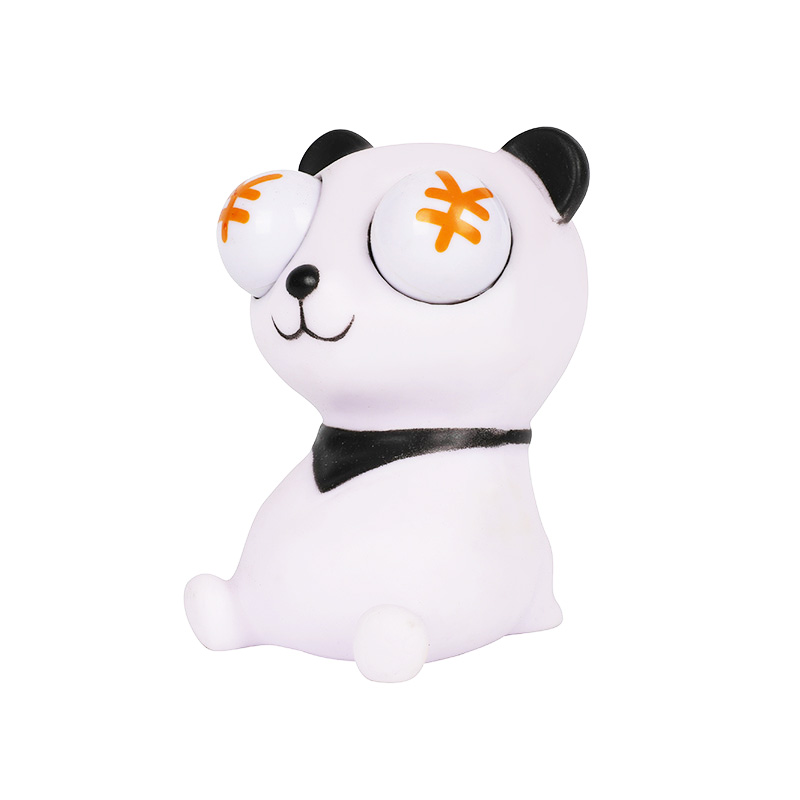
Pop-eyed Panda
Enter the whimsical world of the Pop-eye series with our delightful creation, the Pop-eyed Panda. Designed to bring joy and relieve stress, this squee...
View More -
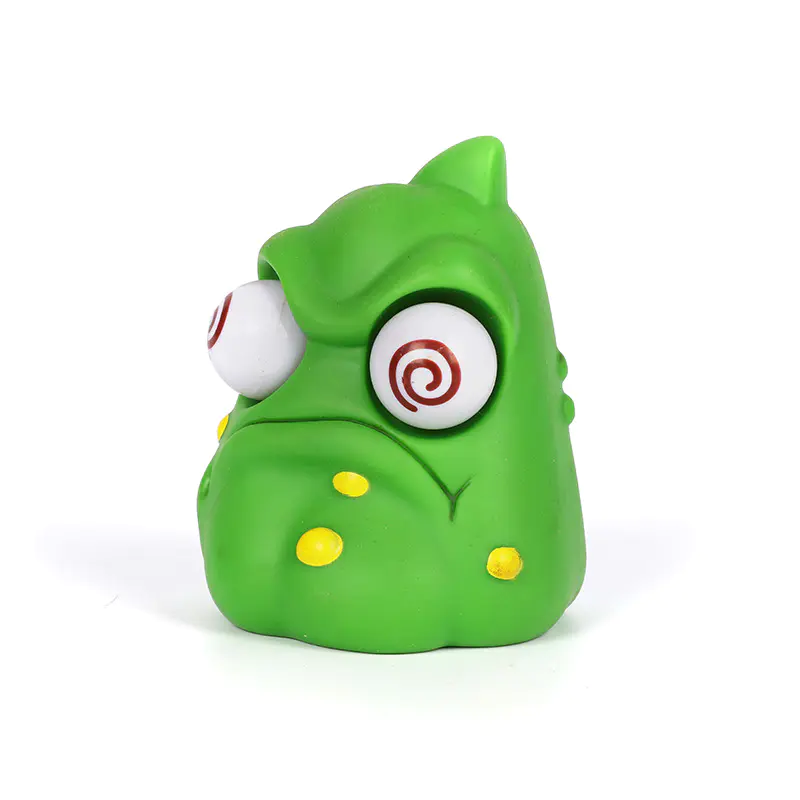
Staring Glowing Decompression Series
Step into the whimsical world of the Pop-eye series, where fun and functionality collide to bring you the Staring Glowing Decompression Series. These ...
View More -
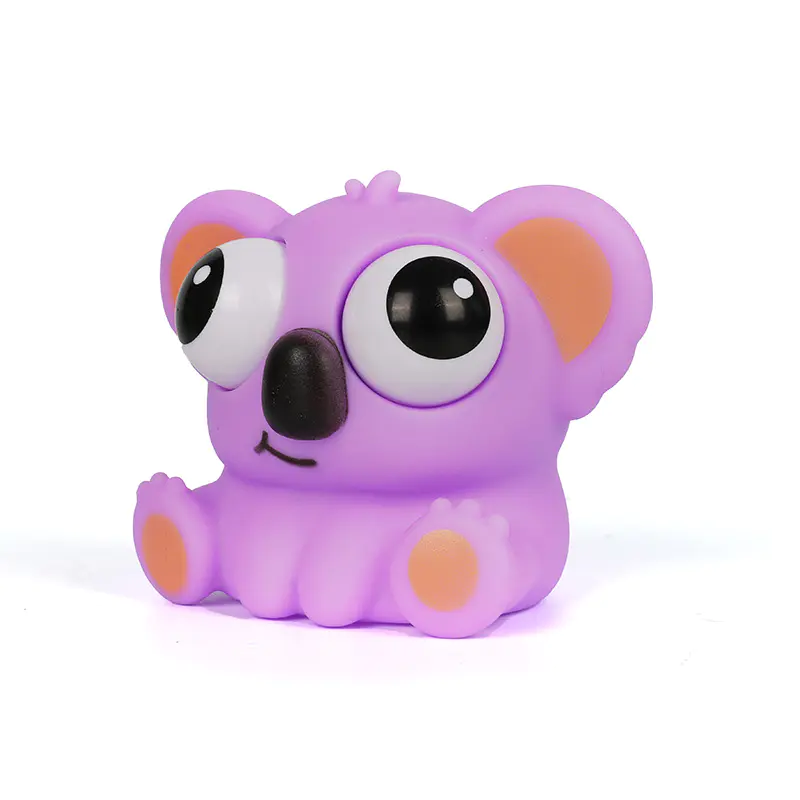
Cute Little Animal Series (Big-eyed)
Welcome to the enchanting world of our Cute Little Animal Series (Big-eyed), a delightful addition to our renowned Pop-eye Collection. These captivati...
View More -
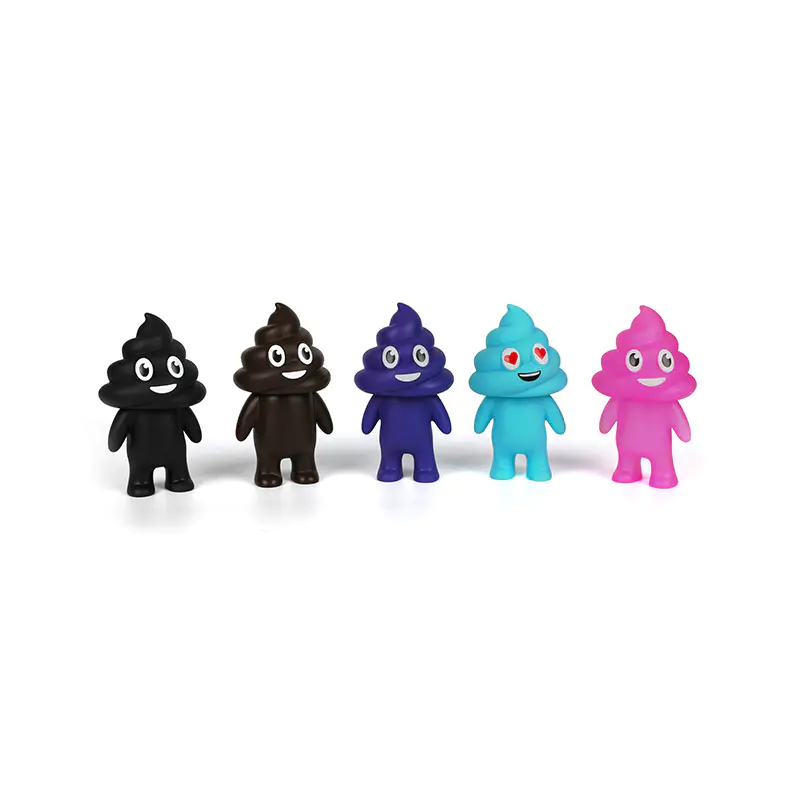
Poop People Series
Introducing the Poop People Series, a unique and playful line of collectible figures that bring humor and joy to toy collections everywhere. These qui...
View More -
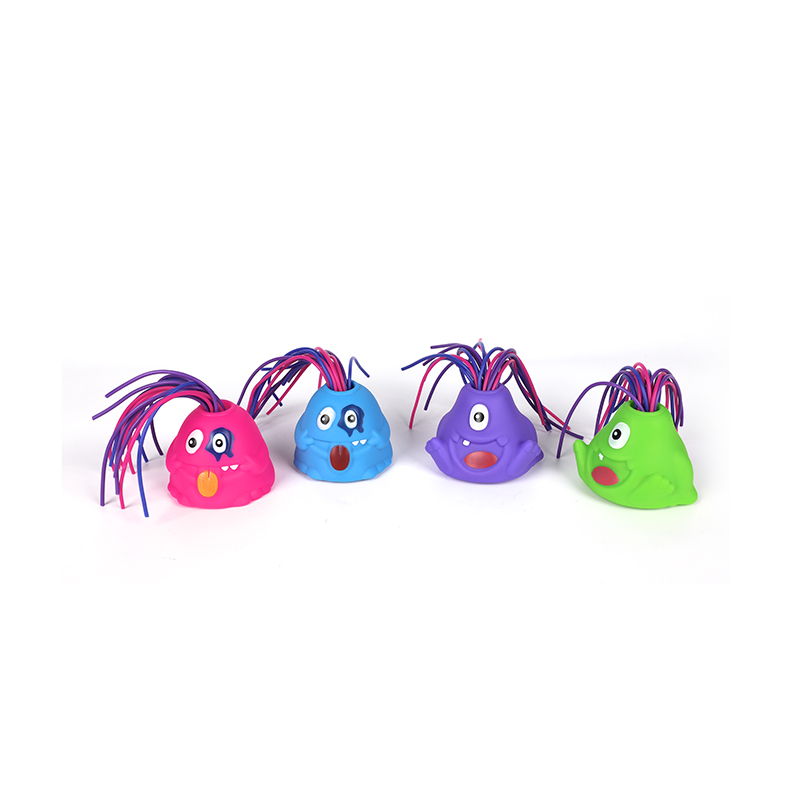
Fun Hair-Pulling Monster Stress Relief Anti-Anxiety Sound Toys
Laughter is one of the best ways to release stress, and Hair-Pulling Sound Toys are designed to do exactly that. These playful screaming monster figur...
View More -
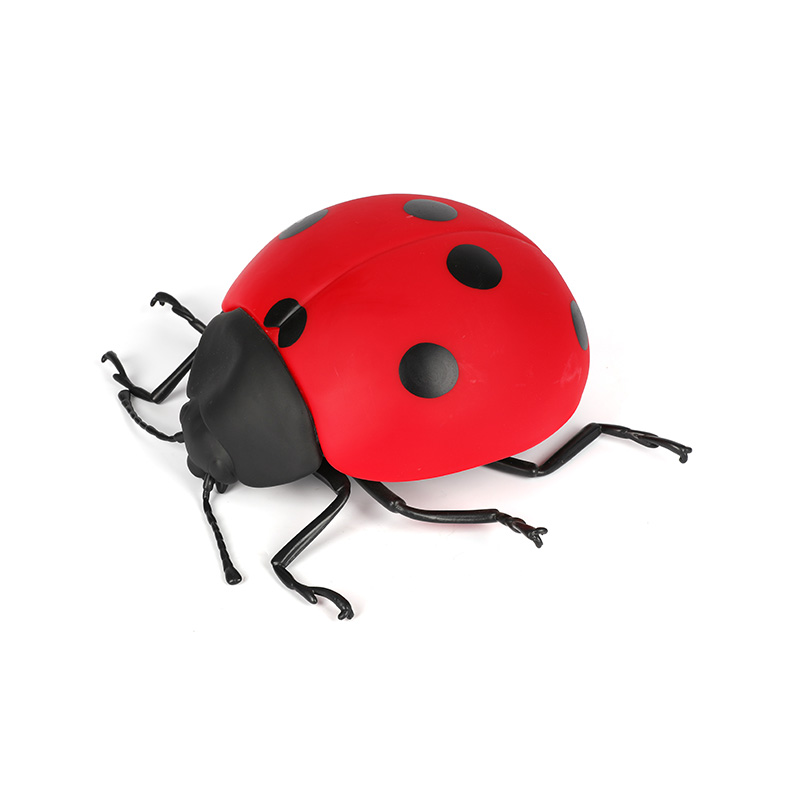
Beetle, Beetle Model Toys
Our Beetle Model Toys are pretty popular with kids and bug fans these days. We put real effort into making these beetle figures so they look detailed ...
View More -
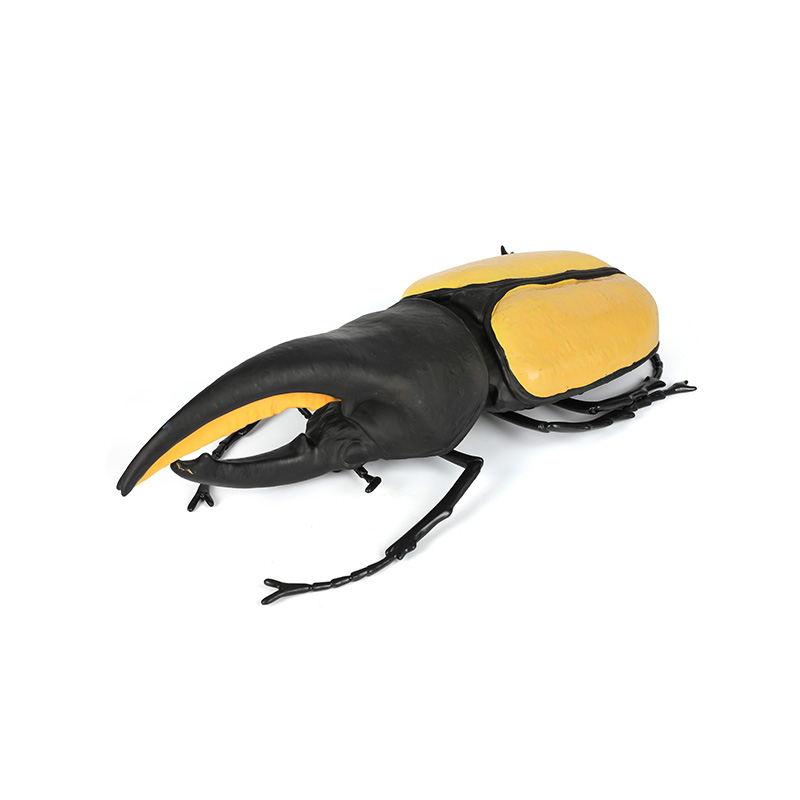
Beetle, Beetle Model Toys
Welcome to the world of Beetle Model Toys, where intricate design meets playful imagination. Our Beetle models are meticulously crafted to provide not...
View More -
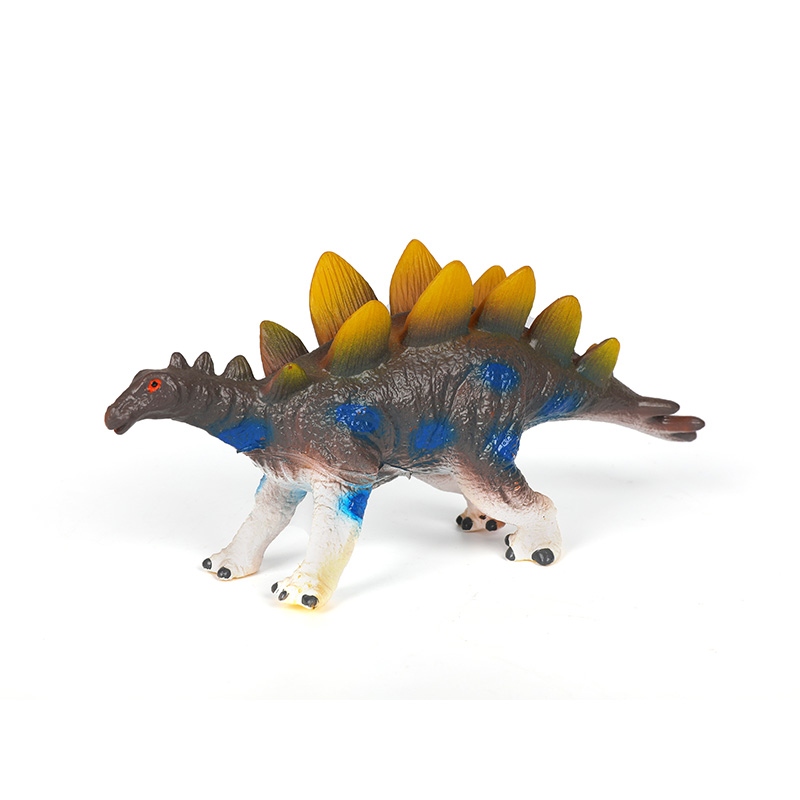
Diversity Series Dinosaur Model Puzzle Toys
Our Dinosaur Model Toys are really popular with kids these days. We make these dinosaur figures with a lot of care so they look real, help kids learn,...
View More

Copyright © Jinhua Blue Eagle Toys Technology Co., Ltd. All Rights
Reserved.

Information
-

+86 18072335560
-

-
 Weiyingsheng Industrial Co., Ltd., Yangbu Town Industrial Zone, Wucheng District, Jinhua City, Zhejiang Province
Links
Contact Us
Educational Model Toys Company