

 English
 English
 русский
 Español
- Type:
- Industry News
- Date
- 2026-Jun-26
Industry News
What Materials And Safety Factors Shape Elephant Squeeze Toy Quality
Soft squeeze products appear quietly in many daily spaces. A desk corner, a backpack pocket, a small shelf near a computer, all can hold one. Elephant Squeeze Toy and Silicone Squeeze Toy belong to this category of simple tactile items used during small pauses in daily routines.
People rarely focus on structure at first glance. Attention usually goes to how the object feels in hand. Softness, rebound speed, and surface touch decide whether the toy stays in use or stays unused. Behind that feeling, material choice and production control from Squeeze Toy Supplier shape the outcome.
Material behavior also links to safety perception. Smell, surface condition, and elasticity often guide early judgment during first contact.
What Materials Are Commonly Used Inside Elephant Squeeze Toy
Elephant Squeeze Toy products are rarely made from a single uniform layer. Structure often combines outer touch material and inner filling, each playing a different role.
Outer layers usually rely on soft silicone-like coating or elastic skin material. This layer touches the hand directly and defines the first impression. Inner parts vary more. Some use foam structure, others use gel-like filling, and some designs combine multiple layers to adjust pressure feel.
In daily handling, the outer layer controls smoothness, while the inner structure controls compression strength. A soft outer surface with stable inner support often creates balanced squeezing rhythm.
Common internal material types include:
- silicone-based outer coating
- foam core structure with air gaps
- gel-like flexible filling
- layered elastic polymer mix
- hybrid soft shell with reinforced inner form
Foam structures compress quickly and return at a lighter speed. Gel-type filling reacts slower and gives a more controlled rebound. Silicone surfaces often improve touch comfort while reducing friction during repeated squeezing.
The difference between outer and inner material explains why two toys with similar shape may feel completely different in hand.
How Squeeze Toy Differs From Other Material Types
Squeeze Toy products are often recognized by surface smoothness and flexible response. The material bends under pressure without losing surface integrity easily, which creates a stable tactile cycle.
Compared with foam-based designs, silicone tends to feel denser in hand. Foam compresses quickly with low resistance, while silicone keeps a more controlled rebound pattern. This changes how users repeat squeezing motion.
Gel-filled structures sit between the two. They offer softer resistance than silicone in some cases, yet maintain slower return than foam.
Key differences observed in daily use:
- silicone keeps surface stable under repeated pressure
- foam compresses faster with lighter resistance
- gel structures create slower and heavier response
- silicone surface reduces friction during grip movement
- foam surface may feel lighter but less stable over time
Temperature sensitivity also appears in silicone material. Hand warmth slightly changes softness perception during long use, which can influence session rhythm without user awareness.
How To Check If An Elephant Squeeze Toy Is Non Toxic In Practical Use
Material safety is often judged through simple sensory checks during first contact. Without technical tools, users rely on touch, smell, and surface observation.
Elephant Squeeze Toy items usually show early signs through texture and smell behavior. A stable surface without sticky residue often suggests cleaner production handling. Uneven coating or powder-like surface may indicate material instability.
Simple practical checks include:
- light squeeze to observe surface rebound
- touch test for stickiness or residue
- smell check during first unpacking
- observation of surface cracks under pressure
- short handling period before extended use
Squeeze Toy products often show less surface change during pressing. Foam materials may leave slight indentation marks depending on density. Gel types usually recover slowly, which is normal behavior rather than defect indication.
Smell intensity can also guide initial impression. Strong odor at first contact often reduces after exposure to airflow. Persistent smell over longer time may suggest incomplete material stabilization during production.
Squeeze Toy Supplier control over raw material mixing and surface treatment plays a direct role in reducing irregular smell and improving surface consistency.
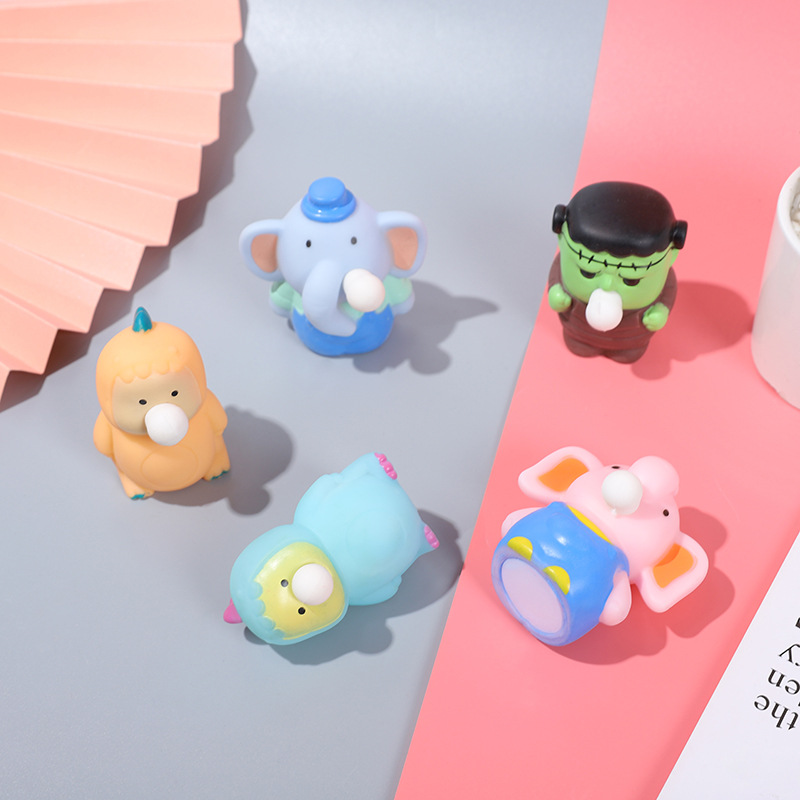
Why Some Elephant Squeeze Toys Have A Strong Smell When New
New product smell often comes from material processing and packaging conditions rather than external factors. During production, soft materials pass through shaping, heating, and sealing stages. Small residues of processing compounds may remain inside material layers.
When sealed in packaging, airflow becomes limited. Volatile elements remain trapped inside, which increases smell intensity at first opening. Once exposed to air, gradual release begins, and odor usually weakens over time.
Material type also affects smell level. Foam structures may retain more air pockets, which hold scent longer. Silicone surfaces usually release smell more slowly but more evenly. Gel fillings depend on internal sealing quality and mixing ratio.
Common reasons behind stronger initial smell:
- sealed packaging limiting airflow
- material curing not fully stabilized
- residual compounds from shaping process
- dense foam structure holding trapped scent
- surface coating delaying release cycle
Ventilation exposure often changes perception within short usage cycles. Handling also helps spread and reduce concentrated odor points.
How Material Choice Affects Daily Squeeze Experience
Material selection shapes not only comfort, also usage rhythm. Softness, rebound timing, and surface grip combine into one continuous experience.
Soft foam encourages quick repetition. Hands press more frequently with lighter effort. Silicone material slows rhythm slightly while maintaining consistent resistance. Gel structures often sit between these two patterns.
In daily environments, material response influences behavior:
- softer feel increases short repeated interaction
- firmer structure reduces casual squeezing frequency
- stable rebound supports longer continuous use
- uneven surface feel may interrupt repetition rhythm
Comfort during long holding also depends on surface balance. Too smooth surface may reduce grip feedback. Slight texture often improves control during repeated motion.
How Silicone Squeeze Toy Is Used In Daily Stress Relief Behavior
Squeeze Toy use appears in quiet moments rather than planned activity. Desk work pauses, reading breaks, waiting periods, or screen focus all create opportunities for hand movement.
On work desks, squeezing often happens during thinking gaps. During study, movement appears when reading slows down. At home, usage blends into passive activities like watching content or resting.
Common behavior patterns include:
- short repeated pressing during focus breaks
- slow squeezing during relaxed attention
- idle holding with occasional compression
- rhythm-based movement during screen time
Usage intensity changes with mental load. Higher focus reduces movement. Lower focus increases repetition without conscious planning.
| Material type | Surface feel | Rebound speed | User rhythm |
|---|---|---|---|
| Silicone layer | Smooth and stable | Medium control | Balanced repetition |
| Foam core | Light and soft | Fast return | Frequent short use |
| Gel filling | Dense and slow | Gradual rebound | Longer steady use |
| Hybrid structure | Mixed response | Variable timing | Adaptive behavior |
What Role Do Squeeze Toy Suppliers Play In Material Safety Control
Behind the feel of a squeeze toy, a lot of control happens before the product reaches a desk or a pocket. Squeeze Toy Supplier decisions shape what users touch, smell, and press every day.
Silicone Squeeze Toy and Elephant Squeeze Toy products may share similar shapes, yet material stability often depends on how raw input is handled during production. Small changes in mixing or curing can shift softness, rebound, and surface condition in a noticeable way during use.
In production practice, several areas usually stay under close attention:
- raw material selection and batch stability
- foam or gel density control during mixing
- surface coating uniformity
- odor reduction during curing and storage
- consistency in rebound response after compression
When these points stay stable, squeezing feels predictable. The hand presses, releases, and the toy returns in a similar way each time. When variation appears, even slightly, users may sense uneven resistance or slower recovery in certain spots.
Habit formation also depends on this stability. Repetitive hand movement builds around predictable feedback. Irregular feel tends to break that rhythm earlier than expected.
How Silicone Squeeze Toy Changes With Repeated Use
Silicone Squeeze Toy keeps its shape fairly steady under repeated pressing, yet the way it feels in hand still changes over time.
At the beginning, surface touch is usually more noticeable. Smoothness, slight resistance, and rebound timing feel clearer. After many repeated squeezes, attention to those details becomes lighter. The motion turns into background behavior.
Common shifts during longer use:
- surface feel becomes less noticeable
- squeezing rhythm feels more automatic
- rebound response feels more familiar
- grip pressure adjusts without thinking
Many users stop noticing material details and start focusing more on the rhythm itself. Press, release, pause, repeat. The cycle becomes part of daily hand behavior during work or rest.
Compared with foam structures, silicone tends to hold its response more steadily. Foam may show compression marks earlier, which can slightly change how pressure feels in different areas.
How Environment Changes Squeeze Toy Experience
Daily surroundings quietly shape how Elephant Squeeze Toy and Silicone Squeeze Toy are used. Even when design stays the same, environment changes perception.
Temperature plays a small role. Warm indoor air can make silicone feel slightly softer in hand. Cooler spaces often give a firmer first impression before the material adjusts to body heat.
Desk arrangement also affects behavior. A toy placed near the keyboard or mouse tends to be used more often during short pauses. When it sits farther away, usage becomes less frequent and more intentional.
Other environmental influences include:
- airflow affecting smell spread after unpacking
- lighting changing visual attention toward the object
- background noise shaping focus breaks
- desk clutter influencing reach behavior
None of these factors change material structure directly, yet they influence how often squeezing happens and how long each interaction lasts.
How Long Term Use Shapes Perception
With time, attention to material detail usually fades. Early use may involve noticing smell, softness, or rebound speed. Later use feels more routine.
Silicone Squeeze Toy often keeps a steady feel across long use periods, which supports consistent hand rhythm. Foam-based products may gradually compress, creating slight changes in feedback. Gel structures often stay somewhere in between, depending on density.
Longer use often brings small perception changes:
- odor becomes less noticeable after repeated exposure
- grip becomes more natural without adjustment
- squeezing rhythm becomes automatic
- surface texture blends into background sensation
Many users shift from observing the product to simply using it without attention. The toy becomes part of hand movement during thinking or resting moments.
How Daily Settings Influence Squeeze Behavior
Use patterns rarely stay the same across different environments. Elephant Squeeze Toy interaction changes depending on where the user is and what task is happening.
On work desks, squeezing usually happens in short bursts. A few presses appear between tasks or during waiting moments, then attention returns to work.
In study spaces, hand movement often appears during reading pauses. It helps maintain a light rhythm without breaking focus completely.
At home, usage becomes more relaxed. Some people squeeze while watching content, others hold the toy with occasional movement.
Common real-life patterns:
- short repetitive pressing during task changes
- slow squeezing during low attention moments
- idle holding with light pressure cycles
- background motion during screen time
Usage level often follows mental load. Heavier focus reduces movement. Lighter attention increases repetition without planning.
Silicone Squeeze Toy vs Foam Structure in Daily Handling
Material differences create noticeable changes in how squeezing feels over time.
Silicone provides stable resistance and controlled rebound. Foam feels lighter, with quicker compression and return. Gel structures usually fall between both behaviors.
| Material type | Hand feel | Compression rhythm | Usage style |
|---|---|---|---|
| Silicone | Stable and smooth | Controlled pressing | Balanced rhythm |
| Foam | Light and soft | Fast repetition | Frequent short use |
| Gel | Dense and slow | Gradual rebound | Longer steady use |
These differences influence not only comfort, also how long users continue squeezing in one session and how often they return to the toy during the day.
Elephant Squeeze Toy use grows from small daily habits rather than planned activity. Silicone Squeeze Toy brings steady surface feel and predictable rebound, while foam and gel materials create different rhythm patterns.
Squeeze Toy Supplier control over material selection and production stability plays a quiet but direct role in shaping that experience. Over time, users adjust naturally, and squeezing becomes part of simple hand behavior during work, study, or rest moments.
Related Products
-
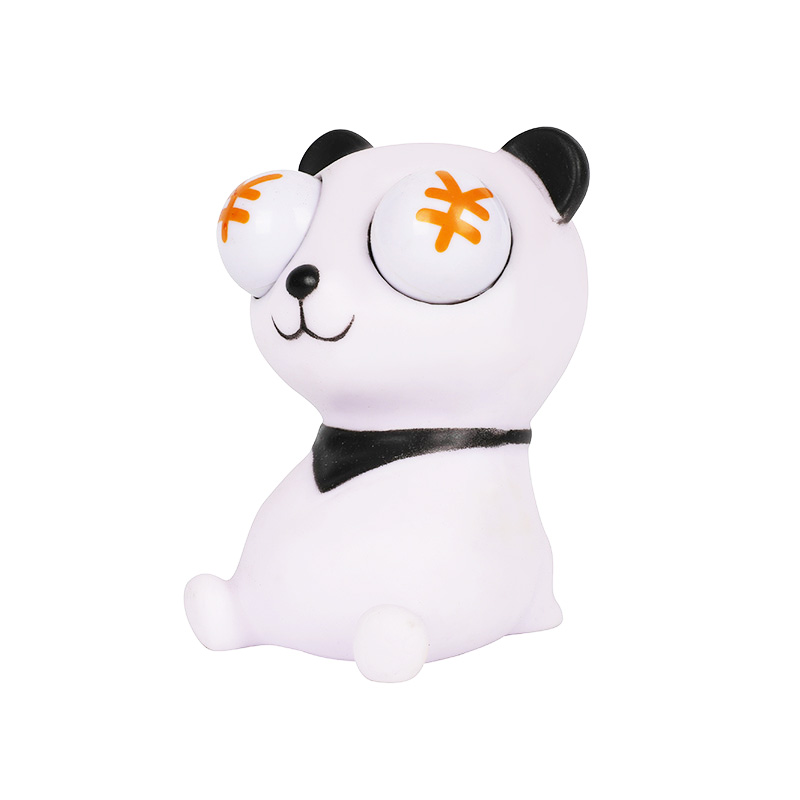
Pop-eyed Panda
Enter the whimsical world of the Pop-eye series with our delightful creation, the Pop-eyed Panda. Designed to bring joy and relieve stress, this squee...
View More -
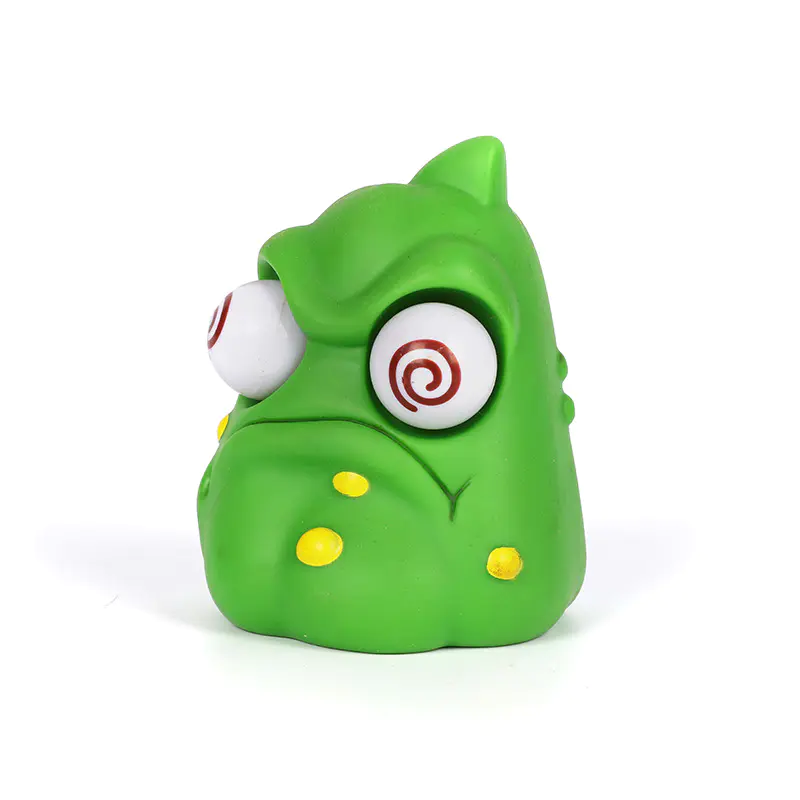
Staring Glowing Decompression Series
Step into the whimsical world of the Pop-eye series, where fun and functionality collide to bring you the Staring Glowing Decompression Series. These ...
View More -
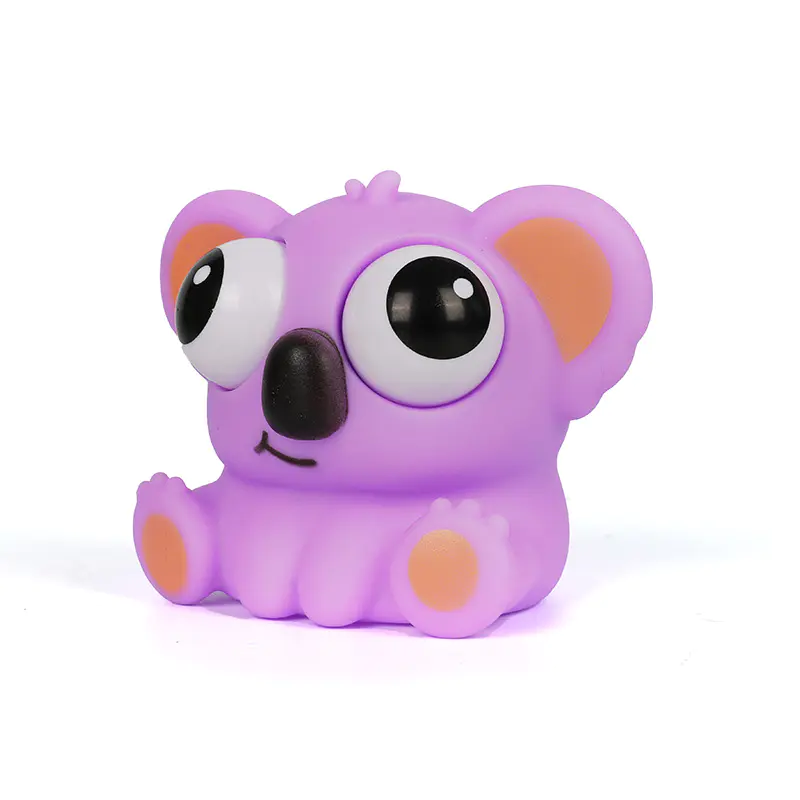
Cute Little Animal Series (Big-eyed)
Welcome to the enchanting world of our Cute Little Animal Series (Big-eyed), a delightful addition to our renowned Pop-eye Collection. These captivati...
View More -
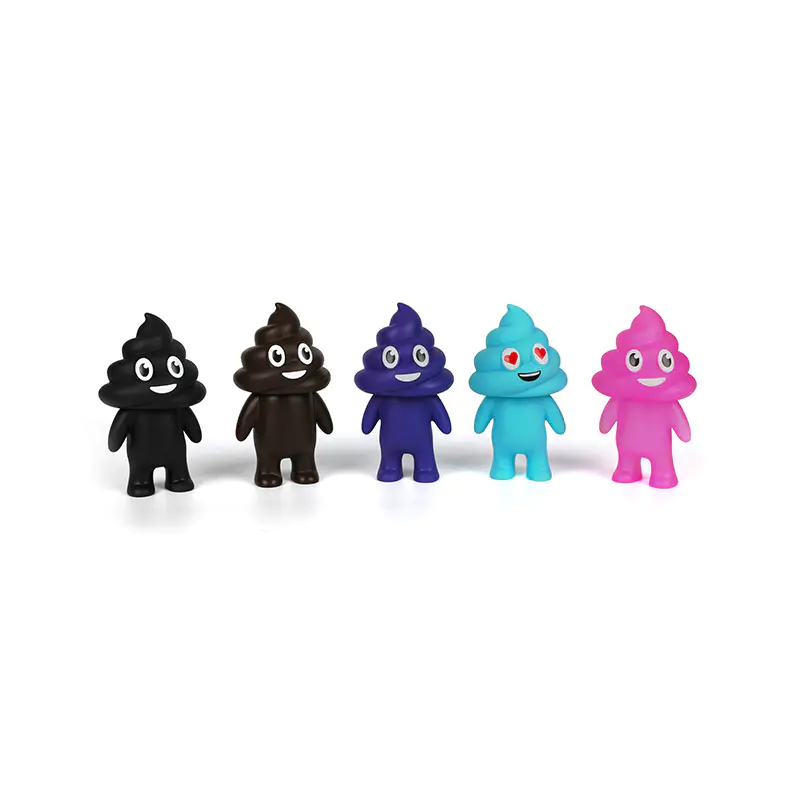
Poop People Series
Introducing the Poop People Series, a unique and playful line of collectible figures that bring humor and joy to toy collections everywhere. These qui...
View More -
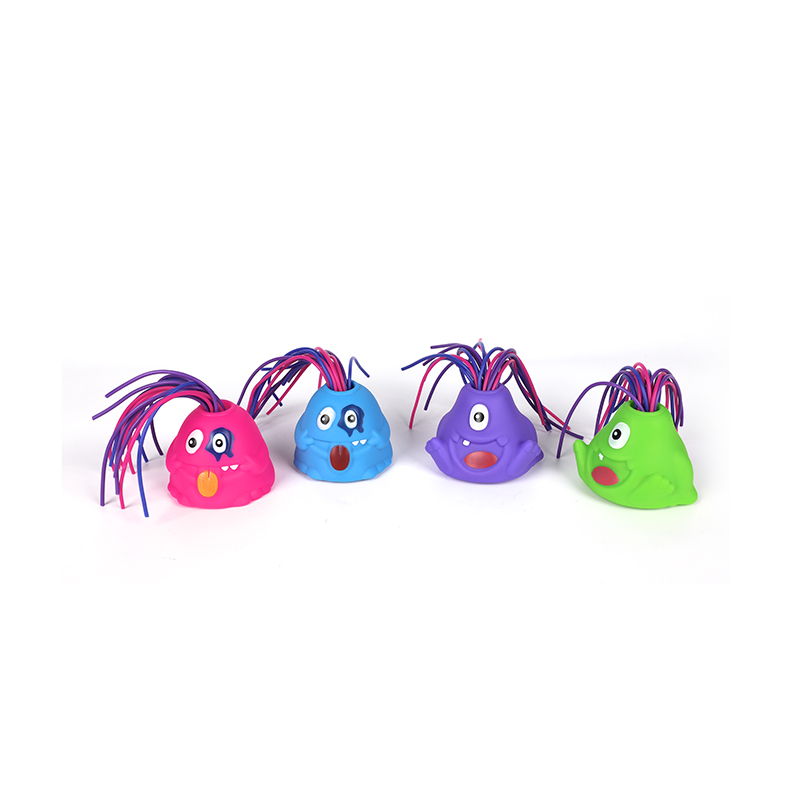
Fun Hair-Pulling Monster Stress Relief Anti-Anxiety Sound Toys
Laughter is one of the best ways to release stress, and Hair-Pulling Sound Toys are designed to do exactly that. These playful screaming monster figur...
View More -
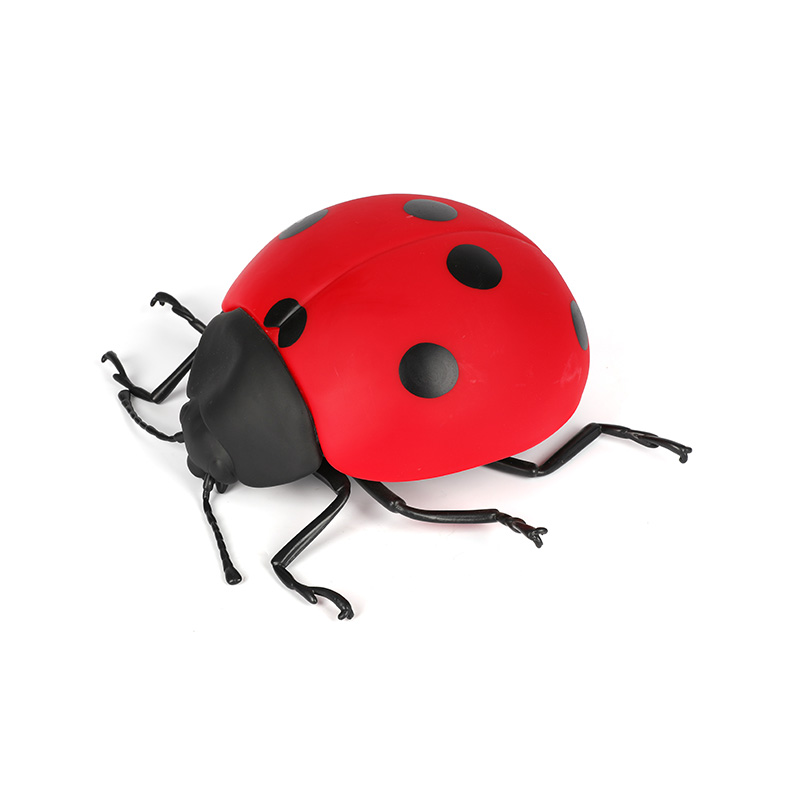
Beetle, Beetle Model Toys
Our Beetle Model Toys are pretty popular with kids and bug fans these days. We put real effort into making these beetle figures so they look detailed ...
View More -
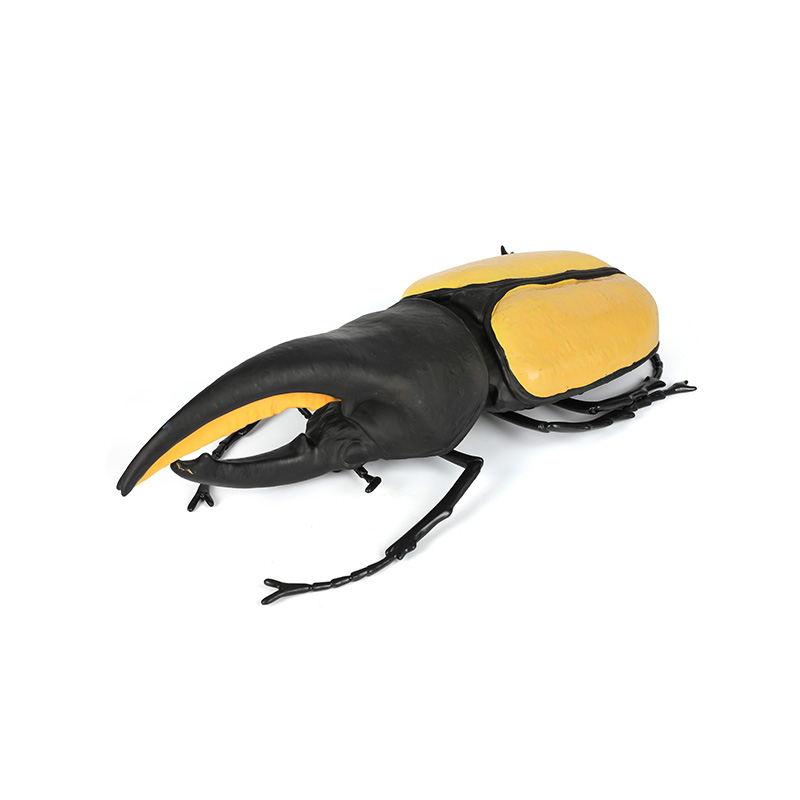
Beetle, Beetle Model Toys
Welcome to the world of Beetle Model Toys, where intricate design meets playful imagination. Our Beetle models are meticulously crafted to provide not...
View More -
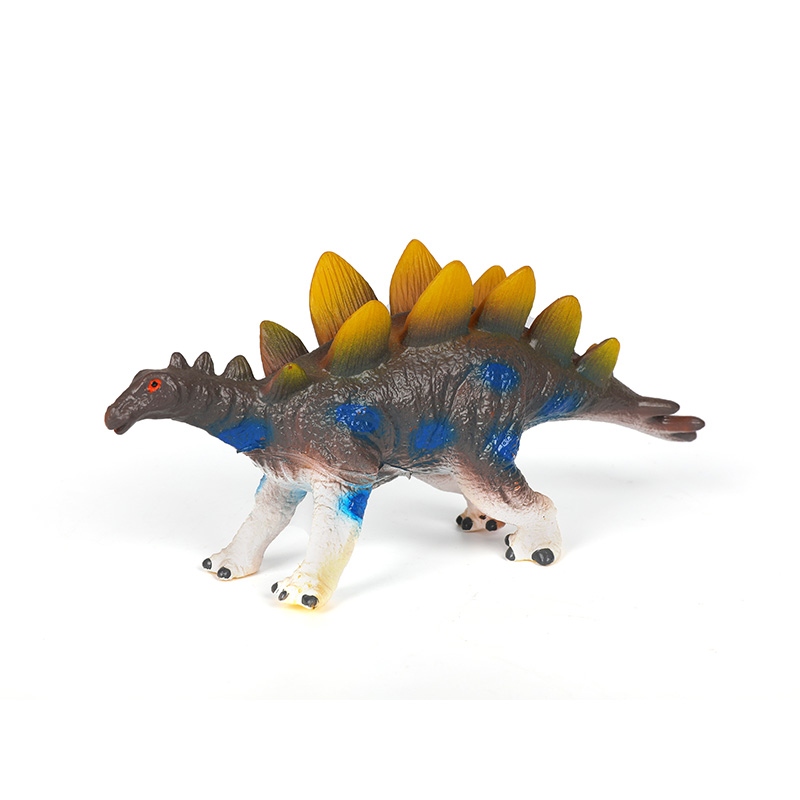
Diversity Series Dinosaur Model Puzzle Toys
Our Dinosaur Model Toys are really popular with kids these days. We make these dinosaur figures with a lot of care so they look real, help kids learn,...
View More

Copyright © Jinhua Blue Eagle Toys Technology Co., Ltd. All Rights
Reserved.

Information
-

+86 18072335560
-

-
 Weiyingsheng Industrial Co., Ltd., Yangbu Town Industrial Zone, Wucheng District, Jinhua City, Zhejiang Province
Links
Contact Us
Educational Model Toys Company