

 English
 English
 русский
 Español
- Type:
- Industry News
- Date
- 2026-Jun-23
Industry News
Home / News / Industry News / How Do Users Interact With Elephant Squeeze Toy In Daily Stress Relief Behavior
In many daily spaces, small hand movements appear without planning. A desk, a phone screen, a waiting chair, a quiet room, all of them create moments where fingers look for something to do. A soft squeeze object often ends up in that gap.
Elephant Squeeze Toy is one of those simple items that sits close to the hand. It does not ask for attention. It only reacts when pressed, then slowly returns. That small cycle becomes part of routine movement for many users.
Squeeze Toy Supplier choices decide how that cycle feels. Softness, rebound, surface touch, all of them shape how the hand behaves over time. No fixed rule decides usage. It is more like a habit forming from repetition and comfort.
A squeeze toy works through a very direct action. Hand presses, material compresses, then returns. No learning curve, no adjustment period. Squeeze Toy designs usually keep this motion very natural.
Palm contact plays a big role. Rounded body shapes sit inside the hand without forcing grip changes. Fingers wrap around in a loose way, and pressure spreads across the surface instead of staying in one point.
Material response changes the feeling of repetition. Softer foam gives almost no resistance, so pressing becomes quick and continuous. Slightly firmer material slows the motion, and each squeeze becomes more noticeable.
There is also a quiet difference in surface behavior. Smooth coating allows uninterrupted rhythm. Slight texture adds friction, which makes each press feel more present.
Typical real-world usage patterns often look like:
In most cases, the hand does not fully focus on the toy. Movement happens alongside thinking or rest.
Usage frequency is not fixed. It usually follows the rhythm of daily attention shifts.
In office environments, the toy often appears during micro-breaks. Between tasks, during loading screens, or while waiting for replies, the hand starts moving without much intention. A few squeezes, then attention returns.
Study environments show a similar pattern. When reading becomes passive or thinking slows down, the hand reaches for repetitive motion. It helps keep focus from drifting too far.
At home, the behavior feels looser. Some users squeeze while watching content, others keep the toy in hand without constant pressure. It becomes part of idle time rather than task-based breaks.
Common usage rhythm types include:
Frequency often depends on how close the object sits to the hand. Items placed within reach tend to be used more often, even without planning.
Several small conditions affect how often squeezing happens. Most of them come from environment and material behavior rather than conscious decision.
Material softness is one of the strongest factors. Softer surface encourages frequent interaction since little force is needed. Firmer material reduces repetition because each press requires more effort.
Size also changes behavior. Small squeeze toys stay near the hand, sometimes even in pocket space. That increases spontaneous use. Larger shapes stay on desks and appear mainly during longer pauses.
Emotional state plays a quiet role. Mild tension or mental fatigue often leads to more hand movement. Calm focus can reduce interaction or shift it into background activity.
Environment setup matters in simple ways:
Squeeze Toy Supplier decisions influence all of this indirectly. A small change in foam density or outer texture can shift how often users reach for it during the day.
There is no fixed duration for a squeeze session. It usually follows attention breaks rather than time structure.
Short sessions happen during active tasks. A few presses during thinking gaps, then hand returns to keyboard, book, or phone. These moments repeat many times across a day.
Medium sessions appear during rest periods. The hand keeps moving while attention drifts. Watching, waiting, or sitting without strong focus often leads to this rhythm.
Longer sessions appear in low-pressure moments. The toy stays in hand, squeezing continues slowly without interruption, almost like background motion.
In daily behavior, session length usually falls into patterns like:
The key factor is not time itself. It is how much mental attention is taken by other activity.
Material feel decides whether a user continues or stops after a few squeezes. Even small differences in resistance can change behavior.
Soft foam compresses quickly. The hand moves fast, and repetition feels easy. This often leads to short but frequent sessions.
Elastic gel-like material creates a steadier response. The hand feels controlled resistance, which can extend interaction without fatigue.
More firm composite material slows the rhythm. Each squeeze takes effort, which may reduce frequency but create longer focused interaction when used.
| Material type | Hand feeling | Rhythm style | Typical use pattern |
|---|---|---|---|
| Soft foam | Light resistance | Fast repetition | Short frequent use |
| Elastic gel | Balanced feedback | Steady movement | Medium duration use |
| Firmer composite | Strong resistance | Slow pressing | Longer focused use |
Surface touch also matters. Slight grip helps control movement. Too smooth surface reduces feedback, which may shorten engagement time.
Rebound speed adds another layer. Fast return supports continuous motion. Slower return gives a more relaxed pace, often used during rest moments.
Shape design affects how naturally the hand starts using the object. Elephant Squeeze Toy forms usually rely on rounded and soft contours, which fit palm movement without adjustment.
Finger placement becomes automatic. No need to think about grip. The hand simply closes around the shape and begins motion.
Size changes usage style. Small versions stay in one hand and support quick repeated pressing. Larger versions invite slower, full-palm compression.
Visual simplicity also influences behavior. Simple shapes fade into background use, allowing unconscious repetition. More detailed surface design draws attention, which can reduce automatic squeezing.
Design influence can be seen in daily behavior:
In most cases, simpler structure leads to more continuous use without interruption.
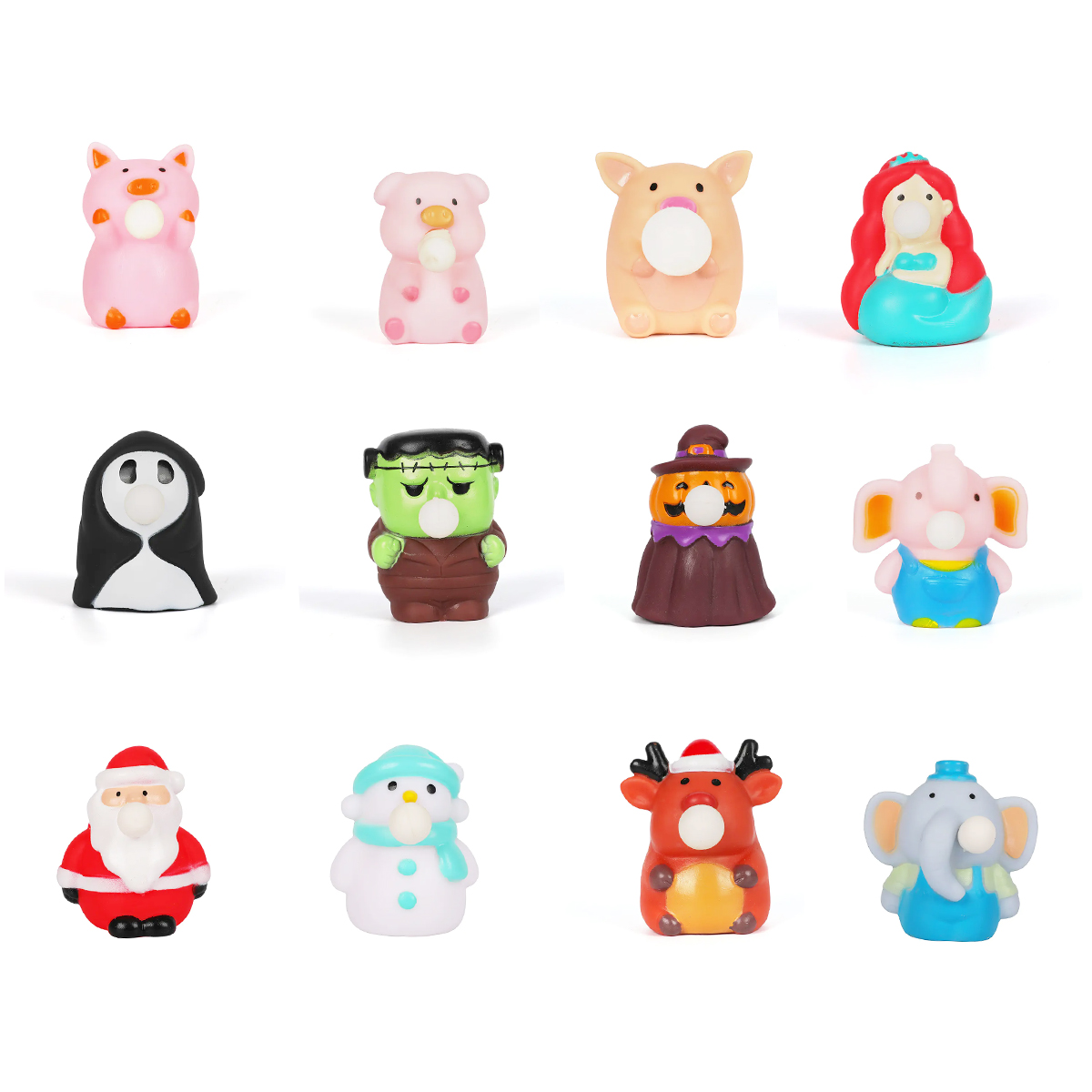
Behind the product feel, Squeeze Toy Supplier decisions determine stability across production.
Material mix controls softness and rebound behavior. Small differences can change how the toy feels in hand, even when shape stays the same.
Mold accuracy affects symmetry. Uneven shapes shift grip balance, which can reduce smooth repetition.
Surface finishing controls touch response. Matte, soft coating, or light texture each creates different interaction behavior.
Key supplier focus areas include:
When consistency stays stable, users develop habitual squeezing more easily. When variation appears, usage tends to become less repetitive and more situational.
Elephant Squeeze Toy often appears in places where hands stay still for long periods. The object does not need setup or instruction. It simply sits within reach and becomes part of small physical habits.
On desks, it usually stays beside keyboards, notebooks, or phones. During pauses between tasks, fingers reach for it without planning. The motion is short, then attention returns to work.
In study areas, usage connects with reading rhythm. When focus slows or thinking pauses, squeezing starts. It creates a light physical movement while the mind stays on text or ideas.
At home, the pattern becomes looser. Some people hold the toy while watching content. Others squeeze it occasionally during rest. The interaction blends into background activity rather than structured use.
In travel or waiting spaces, the toy often stays in pocket or bag. When time feels slow, hand movement becomes more noticeable. The squeeze motion fills that idle gap.
Typical environments include:
Placement matters more than expected. Objects kept close to hand tend to be used more often, even without intention.
Squeeze motion is simple, yet it often connects with small stress release behavior. It does not require focus or planning, which makes it easy to repeat during daily routines.
In work environments, squeezing appears during mental pauses. After completing tasks or while waiting for response, hand movement begins naturally. The action is light, repetitive, and not tied to a clear goal.
In study situations, the pattern changes slightly. When reading becomes heavy or attention drifts, squeezing helps keep the hand active. The body stays engaged while the mind continues processing information.
At home, behavior is less structured. Some users squeeze while watching content or thinking. Others hold the toy without strong pressure, using it as a quiet hand companion.
Common stress-related interaction patterns:
The key point is rhythm. Hand movement follows attention shifts rather than fixed timing. When focus rises, squeezing slows. When focus softens, movement increases.
Time spent in a squeeze session varies depending on activity around the user. There is no strict duration, only repeating cycles that match attention flow.
Short sessions appear during task switching. A few presses happen, then hand returns to typing, reading, or holding a device. These moments are very brief, often repeated many times in a day.
Medium sessions happen during waiting periods. The hand keeps moving while the mind is not fully focused. Watching, thinking, or sitting quietly often leads to this rhythm.
Longer sessions appear when the toy becomes part of passive rest. Movement continues slowly, without interruption, sometimes without awareness of timing.
Typical session patterns:
Duration is closely tied to mental engagement. Strong focus reduces continuous squeezing. Lower focus allows longer repetitive motion.
Material structure strongly affects how long users keep squeezing. The feeling of resistance, rebound, and surface touch all influence whether interaction continues or stops.
Soft foam materials compress easily. Movement becomes fast and light. This often leads to short repeated sessions spread across the day.
Elastic gel-type materials create balanced resistance. Each squeeze feels controlled, allowing smoother rhythm and slightly longer engagement.
Firmer structures require more effort. Pressing slows down, and interaction becomes more deliberate. Some users stay longer during each session due to the slower pace.
| Material type | Touch feel | Movement rhythm | Usage behavior |
|---|---|---|---|
| Soft foam | Very light pressure | Fast repetition | Frequent short sessions |
| Elastic gel | Balanced resistance | Steady rhythm | Medium length use |
| Firmer structure | Strong feedback | Slow motion | Longer focused sessions |
Surface grip also plays a role. Slight friction helps control motion and improves tactile feedback. Very smooth surfaces may reduce awareness of pressure, which can shorten interaction time.
Rebound speed changes emotional feel. Quick return supports continuous pressing. Slower return creates a calmer rhythm that often fits rest periods.
Shape design affects how naturally the hand starts and continues movement. Elephant Squeeze Toy forms usually rely on rounded structures that match palm contact.
Grip feels automatic. Fingers wrap around without adjustment. This reduces effort before squeezing begins.
Size changes behavior patterns. Small toys stay in one hand and support quick repetition. Larger toys encourage slower compression with both hands or full palm use.
Surface simplicity also matters. Clean shapes reduce visual distraction, making squeezing more automatic. More detailed surface patterns increase attention, which can slow repetition.
Design effects seen in daily use:
Behavior often follows simplicity. Less visual load leads to smoother repetitive motion.
Behind user behavior, Squeeze Toy Supplier processes define how consistent the product feels across different units.
Material mixing controls softness range. Even small variation can change how resistance feels in hand. This directly affects repetition comfort.
Mold precision influences shape balance. Uneven structure can shift grip position, making squeezing less smooth over time.
Surface finishing affects tactile response. Matte coating, soft-touch layer, or light texture each creates different feedback during compression.
Supplier focus often includes:
When consistency stays stable, users build predictable habits. Repetition becomes easier. When variation appears, usage often becomes less automatic and more situational.
Squeeze behavior follows rhythm rather than schedule. The hand reacts to attention changes, not fixed timing.
During active work, motion stays short and frequent. During passive moments, squeezing becomes slower and longer. During rest, it may turn into continuous background movement.
Many users do not notice exact timing. The toy becomes part of hand behavior, similar to pen tapping or finger movement during thinking.
Common rhythm structure:
This rhythm reflects daily mental load. Higher attention reduces movement. Lower attention increases repetition.
Elephant Squeeze Toy use does not depend on strict rules. It grows from simple hand behavior shaped by environment, material feel, and small daily pauses.
Squeeze Toy Supplier choices influence how that behavior forms, while users adjust naturally based on comfort and routine. The result stays flexible, changing from one moment to another without fixed pattern.
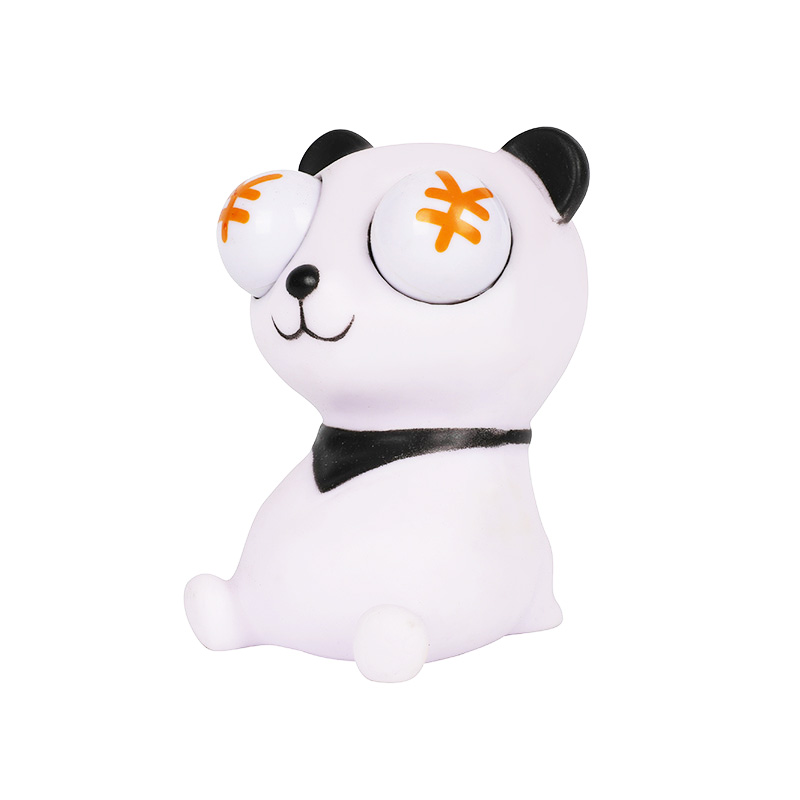
Enter the whimsical world of the Pop-eye series with our delightful creation, the Pop-eyed Panda. Designed to bring joy and relieve stress, this squee...
View More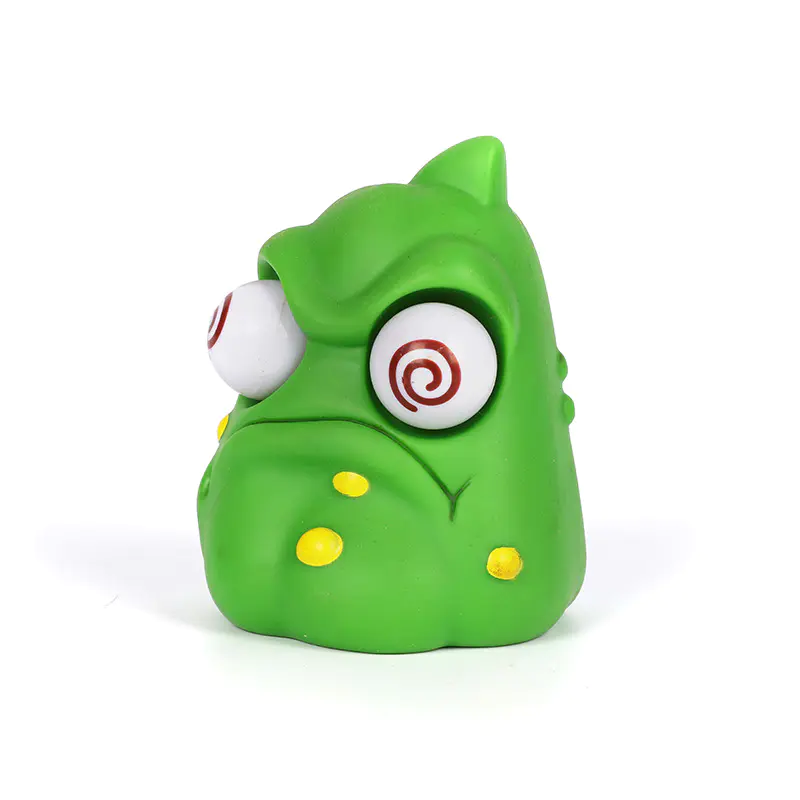
Step into the whimsical world of the Pop-eye series, where fun and functionality collide to bring you the Staring Glowing Decompression Series. These ...
View More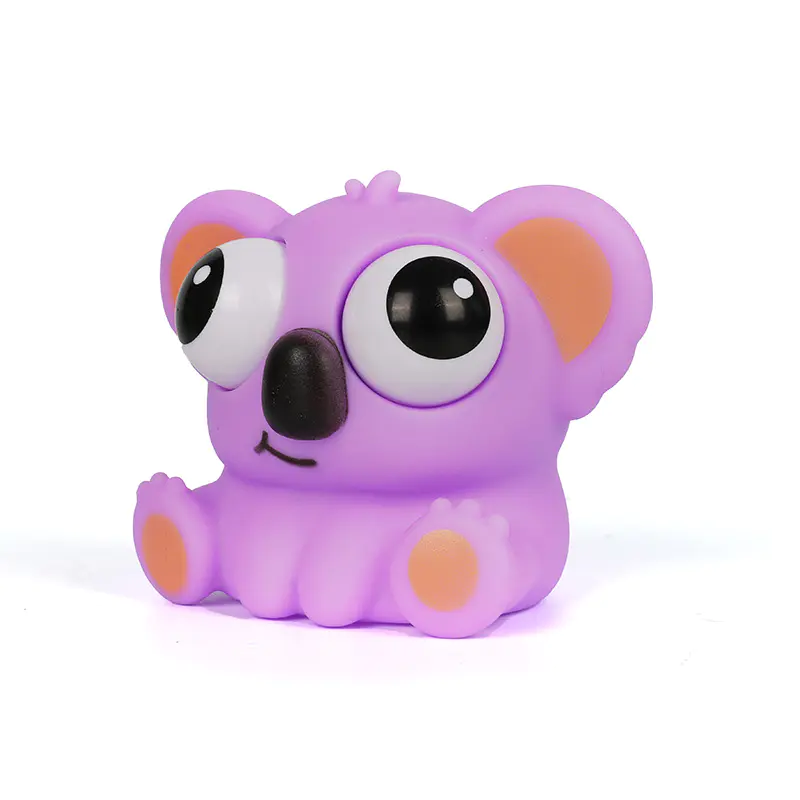
Welcome to the enchanting world of our Cute Little Animal Series (Big-eyed), a delightful addition to our renowned Pop-eye Collection. These captivati...
View More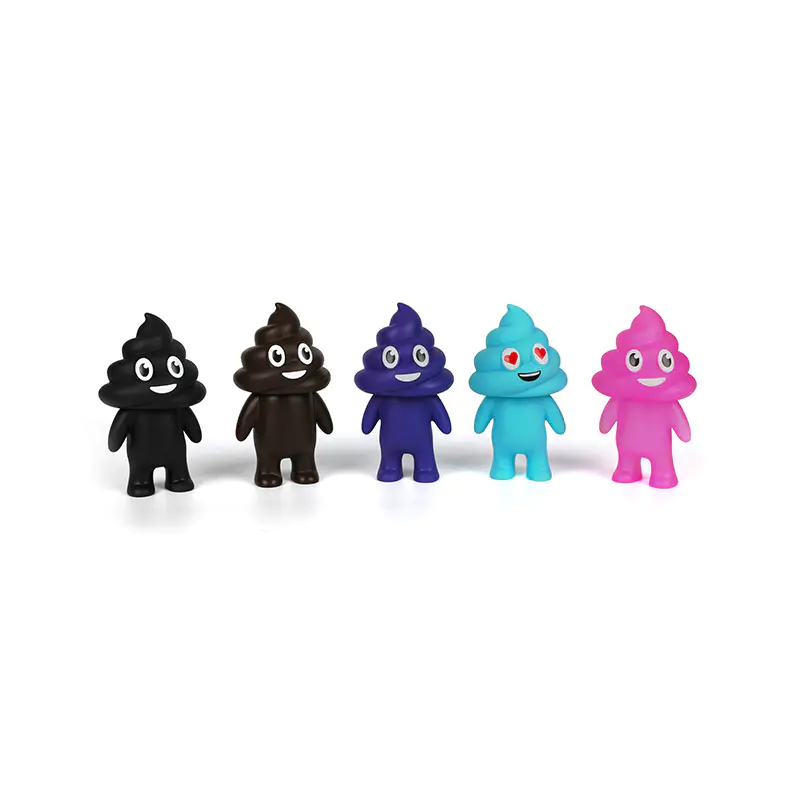
Introducing the Poop People Series, a unique and playful line of collectible figures that bring humor and joy to toy collections everywhere. These qui...
View More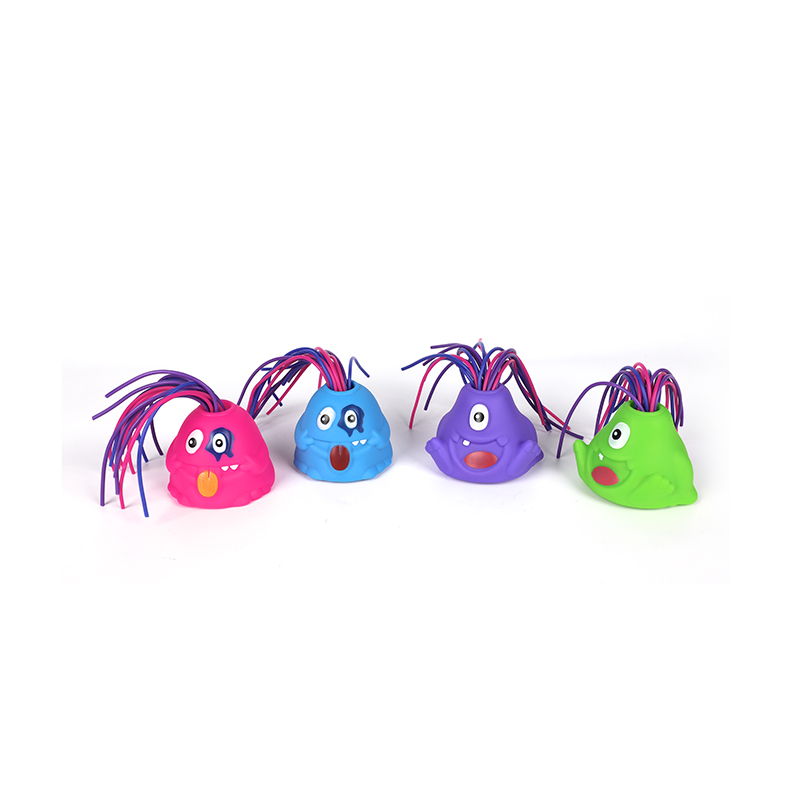
Laughter is one of the best ways to release stress, and Hair-Pulling Sound Toys are designed to do exactly that. These playful screaming monster figur...
View More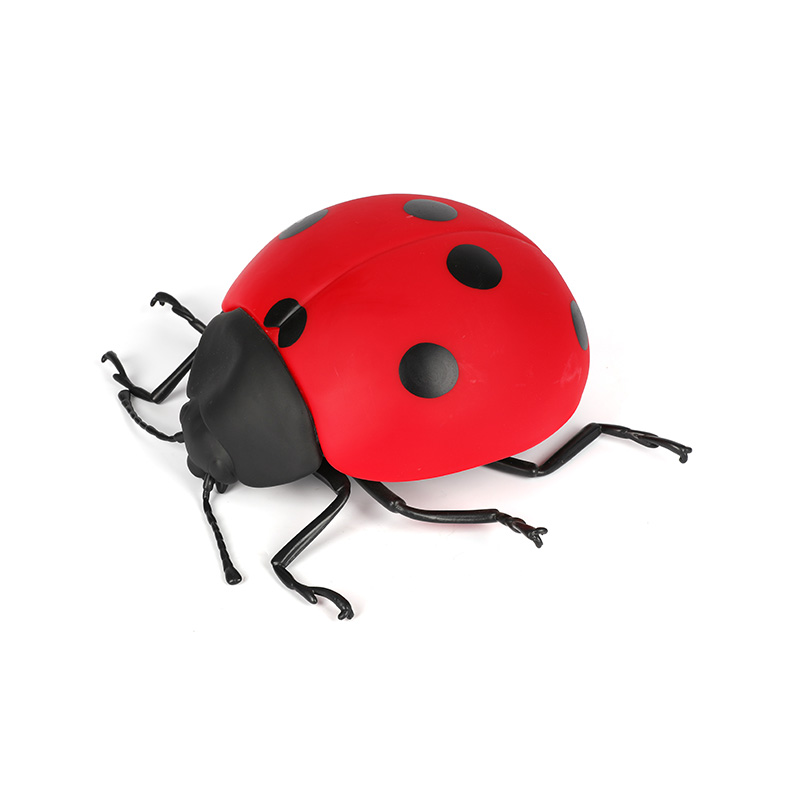
Our Beetle Model Toys are pretty popular with kids and bug fans these days. We put real effort into making these beetle figures so they look detailed ...
View More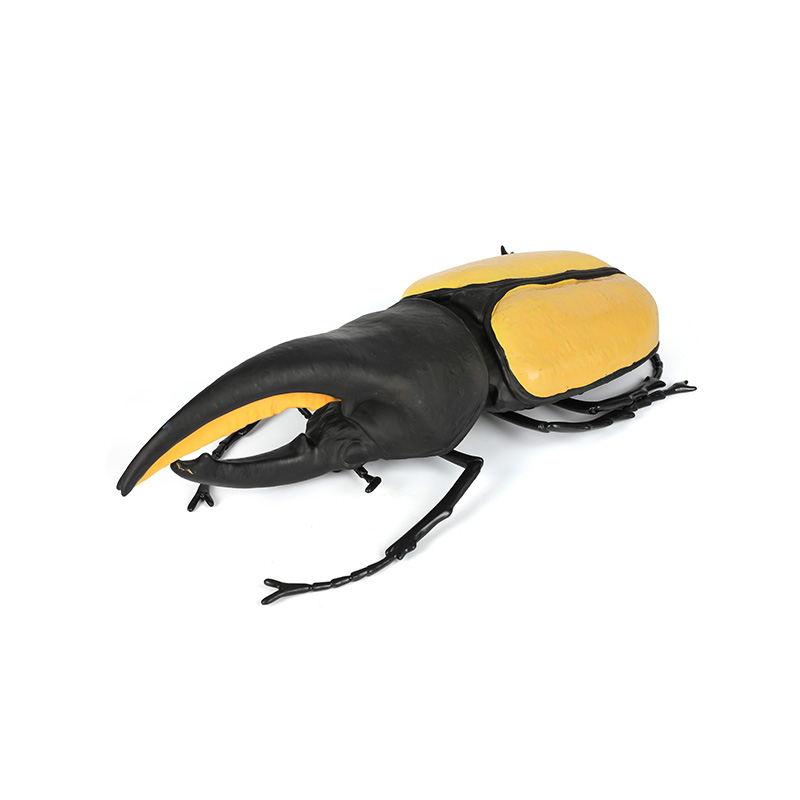
Welcome to the world of Beetle Model Toys, where intricate design meets playful imagination. Our Beetle models are meticulously crafted to provide not...
View More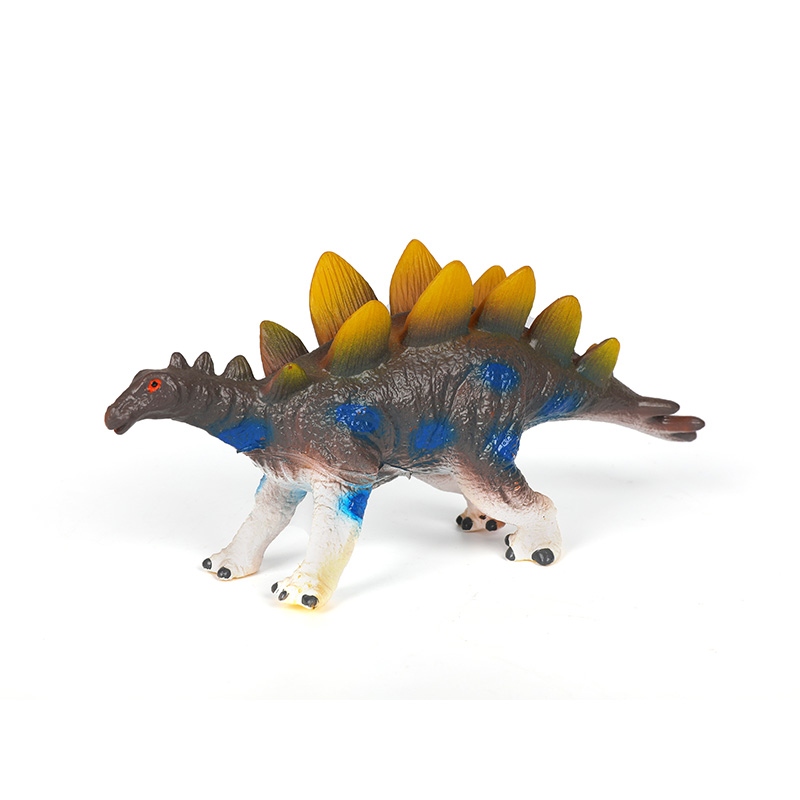
Our Dinosaur Model Toys are really popular with kids these days. We make these dinosaur figures with a lot of care so they look real, help kids learn,...
View More
Copyright © Jinhua Blue Eagle Toys Technology Co., Ltd. All Rights
Reserved.


+86 18072335560


Educational Model Toys Company