

 English
 English
 русский
 Español
- Type:
- Industry News
- Date
- 2026-Jun-09
Industry News
What Safety Tips Apply To Cartoon Duck Toy For Children Use
A silent plush toy sits on a shelf or in a child's arms. It makes no noise. It has no moving parts inside beyond the soft filling. A Vocalization Toy works differently. Inside the Cartoon Duck Toy, a small electronic unit waits for a child's squeeze or press. That unit contains a battery, a speaker, and thin wires.
The presence of electronics changes the safety profile completely. A silent toy only needs to avoid choking hazards and toxic materials. A Vocalization Toy adds electrical risks, battery ingestion risks, and small component risks. The child does not see these parts. The soft outer layer hides everything underneath.
A child treats a Vocalization Toy the same way as a silent one. The child squeezes, throws, chews, and drops the toy. The outer fabric may survive these actions. The internal sound unit may not. A broken battery cover or a loose wire turns a fun toy into a potential danger.
| Safety Concern | Silent Plush Toy | Vocalization Toy (Cartoon Duck Toy) |
|---|---|---|
| Small parts that can come loose | Eyes or nose pieces only | Eyes, nose, battery cover and screws |
| Internal components after fabric tear | Soft filling only | Batteries, wires, speaker, circuit board |
| Choking hazard from detached pieces | Low risk from small fabric pieces | Higher risk from hard plastic and metal parts |
| Liquid damage from washing or drool | Drying issues only | Battery corrosion and electrical short risk |
| Compression during sleep or storage | No functional change | Accidental sound activation or button damage |
A Vocalization Toy also presents a unique risk pattern during play. A child who discovers that squeezing the Cartoon Duck Toy produces a sound will squeeze harder and more often. That repeated pressure weakens the seams around the sound unit. The weakest point on the toy becomes the place where the child applies the most force.
What Happens Inside a Cartoon Duck Toy When the Sound Activates
Inside the Cartoon Duck Toy, a small pressure switch sits beneath the fabric. The child squeezes a specific area of the toy. The pressure travels through the soft filling and reaches the switch. The switch closes a circuit. Electricity flows from the battery to a small chip. The chip sends a signal to the speaker. The speaker produces a sound.
The sequence happens in a fraction of a second. The child hears a duck sound and squeezes again. Each squeeze repeats the process. The battery drains a little more with each activation.
The sound unit is not large. The battery may be a small button cell or a slightly larger alkaline battery. The wires connecting the parts are thin. The solder points that hold the wires in place are smaller than a grain of rice. These tiny parts work well when the toy stays intact. They become hazards when the toy breaks open.
A child who manages to tear the fabric near the sound unit can reach these internal parts. The battery looks like a small shiny coin. A child may put that battery in the mouth. A swallowed button battery causes serious injury inside the body.
The speaker itself has a magnet inside. A magnet large enough to cause harm if swallowed is a concern. The circuit board has sharp edges from the manufacturing process. Those edges can cut a child's skin or mouth if the board becomes exposed.
Where Are the Smallest Parts Located in a Vocalization Toy
The smallest parts of a Cartoon Duck Toy are not the eyes or the beak. Those plastic parts are visible on the outside. A parent can see them and check if they feel loose. The truly small parts hide inside the sound unit.
The battery cover screws are tiny. A screw measures only a few millimeters in length. The threads on the screw are fine and shallow. A child who unscrews the cover has access to the battery. The screw itself is a choking hazard. A child could swallow the screw without a parent noticing.
The spring contacts inside the battery compartment are also small. These metal strips conduct electricity from the battery to the circuit board. The springs are under tension. If the battery cover comes off, the springs can pop out of the compartment. A metal spring has sharp ends that could poke a child's skin or gums.
The wires inside the Vocalization Toy are another source of small parts. Each wire has a plastic coating. The exposed ends where the wire connects to the battery or circuit board are bare metal. These exposed ends are tiny. They are also sharp. A child who pulls on a wire may detach it from the circuit board. The detached wire becomes a small loose object inside the toy.
The sound unit housing itself may have small vent holes. These holes let the sound escape from the speaker. The holes are large enough for a child to insert a finger. A curious child might push a small object into the vent hole. That object could fall into the sound unit and become stuck.
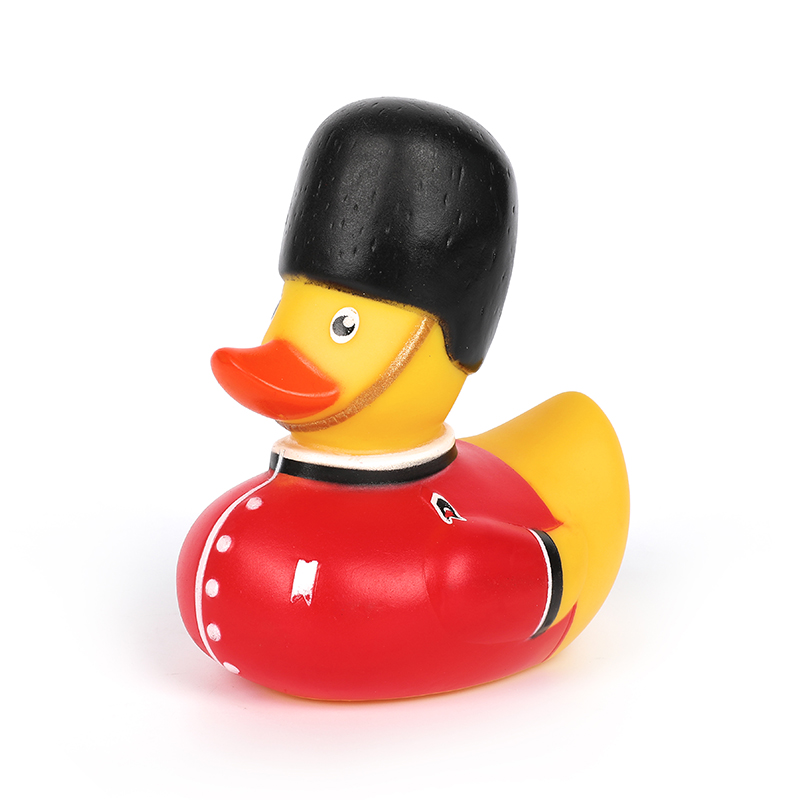
How Does the Battery Compartment Differ From Other Toy Components
The battery compartment on a Vocalization Toy serves two purposes. It holds the battery in place. It keeps the battery away from the child. A well designed battery compartment has a cover that requires a tool to open. A screw holds the cover closed. The screw sits flush with the cover surface. A child cannot turn the screw with fingernails alone.
The compartment itself is made of hard plastic. The plastic walls are thick enough to resist cracking. The edges of the compartment are smooth. No sharp burrs or flash remain from the molding process. The compartment fits snugly into the toy body. Gaps around the compartment are small. A child cannot pull the compartment out of the toy.
Inside the compartment, the battery sits in a cradle. The cradle holds the battery in a fixed position. Positive and negative contacts press against the correct ends of the battery. The contacts are spring loaded. They maintain pressure on the battery even when the toy is dropped or thrown.
A poorly designed battery compartment has a cover that snaps closed without a screw. A child can open a snap cover with enough force. The cover may pop open during normal play. The battery falls out of the toy. The child finds the battery on the floor.
Some Vocalization Toys use a battery compartment that is sewn inside the fabric. The compartment cannot be removed without cutting the toy open. This design is safer because the child cannot access the batteries at all. The downside is that replacing the batteries becomes difficult. The toy may need to be discarded when the batteries run out.
Which Part of the Cartoon Duck Toy Is Most Likely to Break
The seam around the sound unit experiences the most stress. Every time a child squeezes the Cartoon Duck Toy to hear the sound, pressure builds against that seam. The fabric stretches. The stitches pull against each other. Over time, the fabric weakens at the stress points.
The corners of the sound unit create specific weak spots. A corner presses against the fabric from the inside. The fabric rubs against the plastic corner with each squeeze. A hole forms at the corner. The hole grows larger with continued use. The internal parts become visible through the hole.
The beak of the Cartoon Duck Toy is another high stress area. Children grab the toy by the beak. They pull the beak. They bite the beak. The beak attaches to the toy body with stitches or adhesive. The attachment point weakens over time. A loose beak becomes a choking hazard.
The wings on a Cartoon Duck Toy also break frequently. Wings are sewn onto the body with a line of stitching. A child pulls the wing while carrying the toy. The stitching tears. The wing hangs loose. The child pulls the wing completely off. The detached wing has a fabric layer over a stiff inner material. A child may put the wing in the mouth.
The pull cord or ring that activates the sound on some Vocalization Toys breaks often. The cord attaches to a switch inside the toy. The child pulls the cord. The cord slides through a small hole in the fabric. The friction wears down the cord fibers. The cord frays and snaps. The broken cord ends retract inside the toy. The child cannot reach them, but the cord is now loose inside the filling
What Does a Safe Fabric Feel Like on a Children's Vocalization Toy
A safe fabric on a Cartoon Duck Toy has certain qualities that a parent can feel before buying. The fabric surface should be smooth but not slippery. A parent runs a hand across the toy. The fabric catches slightly on dry skin. That slight friction means the fibers are short and tightly woven.
The backing of the fabric matters as well. A parent pulls gently at a loose thread or the edge of a seam. The fabric does not unravel easily. The backing has a tight weave that holds individual fibers in place. A loose weave allows a child to pull out small strands of material. Those strands go into the mouth.
Safe fabric also feels thick enough to hide the internal seams. A parent presses a finger into the toy. The finger does not feel hard plastic or sharp edges through the fabric. The filling and the fabric together create a soft barrier between the child and the internal parts.
Some characteristics of safe fabric on a Vocalization Toy include:
- The fabric does not shed fibers when rubbed
- The color stays on the fabric when touched with a damp finger
- The surface has no pilling or loose thread loops
- The fabric stretches slightly but returns to its original shape
- The edge of the fabric does not fray when examined closely
A Cartoon Duck Toy with rough or scratchy fabric causes skin irritation. A child rubs the toy against the face. The rough fabric leaves red marks on sensitive skin. The toy may still be safe from a choking perspective, but the material choice affects the play experience.
Why Does the Color of a Cartoon Duck Toy Matter for Dye Safety
Bright colors attract children. A yellow duck catches the eye. A child wants to hold the duck, squeeze the duck, and put the duck near the face. The dyes used to create that bright yellow matter for safety.
Dyes that are not fixed properly to the fabric transfer onto skin or into saliva. A child puts the wet toy in the mouth. The moisture pulls dye from the fabric. The dye travels into the child's mouth. A safe dye stays locked in the fabric fibers even when wet.
A parent can test colorfastness at home without special equipment. A white cloth or paper towel gets dampened with water. The parent rubs the damp cloth against a small hidden area of the Cartoon Duck Toy. Any color transfer onto the white cloth indicates unstable dye.
The inside of the toy matters as well. A Vocalization Toy has an outer fabric and an inner lining. The dye on the inner lining may be different from the outer dye. The inner lining touches the sound unit and the filling. A child who tears the outer fabric may reach the inner lining. The dye on that lining should be as safe as the outer dye.
Dark colors hide stains but present their own challenges. A very dark blue or black Cartoon Duck Toy requires more dye to achieve the color. More dye means more potential for transfer. A toy with a natural color or a light pastel shade uses less dye overall.
How Does the Filling Inside a Vocalization Toy Affect Safety
The filling inside a Cartoon Duck Toy does more than make the toy soft. The filling holds the sound unit in place. The filling prevents the battery compartment from moving around inside the toy. The filling absorbs some of the impact when the child drops the toy.
A safe filling consists of continuous fibers. Polyester fiberfill is common. The fibers are long and tangled together. A long fiber cannot be pulled out of the toy easily. A child who tears the fabric finds a mass of tangled fibers, not individual loose pieces.
A dangerous filling uses short fibers or loose pellets. Short fibers come apart when pulled. A child can remove a handful of small fiber pieces from a small hole in the fabric. Each piece goes into the mouth. A pellet filling is worse. Small plastic beads or foam balls pour out of even a small tear. The child finds dozens or hundreds of small objects on the floor.
The filling should also resist moisture. A child drools on the Cartoon Duck Toy. The drool soaks into the fabric and reaches the filling. A safe filling does not absorb water. The moisture stays on the surface of the fibers. The filling dries quickly without growing mold.
A Vocalization Toy adds another layer of complexity. The filling must not interfere with the sound unit. Loose filling can work its way into the battery compartment or the speaker vent. Fibers can block the sound outlet. The toy becomes quieter or stops making sound entirely.
Why Can't a Cartoon Duck Toy Go Into a Washing Machine
A washing machine uses water, agitation, and heat. A Vocalization Toy contains electronics. Water and electronics do not work well together. Water enters the battery compartment through the screw holes or the seams. Water reaches the circuit board. The circuit board corrodes.
The agitation of the washing machine puts stress on the fabric seams. A seam that holds up to normal play may fail in the washing machine. The fabric tears. The sound unit falls out. The batteries fall out. The child finds the toy in pieces after the wash cycle.
The heat of the drying cycle causes other problems. The battery expands slightly when hot. The battery case may crack. The speaker membrane warps. The sound becomes distorted. The plastic parts of the Vocalization Toy soften and bend out of shape.
A parent who washes a Cartoon Duck Toy in a machine may find that the toy no longer makes sound. The toy is still soft. The child still likes the toy. The vocalization feature is gone. The loss of the sound feature is not a safety issue, but the potential damage to the battery compartment during washing creates a safety issue.
Some manufacturers claim that their Vocalization Toys are machine washable. These toys have sealed sound units. The battery compartment is welded shut. The electronics are encased in waterproof plastic. A parent should verify this claim before believing it. A toy that cannot be washed safely is not necessarily unsafe. The parent just needs to clean it differently.
What Does the Battery Icon on a Vocalization Toy Warn About
A small battery icon appears near the battery compartment or on the packaging of a Cartoon Duck Toy. The icon shows a battery with a line through it or a circle around it. The icon warns about battery ingestion. A parent sees the icon and should understand the message.
The icon does not stand alone. The icon appears with text in multiple languages. The text warns that the battery can cause injury if swallowed. The text tells the parent to keep batteries away from children. The text reminds the parent to secure the battery compartment.
The battery icon on a Vocalization Toy means something specific. The toy contains a battery that is small enough to swallow. The battery is not sealed inside a welded compartment. The battery is accessible if the cover comes off. The toy relies on the parent to keep the battery secure.
A parent who ignores the battery icon puts a child at risk. The risk is not theoretical. Button batteries cause burns inside the body within hours. A child who swallows a battery needs emergency medical care. The surgery to remove a battery from the esophagus is serious.
The battery icon also indicates the battery type. A button cell battery is flat and round. A coin cell battery is larger but still flat. A cylindrical battery is longer. The icon shape sometimes matches the actual battery shape inside the toy. A parent looking at the icon can guess what kind of battery the toy uses.
How Often Should a Vocalization Toy Be Inspected at Home
A Cartoon Duck Toy used daily needs a weekly inspection. The inspection takes two minutes. A parent does not need tools or special skills. The parent looks at the toy and feels the toy. The parent listens to the toy.
The weekly inspection checklist:
- Run a finger along every seam. Feel for gaps or loose threads.
- Squeeze the sound unit area. The fabric should feel firm, not thin or worn.
- Check the eyes and beak. Push gently on each one. They should not move.
- Open the battery compartment. Look at the screws. The screws should be tight.
- Press the battery cover. The cover should not flex or pop open.
- Activate the sound. Listen for normal volume and clear tone.
- Smell the toy near the battery compartment. No chemical smell should be present.
A monthly inspection goes deeper. The parent squeezes the toy more firmly. The parent tries to feel the hard edges of the sound unit through the fabric. The sound unit should not be pressing directly against the fabric. A layer of filling should sit between the plastic and the outer layer.
An inspection after a drop or a rough play session happens immediately. The parent picks up the toy. The parent checks for new tears or loose parts. The parent activates the sound. A change in sound quality or volume means something moved inside.
A Vocalization Toy that passes inspection stays in the play area. A toy that fails inspection leaves the play area immediately. The parent can repair a loose seam with a needle and thread. The parent cannot repair a cracked battery compartment or a loose sound unit. Those toys go into the trash.
What Should a Parent Do When the Child Bites the Toy and Damages It
A child bites a Cartoon Duck Toy. The teeth leave marks on the fabric. The fabric may tear. The parent sees the damage. The parent needs to decide what to do next.
The first step is to remove the toy from the child. The parent takes the toy away gently. The parent says that the toy needs a rest. The child may cry. The parent offers a different toy.
The second step is to assess the damage. A small tear in an outer seam is repairable. A parent sews the tear closed with strong thread. The parent uses a ladder stitch to close the gap. The parent checks the filling. No filling should come out of the tear.
A large tear that exposes the sound unit is not repairable. The parent can see the battery compartment or the wires. The child could reach those parts. The toy should go into the trash.
A bite that damages the sound unit itself is also not repairable. The parent hears a rattling sound when shaking the toy. Something inside has broken loose. The broken piece could be a piece of plastic or a detached wire. The toy is no longer safe.
The parent should look for bite marks on the battery compartment. A child who bites the toy near the battery compartment may crack the plastic. The crack is not always visible. The parent squeezes the battery compartment area. A cracking sound or a soft spot indicates damage.
A Vocalization Toy with bite damage goes into the trash. The parent does not donate the toy. The parent does not give the toy to another family. The toy is unsafe. The trash is the correct place.
How Can a Parent Identify a Defective Vocalization Toy Early
A defective Vocalization Toy shows signs before it fails completely. A parent who knows these signs can remove the toy before an accident happens.
The sound quality changes first. A healthy Cartoon Duck Toy makes a clear sound. A defective toy makes a distorted sound. The sound may crackle or buzz. The volume may drop. The sound may cut in and out. Any change in sound quality means something is wrong inside.
The battery life changes next. A healthy Vocalization Toy produces the same number of sounds on each set of batteries. A defective toy drains batteries faster. The parent replaces the batteries more often. The toy may stop working entirely with the second set of batteries.
The smell of the toy changes. A healthy toy smells like fabric and plastic. A defective toy smells like chemicals or burnt electronics. The parent notices a sweet or bitter smell near the battery compartment. That smell comes from a leaking battery or a burning circuit board.
The feel of the toy changes. A parent picks up the Cartoon Duck Toy. The toy feels different in the hand. One area feels harder than before. Another area feels softer. The filling has shifted inside the toy. The sound unit has moved from its original position.
A visual inspection shows changes. The fabric stretches or puckers around the sound unit. The eyes or beak sit at an angle. The seam line has pulled away from the fabric edge. The toy looks different even to someone who does not examine it closely.
A parent who sees any of these signs removes the toy from play. The parent does not wait for the toy to break completely. The parent does not try to repair electrical problems. The toy goes into the trash. A replacement toy costs less than a trip to the emergency room.
Related Products
-
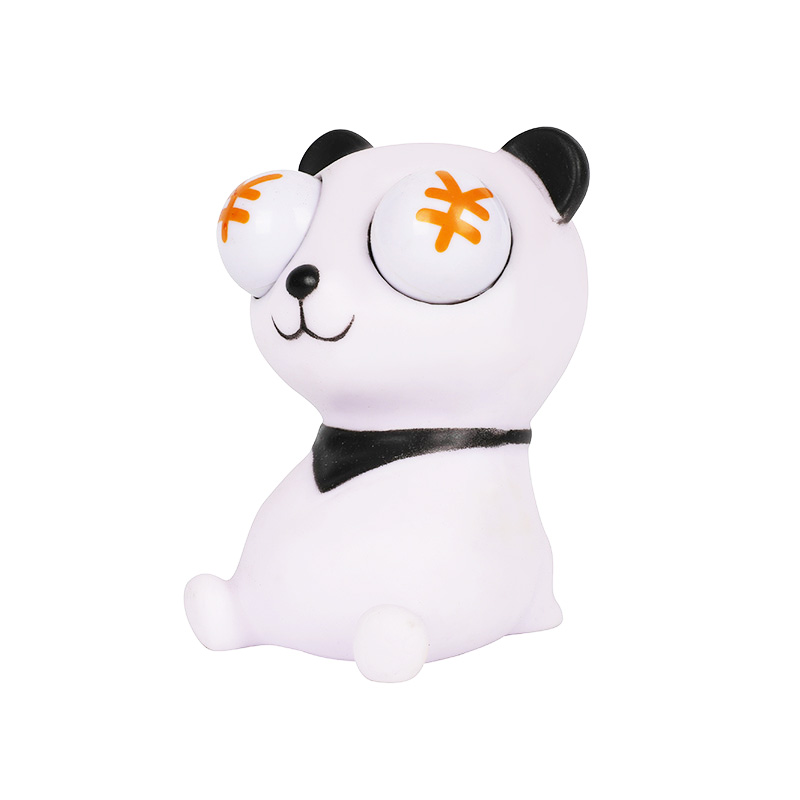
Pop-eyed Panda
Enter the whimsical world of the Pop-eye series with our delightful creation, the Pop-eyed Panda. Designed to bring joy and relieve stress, this squee...
View More -
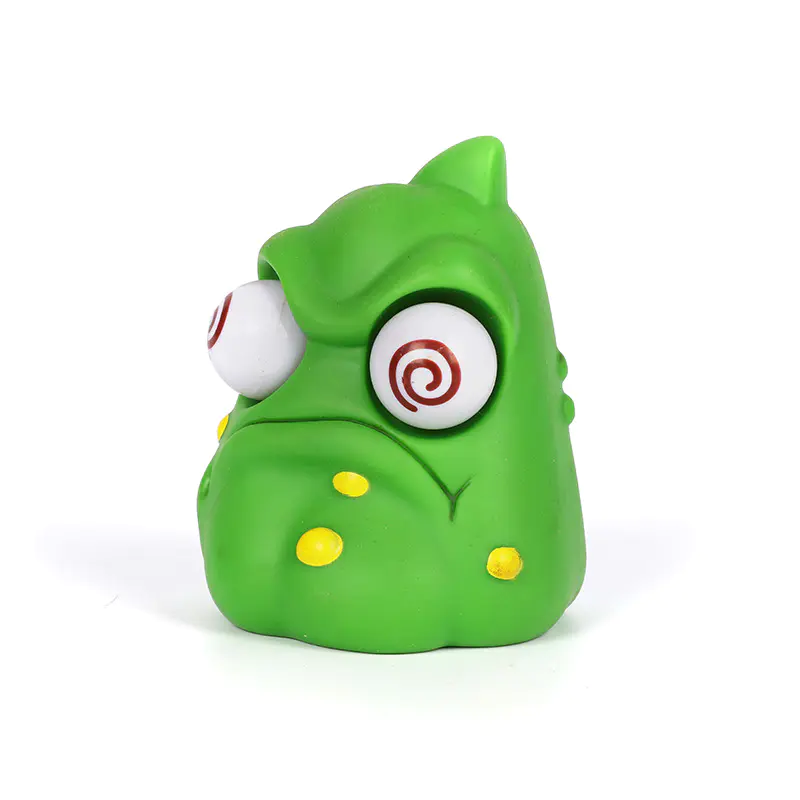
Staring Glowing Decompression Series
Step into the whimsical world of the Pop-eye series, where fun and functionality collide to bring you the Staring Glowing Decompression Series. These ...
View More -
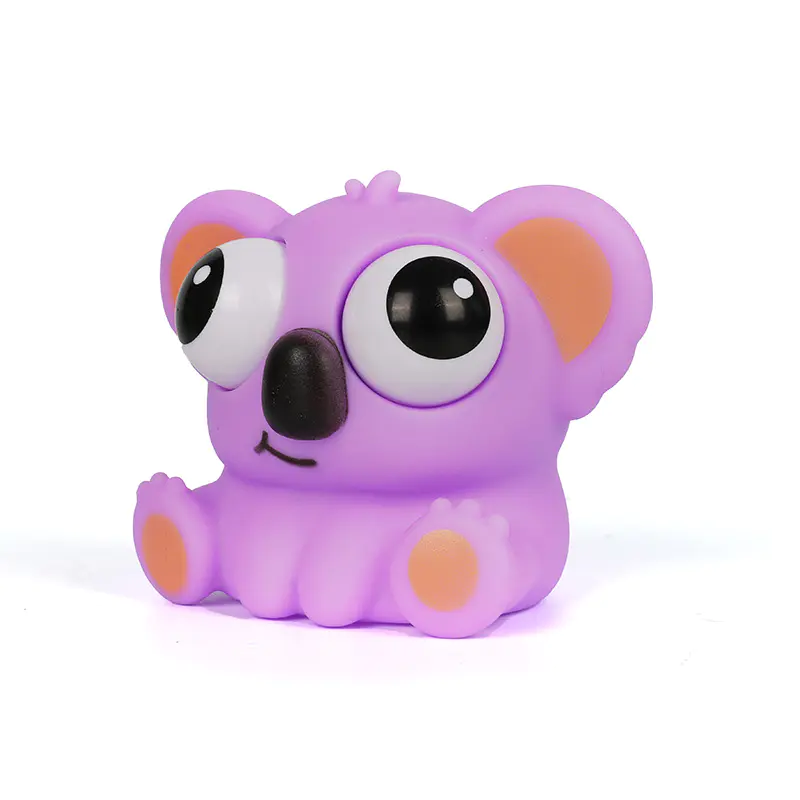
Cute Little Animal Series (Big-eyed)
Welcome to the enchanting world of our Cute Little Animal Series (Big-eyed), a delightful addition to our renowned Pop-eye Collection. These captivati...
View More -
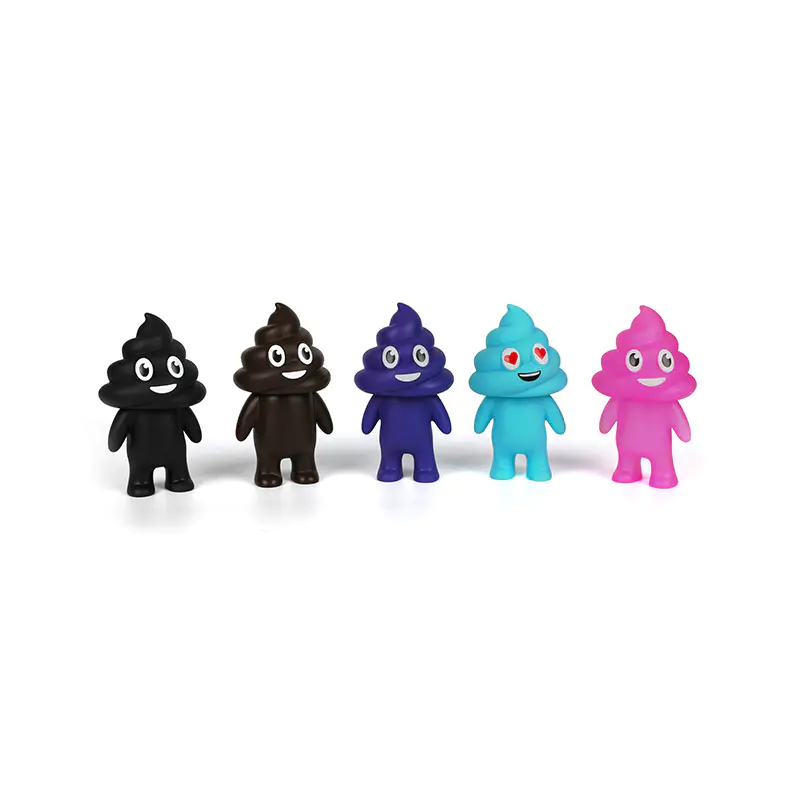
Poop People Series
Introducing the Poop People Series, a unique and playful line of collectible figures that bring humor and joy to toy collections everywhere. These qui...
View More -
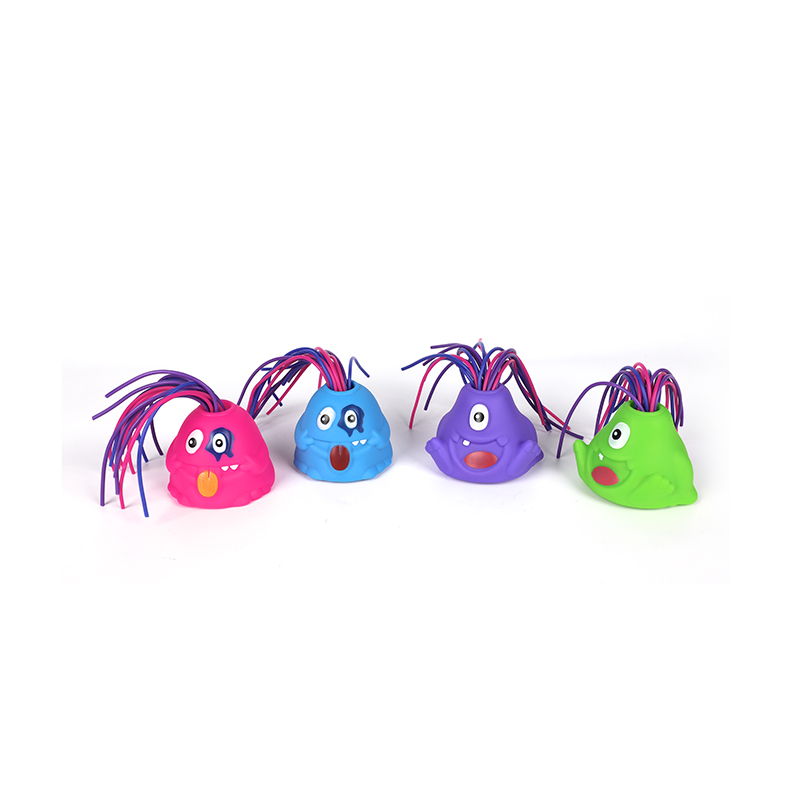
Fun Hair-Pulling Monster Stress Relief Anti-Anxiety Sound Toys
Laughter is one of the best ways to release stress, and Hair-Pulling Sound Toys are designed to do exactly that. These playful screaming monster figur...
View More -
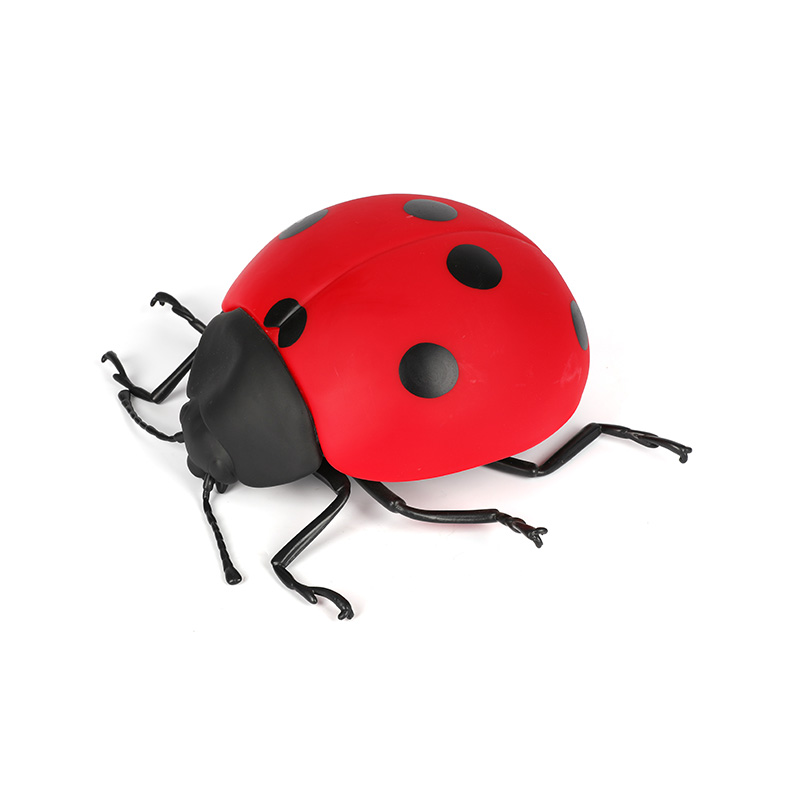
Beetle, Beetle Model Toys
Our Beetle Model Toys are pretty popular with kids and bug fans these days. We put real effort into making these beetle figures so they look detailed ...
View More -
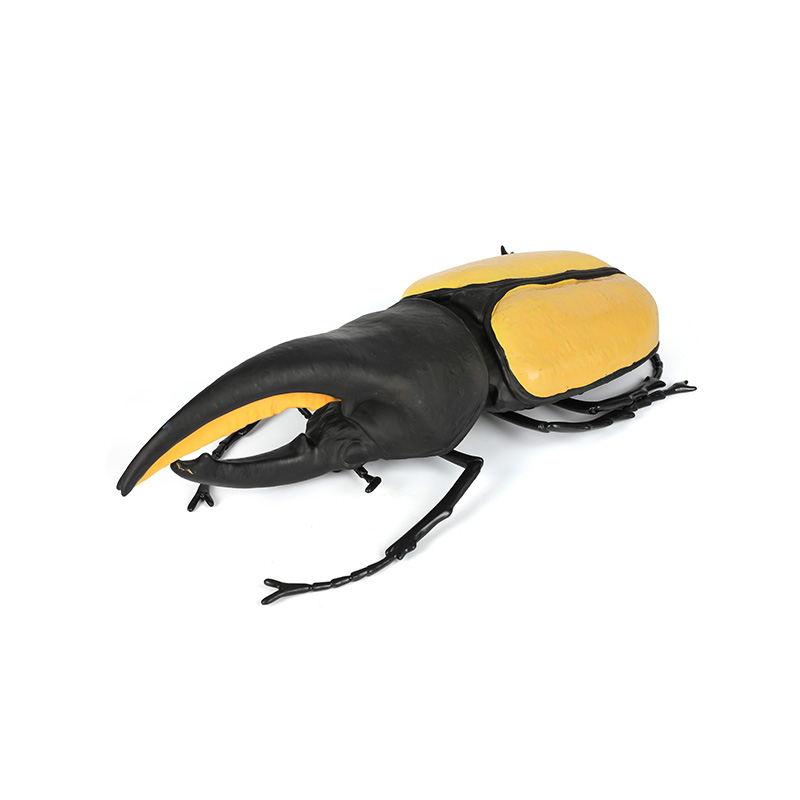
Beetle, Beetle Model Toys
Welcome to the world of Beetle Model Toys, where intricate design meets playful imagination. Our Beetle models are meticulously crafted to provide not...
View More -
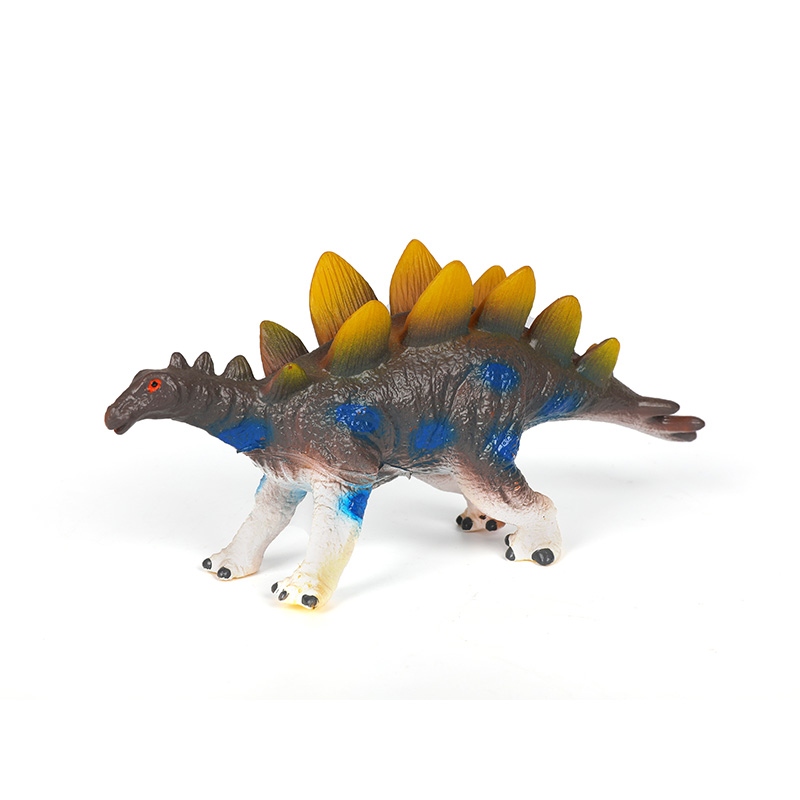
Diversity Series Dinosaur Model Puzzle Toys
Our Dinosaur Model Toys are really popular with kids these days. We make these dinosaur figures with a lot of care so they look real, help kids learn,...
View More
Copyright © Jinhua Blue Eagle Toys Technology Co., Ltd. All Rights
Reserved.

Information
-

+86 18072335560
-

-
 Weiyingsheng Industrial Co., Ltd., Yangbu Town Industrial Zone, Wucheng District, Jinhua City, Zhejiang Province
Links
Contact Us
Educational Model Toys Company