

 English
 English
 русский
 Español
- Type:
- Industry News
- Date
- 2026-Jun-05
Industry News
How Do PVC Toy Manufacturers Improve Cartoon Duck Toy Quality
PVC used in soft toy production carries a very specific physical rhythm once it enters heating and cooling stages, where flow consistency, internal tension, and gradual solidification all happen in a continuous cycle that eventually defines how a Cartoon Duck Toy will behave in real use.
In many production lines, material preparation is treated as a sensitive step rather than a simple mixing stage, since even small shifts in compound balance may later appear as uneven softness, slight surface ripples, or differences in rebound after squeezing, and those changes tend to become more noticeable on rounded toy forms where curvature is continuous rather than segmented.
Once heated PVC enters the mold, behavior becomes less about external control and more about internal movement, since the material spreads through cavity channels under pressure and begins to settle into shape while still carrying thermal energy, and that transition phase decides how clean or uneven the final structure will become after cooling completes.
What Cartoon Duck Toy structure looks like during formation instead of after it
A finished Cartoon Duck Toy may appear simple in shape, yet during molding the structure exists as a controlled flow pattern filling multiple zones at once, where head curve, body volume, and surface rounding are not separate steps but interconnected regions formed under the same pressure field.
When PVC enters the mold cavity, distribution does not happen evenly by default, so the way material travels across narrow and wide areas influences thickness balance, and once cooling begins, that balance becomes fixed, meaning any earlier irregularity remains embedded inside the structure rather than being corrected later.
In actual production observation, structural stability is usually connected with:
- steady flow movement inside cavity channels
- controlled pressure spread during filling phase
- gradual cooling without sharp temperature drop
- consistent wall thickness across curved geometry
| Structural Area | Behavior During Forming | Influence on Final Feel |
|---|---|---|
| Head curve zone | Rapid cavity filling response | Defines visual identity stability |
| Body shell zone | Balanced material accumulation | Supports squeezing response |
| Surface layer | Outer flow settlement | Controls smoothness perception |
| Base zone | Cooling stabilization point | Maintains shape grounding |
Even when mold design remains unchanged, small differences in flow timing or cooling rhythm can create subtle variation in how the toy responds when handled.
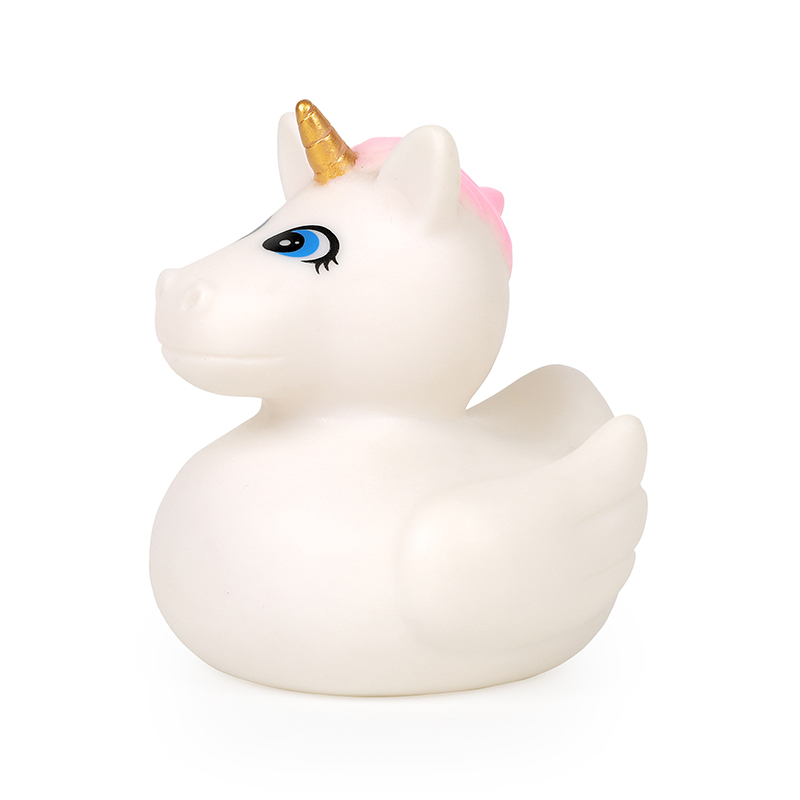
How molding conditions influence shape consistency in real production flow
During production, PVC is guided into molds under controlled heat conditions, and the way material reacts at that moment often decides whether final shapes remain consistent across repeated cycles or develop slight variation over time.
Inside the mold, pressure does not stay static, since material continues to adjust until cavity space is fully occupied, and that adjustment phase becomes sensitive to timing, where early cooling may trap internal stress while delayed cooling may allow slight deformation before structure locks.
Alignment between mold sections also carries long-term importance, since repeated opening and closing cycles may gradually shift positioning, and even a very small offset can affect seam smoothness or symmetry along curved surfaces commonly found in Cartoon Duck Toy designs.
Key forming conditions generally revolve around:
- stable heat level during PVC injection
- controlled pressure distribution inside cavity
- precise mold closure alignment
- cooling rhythm that avoids uneven shrink behavior
How surface treatment changes how the toy feels during handling
After molding, surface condition becomes part of the user experience, since Cartoon Duck Toy products rely heavily on touch feedback and visual smoothness, and any irregularity on the outer layer tends to be noticeable during squeezing or rotation in hand.
PVC surface after molding may carry fine irregular marks or micro texture differences depending on cavity contact points, so finishing steps are often applied to reduce unevenness and improve continuity across curved surfaces, allowing light reflection to remain more stable and touch sensation to feel less interrupted.
Color behavior also depends on surface stability, since uneven distribution during forming can lead to patchy appearance under different lighting conditions, while a more controlled surface layer helps pigment settle more evenly across the toy body.
In production practice, surface refinement usually focuses on:
- smoothing minor molding marks on outer layer
- stabilizing pigment distribution across curved surfaces
- reducing friction points during touch interaction
- maintaining consistent reflection behavior
| Surface Condition | Hand Feel Behavior | Visual Result |
|---|---|---|
| Raw molded surface | Slight uneven touch points | Irregular light response |
| Refined surface | Continuous smooth contact | Stable appearance across angles |
A stable surface does not only improve appearance, it also reduces long-term wear patterns caused by repeated squeezing and handling, which helps the toy maintain its shape character for a longer period of normal use.
How internal balance determines real use durability
After the mold phase and surface formation settle, attention naturally moves toward how a Cartoon Duck Toy behaves under repeated handling, since real usage rarely applies force in a controlled way and squeezing, twisting, or quick compression tends to create uneven stress paths across curved areas of the body.
PVC already provides a flexible response under pressure, yet flexibility without internal balance may slowly lead to shape drift, especially in transition zones where geometry changes direction, such as the neck curve or lower body base, where repeated loading concentrates stress over time rather than distributing it evenly.
During manufacturing planning, internal wall distribution is adjusted so that force does not stay locked in one region, allowing pressure to spread through surrounding structure instead of forming localized deformation points, which helps the toy return closer to its original form after repeated use cycles.
What matters in practice is not visible reinforcement, since structural behavior is mainly decided during flow and cooling, when material movement is still active and internal arrangement is being locked into place as temperature drops.
How color stability holds under changing light conditions
Color behavior in PVC toy production depends on how pigment interacts with material flow during heating and molding, since uneven dispersion can later appear as slight tone differences across curved surfaces, especially in rounded forms like Cartoon Duck Toy where light reflection changes continuously across angles.
During flow into the mold cavity, pigment moves together with softened PVC, and cooling speed influences how evenly that mixture settles into final structure. If flow is uneven or cooling differs across regions, subtle variation in tone density may appear, even when the same raw mix is used.
Surface finishing after molding also changes how color is perceived, since smoother surfaces reflect light in a more continuous way, while micro texture differences can scatter reflection and make tone appear inconsistent even when internal distribution remains stable.
Color consistency therefore depends on multiple connected factors rather than a single step, including mixing stability, flow uniformity, and cooling balance working together through the entire process.
How safety shaping influences structural decisions
Soft toy geometry is often guided by how the product will be held and squeezed, and Cartoon Duck Toy designs rely heavily on rounded transitions so that contact remains comfortable during repeated handling without creating sharp stress points.
Rounded shaping is not only a visual choice but also a structural decision, since sudden changes in geometry tend to concentrate force in small areas, which may reduce long term stability under frequent deformation. Smooth transitions help distribute pressure across a wider surface, reducing localized strain during squeezing cycles.
Surface continuity also contributes to handling comfort, since uninterrupted curves allow more predictable deformation behavior, where the material compresses and recovers in a gradual manner instead of reacting unevenly at edges or corners.
These shaping principles are embedded directly into mold design, meaning structural behavior and safety considerations are defined at the same stage rather than being added later.
How production control keeps output behavior consistent
Consistency in PVC toy production depends on maintaining stable conditions across repeated molding cycles, since every cycle introduces small variation in heat, pressure, and cooling rhythm, and without control those variations may accumulate into visible differences in final shape behavior.
Mold condition itself also changes gradually over time due to repeated use, which can influence alignment between cavity sections and affect seam smoothness or symmetry in curved areas that define the overall appearance of Cartoon Duck Toy products.
Production control therefore focuses on keeping flow conditions steady so that each unit follows a similar formation path, reducing variation in how material spreads, settles, and solidifies inside the mold.
Rather than relying on a single adjustment point, stability comes from continuous tuning across multiple stages where material behavior, mold condition, and cooling environment stay aligned during ongoing production.
How PVC processing stages define final product behavior
PVC passes through heating, molding, and cooling in a continuous transformation sequence, and each stage leaves a subtle impact on flexibility, surface response, and shape memory that becomes visible only during real use.
During heating, material gains enough fluidity to fill mold details completely, while cooling gradually locks internal structure into a fixed form that determines how the toy reacts when compressed or stretched. If cooling is uneven, internal stress may remain trapped, influencing deformation behavior during repeated handling.
Final performance is therefore not shaped by geometry alone but by how evenly each stage is controlled, since small differences in flow timing or cooling balance may change how the structure responds over time.
Why ongoing adjustment remains part of PVC toy production
Improvement in Cartoon Duck Toy manufacturing is not tied to a single step, since material behavior, mold precision, surface condition, and structural balance all interact across the full production chain in a connected way.
Adjustment in one area often influences another, meaning changes in flow behavior may affect surface finish, while cooling variation may influence shape stability. Because of this interaction, refinement usually happens gradually through repeated observation rather than isolated modification.
Over time, stable handling feel, consistent appearance, and predictable shape recovery come from continuous alignment between material response and production control, forming a steady relationship between process behavior and final product performance.
Related Products
-
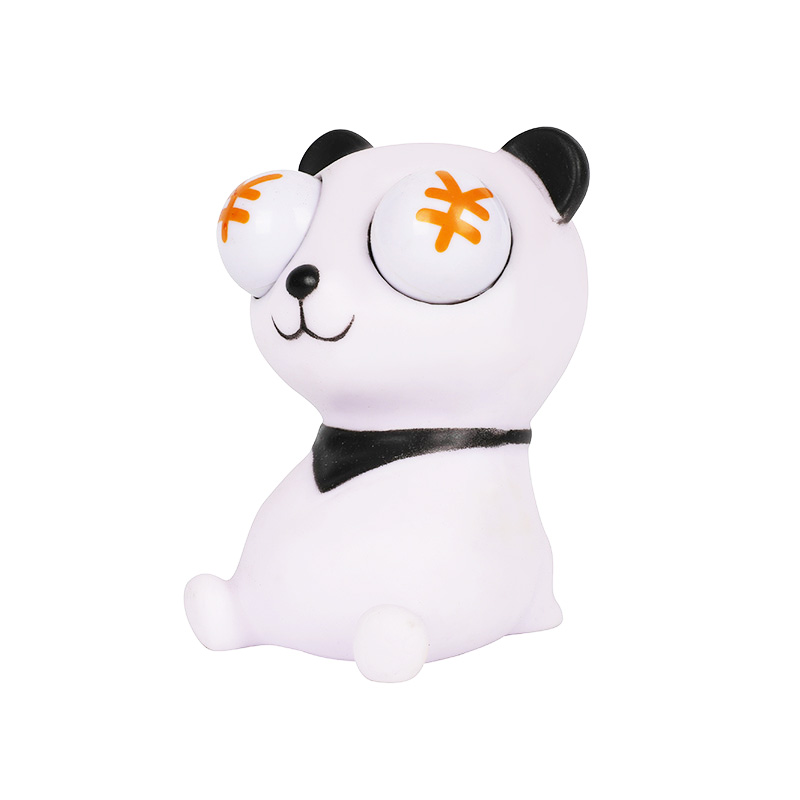
Pop-eyed Panda
Enter the whimsical world of the Pop-eye series with our delightful creation, the Pop-eyed Panda. Designed to bring joy and relieve stress, this squee...
View More -
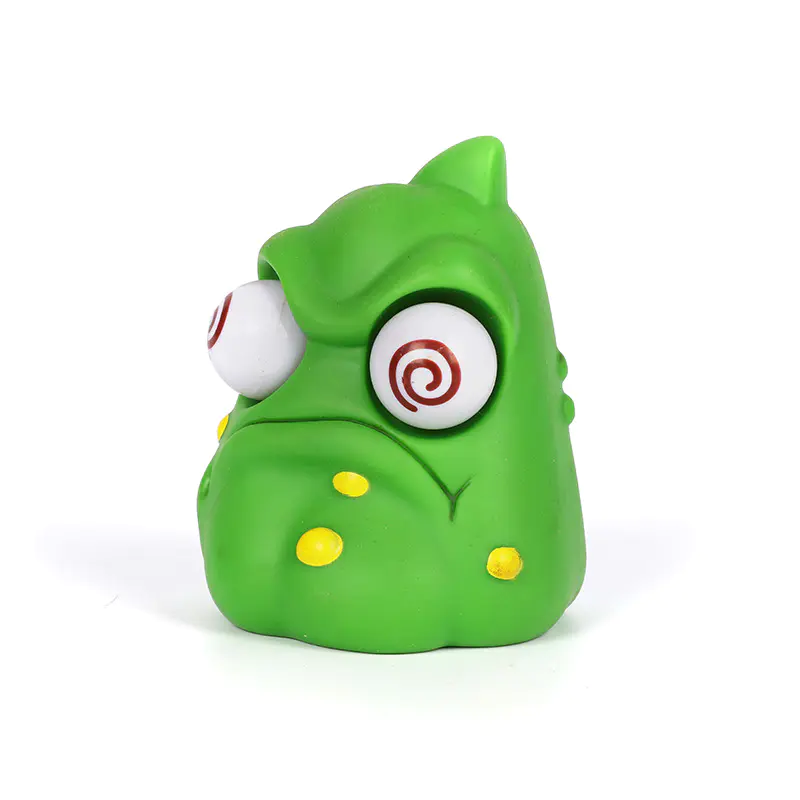
Staring Glowing Decompression Series
Step into the whimsical world of the Pop-eye series, where fun and functionality collide to bring you the Staring Glowing Decompression Series. These ...
View More -
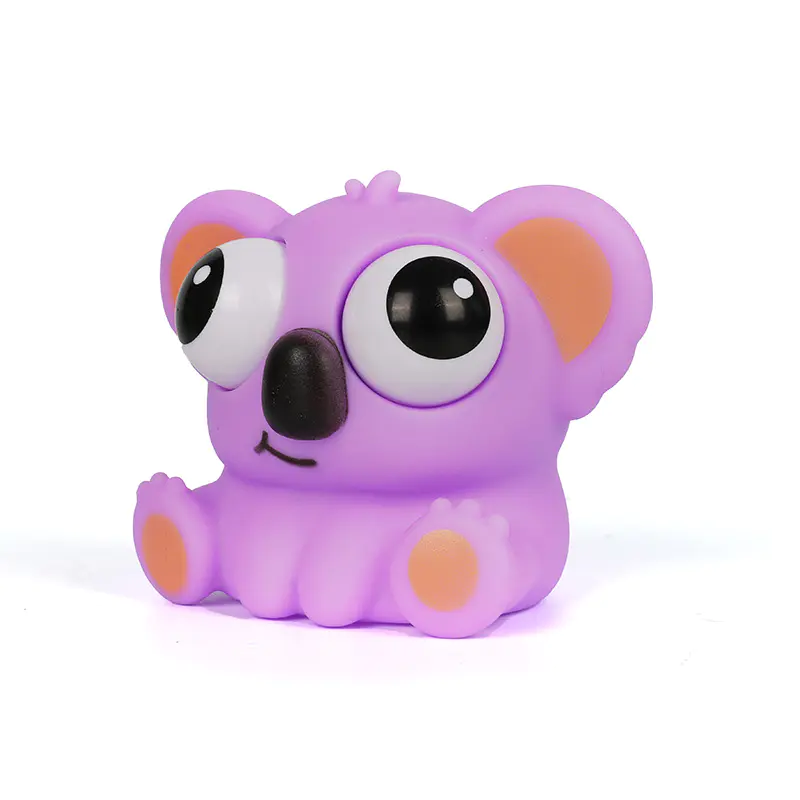
Cute Little Animal Series (Big-eyed)
Welcome to the enchanting world of our Cute Little Animal Series (Big-eyed), a delightful addition to our renowned Pop-eye Collection. These captivati...
View More -
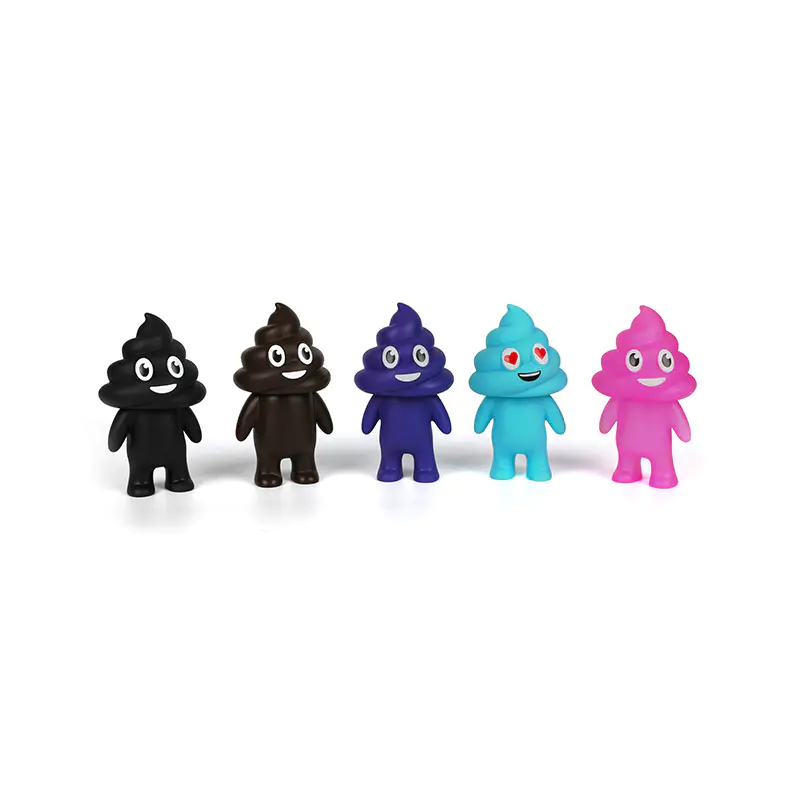
Poop People Series
Introducing the Poop People Series, a unique and playful line of collectible figures that bring humor and joy to toy collections everywhere. These qui...
View More -
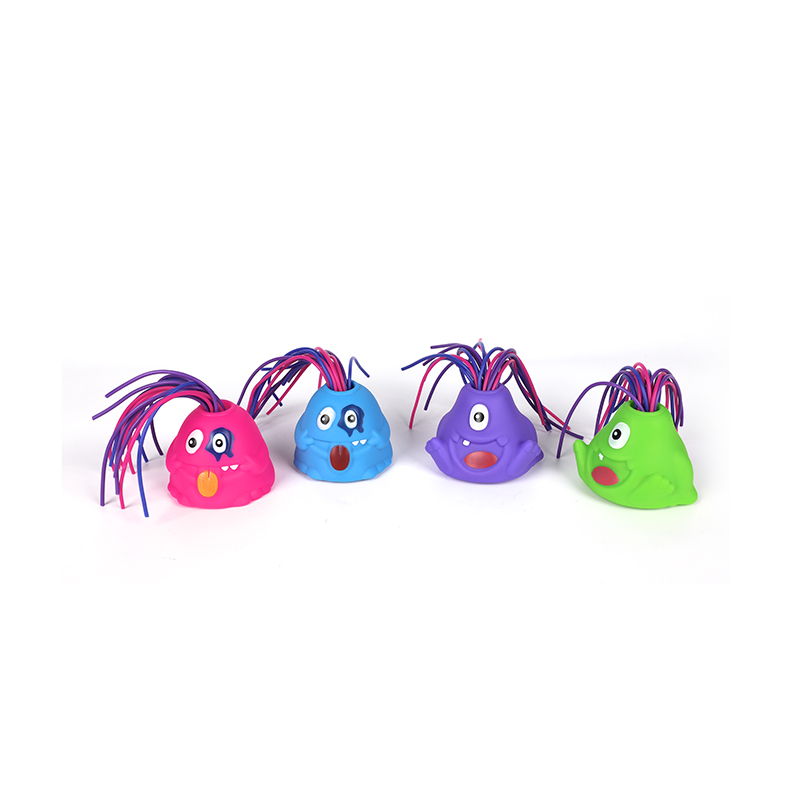
Fun Hair-Pulling Monster Stress Relief Anti-Anxiety Sound Toys
Laughter is one of the best ways to release stress, and Hair-Pulling Sound Toys are designed to do exactly that. These playful screaming monster figur...
View More -
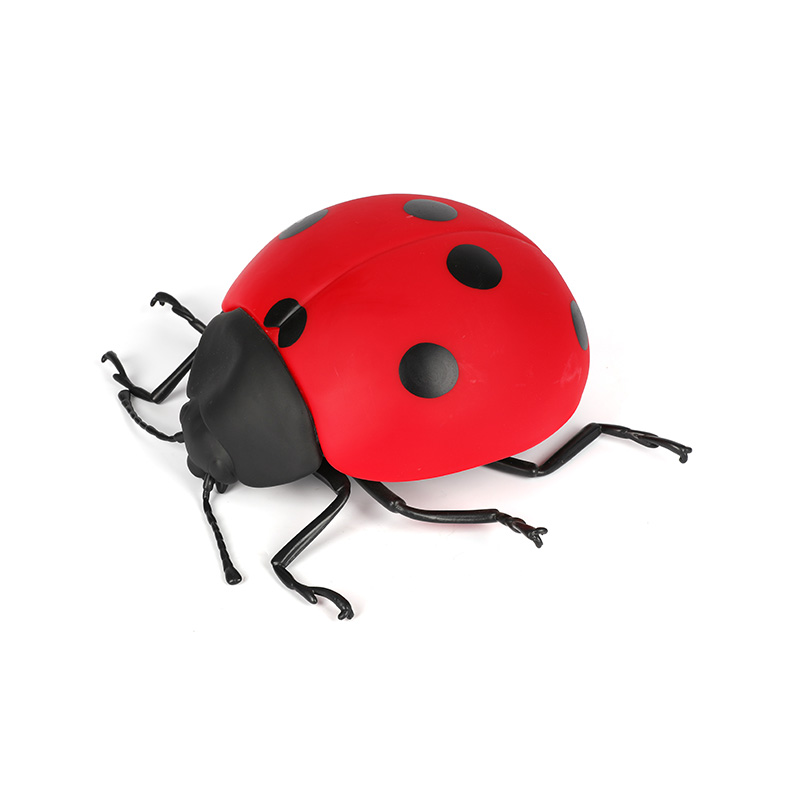
Beetle, Beetle Model Toys
Our Beetle Model Toys are pretty popular with kids and bug fans these days. We put real effort into making these beetle figures so they look detailed ...
View More -
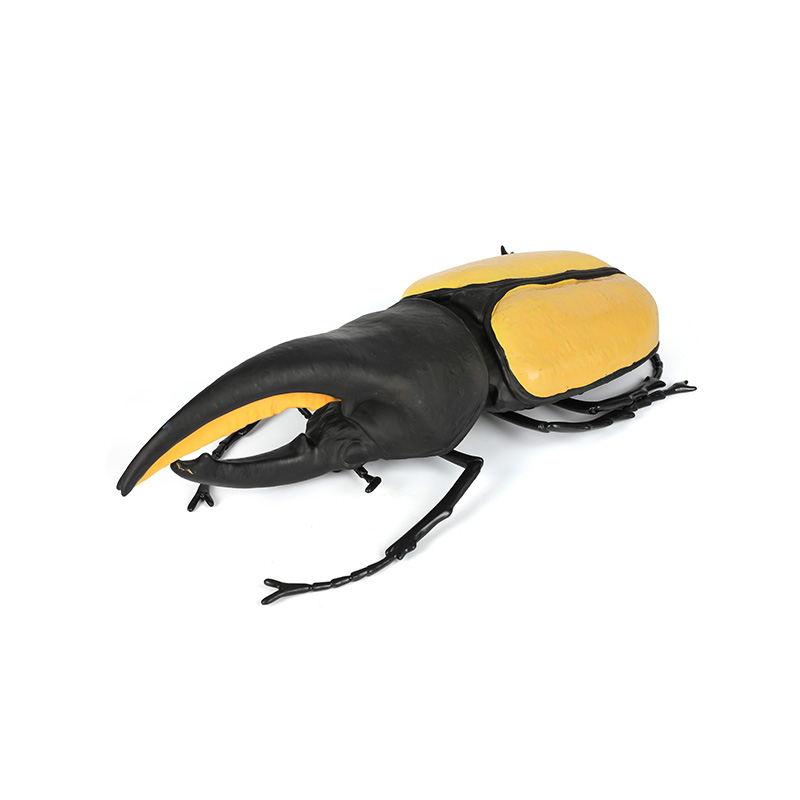
Beetle, Beetle Model Toys
Welcome to the world of Beetle Model Toys, where intricate design meets playful imagination. Our Beetle models are meticulously crafted to provide not...
View More -
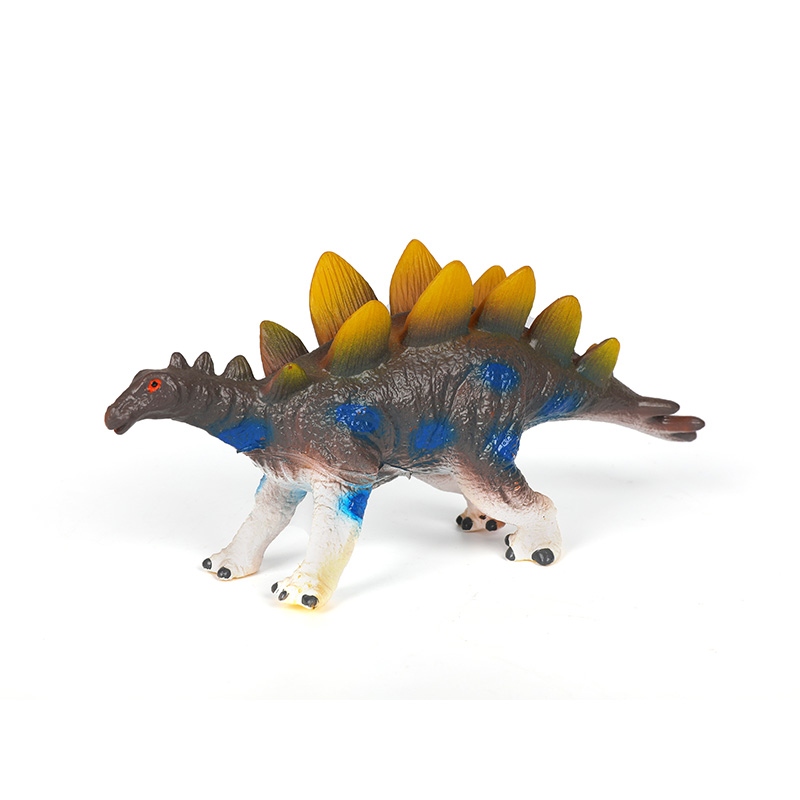
Diversity Series Dinosaur Model Puzzle Toys
Our Dinosaur Model Toys are really popular with kids these days. We make these dinosaur figures with a lot of care so they look real, help kids learn,...
View More
Copyright © Jinhua Blue Eagle Toys Technology Co., Ltd. All Rights
Reserved.

Information
-

+86 18072335560
-

-
 Weiyingsheng Industrial Co., Ltd., Yangbu Town Industrial Zone, Wucheng District, Jinhua City, Zhejiang Province
Links
Contact Us
Educational Model Toys Company