

 English
 English
 русский
 Español
- Type:
- Industry News
- Date
- 2026-May-15
Industry News
Home / News / Industry News / What Should Parents Consider Before Choosing Dinosaur Puzzle Toys For Kids
In many homes, toy choices are no longer just about what looks interesting. Parents tend to notice how a toy fits into daily routines, how long a child stays with it, and what happens during the play process itself. In this context, Dinosaur Puzzle Toys have started to appear more often in indoor play spaces.
A simple reason is that children are usually drawn to animal shapes, especially ones that feel unusual or unfamiliar. Dinosaurs have strong visual forms, which makes them easy to notice on a table or floor. When these shapes are turned into puzzle pieces, the activity becomes slower and more focused compared to fast-moving toys.
In real home situations, puzzle play often happens during quiet periods. A child may sit down with a box of pieces and slowly begin sorting them out. There is usually no rush. Pieces are turned, compared, and placed back again. This kind of movement is simple, but it naturally holds attention for a longer time.
Unlike toys that react quickly or make noise, puzzle activities depend more on thinking and patience. Children do not get immediate results. Instead, they try, adjust, and try again. This rhythm feels closer to everyday problem solving, even if it happens in a playful way.
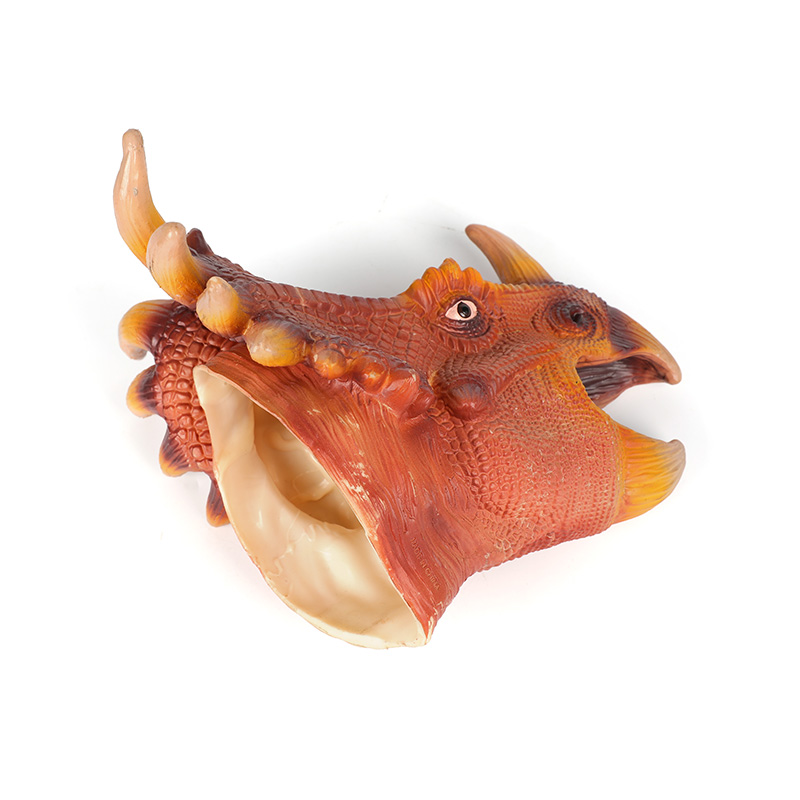
In daily family life, children of different ages rarely play in the same way. A puzzle that feels easy for one child may feel too confusing for another. Because of this, age becomes something parents naturally pay attention to, even without formal guidance.
Younger children often focus on simple recognition. They look at colors, shapes, and familiar outlines. If the puzzle is too detailed, they may lose interest quickly or switch to something else. At this stage, short attention periods are normal, and play tends to be more exploratory than structured.
As children grow, their approach changes. They begin to stay with a task for longer periods and start noticing details between pieces. They may also begin to organize pieces before trying to assemble them, instead of placing them randomly.
In many homes, parents observe behavior during play rather than relying on strict categories. For example:
These small behaviors often say more than general expectations.
A simple observation table used in real home settings:
| Play Behavior Seen at Home | What Parents Often Notice | Possible Interpretation |
|---|---|---|
| Quick start, quick stop | Short attention during task | Simpler puzzle may fit better |
| Repeated attempts | Interest but some difficulty | Moderate challenge level |
| Long continuous play | Stable focus period | More detailed structure may work |
Rather than forcing a fixed standard, many families adjust toy choice gradually based on how daily play actually feels.
When children sit down with a puzzle, the process usually starts with simple looking and touching. Pieces are turned in the hand, placed on the table, then compared with others nearby. At this stage, there is no fixed method. It is mostly exploration.
Dinosaur Puzzle Toys naturally encourage this kind of behavior because the image on the puzzle is not abstract. It has a clear shape that children can recognize and break down into smaller parts. This makes the matching process more visual and less abstract.
During play, children often go through a repeated cycle:
This repetition may seem simple, but it builds a habit of checking and adjusting. Over time, children start to slow down their decisions instead of rushing.
Another common behavior is grouping. Some children place pieces with similar colors or edges together before attempting assembly. This is not taught directly in most cases; it often appears naturally after repeated exposure.
Puzzle play also introduces small moments of pause. When a piece does not fit, children stop and think briefly before trying again. These pauses are small but important in shaping how they approach tasks.
In daily use, children do not treat toys carefully in a technical way. They hold, press, move, and sometimes drop pieces during play. Because of this, how a puzzle feels in the hand becomes part of the experience.
The surface of Dinosaur Puzzle Toys is usually designed to be handled repeatedly. If edges feel rough or uneven, children may lose comfort during longer play sessions. Smooth contact between fingers and pieces helps maintain focus on the activity itself rather than discomfort.
Visual clarity also matters in a practical sense. When colors and shapes on pieces are easy to distinguish, children can match them more quickly. If the image looks too crowded or unclear, they may spend more time guessing instead of recognizing patterns.
In real home environments, puzzle pieces are not always used on a flat table. They may be placed on carpets, floors, or even moved between rooms. This means the material needs to stay consistent in feel even after repeated handling.
When a Dinosaur Puzzle Toys set is opened at home, children usually do not think about design theory or learning structure. They simply pick up pieces and start turning them in their hands. In that moment, size and shape quietly decide how the whole activity will feel.
Larger pieces are easier to manage. They do not disappear under other pieces as easily, and children can see the full image without needing to squint or lean in too close. Smaller pieces change the rhythm completely. They slow things down, sometimes in a good way, sometimes making the child pause more often than expected.
Shape differences matter in a very practical sense. Some pieces almost "look" like they should fit together, but do not. Others feel obviously different once turned the right way. In daily use, children often rely on trial rather than certainty, especially in the early stage of play.
Cleanup is another part parents notice. After play, pieces rarely stay organized. If shapes are too similar, sorting becomes a longer process. If they are too varied, children may lose interest in restarting the puzzle later. These small details affect how often the toy is taken out again.
In many homes, puzzle time is not planned as a learning session. It usually starts casually. A box is opened on a table, and someone joins in. Slowly, it becomes a shared activity without anyone announcing it.
During these moments, conversation appears naturally. A child might say a piece "almost fits," or a parent might point quietly at a corner without giving a full answer. There is no fixed rule about how to help, and that flexibility is what makes the interaction feel relaxed.
Some patterns often appear during shared play:
What matters here is not speed. Some parts of the puzzle may sit untouched for a while before someone returns to them. That pause is normal and often part of how thinking develops during the activity.
Over time, this kind of shared puzzle work can become a quiet habit in the household, something that fits into free moments without needing preparation.
Before any piece is touched, the picture on the box already sets expectations. Dinosaur shapes tend to attract attention because they are unusual in form and easy to recognize even in broken parts.
But once the puzzle is on the table, visual clarity becomes more important than first impression. If colors are too close to each other or details are too dense, children may struggle to separate one area from another. This usually leads to more guessing than recognizing.
Clearer visual separation helps children notice patterns faster. It also makes it easier to return to the puzzle after a break, because parts of the image are easier to remember.
In daily use, children often rely on memory of small sections. A clearly defined shape or color area can act like a reference point. Without it, everything starts to feel similar, and matching becomes slower.
Inside the home, puzzle play rarely happens in a fixed setup. One day it might be on a table, another day on the floor, sometimes even moved between rooms. The space is flexible, but it still needs enough room for spreading pieces out.
As play continues, pieces slowly move away from the center. This is normal. Children search, push pieces aside, and form small groups without realizing it. Over time, the play area expands naturally.
Interruptions are also part of real use. A child may stop mid-way, leave the puzzle, and come back later. If the setup is too complicated to restart, interest may fade. Simpler layouts make it easier to continue without losing progress.
In many households, puzzle time fits between other daily activities rather than replacing them. It becomes something that can be started and stopped without pressure.
One common situation is choosing based mainly on appearance. A puzzle may look interesting because of its dinosaur theme, but if the structure is too complex for the child’s current ability, the experience may become uneven.
Another issue is expecting steady progress. In real use, children do not always move forward in a straight line. Some pieces are placed quickly, others take longer, and some are tried many times before fitting.
Storage is often overlooked. After play, pieces need to be gathered and kept together. If this step feels tiring, the toy may stay unused for longer periods.
A few typical mismatches seen in daily use:
These are not strict rules, but they appear often in everyday home situations.
Support during puzzle time does not need to be active all the time. In many cases, simply being nearby is enough. Children often try first on their own, then look for confirmation or small hints.
Instead of placing pieces directly, small guidance tends to work better in daily use. A simple direction toward an edge or a suggestion to compare shapes keeps the child involved in the thinking process.
Mistakes are part of the activity. A piece placed incorrectly is usually removed and tried again in another position. This repetition is normal and slowly builds familiarity with patterns.
Common supportive behaviors at home include:
Puzzle time does not need to be completed in one continuous flow. It can pause and continue later, depending on interest and attention at the moment.
Over time, puzzle activity often becomes something familiar rather than something new. Children return to it during quiet moments, not because it is required, but because it feels like a known way to spend time.
One noticeable change is how they approach problems. Instead of rushing, they tend to check more carefully before placing a piece. This habit usually develops slowly through repeated exposure to similar tasks.
Attention also shifts. Small details like edges, colors, and shapes start to stand out more naturally during play. Even outside puzzle time, children may begin noticing visual differences more easily.
In many homes, puzzle play becomes part of a quiet routine. It is not loud or fast, and it does not require constant direction. It simply sits in the background as an option that can be used when needed.
Dinosaur Puzzle Toys, in this sense, become less about the object itself and more about the repeated experience of sitting down, trying, adjusting, and continuing at a comfortable pace.
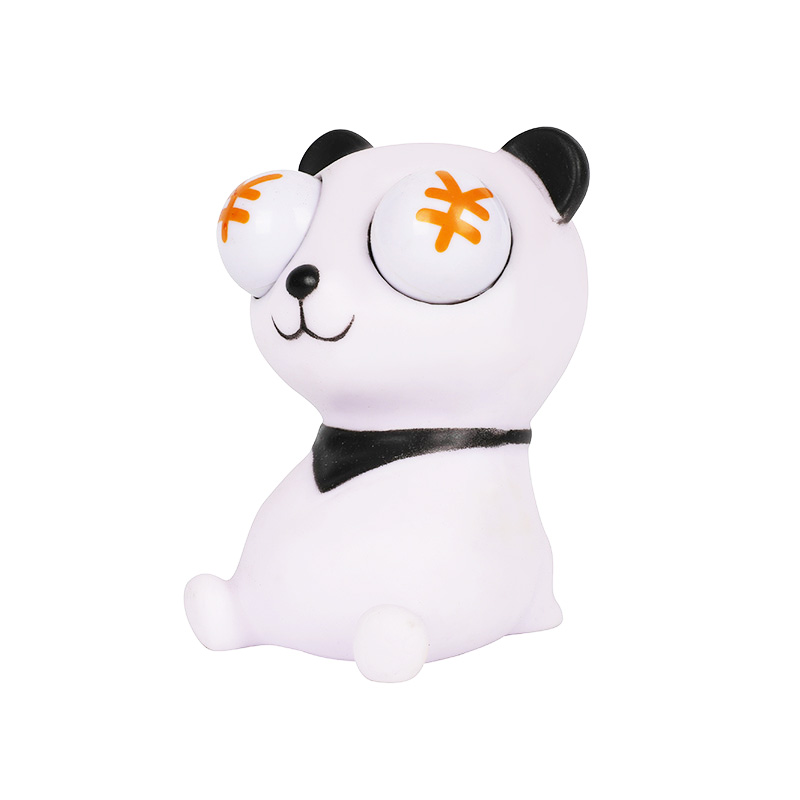
Enter the whimsical world of the Pop-eye series with our delightful creation, the Pop-eyed Panda. Designed to bring joy and relieve stress, this squee...
View More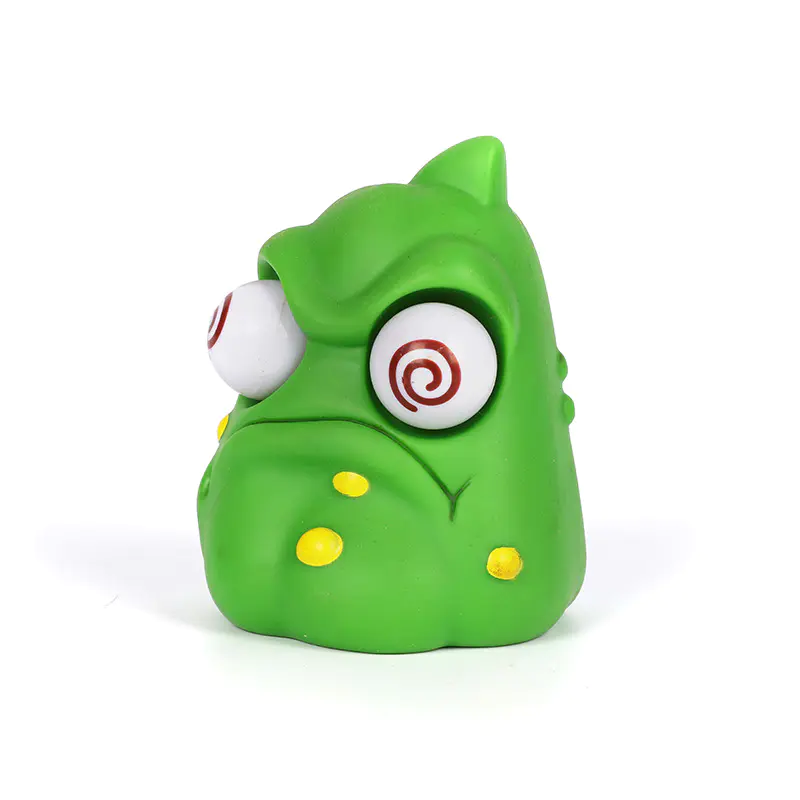
Step into the whimsical world of the Pop-eye series, where fun and functionality collide to bring you the Staring Glowing Decompression Series. These ...
View More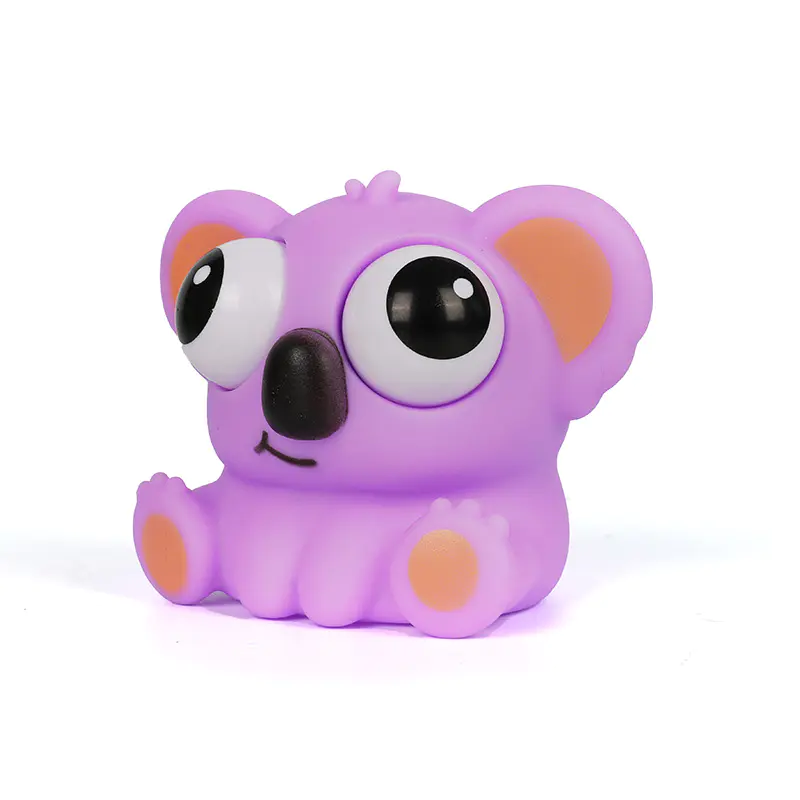
Welcome to the enchanting world of our Cute Little Animal Series (Big-eyed), a delightful addition to our renowned Pop-eye Collection. These captivati...
View More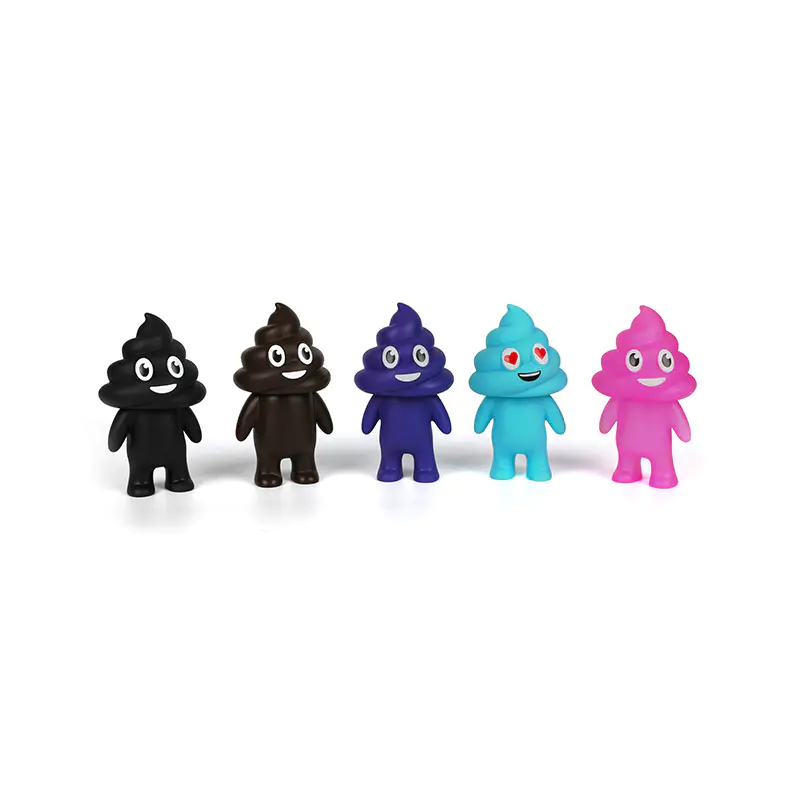
Introducing the Poop People Series, a unique and playful line of collectible figures that bring humor and joy to toy collections everywhere. These qui...
View More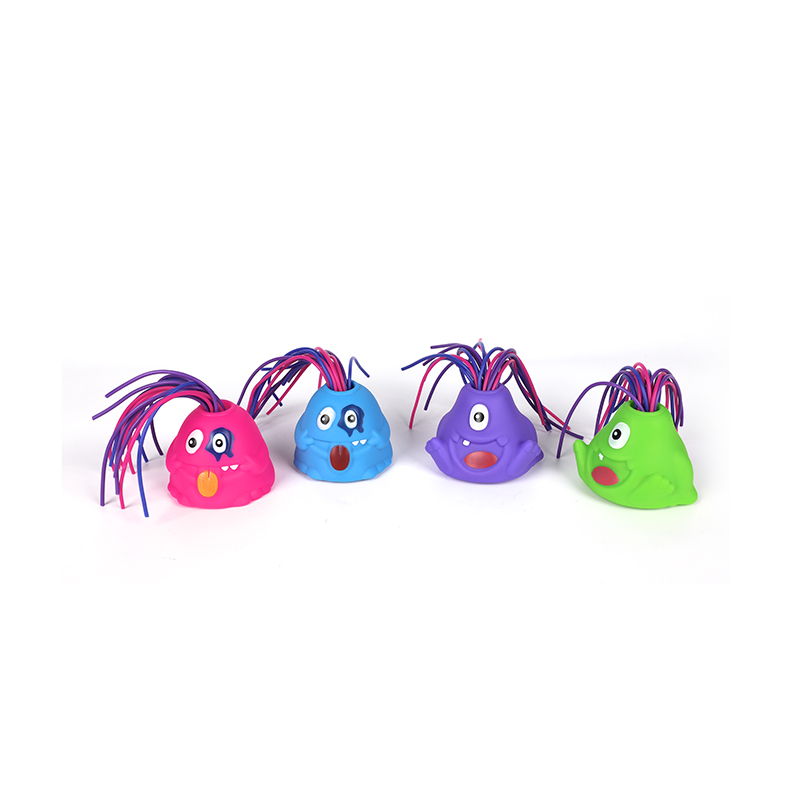
Laughter is one of the best ways to release stress, and Hair-Pulling Sound Toys are designed to do exactly that. These playful screaming monster figur...
View More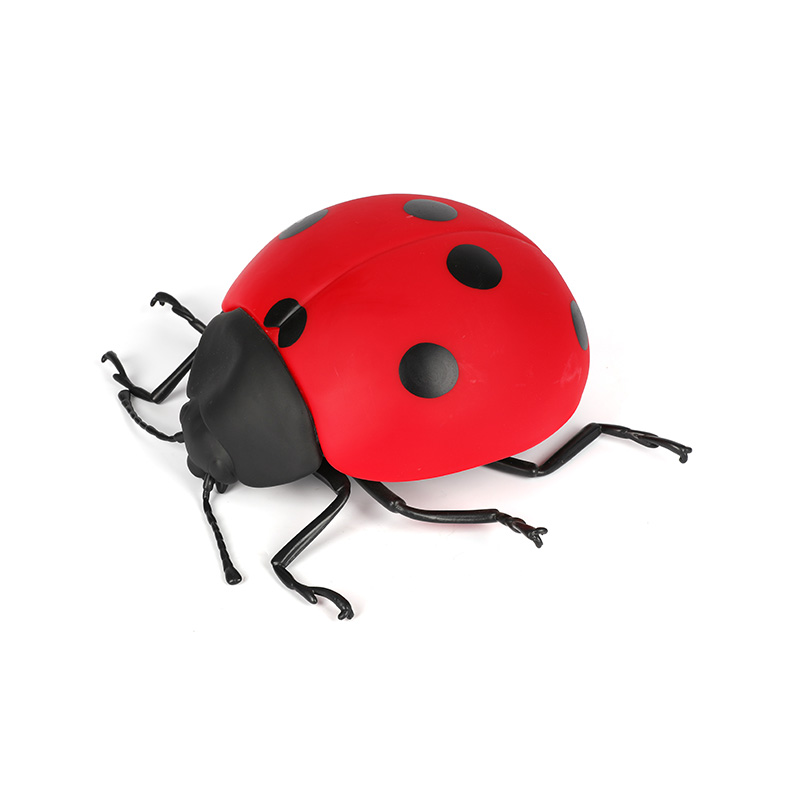
Our Beetle Model Toys are pretty popular with kids and bug fans these days. We put real effort into making these beetle figures so they look detailed ...
View More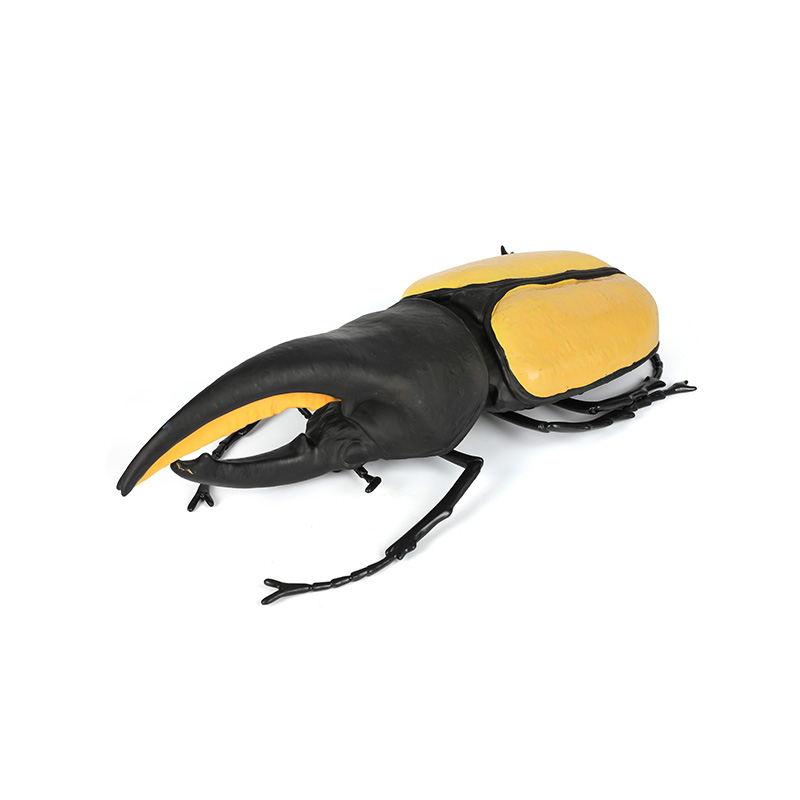
Welcome to the world of Beetle Model Toys, where intricate design meets playful imagination. Our Beetle models are meticulously crafted to provide not...
View More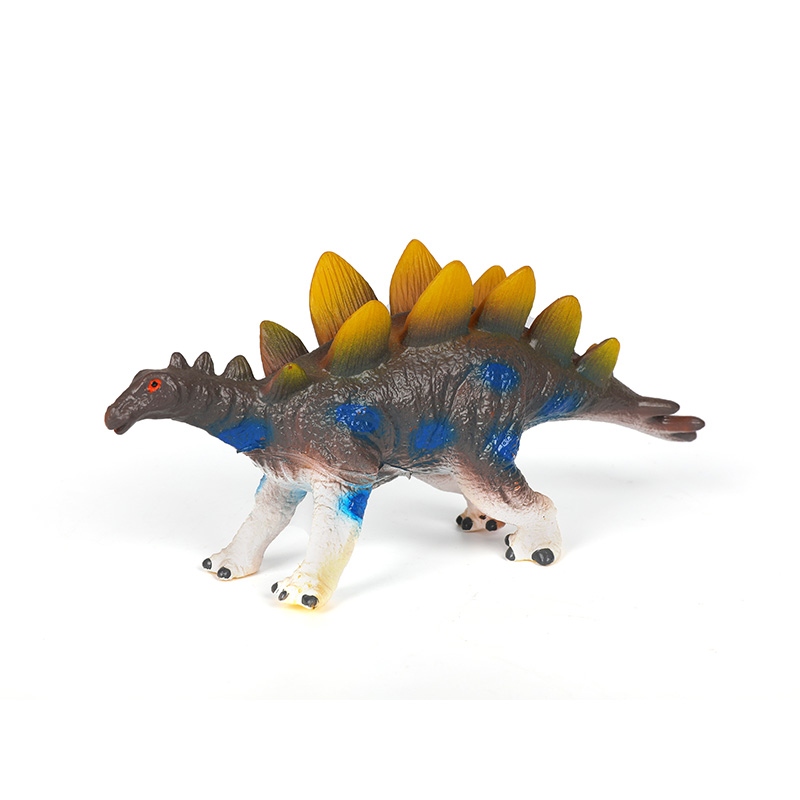
Our Dinosaur Model Toys are really popular with kids these days. We make these dinosaur figures with a lot of care so they look real, help kids learn,...
View More
Copyright © Jinhua Blue Eagle Toys Technology Co., Ltd. All Rights
Reserved.


+86 18072335560


Educational Model Toys Company