

 English
 English
 русский
 Español
- Type:
- Industry News
- Date
- 2026-May-22
Industry News
Home / News / Industry News / Which Skills Can Children Develop From Beetle Ride On Toy Movement Practice
Childhood movement usually starts before any structured learning. Running, pushing, turning, stopping, all of it appears naturally in daily behavior. A Beetle Ride On Toy fits into that stage in a very direct way. Sitting on it, pushing with feet, changing direction through simple steering, all actions happen through the body rather than explanation.
Movement like this builds a small loop. Action happens, the body feels the result, then adjustment follows. That loop repeats again and again during play.
In many home settings or open play spaces, such movement becomes part of routine activity. A hallway, a living room, a yard path, each surface gives a slightly different response to motion. The child slowly starts noticing those differences without being told.
Skill areas often shaped during such movement include:
Nothing feels formal. Learning appears inside movement rather than outside it.
A Beetle Ride On Toy is a simple movement object designed for sitting and pushing. The child sits low, places feet on the ground, and controls motion through leg push and steering adjustment.
There is no fixed speed. Movement depends on effort, surface, and timing. That makes every ride slightly different.
Common usage appears in:
Main interaction points:
The toy does not guide the child. The child learns through reaction to movement.
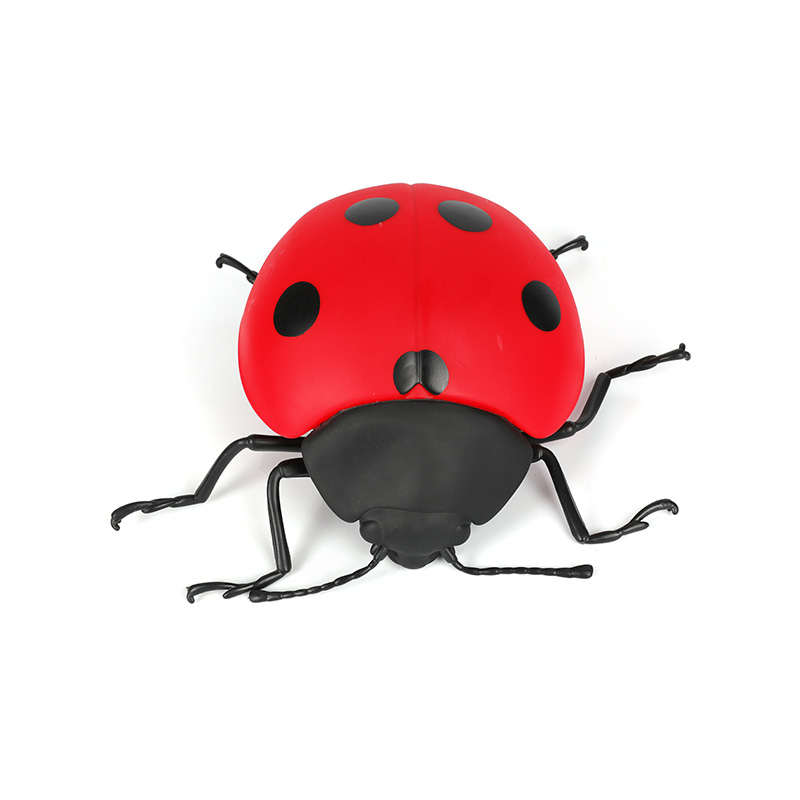
Coordination develops when different parts of the body stop working separately and start working together. With ride on movement, legs, hands, and posture adjust at the same time.
At the beginning, movement often feels uneven. One push may be stronger than another, steering may lag behind direction change. Over time, the body begins to organize those actions.
Gradual changes often include:
A simple observation from daily play: when coordination improves, movement looks calmer even if speed stays similar.
Motor development during ride on play involves large muscle groups first, then smaller control adjustments.
Gross movement appears in:
Fine adjustment appears in:
A simple comparison of early and later movement behavior:
| Movement Aspect | Early Behavior | Gradual Change |
|---|---|---|
| Start movement | uneven push | smoother start |
| Steering | delayed turn | quicker response |
| Balance | frequent shifting | steadier posture |
| Stop control | sudden stop | gradual slowing |
Motor learning does not follow a fixed pattern. It builds through repetition that feels like normal play.
Space awareness develops when movement and direction become connected in the mind. A Beetle Ride On Toy creates many small decisions about direction.
Each turn or straight path creates a choice point:
Over time, the child starts to notice space around the body instead of only focusing on the toy. Doorways, furniture edges, open space, all become part of movement planning.
Spatial understanding begins to feel natural. No need for explanation. The body learns through repeated navigation.
Balance is constantly tested during seated motion. Even when movement feels simple, the body keeps adjusting.
During play, balance practice appears in:
Early movement often includes pauses to regain stability. Later movement shows fewer interruptions, with smaller corrections happening while still moving.
Balance learning becomes less visible over time, yet remains active in background adjustments.
Thinking and movement begin to connect during repeated play. Decisions are small, yet constant.
Examples include:
Each action creates a simple pattern of cause and effect. Push leads to motion. Turn leads to new direction. Stop leads to pause.
Over time, prediction starts to appear. The child begins expecting what happens after certain actions, even without verbal instruction.
When more than one child uses movement toys in the same space, interaction appears naturally.
Common behavior includes:
Movement becomes part of shared rhythm. No formal rules needed at the beginning, yet children begin to adjust behavior based on others nearby.
Sensory learning happens through repeated contact with movement and environment.
Key areas include:
Different floors or outdoor surfaces change how movement feels. The child starts noticing those changes gradually, not instantly.
Indoor and outdoor spaces create different learning patterns.
Indoor movement often feels:
Outdoor movement often feels:
Both environments contribute differently. One builds control, the other builds adaptation.
Attention during movement play rarely stays in one place. It shifts between the ground ahead, the steering motion, and the feeling of balance under the body. A Beetle Ride On Toy keeps all of these signals active at the same time.
At the beginning, attention breaks often. Small sounds or visual changes pull focus away from movement. Steering may pause. Feet may stop pushing for a moment. After some repetition, focus begins to return to motion more easily.
A simple pattern appears over time:
Attention does not become fixed. It becomes more stable while still moving.
Thinking during ride on movement is not formal. It happens in small reactions.
A child may face simple situations such as:
Each moment brings a small decision. Stop, turn, slow down, or continue. No instruction guides these choices. Body feedback becomes the main reference.
After repeated experience, some behaviors begin to appear:
Thinking becomes connected to motion instead of separate from it.
Emotional reactions during movement often follow physical results.
At early stage, movement may feel uncertain. Small imbalance or missed turns can create hesitation. After repeated practice, reactions begin to shift.
Common emotional changes include:
Emotion and movement start to influence each other. When movement feels easier, emotional state often becomes more relaxed. When movement feels difficult, attention becomes sharper.
This link builds gradually without explanation or instruction.
Independence does not appear in one step. It builds through repeated self-control during play.
A Beetle Ride On Toy allows full control of movement:
At early stage, children may pause often or look for guidance. After repeated experience, movement becomes more self-driven.
Small signs of independence include:
Control slowly shifts from external support to internal decision.
Skills developed during movement play often show up later in normal activity without being noticed directly.
Examples from daily behavior:
These changes do not appear as separate skills. They blend into natural movement habits.
A child who spends time in ride on movement often becomes more aware of physical space during simple walking or running.
Repetition is where learning quietly settles into the body. Each ride looks similar, yet never exactly the same. Small differences in speed, surface, or direction create new feedback.
Through repetition:
At first, repetition may seem like simple play. Over time, it becomes structure. The body remembers patterns without needing conscious effort.
Movement creates constant feedback between senses and action.
A simple flow appears:
Early stage often shows delay between seeing and reacting. Later stage feels smoother, almost automatic in small actions.
This connection supports other physical tasks outside play, especially those involving balance and direction.
With continued ride on activity, movement becomes more organized without losing flexibility.
Changes often include:
Movement no longer feels separated into steps. It becomes a continuous flow of small adjustments.
A Beetle Ride On Toy does not teach through instruction or structured lessons. Learning happens inside movement itself.
Coordination, balance, attention, spatial awareness, and emotional response all develop through repeated experience. Each ride adds small adjustments to body control and decision-making.
Over time, movement becomes less about effort and more about comfort in space and motion.
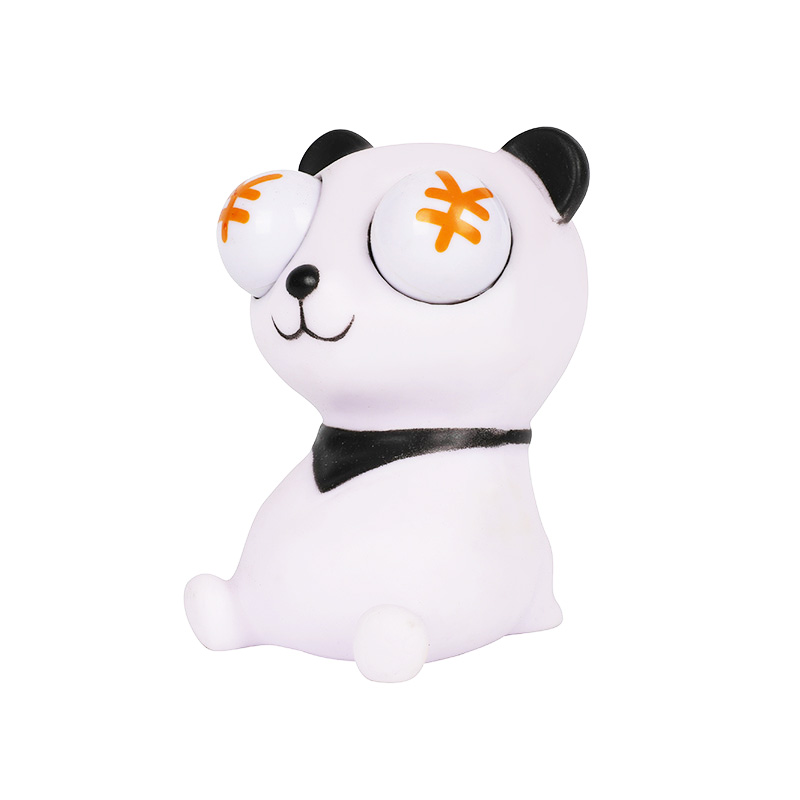
Enter the whimsical world of the Pop-eye series with our delightful creation, the Pop-eyed Panda. Designed to bring joy and relieve stress, this squee...
View More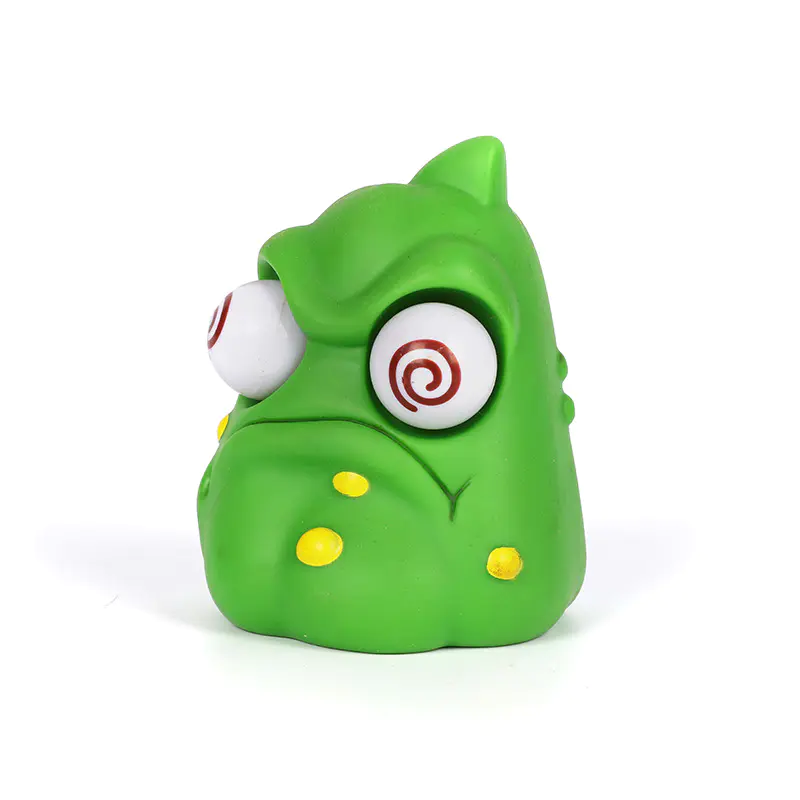
Step into the whimsical world of the Pop-eye series, where fun and functionality collide to bring you the Staring Glowing Decompression Series. These ...
View More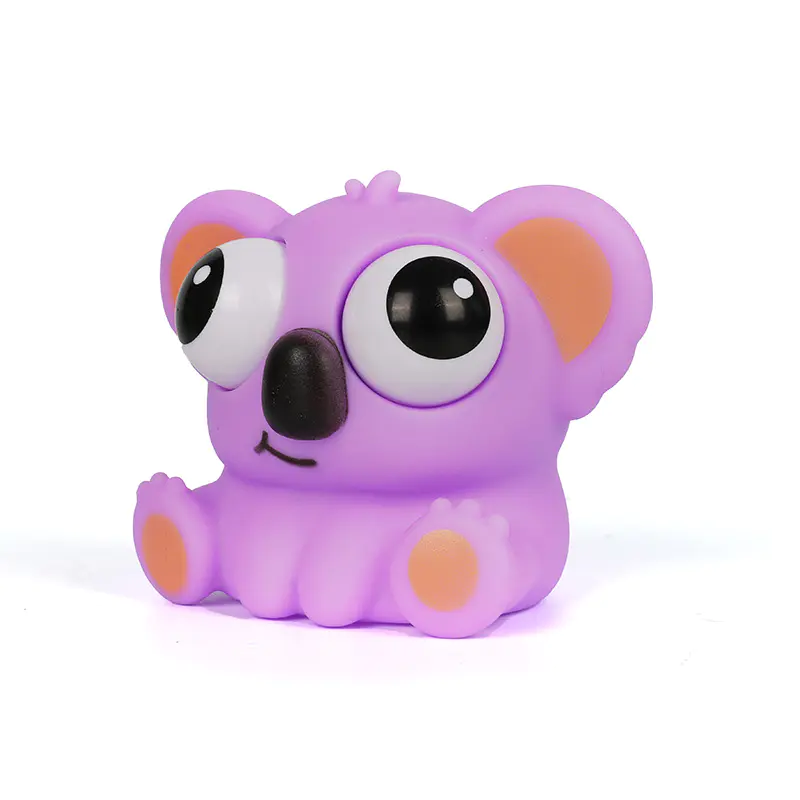
Welcome to the enchanting world of our Cute Little Animal Series (Big-eyed), a delightful addition to our renowned Pop-eye Collection. These captivati...
View More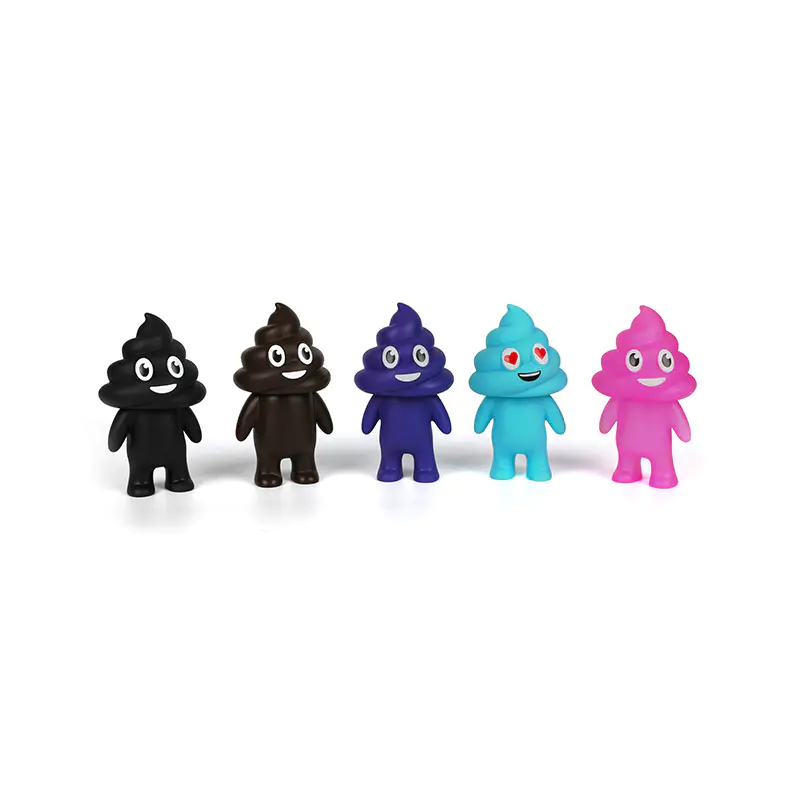
Introducing the Poop People Series, a unique and playful line of collectible figures that bring humor and joy to toy collections everywhere. These qui...
View More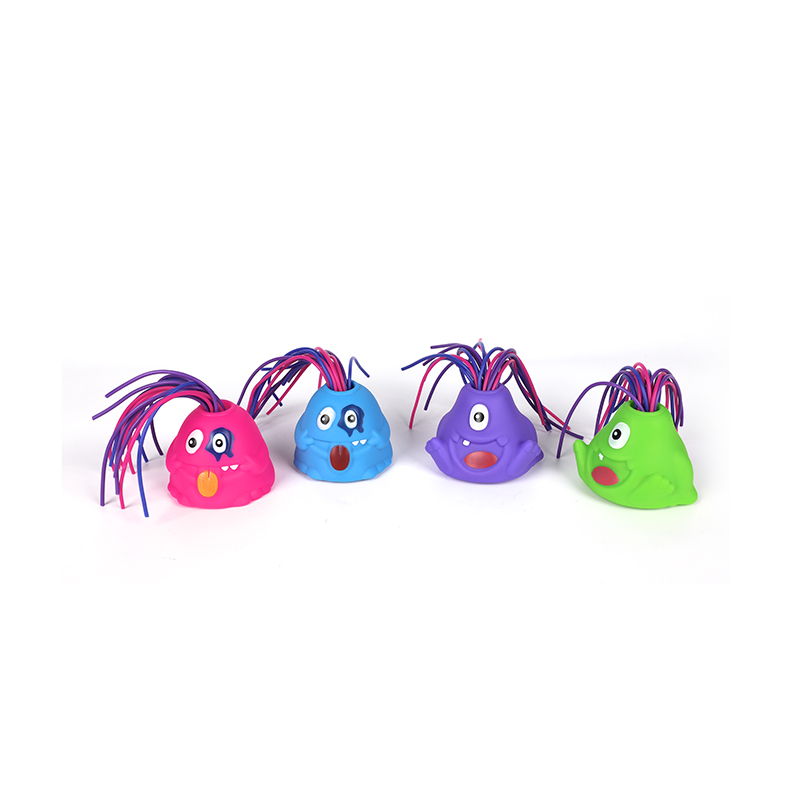
Laughter is one of the best ways to release stress, and Hair-Pulling Sound Toys are designed to do exactly that. These playful screaming monster figur...
View More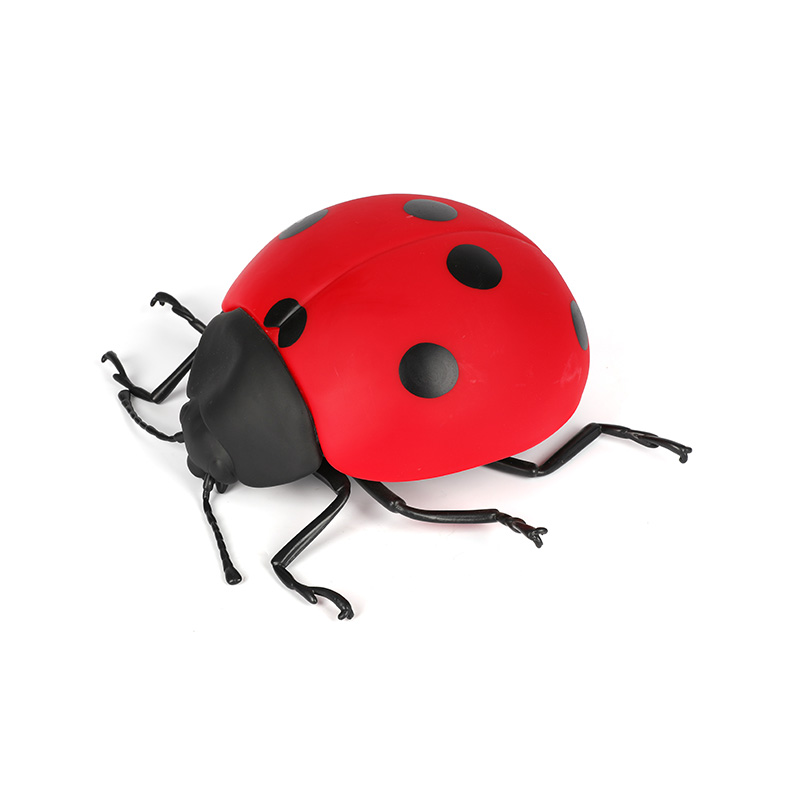
Our Beetle Model Toys are pretty popular with kids and bug fans these days. We put real effort into making these beetle figures so they look detailed ...
View More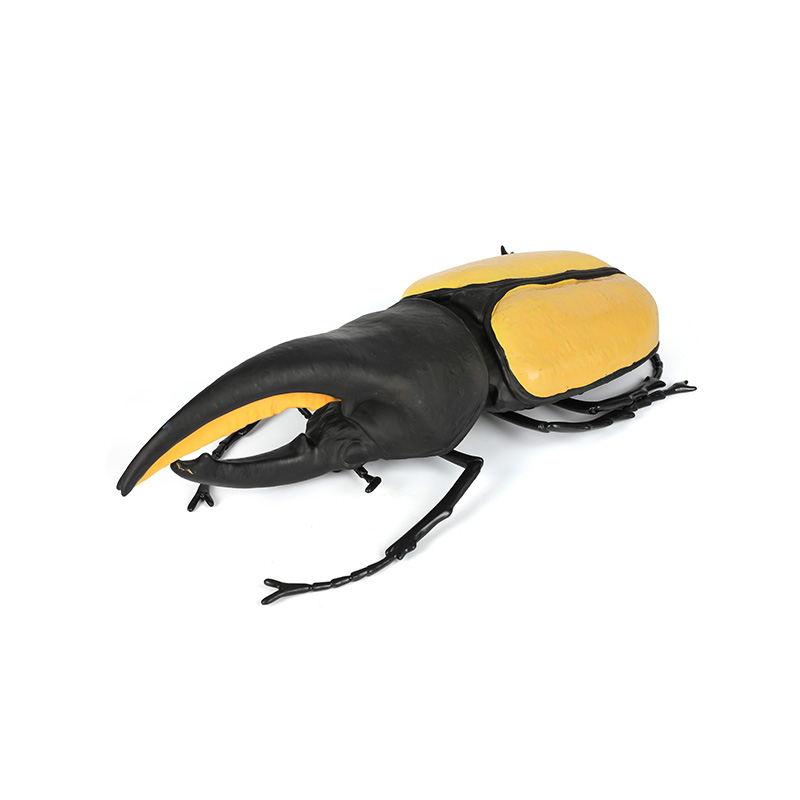
Welcome to the world of Beetle Model Toys, where intricate design meets playful imagination. Our Beetle models are meticulously crafted to provide not...
View More
Our Dinosaur Model Toys are really popular with kids these days. We make these dinosaur figures with a lot of care so they look real, help kids learn,...
View More
Copyright © Jinhua Blue Eagle Toys Technology Co., Ltd. All Rights
Reserved.


+86 18072335560


Educational Model Toys Company