

 English
 English
 русский
 Español
- Type:
- News
- Date
- 2026-Feb-20
News
Operational Insights into a Modern Pet Toy Factory
Understanding the Diverse Pet Toy Market
A contemporary pet toy factory operates within a complex and segmented market, catering to the instinctual and behavioral needs of different animal species, primarily dogs and cats. The product range is vast, spanning from durable chew toys and interactive puzzles for dogs to feather wands and motorized mice for cats. The operation of a pet toy factory is driven by an understanding of animal psychology, pet owner concerns (such as safety and enrichment), and strong retail trends. It must balance the creation of engaging products that withstand rigorous use with stringent safety standards and cost-effective production to serve a competitive consumer goods sector.
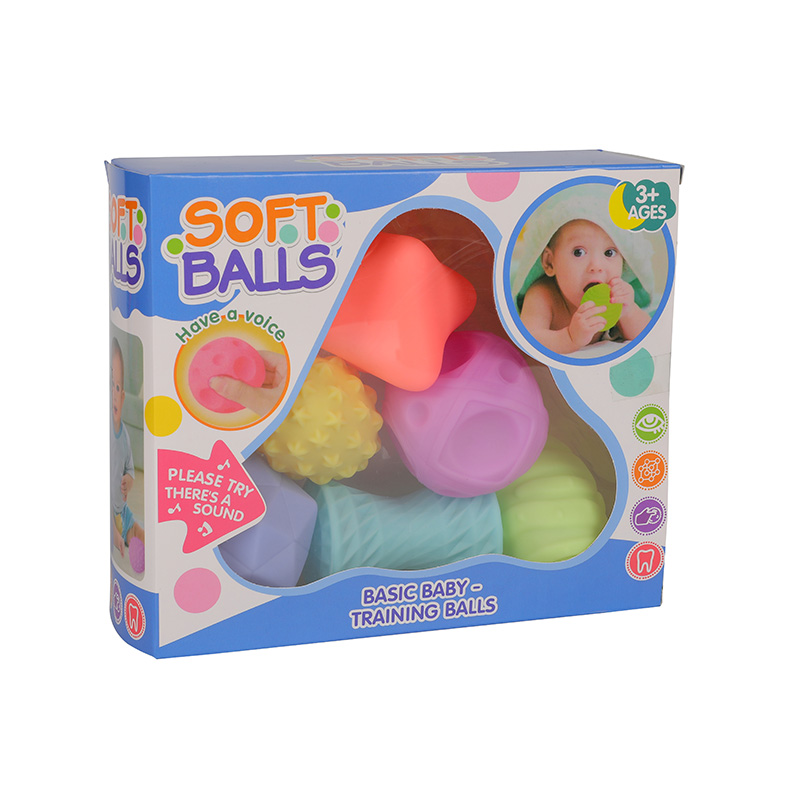
Material Safety and Durability Engineering
The foremost priority for a pet toy factory is material safety and product integrity. Materials must be non-toxic, free of harmful chemicals like BPA or phthalates, and durable enough to resist destruction without creating hazardous shards or choking hazards. For chew toys, this involves using food-grade rubber, nylon, or specially formulated plastics that can withstand repeated gnawing. For plush toys, robust stitching, double-reinforced seams, and safe, non-ingestible fillings are essential. The factory's R&D and quality control teams rigorously test materials for tensile strength, puncture resistance, and safety compliance with international standards, ensuring that every toy leaving the pet toy factory poses minimal risk while offering maximum engagement.
Design and Production Process Integration
Design in a pet toy factory merges functionality with appeal. For pets, this means shapes, textures, and sounds that trigger natural behaviors (shaking, chasing, pouncing). For owners, it involves aesthetics and features like treat-dispensing mechanisms or interactive elements. Production integrates various processes: injection molding for hard rubber balls, blow molding for lightweight plastic items, cutting and sewing for plush toys, and assembly for complex interactive puzzles. An efficient pet toy factory streamlines these lines, often using automation for high-volume items like tennis balls while retaining skilled handwork for detailed plush assembly. The entire process is geared toward creating durable, enticing products at scales ranging from small boutique batches to mass-market volumes.
Innovation and Enrichment-Focused Development
Innovation is key to standing out. A forward-thinking pet toy factory invests in developing toys that provide mental stimulation and address specific owner concerns, such as separation anxiety or weight management. This includes puzzle feeders that slow down eating, electronically activated toys that mimic prey movement, and durable chew toys designed to promote dental health. The factory may collaborate with veterinarians or animal behaviorists to validate product concepts. This focus on enrichment transforms the pet toy factory from a simple manufacturer into a provider of pet wellness solutions, adding significant value to its product lines and building brand loyalty among discerning pet owners.
Supply Chain, Branding, and Retail Strategy
The commercial success of a pet toy factory depends on agile supply chain management and effective branding. It must source safe, consistent raw materials globally and manage inventory of seasonal or trend-driven products. Branding strategies vary from creating a house brand for major retailers to producing private-label goods or licensing popular characters. Packaging must be eye-catching, clearly communicate the toy's purpose and safety features, and withstand the rigors of shipping and retail display. The factory's sales and distribution network must navigate channels ranging from large pet store chains and online marketplaces to independent pet boutiques and veterinary clinics, requiring flexibility and robust logistical planning to ensure products are available where and when consumers seek them.
Related Products
-
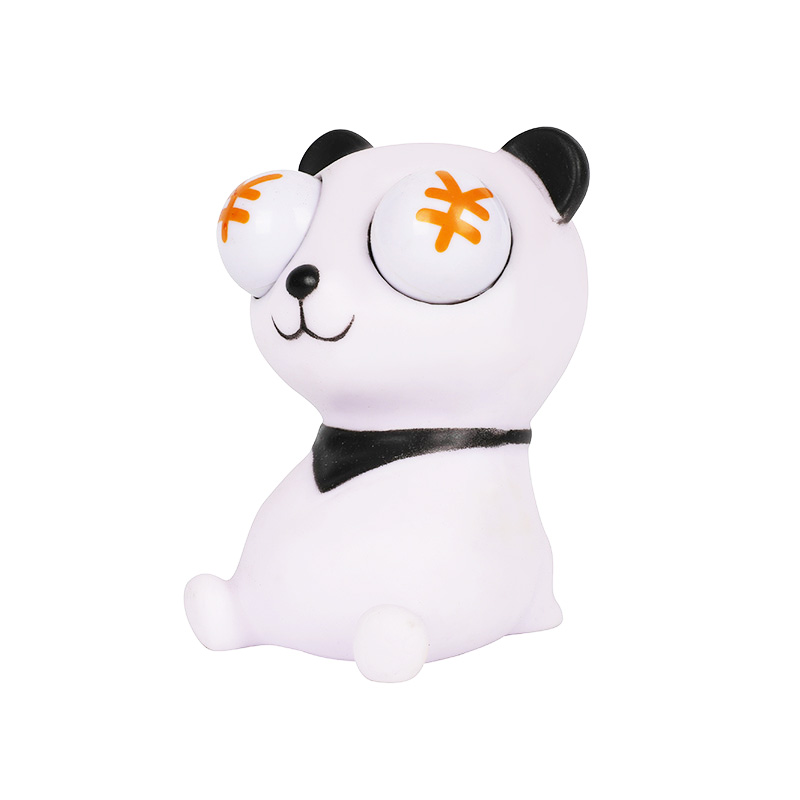
Pop-eyed Panda
Enter the whimsical world of the Pop-eye series with our delightful creation, the Pop-eyed Panda. Designed to bring joy and relieve stress, this squee...
View More -
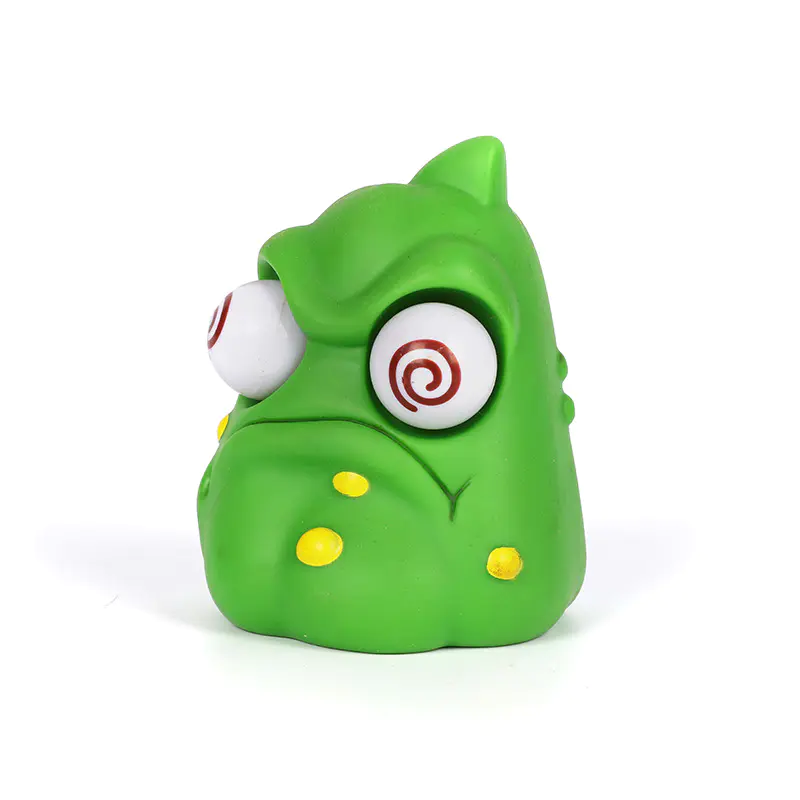
Staring Glowing Decompression Series
Step into the whimsical world of the Pop-eye series, where fun and functionality collide to bring you the Staring Glowing Decompression Series. These ...
View More -
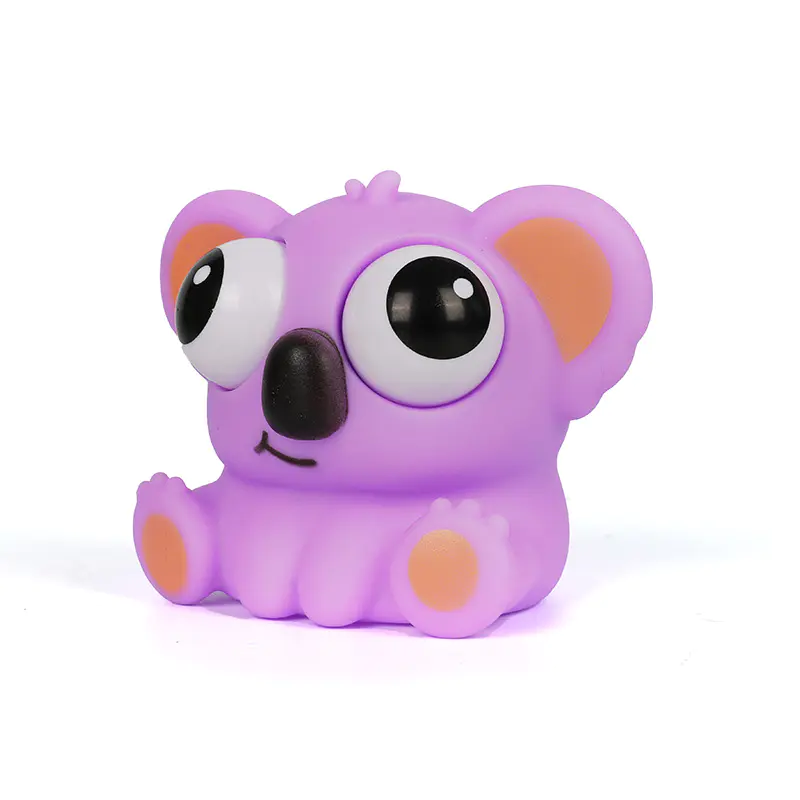
Cute Little Animal Series (Big-eyed)
Welcome to the enchanting world of our Cute Little Animal Series (Big-eyed), a delightful addition to our renowned Pop-eye Collection. These captivati...
View More -
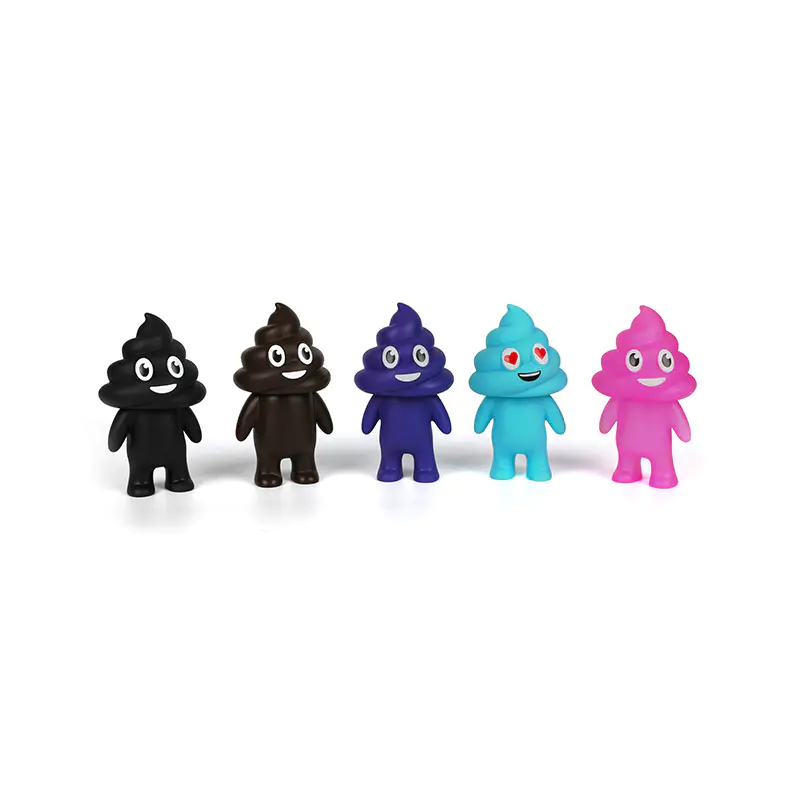
Poop People Series
Introducing the Poop People Series, a unique and playful line of collectible figures that bring humor and joy to toy collections everywhere. These qui...
View More -
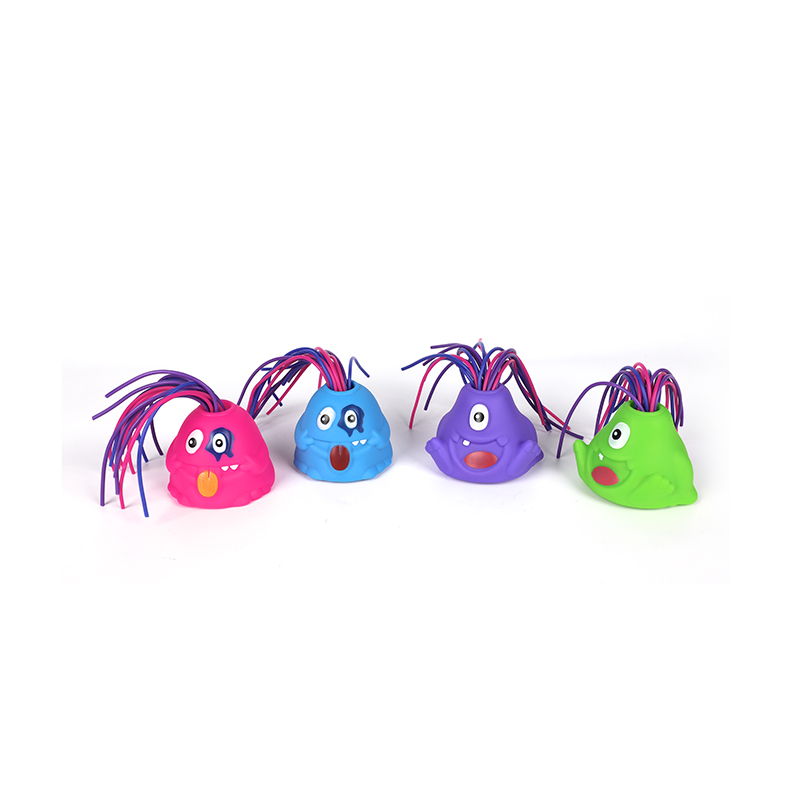
Fun Hair-Pulling Monster Stress Relief Anti-Anxiety Sound Toys
Laughter is one of the best ways to release stress, and Hair-Pulling Sound Toys are designed to do exactly that. These playful screaming monster figur...
View More -
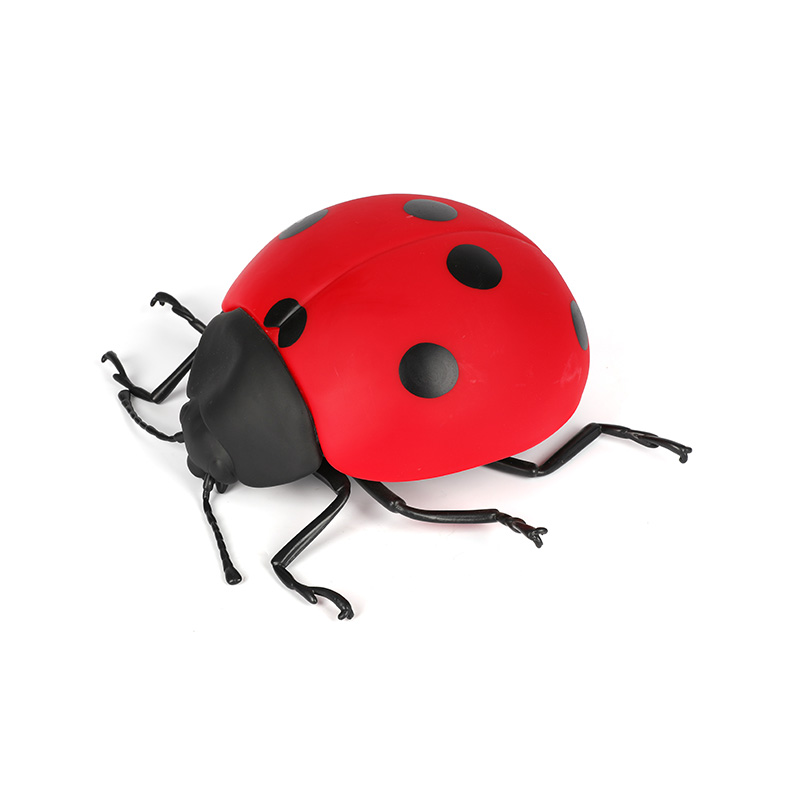
Beetle, Beetle Model Toys
Our Beetle Model Toys are pretty popular with kids and bug fans these days. We put real effort into making these beetle figures so they look detailed ...
View More -
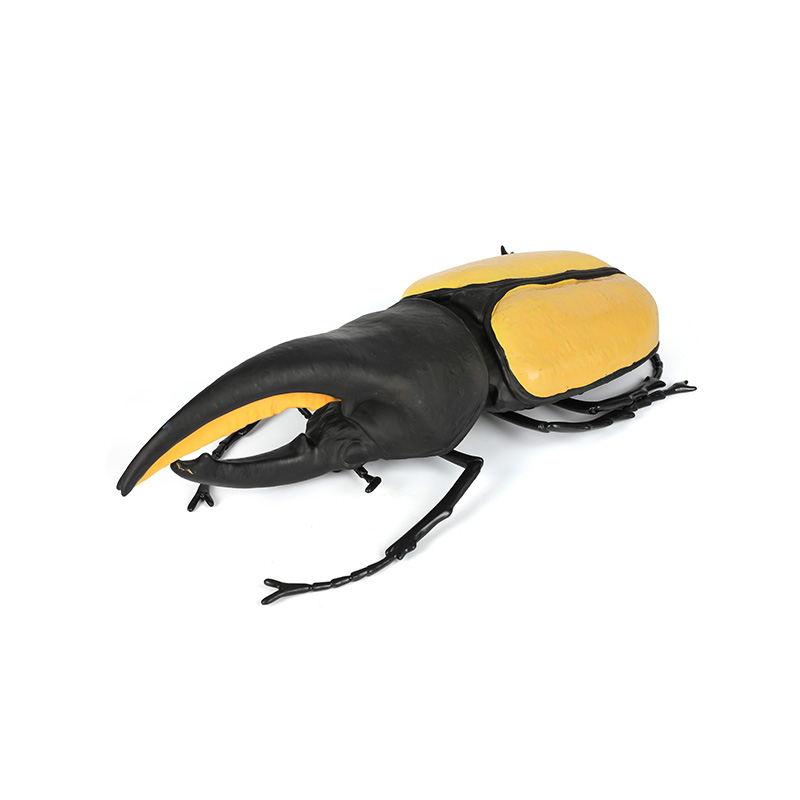
Beetle, Beetle Model Toys
Welcome to the world of Beetle Model Toys, where intricate design meets playful imagination. Our Beetle models are meticulously crafted to provide not...
View More -
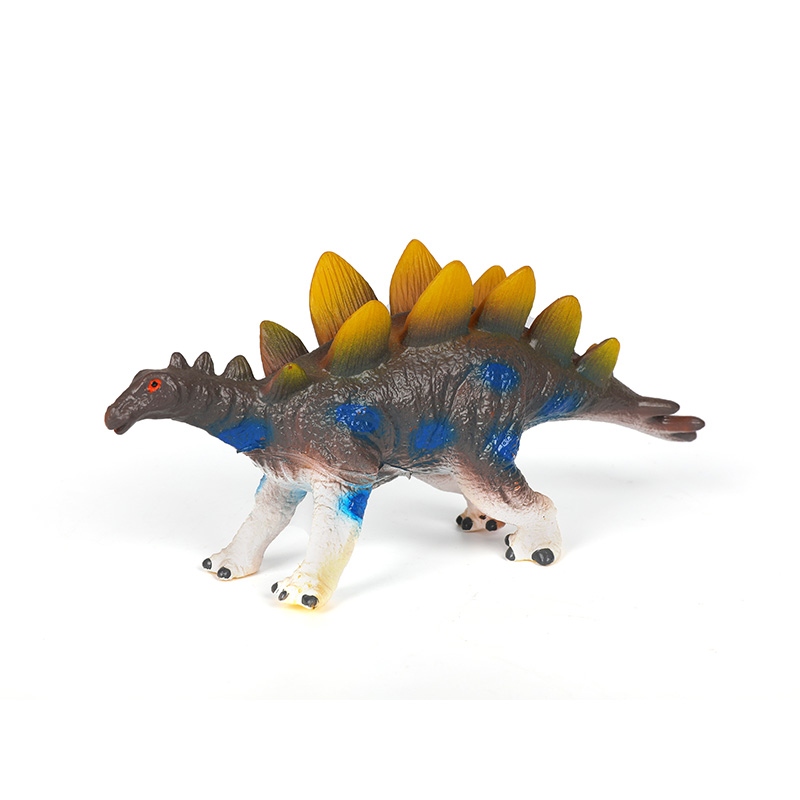
Diversity Series Dinosaur Model Puzzle Toys
Our Dinosaur Model Toys are really popular with kids these days. We make these dinosaur figures with a lot of care so they look real, help kids learn,...
View More
Copyright © Jinhua Blue Eagle Toys Technology Co., Ltd. All Rights
Reserved.

Information
-

+86 18072335560
-

-
 Weiyingsheng Industrial Co., Ltd., Yangbu Town Industrial Zone, Wucheng District, Jinhua City, Zhejiang Province
Links
Contact Us
Educational Model Toys Company