

 English
 English
 русский
 Español
- Type:
- News
- Date
- 2026-Feb-24
News
Production and Compliance Framework of a Screaming Toys Factory
Defining the Screaming Toy and Its Market Position
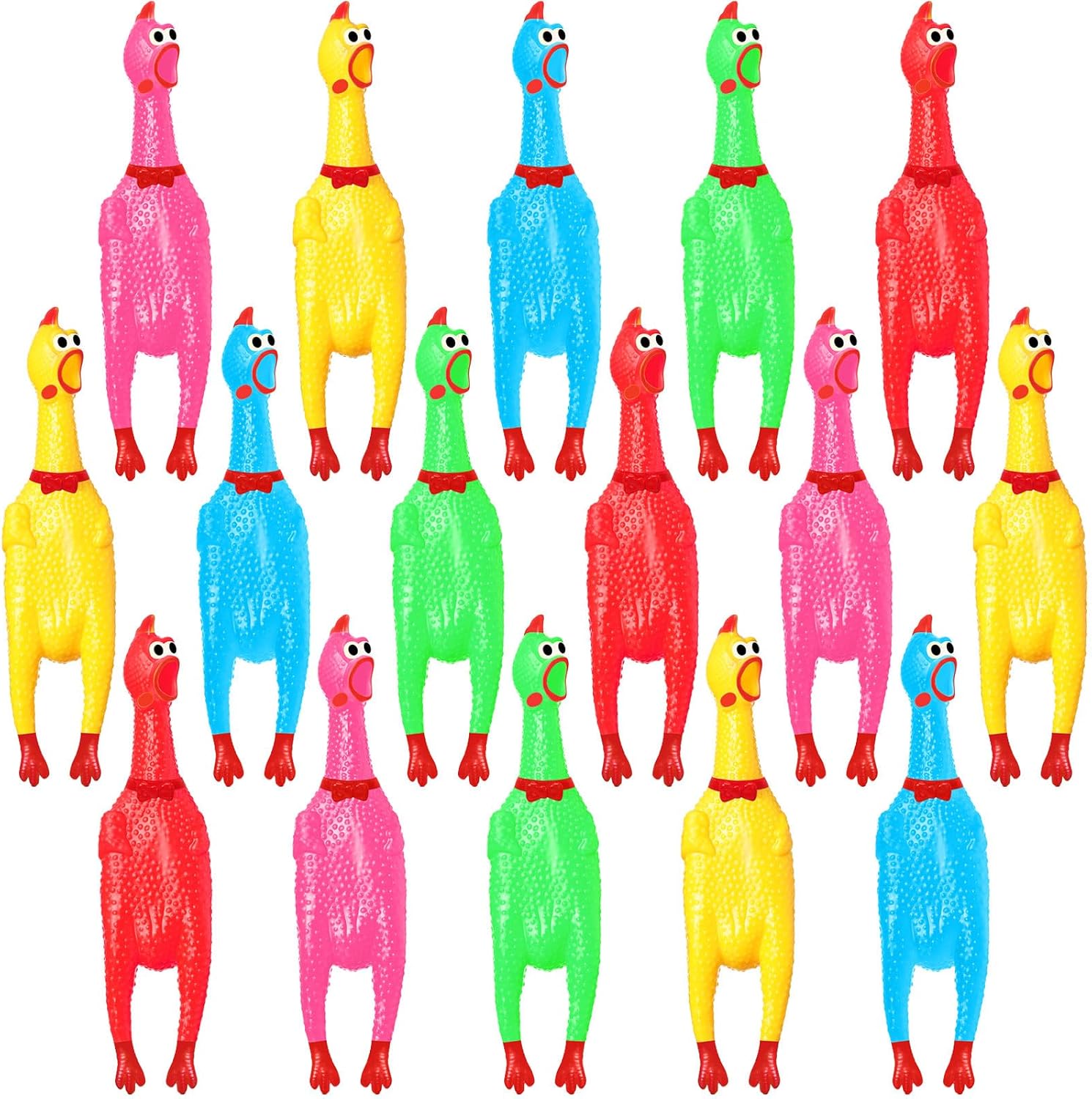
A screaming toy factory specializes in manufacturing entertainment products that emit a sharp, loud sound when pressed, pulled, or tilted. These toys typically rely on built-in reed whistles, pneumatic diaphragms, or simple electronic sound modules. Their core appeal lies in creating an unexpected, startling auditory reaction, making them popular for pranks, party atmospheres, and children's play. The operation of a screaming toys factory must balance entertainment value with potential disturbance, requiring careful consideration in product design, volume control, and age-appropriate labeling. The challenges faced extend beyond efficient production to ensuring compliance with increasingly stringent noise regulations and market expectations for social responsibility.
Design and Manufacturing of Acoustic Components
The heart of the product is the acoustic component. Within a screaming toys factory, this may involve precision injection-molded plastic reed whistles, whose shape and gap determine pitch and volume, or combinations of rubber air bladders and membranes that produce a screech when compressed. For electronic screaming toys, the process integrates simple sound chips, speakers, and trigger switches. The production line is heavily dependent on precision tooling to ensure the consistency of the sound-generating element. The engineering team at a screaming toys factory must repeatedly prototype and test, aiming to guarantee the "scream" effect while preventing the decibel level from reaching thresholds that could potentially cause hearing discomfort or be deemed a public nuisance.
Material Safety and Mechanical Durability
Beyond sound, the physical safety of the toy is critical. The screaming toys factory must select durable, non-toxic plastics and rubbers that can withstand repeated aggressive use—such as being thrown, stepped on, or bitten—without breaking into small, swallowable parts. Any battery compartments in electronic versions must be securely screwed shut to prevent access. The mechanical design of pull-strings or press-buttons must be robust to prevent failure during normal play. Rigorous product testing, including drop tests, torque tests, and bite simulation, is a standard part of the quality assurance protocol to ensure the toy's physical integrity matches its sonic intensity throughout a reasonable lifespan.
Navigating Regulatory Compliance and Age Grading
A primary operational focus for a screaming toys factory is navigating a complex landscape of safety and environmental regulations. Toys must comply with international standards governing mechanical and physical properties, such as ASTM F963 or EN 71. Specific attention is paid to sound level limits for toys intended to be used near the ear. Clear and correct age grading on packaging is not just a marketing decision but a legal requirement to prevent misuse by younger children for whom the toy might pose a choking hazard or be too startling. Furthermore, the factory must manage substance restrictions (e.g., REACH, CPSIA) for all materials and electronic components, requiring thorough supply chain documentation and batch testing.
Brand Strategy, Packaging, and Market Adaptation
In a market often driven by novelty, a screaming toys factory must cultivate a distinct brand identity—whether it's known for the most outrageous sounds, clever disguise, or thematic variations (e.g., Halloween monsters, cartoon characters). Packaging plays a dual role: it must be visually exciting to sell the fun on the shelf, yet often incorporates muffling or sealed designs to prevent constant, unwanted noise in retail environments. The factory's adaptability is tested by market trends, shifting from traditional joke shop distribution to e-commerce and social media-driven viral products. Successful factories manage a pipeline that efficiently produces classic, bestselling screamers while rapidly prototyping and manufacturing new, trend-responsive designs to capture fleeting moments of viral interest, all while maintaining the core operational disciplines of safety, compliance, and consistent auditory impact.
Related Products
-
Pop-eyed Panda
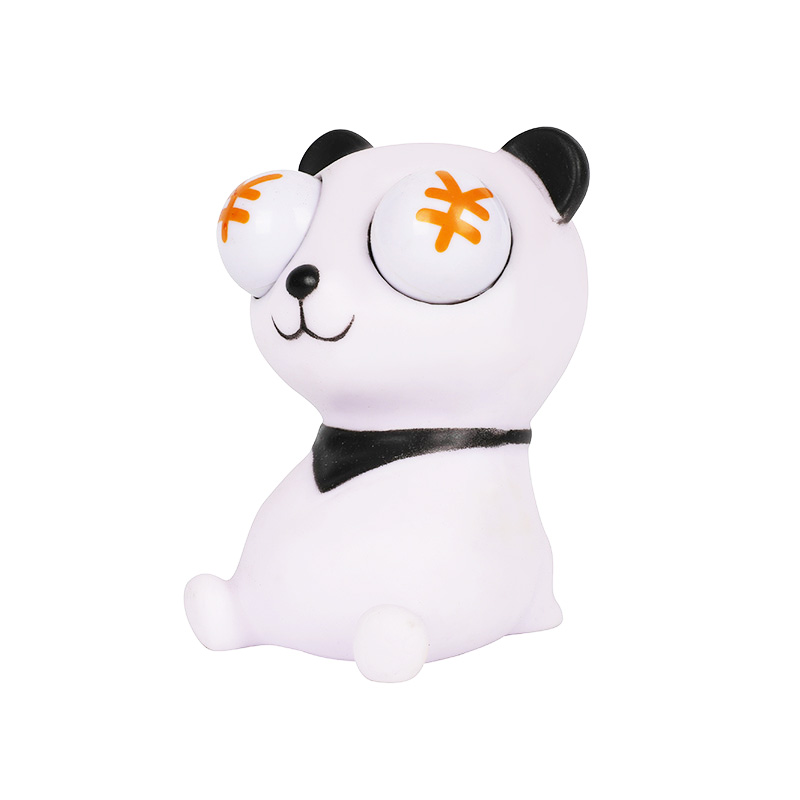
Enter the whimsical world of the Pop-eye series with our delightful creation, the Pop-eyed Panda. Designed to bring joy and relieve stress, this squee...
View More -
Staring Glowing Decompression Series
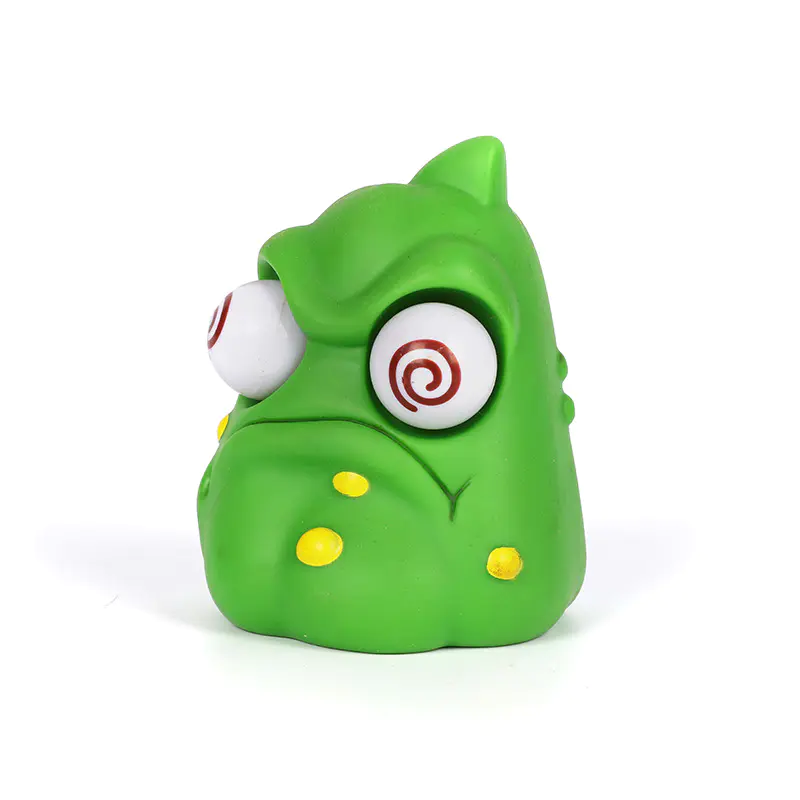
Step into the whimsical world of the Pop-eye series, where fun and functionality collide to bring you the Staring Glowing Decompression Series. These ...
View More -
Cute Little Animal Series (Big-eyed)
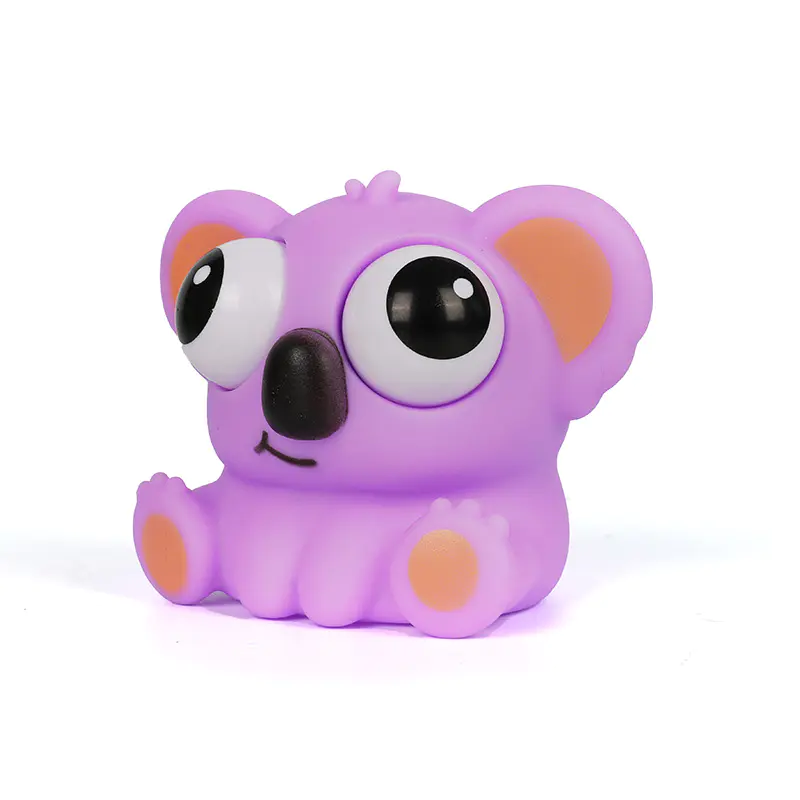
Welcome to the enchanting world of our Cute Little Animal Series (Big-eyed), a delightful addition to our renowned Pop-eye Collection. These captivati...
View More -
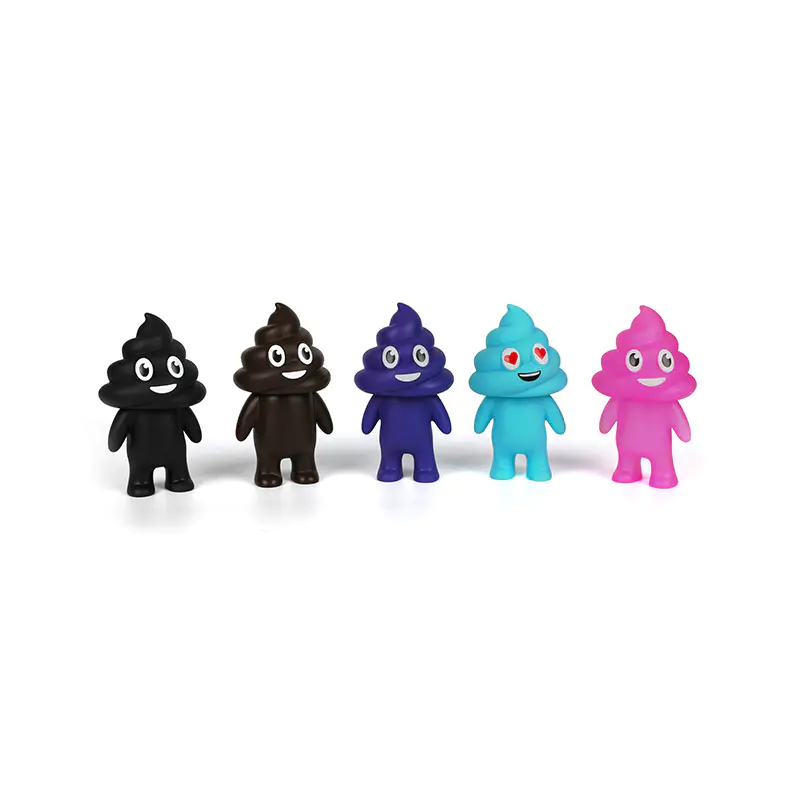
Poop People Series
Introducing the Poop People Series, a unique and playful line of collectible figures that bring humor and joy to toy collections everywhere. These qui...
View More -
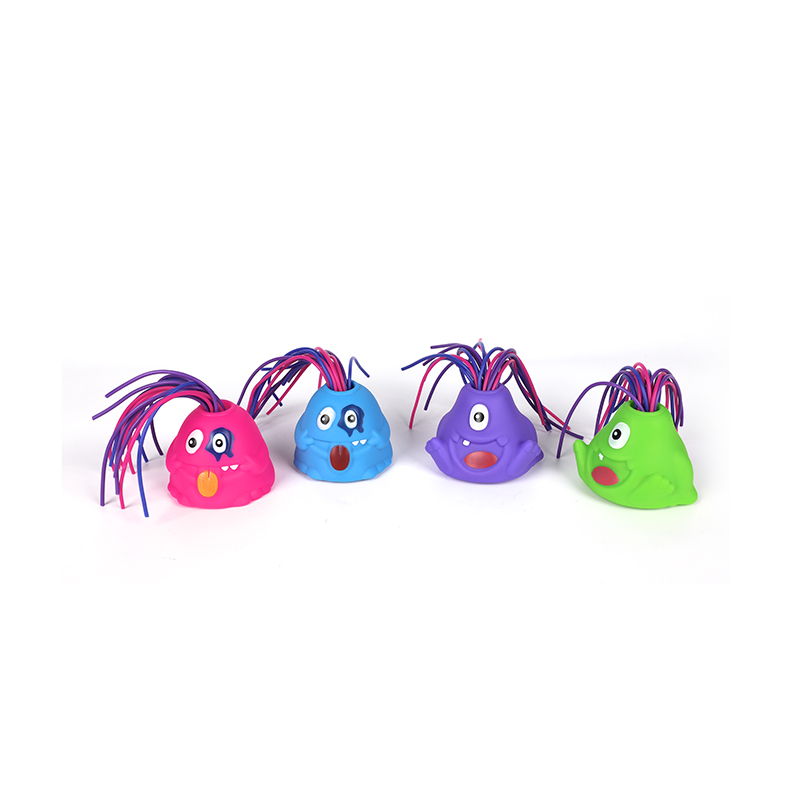
Fun Hair-Pulling Monster Stress Relief Anti-Anxiety Sound Toys
Laughter is one of the best ways to release stress, and Hair-Pulling Sound Toys are designed to do exactly that. These playful screaming monster figur...
View More -
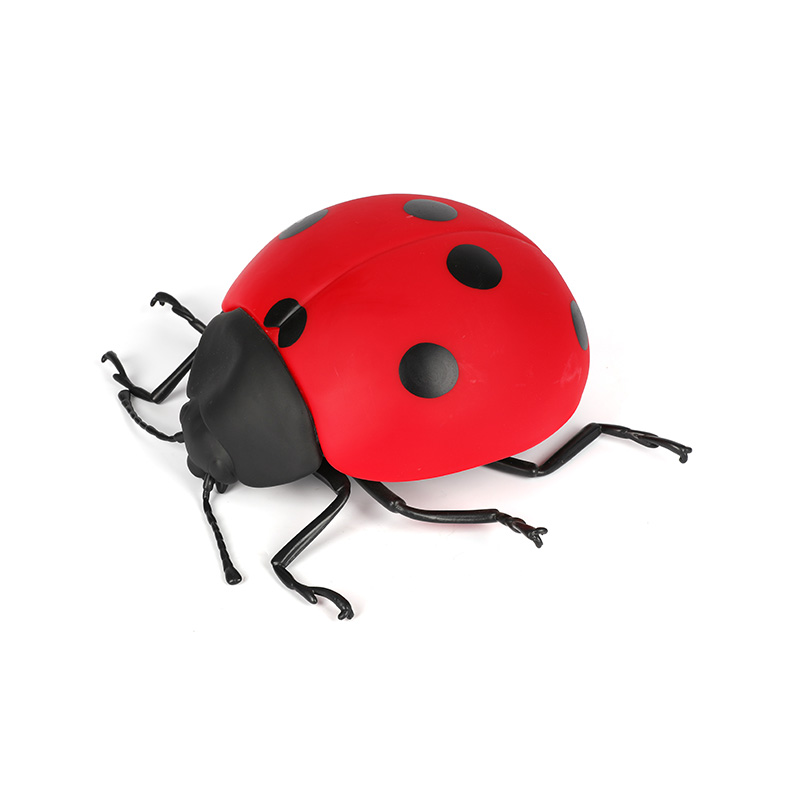
Beetle, Beetle Model Toys
Our Beetle Model Toys are pretty popular with kids and bug fans these days. We put real effort into making these beetle figures so they look detailed ...
View More -
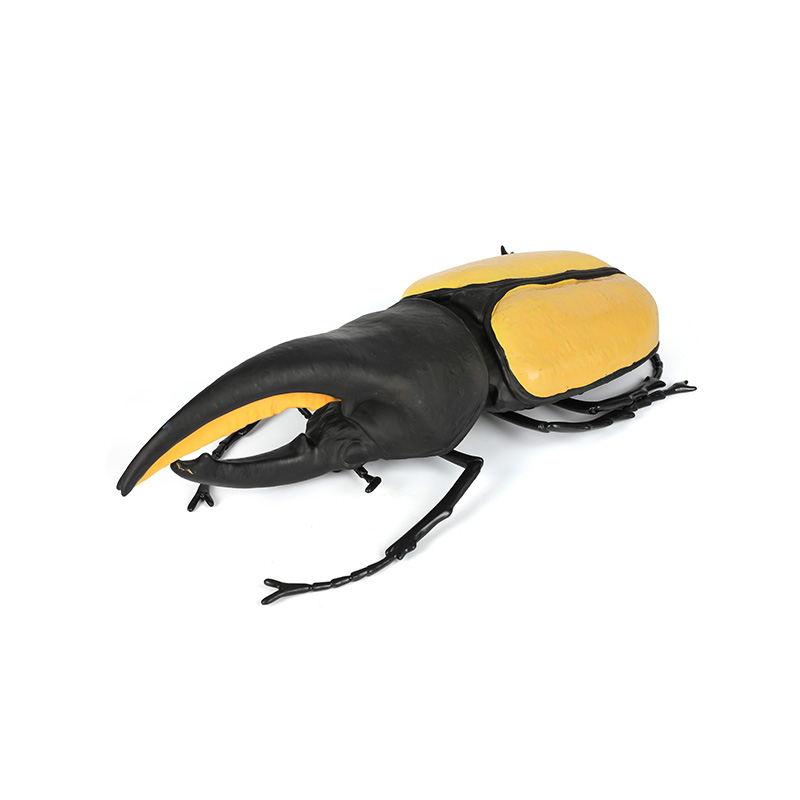
Beetle, Beetle Model Toys
Welcome to the world of Beetle Model Toys, where intricate design meets playful imagination. Our Beetle models are meticulously crafted to provide not...
View More -
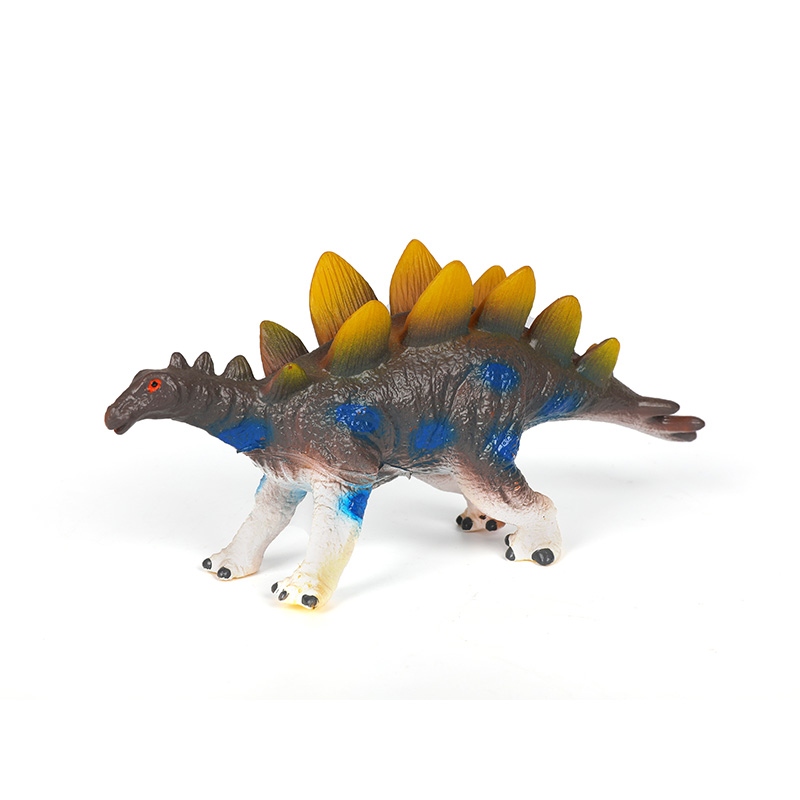
Diversity Series Dinosaur Model Puzzle Toys
Our Dinosaur Model Toys are really popular with kids these days. We make these dinosaur figures with a lot of care so they look real, help kids learn,...
View More
Copyright © Jinhua Blue Eagle Toys Technology Co., Ltd. All Rights
Reserved.

Information
-

+86 18072335560
-

-
 Weiyingsheng Industrial Co., Ltd., Yangbu Town Industrial Zone, Wucheng District, Jinhua City, Zhejiang Province
Links
Contact Us
Educational Model Toys Company