

 English
 English
 русский
 Español
- Type:
- Industry News
- Date
- 2026-Oct-02
Industry News
Why Has the Screaming Plastic Chicken Become a Viral Funny Toy
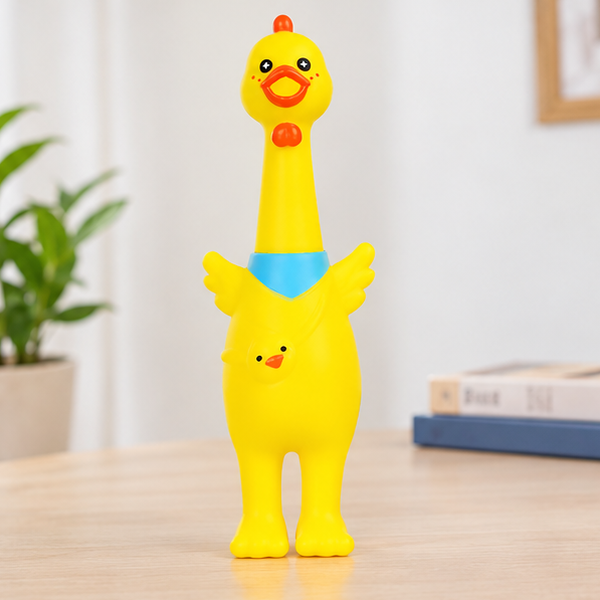
A toy doesn't always need a complicated design attracting attention, and the Screaming Plastic Chicken shows how a simple shape combined with an unexpected sound can create a genuinely memorable play experience. Its appeal comes from a familiar animal shape, an exaggerated appearance, and a loud reaction that turns a small action into a funny moment for whoever's holding it.
The interaction is easy understanding because users only need squeezing, pressing, or handling the toy to produce its distinctive sound. That simple action makes the product suitable for quick entertainment, casual jokes, short videos, party activities, desk breaks, and gift giving.
The same idea also connects with the growing interest in simple novelty products that can get understood immediately without instructions.
What Makes a Screaming Plastic Chicken So Funny?
Humor often depends on surprise, and the contrast between a harmless-looking chicken and an unexpected scream creates that contrast within a couple seconds. The visual design may already look playful, but the sound changes the experience because users can't fully predict the reaction until they actually interact with the toy in hand.
This combination gives the product a genuinely clear entertainment function without requiring a complex game system attached to it.
| Product Feature | Entertainment Effect |
|---|---|
| Chicken shape | Creates an immediately recognizable character |
| Squeezing action | Makes interaction simple |
| Loud sound | Adds surprise to the interaction |
| Exaggerated appearance | Supports visual humor |
| Small portable form | Allows use in different settings |
The humor also comes from repetition because users can recreate the same reaction whenever they want another funny moment on demand. This makes the toy genuinely easy to understand in group settings, where one person's interaction can quickly attract attention from others nearby.
How Does the Sound Create the Main Attraction?
The sound is a genuinely major part of the product experience because it turns physical movement into an audible reaction people notice. A Vocalization Toy works through this simple relationship between action and sound, allowing the user creating a response without learning complicated controls first.
The sound may be high-pitched, exaggerated, or intentionally unusual, which helps separating the toy from ordinary soft toys and decorative figures sitting on a shelf. The reaction can also make a short interaction feel genuinely more complete because the user receives immediate feedback from the toy in hand.
Sound-based interaction has another useful feature because it can get understood even when people aren't looking directly at the product itself. A person across a room may hear the sound and become curious about what caused it in the first place.
Why Does Simple Interaction Matter for Funny Toys?
Many novelty toys depend on immediate understanding because users may only spend a short time deciding whether they want trying them out. A simple squeezing or pressing action removes much of the learning barrier and allows children, adults, office workers, party guests, and casual users interacting with the product naturally.
This makes the toy suitable for spontaneous use, rather than requiring a planned activity around it. The same principle can get seen in the Squeaky Stress Toy category, where the interaction is based on a familiar physical action followed by a noticeable response.
| Interaction | Possible Setting |
|---|---|
| Squeeze | Desk break |
| Press | Party activity |
| Hold and release | Casual play |
| Pass between users | Group entertainment |
| Repeat interaction | Short video content |
The easier the interaction is understanding, the easier it becomes for different users participating. This simplicity also gives retailers a genuinely straightforward product story because the function can often get demonstrated, rather than explained at length.
How Did Short Video Culture Help This Type of Toy?
Short videos favor products that can communicate their appeal quickly, in a few seconds at most. A funny toy can become suitable for short-form content when its appearance and reaction are both easy capturing with a phone camera on the spot.
The Screaming Plastic Chicken fits this format because the visual setup can get understood before the sound occurs, while the unexpected reaction provides a natural moment for recording. Users can create different scenes without changing the basic function of the toy itself.
The chicken can appear during office jokes and family gatherings, or during party games and gift reactions. Desk demonstrations and casual challenges round out the common settings people film. The toy doesn't need a complicated story becoming part of a short video because the interaction itself provides the main event.
This makes the product suitable for user-created content where humor depends genuinely on timing and reaction speed.
Why Does the Exaggerated Chicken Shape Matter?
The visual design helps establishing the humorous character before anyone even touches the toy. An exaggerated head, wide eyes, unusual proportions, or playful posture can make the chicken look genuinely different from a realistic animal figure on a shelf.
The design can therefore communicate a lighthearted mood even when the toy is sitting on a shelf or desk untouched. Visual exaggeration also helps the product remaining recognizable in photographs and short videos passed around online.
A distinctive shape can become useful for gift displays because shoppers can understand the item is intended for entertainment, rather than serious practical use. This creates a relationship between appearance and function that supports the novelty-toy category overall.
Can a Screaming Plastic Chicken Be Used as an Office Stress Toy?
Office environments can include long periods of concentrated work, and small novelty objects can provide a brief change of pace during suitable breaks. A Squeaky Stress Toy can offer a simple physical interaction that gives the user something different to handle for a moment between tasks.
The sound may also create humor between coworkers when used in an appropriate setting away from meetings. However, the noise level and workplace rules should get considered because a sound-producing toy may not suit meetings, shared work sessions, or quiet tasks nearby.
A quieter version or limited use may fit genuinely better in workplaces where concentration needs protecting. The value in this setting comes from the short interaction, rather than constant use throughout the day.
Why Can Funny Chickens Work as Party Props?
Party activities often benefit from objects encouraging people interacting with each other rather than standing around. A funny chicken can become a simple prop for games, challenges, photo moments, or humorous introductions at the start of an evening.
Its sound gives participants an obvious reaction, which can make an ordinary object genuinely more active within a group setting. The toy can also get passed between participants without requiring complicated setup beforehand.
| Party Use | Possible Interaction |
|---|---|
| Game prop | Squeeze when a player receives it |
| Photo prop | Hold the chicken during pictures |
| Icebreaker | Use the sound to start an activity |
| Prize item | Give it to a game participant |
| Humor prop | Create a playful reaction |
This flexibility allows the same product serving different types of casual entertainment across an evening.
How Can the Toy Be Used for Pet Interaction?
Some pet owners enjoy using unusual sounds attracting a pet's attention, and a squeaking or vocalizing toy may become part of supervised interaction at home. However, a toy designed for people shouldn't automatically get treated as a pet toy because animals may chew, bite, or damage products in ways that create safety concerns.
The product should therefore get used around pets only when its construction and intended use stay appropriate for that purpose. For pet-related settings, buyers should pay attention to material condition, small detachable parts, surface damage, and whether the product is actually designed for animal use in the first place.
This distinction matters for retailers because a funny novelty toy and a pet chew product serve genuinely different purposes entirely.
What Makes a Vocalization Toy Different From a Normal Squeaky Toy?
Both products can produce sound through physical interaction, but their character and intended experience may be genuinely different from one another. A conventional squeaky toy may focus on a short, familiar squeak, while a Vocalization Toy can use a more exaggerated sound that feels closer to a character reaction.
The difference can make a vocalizing toy genuinely more suitable for humor and social interaction among friends.
| Product Type | Typical Experience |
|---|---|
| Squeaky toy | Short sound response |
| Vocalization Toy | Character-like sound reaction |
| Stress toy | Physical handling and repeated squeezing |
| Novelty figure | Visual humor and display |
These categories can overlap somewhat, but the intended user experience helps determining how a product should get positioned on a shelf. Clear product descriptions can prevent buyers expecting one type of interaction when the product is designed for another entirely.
How Does Material Safety Affect Novelty Toy Design?
Humor may attract attention, but the physical product still needs staying suitable for its intended users handling it repeatedly. Manufacturers should consider the condition of the plastic, surface finish, seams, internal sound components, and any parts that could become loose during normal handling.
Products intended for children require particular attention to age suitability and small components that could pose a hazard. Retailers and wholesale buyers should also review applicable safety requirements for the markets where products will get sold.
A simple novelty product still needs responsible product development because users may squeeze, bend, drop, or repeatedly handle it over months of use. Material selection therefore connects the funny concept with practical product quality and user expectations going forward.
Why Does Sound Structure Matter in Product Development?
The sound mechanism determines how physical pressure becomes an audible reaction inside the toy. A basic structure may use an internal air chamber or another sound-producing component that reacts when the outer body gets compressed by a hand.
The relationship between the outer material and internal structure can affect how the toy feels during use over time. Manufacturers may therefore need considering the flexibility of the body, the position of internal components, the sound opening, and the way the toy returns to its original form after release.
| Design Area | Development Consideration |
|---|---|
| Outer body | Supports the squeezing experience |
| Internal chamber | Produces the sound response |
| Sound opening | Allows sound to escape |
| Internal component | Creates the vocal effect |
| Body recovery | Supports repeated interaction |
The goal is keeping the physical action and sound response working together in a genuinely predictable way each time.
How Can OEM Customization Change a Funny Chicken Toy?
OEM customization allows buyers adapting the appearance or presentation of a novelty toy for a particular sales channel they're targeting. Changes may involve the character appearance, color arrangement, packaging, printed details, or other product features that fit a buyer's market concept for that season.
The underlying interaction can remain simple while the external presentation changes entirely around it. This can help businesses creating a product that feels connected to a specific campaign, gift program, store category, or promotional theme without changing the basic idea of a squeezable vocalizing toy.
Customization should still consider production consistency, material suitability, packaging protection, and the intended user group receiving it. For buyers, a clear customization brief can make discussions with manufacturers genuinely easier from the start.
Why Are Funny Toys Suitable for Gift Giving?
Gift products often work genuinely well when they create an immediate emotional reaction from the recipient opening the box. A funny chicken can get opened, squeezed, and understood within a short time, which makes it suitable for casual gifting among friends and coworkers.
The product doesn't need matching a highly specific hobby or technical interest, so it can work across a wider range of social situations. Its humorous character can also make the act of giving genuinely more memorable because the recipient can interact with it immediately upon unwrapping.
Common gift settings may include birthday gatherings and office exchanges, along with family celebrations and party games. Holiday stocking gifts and casual friendship gifts round out the list of typical occasions. The relatively simple interaction also makes the product easy demonstrating before or after giving it to someone.
How Can Funny Chicken Toys Fit Holiday Gift Demand?
Holiday shopping often includes small novelty products that are easy wrapping, displaying, and combining with other gifts under a tree. A vocalizing chicken can fit this category because the product has a genuinely clear entertainment purpose and a recognizable visual character shoppers respond to.
Seasonal packaging can change the presentation without requiring the underlying toy becoming a different product entirely. Manufacturers and retailers may also explore different character styles for different occasions throughout the year.
This creates room for product variations while keeping the central interaction genuinely familiar to returning customers.
What Should Wholesale Buyers Consider Before Purchasing?
Wholesale purchasing requires more than checking whether a product looks funny in a product photo on a catalog page. Buyers may need reviewing material suitability, sound consistency, packaging, intended age group, customization options, and the expected sales environment for the order.
The product should also get considered in relation to storage and transportation because novelty toys still need protection before reaching the retail shelf. Useful purchasing questions include what the intended user group is and how the sound gets produced inside the toy.
What materials get used for the outer body matters too, along with how the product gets packaged for transit. Whether the appearance can get customized and what inspection process gets used round out the middle questions. Whether the product suits the target market and whether the supplier can support repeated wholesale orders finish the list.
These questions help buyers evaluating the product as a complete commercial item, rather than focusing only on its humorous appearance in a photo.
How Can Packaging Support the Viral Appeal?
Packaging can introduce the product before the customer even touches it on the shelf. A clear image of the chicken can communicate the character, while simple product information can explain the basic interaction without making the package genuinely difficult to understand at a glance.
The packaging can also protect the toy during transportation and storage across a long supply chain. For retail displays, packaging that allows shoppers recognizing the shape quickly may help the product standing out among other novelty items nearby.
If the product has a sound-producing function, packaging can also explain how customers can experience the interaction where appropriate for that retail setting.
Why Does Repeatability Matter for a Sound-Producing Toy?
A funny reaction only remains useful when the product can continue providing the intended interaction during normal use over weeks and months. Users may squeeze the toy repeatedly, pass it between friends, or use it during several different occasions over time.
The outer body therefore needs working with the internal sound structure, rather than creating an interaction that becomes genuinely difficult after limited handling. Manufacturers can inspect the body condition, sound response, internal assembly, and overall appearance during production before shipping.
For wholesale buyers, consistency across units also matters because customers generally expect products from the same shipment providing a genuinely similar experience each time.
How Can Retailers Position a Screaming Plastic Chicken?
Retail presentation can focus on the product's interaction, rather than describing it only as a plastic animal figure sitting on a shelf. A display can show the chicken's exaggerated character, while product copy can explain that squeezing it creates a humorous vocal reaction worth trying.
The toy can also get grouped with desk novelty items, party accessories, funny gifts, or stress-relief products when the positioning matches the actual product function. This gives retailers several ways introducing the same item without forcing it into one narrow category on the floor plan.
The key is describing the product honestly, so customers understand what they're buying and how it should get used at home.
What Makes the Screaming Plastic Chicken Interesting for B2B Markets?
For B2B buyers, the appeal of this product comes from the combination of simple production, recognizable design, easy interaction, gift potential, and content-friendly humor all in one item. A buyer can consider it for novelty retail, party supplies, office gifts, seasonal merchandise, promotional programs, or entertainment-focused product collections across a catalog.
The product can also get adapted through packaging and appearance when a specific sales channel requires a genuinely different presentation for that market. This creates several procurement possibilities without changing the basic relationship between the user, the chicken, and its unexpected sound.
The same combination of visual humor and immediate interaction explains why products such as the Squeaky Stress Toy and Vocalization Toy continue occupying a recognizable place within novelty and casual entertainment categories on store shelves everywhere.
Related Products
-
Pop-eyed Panda
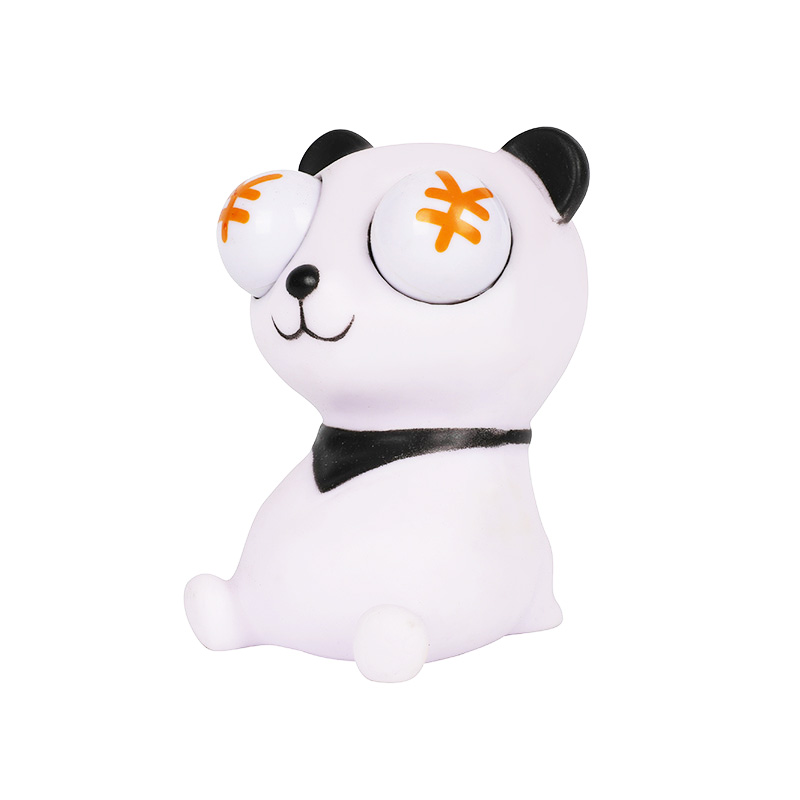
Enter the whimsical world of the Pop-eye series with our delightful creation, the Pop-eyed Panda. Designed to bring joy and relieve stress, this squee...
View More -
Staring Glowing Decompression Series
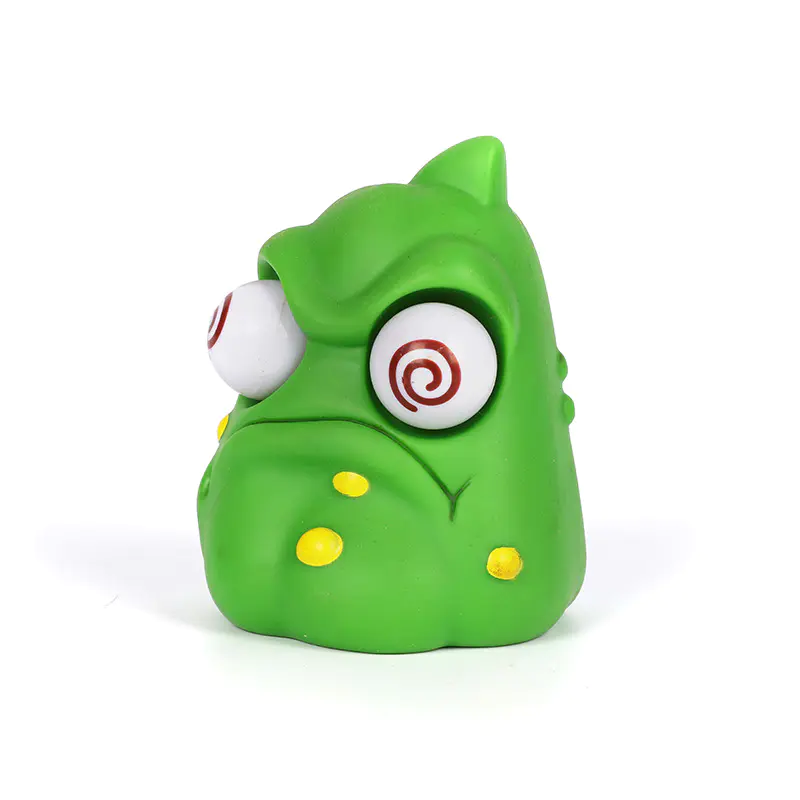
Step into the whimsical world of the Pop-eye series, where fun and functionality collide to bring you the Staring Glowing Decompression Series. These ...
View More -
Cute Little Animal Series (Big-eyed)
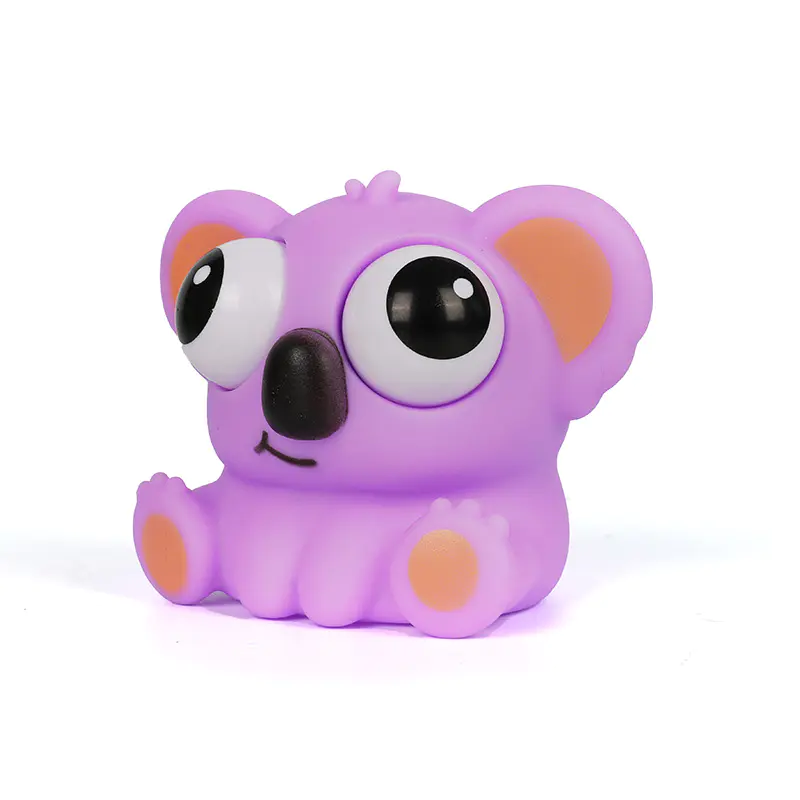
Welcome to the enchanting world of our Cute Little Animal Series (Big-eyed), a delightful addition to our renowned Pop-eye Collection. These captivati...
View More -
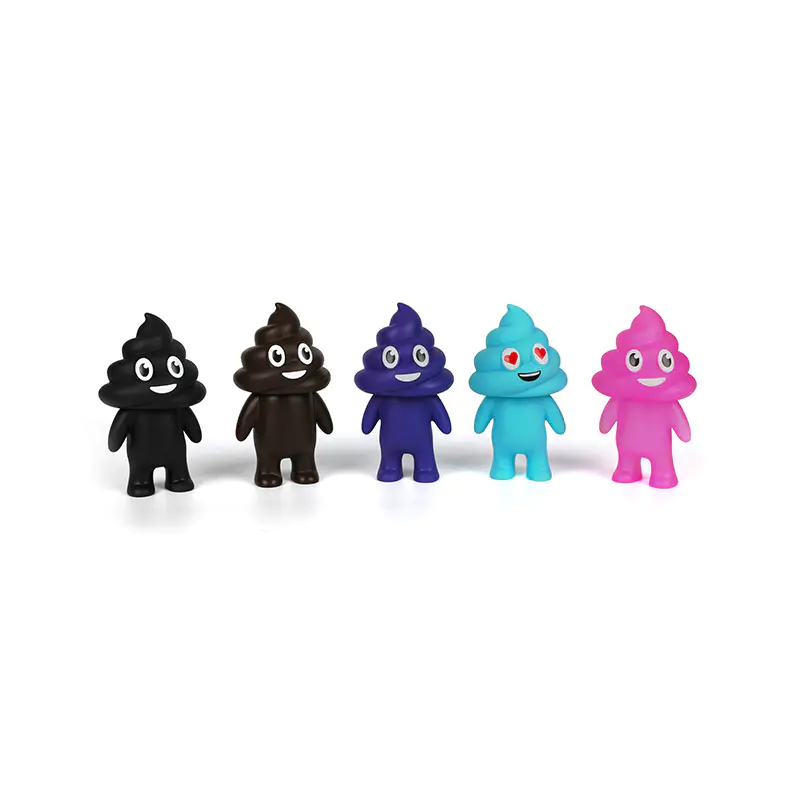
Poop People Series
Introducing the Poop People Series, a unique and playful line of collectible figures that bring humor and joy to toy collections everywhere. These qui...
View More -
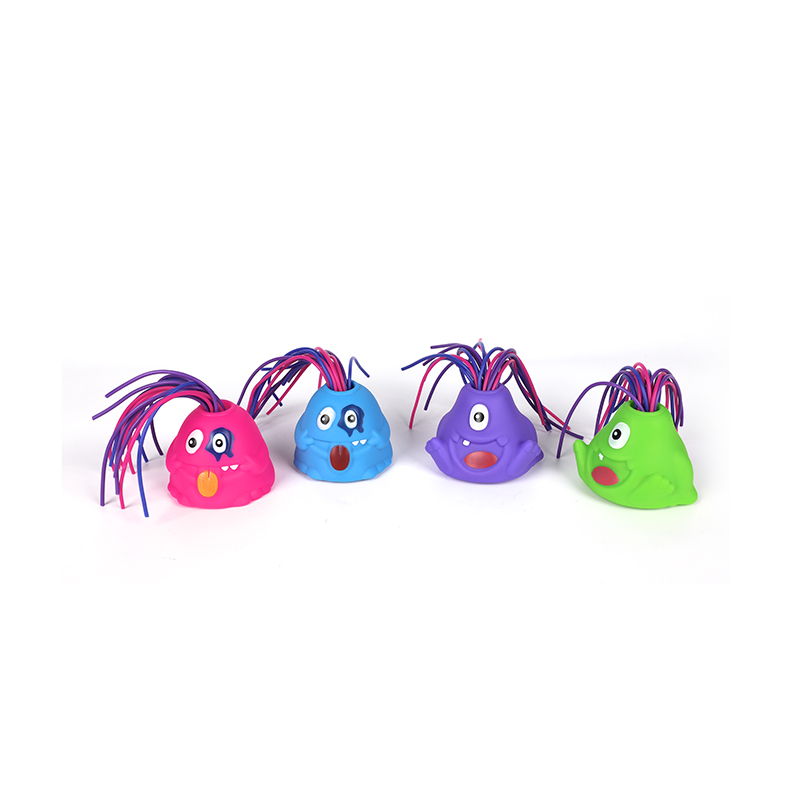
Fun Hair-Pulling Monster Stress Relief Anti-Anxiety Sound Toys
Laughter is one of the best ways to release stress, and Hair-Pulling Sound Toys are designed to do exactly that. These playful screaming monster figur...
View More -
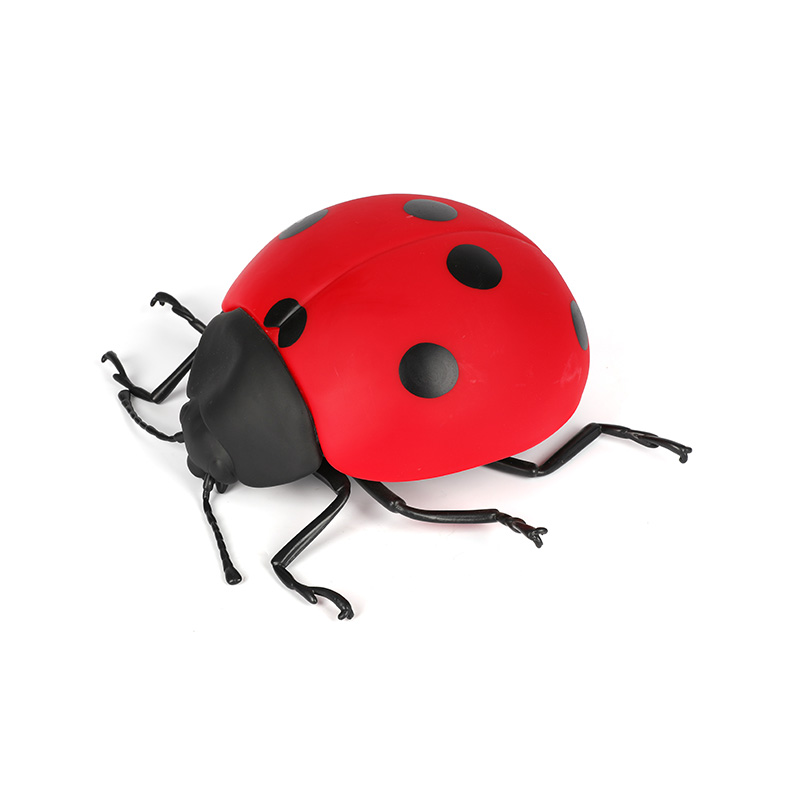
Beetle, Beetle Model Toys
Our Beetle Model Toys are pretty popular with kids and bug fans these days. We put real effort into making these beetle figures so they look detailed ...
View More -
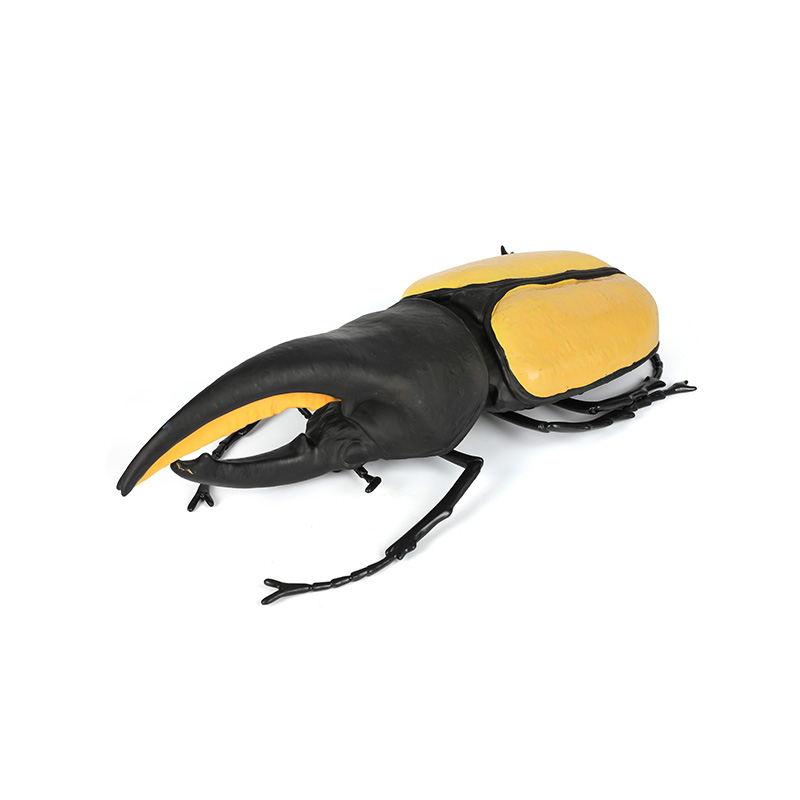
Beetle, Beetle Model Toys
Welcome to the world of Beetle Model Toys, where intricate design meets playful imagination. Our Beetle models are meticulously crafted to provide not...
View More -
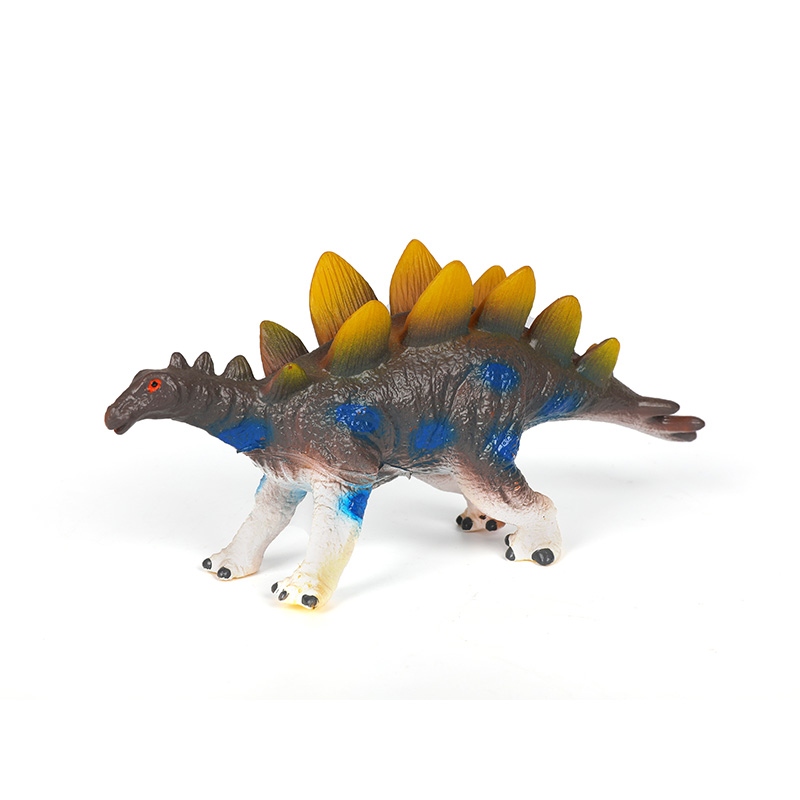
Diversity Series Dinosaur Model Puzzle Toys
Our Dinosaur Model Toys are really popular with kids these days. We make these dinosaur figures with a lot of care so they look real, help kids learn,...
View More
Copyright © Jinhua Blue Eagle Toys Technology Co., Ltd. All Rights
Reserved.

Information
-

+86 18072335560
-

-
 Weiyingsheng Industrial Co., Ltd., Yangbu Town Industrial Zone, Wucheng District, Jinhua City, Zhejiang Province
Links
Contact Us
Educational Model Toys Company