

 English
 English
 русский
 Español
- Type:
- Industry News
- Date
- 2026-May-29
Industry News
What Makes Duck Led Night Light Suitable For Kids Room Use
Why Does A Duck Led Night Light Fit Into Kids Room Environments?
A child's room often holds more than sleeping. Toys, small habits before bed, quiet waiting time in the evening, all of that gathers in one space. Lighting sits in the background of these moments, shaping how the room feels without drawing attention.
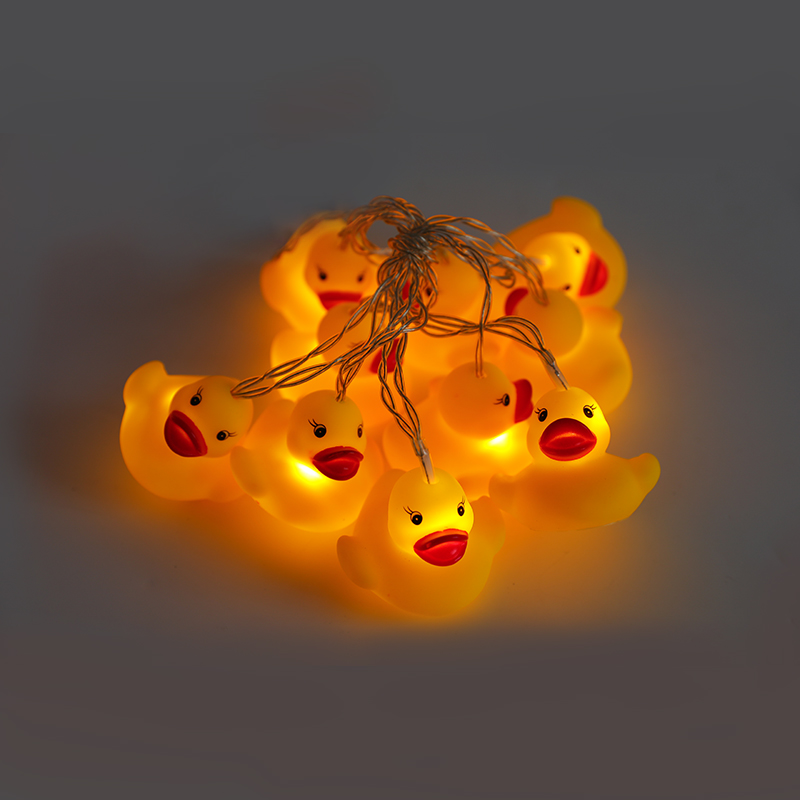
A duck led night light usually brings a soft glow instead of strong brightness. That kind of light does not push into the room. It stays close to the bedside and spreads gently outward. For night time use, strong ceiling lighting often feels too sharp, while a softer source keeps the room readable without changing the mood too much.
The duck shape also matters in a subtle way. Rounded lines, simple outline, no sharp corners in appearance. It does not feel heavy inside a small room. Over time, it becomes part of the room routine, especially during bedtime.
Common reasons it fits kids rooms:
- soft glow that does not disturb resting mood
- small shape that stays close to bedside areas
- familiar animal form that feels easy to accept
- gentle light transition from dark surroundings
- simple presence without visual pressure
Lighting here is less about brightness level, more about how the room feels when everything becomes quiet.
How Does Duck Led Night Light Produce Soft Lighting Effect?
Soft light is not only about the bulb inside. A duck led night light relies on how light moves through layers before reaching the room.
Inside the structure, LED light starts as a focused point. If that light stayed direct, it would feel sharp. Instead, it passes through a covering shell that spreads it out. That shell works like a filter, turning a strong point of light into a wider, calmer glow.
The shape of the body also changes how light behaves. A rounded surface does not push light in one direction. It lets light roll across the inside surface and exit in a more even way.
What shapes the lighting effect:
- internal light source placement inside shell
- translucent outer material softening brightness
- curved duck body distributing light in multiple directions
- enclosed structure reducing direct glare
- low intensity output designed for close distance use
The result is not bright lighting for space coverage. It is more of a calm glow that stays near the object.
What Design Features Make Duck Led Night Light Child Friendly?
A child friendly product usually avoids complexity. The same idea applies here. A duck led night light tends to keep structure simple, both in shape and interaction.
The body is usually rounded. No sharp corners, no hard edges that feel uncomfortable when touched. That reduces worry during night use when visibility is low.
Operation is also kept simple. A light tap or gentle press often controls the light. No complicated steps. That makes it easier for use during half-sleep moments or quiet routine changes.
A closer look at design features:
| Design Element | Practical Role | Daily Effect |
|---|---|---|
| Rounded body | reduces sharp contact points | safer bedside handling |
| Soft surface feel | gentle touch experience | comfortable interaction |
| Simple control method | easy activation | quick response use |
| Stable base | prevents easy tipping | steady placement |
| Low heat behavior | keeps surface mild | safer long use |
Instead of adding extra functions, design often focuses on keeping interaction smooth and predictable.
Why Do Night Light Manufacturer Processes Matter In Product Quality?
Behind a duck led night light, production process plays a quiet but steady role. A night light manufacturer controls how consistent each unit becomes, even if the shape looks simple from outside.
Light diffusion depends on how evenly the outer shell is formed. If thickness varies, light may spread unevenly. Some parts may feel brighter, others softer. Careful shaping keeps glow more balanced.
Assembly also matters. Internal LED placement, wiring stability, and shell fitting all influence how the product behaves during use.
Key production focus areas:
- stable shaping of duck shell structure
- consistent surface smoothness after molding
- even internal light positioning
- controlled assembly alignment
- repeatable production consistency
Small changes during production can slowly affect how light looks once the product is in a room.
How Does Material Choice Influence Lighting Comfort?
Material inside a duck led night light decides how light feels once it leaves the shell. Light itself stays the same inside, yet the surface changes everything outside.
Soft silicone or flexible plastic is often used because light does not pass through it in a harsh way. Instead, it scatters gently. That scattering removes sharp edges of brightness and replaces them with a smoother glow.
Material behavior is not only about appearance. It also affects how the product feels when touched and how it behaves after long use inside a warm indoor space.
Common material influences:
- light diffusion across inner shell surface
- reduction of direct brightness points
- stable form during repeated handling
- flexible response under light pressure
- surface softness during contact
| Material Behavior | Lighting Effect | Room Feeling |
|---|---|---|
| Light scattering | reduces glare | calmer visual tone |
| Soft surface | gentle touch | more comfortable use |
| Shape stability | keeps form steady | consistent light pattern |
| Flexible body | absorbs minor pressure | safer handling |
What Role Does Duck Led Night Light Play In Night Time Routine?
Night routines in a child's room often repeat in quiet patterns. A duck led night light becomes part of that rhythm without needing attention. It sits on a bedside table or nearby surface, staying present while the room slowly shifts into rest mode.
Instead of switching directly from full brightness to darkness, the glow creates a middle step. That softer transition helps the room feel less sudden during sleep preparation.
Its role often includes:
- supporting quiet activities before sleep
- easing transition from bright lighting to darkness
- acting as a steady visual point in the room
- helping maintain familiar bedtime environment
- offering low level visibility during night hours
Over time, the presence of the light becomes part of the routine itself, not just an object in the room.
How Does Light Distribution Affect Room Atmosphere?
Light distribution decides how a room feels, especially in smaller sleeping spaces. A duck led night light does not aim to light the entire room. Instead, it spreads a soft glow close to where it is placed.
Because the light stays near its source, shadows remain gentle instead of harsh. Objects in the room do not create strong contrast edges, which helps keep the environment visually calm.
Light spread usually affects:
- shadow softness around furniture and walls
- visibility near bedside area
- balance between light and dark zones
- visual comfort during night movement
- overall calmness of room atmosphere
A softer distribution often makes the space feel quieter, even without changing anything physically.
Which Safety Factors Are Considered In Night Light Design?
Safety in a duck led night light is built through structure and behavior during use. Since it stays near sleeping areas, temperature control and surface stability matter more than complex features.
Heat level remains low during normal operation. That keeps the surface comfortable to touch even after long use. Electrical structure stays enclosed to reduce exposure to internal components.
Important safety considerations include:
- controlled heat output during operation
- enclosed internal electrical layout
- stable base to reduce accidental falling
- soft outer shell to reduce impact risk
- simple structure with fewer fragile parts
Safety here is more about quiet stability than visible protection features.
How Do Night Light Manufacturer Standards Influence Product Consistency?
A night light manufacturer affects how consistent duck led night light units feel across production. Even small differences in shaping or assembly can change how light spreads or how the surface feels.
Consistency starts with mold accuracy. When shaping is stable, the duck form stays uniform. Light then spreads in a similar way across each unit.
Assembly consistency also matters. LED placement, internal spacing, and shell fitting all influence final performance.
Key consistency points:
- uniform shell shaping during production
- stable alignment of internal lighting parts
- smooth surface finishing across units
- repeatable assembly process
- consistent light diffusion behavior
Over time, these small controls shape how predictable the product feels in real use.
Why Do Soft Lighting Products Influence Kids Room Experience?
Soft lighting changes how a room is experienced rather than how bright it is. A duck led night light does not replace main lighting. It supports moments where calmness matters more than visibility.
In a child's room, strong lighting can feel too active during rest periods. Softer light reduces that intensity and keeps the environment more relaxed.
The influence appears in simple ways:
- calmer visual atmosphere before sleep
- smoother transition into night time rest
- reduced visual stimulation during quiet hours
- more relaxed feeling inside small spaces
- steady background presence without distraction
Lighting becomes part of the environment rhythm instead of a tool for brightness.
Related Products
-
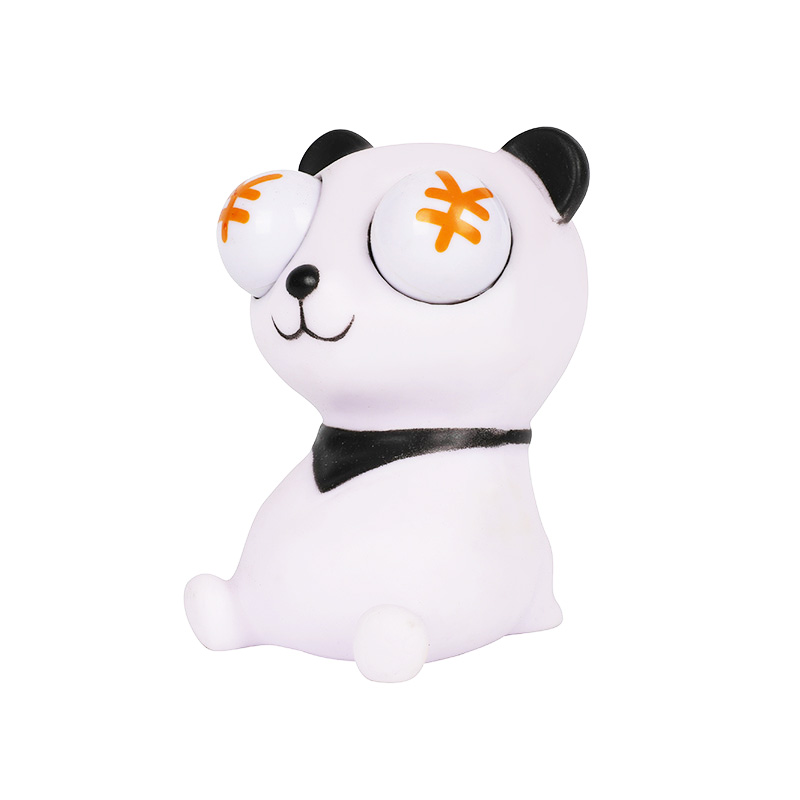
Pop-eyed Panda
Enter the whimsical world of the Pop-eye series with our delightful creation, the Pop-eyed Panda. Designed to bring joy and relieve stress, this squee...
View More -
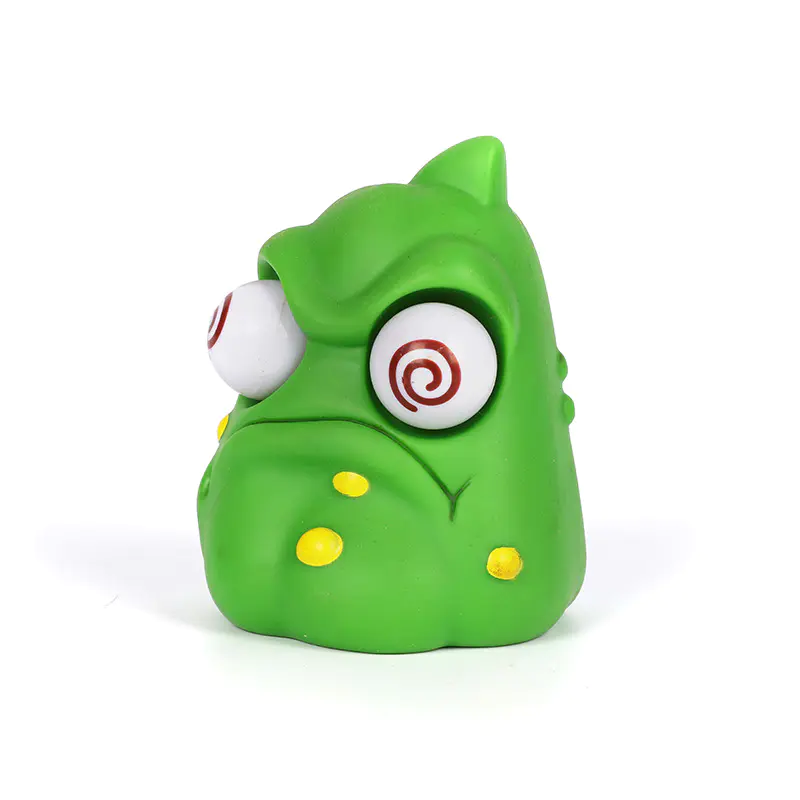
Staring Glowing Decompression Series
Step into the whimsical world of the Pop-eye series, where fun and functionality collide to bring you the Staring Glowing Decompression Series. These ...
View More -
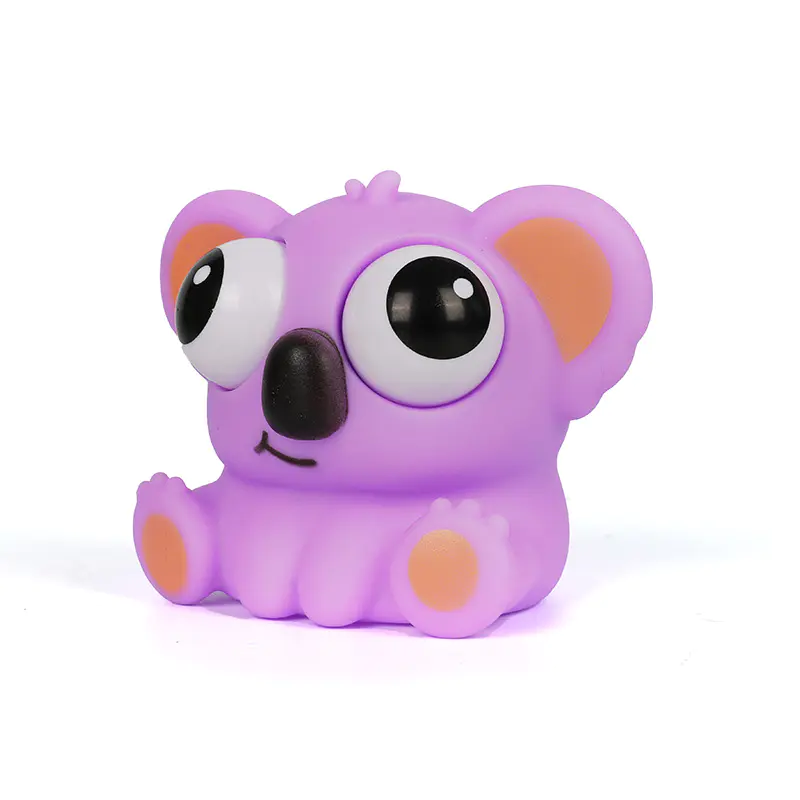
Cute Little Animal Series (Big-eyed)
Welcome to the enchanting world of our Cute Little Animal Series (Big-eyed), a delightful addition to our renowned Pop-eye Collection. These captivati...
View More -
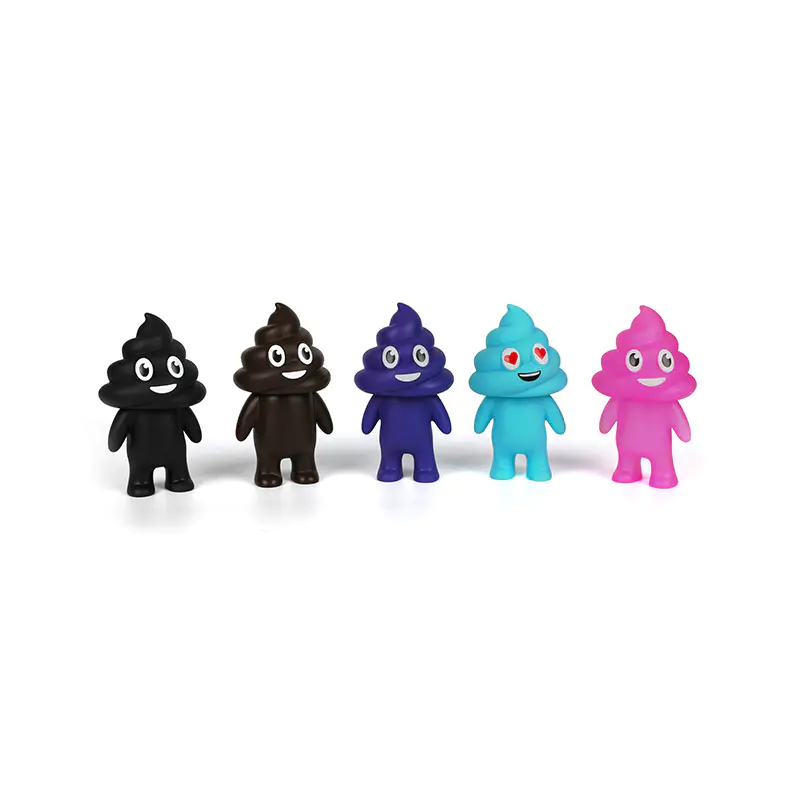
Poop People Series
Introducing the Poop People Series, a unique and playful line of collectible figures that bring humor and joy to toy collections everywhere. These qui...
View More -
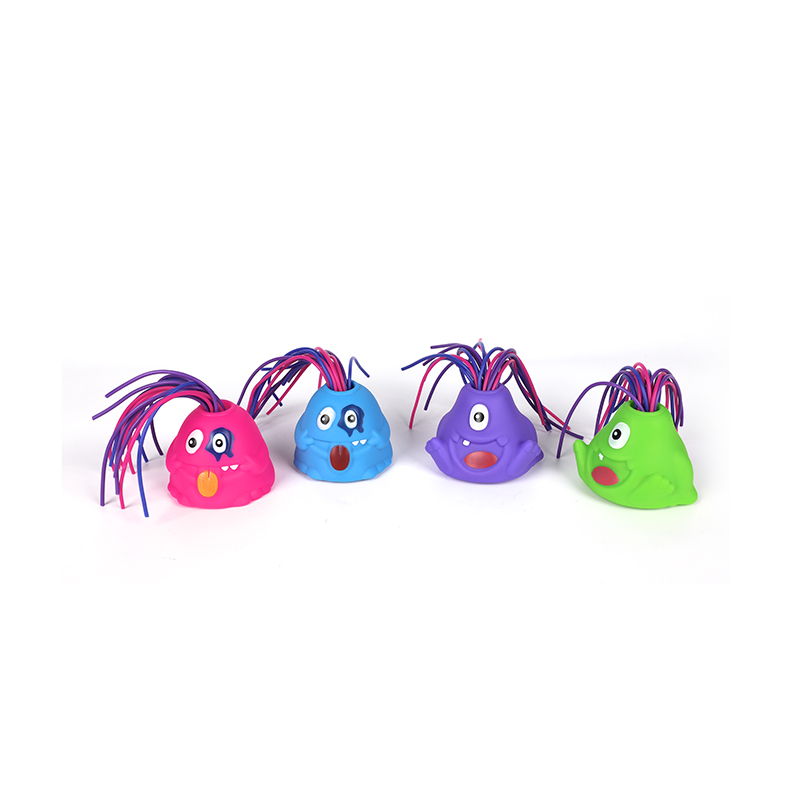
Fun Hair-Pulling Monster Stress Relief Anti-Anxiety Sound Toys
Laughter is one of the best ways to release stress, and Hair-Pulling Sound Toys are designed to do exactly that. These playful screaming monster figur...
View More -
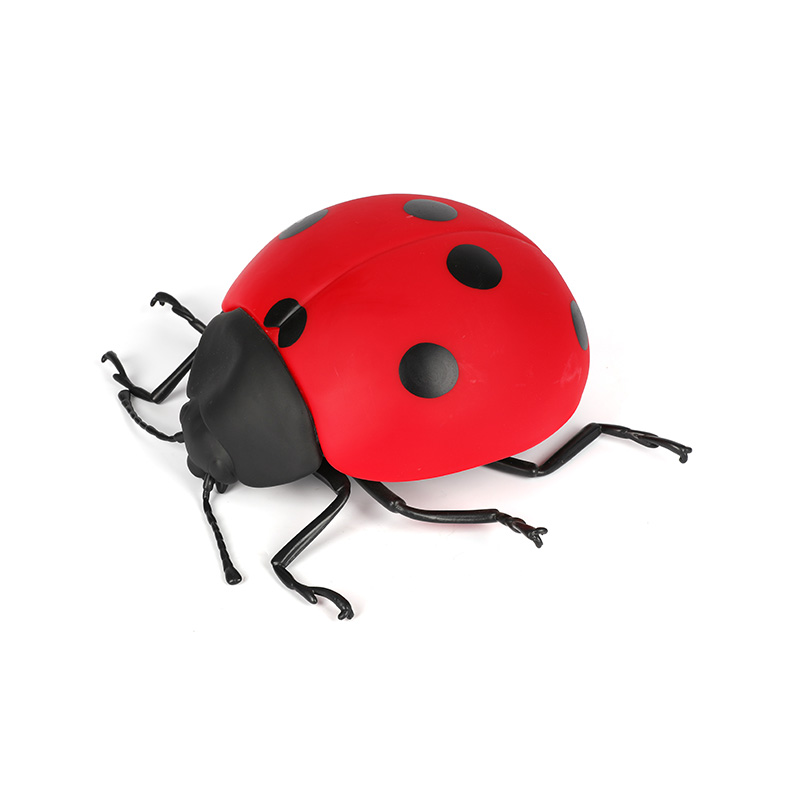
Beetle, Beetle Model Toys
Our Beetle Model Toys are pretty popular with kids and bug fans these days. We put real effort into making these beetle figures so they look detailed ...
View More -
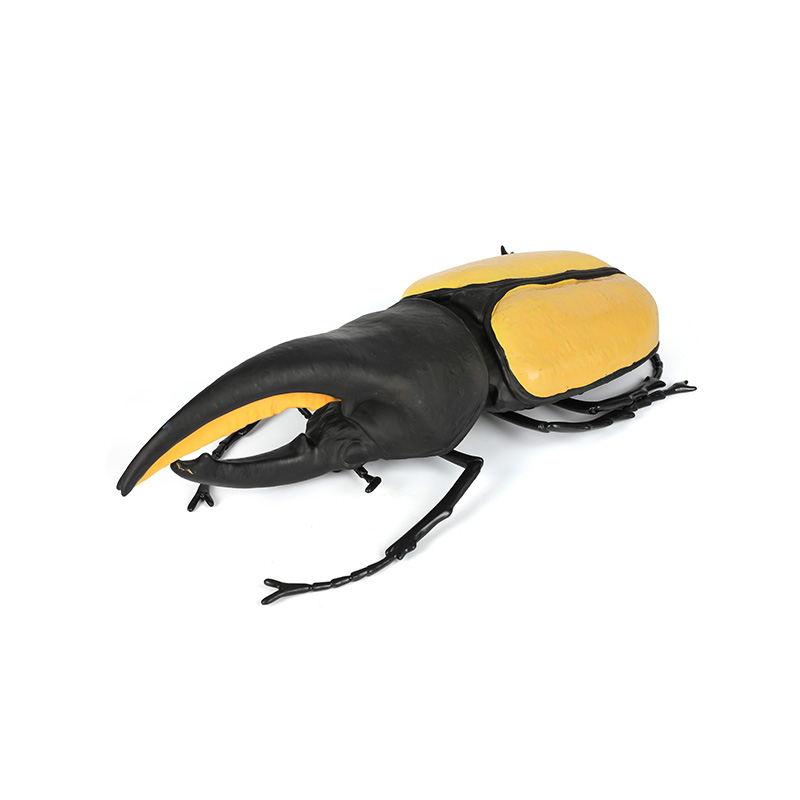
Beetle, Beetle Model Toys
Welcome to the world of Beetle Model Toys, where intricate design meets playful imagination. Our Beetle models are meticulously crafted to provide not...
View More -
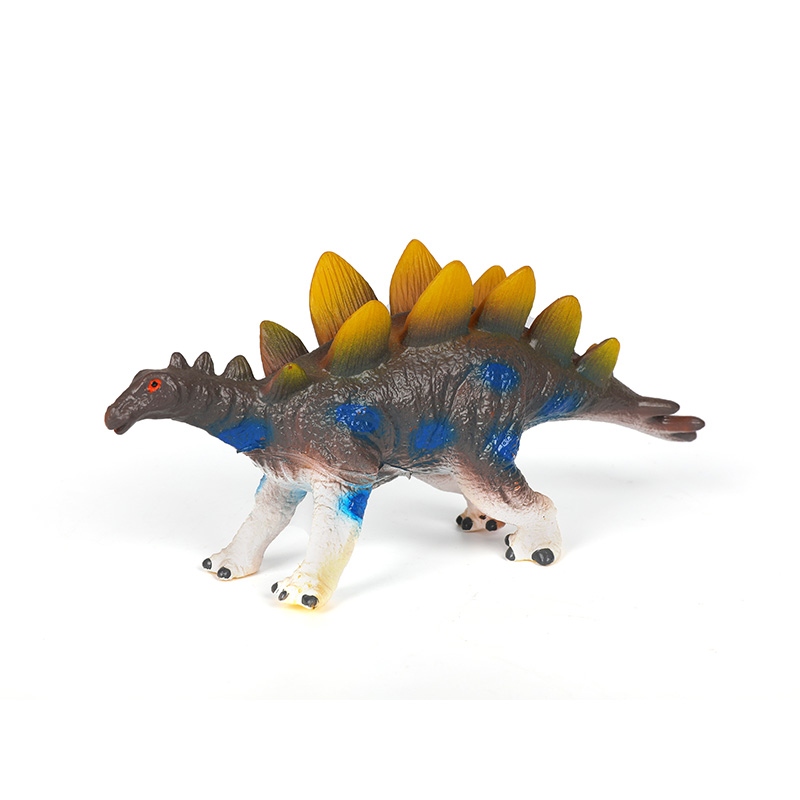
Diversity Series Dinosaur Model Puzzle Toys
Our Dinosaur Model Toys are really popular with kids these days. We make these dinosaur figures with a lot of care so they look real, help kids learn,...
View More

Copyright © Jinhua Blue Eagle Toys Technology Co., Ltd. All Rights
Reserved.

Information
-

+86 18072335560
-

-
 Weiyingsheng Industrial Co., Ltd., Yangbu Town Industrial Zone, Wucheng District, Jinhua City, Zhejiang Province
Links
Contact Us
Educational Model Toys Company