

 English
 English
 русский
 Español
- Type:
- Industry News
- Date
- 2026-Sep-25
Industry News
How Does Cartoon Duck Toy Help Develop Early Learning Interaction
Anyone who has spent time around a toddler knows that learning does not arrive through explanation. It shows up in small moments — a babble answered with a nod, a finger pointed at something across the room, a laugh that gets repeated back. These exchanges look ordinary, but they are where language and social understanding begin to take root.
What sits between a child and a caregiver during those moments often matters less than people assume. It does not need to be a lesson plan or a flashcard. A familiar shape, something a child can hold and recognize, is often enough to get a exchange going. Animal figures tend to work well here because they are easy to name and easy to remember. Ducks, in particular, carry features that even a very young child can pick out — a bill, a round body, a distinct sound.
The interesting question is not whether such an object is entertaining, but how it becomes part of the back‑and‑forth that drives early learning.
What Early Learning Interaction Involves
A child makes a sound. An adult responds. The child tries again. That cycle — offer, response, repeat — is the shape of conversation long before words arrive. It teaches waiting, turn‑taking, and the idea that communication goes both ways.
Cause and effect runs alongside it. A button gets pressed, something happens. A toy gets squeezed, a noise comes out. Once a child notices that connection, the action gets repeated, not because it is useful but because it is interesting. That repetition is doing quiet work: it builds expectation and memory.
Familiarity adds another piece. Young children are not drawn to novelty the way adults often are. They prefer what they already know, which is why the same book gets handed over night after night. A recognizable object fits into that preference. It gives a child something stable to return to, and each return creates another chance for interaction.
None of this requires a complicated toy. It requires something a child notices, reaches for, and wants to share.
Why a Recognizable Character Shape Matters
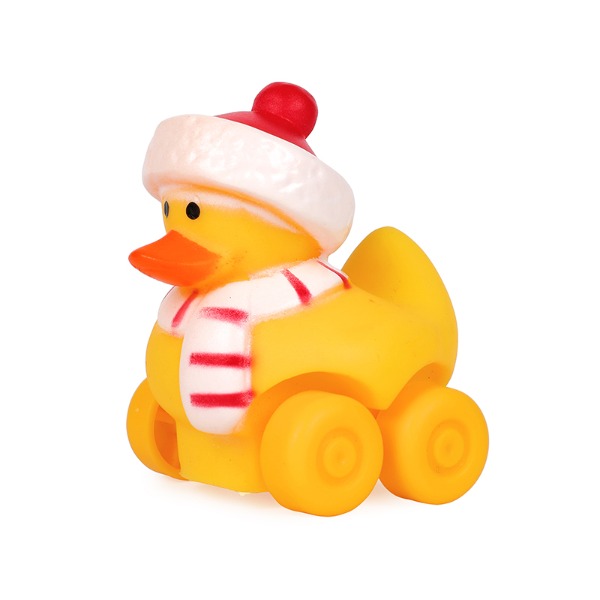
A Cartoon Duck Toy is not a random choice for a toy design. It has features that are easy to separate and name — the bill, the body, the coloring, the sound. For a child still building a vocabulary, that matters. A shape with clear parts gives them something to point at and something to label.
There is a practical side to this as well. When a character stays consistent across play sessions, a child builds a mental picture of it. They know what the duck looks like, what it does when squeezed, what sound it makes. That predictability is comforting, and comfort keeps a child engaged longer than surprise does.
Recognition also opens the door to anticipation. A child who knows what comes next is more likely to participate — reaching for the toy before it is offered, making the sound before it plays. That participation is the beginning of interaction, not just reaction.
Sensory Engagement and Vocal Mimicry
Sound is one of the simplest ways a toy can invite a response.
Press it, and something happens. That immediate feedback is easy for a young child to understand, and it does not take long before they are pressing it again — not to learn anything, but because the result is satisfying. What looks like repetitive play is actually rehearsal: action, outcome, action, outcome.
Voice repetition takes this a step further. Some toys capture what a child says and play it back, often in a slightly altered tone. The effect is amusing, and amusement prompts another attempt. A child tries a word again, adjusts the pitch, listens to what comes back. That loop — speak, hear, adjust, speak — is early practice with articulation, even if it looks like nothing more than a game.
Rhythmic sounds work in a similar way. Repeated patterns, whether musical or vocal, give a child something to track. Over time they begin to notice when a pattern changes and to predict what comes next. That kind of listening is a skill, and it develops through exposure rather than instruction.
The value here is not in the sophistication of the electronics. It is in the exchange the sound creates — one response leading to another, and another after that.
Movement, Motor Skills, and Spatial Awareness
A toy that moves changes the nature of play. Instead of sitting in a child's hands, it gives them a reason to go somewhere.
- Crawling and chasing: a duck that walks or swims across a room turns into something to follow, which builds gross motor strength and coordination
- Grasping and squeezing: plush versions and button features require a child to use their hands with growing precision
- Reaching and retrieving: simple actions that connect movement to a result
- Tracking a moving object: following something across a space helps a child judge distance and direction
- Hand‑eye coordination: mallets, keys, or press points demand aim and control
What makes these actions more than exercise is the company they keep. A caregiver who names what the child is doing, responds to a reach, or joins the chase turns movement into a shared activity. The physical and the social sides of play reinforce each other, and neither needs to be separated from the other.
| Interaction Type | Supporting Feature | What It Encourages |
|---|---|---|
| Vocal exchange | Voice repetition and sound response | Attempts at words and pitch |
| Turn‑taking | Pass‑back‑and‑forth play | Early conversational rhythm |
| Physical movement | Walking or swimming motion | Crawling, chasing, spatial tracking |
| Hand coordination | Buttons, mallets, plush handling | Grasping, pressing, releasing |
| Story and naming | Recognizable character features | Labeling, memory, anticipation |
Early Literacy, Counting, and Memory
Long before a child reads, they are learning the rhythms that reading depends on. Rhymes and songs do much of this work, and ducks show up in a fair number of them. The repetition, the counting down, the familiar cadence — these give a child a pattern to hold onto. They are not memorizing facts. They are absorbing how language moves.
Physical objects make that pattern easier to follow. Finger puppets or small duck figures let a child see counting happen rather than just hear it. Five ducks become four, then three, and the change is visible. Something abstract turns into something that can be touched and moved. That shift from sound to sight to hand is where early number sense starts to form.
Storytelling adds another layer. When a duck figure is part of the telling, a child has something to look at while the story unfolds. Attention holds longer. Details stick. The same story told again is not boring — it is predictable, and predictability is what allows a child to start filling in words before they are said. That participation is an early form of comprehension, and it grows through repetition rather than novelty.
Social‑Emotional Growth and Cooperative Play
A stuffed duck or puppet rarely stays a simple object for long. It becomes a character, and characters have feelings, problems, and opinions.
That shift is where social learning begins. When a child acts "as if" — speaking for the duck, deciding it is tired, or making it share with another toy — they are working through situations they have seen but do not yet fully understand. A disagreement between two puppets gives a child a way to look at a conflict from more than one side, without any real stakes attached. It is practice, and practice is safe.
Group play builds on this. Two children with a shared toy have to negotiate: whose turn, how long, what happens next. These are small problems, but they are the same problems that show up later in classrooms and friendships. Working them out with a toy nearby makes the process less charged.
For parents and caregivers, these toys offer something simpler as well — a reason to sit down together. Joint attention, where two people focus on the same thing at the same time, is a building block of communication. A duck that quacks, walks, or repeats a sound gives both people something to look at, respond to, and laugh about. The interaction is the point, and the toy is what makes it easy to start.
The Caregiver's Role in the Exchange
A toy on its own does very little. It sits there until someone picks it up and gives it meaning.
That is where adults come in. A sound from the toy becomes a word when someone names it. A reach becomes a request when someone responds. The object provides the opening, but the back‑and‑forth is what carries the learning.
Some of this happens naturally. Repeating what a child says, pausing to let them answer, following where their attention goes rather than steering it elsewhere — these are ordinary habits, not techniques. But they are what turn a one‑sided action into a exchange.
Pacing matters too. A child who is engaged will keep going; a child who is tired will not. Reading those signals and adjusting is part of the process, and it does not require any special training. It requires paying attention.
The same toy can serve different purposes from one day to the next — a comfort object, a story prop, a reason to make noise. What stays constant is the adult nearby, giving the moment shape.
Settings and Selection Considerations
These toys fit into more places than a playroom. A kitchen floor during meal prep, a waiting room, a long car ride, a quiet stretch before bedtime — any moment where a child needs something to focus on can work.
Early learning groups use them as well. A shared duck figure gives a small group something to pass around, name, and take turns with. It creates a center for attention when several children are in the same space.
Choosing one comes down to a few practical points:
- Size and shape suited to small hands, so it can be held and carried without strain
- Construction that survives repeated squeezing, dropping, and washing
- Sound output that is clear without being startling, since sudden loud noise can turn interest into distress
- Ease of cleaning, particularly for versions that get chewed or dragged around
- No small detachable parts that could come loose with handling
- Visual features that support recognition — a clear bill, distinct coloring, a shape a child can name
None of these points are complicated, but they affect how often a toy actually gets used. Something that is awkward to hold or difficult to clean tends to end up in a bin rather than in a child's hands.
A Familiar Object as a Starting Point
The learning does not live in the toy. It lives in what happens around it — the sounds exchanged, the turns taken, the words repeated back.
A Cartoon Duck Toy works well as a starting point because it is easy to recognize, easy to name, and easy to remember. It gives a child something to reach for and something to respond to, and it gives a caregiver a reason to respond in turn. That cycle, repeated across ordinary moments, is where early language, movement, and social understanding take shape.
There is no need to overstate what a single object can do. It cannot replace attention, conversation, or time spent together. What it can do is make those things easier to begin — a small, familiar figure that turns a quiet moment into a shared one, and then another after that.
Related Products
-
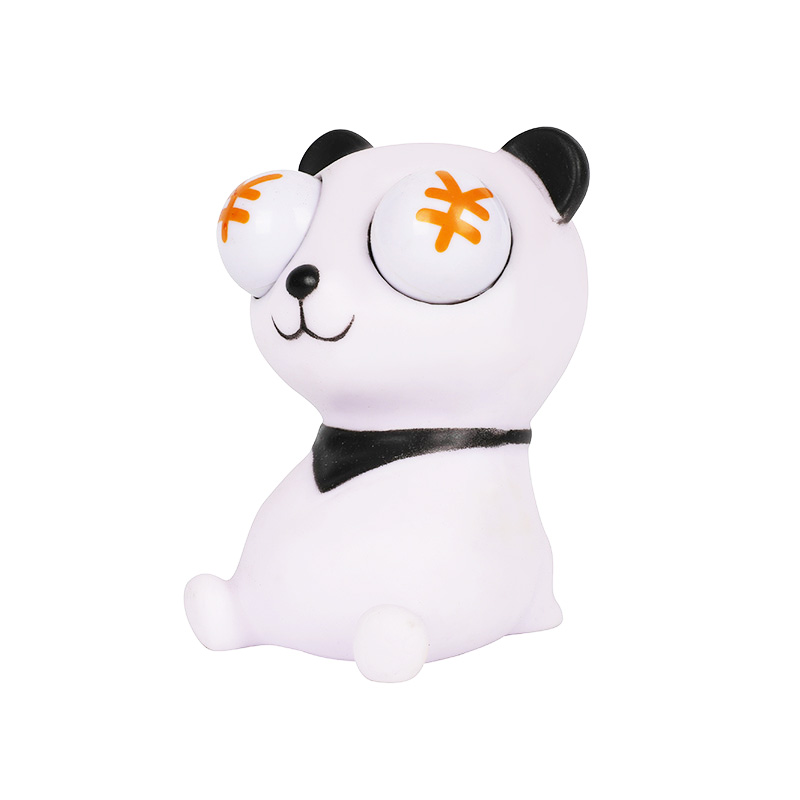
Pop-eyed Panda
Enter the whimsical world of the Pop-eye series with our delightful creation, the Pop-eyed Panda. Designed to bring joy and relieve stress, this squee...
View More -
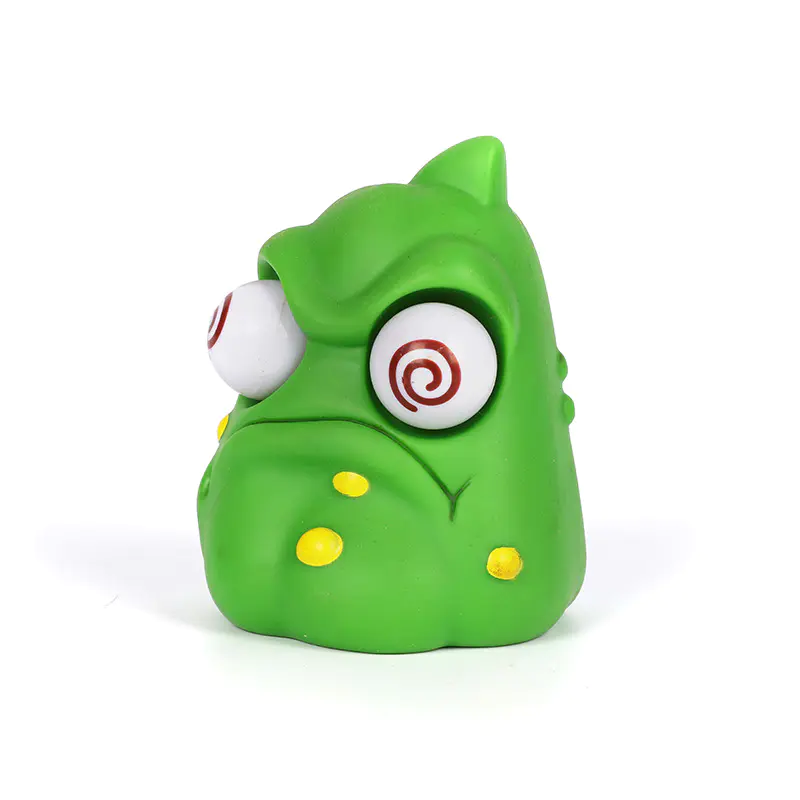
Staring Glowing Decompression Series
Step into the whimsical world of the Pop-eye series, where fun and functionality collide to bring you the Staring Glowing Decompression Series. These ...
View More -
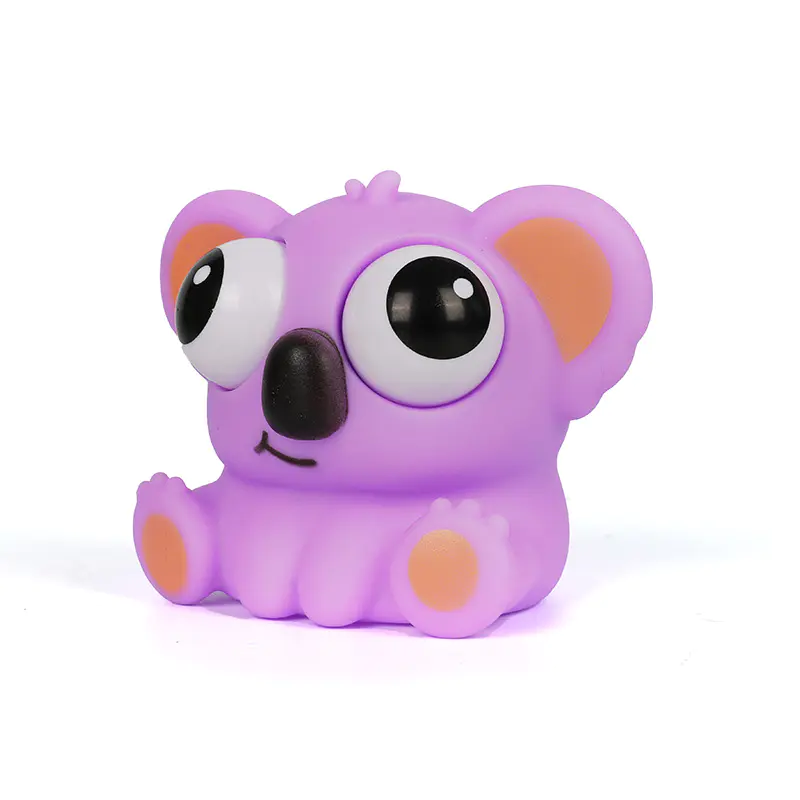
Cute Little Animal Series (Big-eyed)
Welcome to the enchanting world of our Cute Little Animal Series (Big-eyed), a delightful addition to our renowned Pop-eye Collection. These captivati...
View More -
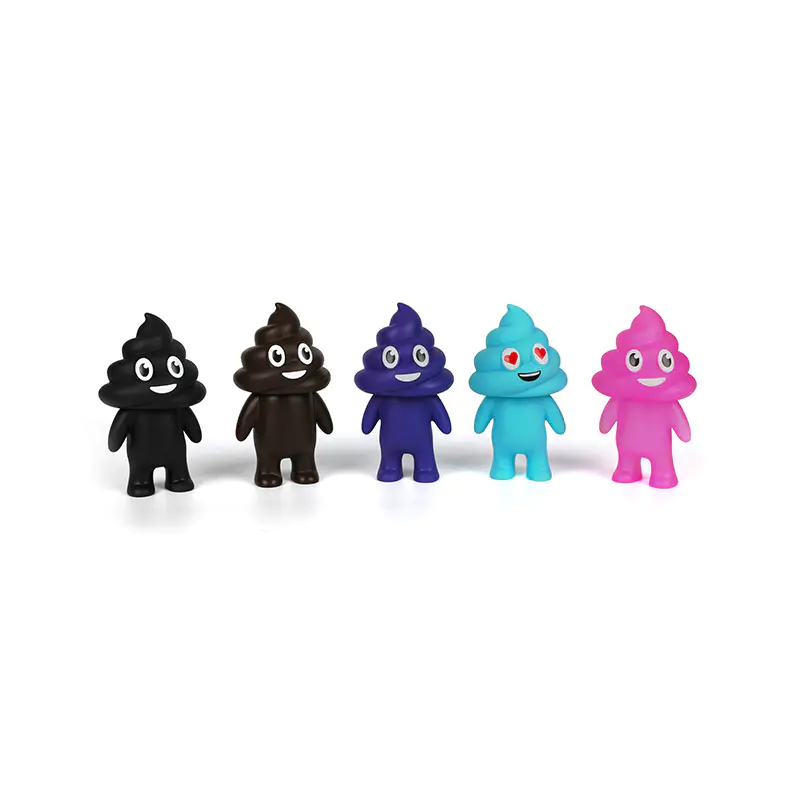
Poop People Series
Introducing the Poop People Series, a unique and playful line of collectible figures that bring humor and joy to toy collections everywhere. These qui...
View More -
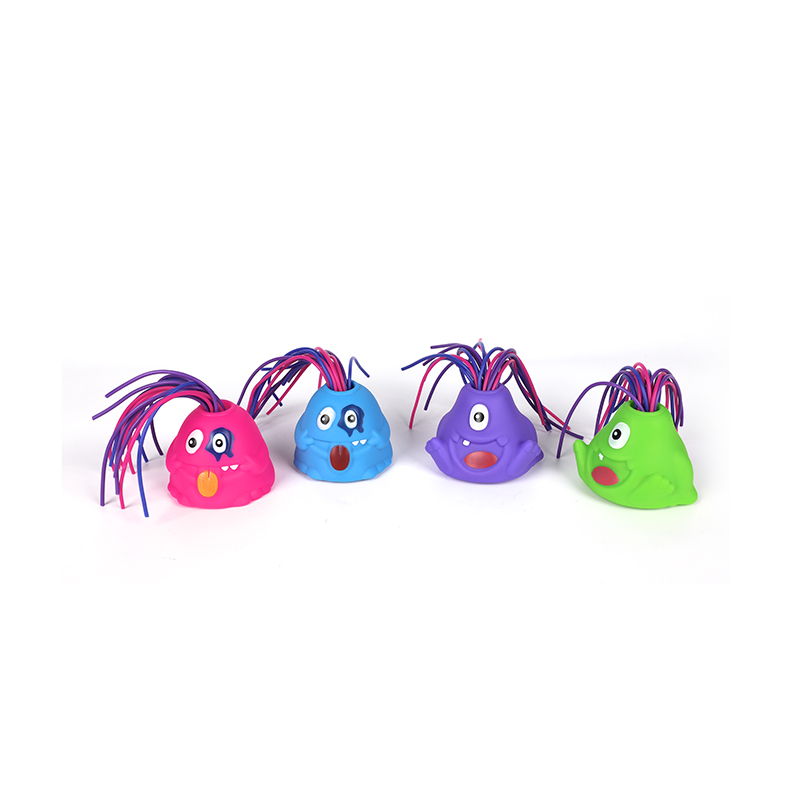
Fun Hair-Pulling Monster Stress Relief Anti-Anxiety Sound Toys
Laughter is one of the best ways to release stress, and Hair-Pulling Sound Toys are designed to do exactly that. These playful screaming monster figur...
View More -
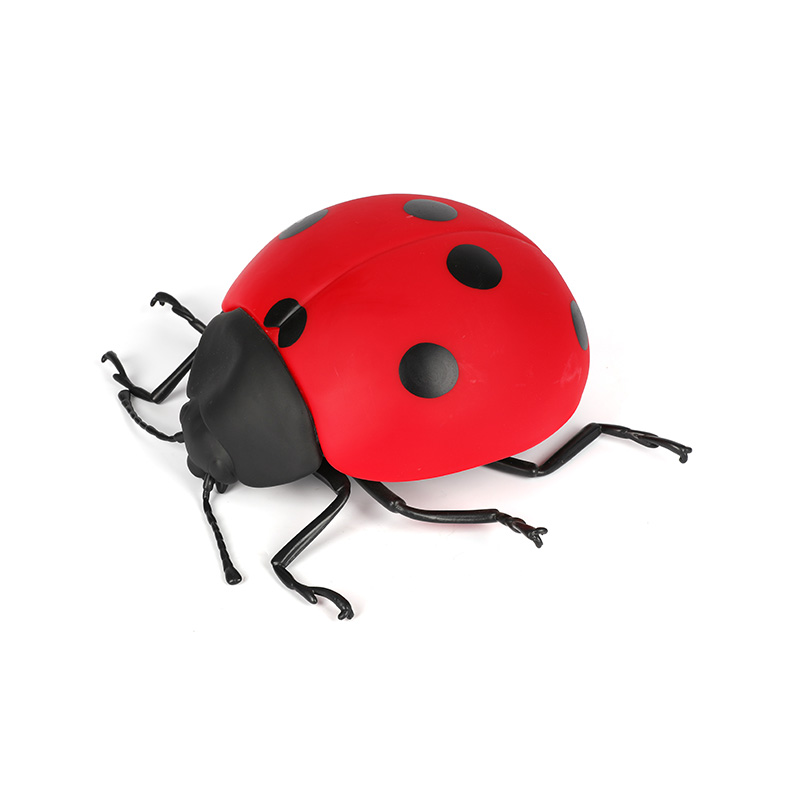
Beetle, Beetle Model Toys
Our Beetle Model Toys are pretty popular with kids and bug fans these days. We put real effort into making these beetle figures so they look detailed ...
View More -
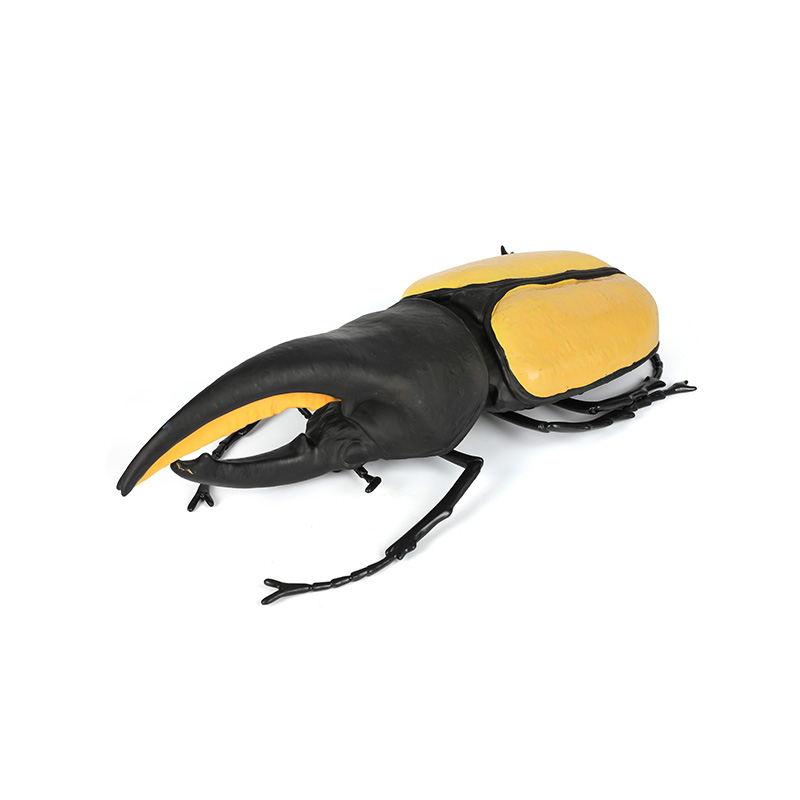
Beetle, Beetle Model Toys
Welcome to the world of Beetle Model Toys, where intricate design meets playful imagination. Our Beetle models are meticulously crafted to provide not...
View More -
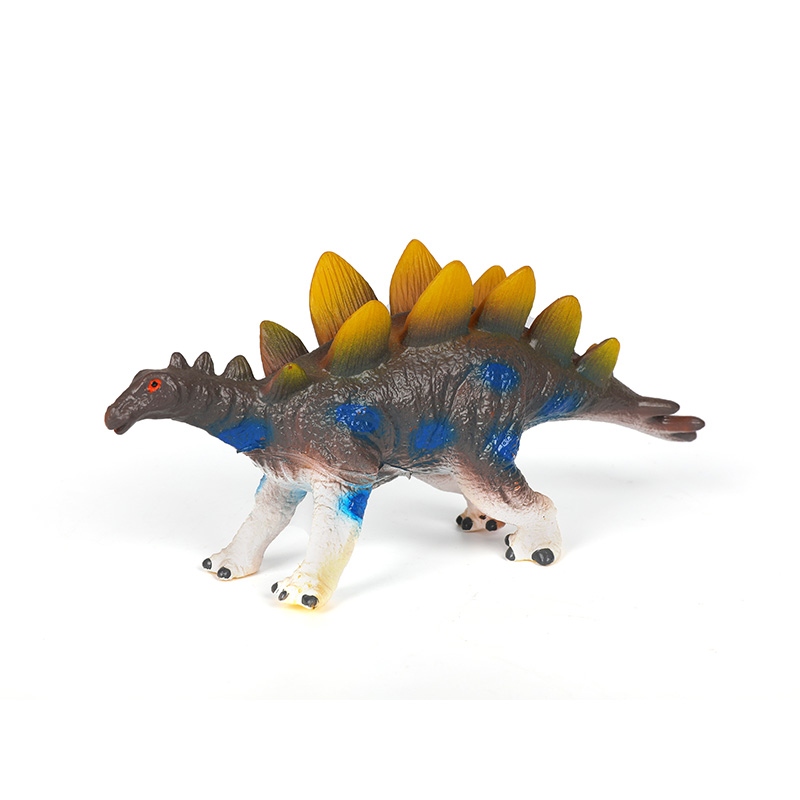
Diversity Series Dinosaur Model Puzzle Toys
Our Dinosaur Model Toys are really popular with kids these days. We make these dinosaur figures with a lot of care so they look real, help kids learn,...
View More
Copyright © Jinhua Blue Eagle Toys Technology Co., Ltd. All Rights
Reserved.

Information
-

+86 18072335560
-

-
 Weiyingsheng Industrial Co., Ltd., Yangbu Town Industrial Zone, Wucheng District, Jinhua City, Zhejiang Province
Links
Contact Us
Educational Model Toys Company