

 English
 English
 русский
 Español
- Type:
- Industry News
- Date
- 2026-Sep-22
Industry News
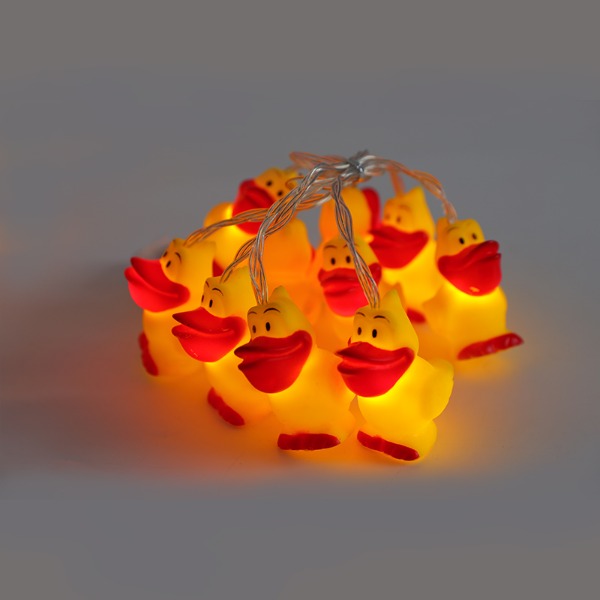
How Light Up Duck Toy Supports Sensory Exploration
A toy that lights up, makes a sound, and moves does more than add entertainment to a play space. For a young child, each response provides something to notice. A changing light can draw the eyes toward an object, a short melody can interrupt background noise, and a button that produces a response gives the hands a reason to interact with the toy.
A Light Up Duck Toy brings these experiences into one object. The sensory experience is not created by the light alone. It comes from the way light, sound, touch, and movement appear during ordinary play. A child may watch the duck before touching it, press a button after noticing a light, or follow the toy when it moves across the floor. Each action changes what can be seen, heard, or felt.
That makes the surrounding play environment important. A toy with several sensory features does not need to be used in a busy setting. A quieter space can make a small sound easier to notice, while a clear floor gives a moving toy room to attract visual attention.
How LED Lights Create Visual Exploration
Light is easy to notice, but the way it is presented affects how useful it is for visual exploration. A steady glow gives a child a fixed point to look at. A changing color or intermittent light creates something different to watch because the visual information does not remain the same.
For example, a duck that changes from one color to another may encourage repeated observation. The child may look at the body of the toy, follow the change, and then look again after pressing a button. The activity is simple, but it involves noticing differences rather than only looking at a stationary object.
Movement adds another layer. When an illuminated duck moves across the floor, the light becomes connected with the position of the toy. Following it with the eyes can be part of the play, particularly when the movement is slow enough to remain easy to follow.
Room lighting also changes how the effect appears. In a brightly lit room, a small LED may blend into the surrounding visual information. In a dimmer area, the same light can become a clearer point of focus. A darker environment should not automatically be treated as a better setting, however. The purpose is to create a comfortable visual environment rather than simply increasing contrast.
Color changes are also easier to observe when the toy has a relatively simple appearance. Too many surrounding lights, screens, or moving objects can compete for attention. A clear play area can make it easier to notice what the toy is doing.
How A Duck Led Night Light Changes A Dim Environment
A Duck Led Night Light has a slightly different role when placed in a bedroom or another quiet area. Instead of being used only for active play, the illuminated duck can become part of the room's background environment.
A small light beside a bed, on a shelf, or near a reading area can provide a recognizable point of light when the main room lighting is reduced. The duck shape adds a familiar visual form, while the light makes the object easier to identify in low‑light conditions.
Placement makes a practical difference. A light positioned directly beside the face may appear much brighter than the same light placed farther away. Reflections from walls, furniture, or glossy surfaces can also change how the light feels in the room.
For quiet activities, a steady or gently changing light may fit better than a highly active light pattern. The same principle applies to sound. A night‑time setting generally has fewer background sounds, so a musical feature that seems quiet during daytime play may become much more noticeable later.
It is also useful to separate the idea of a night light from general room lighting. A small children's light is usually intended to create a localized visual point rather than illuminate an entire room. Reading, walking around, or other activities that require clear visibility may call for suitable room lighting instead.
How Music And Animal Sounds Add Auditory Interaction
Sound changes the way a child interacts with a toy because the response cannot be seen. A melody may continue after a button is pressed, while an animal sound may be short and easy to associate with a particular action.
A toy can include different types of sound for different interactions. A button may produce a duck call, another control may start a melody, and movement may activate another response. These differences give the child something to listen for and compare.
The surrounding environment has a strong effect on this experience. In a noisy playroom, a short animal sound may be difficult to distinguish. In a quieter room, the same sound can become much clearer. Keeping other audio sources low can make it easier to notice the relationship between an action and the resulting sound.
Volume deserves attention as well. A sound‑producing toy does not need to be used at a high volume to create interaction. Lower sound levels can also leave room for conversation, other play activities, and normal background sounds.
When light and sound respond together, the interaction becomes easier to notice. A button may trigger a color change at the same time as a melody, creating two forms of feedback from one action. The child can then focus on either response, switch between them, or repeat the action to hear and see what happens.
How Interactive Sounds Show Cause And Effect
A simple action‑and‑response pattern can make a toy easier to understand through play. Pressing a button produces a sound; touching another part may create a light response. The connection does not need verbal instructions to become part of the activity.
With a Light Up Duck Toy, repeated interaction may look quite different from one child to another. One child may repeatedly press the same button because the sound is interesting. Another may move the duck around and pay little attention to the controls. Someone else may watch the light before touching the toy.
These differences are useful to keep in mind when considering sensory play. The goal is not to force a particular response. A simple toy can provide several possible starting points and allow the activity to change naturally.
Practical interaction may include:
- Pressing a button and waiting for the response
- Watching the light while changing a control
- Moving the duck and observing whether the sound changes
- Repeating an action after hearing a familiar sound
- Switching between light, sound, and movement during play
Such actions turn the toy into something to investigate rather than something that only produces a passive visual effect. The sensory experience comes from the back‑and‑forth between the child and the object, with each response providing another detail to notice.
How Texture And Grasping Add Tactile Exploration
Visual and auditory effects attract attention from a distance, while touch requires direct contact. The surface of a toy can therefore become part of the sensory experience before any light or sound function is activated.
A smooth plastic body may feel different from a textured button. A raised control can be located by touch, while a recessed area may require a different finger movement. Small differences in surface shape give the hands information about where to press, hold, or move.
Grasping also changes according to the shape of the toy. A rounded body may be held with both hands, while a small control can be pressed with a fingertip. Picking up, turning, pushing, and putting down the duck all involve different forms of physical contact.
These simple actions can be observed during ordinary play:
- Fingers press a textured button.
- Both hands hold the toy while it is moved.
- The surface is touched before a control is activated.
- The duck is pushed across the floor.
- A child changes grip after the toy changes position.
Hand and eye activity can occur together as well. A button may be visible while the fingers search for its surface, followed by a light or sound response after contact. The resulting interaction connects what is seen with what is felt and heard.
Material selection also matters. Children's toys are handled frequently, so surfaces need to be suitable for repeated contact and cleaning. Cracks, loose parts, rough edges, or damaged areas can change the way a toy should be used and should not be ignored.
How Light Up Duck Toy Combines Several Sensory Inputs
The interesting part of a light‑up toy is not necessarily any single feature. Light, sound, touch, and movement can overlap during one short interaction.
For example, a child may notice an illuminated duck across the room and move toward it. A button is pressed, a melody begins, and the body lights up in another color. The hands then move the toy, causing another visual change. Within a short period, several forms of sensory information have appeared in response to ordinary actions.
The interaction can also happen in reverse. A sound may attract attention before the light becomes noticeable. A textured button may be discovered through touch before any interest develops in the music. Movement may then become the main focus.
This flexibility makes the play experience less dependent on a fixed sequence. Different features can become relevant at different moments.
| Sensory Input | Possible Interaction | What Can Be Noticed |
|---|---|---|
| Light | Watching a color or brightness change | Visual differences |
| Sound | Listening after pressing a control | Changes in melody or animal sounds |
| Touch | Pressing or holding a textured surface | Differences in shape and texture |
| Movement | Following or pushing the duck | Changes in position and direction |
A Light Up Duck Toy can therefore function as a small collection of sensory experiences within one familiar object. The actual experience still depends on the design, surroundings, and way the toy is handled. A flashing light may attract attention in one setting, while movement or sound may become more interesting in another.
What Safety Factors Matter In Sensory Toy Design
Sensory features need to be considered alongside basic toy safety. Light, sound, movement, buttons, batteries, and textured surfaces all introduce different design requirements.
The construction should account for repeated handling. Buttons need to remain attached, the outer housing should not develop accessible sharp edges, and battery compartments need to remain properly secured. Small detachable parts can also require particular attention when a toy is intended for young children.
Light and sound require consideration as well. A toy intended for children should provide information about suitable use, including any age guidance and relevant warnings. Flashing effects may not suit every child or every environment, so the play setting can influence how the lighting function is used.
Cleaning is another practical issue. Toys that are frequently handled can collect dust, food residue, or other material on their surfaces. Cleaning instructions should be followed according to the construction of the product, particularly around electrical components and battery compartments.
The same principle applies to moving toys. A clear floor can reduce the chance of the toy becoming caught under furniture or creating an unexpected obstacle. Regular inspection is useful when the toy is handled frequently.
How Everyday Play Settings Shape Sensory Exploration
The surrounding environment can change the way a sensory toy is experienced. A Duck Led Night Light placed beside a bed creates a different atmosphere from a light‑up duck moving across a playroom floor.
During daytime play, movement and physical interaction may naturally become part of the activity. In a quieter room, visual observation and listening may receive more attention. A dim space can make the light easier to notice, while a busy room may make sound and movement harder to distinguish.
The toy can also be combined with other forms of play. Building blocks provide different shapes to handle, books introduce pictures and language, and outdoor play adds natural sounds, movement, and changing surroundings. A light‑up toy occupies one part of this broader range of everyday experiences.
A suitable setting does not need to contain many sensory features. A clear floor, comfortable lighting, manageable sound, and enough space to handle the toy can provide a practical starting point. When the environment changes, the same toy may also take on a different role.
Sensory exploration is shaped by these small interactions: looking at a changing light, listening to a familiar sound, feeling a textured button, reaching toward a moving object, or simply holding the toy. A Light Up Duck Toy brings several of these experiences together in a form that can shift between quiet observation and active play.
Related Products
-
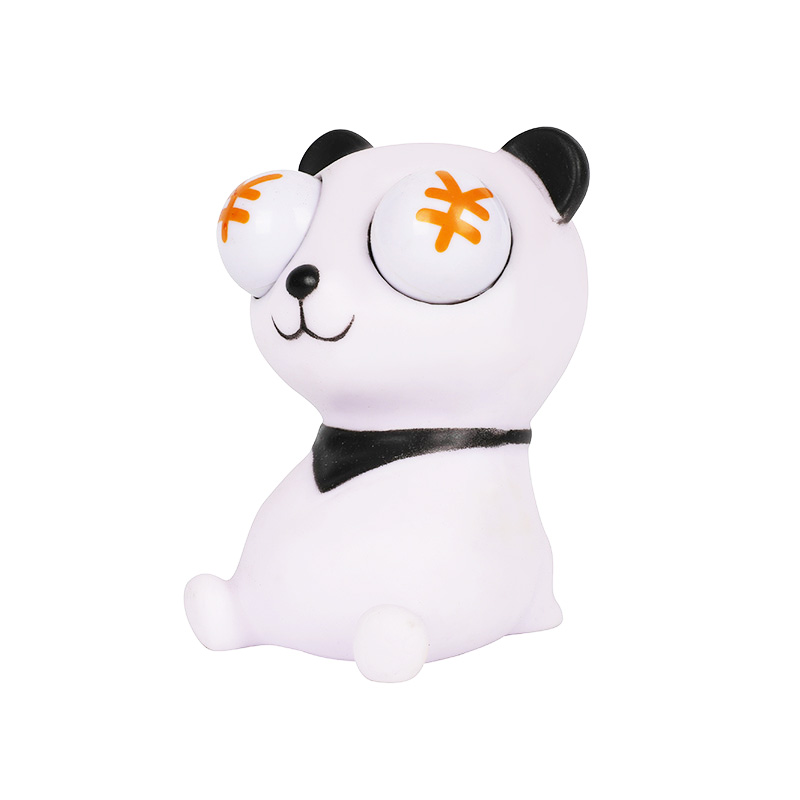
Pop-eyed Panda
Enter the whimsical world of the Pop-eye series with our delightful creation, the Pop-eyed Panda. Designed to bring joy and relieve stress, this squee...
View More -
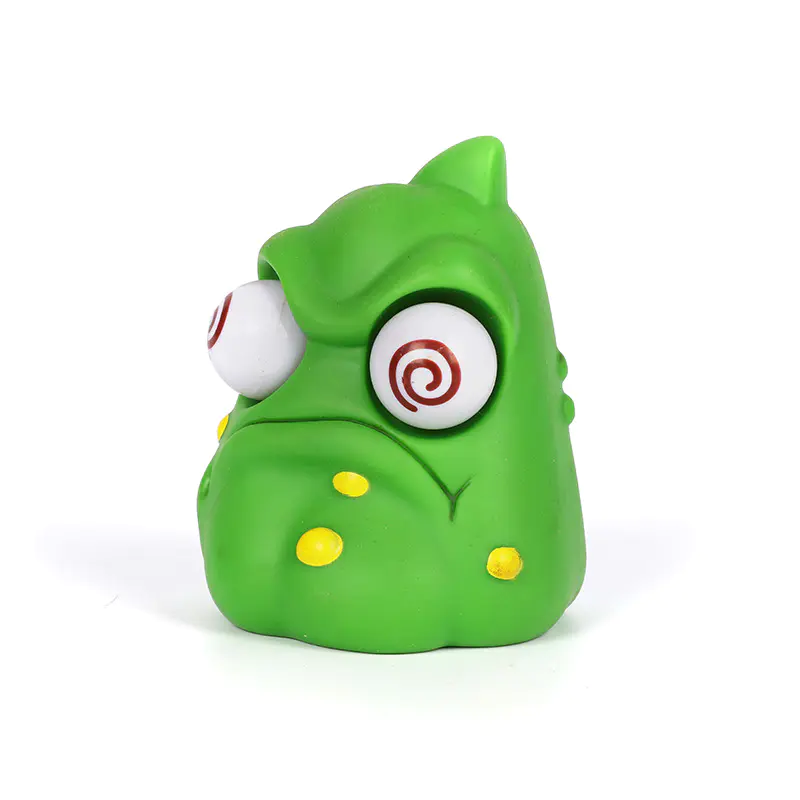
Staring Glowing Decompression Series
Step into the whimsical world of the Pop-eye series, where fun and functionality collide to bring you the Staring Glowing Decompression Series. These ...
View More -
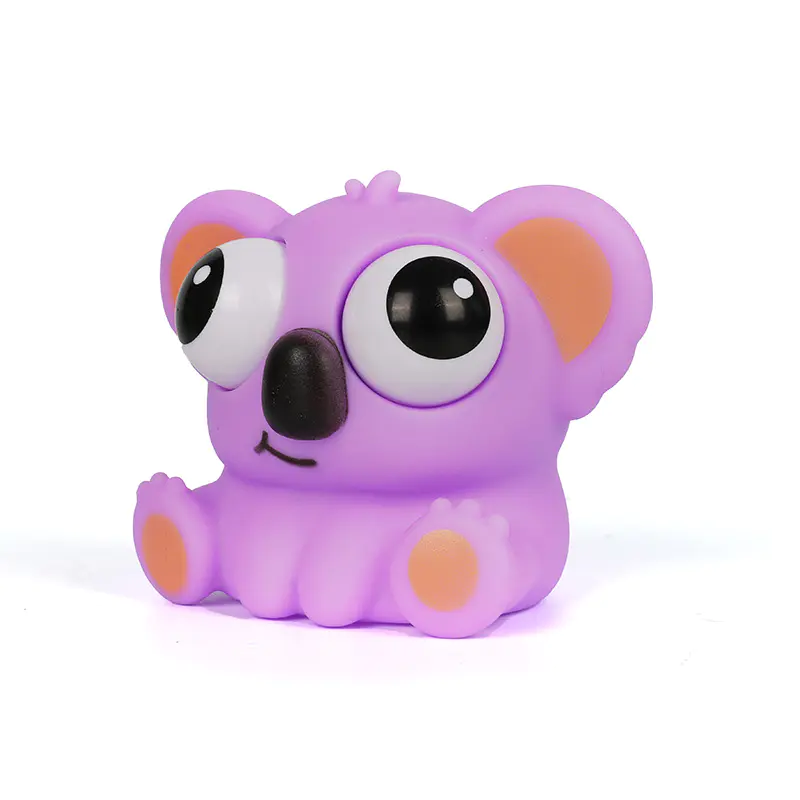
Cute Little Animal Series (Big-eyed)
Welcome to the enchanting world of our Cute Little Animal Series (Big-eyed), a delightful addition to our renowned Pop-eye Collection. These captivati...
View More -
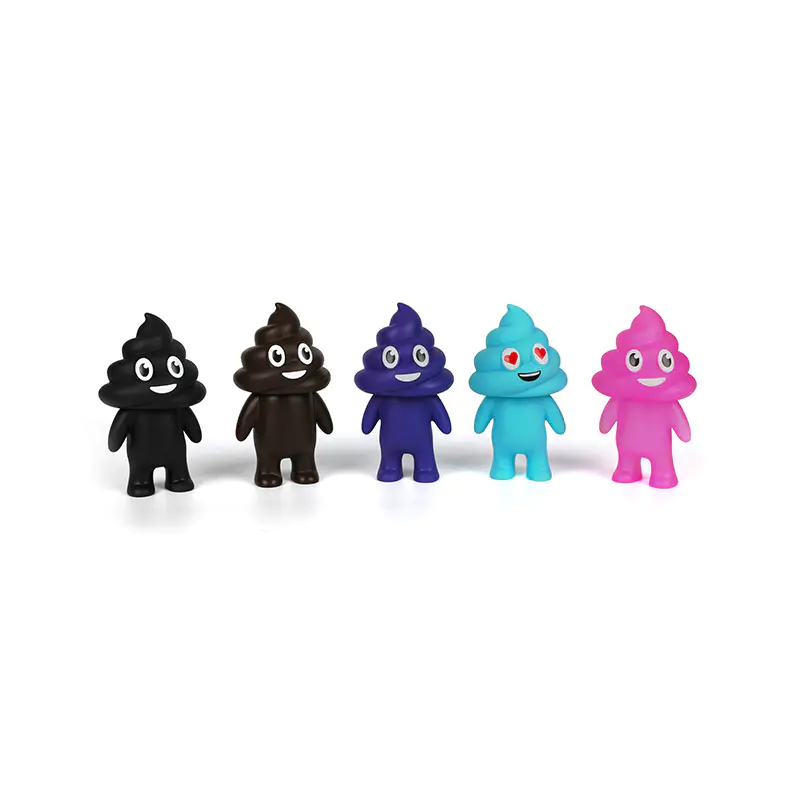
Poop People Series
Introducing the Poop People Series, a unique and playful line of collectible figures that bring humor and joy to toy collections everywhere. These qui...
View More -
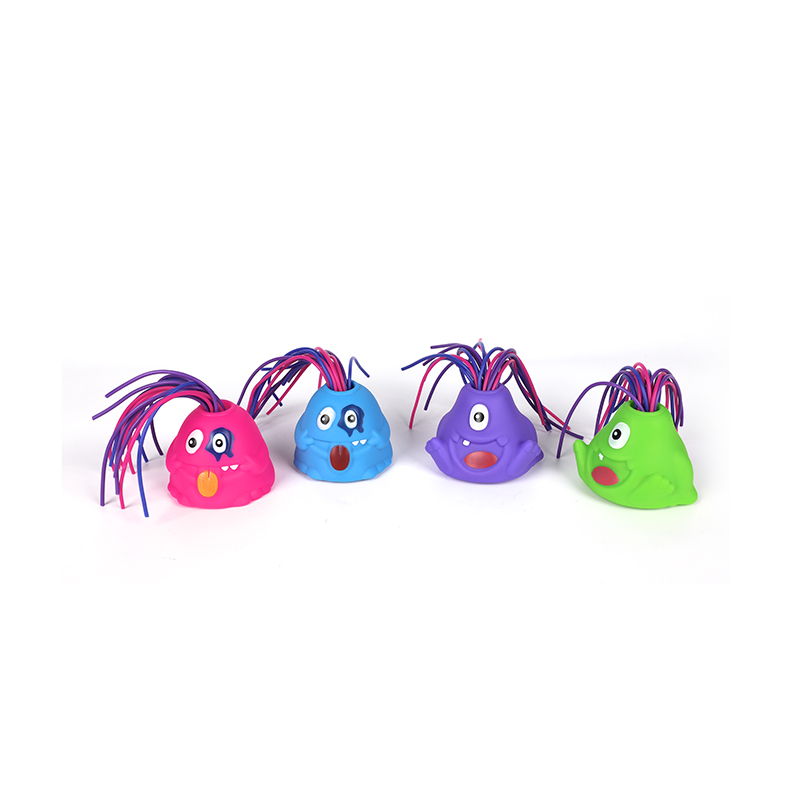
Fun Hair-Pulling Monster Stress Relief Anti-Anxiety Sound Toys
Laughter is one of the best ways to release stress, and Hair-Pulling Sound Toys are designed to do exactly that. These playful screaming monster figur...
View More -
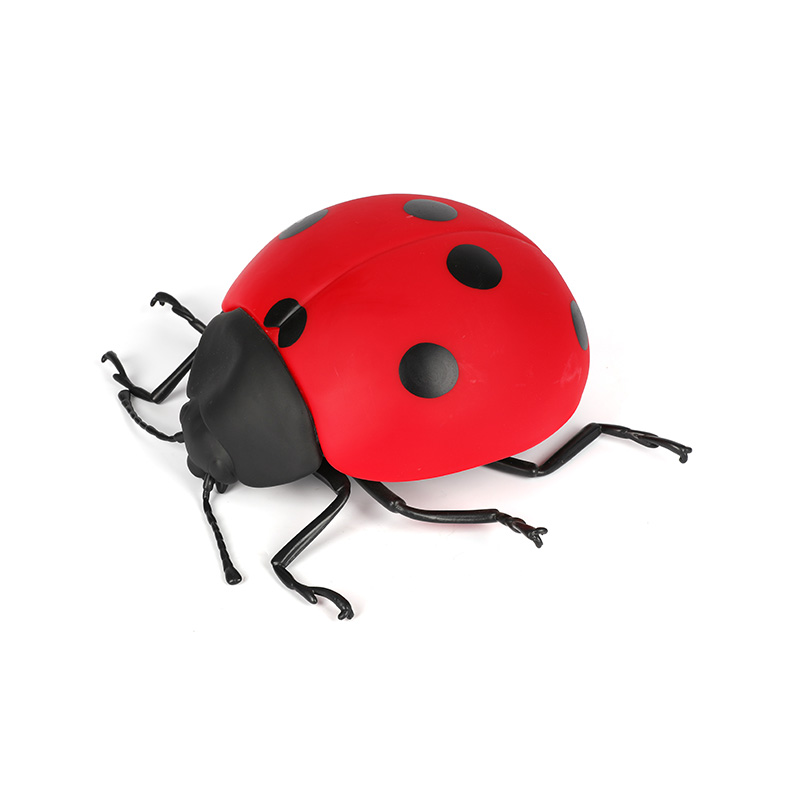
Beetle, Beetle Model Toys
Our Beetle Model Toys are pretty popular with kids and bug fans these days. We put real effort into making these beetle figures so they look detailed ...
View More -
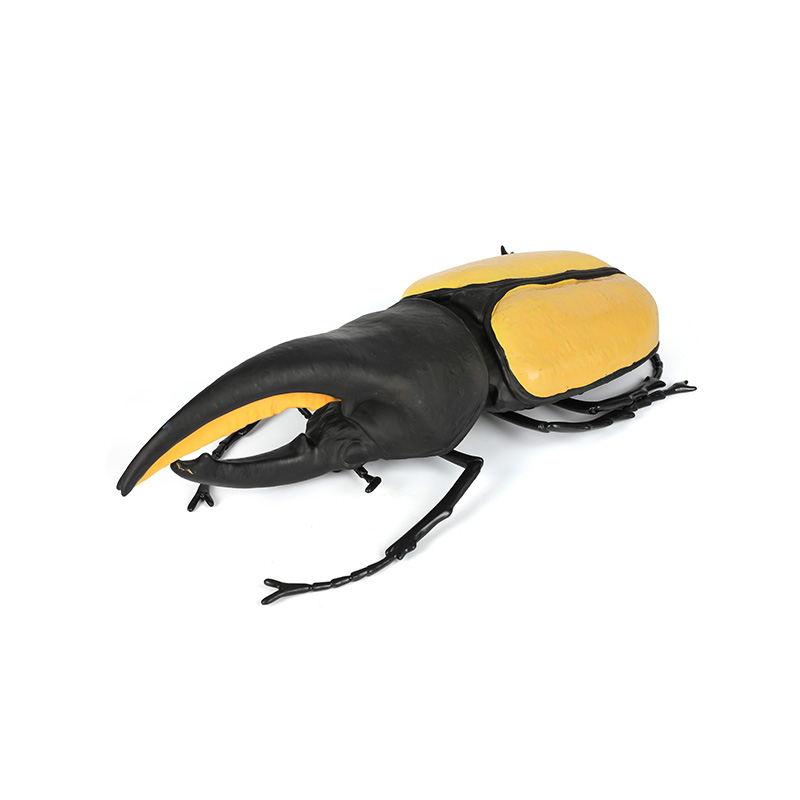
Beetle, Beetle Model Toys
Welcome to the world of Beetle Model Toys, where intricate design meets playful imagination. Our Beetle models are meticulously crafted to provide not...
View More -
Diversity Series Dinosaur Model Puzzle Toys
Our Dinosaur Model Toys are really popular with kids these days. We make these dinosaur figures with a lot of care so they look real, help kids learn,...
View More

Copyright © Jinhua Blue Eagle Toys Technology Co., Ltd. All Rights
Reserved.

Information
-

+86 18072335560
-

-
 Weiyingsheng Industrial Co., Ltd., Yangbu Town Industrial Zone, Wucheng District, Jinhua City, Zhejiang Province
Links
Contact Us
Educational Model Toys Company