

 English
 English
 русский
 Español
- Type:
- Industry News
- Date
- 2026-Sep-29
Industry News
How Does Soft Silicone Make Duck Led Night Light Safer for Kids
A night light used around children is handled in ways that are not always predictable. It may be picked up from a bedside surface, carried across a room, pressed repeatedly, or dropped onto the floor during play. A soft outer material can change how the product responds to these everyday situations.
Silicone is often used as an outer layer because it has a flexible and smooth feel. For a Duck Led Night Light, this material can also work with the shape of the housing to reduce hard contact points. The safety of a children's light still depends on the complete construction, but the outer surface plays a noticeable role during regular handling.
How Does Soft Silicone Help Reduce Impact From Drops
A small light can easily slip from a child's hands. Smooth furniture, bedding, or a moving play area can also cause an object to fall unexpectedly. A rigid plastic shell may transfer more of the impact directly to its surface and the parts underneath. A softer outer layer can deform slightly when it meets another surface, changing the way the contact occurs.
This does not mean that silicone makes a light resistant to every type of fall. Drop resistance also depends on the internal structure, the shape of the housing, and how the electronic parts are secured.
Several design details can affect the result:
- A flexible outer layer can cushion some direct contact.
- Rounded shapes can spread contact across a wider area.
- A stable base can reduce the chance of repeated tipping.
- Secure internal components can reduce movement inside the housing.
- A smooth exterior can avoid creating hard points around impact areas.
The condition of the silicone also matters. Cuts, tears, or loose sections can change how the outer layer behaves during handling. Regular inspection is useful for products that are frequently carried or dropped.
For a Light Up Duck Toy, the outer material also has to work around the lighting components. The cover needs to remain flexible without interfering with the light source or controls. Material selection and structural design are closely connected rather than separate decisions.
Why A Soft Surface Feels More Comfortable During Handling
Children often interact with a night light through simple physical actions. Fingers may press the surface, a hand may wrap around the body, or the whole light may be moved from one place to another. A soft silicone exterior gives these actions a different tactile response from a hard shell.
The surface can feel smooth while still allowing a small amount of deformation under pressure. That combination can make repeated handling feel less rigid. Shape also matters. A rounded body gives the hand fewer abrupt changes in direction, while a large flat area can provide space for pressing or holding.
| Handling Action | Useful Surface Feature | Practical Consideration |
|---|---|---|
| Holding | Soft outer surface | Comfortable contact with the hand |
| Pressing | Flexible cover | Reduces the hard feel of a rigid button area |
| Picking up | Rounded body | Fewer sharp contact points |
| Moving | Easy‑grip shape | Less awkward handling |
| Dropping | Flexible exterior | Can soften some direct surface impact |
A soft surface should not become excessively loose or difficult to control. A light that changes shape too easily may feel unstable when held. The material needs enough structure to keep the product recognizable and easy to handle.
Surface texture also deserves attention. A completely smooth finish may feel pleasant but can become harder to control when the hand is wet or when the light is moved quickly. A lightly textured surface can provide additional grip without introducing rough areas that are uncomfortable to touch.
How Rounded Edges Reduce Contact With Sharp Corners
Material softness and product shape solve different parts of the same problem. Silicone can make an outer surface softer, while rounded edges reduce the number of hard corners that come into contact with the body.
A child's hand may approach a night light from any direction. The product may also be placed on its side, tilted, or picked up from an unusual angle. A rounded housing provides a more consistent surface during these movements.
Edge design is particularly relevant around areas that are touched frequently, such as:
- The outer rim of the housing
- Button areas
- Corners around the base
- Seams between different parts
- Openings around charging or power connections
A well‑finished edge should not create a noticeable ridge or sharp transition. Even when the main body is made from soft material, a hard internal component should not protrude through the surface.
The duck shape can also influence how the material is used. Curved sections around the head, body, and base allow the silicone layer to follow the overall form without leaving unnecessary corners. A playful shape can still have practical handling considerations behind it.
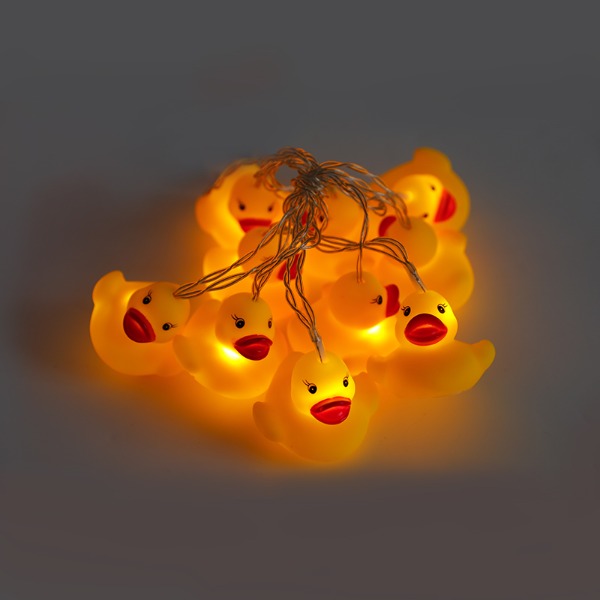
How Silicone And Shape Work Together In Drop Resistance
A soft outer shell cannot carry the full responsibility for drop resistance. The way a Duck Led Night Light is built inside also affects what happens when it hits a floor or another surface.
Consider a light falling from a low surface. The outside may contact the floor before the internal components experience the full force of the impact. A flexible cover can absorb part of that contact through temporary deformation. The internal housing then needs to keep the light source, power components, and control parts in their intended positions.
The shape of the product affects this process as well. A rounded body may roll or change direction after contact rather than stopping suddenly at a corner. A broad base can help the light remain upright when placed down. Neither feature removes the possibility of damage, but both can influence how the product behaves during everyday handling.
A practical design approach usually considers several elements together:
- Outer material — provides the surface that comes into direct contact with surrounding objects.
- Body shape — controls corners, edges, and contact areas.
- Internal support — keeps functional components from moving unnecessarily.
- Base structure — affects stability after the light is placed down.
- Surface condition — helps maintain the intended feel during repeated handling.
This combination is also relevant when the light is carried around during play. Children may treat a small illuminated object as a toy rather than leaving it in one fixed position. The outer shell needs to accommodate that kind of movement while the internal structure remains secure.
A soft silicone cover can reduce the hard feel of contact, but it should not be treated as a substitute for sound construction. Material, shape, internal support, and everyday handling conditions all contribute to how a children's night light behaves.
How A Duck Led Night Light Handles Frequent Touch And Movement
Repeated handling creates a different requirement from an occasional drop. A child may pick up the light several times, press the surface, turn it around, place it on a table, and move it back to the floor. Each action places contact on a different part of the housing.
A flexible exterior can make these interactions less rigid. It can also cover areas that might otherwise require direct contact with a harder casing. For lights with touch controls or pressure‑sensitive areas, the outer layer needs to remain responsive while maintaining its physical shape.
Placement also affects handling. A night light positioned near a bed may be picked up in low light, making rounded surfaces and easy‑to‑recognize controls useful. A light placed on the floor may be pushed accidentally during movement around the room. In both cases, the shape and surface determine how the object responds to contact.
What Makes The Surface Suitable For Repeated Child Contact
A children's night light may be touched far more often than expected. Fingers can move across the body, press a control, hold the sides, or squeeze a soft area while carrying the light. The outer surface needs to remain comfortable through these repeated actions.
Soft silicone can provide a flexible contact layer between the hand and the harder structure underneath. Its smooth feel can make short periods of contact less harsh, while a suitable surface texture can help the hand maintain control during movement.
Several surface details are worth considering:
- Smooth edges: Areas around the body should not have sharp ridges or rough transitions.
- Consistent texture: Large changes in surface feel can make certain sections uncomfortable to handle.
- Secure covering: The outer material should stay attached to the housing during ordinary use.
- Easy cleaning: The surface should allow routine wiping without creating difficult‑to‑reach grooves.
- Stable shape: Softness should not make the body difficult to hold or place.
The condition of the surface can change with repeated handling. Peeling, tearing, or separation around a seam may expose harder parts beneath the silicone. A damaged surface can also create small areas that are less comfortable to touch.
For a Duck Led Night Light, surface design has another practical role. The duck‑shaped body may encourage holding around the head, sides, or lower section. Those areas should maintain a consistent feel so that handling does not depend on finding a particular grip.
How A Light Up Duck Toy Can Avoid Unnecessary Hard Parts
Soft silicone works best when the overall structure supports the same safety goal. A soft exterior cannot fully compensate for a rigid component that extends beyond the surface or an opening with an unfinished edge.
Buttons, charging areas, switches, and decorative details deserve particular attention. Each creates a place where different materials may meet. If the transition is poorly shaped, a hard edge can become noticeable during handling even when the main body feels soft.
A simple design approach can reduce unnecessary contact points:
- Keep decorative parts close to the main surface.
- Avoid sharp corners around frequently touched areas.
- Cover rigid internal structures with a suitable outer layer.
- Make seams smooth rather than leaving raised edges.
- Keep controls easy to locate without adding large protruding parts.
The same idea applies to a Light Up Duck Toy with interactive controls. A child may press the same area repeatedly without paying attention to the shape of the button. A recessed or smoothly integrated control can reduce the chance of a hard part becoming a direct contact point.
The lighting section also needs careful treatment. A translucent cover can spread light while keeping the internal lamp away from direct contact. The cover should remain firmly positioned so that repeated pressing does not expose the internal structure.
What Safety Details Matter Beyond Soft Silicone
Soft silicone is only one part of physical safety. The internal construction, power system, controls, and base all have a role in how a children's night light behaves during normal use.
| Design Area | What To Check | Why It Matters |
|---|---|---|
| Outer shell | Smooth and flexible surface | Reduces hard contact during handling |
| Edges | Rounded and finished transitions | Limits sharp contact points |
| Controls | Integrated buttons or touch areas | Reduces exposed hard parts |
| Base | Stable contact with the surface | Helps prevent unnecessary tipping |
| Internal parts | Firmly supported structure | Limits unwanted movement after impact |
| Seams | Secure and even joins | Helps prevent separation during handling |
The base deserves particular attention because a light that frequently tips over may experience repeated impacts. A rounded body can still be difficult to keep upright if the bottom is too narrow or uneven.
The internal parts also need room to function without becoming loose. A drop can place stress on the housing, while repeated pressing can place pressure on nearby components. A secure internal arrangement helps the outer shell maintain its intended form during everyday use.
Material condition is another practical point. Silicone may feel soft when intact, but damage can change the surface. Small tears, loose sections, or exposed hard edges are reasons to stop using a damaged light until the condition has been checked.
How Everyday Placement Affects The Safety Of A Duck Led Night Light
The environment around a night light changes how it is handled. A light beside a bed may fall onto a soft surface, while one placed on a hard floor can experience a different type of impact. A light near a play area may also be pushed or kicked without deliberate contact.
Placement can be considered through several common situations:
- Bedside use: The light should remain stable on a flat surface and have edges that are comfortable to touch in dim conditions.
- Floor use: A broad and stable base can help reduce accidental tipping.
- Play areas: The housing should tolerate ordinary handling without exposing hard internal parts.
- Low furniture: A fall from a raised surface can place greater stress on the outer shell and internal structure.
- Shared spaces: The light may be moved frequently, increasing the importance of grip and surface condition.
A Duck Led Night Light may be used as both a source of soft illumination and an object that children interact with. That dual role makes the physical design relevant even when the light itself produces only a small amount of illumination.
Soft silicone can provide a comfortable outer contact surface, while rounded contours can reduce sharp corners. A stable base can help control movement, and a secure internal structure can support the outer housing during drops and repeated handling.
The same principles apply to a Light Up Duck Toy when lighting, movement, and physical interaction are combined in one object. Safety comes from how the parts work together: material softness, body shape, edge treatment, surface condition, internal support, and the environment in which the product is placed.
Related Products
-
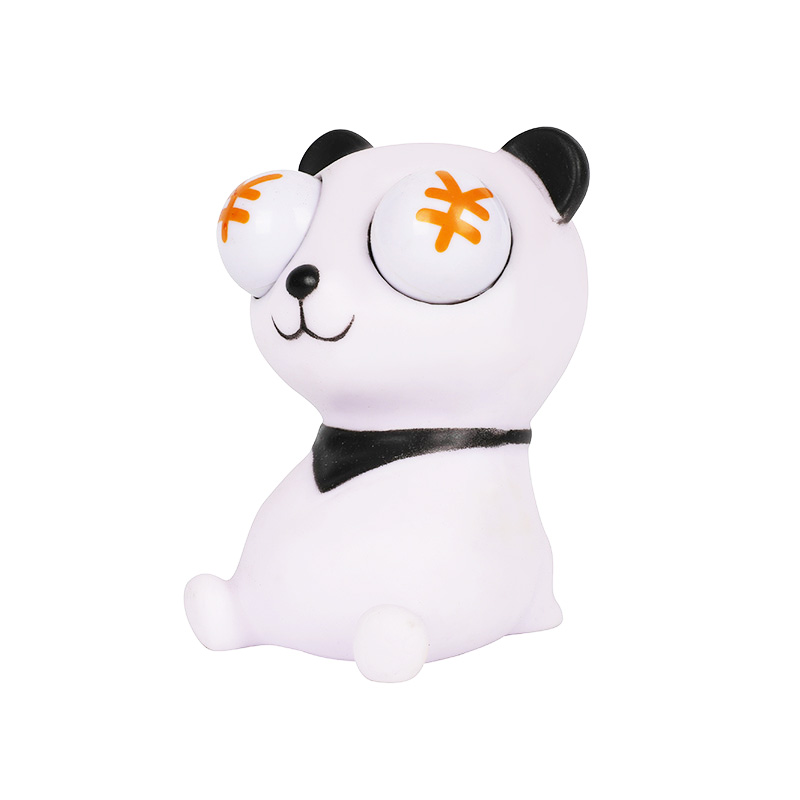
Pop-eyed Panda
Enter the whimsical world of the Pop-eye series with our delightful creation, the Pop-eyed Panda. Designed to bring joy and relieve stress, this squee...
View More -
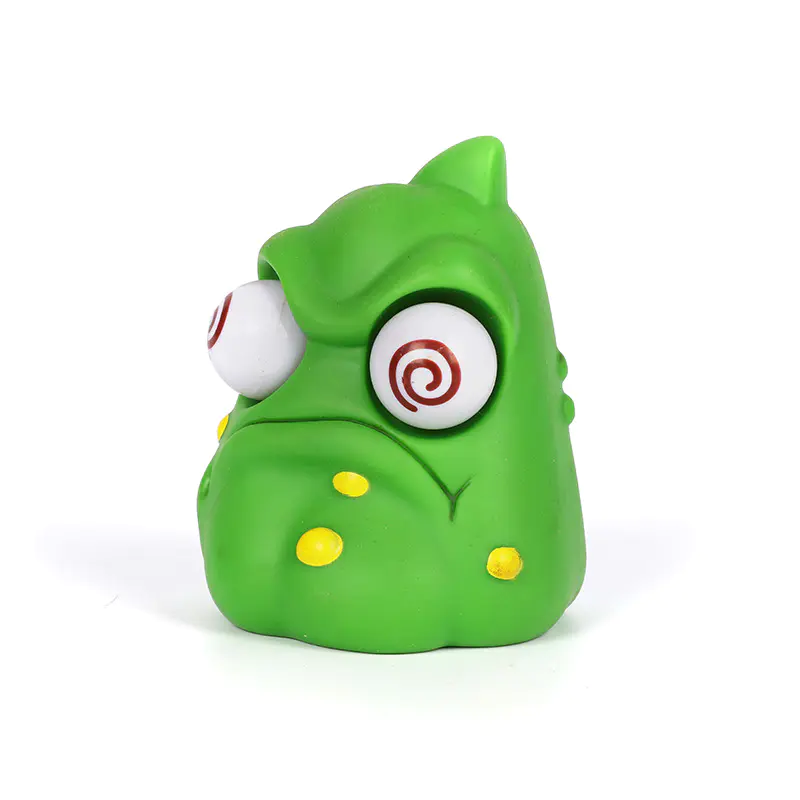
Staring Glowing Decompression Series
Step into the whimsical world of the Pop-eye series, where fun and functionality collide to bring you the Staring Glowing Decompression Series. These ...
View More -
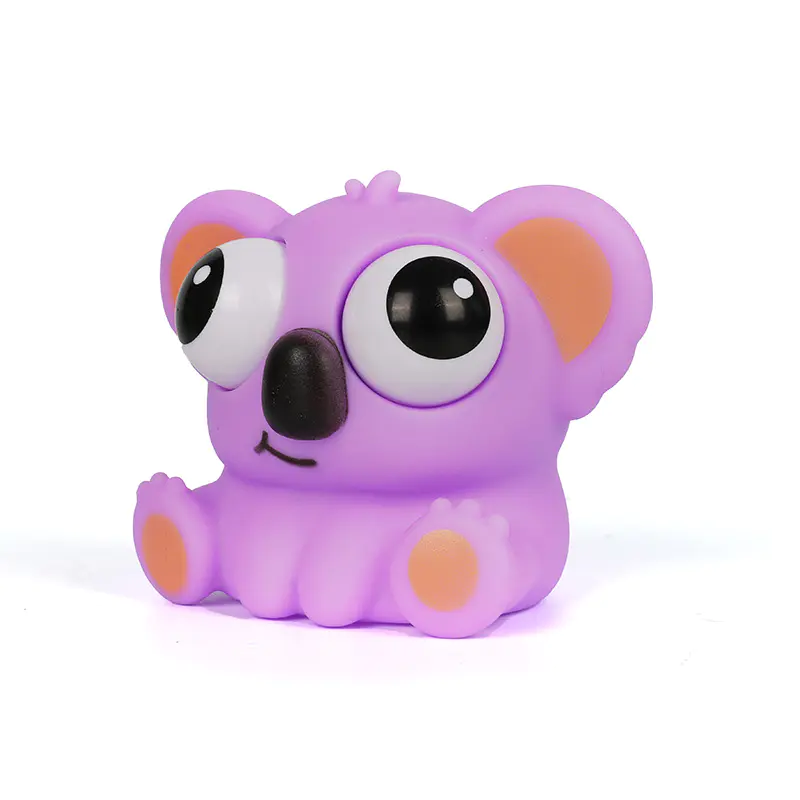
Cute Little Animal Series (Big-eyed)
Welcome to the enchanting world of our Cute Little Animal Series (Big-eyed), a delightful addition to our renowned Pop-eye Collection. These captivati...
View More -
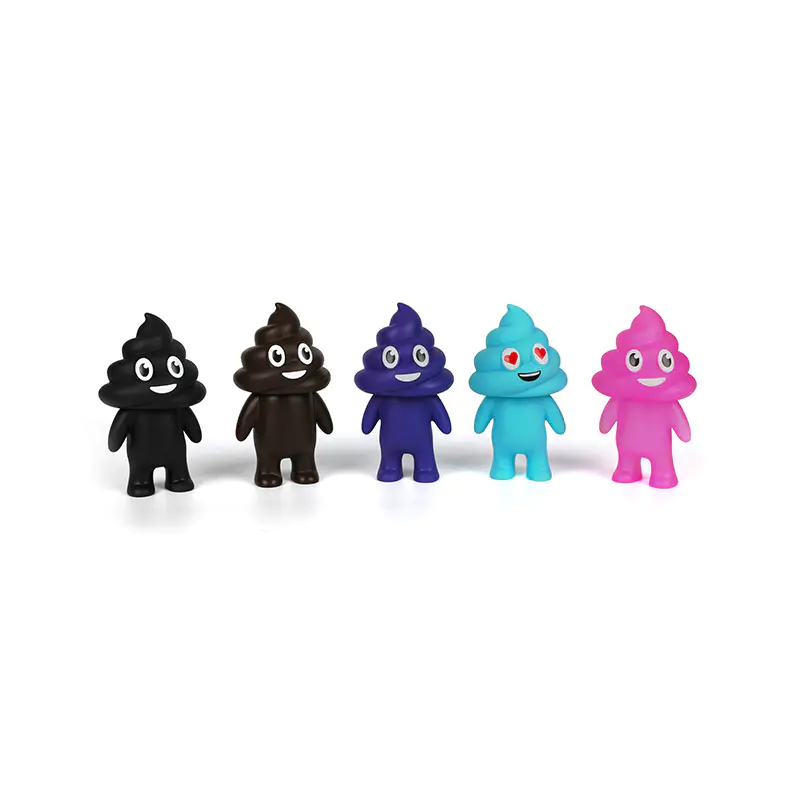
Poop People Series
Introducing the Poop People Series, a unique and playful line of collectible figures that bring humor and joy to toy collections everywhere. These qui...
View More -
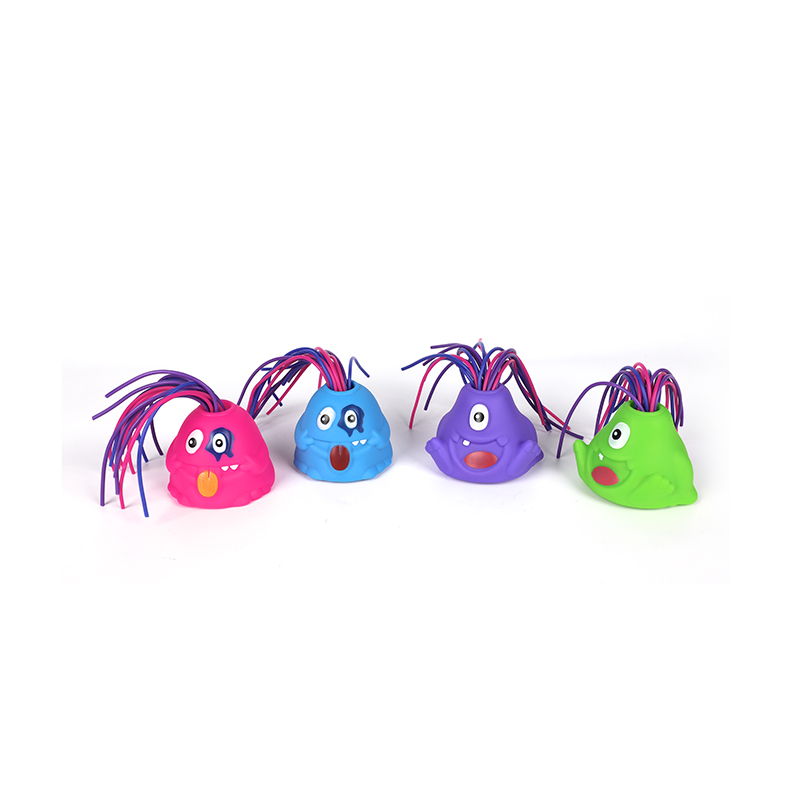
Fun Hair-Pulling Monster Stress Relief Anti-Anxiety Sound Toys
Laughter is one of the best ways to release stress, and Hair-Pulling Sound Toys are designed to do exactly that. These playful screaming monster figur...
View More -
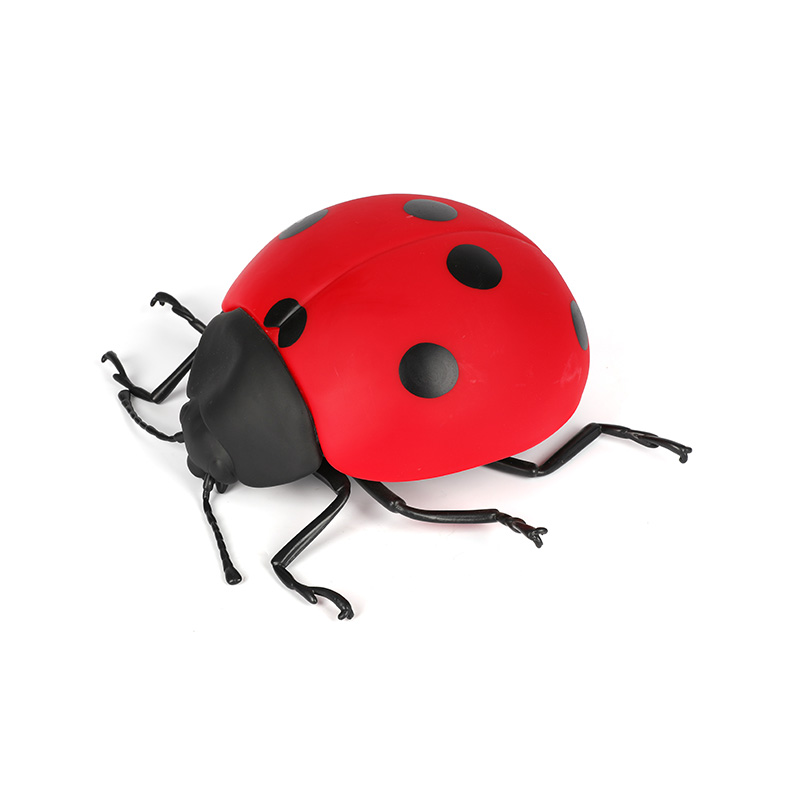
Beetle, Beetle Model Toys
Our Beetle Model Toys are pretty popular with kids and bug fans these days. We put real effort into making these beetle figures so they look detailed ...
View More -
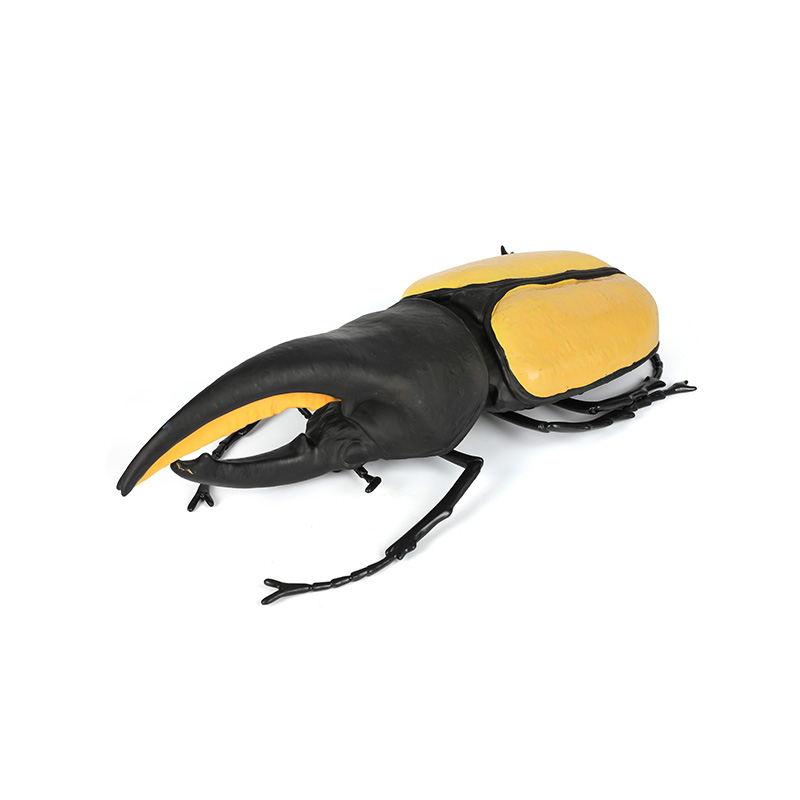
Beetle, Beetle Model Toys
Welcome to the world of Beetle Model Toys, where intricate design meets playful imagination. Our Beetle models are meticulously crafted to provide not...
View More -
Diversity Series Dinosaur Model Puzzle Toys
Our Dinosaur Model Toys are really popular with kids these days. We make these dinosaur figures with a lot of care so they look real, help kids learn,...
View More

Copyright © Jinhua Blue Eagle Toys Technology Co., Ltd. All Rights
Reserved.

Information
-

+86 18072335560
-

-
 Weiyingsheng Industrial Co., Ltd., Yangbu Town Industrial Zone, Wucheng District, Jinhua City, Zhejiang Province
Links
Contact Us
Educational Model Toys Company