

 English
 English
 русский
 Español
- Type:
- Industry News
- Date
- 2026-Sep-04
Industry News
How Hand Squeeze Toy Supports Interactive Family Games
Family time does not always need a planned activity. A few people sitting around a table, talking after dinner, or spending a quiet evening in the living room can turn into a game when something simple gives everyone a reason to join in. Small hands‑on activities often fit naturally into such moments because there is little preparation and no need to arrange a separate play area.
Screen‑based entertainment can keep family members in the same room while their attention stays in different places. A physical game creates another kind of interaction. One person makes a move, someone else watches, and a response follows. Laughter, comments, reminders, and small mistakes become part of the activity, giving family members something to react to together.
Age differences are worth considering as well. A young child may lose interest when instructions become too long, while an adult may not want to spend much time preparing equipment. Simple games leave more room for people to adjust the rules according to who is playing. Everyone can start with the same basic action, then add or remove steps as needed.
What Makes a Hand Squeeze Toy Suitable for Family Games
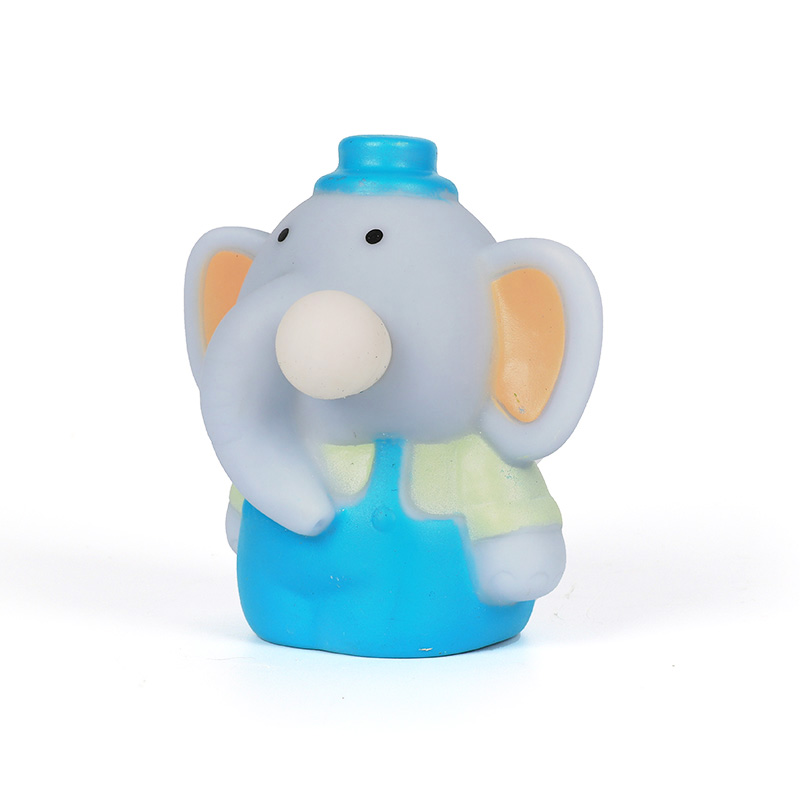
Pressing something in the hand is a familiar movement, so little explanation is usually needed before play begins. One person can demonstrate the action and pass the toy to another player. From there, families can decide what happens next, whether that means copying a movement, waiting for a turn, or following a short sequence.
A physical response makes play easier to follow. When pressure changes the shape or feel of a toy, the person holding it can immediately notice the result. Watching another player use it gives everyone else a clear cue as well. Such simple feedback can keep attention focused without adding complicated instructions.
Size can influence how comfortably a shared game works. A handheld item needs to move easily from one person to another, especially when several family members are sitting together. Easy storage matters once play is over, since a small toy can be kept in a drawer, basket, or shelf instead of taking up part of a living space.
More importantly, a simple squeeze toy does not have to dictate one fixed game. Families can create their own rules around the same basic movement. One group might build a reaction game, another may prefer memory play, while children may invent something entirely different after trying it a few times.
How Can Simple Squeezing Actions Create Different Games
A single hand movement can become surprisingly flexible once a rule is added. Players could take turns making a certain number of squeezes, copy the sequence made by another person, or pass the toy along after completing a chosen action. Changing one part of the rule can give an existing game a different rhythm.
Imitation is an easy place to begin with younger children. A parent might make a short series of squeezes, and the child tries to repeat it. Once that feels familiar, another action can be added. Older children may enjoy remembering a longer sequence or watching carefully so they can respond at the right moment.
Passing games bring another layer of interaction. One player starts with the toy, performs an action, then hands it to someone else. Each participant has to pay attention because the next move depends on what happened before. A change in direction, a new movement, or a simple rule added halfway through can keep the activity fresh without requiring another toy.
Children often have their own ideas about how a game should work. Rather than keeping every rule fixed, parents can leave some space for suggestions. A child who helps create a rule is usually more interested in seeing how other people respond to it, which can turn an ordinary play session into a shared activity.
How Does Turn Taking Encourage Family Interaction
Turn taking gives everyone a reason to stay involved, even when only one person is holding the toy. While waiting, players watch the current move and think about what they may need to do next. A quiet pause can therefore become part of the game rather than an empty space between turns.
For younger children, waiting for another person's move can take some practice. A playful setting makes the process less formal. Adults can remind children whose turn comes next, while older children may take responsibility for keeping the order moving.
Passing an object from hand to hand can encourage small conversations that would not necessarily happen during individual play. Someone may laugh after making an unexpected move, ask another player to repeat an action, or suggest changing one rule. Such moments keep attention on both the game and the people involved.
Turn taking can matter even more when family members have different personalities. A very active player may naturally take control, while a quieter person may wait for an invitation to join. Giving everyone a clear turn creates a simple structure that leaves room for different playing styles.
How Can Parents Adapt Games for Different Ages
A family game becomes easier to share when its difficulty can change along with the players. Younger children may be happy with pressing and passing, while older children can handle memory, changing sequences, or rules that require closer attention. Adults can take part without making the activity feel like a test.
A few adjustments can make a noticeable difference:
- Keep the sequence short when younger children are playing.
- Let children suggest a rule or choose the next action.
- Add memory‑based steps for older children.
- Give players enough time to respond before changing the pace.
- Remove rules when the game starts feeling complicated.
A Hand Squeeze Toy works well within such flexible play because its basic action stays familiar while the surrounding rules can change. An adult might remember a sequence while a young child simply copies it. Both players remain part of the same game even though their tasks are slightly different.
Family routines rarely follow exactly the same pattern every day. A longer game may fit a relaxed evening, while a short round can work during a break or before bedtime. Having a simple activity that can be shortened, extended, or changed makes shared play easier to fit into ordinary home life.
How Does a Hand Squeeze Toy Encourage Creative Play
Children often change the way a toy is used once they become familiar with it. A simple squeeze may turn into a signal, a step in a memory game, or a reason to pass the toy to another player. Rules can come from the people in the room rather than from the toy itself.
One child may copy a parent, while another decides to create a new sequence. Older children can make the pattern longer or add a movement between squeezes. Younger children may prefer repeating the same action. There is no need for every player to follow exactly the same level of difficulty.
Ideas can change halfway through a game. A child may suddenly suggest passing the toy in another direction or adding a new rule to the next round. Letting such changes happen can keep play from becoming too rigid. Parents can guide the activity when needed while leaving enough space for children to make their own choices.
A Hand Squeeze Toy works naturally in such situations because it does not limit play to one purpose. Pressing remains the basic action, while everything around it can be changed according to the family's ideas.
What Role Does Competition Play in Family Games
A little competition can make a familiar game more engaging. Players may try to remember a sequence, react to a signal, or complete a task before another person. Since the action itself is simple, attention tends to shift toward watching, waiting, and responding.
Family play can become less enjoyable when winning receives too much attention. Younger children may care more about taking part than keeping score, while adults and older children may have different expectations. Changing the rules can keep the mood comfortable.
For example, players can try to improve their own previous attempt instead of competing directly with another family member. Another option is to work together and complete a shared sequence, with everyone contributing one part.
Cooperation can be especially useful when ages vary. An older child might help a younger one remember the next move, while a parent keeps track of the order. Everyone still has a role, although the roles are not identical.
How Can Hand Squeeze Toy Games Fit Into Everyday Home Life
A family game is easier to start when very little preparation is involved. A handheld toy can stay in a drawer, basket, or shelf and come out whenever family members have a little free time. Once play ends, putting it away takes very little effort.
Different parts of a home can suit different kinds of games. Sitting around a coffee table gives everyone enough space to pass the toy around. A dining table can work well for memory games where players need to watch each other's movements. A quieter corner may be more suitable for two people playing together.
Not every session needs to last for a long time. Several quick rounds may fit after dinner, while a longer game can develop naturally when everyone remains interested. Keeping the activity flexible makes it easier to fit around normal household routines.
Storage still deserves some attention. A toy that has a regular place is less likely to be left under furniture or mixed with other household items. Keeping it clean and away from unnecessary pressure can make routine handling easier.
What Should Be Considered When Choosing a Toy for Shared Use
A toy used by several family members needs to feel comfortable across different hands and ages. Shape can affect how easily someone holds it, while surface texture may influence how pleasant repeated handling feels. A design that works for one person may not suit every member of a household.
Cleaning is part of shared use as well. Several people may handle the same item during a single game, so a surface that can be wiped without much effort is practical for everyday routines. Fewer hard‑to‑reach areas can make ordinary care less troublesome.
Handling during play deserves attention too. Passing, picking up, squeezing, and placing the toy on a table all put different demands on its form. A comfortable grip can make the game easier to continue without frequent pauses.
Families can look at a few practical points:
- Can both children and adults hold it comfortably?
- Is the surface easy to wipe after use?
- Does it remain comfortable during repeated handling?
- Can it be stored in a convenient place?
- Can families create different games around the same basic action?
Appearance may attract attention at first, yet everyday use often determines whether an item becomes part of regular family play.
| Feature | What to Consider | Why It Matters |
|---|---|---|
| Shape | Easy to hold and pass | Supports comfortable shared play |
| Surface | Simple to wipe and maintain | Makes routine cleaning easier |
| Grip | Comfortable for different hands | Helps family members participate |
| Size | Suitable for home use and storage | Keeps handling and storage convenient |
| Structure | Able to support repeated play | Reduces unnecessary interruptions |
How Can Simple Toy Interaction Shape Family Games
Many family games begin without a carefully prepared plan. Someone picks up a toy, another person copies the movement, and a simple rule appears along the way. A few rounds later, players may already have their own way of taking turns, remembering actions, or changing the pace.
Physical play gives everyone something shared to watch and respond to. A child can notice a parent's movement, an older sibling can suggest a new rule, and another family member can react to an unexpected mistake. Conversation grows around what is happening rather than being added separately.
A Hand Squeeze Toy leaves room for such changes. Parents can keep the activity easy for younger children and allow older players to add more steps as they become familiar with the basic idea. One family may prefer quiet memory games, while another may turn the same action into a lively passing activity.
Simple play can fit into ordinary moments without taking over the home. A few minutes after dinner, a short break during the evening, or a relaxed weekend at home can provide enough time for a shared game. What matters is less about having complicated equipment and more about giving family members a reason to look at one another, take a turn, and respond.
Related Products
-
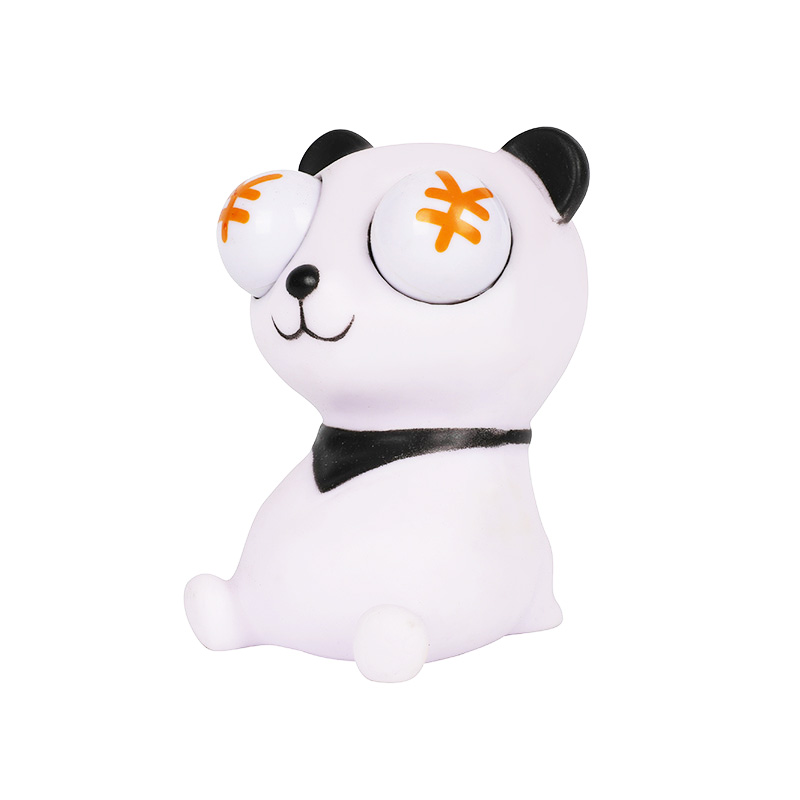
Pop-eyed Panda
Enter the whimsical world of the Pop-eye series with our delightful creation, the Pop-eyed Panda. Designed to bring joy and relieve stress, this squee...
View More -
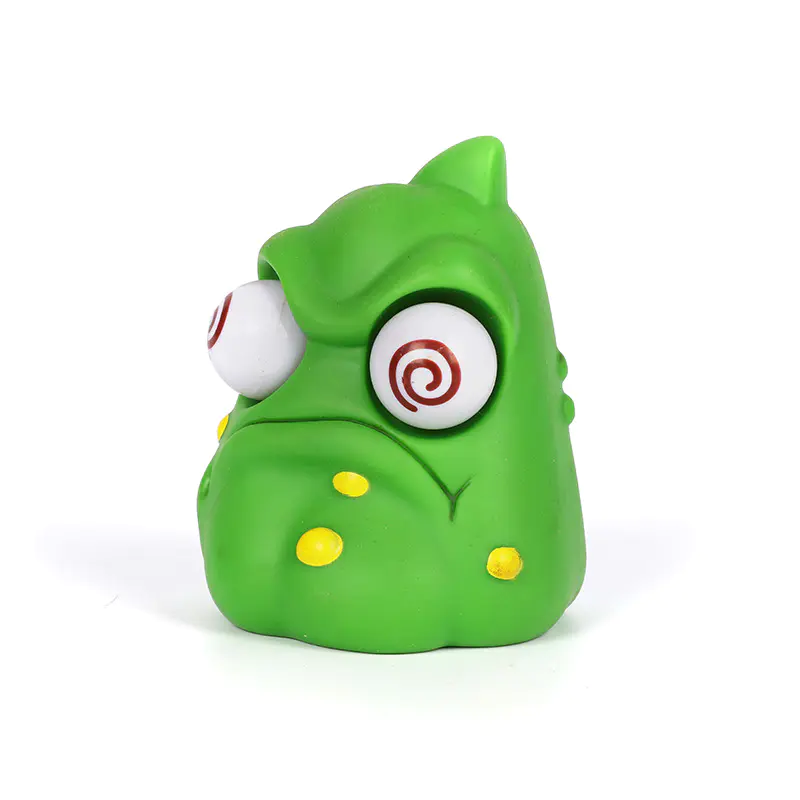
Staring Glowing Decompression Series
Step into the whimsical world of the Pop-eye series, where fun and functionality collide to bring you the Staring Glowing Decompression Series. These ...
View More -
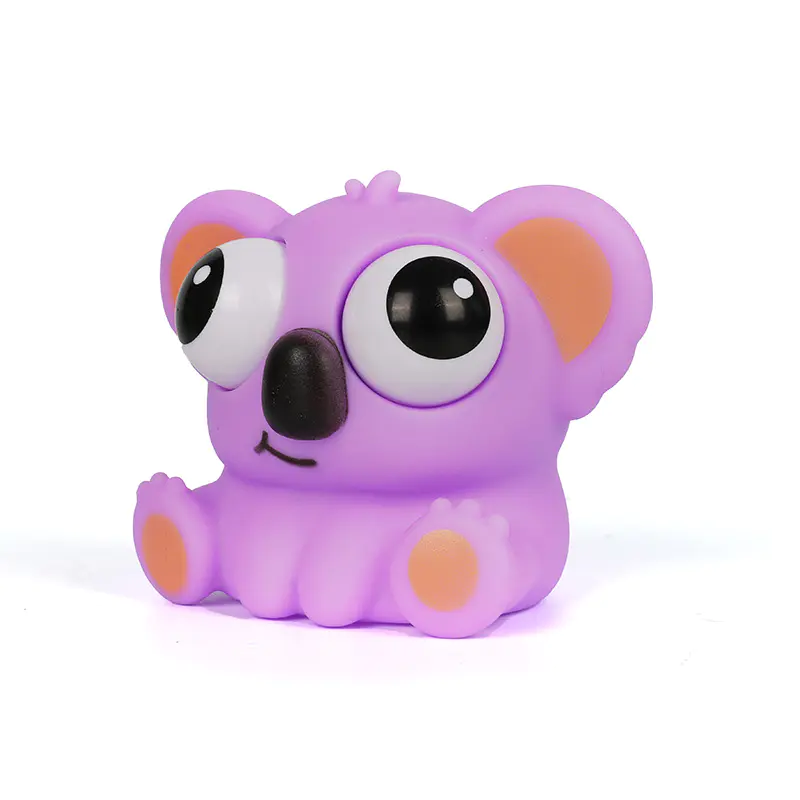
Cute Little Animal Series (Big-eyed)
Welcome to the enchanting world of our Cute Little Animal Series (Big-eyed), a delightful addition to our renowned Pop-eye Collection. These captivati...
View More -
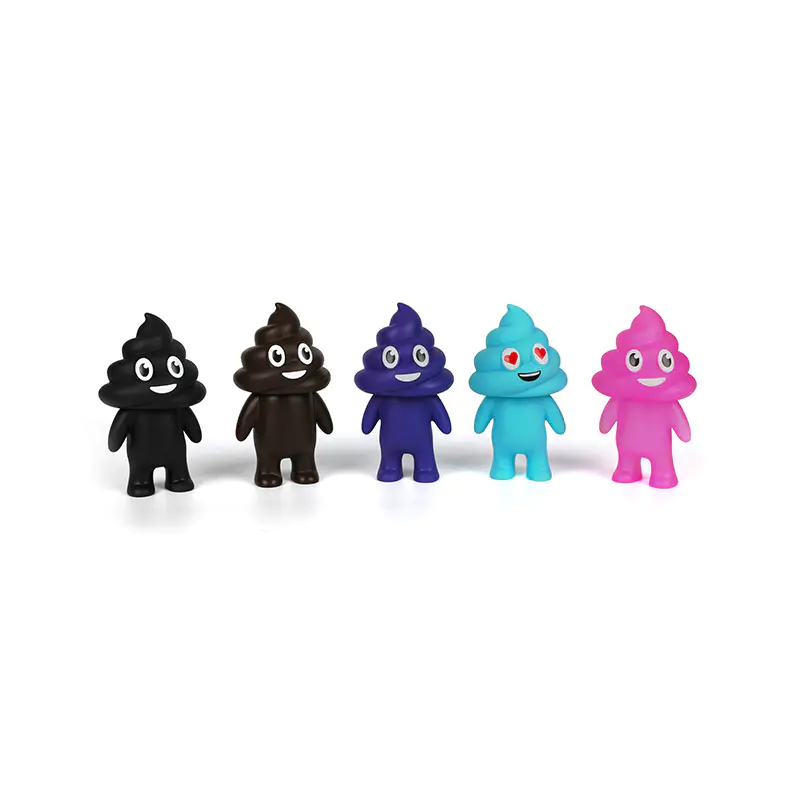
Poop People Series
Introducing the Poop People Series, a unique and playful line of collectible figures that bring humor and joy to toy collections everywhere. These qui...
View More -
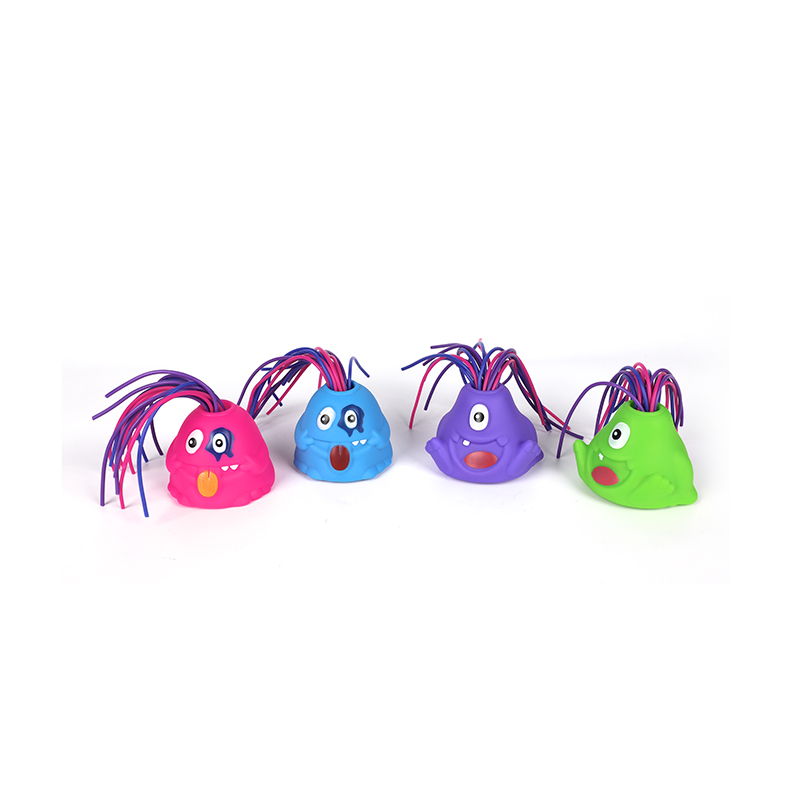
Fun Hair-Pulling Monster Stress Relief Anti-Anxiety Sound Toys
Laughter is one of the best ways to release stress, and Hair-Pulling Sound Toys are designed to do exactly that. These playful screaming monster figur...
View More -
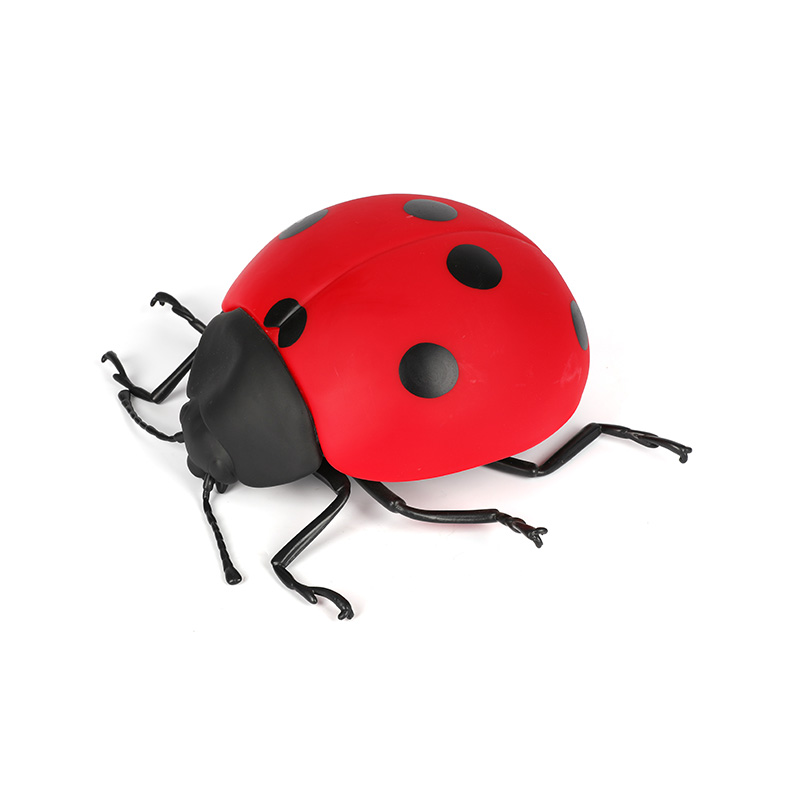
Beetle, Beetle Model Toys
Our Beetle Model Toys are pretty popular with kids and bug fans these days. We put real effort into making these beetle figures so they look detailed ...
View More -
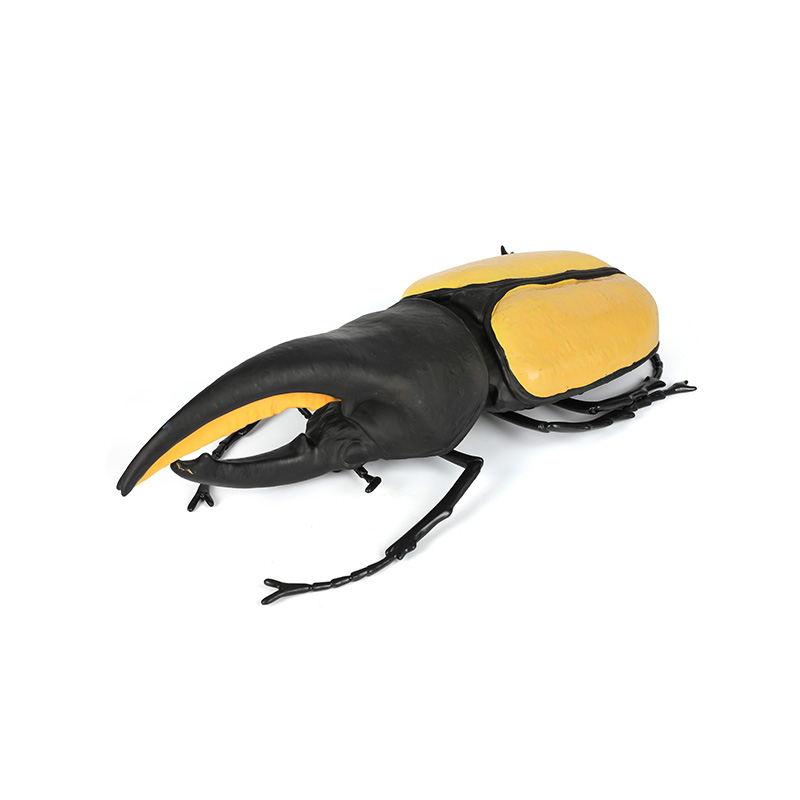
Beetle, Beetle Model Toys
Welcome to the world of Beetle Model Toys, where intricate design meets playful imagination. Our Beetle models are meticulously crafted to provide not...
View More -
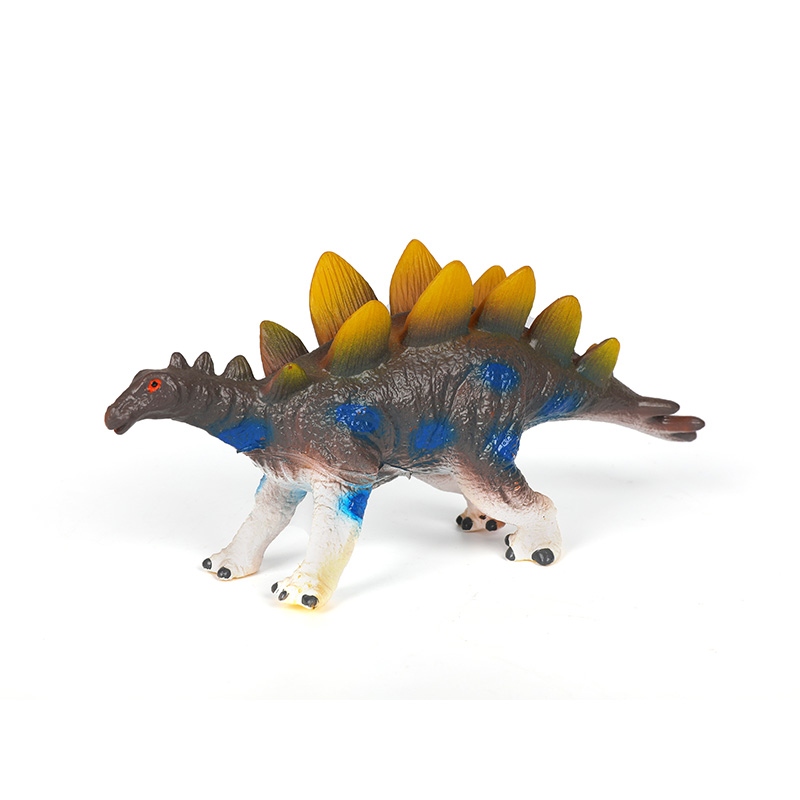
Diversity Series Dinosaur Model Puzzle Toys
Our Dinosaur Model Toys are really popular with kids these days. We make these dinosaur figures with a lot of care so they look real, help kids learn,...
View More

Copyright © Jinhua Blue Eagle Toys Technology Co., Ltd. All Rights
Reserved.

Information
-

+86 18072335560
-

-
 Weiyingsheng Industrial Co., Ltd., Yangbu Town Industrial Zone, Wucheng District, Jinhua City, Zhejiang Province
Links
Contact Us
Educational Model Toys Company