

 English
 English
 русский
 Español
- Type:
- Industry News
- Date
- 2026-Sep-08
Industry News
Home / News / Industry News / What Is a Safe Way to Clean a Dog Teeth Chew Toy Without Using Harsh Chemicals
A dog teeth chew toy spends a great deal of time in close contact with a dog's mouth. Saliva, small pieces of food, dust, and hair can gradually collect on its surface, especially around grooves, holes, raised patterns, and narrow edges. A toy may look clean from a distance while small areas still hold residue.
Chewing also changes where dirt gathers. A smooth surface is relatively easy to wipe, whereas textured parts can trap small particles after repeated use. Outdoor play can add soil or grass, while indoor use may leave crumbs or household dust around the same areas.
Regular cleaning helps keep the toy in a more suitable condition for continued use. Cleaning does not need to involve complicated products or a long process. Removing visible residue, washing the surface, rinsing it well, and allowing it to dry can form a simple routine.
Condition also matters during cleaning. A cracked edge, loose section, or damaged surface may collect dirt more easily than an intact toy. Washing alone cannot solve a structural problem, so checking the toy before and after cleaning is worth including in normal care.
Several situations may call for closer attention:
Cleaning needs can also depend on how a toy is used. A chew toy that stays indoors may face different kinds of dirt from one carried outside. Rather than following a rigid routine, checking its actual condition gives a more practical guide.
A chew toy is handled differently from many household objects because a dog may lick, bite, and carry it repeatedly. Strong cleaning products can leave an odor or residue on the surface, making careful rinsing especially important.
For routine cleaning, warm water and gentle physical cleaning are often enough to remove ordinary dirt. A soft brush can reach textured areas without putting unnecessary pressure on the material. Mild cleaning methods also make it easier to keep the routine simple.
Choice of cleaning product should match the material. Some toys contain soft sections, coatings, or small connected parts that may react poorly to aggressive cleaners. Scrubbing with a rough tool can also create small surface marks where dirt later collects.
A gentle cleaning process generally follows a straightforward order:
Rinsing deserves as much attention as washing. Even a mild cleaner should not remain on a surface that will return to a dog's mouth. Running water through openings and around edges can help remove residue from places that are easy to overlook.
Preparation makes cleaning easier because loose material can be removed before water is introduced. Food pieces, hair, soil, and other visible debris can usually be picked away by hand or wiped from the surface.
A quick inspection at the same time can reveal problems that washing might hide. Small cracks, cuts, rough edges, or loose sections deserve attention. Once a damaged area appears, repeated chewing may cause the condition to change further.
Material also needs consideration. A solid rubber or plastic toy may tolerate washing differently from a fabric item or a toy containing an enclosed filling. Long soaking should not be assumed to suit every construction.
Before washing, checking the following areas can help:
Removing loose dirt first has another benefit: less debris enters the water during washing. A cleaner starting point allows the brush or cloth to work directly on the remaining residue.
Warm water provides a practical starting point for ordinary cleaning. It can soften dried food and loosen dirt without requiring a complicated cleaning routine. A soft brush or clean cloth can then be used to work across the surface.
Grooves deserve particular attention because food particles can settle below the surrounding surface. Moving a soft brush along the direction of each groove helps reach narrow sections without aggressive scrubbing.
Hollow toys require a little more care. Water may enter openings and remain inside after the outside appears dry. Rinsing should reach the inner area, followed by enough drying time for trapped moisture to leave.
A simple cleaning arrangement can look like this:
| Toy Area | Cleaning Method | Attention Needed |
|---|---|---|
| Smooth Surface | Warm water and soft cloth | Remove visible residue |
| Textured Area | Soft brush and warm water | Work gently between grooves |
| Small Openings | Rinse with clean water | Check for trapped debris |
| Hollow Section | Wash and rinse carefully | Allow full drying |
| Edges | Cloth or soft brush | Check for cracks or rough areas |
Very hot water is not automatically suitable for every material. Heat can affect some soft or molded surfaces, so ordinary warm water is a safer starting point when care instructions do not call for another method.
Once washing is finished, the toy should be rinsed thoroughly. Any remaining cleaning material should be removed before the toy is placed back into use. Drying comes next, with particular attention to openings, seams, and other areas where water can remain hidden.
A Stress Ball Squeeze Toy may look similar to a soft pet toy, yet similar appearance does not mean that both items can be washed in the same manner. Material, filling, seams, and surface finish all affect how much water an item can handle.
Soft squeeze toys can hold moisture beneath the outer surface, especially around seams or small openings. Once water gets inside, drying may take considerably longer than expected. For that reason, wiping with a damp cloth can be more suitable for some constructions than soaking the whole item.
A Dog Teeth Chew Toy has a different purpose. Repeated chewing means that its surface needs to remain reasonably clean, while grooves and openings may collect food particles. A washable construction can usually be cleaned with warm water and a soft brush, provided the material is intended for such treatment.
Damage should also be checked during cleaning. A split seam, torn surface, or loose section can allow water and dirt to enter places that are difficult to reach. Cleaning cannot correct a structural problem, so condition remains just as important as surface cleanliness.
Rinsing removes loosened dirt along with any remaining cleaning residue. Running clean water across a smooth surface is fairly simple, while textured areas require more attention because small particles can stay between raised patterns.
Openings and grooves should be rinsed from different directions where practical. A gentle stream of water can help move residue out rather than pushing it farther into a narrow space. A soft brush may also help around stubborn areas without scratching the surface.
Once washing is complete, the toy should no longer feel slippery from cleaning residue. A final rinse with clean water provides a useful check, especially around handles, holes, edges, and recessed sections.
Rinsing also makes hidden wear easier to notice. Dirt can cover small cracks during normal use, whereas a clean surface makes changes in texture or shape more visible. Any loose piece or newly damaged area deserves attention before regular chewing continues.
Drying is an easy part of cleaning to overlook. Water can remain inside a hollow toy or around seams even when the outside appears dry. Storing a damp toy in a closed space can leave an unpleasant smell and make later cleaning more difficult.
A clean, well‑ventilated area provides a simple place for drying. Excess water on the outside can be removed with a clean towel, while openings can be positioned to allow moisture to drain naturally.
Strong heat is not necessary for ordinary drying. Some materials may change shape or texture when exposed to excessive heat, making gentle air drying a safer choice when care instructions do not specify another method.
Storage should wait until visible moisture has disappeared. A dry shelf or clean container can help keep the toy away from damp floors and dusty corners. Outdoor toys may need additional wiping around the base and textured sections because soil often remains after the surface water has gone.
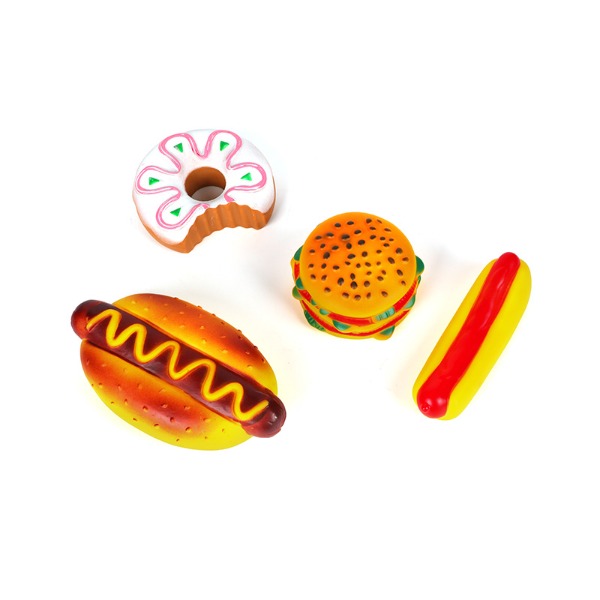
Washing deals with dirt, while inspection deals with wear. A toy can be clean and still no longer be suitable for continued chewing when cracks, sharp edges, loose pieces, or major changes in shape have developed.
Repeated chewing naturally puts pressure on the material. Small marks may gradually become deeper, particularly around thin edges, holes, and textured sections. Regular handling makes changes easier to spot before they become difficult to assess.
Particular attention can be given to:
A damaged toy should not be kept simply because it has been cleaned. No cleaning method can restore a weakened section. Removing a worn toy from regular use is therefore a separate decision from deciding how to wash it.
Cleaning becomes easier when it is connected with normal handling rather than treated as an occasional chore. Loose food particles can be removed after use, followed by washing when residue begins to build up.
A simple routine may involve removing visible dirt, washing with warm water, rinsing carefully, and leaving the toy to dry completely. Such a routine does not require a large collection of cleaning products.
Condition checks can happen during the same process. A clean surface makes cracks, rough edges, loose parts, and unusual changes easier to notice. Storage also deserves attention, since a damp or dirty storage area can undo some of the care given during washing.
A Dog Teeth Chew Toy and a Stress Ball Squeeze Toy may share a soft or textured appearance, yet their intended uses are different. Cleaning should follow material and construction rather than appearance alone.
For a chew toy, gentle washing, careful rinsing, complete drying, and regular inspection provide a practical way to keep routine care simple. Harsh chemicals are not necessary for every cleaning task, and careful handling often matters more than using a complicated cleaning product.
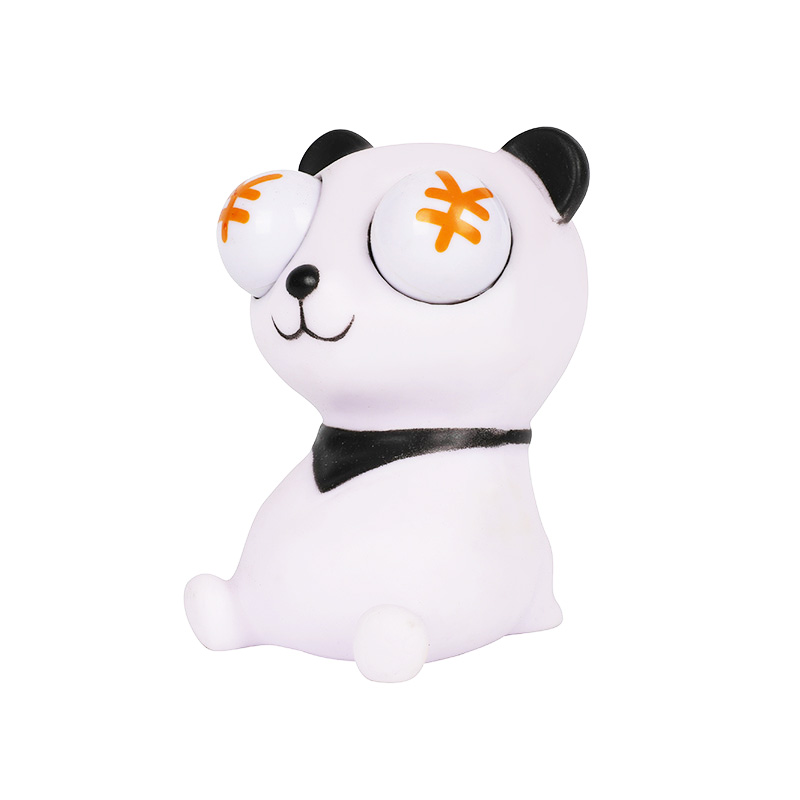
Enter the whimsical world of the Pop-eye series with our delightful creation, the Pop-eyed Panda. Designed to bring joy and relieve stress, this squee...
View More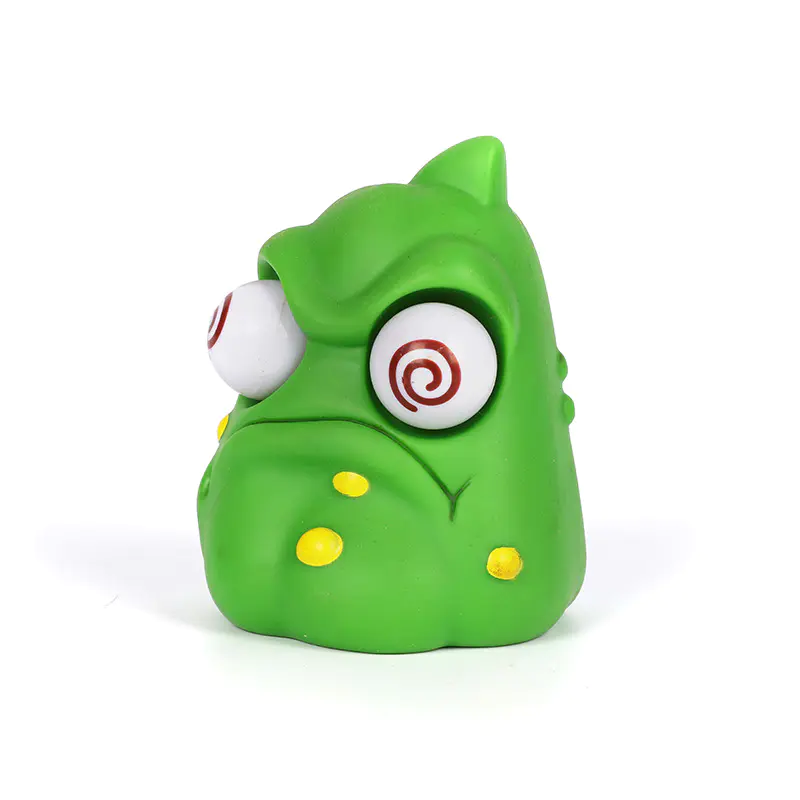
Step into the whimsical world of the Pop-eye series, where fun and functionality collide to bring you the Staring Glowing Decompression Series. These ...
View More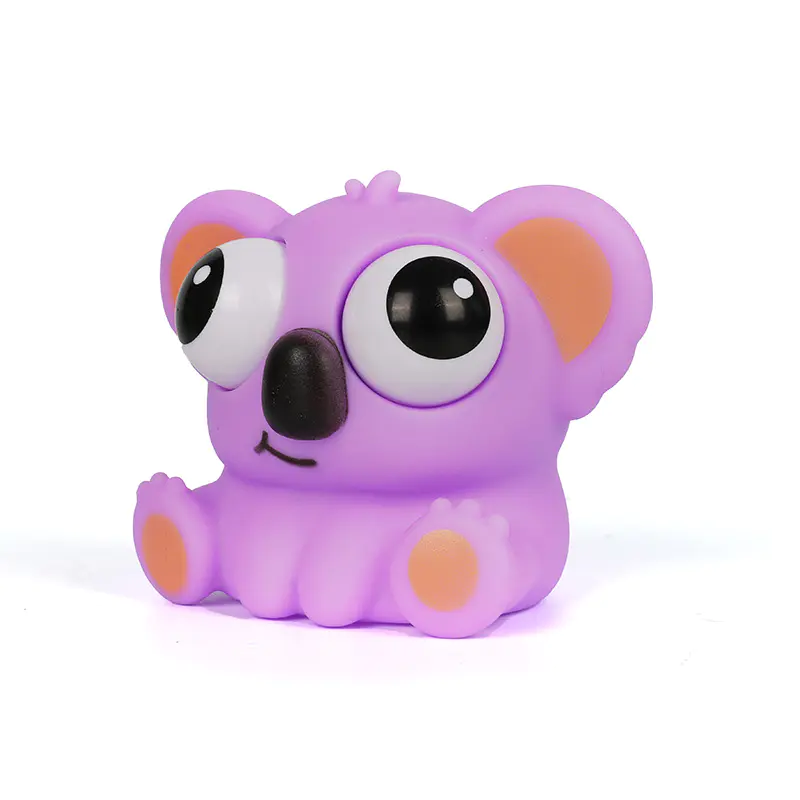
Welcome to the enchanting world of our Cute Little Animal Series (Big-eyed), a delightful addition to our renowned Pop-eye Collection. These captivati...
View More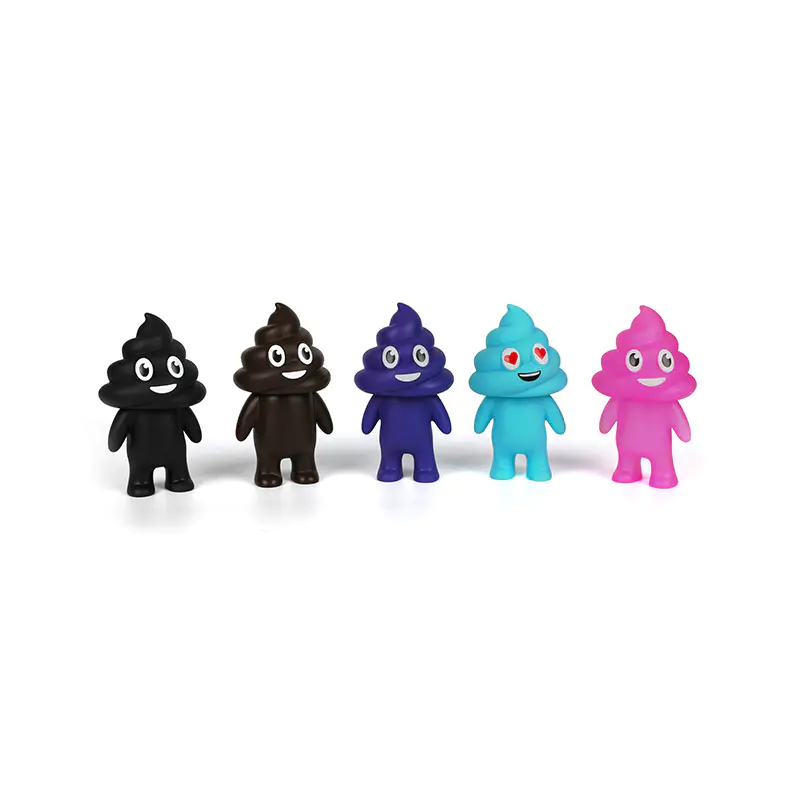
Introducing the Poop People Series, a unique and playful line of collectible figures that bring humor and joy to toy collections everywhere. These qui...
View More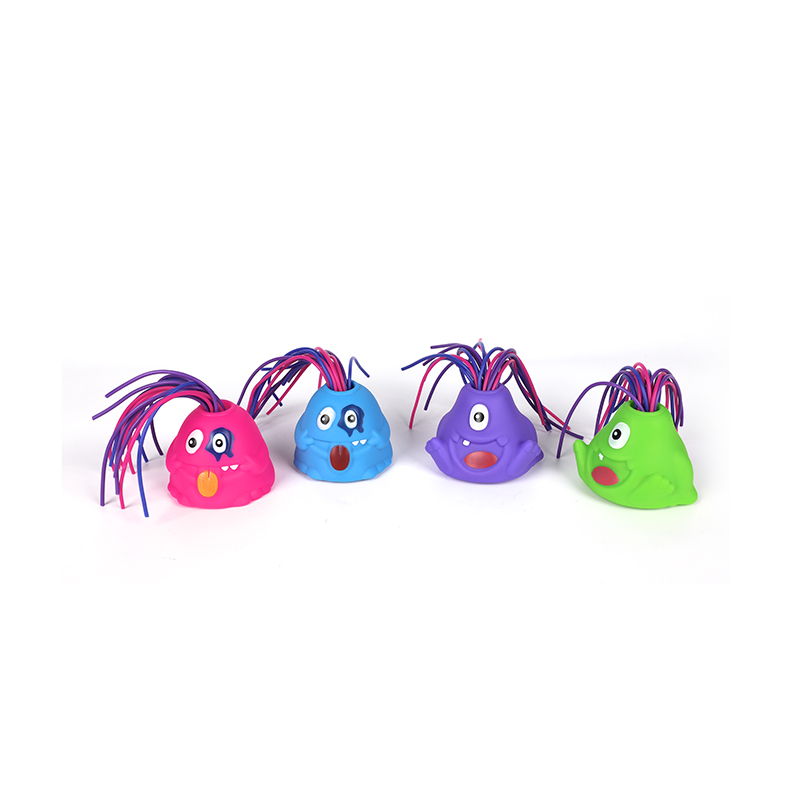
Laughter is one of the best ways to release stress, and Hair-Pulling Sound Toys are designed to do exactly that. These playful screaming monster figur...
View More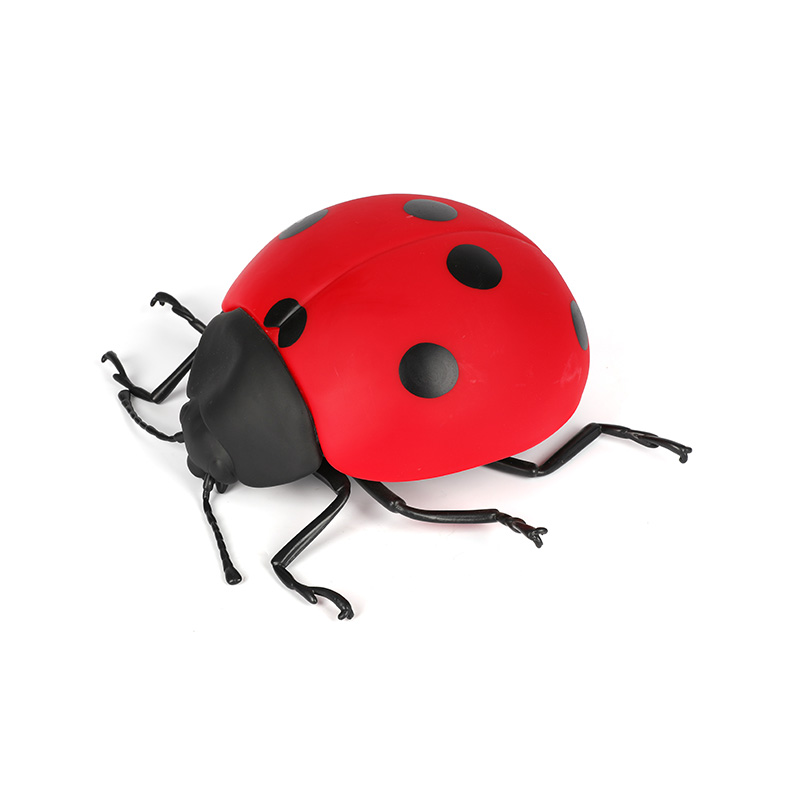
Our Beetle Model Toys are pretty popular with kids and bug fans these days. We put real effort into making these beetle figures so they look detailed ...
View More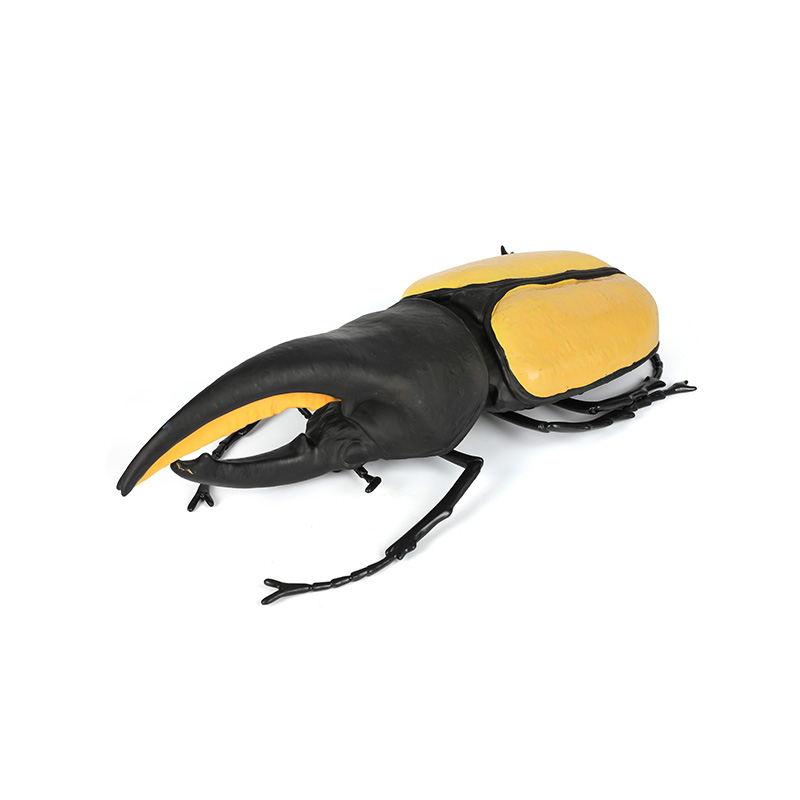
Welcome to the world of Beetle Model Toys, where intricate design meets playful imagination. Our Beetle models are meticulously crafted to provide not...
View More
Our Dinosaur Model Toys are really popular with kids these days. We make these dinosaur figures with a lot of care so they look real, help kids learn,...
View More
Copyright © Jinhua Blue Eagle Toys Technology Co., Ltd. All Rights
Reserved.


+86 18072335560


Educational Model Toys Company