

 English
 English
 русский
 Español
- Type:
- Industry News
- Date
- 2026-Sep-01
Industry News
Home / News / Industry News / Why Does Putting a Dog Teeth Chew Toy in the Fridge Soothe Teething Pain
Teething often reshapes how a puppy interacts with its surroundings. A dog that previously ignored chew toys may suddenly gnaw on furniture legs, socks, shoelaces, or whatever object happens to be within reach. Sore or shifting gums are usually behind this shift — as new teeth push through, the mouth can feel tender, and applying pressure through chewing often brings some relief.
Chewing also gives a teething puppy something to do with restless energy while its mouth adjusts. Because different textures produce different sensations against sore gums, a puppy might sample several objects in a row, testing which one feels right before settling on a favorite.
For owners, the goal isn't to eliminate chewing altogether — that's neither realistic nor necessary. A more workable approach is offering a suitable alternative and steering the puppy toward it whenever biting starts. A Dog Teeth Chew Toy can act as a designated stand‑in, drawing attention away from shoes and cushions and onto something built for the job.
Light, steady chewing applies gentle pressure along the gum line, which can make an achy mouth feel calmer for a while. Texture matters too. A surface with some give moves along with the bite, while a ridged or bumpy area adds extra feedback that some puppies seem to seek out instinctively.
How comfortable a toy feels depends heavily on the individual dog's chewing style. A gentle chewer might work a toy slowly, mouthing it for stretches at a time, while another puppy bites down hard, pulls, and twists with real force. Picking a texture that suits the dog means paying attention to that particular animal's habits, not just checking a hardness rating.
A simple routine tends to work well:
Encouraging chewing on an appropriate object doesn't mean every kind of chewing gets a pass. Rough tearing, aggressive shredding, or attempts to swallow broken pieces call for a different response — usually removing the object and offering something sturdier instead.
A brand‑new toy doesn't always grab a puppy's attention right away. Some dogs need a little time to get used to an unfamiliar shape, smell, or texture before showing real interest. Setting the toy near the puppy during a quiet moment — rather than tossing it into the middle of an already busy play session — tends to make the introduction go more smoothly.
Once chewing begins, staying nearby and reacting calmly helps reinforce what the toy is for. Meanwhile, keeping shoes, cords, and other tempting household items out of reach removes the chance for a habit to form around them early on.
Rotating a small set of chew toys, rather than leaving everything out at once, can keep a puppy curious without overwhelming its options. A smaller lineup also makes it easier for an owner to notice which shape or texture the dog naturally gravitates toward.
How a material feels under bite pressure changes a puppy's experience of a toy considerably. Flexible rubber, for instance, pushes back slightly while still giving under the jaw, which can feel different from gnawing on a wooden table leg or a stiff plastic object. Rubber pet toys made for chewing are often built with this kind of give in mind.
| Feature | Possible Role During Teething |
|---|---|
| Flexible surface | Yields somewhat under chewing pressure |
| Textured area | Adds sensory interest for the puppy |
| Suitable size | Makes gripping and chewing more comfortable |
| Intact surface | Helps lower the chance of loose pieces breaking off |
| Easy‑to‑clean material | Supports regular cleaning and toy upkeep |
Hardness alone shouldn't be the deciding factor when choosing a toy. A surface that feels too stiff can be uncomfortable against sensitive gums, while material that tears apart easily may not hold up under repeated chewing sessions. Size, shape, flexibility, and how the individual puppy tends to chew all need to be weighed together, rather than focusing on any single trait.
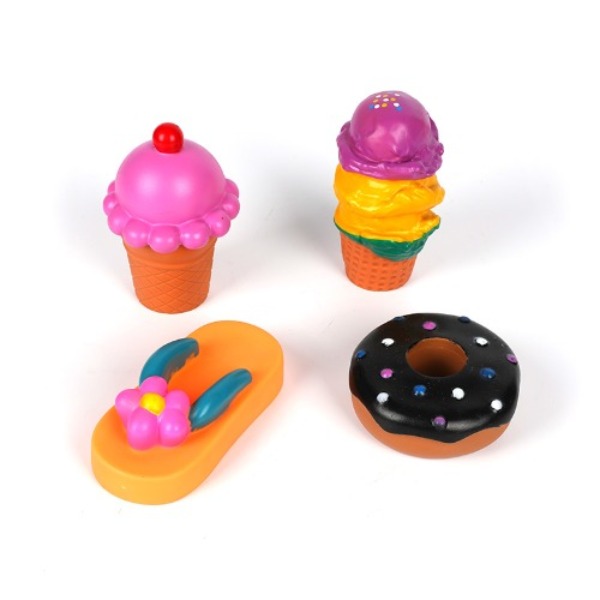
Cooling adds another layer of comfort during teething. A chilled surface feels noticeably different from a room‑temperature one, and gentle contact with something cool can temporarily dull the sensation of gum irritation, somewhat like how a cold compress might feel against a sore spot.
For some puppies, pairing a cool surface with controlled chewing makes a toy more appealing during especially uncomfortable stretches of teething. Keeping the toy in the refrigerator rather than the freezer also avoids the rigidity that stronger freezing can cause, since the exact effect depends on the toy's material and construction.
That said, cooling a toy is a comfort measure, not a treatment for dental problems. If a puppy shows unusual bleeding, noticeable swelling, trouble eating, or ongoing signs of pain, that calls for attention beyond what a chew toy — chilled or otherwise — can offer.
A cool chew toy can feel soothing when a puppy’s gums are tender. Lower temperature may briefly dull the uncomfortable sensation around sensitive areas, while chewing adds gentle pressure. For some dogs, the combination makes a toy more appealing during periods of frequent chewing.
Room‑temperature toys can still provide a useful outlet for normal chewing behavior. Cooling simply adds another sensation. There is no need to make a toy extremely cold to create comfort, since excessive cold may make some materials stiff or less pleasant to bite.
Refrigeration also gives owners a simple option for changing the feel of a familiar toy. A puppy that has lost interest in a room‑temperature toy may respond differently after it has been cooled, although individual preferences vary.
Cooling is optional rather than necessary. Some puppies prefer a toy at room temperature, while others seem more interested in a cool surface when their gums feel sensitive. A suitable choice depends on the dog’s response, chewing habits, and the condition of the toy.
Before placing any item in a refrigerator, check whether its material and construction can handle lower temperatures. A toy that becomes unusually rigid, brittle, cracked, or misshapen after cooling should not be offered for chewing.
Cleaning also matters. Food residue, saliva, and dirt can remain on a frequently used toy, so washing it according to its material and design before refrigeration helps keep the chewing area clean.
Preparation does not need to be complicated. Start by inspecting the toy for cracks, tears, loose sections, or other signs of wear. A damaged surface should not be placed back into use simply because cooling may make it feel different.
After cleaning, allow the toy to reach a suitable chilled condition rather than focusing on making it as cold as possible. A moderately cool surface can provide a refreshing sensation while remaining easier for a puppy to handle.
Freezing and refrigeration can produce different results. A frozen object may become much harder, while refrigeration generally changes temperature without creating the same level of rigidity. Since young teeth and sensitive gums need gentle handling, a very hard surface may not be appropriate for every puppy.
Several simple factors can affect how comfortably a puppy uses a chew toy.
Material flexibility deserves particular attention. Rubber Pet Toys can provide a yielding surface that responds to chewing pressure, although rubber products vary in firmness and construction. A toy that works well for a gentle chewer may not remain suitable for a puppy that pulls and tears at objects.
Chewing is part of normal puppy behavior, so simply removing every object from a puppy’s mouth may not address the reason behind it. Providing an appropriate alternative gives the dog somewhere else to direct that behavior.
When a puppy starts chewing a chair leg or household item, calmly offering a suitable toy can create a clearer connection between chewing and the permitted object. Repeated redirection can gradually make the desired choice easier to recognize.
Keeping tempting household items out of reach can support the process. Shoes, loose fabric, cables, and small objects may be especially attractive to curious puppies, so reducing access can prevent unwanted habits from becoming routine.
A small rotation of suitable toys can keep chewing activities varied. Owners can observe which textures receive steady interest and which ones are ignored, then adjust the available choices according to the dog’s behavior.
One common mistake is choosing a toy mainly because it feels hard. Firmness can provide resistance, yet excessive rigidity does not necessarily mean greater comfort for sensitive gums. A more balanced approach considers flexibility, texture, size, and the way a particular puppy chews.
Another issue is continuing to use a damaged toy. Repeated biting can gradually create small cracks or tears that become larger with continued use. Regular inspection is therefore part of normal care.
Cooling also needs some restraint. Making a toy extremely cold or hard may change its texture in a way that does not suit every dog. A cool, manageable surface is generally more practical than focusing on maximum coldness.
Individual chewing habits should remain part of the decision. A puppy that gently mouths a toy has different needs from one that immediately tries to tear it apart. Supervision during use makes it easier to notice such differences and remove an unsuitable toy when necessary.
Normal teething can involve gum sensitivity and increased chewing. Signs that appear unusually strong or continue beyond ordinary discomfort deserve closer attention.
Persistent bleeding, noticeable swelling, difficulty eating, reluctance to drink, or clear signs of mouth pain should not simply be treated with a chew toy. A damaged toy can cause mouth injuries as well, so any sudden change after chewing should be taken seriously.
A chew toy has a practical role in providing an appropriate outlet for natural chewing and may offer temporary comfort when chilled. It should not be viewed as a replacement for professional care when a puppy shows symptoms that go beyond ordinary teething.
When used thoughtfully, a suitable Dog Teeth Chew Toy can become part of a simple teething routine, while cooling may provide an additional sensation for puppies that enjoy it. Regular inspection, suitable material, proper sizing, and attention to individual chewing behavior help keep the experience comfortable and manageable.
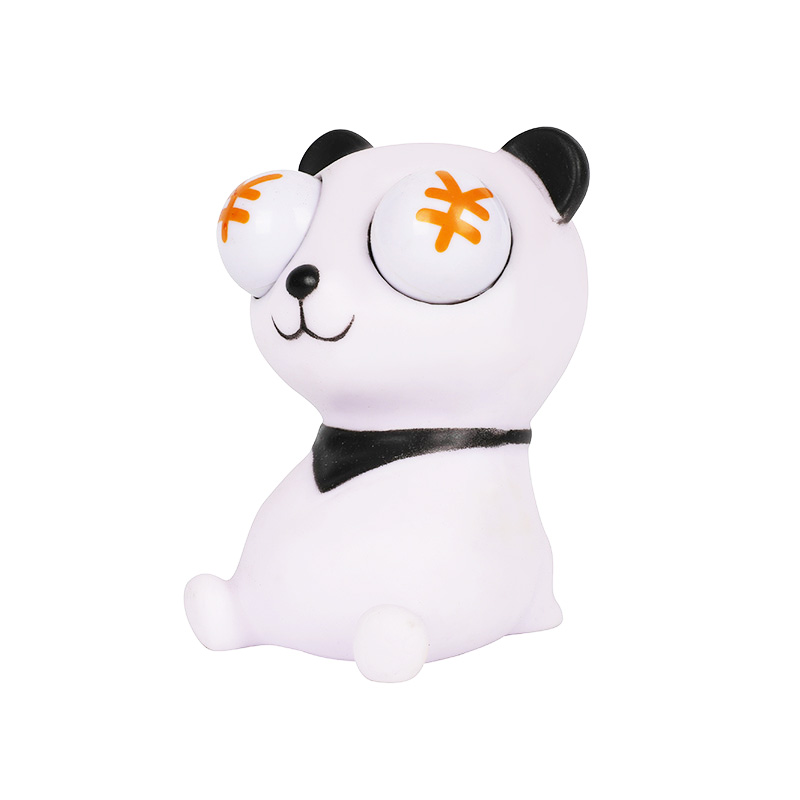
Enter the whimsical world of the Pop-eye series with our delightful creation, the Pop-eyed Panda. Designed to bring joy and relieve stress, this squee...
View More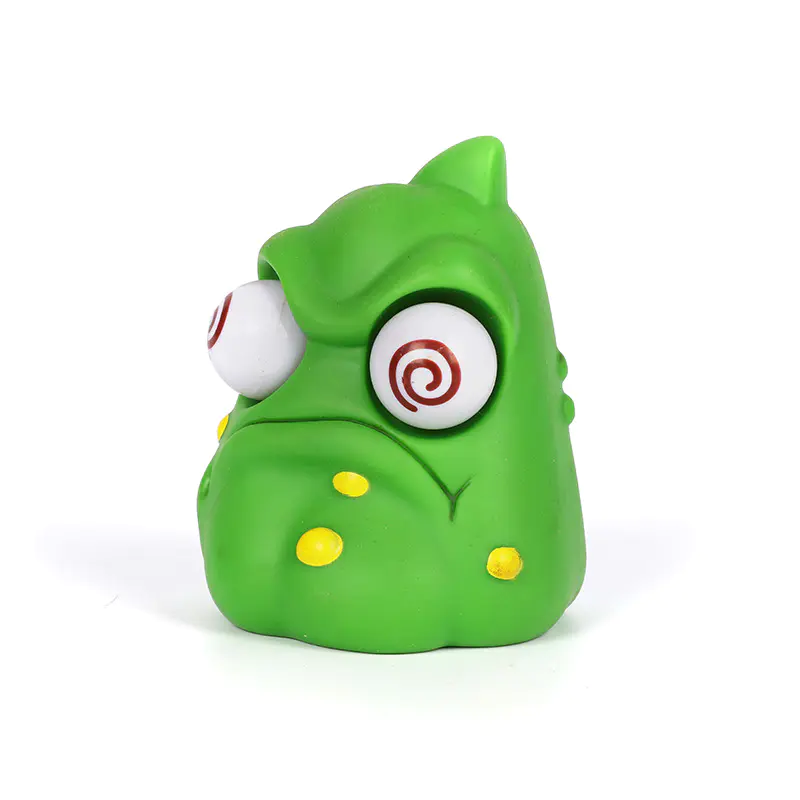
Step into the whimsical world of the Pop-eye series, where fun and functionality collide to bring you the Staring Glowing Decompression Series. These ...
View More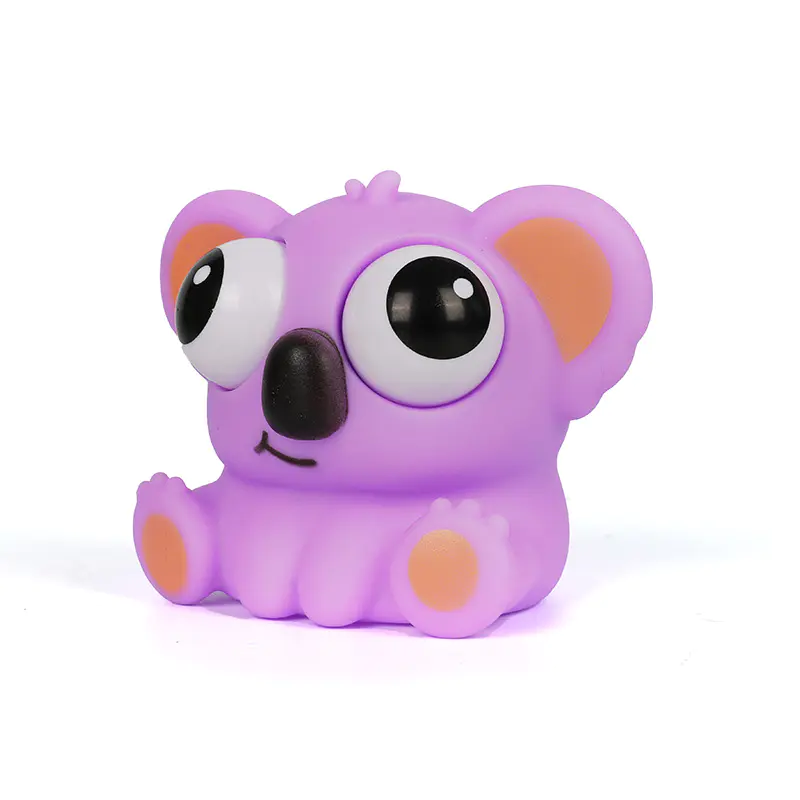
Welcome to the enchanting world of our Cute Little Animal Series (Big-eyed), a delightful addition to our renowned Pop-eye Collection. These captivati...
View More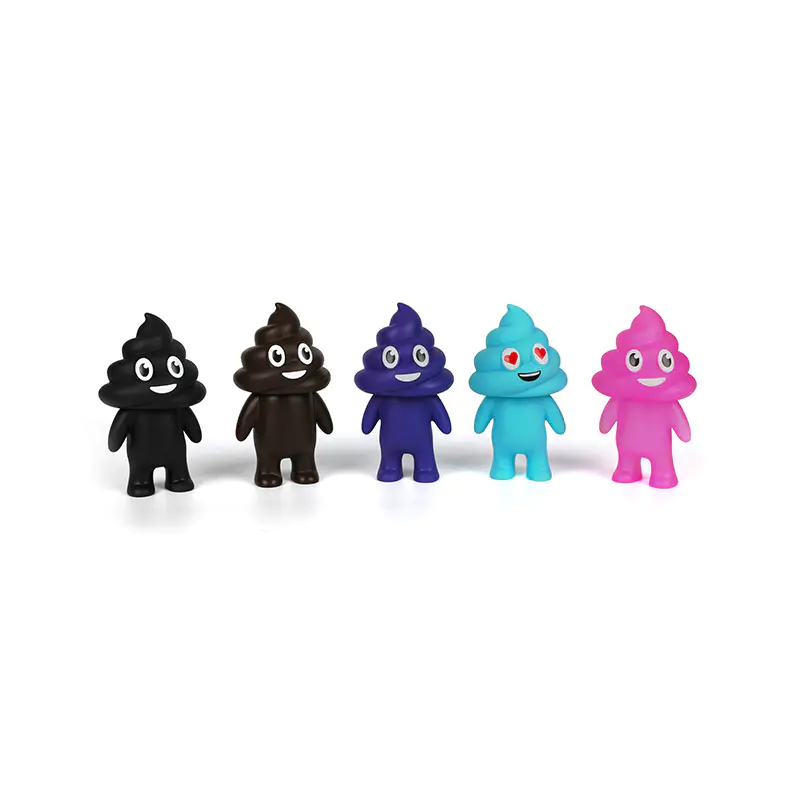
Introducing the Poop People Series, a unique and playful line of collectible figures that bring humor and joy to toy collections everywhere. These qui...
View More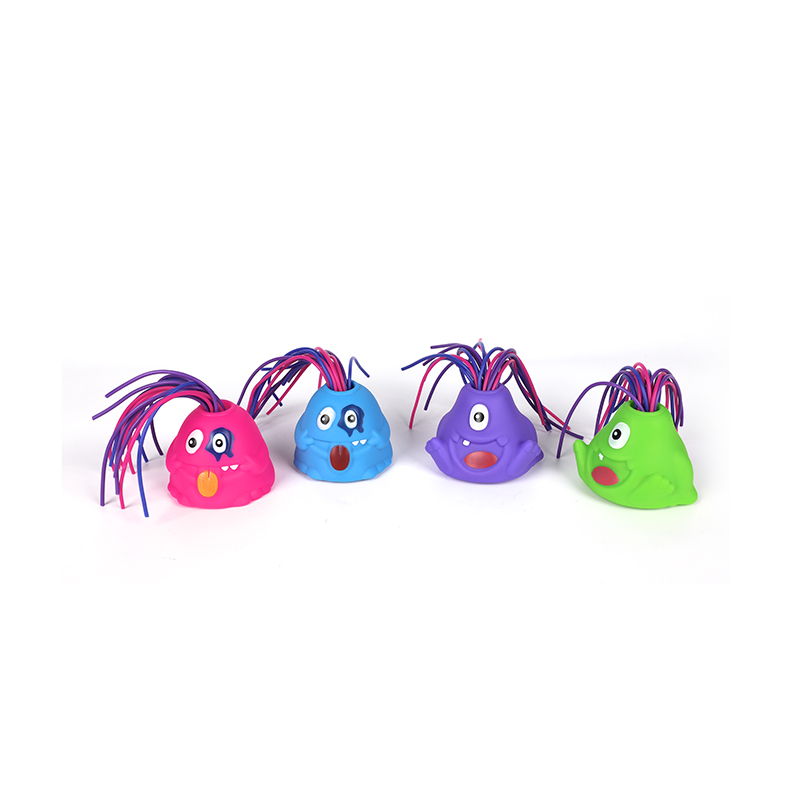
Laughter is one of the best ways to release stress, and Hair-Pulling Sound Toys are designed to do exactly that. These playful screaming monster figur...
View More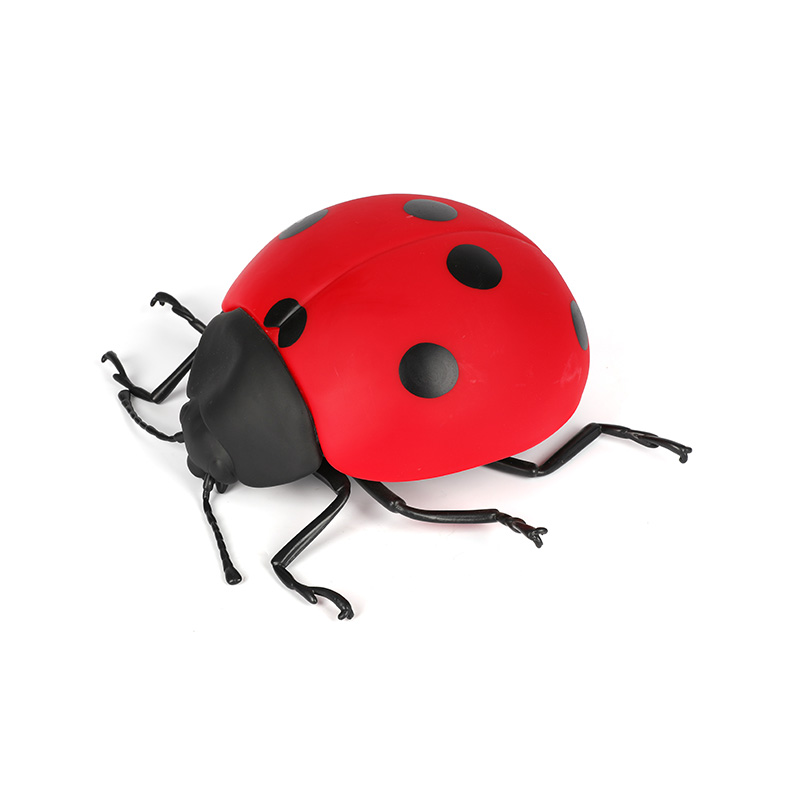
Our Beetle Model Toys are pretty popular with kids and bug fans these days. We put real effort into making these beetle figures so they look detailed ...
View More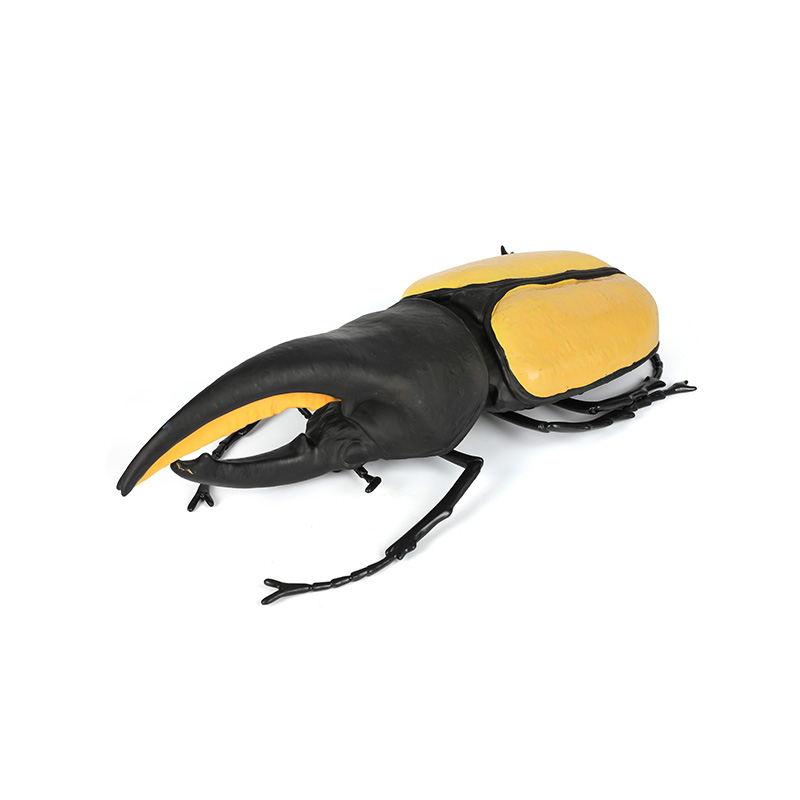
Welcome to the world of Beetle Model Toys, where intricate design meets playful imagination. Our Beetle models are meticulously crafted to provide not...
View More
Our Dinosaur Model Toys are really popular with kids these days. We make these dinosaur figures with a lot of care so they look real, help kids learn,...
View More
Copyright © Jinhua Blue Eagle Toys Technology Co., Ltd. All Rights
Reserved.


+86 18072335560


Educational Model Toys Company