

 English
 English
 русский
 Español
- Type:
- Industry News
- Date
- 2026-Sep-18
Industry News
Where Hand Squeeze Toy Can Add Fun To Daily Life
Small toys do not always need complicated functions to become part of everyday leisure. A simple shape, a soft surface, or a small movement can give people something to interact with during a short break. Unlike decorative objects that remain in one place, squeeze toys invite the hand to press, release, and repeat the movement.
A Hand Squeeze Toy can fit into different parts of daily life because the activity requires little preparation. It can sit beside a computer, remain in a bedroom, or be kept with other small personal items. The appeal often comes from the physical action itself rather than from a complicated game or set of rules.
Design also has a role. Character faces, unusual shapes, and moving parts can make a simple squeezing action more amusing. The same basic idea can therefore appear in products designed for desk use, family leisure, casual social settings, or short periods of relaxation.
Where Can a Hand Squeeze Toy Fit Into Daily Life
Daily routines contain many small gaps between larger activities. A person may spend time at a desk, wait for another task to begin, take a short break, or relax at home. Small interactive toys can fit into these moments without requiring a separate play area.
At home, a squeeze toy can be placed on a bedside table, shelf, sofa table, or other convenient surface. Its small size makes it relatively easy to put away when the surrounding area needs to be cleared.
Desk spaces offer another possible setting. A small toy can remain within reach during a pause between tasks. The action is simple enough that there is little need to prepare a separate activity.
Casual leisure can also take place in shared spaces. A funny shape or unexpected movement may attract attention during a conversation, giving people something light to interact with.
The suitable setting often depends on the toy's size, material, and design. A product intended for children may need different handling considerations from one kept on an adult desk. Items used in shared spaces may also need more attention to cleaning and storage.
Rather than being tied to one specific activity, squeeze toys can appear in several everyday situations:
- Short breaks from desk work
- Relaxed time at home
- Casual family activities
- Informal gatherings
- Small personal collections
- Waiting periods between routine activities
The physical interaction remains the common element. Pressing the surface creates movement or deformation, and releasing it allows the object to return toward its original shape. That simple sequence creates a small break from activities that involve sitting, reading, working, or talking.
How Does Squeezing Make a Simple Toy More Interactive
A toy becomes interactive when an action produces a visible or physical response. With squeeze toys, the hand provides that action. Pressing the body may change its shape, move a feature, or create a humorous expression. Releasing the pressure allows the toy to move back.
The response does not need to be complicated. In many designs, the enjoyment comes from repeating a familiar action and seeing the same playful reaction.
Shape has a direct effect on the experience. A rounded character may change its expression when pressed, while a toy with a movable feature may produce a different visual effect. Soft surfaces can also make the object feel different from a hard decorative item.
The relationship between hand movement and visual change is important for novelty toys. A person can immediately see that their action has caused something to happen. That connection makes the object more engaging than an item that only sits on a shelf.
Material condition also matters. A surface that feels comfortable to press needs to retain its intended shape during regular handling. If the material becomes damaged, sticky, cracked, or misshapen, the interaction may change.
| Design Feature | Possible Interactive Effect |
|---|---|
| Soft body | Changes shape under hand pressure |
| Character face | Creates a visual change during squeezing |
| Movable feature | Adds movement to the pressing action |
| Rounded shape | Provides a natural area for gripping |
| Flexible section | Allows repeated deformation and release |
The action is also easy to understand without instructions. A person can pick up the toy, press it, release it, and observe what happens. That simplicity helps explain why squeeze-based designs can appear in many forms.
From here, the setting becomes just as relevant as the physical action. A toy that works well during a short break may need different characteristics when it is placed in a shared family space.
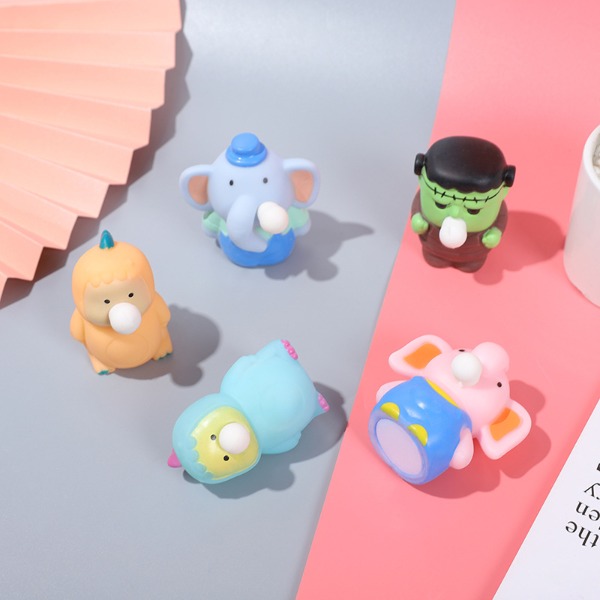
Why Do Desk And Study Spaces Suit Small Squeeze Toys
Desk and study areas are usually organized around a limited working surface. Books, computers, stationery, and other items already occupy part of the available space. A small interactive toy therefore needs to fit without interfering with normal activities.
A compact shape can be placed beside a monitor, notebook, storage tray, or other desk items. When a break comes, the toy can be picked up and handled for a short period before being put back.
For study areas, the surrounding environment also matters. A toy should not create unnecessary noise or movement that interferes with other people nearby. Its appearance may also influence whether it feels suitable for a personal desk, shared workspace, or classroom setting.
Storage is another simple consideration. Small toys can be kept in a drawer, box, shelf, or dedicated container when they are not being used. Keeping the item away from sharp objects can help protect flexible surfaces from accidental damage.
Desk use also shows why size and shape need to work together. A toy that is difficult to grip may be less comfortable during short periods of handling, while an oversized shape can take up unnecessary working space.
The surrounding routine can guide the choice. A quiet study environment may call for a simple squeeze action, while a personal desk may allow more expressive character designs. Neither setting requires the toy to become part of the main activity. It can remain a small leisure object used between tasks.
This role is different from that of a traditional desk decoration. A decoration mainly contributes to the appearance of the space, while an interactive toy invites physical contact. That difference can influence material selection, surface design, and storage requirements.
How Can a Squeeze Tongue Toy Add Playful Interaction
Some novelty toys use exaggerated facial features or movable elements to create a humorous reaction. A Squeeze Tongue Toy uses the tongue as part of that visual interaction, turning a familiar facial feature into a playful moving element.
When the body is pressed, the tongue may extend, shift, or appear in a different position depending on the design. The movement creates a direct connection between the user's hand action and the toy's appearance.
The visual idea can make the product suitable for casual entertainment and conversation. Someone who has not handled the toy before may become curious about what happens when the body is squeezed. That curiosity can turn a simple object into a small social activity.
Shape and expression are especially important for this type of design. The face needs to remain recognizable while leaving enough space for the moving feature. The tongue mechanism also needs to work with the flexible body rather than making the overall shape difficult to handle.
For everyday use, several design details can influence the experience:
- The body should provide a comfortable area for pressing.
- The moving feature should return properly after release.
- The surface should remain suitable for repeated handling.
- The shape should be easy to hold without excessive force.
- Small attached elements should remain securely connected.
A novelty design works through a combination of touch and visual response. That combination is what separates an interactive squeeze toy from an ordinary decorative figure.
The same principle can carry into family leisure and social settings, where the people handling the toy may differ in age, habits, and expectations. That makes material condition, cleaning, and physical design increasingly relevant as the use environment changes.
Where Can Hand Squeeze Toy Become Part of Family Leisure
Family leisure does not always involve a planned game or a large activity area. Small toys can become part of a relaxed afternoon, a casual conversation, or a short period of play at home. Their simple operation makes it possible to pick them up, interact with them, and put them aside without changing the surrounding activity.
A Hand Squeeze Toy can also appeal to family members through its appearance. Funny faces, unusual shapes, and movable features give the object a visual character before anyone even touches it. Once pressure is applied, the change in shape or movement adds another layer of interaction.
Age and handling habits should still be considered. A toy designed for children needs suitable construction and should be checked for loose parts. Adults may also use novelty squeeze toys as small desk or home leisure items, although the intended use should remain clear.
The home environment offers several possible places for this type of toy:
- A play area where children can handle age-appropriate items
- A living room during casual family activities
- A bedroom or personal space for individual leisure
- A desk used for study or hobbies
- A storage box where small toys can be kept between uses
Shared use brings cleaning considerations as well. When several people handle the same object, its surface can collect dirt or moisture. Regular cleaning according to the material and product instructions can help maintain the surface condition.
The way a toy is stored also affects its condition. Flexible products should not be left under heavy objects for long periods, since continued pressure can alter their shape. Keeping them away from sharp edges can also reduce the chance of surface damage.
Family use therefore involves more than the visual appeal of a character. Size, material, construction, handling, and storage all contribute to whether the toy fits naturally into a shared home environment.
How Can Squeeze Toys Work in Casual Social Settings
A small novelty toy can sometimes become part of a conversation simply because its appearance invites a reaction. A funny expression or unexpected movement can give people something to talk about without requiring a formal activity.
At a casual gathering, an interactive toy may be placed on a table or passed between people. Someone can squeeze it, observe the response, and hand it to another person. The activity remains simple and can happen alongside conversation.
A Squeeze Tongue Toy can create a particularly noticeable visual response because the tongue becomes part of the movement. The unusual action may attract attention when compared with an ordinary character figure.
Shared use does require some practical consideration. Toys that are handled by several people should be kept clean, particularly when they are passed around during meals or other activities. It may also be sensible to avoid placing flexible toys directly beside food or drinks where spills could affect the material.
Social use can also include parties and informal events. A group may use small novelty items as conversation pieces, table decorations, or casual entertainment. Their role does not need to be formal. A simple physical reaction can provide a short moment of amusement before the activity returns to normal conversation.
The design needs to suit the setting. A large object may occupy unnecessary table space, while a small item can be easier to move and store. Surface texture, shape, and ease of cleaning may also matter when several people are expected to handle the same product.
What Design Details Affect Everyday Handling
The feel of a squeeze toy depends on more than softness. Shape, surface texture, grip area, flexibility, and the way the object returns to its original form all affect how it behaves in the hand.
A rounded body may be easier to hold than a narrow shape. A toy with several flexible sections may behave differently from a single soft body. Character designs can also place facial features, limbs, or other elements in areas that change how the toy is gripped.
Material condition matters during repeated use. A flexible surface should remain intact around seams, openings, and attached features. Damage in one area can affect both appearance and handling.
| Grip area | The shape should provide a practical place for the fingers and palm to apply pressure. |
|---|---|
| Surface feel | The outer material influences how the toy feels during repeated contact. |
| Shape recovery | After being squeezed, the body should return toward its intended form according to its design. |
| Attached features | Eyes, tongues, accessories, or other small elements need secure connections. |
| Overall structure | The body should remain suitable for the type of handling expected during regular use. |
A good fit between these elements makes the interaction feel natural. A product that is visually interesting but difficult to hold may not work as expected in a daily setting.
The intended environment should therefore be considered during design. A desk toy may have a different shape from an item intended for shared family play, even when both rely on the same basic squeezing action.
How Should Different Squeeze Toy Designs Match Different Situations
Different environments create different practical requirements. A small character can work well on a desk where available space is limited. A larger shape may be easier for children to hold, while a novelty design with a moving feature may suit casual social use.
The choice can begin with the intended activity rather than appearance alone.
For desk use, useful considerations include:
- Compact dimensions
- Easy storage
- A surface that can be cleaned
- Simple hand operation
- Limited interference with nearby work items
For family use, attention may shift toward construction, attached parts, age suitability, and cleaning. Social settings can bring greater emphasis on appearance, portability, and shared handling.
A Squeeze Tongue Toy can fit into several of these settings when its design and construction match the intended use. The visual reaction may suit informal entertainment, while its physical size determines whether it is practical to place on a table, carry between rooms, or store with other toys.
No single design needs to serve every environment. Matching the form to the setting can make the object easier to handle and maintain.
What Should Be Checked Before Regular Use
A quick physical inspection can help identify problems before a squeeze toy is handled regularly. Flexible products are often pressed repeatedly, so small changes around seams, openings, and attached elements deserve attention.
The outer surface should be checked for cracks, tears, unusual stickiness, or other visible changes. Attached parts should remain secure, especially when the item may be handled by children.
Cleaning requirements should also be clear. The appropriate method depends on the material and construction. Some products may tolerate gentle surface cleaning, while others may require different care.
Storage conditions matter as well. Excessive heat, moisture, direct exposure to unsuitable environments, or contact with sharp objects can affect flexible materials.
A practical inspection can include:
- Looking over the outer surface.
- Checking seams and connected sections.
- Confirming that small features remain attached.
- Cleaning the surface according to the product instructions.
- Keeping the toy in a suitable storage location.
These checks become more relevant when the item is used frequently or shared between several people.
How Can Small Interactive Toys Fit Into Everyday Routines
A small squeeze toy can occupy a simple place in everyday life. It may sit beside a computer during a break, remain in a family room, or appear during a casual gathering. Its role comes from the combination of physical handling and visual response rather than from a complicated activity.
The design can influence where the object fits. A compact shape may suit a desk, while a character with an expressive feature can encourage interaction during family or social time. A Hand Squeeze Toy can also be stored easily when the surrounding space needs to be used for another purpose.
Material and construction remain connected to that everyday role. Regular handling places attention on surface condition, attached parts, shape recovery, cleaning, and storage. When those factors are considered during design and use, the toy can remain part of a routine without requiring much preparation.
For manufacturers, these everyday situations also provide useful references when developing different shapes. A desk-oriented design, a family novelty item, and a social interaction toy may share the same basic squeezing concept while having different requirements for size, appearance, flexibility, and construction.
The growing range of interactive forms shows how a simple hand action can be adapted to different leisure environments. Hand Squeeze Toy designs can therefore be considered according to where they will be handled, who will use them, and how they will be stored and maintained between moments of play.
Related Products
-
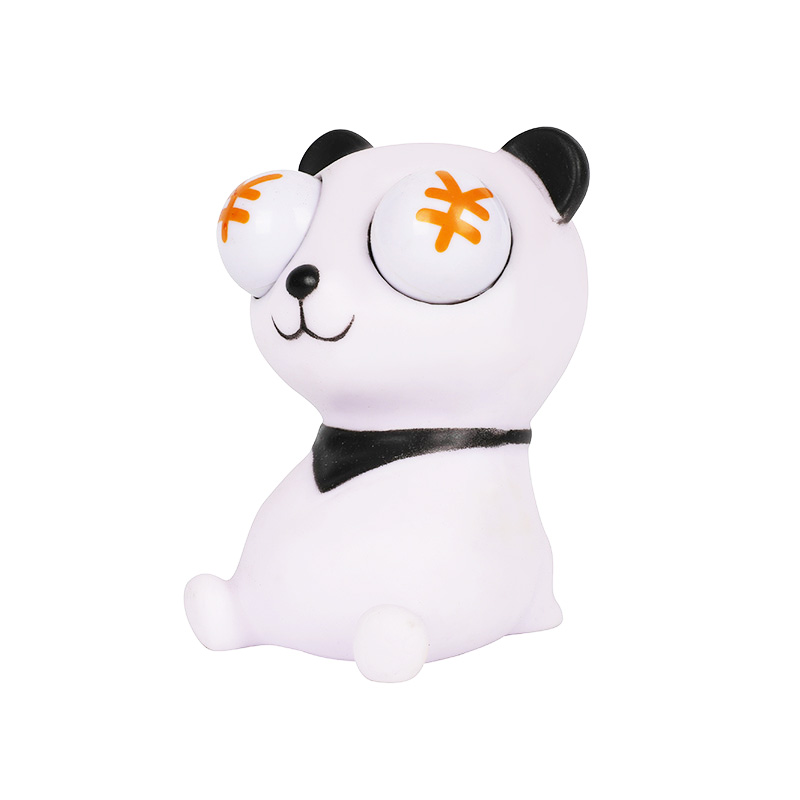
Pop-eyed Panda
Enter the whimsical world of the Pop-eye series with our delightful creation, the Pop-eyed Panda. Designed to bring joy and relieve stress, this squee...
View More -
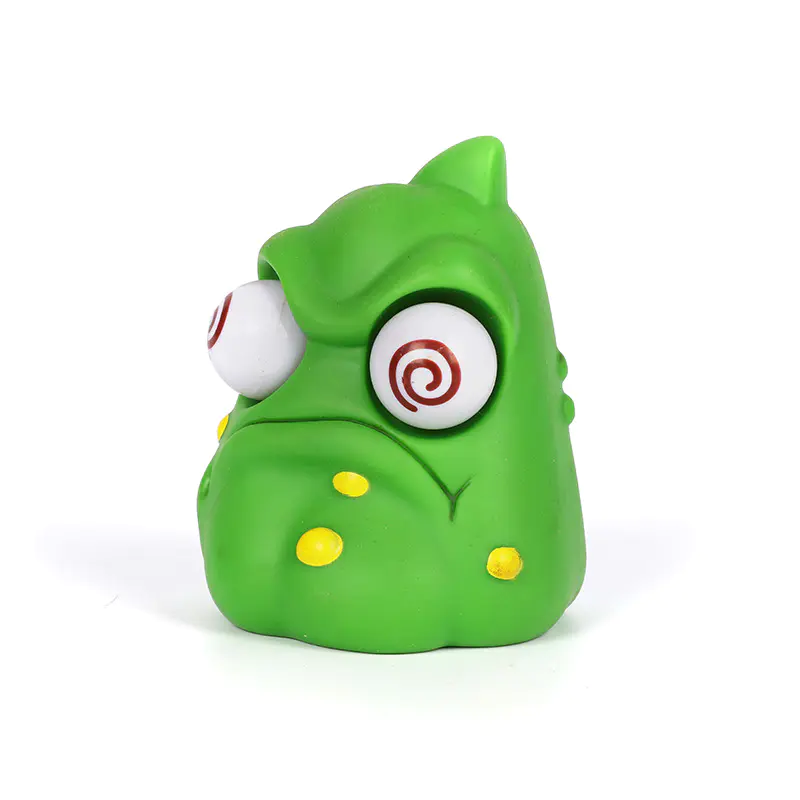
Staring Glowing Decompression Series
Step into the whimsical world of the Pop-eye series, where fun and functionality collide to bring you the Staring Glowing Decompression Series. These ...
View More -
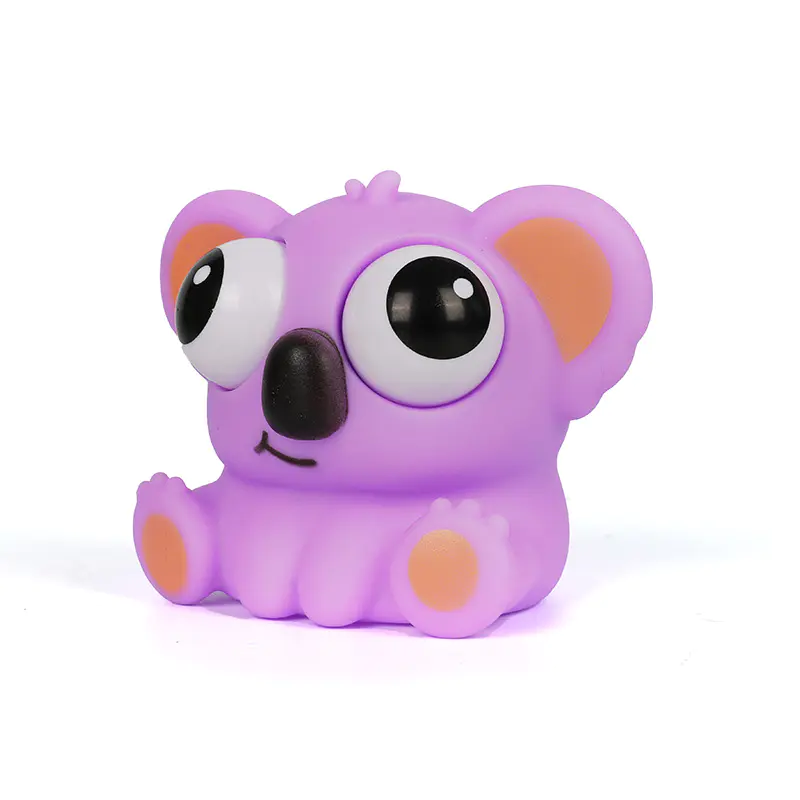
Cute Little Animal Series (Big-eyed)
Welcome to the enchanting world of our Cute Little Animal Series (Big-eyed), a delightful addition to our renowned Pop-eye Collection. These captivati...
View More -
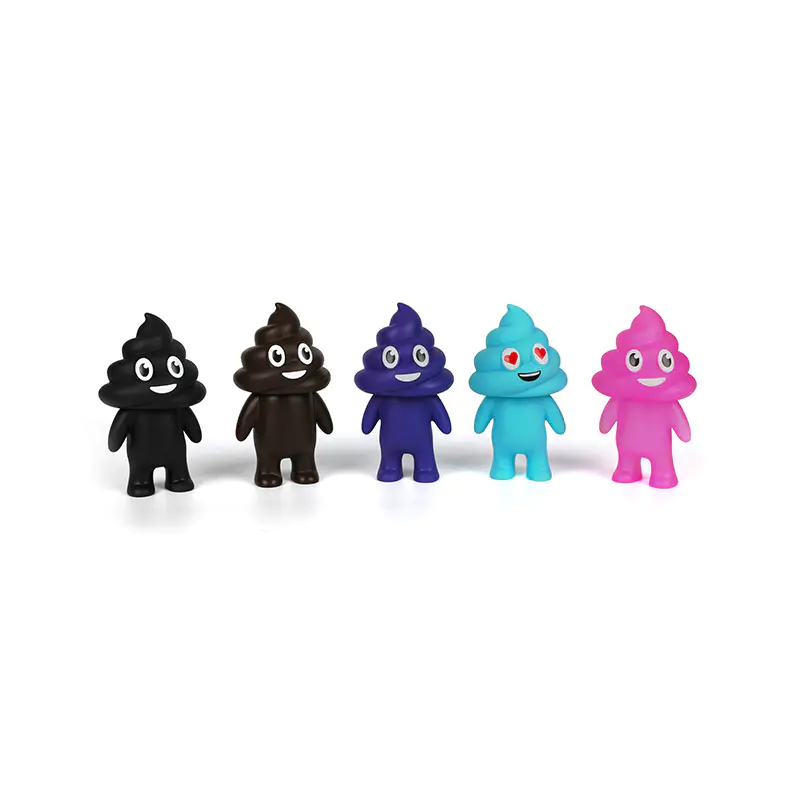
Poop People Series
Introducing the Poop People Series, a unique and playful line of collectible figures that bring humor and joy to toy collections everywhere. These qui...
View More -
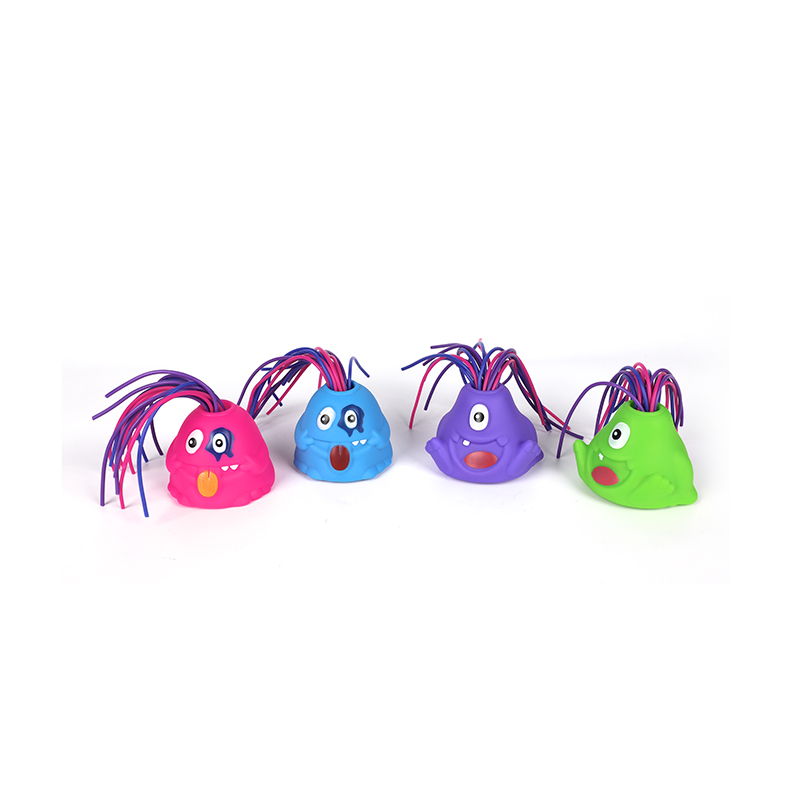
Fun Hair-Pulling Monster Stress Relief Anti-Anxiety Sound Toys
Laughter is one of the best ways to release stress, and Hair-Pulling Sound Toys are designed to do exactly that. These playful screaming monster figur...
View More -
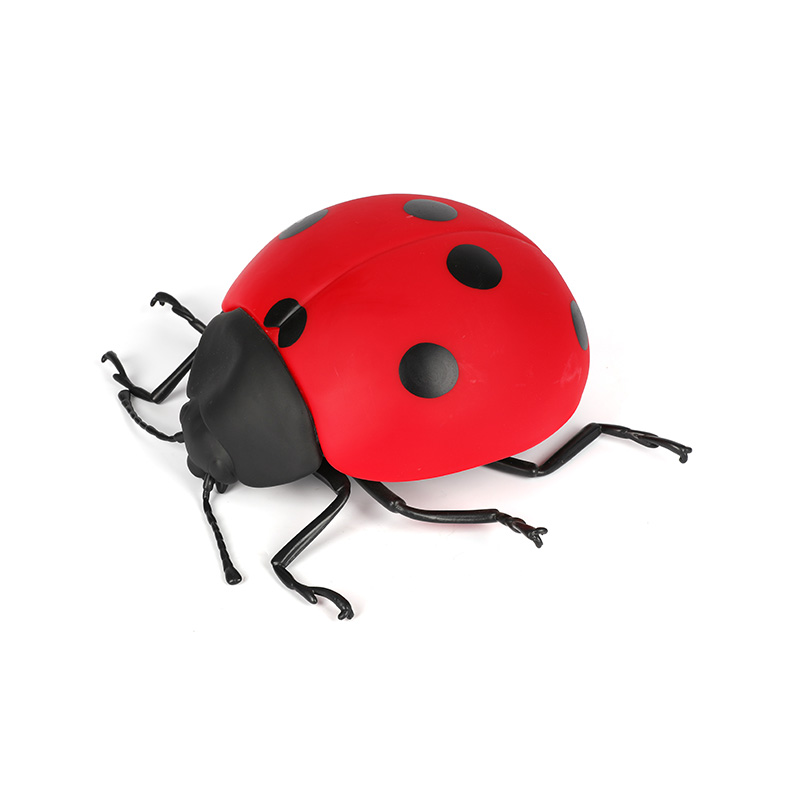
Beetle, Beetle Model Toys
Our Beetle Model Toys are pretty popular with kids and bug fans these days. We put real effort into making these beetle figures so they look detailed ...
View More -
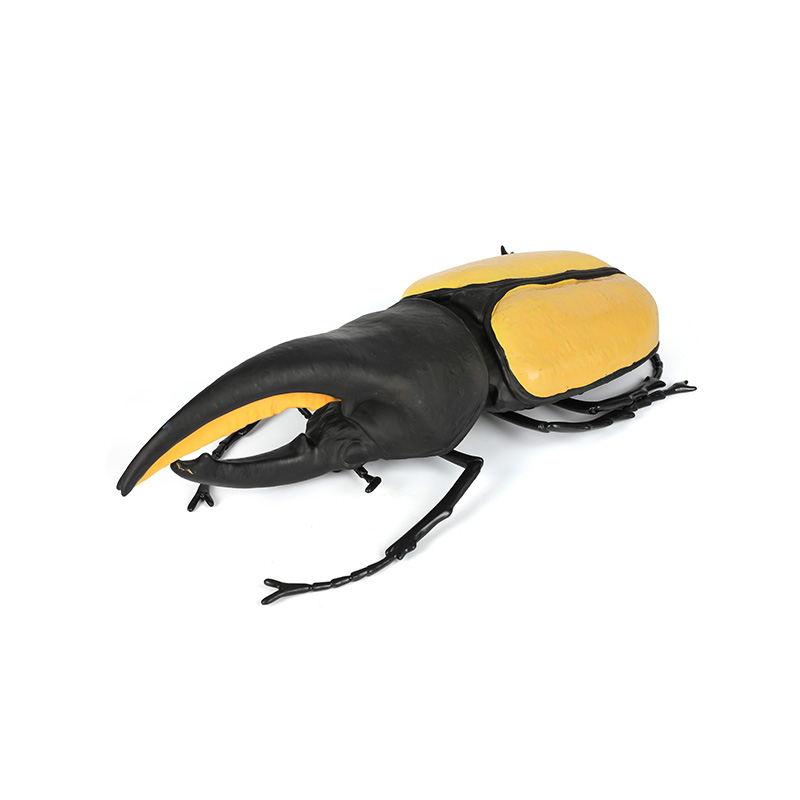
Beetle, Beetle Model Toys
Welcome to the world of Beetle Model Toys, where intricate design meets playful imagination. Our Beetle models are meticulously crafted to provide not...
View More -
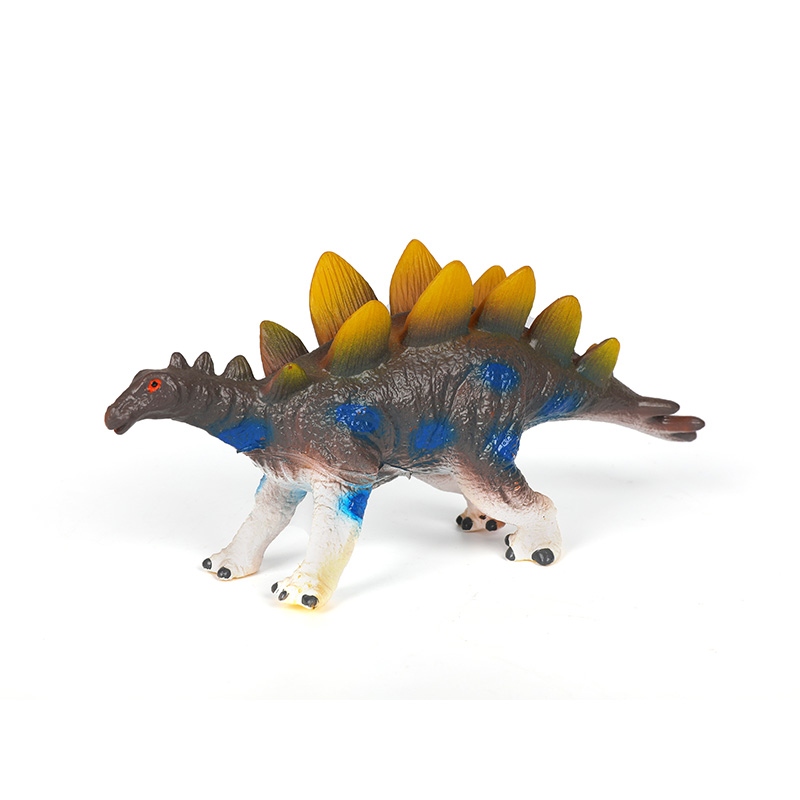
Diversity Series Dinosaur Model Puzzle Toys
Our Dinosaur Model Toys are really popular with kids these days. We make these dinosaur figures with a lot of care so they look real, help kids learn,...
View More

Copyright © Jinhua Blue Eagle Toys Technology Co., Ltd. All Rights
Reserved.

Information
-

+86 18072335560
-

-
 Weiyingsheng Industrial Co., Ltd., Yangbu Town Industrial Zone, Wucheng District, Jinhua City, Zhejiang Province
Links
Contact Us
Educational Model Toys Company