

 English
 English
 русский
 Español
- Type:
- Industry News
- Date
- 2026-Sep-11
Industry News
Home / News / Industry News / How to Prevent a Small Elephant Squeeze Toy From Becoming a Choking Hazard
Small squeeze toys are often made to be held, pressed, twisted, and released. A simple animal shape can make the product easy to handle, while soft construction allows the body to change shape during play. Repeated handling also means that different areas of the toy may receive different amounts of pressure.
For a small Elephant Squeeze Toy, the main concern is not simply whether the body feels soft. A complete toy can change condition during use when a seam opens, an attached part becomes loose, or a damaged area begins to separate. Once a small piece becomes detached, the safety situation is different from that of an intact toy. Guidance from consumer safety authorities also places attention on loose or removable parts of squeeze toys and soft toys because such pieces can create choking concerns for young children.
A practical approach starts with the structure. The body, ears, trunk, tail, surface details, and connection areas all need to remain in their intended condition. Regular inspection then provides a second layer of control, especially when the toy is squeezed frequently or used by a child who tends to put objects into the mouth.
A squeeze toy does not need to be completely broken to create a concern. A small change in one part can be enough to create a loose piece. A decorative element may begin to move, a seam may open slightly, or a soft outer layer may develop a tear after repeated handling.
Small detachable parts are a particular concern for young children because objects placed in the mouth can become lodged in the airway. Consumer safety guidance therefore advises keeping small toys and loose toy parts away from young children and checking squeeze toys for parts that can become removable.
Several conditions deserve attention during normal use:
Repeated squeezing can make a small defect easier to notice. Pressure changes the shape of the body, while pulling or twisting can place additional force around attached areas. A weakness that seems minor during casual handling may become more visible after continued use.
Age guidance also matters. A toy that is suitable for an older child may not be appropriate for a younger child who frequently places non-food objects in the mouth. Official guidance recommends checking the intended age range and keeping toys with small parts away from younger children.

An animal-shaped toy often has several raised or separate features. Each feature changes the way the body receives pressure. A rounded body may compress easily, while a narrow trunk or small tail may bend repeatedly from a different direction.
For an Elephant Squeeze Toy, attention can be given to areas such as:
The shape itself is therefore useful when carrying out a visual check. Instead of treating the toy as one uniform object, each attached feature can be considered according to how it moves during play.
Squeezing changes the shape of a soft toy and places pressure on different areas as the body compresses. Releasing the toy allows the material to move back toward its original form. Repeating the process can gradually change the condition of areas that receive frequent stress.
A flexible body may show small changes long before a clear break appears. The surface can become thinner around a repeatedly compressed section, while a joint may begin to feel different from the surrounding material. A small opening may also become easier to see when the toy is pressed.
Not every change means that a toy has become unsuitable for use. A temporary change in shape is part of normal squeezing. Greater attention is needed when the condition remains after release or when a previously fixed component begins to move separately.
A simple observation can help:
The purpose of such a check is not to judge the softness of the toy. It is to notice whether repeated handling has changed its structural condition.
Decorative parts can make an animal-shaped toy more recognizable, yet a decoration also creates another connection that needs to remain secure. Eyes, noses, labels, small patches, or other attached features may become a concern when they can be separated from the main body.
Soft toys with small attachments are specifically identified in consumer safety guidance as items that need regular attention. A loose eye, nose, or similar piece can become a small detachable object. Squeeze toys can present a related concern when an internal sound-making part or other small component becomes removable.
For design and inspection purposes, decorative elements can be considered in three ways:
A decoration that has started to detach should not be treated as a minor appearance issue. Once a small part can come away from the main body, the toy needs a closer safety assessment.
A short inspection before use can identify visible problems before play begins. Age guidance should also be checked because the same type of toy may not be suitable for every child. Young children who frequently put objects into their mouths need particular care around small or detachable toy parts.
| Check Area | What to Look For | Main body |
| Tears, openings, unusual damage | Attached parts | Looseness, movement, partial separation |
| Surface | Peeling, cracking, or damaged areas | Shape |
| Changes that remain after release | Connections | Gaps or weak-looking joining areas |
Visual inspection should be followed by gentle handling rather than forceful pulling. The aim is to identify an obvious weakness without creating new damage during the inspection itself.
A damaged toy should be removed from use rather than returned to a child with the expectation that the problem will remain unchanged. Current consumer safety guidance for squeezable toys also advises stopping use when damage is present and keeping damaged products away from young children.
Regular checks become particularly useful when a toy is handled frequently. A condition that was not visible when the toy was new can appear after repeated squeezing, washing, storage, or rough play. Keeping attention on the whole structure makes it easier to notice such changes before a detached part becomes a separate hazard.
Stress Control Toys are handled through squeezing, pressing, twisting, or kneading, so their structure needs to cope with repeated movement. A soft body may change shape easily during use, while smaller attached features can move in another direction. Such differences matter around connection areas.
For an animal-shaped squeeze toy, ears, tails, trunks, decorative details, and other raised sections may receive more bending or pulling than the main body. A connection that feels stable while the toy is resting may behave differently during repeated squeezing. Design work therefore needs to consider not only the shape of each feature, but also how that feature moves when pressure is applied nearby.
Several practical points can guide the design:
A simpler structure can also make inspection easier. Fewer separate parts mean fewer connections to monitor, while necessary attachments still need to be checked according to their intended use.
Material condition can change gradually through repeated handling. A flexible surface may develop a small crack, become thinner around a frequently compressed area, or begin to separate near a joint. Once a damaged section opens further, part of the material may become detached.
Different areas of one toy can experience different forms of wear. A rounded body generally receives broad pressure, while a narrow feature may bend repeatedly around its base. Checking the whole toy is therefore more useful than focusing on a single visible surface.
Signs that deserve attention include:
Softness itself does not indicate whether a toy remains structurally intact. Material condition needs to be considered together with seams, joints, attached parts, and any visible openings.
A squeeze toy can experience unnecessary wear when it is stored under heavy objects, placed beside sharp items, or left in an unsuitable environment. Rough surfaces can also affect the outer material during repeated contact.
Storage should leave enough room for the toy to retain its normal shape. Keeping it away from objects that could puncture, cut, or scrape the surface can reduce avoidable damage. Care instructions should also be followed when cleaning or drying the product, since unsuitable handling may affect certain materials.
After use, a simple inspection can become part of normal care:
Storage alone cannot prevent wear. A toy that appears unchanged after being stored may still develop damage through repeated squeezing during later use.
Removal from use becomes appropriate when a toy no longer remains structurally intact. A loose decorative part, open seam, visible tear, or detached section can change the nature of the product and create a potential choking concern for young children.
Particular attention is needed when:
A surface mark does not necessarily have the same significance as an opening or loose component. Structural damage deserves greater attention because continued handling may cause the affected area to separate further.
Repair also needs careful consideration. Covering a visible tear does not necessarily restore the original structure. When a small component has already detached or a connection has become unreliable, continued use can create additional concerns.
Manufacturing begins with the way the toy is designed and assembled. Connection areas need to suit the movement expected during normal handling. A soft main body and a narrow attached feature may respond differently to pressure, making their joining area important during production inspection.
Attention can be given to:
Inspection should consider both the resting condition and normal handling. Some weaknesses may not be obvious while a toy is lying still. Gentle squeezing can reveal movement around a connection that looks unchanged from the outside.
Reducing unnecessary separate components can also simplify the structure. Where separate features are needed for the intended design, their attachment should suit the way the finished toy will be handled.
A toy can change after entering everyday use, so occasional observation remains useful. Children may squeeze the body, pull a tail, bend an ear, or handle the toy against furniture and other objects. Such actions can place different pressure on individual parts.
New cracks, loose decorations, open seams, or unusual movement should be treated as signs that closer inspection is needed. A feature that once stayed firmly attached and now moves separately deserves particular attention.
Once a small component becomes loose, continued play should stop. Observation cannot prevent a weakened connection from separating during later handling.
For an Elephant Squeeze Toy, regular care can remain straightforward: inspect the body, check attached features, watch for material damage, and remove the toy from use when its structure is no longer intact. Design, manufacturing quality, storage, and everyday inspection work together to reduce the chance that a small component becomes detached during normal play.
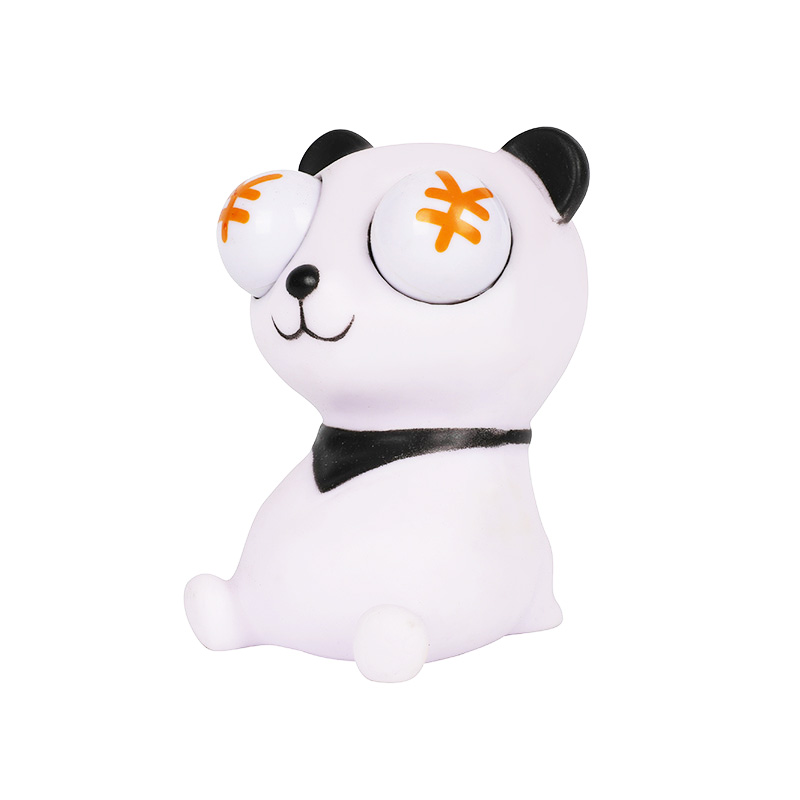
Enter the whimsical world of the Pop-eye series with our delightful creation, the Pop-eyed Panda. Designed to bring joy and relieve stress, this squee...
View More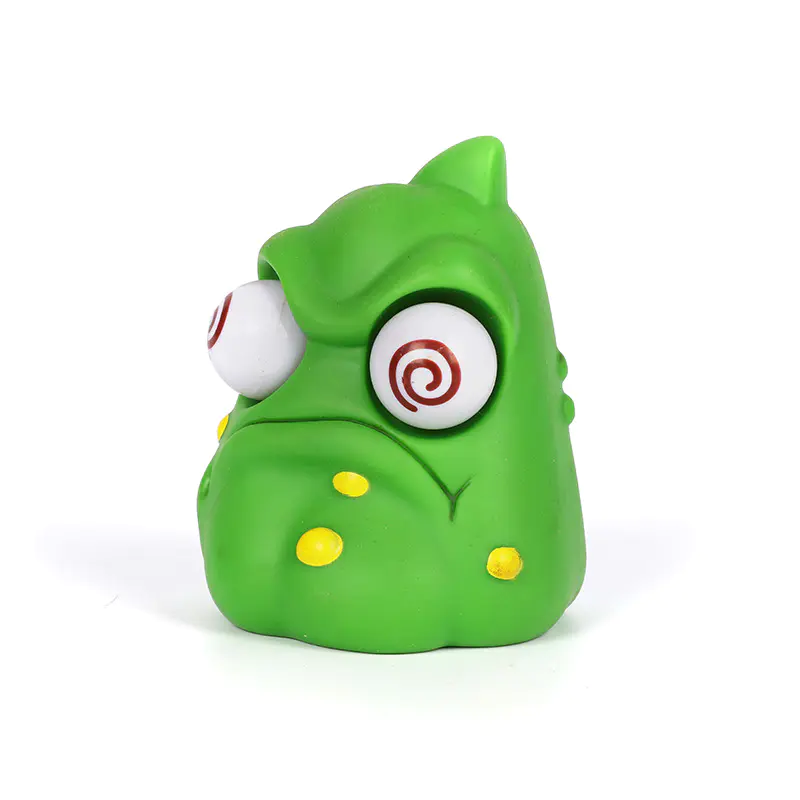
Step into the whimsical world of the Pop-eye series, where fun and functionality collide to bring you the Staring Glowing Decompression Series. These ...
View More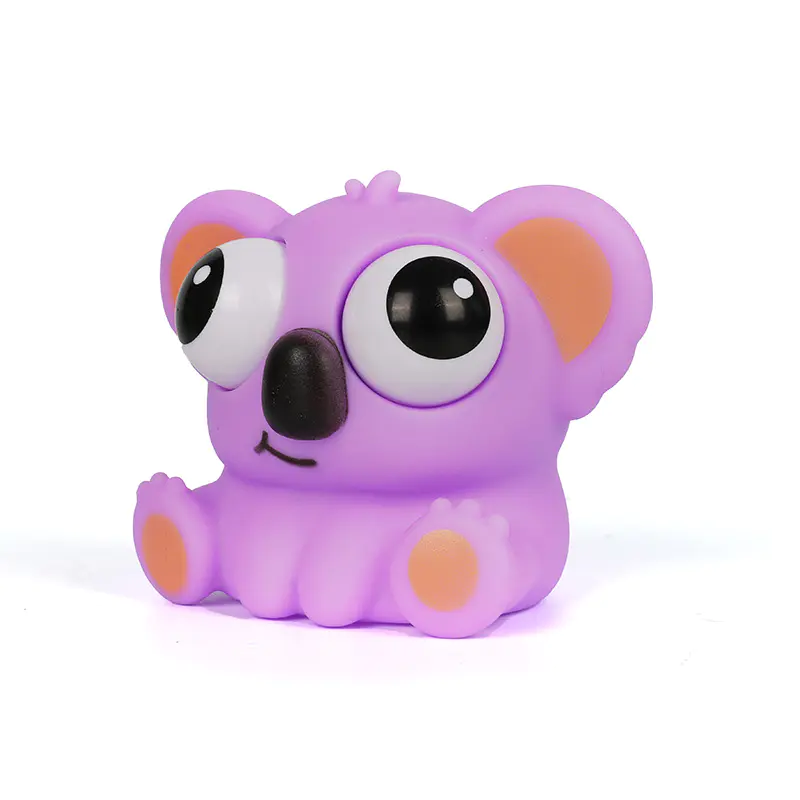
Welcome to the enchanting world of our Cute Little Animal Series (Big-eyed), a delightful addition to our renowned Pop-eye Collection. These captivati...
View More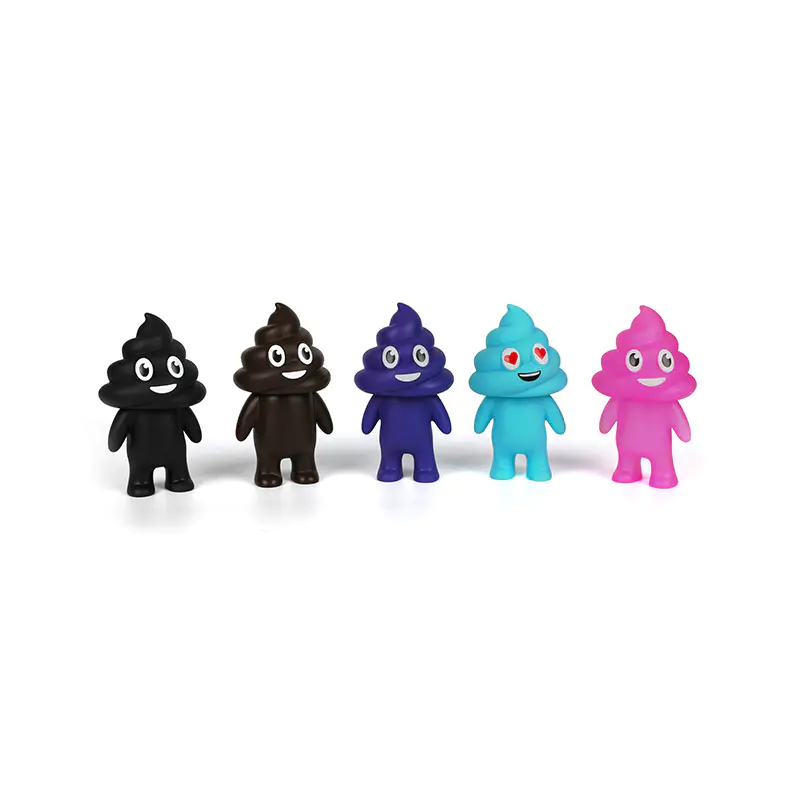
Introducing the Poop People Series, a unique and playful line of collectible figures that bring humor and joy to toy collections everywhere. These qui...
View More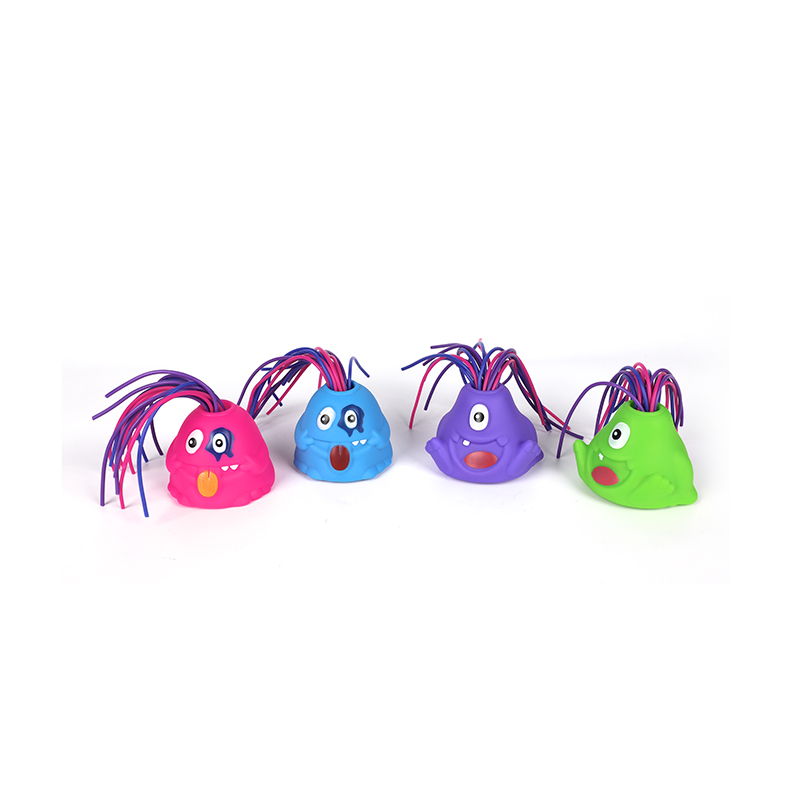
Laughter is one of the best ways to release stress, and Hair-Pulling Sound Toys are designed to do exactly that. These playful screaming monster figur...
View More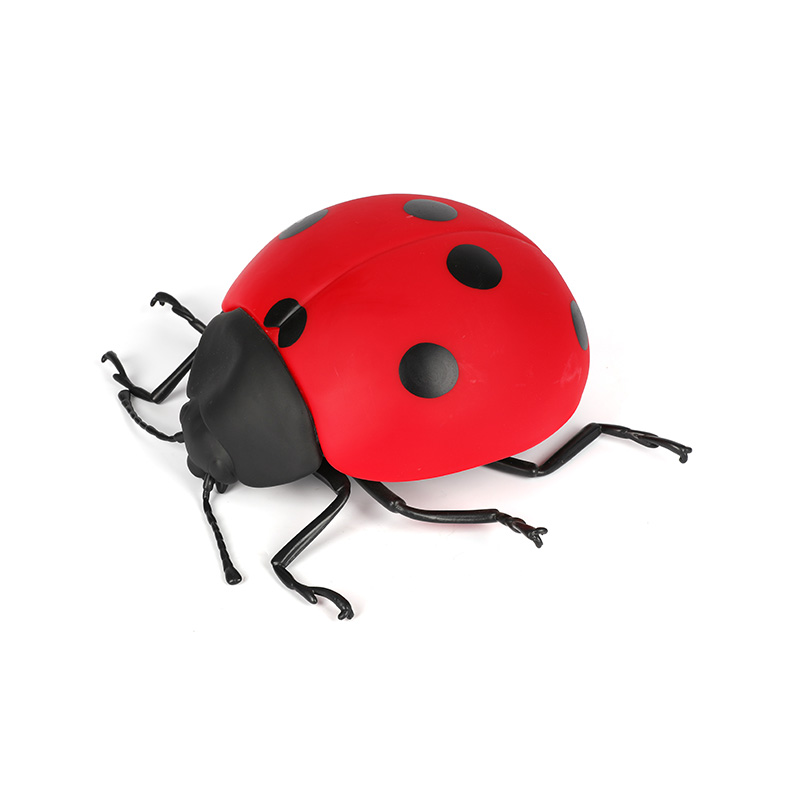
Our Beetle Model Toys are pretty popular with kids and bug fans these days. We put real effort into making these beetle figures so they look detailed ...
View More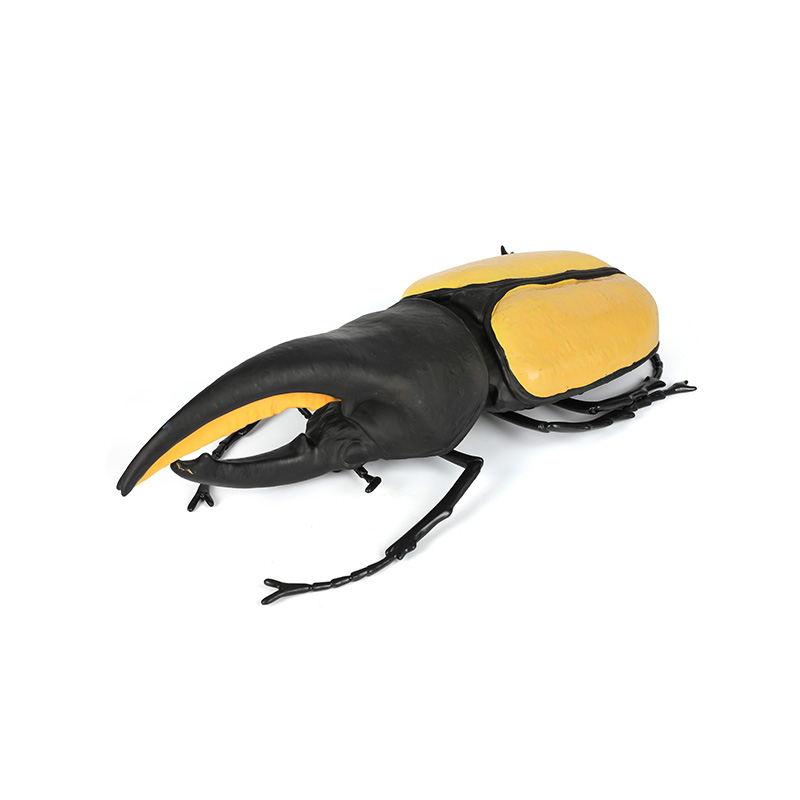
Welcome to the world of Beetle Model Toys, where intricate design meets playful imagination. Our Beetle models are meticulously crafted to provide not...
View More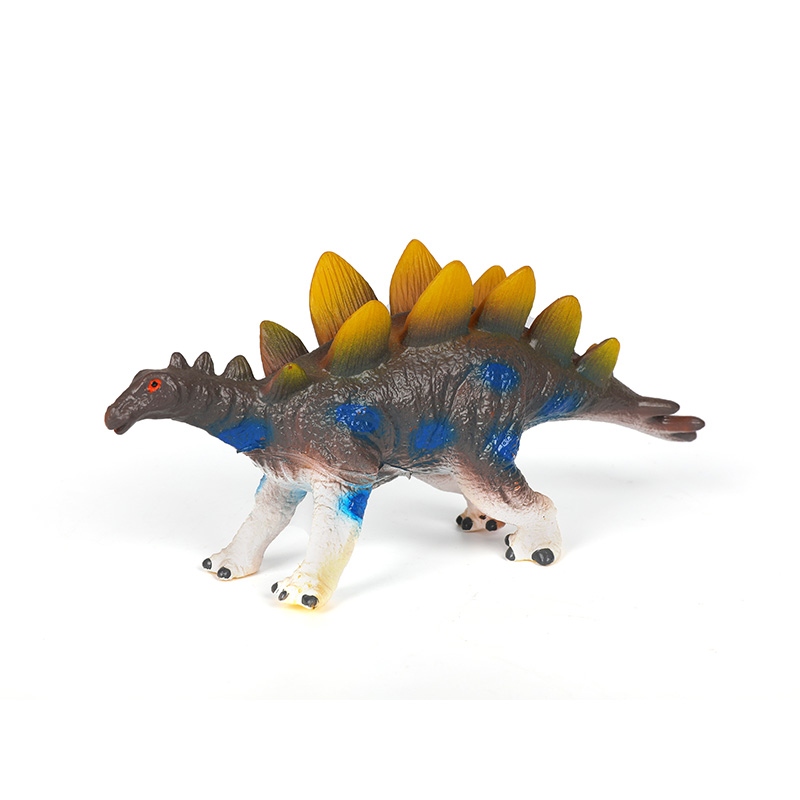
Our Dinosaur Model Toys are really popular with kids these days. We make these dinosaur figures with a lot of care so they look real, help kids learn,...
View More
Copyright © Jinhua Blue Eagle Toys Technology Co., Ltd. All Rights
Reserved.


+86 18072335560


Educational Model Toys Company