

 English
 English
 русский
 Español
- Type:
- Industry News
- Date
- 2026-Sep-15
Industry News
Which Firmness Suits a Stress Ball Squeeze Toy for Adults
Anyone who has ever grabbed a squeeze toy after a long day at the computer knows the feeling — you squeeze once, and something about it either helps you unwind or, oddly, makes your hand feel more tense. Firmness plays a bigger role in that reaction than most people realize.
Why Firmness Isn't Just a Preference — It's a Mechanical Question
The hand works through coordinated movement of fingers, palm, and thumb. When a material resists that movement, the hand receives feedback through the skin and joints. A soft ball lets fingers sink in with barely any effort, similar to pressing into a stress dough. A firmer one pushes back almost immediately, so the hand feels resistance before the fingers have moved very far.
Neither response is inherently better. Someone holding a squeeze toy at their desk between typing sessions might want something soft enough that idle squeezing doesn't require conscious effort. Someone using a short break specifically to work out tension might want a firmer object that gives the hand something to actively push against.
A few practical signs help identify a mismatch:
- The hand feels tired after only a few squeezes
- Fingers keep adjusting position because the grip feels unstable
- Releasing the object feels harder than squeezing it
- The wrist or forearm tenses up to compensate
If any of these show up regularly, the firmness level probably doesn't match how that person's hand naturally works.
| Firmness Level | How the Hand Experiences It | Where It Tends to Fit |
|---|---|---|
| Soft | Compresses with light pressure, fingers move further into the surface | Quiet desk breaks, reading, light fidgeting |
| Medium | Noticeable pushback but still manageable with a relaxed grip | General use throughout the day |
| Firm | Resistance felt early in the squeeze, requires more deliberate effort | Short bursts, active hand engagement |
Material recovery speed matters just as much as initial resistance. Some materials spring back quickly after release, so each squeeze feels distinct and immediate. Others return to shape slowly, creating more of a drawn-out compression-and-release rhythm. A slow-recovery soft material and a fast-recovery firm material will feel completely different even if labeled similarly.
Surface texture is a separate factor entirely. A smooth silicone surface can shift slightly in the hand during squeezing, while a textured surface gives fingers more to grip onto — this becomes especially noticeable for anyone with sweaty palms or during longer sessions.
Matching Firmness to the Person, Not Just the Label
Hand Size and Grip Style Change Everything
A larger hand wrapping a ball with the whole palm distributes pressure across a wide area, so even a firm material might feel manageable. A smaller hand relying mostly on fingertips concentrates that same pressure into a much smaller contact point — the identical object can feel noticeably firmer in that case.
Grip style shifts the experience too. Someone who squeezes with their whole hand engages more muscle groups and spreads out effort. Someone who pinches with just fingertips will feel resistance more intensely, since less surface area is absorbing the pressure.
Daily Context Matters More Than People Expect
Think about someone who's been typing, cooking, or doing manual work all day — their hands are already somewhat fatigued before they even pick up a stress ball squeeze toy. In that scenario, a softer option usually feels more forgiving, since the hand doesn't have much reserve strength left. On the other hand, someone reaching for a squeeze toy first thing in the morning, with fresh hands, might not notice much difference between medium and firm resistance.
This is part of why a single firmness recommendation rarely works for everyone. The same object can feel completely different depending on the time of day, prior hand use, and even temperature (cold hands often feel more resistance than warm ones).
Rather than picking based on a firmness label alone, it helps to test a few basic movements:
- Squeeze with a relaxed grip — does it respond without forcing tension?
- Release the grip — does it let go easily, or does it require effort to open the hand?
- Repeat several times — does comfort hold up, or does fatigue set in quickly?
- Try both a full-hand grip and a fingertip grip — does the feel change significantly?
For a silicone squeeze toy specifically, running through this test with attention to surface texture too is worth it, since smooth and textured silicone can behave differently even at the same firmness level.
There isn't a single firmness that works across every hand and every situation. The more useful approach is treating firmness as one variable among several — hand size, grip style, surface texture, and daily hand use — that together determine whether a squeeze toy actually feels comfortable during real, repeated use.
What Material Feel Adds to the Experience
Firmness is only one part of how a squeeze toy feels in the hand. The outer surface also changes the way pressure is applied. A smooth surface allows the fingers to move easily across the material, while a lightly textured surface may give the fingertips a steadier hold. Neither feel works the same way for every person, especially during repeated squeezing.
Softness and rebound also affect the rhythm of use. A material that returns to its original shape quickly creates a different hand movement from one that stays compressed for a little longer. A quick return can make repeated squeezing feel more active, while a slower response may encourage a gentler pace.
For a Silicone Squeeze Toy, surface feel can be particularly noticeable because silicone is often soft to the touch while still providing a certain amount of resistance. The shape of the toy matters as well. Rounded forms can spread pressure across the palm, while smaller forms may place more pressure around the fingers.
A comfortable material feel should allow the hand to remain relaxed between squeezes. When the surface feels too slippery, the fingers may tighten simply to keep hold of the object. When the surface feels too rough, repeated contact may become distracting. A suitable combination of firmness, shape, and surface feel makes the squeezing motion easier to maintain without requiring constant adjustment.
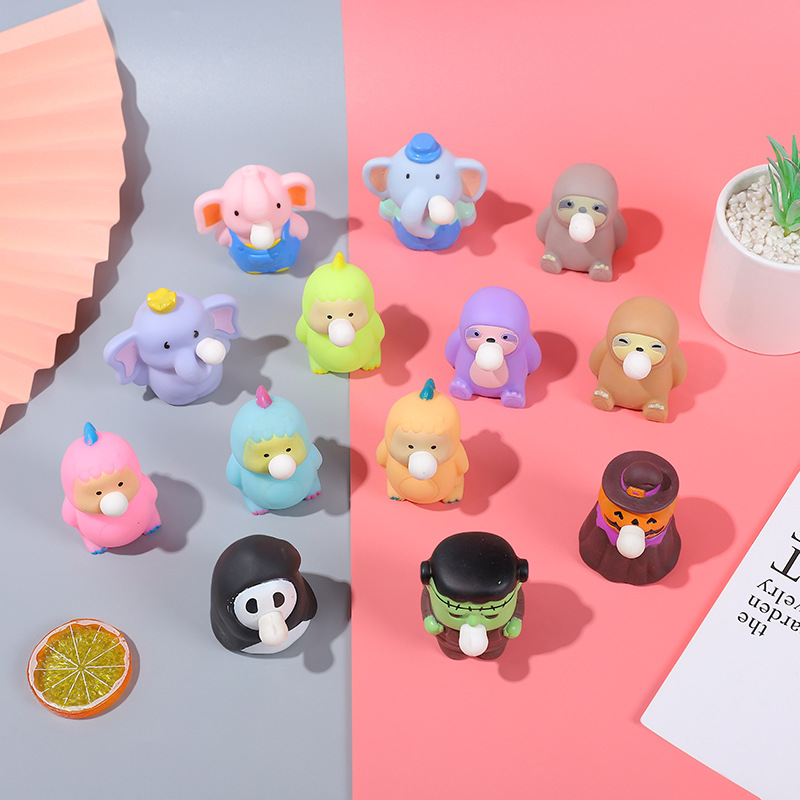
Where Different Firmness Levels Fit Into Daily Use
The right firmness can change according to where the squeezing takes place. A person using a squeeze toy while sitting at a desk may not want a large movement or a strong gripping action. A softer option can allow occasional squeezing while the other hand remains available for routine tasks.
Reading or watching a program creates a different setting. There is usually more freedom to use the whole hand, so a medium level of resistance may feel natural. The object can be squeezed slowly, released, and picked up again without requiring much attention.
During a short break, a firmer option may provide more noticeable resistance. The hand has to apply greater pressure before the shape changes, which can make each squeeze feel more deliberate. That does not mean a firm object needs to be used continuously. Short periods of squeezing may be more comfortable than holding strong pressure for a long time.
The surrounding environment also deserves attention. A small object is easier to keep beside a notebook, in a drawer, or within reach on a table. A stable shape is less likely to roll away when placed down. Quiet use may also matter in shared spaces, where repeated tapping or dropping could become distracting.
| Daily Setting | Useful Firmness Direction | Practical Consideration |
|---|---|---|
| Desk work | Soft to medium | Easy to squeeze without changing hand position often |
| Reading or relaxing | Medium | Provides noticeable resistance at a relaxed pace |
| Short hand breaks | Medium to firm | Allows more deliberate squeezing |
| Quiet shared spaces | Any suitable level | Shape and handling matter as much as firmness |
The setting does not decide the choice by itself. Personal grip habits still matter. Someone who naturally squeezes objects tightly may find a soft option too easy, while a person with a lighter grip may prefer less resistance even during a longer break.
How to Judge Comfort During Repeated Squeezing
A squeeze may feel comfortable once and become tiring after repeated movement. That difference is useful when judging firmness. The hand should have enough time to release naturally after each squeeze instead of remaining tense between movements.
Pay attention to how the fingers behave. When the hand keeps changing position, the object may not fit the grip well. When the palm feels tired very quickly, the resistance may be higher than needed for that type of use. A very soft object can create a different problem when the hand repeatedly closes without receiving much physical feedback.
A simple way to judge the fit is to use a slow rhythm. Squeeze gently, allow the shape to return, then relax the fingers before repeating the movement. This makes it easier to notice whether the resistance feels natural. The goal is not to produce as much pressure as possible. A useful level of firmness should allow the hand to move through the squeeze and release cycle without forcing unnecessary tension.
Grip position can also change the experience. A full-palm squeeze distributes pressure across several fingers and the palm. A fingertip squeeze concentrates the movement in a smaller area. The same firmness can therefore feel quite different depending on how the object is held.
Shape changes this balance as well. A compact round shape may suit a closed-hand grip, while a longer or flatter form may encourage a different hand position. Choosing firmness without considering shape can therefore lead to an inaccurate impression of comfort.
What to Consider Before Choosing a Firmness Level
A practical choice starts with the way the object will actually be used. Instead of focusing only on whether the material feels soft or firm, several simple points can be considered together.
- Grip style: Decide whether the usual movement will involve the whole palm, several fingers, or mainly the fingertips.
- Hand comfort: Consider whether the hand naturally prefers light pressure or a stronger squeeze.
- Shape: Check whether the form sits securely in the palm without forcing the fingers into an awkward position.
- Surface feel: A smooth or lightly textured surface can change how securely the object stays in the hand.
- Rebound: Notice whether the material returns quickly enough to match the preferred squeezing rhythm.
- Daily setting: Desk use, quiet relaxation, reading, and short breaks may call for different levels of resistance.
A useful choice does not have to feel demanding. The hand should be able to squeeze, release, and return to a relaxed position without repeated repositioning. When the firmness works together with the size, shape, and surface, the physical action becomes easier to control.
For adults considering a Stress Ball Squeeze Toy for regular stress-relief use, firmness is therefore better viewed as part of the overall hand experience rather than an isolated feature. Personal grip habits, intended setting, and material feel all influence whether a particular resistance level feels comfortable during ordinary use.
Related Products
-
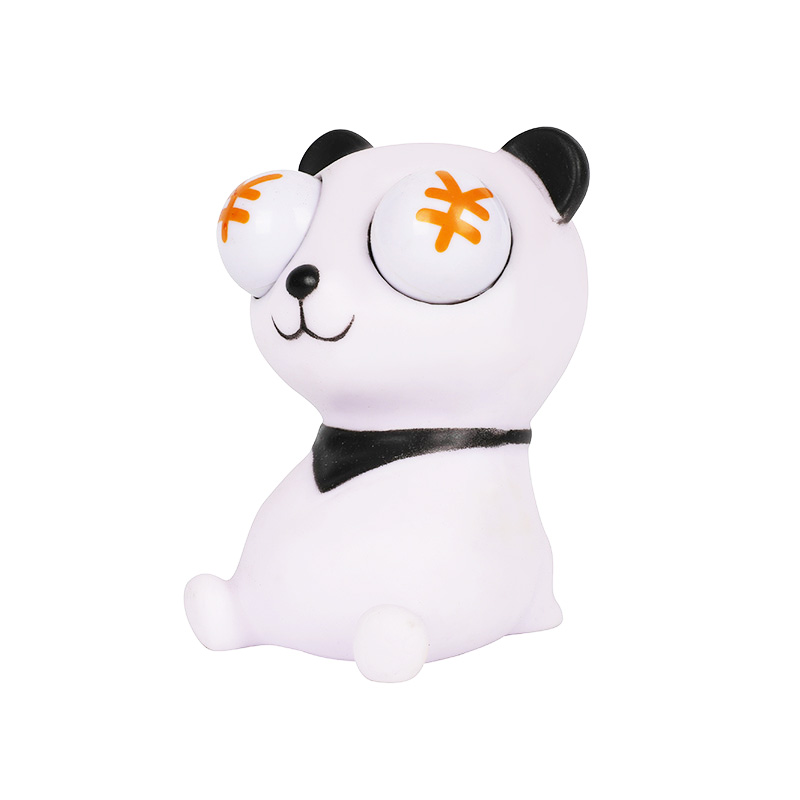
Pop-eyed Panda
Enter the whimsical world of the Pop-eye series with our delightful creation, the Pop-eyed Panda. Designed to bring joy and relieve stress, this squee...
View More -
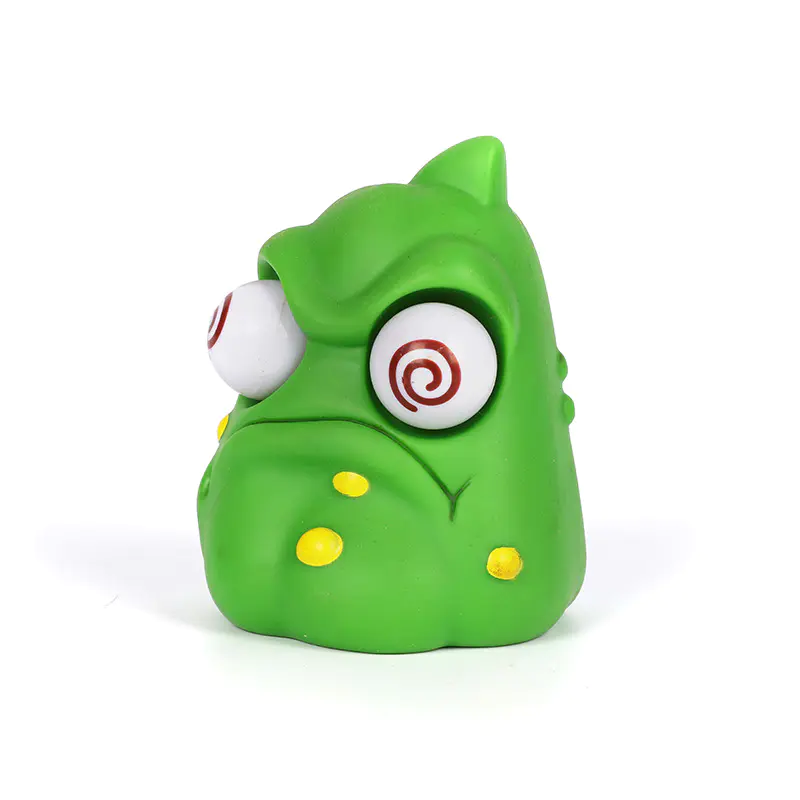
Staring Glowing Decompression Series
Step into the whimsical world of the Pop-eye series, where fun and functionality collide to bring you the Staring Glowing Decompression Series. These ...
View More -
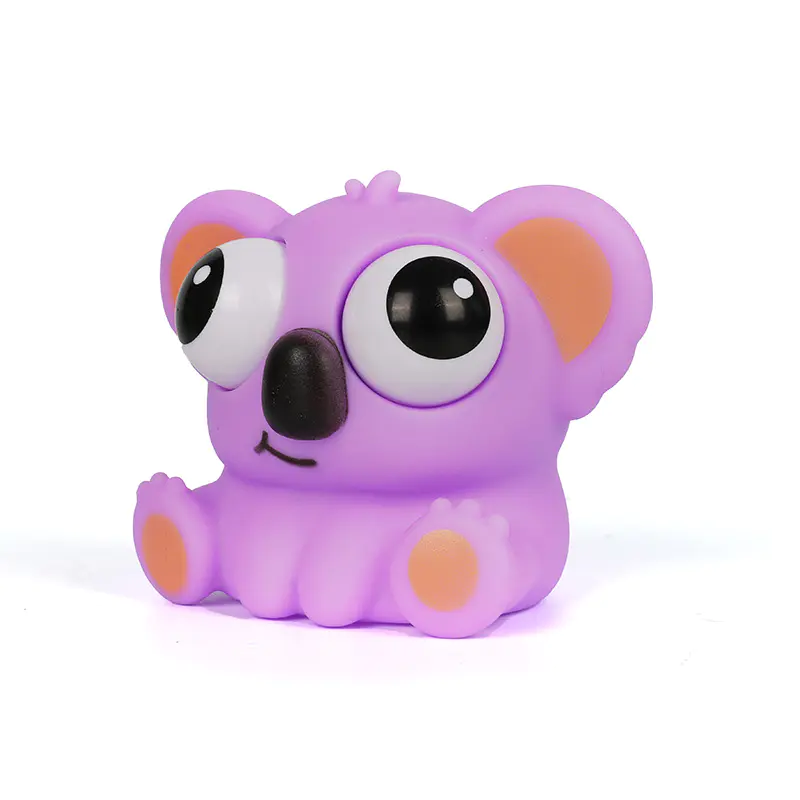
Cute Little Animal Series (Big-eyed)
Welcome to the enchanting world of our Cute Little Animal Series (Big-eyed), a delightful addition to our renowned Pop-eye Collection. These captivati...
View More -
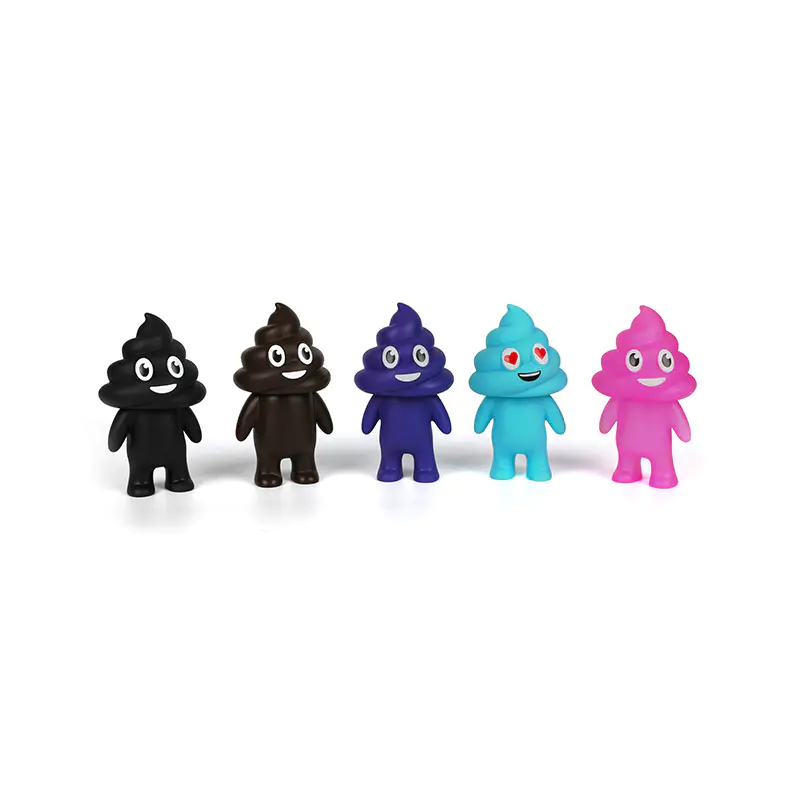
Poop People Series
Introducing the Poop People Series, a unique and playful line of collectible figures that bring humor and joy to toy collections everywhere. These qui...
View More -
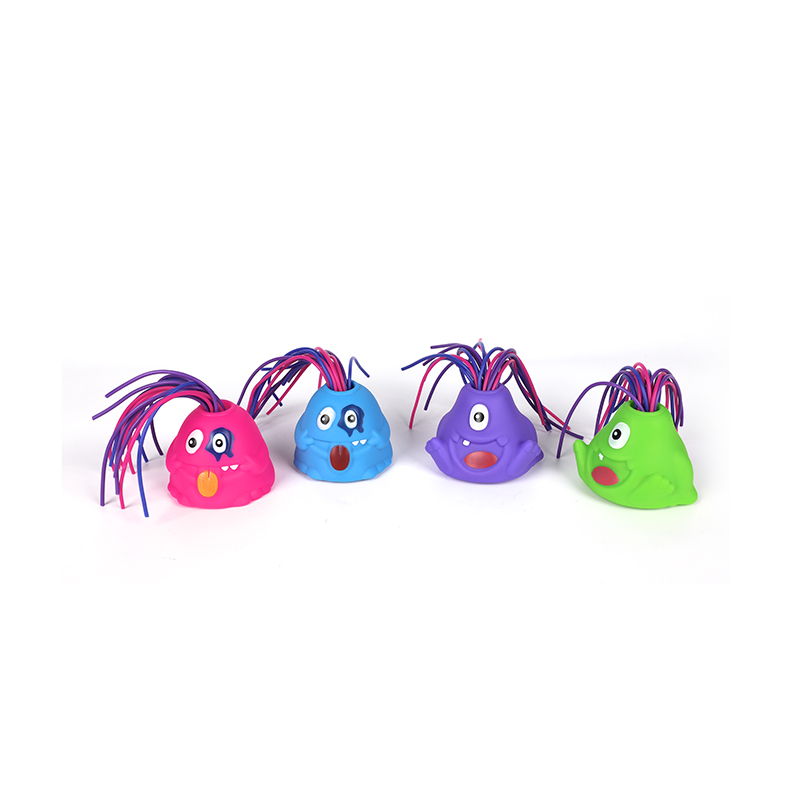
Fun Hair-Pulling Monster Stress Relief Anti-Anxiety Sound Toys
Laughter is one of the best ways to release stress, and Hair-Pulling Sound Toys are designed to do exactly that. These playful screaming monster figur...
View More -
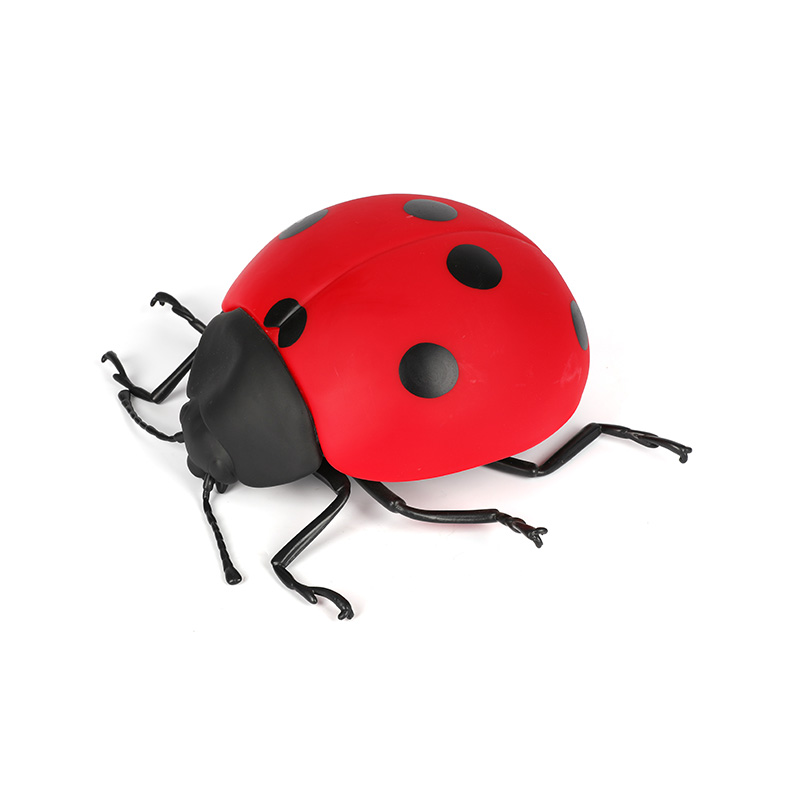
Beetle, Beetle Model Toys
Our Beetle Model Toys are pretty popular with kids and bug fans these days. We put real effort into making these beetle figures so they look detailed ...
View More -
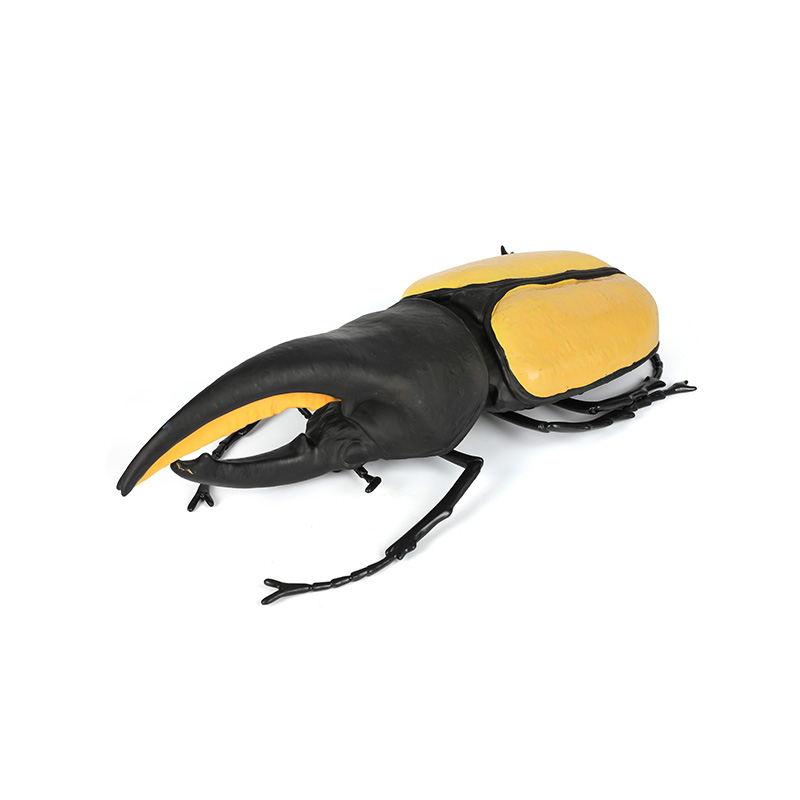
Beetle, Beetle Model Toys
Welcome to the world of Beetle Model Toys, where intricate design meets playful imagination. Our Beetle models are meticulously crafted to provide not...
View More -
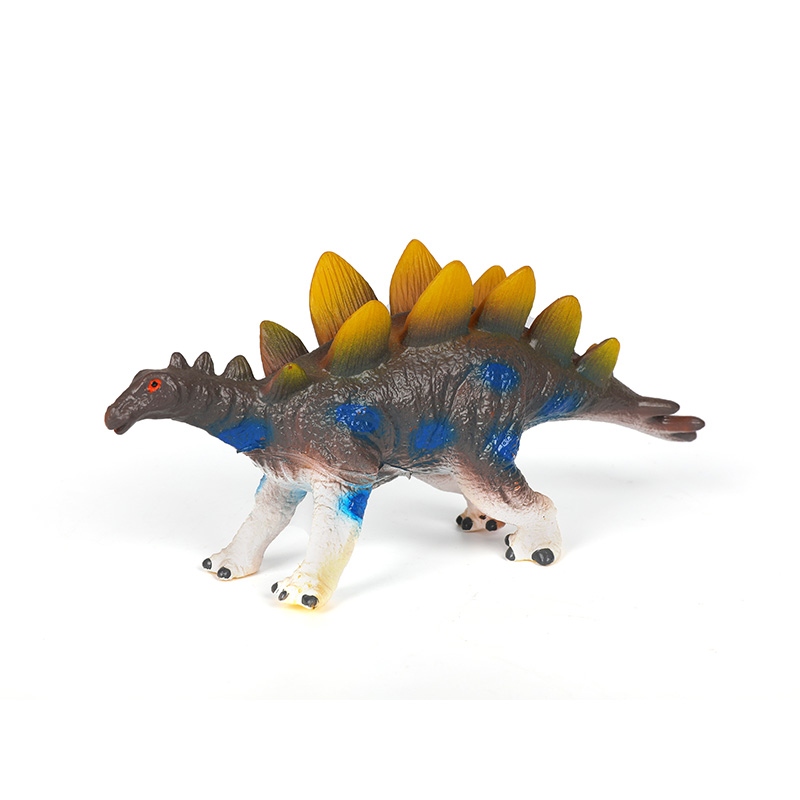
Diversity Series Dinosaur Model Puzzle Toys
Our Dinosaur Model Toys are really popular with kids these days. We make these dinosaur figures with a lot of care so they look real, help kids learn,...
View More

Copyright © Jinhua Blue Eagle Toys Technology Co., Ltd. All Rights
Reserved.

Information
-

+86 18072335560
-

-
 Weiyingsheng Industrial Co., Ltd., Yangbu Town Industrial Zone, Wucheng District, Jinhua City, Zhejiang Province
Links
Contact Us
Educational Model Toys Company