

 English
 English
 русский
 Español
- Type:
- Industry News
- Date
- 2026-Jul-28
Industry News
What Is a Dog Teeth Chew Toy Used For Different Ages
Chewing tends to be a fairly common behavior throughout a dog's life. A puppy may pick up objects and bite them while getting familiar with its surroundings, while an adult dog may chew during quieter periods or after daily activities. Older dogs often tend to develop different preferences as their movement, energy, and interaction habits gradually shift.
A dog's chewing behavior probably isn't always connected to the same underlying reason. Young dogs may use chewing as part of exploration, adult dogs may see it more as a form of activity, and senior dogs may enjoy a somewhat slower interaction style. Age tends to create different patterns, so choosing a suitable item probably requires looking at how a dog actually behaves rather than just its age on paper.
A Dog Teeth Chew Toy tends to work as a tool that matches natural chewing habits with daily routines. It gives dogs a separate object for interaction and lets owners guide chewing behavior in a somewhat more suitable direction. The purpose probably isn't simply to keep a pet busy, since chewing also tends to connect with curiosity, play habits, and the relationship between pets and their living environment.
Different stages usually tend to bring different needs:
- Puppies often use their mouths to explore new surroundings
- Adult dogs may need activities that fit their regular lifestyle
- Senior dogs may prefer a calmer chewing experience
A dog's size, personality, and daily routine also tend to influence how a toy actually gets used. Two dogs of the same age may show fairly different preferences, which means observation probably remains a fairly important part of choosing suitable pet products.
A puppy that enjoys active play may interact with a toy quite differently from an older dog that prefers quiet time. Understanding those differences tends to help owners create a more comfortable daily environment for their pets.
How Does a Dog Teeth Chew Toy Support Puppy Development?
Puppies often go through a stage where chewing becomes part of pretty much everyday behavior. Young dogs tend to use their mouths to explore objects, understand their surroundings, and develop normal habits through interaction.
During this period, many puppies tend to look for things to bite or chew. Household objects can easily attract attention because puppies are still learning which items are suitable for play. Providing a separate chewing object can help create a clearer difference between toys and items that should probably remain untouched.
A suitable Dog Teeth Chew Toy can support puppy routines in a few ways.
Creating a Suitable Chewing Outlet
Chewing tends to be a fairly natural action for young dogs. Giving puppies an object designed for interaction lets them follow this behavior in a more controlled way instead of searching randomly around the home.
Supporting Learning Through Play
Puppies tend to learn through repeated interaction. A chew toy can become part of playtime, helping owners spend more time observing and guiding their pets along the way.
Helping Puppies Build Better Habits
Young dogs need some time to understand acceptable behavior. A specific toy provides a clearer option for chewing and tends to help reduce confusion during early training.
Adding Variety to Daily Activities
Puppies are often curious and fairly energetic. Different forms of play can make daily routines feel more interesting and provide another way for them to stay engaged.
Material texture and shape tend to influence how puppies respond to a toy. Some puppies may prefer a softer feeling, while others might show more interest in different surface designs. Paying attention to individual reactions tends to help owners choose items that match their pets a bit more naturally.
What Role Does Chewing Play for Adult Dogs?
Adult dogs usually have somewhat more established habits compared with puppies, yet chewing can still remain part of their daily activities either way. For many dogs, chewing probably isn't only about the object itself. It can also provide a focused activity during rest time or after movement.
A suitable chewing item can fit into an adult dog's routine by offering another way to interact with its environment.
A few common reasons adult dogs may enjoy chewing include:
- Having an activity during quiet periods
- Maintaining interest in play routines
- Responding to natural chewing preferences
- Creating more variety in daily life
Different dogs tend to approach chewing in fairly different ways. Some dogs may spend a long time with one toy, while others may interact briefly and return to it later. Activity level, personality, and living conditions all tend to influence these habits.
Owners can observe a few simple details when choosing a toy:
- Does the dog show interest after receiving it?
- Is the shape comfortable for holding?
- Does the texture match the dog's preference?
- Does the toy fit into the dog's normal routine?
Chewing is probably just one part of a dog's daily life. Walking, social interaction, training, and rest all tend to contribute to overall activity levels. A chew toy tends to work best when it becomes part of a balanced routine rather than replacing other forms of interaction.
Why Do Senior Dogs Need Different Types of Chewing Toys?
Aging tends to change the way many dogs interact with objects. Senior dogs may become somewhat less interested in fast movements or intense play, while still enjoying simple activities that provide comfort and engagement.
Chewing can remain a fairly familiar behavior, although the type of toy may need some adjustment over time. Older dogs may prefer easier handling, different textures, or a slower interaction style overall.
A few factors can influence choices for senior pets.
Considering Comfort During Interaction
Older dogs may respond somewhat differently to surfaces and shapes. A toy that feels comfortable can encourage continued interaction without creating unnecessary difficulty.
Paying Attention to Handling
The way a dog holds and moves a toy can change over time. Suitable size and shape tend to help create a smoother experience during play.
Matching a Slower Routine
Senior dogs often have somewhat different daily rhythms. A chew toy can provide a simple activity during more relaxed periods.
Observing Changes in Preference
Dogs may change their interest in toys as they age. Regular observation tends to help owners notice when a different type of interaction may be more suitable.
Age is probably just one factor among several. Some senior dogs remain fairly playful and active, while some younger dogs enjoy calmer activities instead. Personal behavior often tends to matter as much as life stage when it comes to selecting pet accessories.
How Should Owners Compare Chew Toys for Different Dogs?
Selecting a chew toy probably requires a bit more attention than simply choosing a visually attractive item. Dogs tend to use toys in fairly different ways, and the same product may create quite different experiences depending on the pet.
| Consideration | Why It Matters | Daily Use Influence |
|---|---|---|
| Dog Age | Life stages affect interaction habits | Helps match activity needs |
| Chewing Style | Dogs have different chewing behaviors | Influences toy selection |
| Material Feeling | Texture changes the chewing experience | Affects comfort during use |
| Size Choice | Handling ability varies between dogs | Influences interaction convenience |
| Cleaning Needs | Toys require regular care | Affects household management |
A puppy, adult dog, and senior dog may all need chewing activities, although their reasons for using a toy can differ quite a bit. Looking at age, behavior, and living habits together tends to create a clearer picture overall.
Simple observation can provide fairly useful information:
- Watch how the dog approaches the toy
- Notice whether the dog returns to it naturally
- Check whether the size fits the dog's handling habits
- Consider whether cleaning fits the owner's routine
Choosing a chew toy tends to connect fairly closely with understanding the pet's daily behavior. A suitable match probably comes from combining the dog's age, habits, and interaction style rather than focusing on just one single factor.
How Does a Dog Toy Factory Consider Different Pet Needs?
Designing pet toys tends to require attention to the way dogs actually interact with products in daily life. Different dogs have different chewing habits, body sizes, and activity patterns, so a single design approach probably won't fit every situation equally well.
A Dog Toy Factory usually needs to consider a range of factors during development, including material selection, shape structure, production methods, and possible usage environments. The purpose probably isn't only to create an object for dogs to play with, but also to make sure the design matches real situations where pets and owners actually use it.
Different age groups tend to create different design considerations.
For puppies, designers may focus on:
- Comfortable surface feeling
- Easy interaction
- Suitable size for young dogs
- Simple shapes that support play
For adult dogs, attention may shift toward:
- Different chewing habits
- Daily activity needs
- Repeated interaction
- Practical cleaning
For senior dogs, designers may consider:
- Easier handling
- Softer interaction experience
- Comfortable use during slower activities
Manufacturing pet products tends to involve understanding both animal behavior and owner expectations. A toy that looks attractive may not always match a dog's actual habits, while a more practical design can become part of a pet's daily routine over time.
The connection between design and usage probably matters quite a bit here. When manufacturers consider different life stages during development, owners tend to have more options when choosing products according to their pets' actual situations.
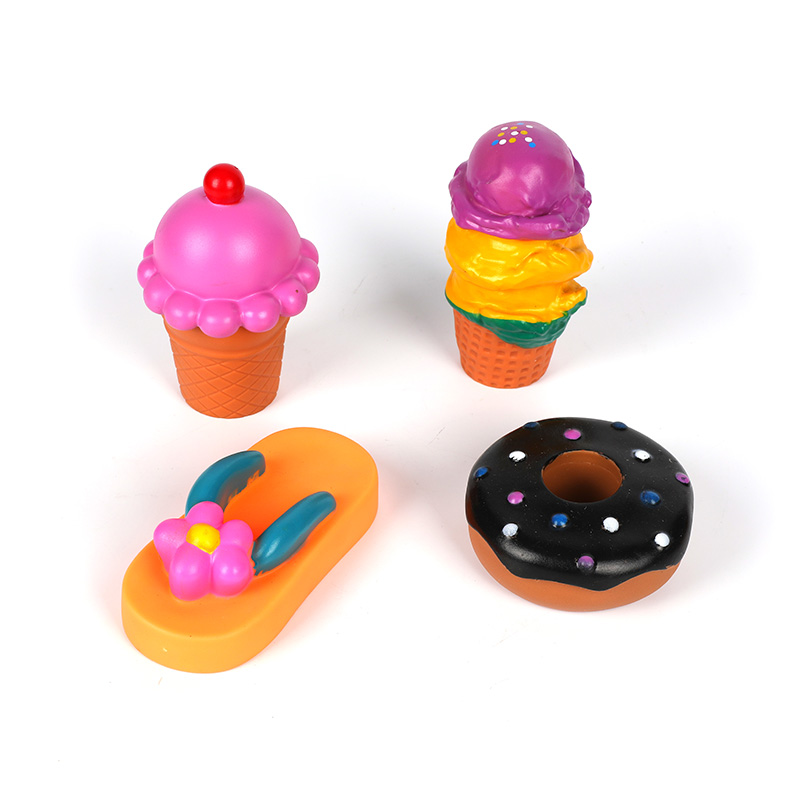
Why Are Materials Important in Dog Chew Toy Design?
Material selection tends to influence how dogs experience a chew toy. Texture, flexibility, surface feeling, and cleaning requirements all tend to affect whether a pet keeps interacting with an item over time.
Dogs tend to use their mouths quite differently from how humans use their hands. They rely on biting, holding, and chewing to explore objects, which means the surface and structure of a toy can influence daily use fairly directly.
A few material-related points are probably worth attention:
Texture and Chewing Feeling
Some dogs prefer a smoother surface, while others may enjoy a different texture that creates more interaction. The feeling of a toy can affect whether a dog shows interest at all.
Durability and Usage Habits
Dogs have different chewing strengths and habits. A toy used by an active chewer may experience quite different pressure compared with one used by a calmer pet.
Cleaning Convenience
Pet toys often become part of regular household care. Materials that are easier to clean can help owners maintain a more comfortable living environment overall.
Safety Awareness
Owners should probably check the condition of toys fairly regularly. Changes in shape, damaged areas, or loose parts may affect whether continued use is still suitable.
Material choice tends to connect product design with real household situations. A toy probably isn't used only during playtime; it tends to become part of the relationship between pets, owners, and the home environment more broadly.
How Can Chew Toys Become Part of Daily Dog Care?
Daily care probably includes more than just feeding and basic hygiene. Activity, interaction, and mental engagement also tend to influence a dog's routine. A chew toy can become one small part of this larger process.
For many dogs, chewing tends to create a focused activity during different parts of the day. Some pets may use a toy after walking, while others may interact with it more during quiet periods at home.
A balanced routine may include:
- Outdoor movement
- Owner interaction
- Rest time
- Play activities
- Suitable chewing opportunities
A chew toy can support interaction between dogs and owners fairly naturally. Owners can use playtime to observe preferences, encourage appropriate behavior, and understand how their pets respond to different objects.
The role of a toy can also shift as dogs grow. A puppy may use it while developing chewing habits, an adult dog may use it during daily activities, and an older dog may enjoy it more as a calm form of interaction.
Choosing products according to current needs tends to help avoid unnecessary mismatch. A toy that fits the dog's routine usually feels a bit more natural during daily use.
What Common Mistakes Should Owners Avoid When Choosing Chew Toys?
Many owners tend to choose pet products based on appearance, size, or simple recommendations. However, dogs tend to interact with toys according to their own habits, which means selection probably requires a bit more observation than that.
A few common mistakes can affect the experience.
Choosing Only by Appearance
A colorful or interesting design may attract human attention, yet dogs tend to respond more to texture, smell, shape, and interaction feeling instead.
Ignoring Age Differences
A puppy and a senior dog may have quite different chewing abilities and preferences. Using the same type of toy for every life stage may not match each pet's needs particularly well.
Overlooking Chewing Style
Some dogs chew fairly gently, while others interact with toys more actively. Understanding chewing habits tends to help owners choose more suitable options.
Forgetting Regular Checks
Pet toys experience repeated use over time. Regular inspection tends to help owners notice changes and decide whether replacement or adjustment might be needed.
Selecting Without Considering Daily Routine
A toy probably should fit into the dog's normal lifestyle. A highly active dog and a more relaxed indoor dog may need fairly different forms of interaction.
Better choices often tend to come from observing the pet directly instead of following a fixed idea of what a dog "should" like.
How Does Age-Based Toy Selection Improve Dog Interaction?
Dogs continue changing throughout their lives. Their interests, activity levels, and interaction styles may shift gradually as they move from puppyhood into adulthood and later into their senior years.
Choosing toys according to age tends to help create a closer connection between the product and the pet's current condition.
For younger dogs, suitable toys can provide an appropriate way to express curiosity and chewing behavior. For adult dogs, toys can become part of regular activities and help add some variety to daily routines. For senior dogs, comfortable interaction may become a somewhat more important consideration overall.
A Dog Teeth Chew Toy is probably more than just a simple play object. Its value tends to come from how well it matches the dog actually using it. Age, habits, material preference, and living environment all tend to influence the final experience.
A Dog Toy Factory probably needs to consider these differences during design and production, since dogs at different stages tend to interact with toys in fairly different ways. Understanding real usage situations tends to help create products that connect a bit better with everyday pet life.
Selecting suitable chew toys tends to relate fairly closely to observing individual dogs. Each pet has its own habits, and thoughtful choices tend to let toys become a more natural part of daily interaction rather than feeling like an unrelated accessory.
Related Products
-
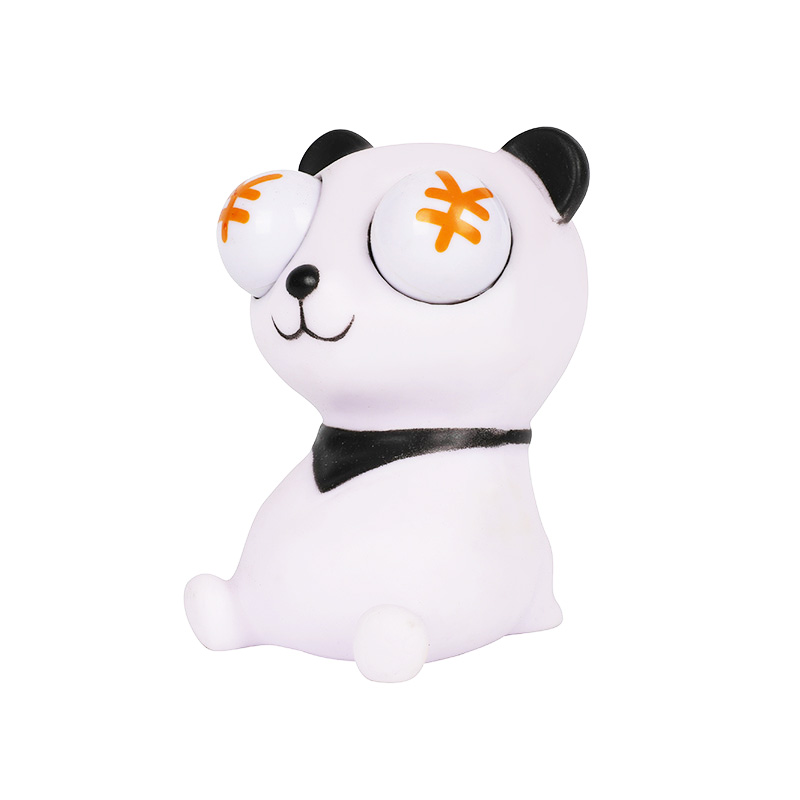
Pop-eyed Panda
Enter the whimsical world of the Pop-eye series with our delightful creation, the Pop-eyed Panda. Designed to bring joy and relieve stress, this squee...
View More -
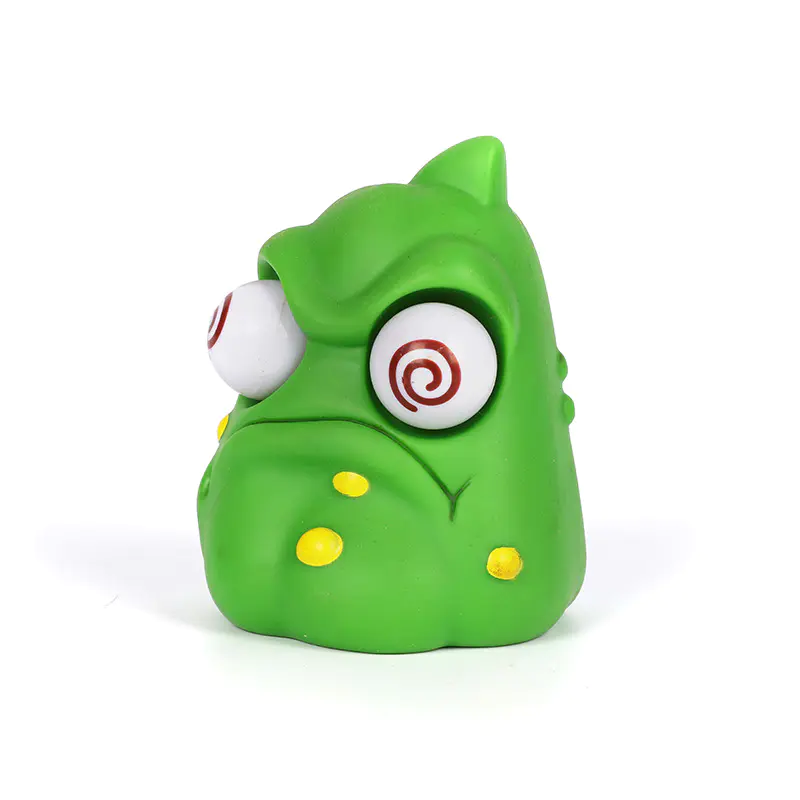
Staring Glowing Decompression Series
Step into the whimsical world of the Pop-eye series, where fun and functionality collide to bring you the Staring Glowing Decompression Series. These ...
View More -
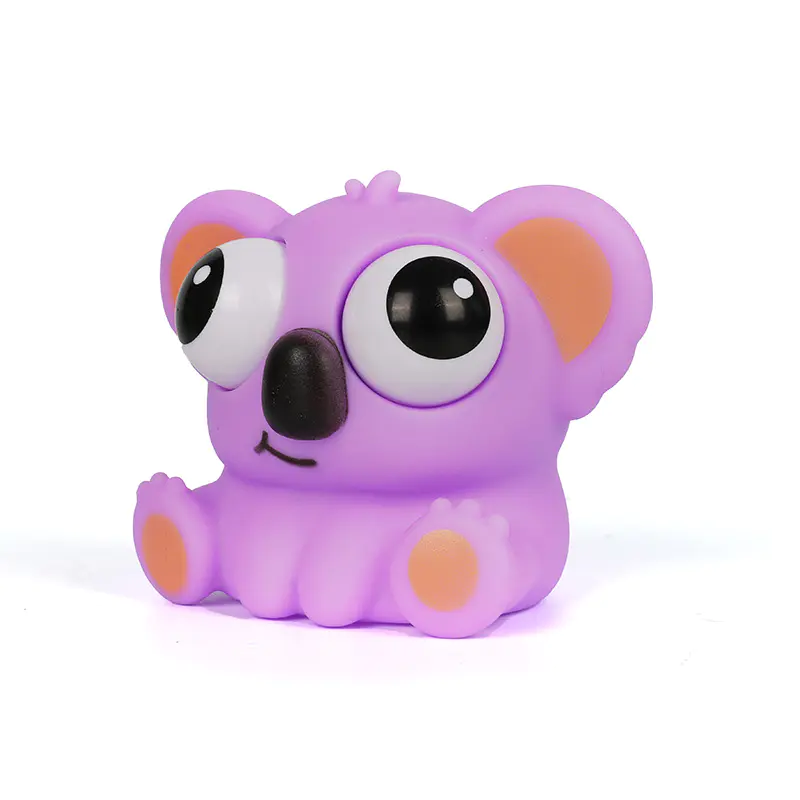
Cute Little Animal Series (Big-eyed)
Welcome to the enchanting world of our Cute Little Animal Series (Big-eyed), a delightful addition to our renowned Pop-eye Collection. These captivati...
View More -
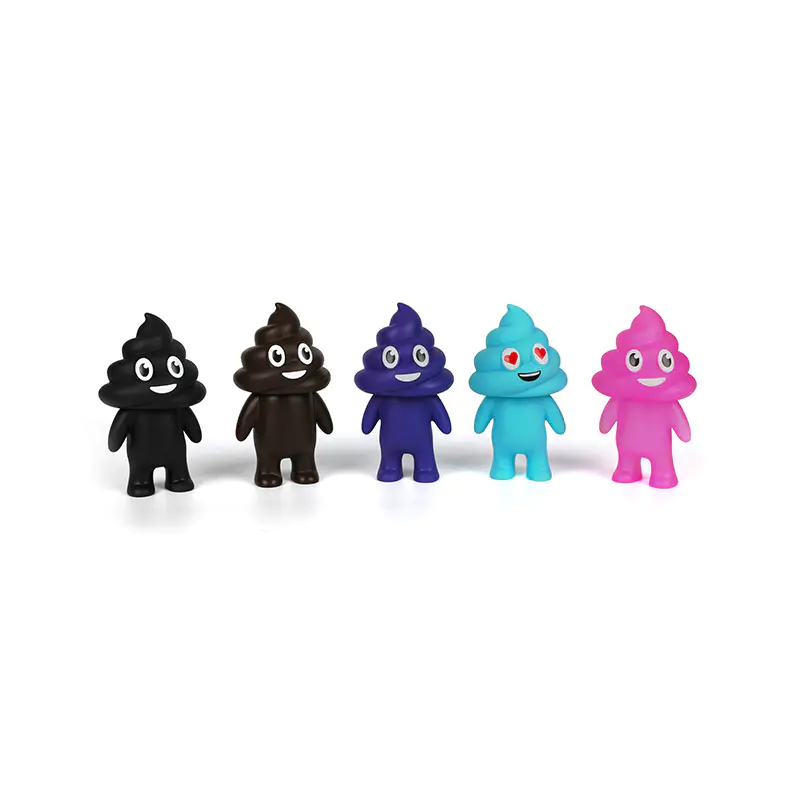
Poop People Series
Introducing the Poop People Series, a unique and playful line of collectible figures that bring humor and joy to toy collections everywhere. These qui...
View More -
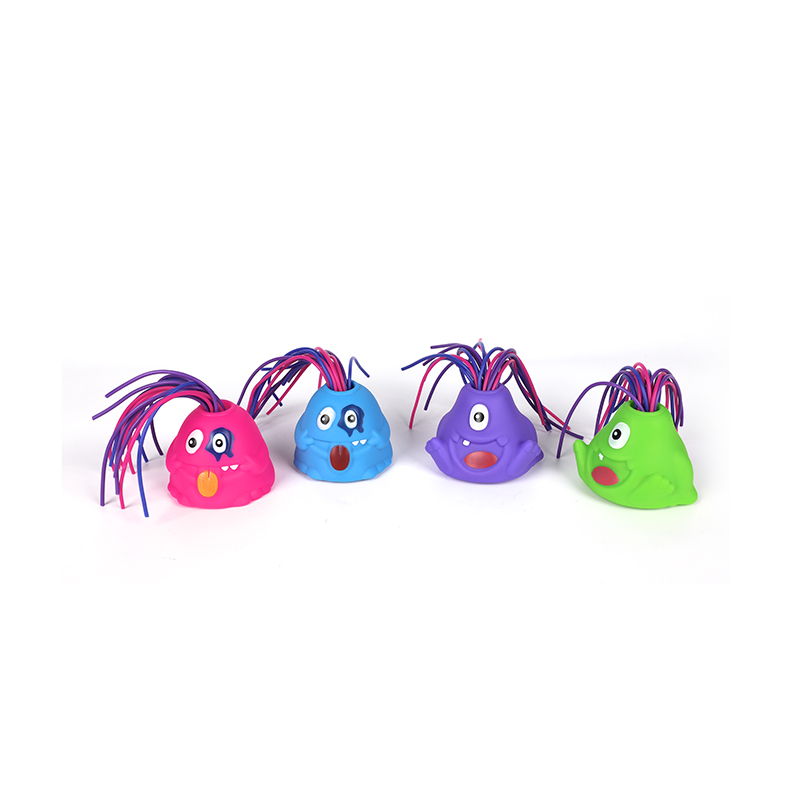
Fun Hair-Pulling Monster Stress Relief Anti-Anxiety Sound Toys
Laughter is one of the best ways to release stress, and Hair-Pulling Sound Toys are designed to do exactly that. These playful screaming monster figur...
View More -
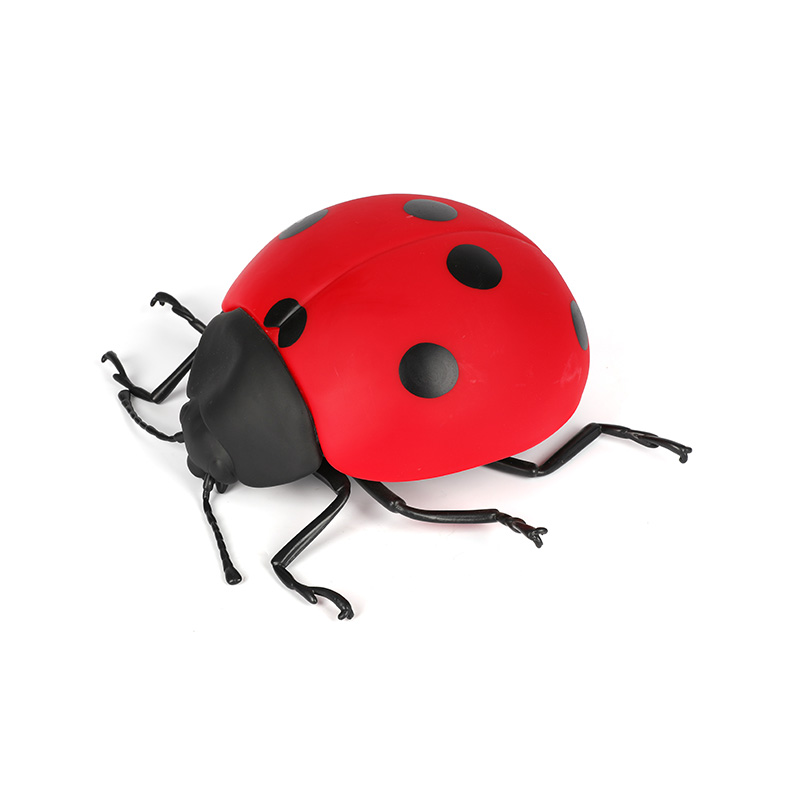
Beetle, Beetle Model Toys
Our Beetle Model Toys are pretty popular with kids and bug fans these days. We put real effort into making these beetle figures so they look detailed ...
View More -
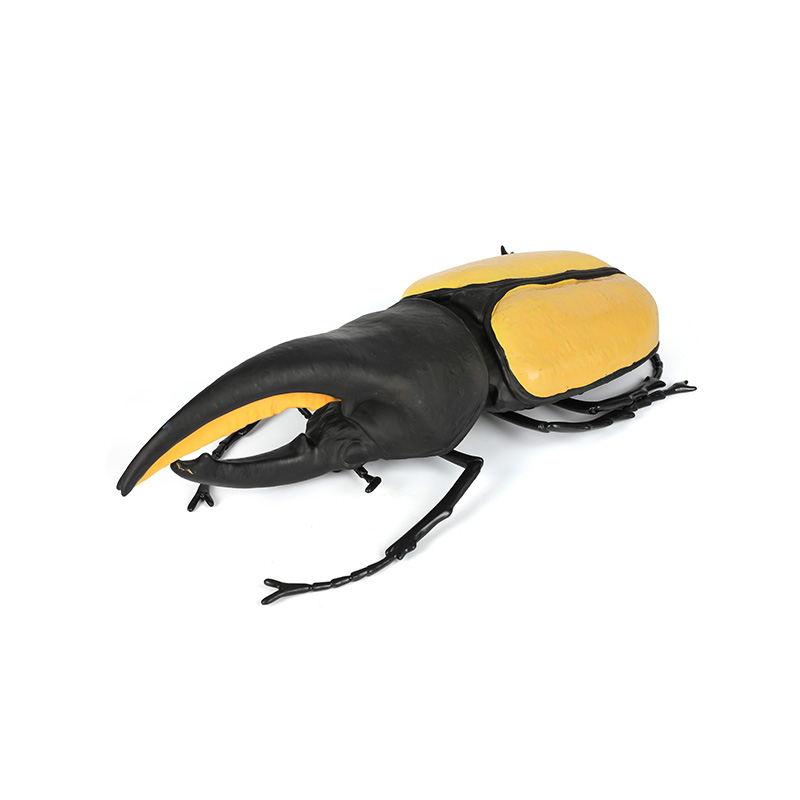
Beetle, Beetle Model Toys
Welcome to the world of Beetle Model Toys, where intricate design meets playful imagination. Our Beetle models are meticulously crafted to provide not...
View More -
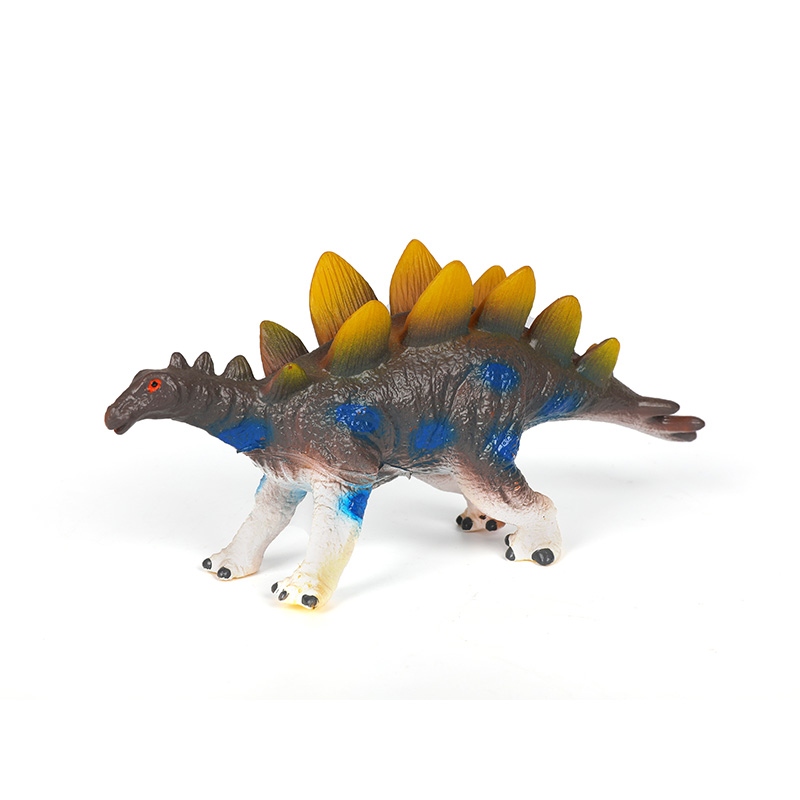
Diversity Series Dinosaur Model Puzzle Toys
Our Dinosaur Model Toys are really popular with kids these days. We make these dinosaur figures with a lot of care so they look real, help kids learn,...
View More

Copyright © Jinhua Blue Eagle Toys Technology Co., Ltd. All Rights
Reserved.

Information
-

+86 18072335560
-

-
 Weiyingsheng Industrial Co., Ltd., Yangbu Town Industrial Zone, Wucheng District, Jinhua City, Zhejiang Province
Links
Contact Us
Educational Model Toys Company