

 English
 English
 русский
 Español
- Type:
- Industry News
- Date
- 2026-Jul-24
Industry News
What Makes Interactive Duck Toy More Engaging During Play
A toy that just sits there does not hold a child's attention for long. Children reach for things that react. A press, a shake, a roll across the floor — something happens in return. An Interactive Duck Toy belongs to that group. It does something when a child touches it or moves it.
Ducks are familiar to many children. They show up in books and videos. Some children have seen real ducks at parks or ponds. That familiarity gives the toy a head start. The child already has some idea of what a duck is. The interactive features build on that foundation. The features that matter most are the ones that determine whether a child keeps playing, sets the toy aside, or comes back to it later.
What Forms Of Interaction Does An Interactive Duck Toy Provide
A child interacts with a toy in several ways. Sound is one of them. The duck quacks or plays a tune when the child presses a button or moves the toy. The sound follows the action. The child learns that pressing produces a quack.
Movement adds another possibility. Some Interactive Duck Toys walk or waddle. Others flap wings or bob their heads. A moving toy catches the eye. A toddler watches the duck move and may follow it. The movement turns the toy into something the child can chase or track.
Touch is a third type of interaction. The child holds the toy. They squeeze, pat, or turn it. The texture of the material matters. Some parts are soft. Other parts are hard or smooth. Different textures invite different types of handling.
- A duck that quacks when pressed gives immediate feedback.
- A duck that moves encourages chasing and tracking.
- A duck with different textures invites varied handling.
Light adds a visual cue. Some ducks light up when activated. The light signals that something has happened. A child sees the glow and connects it to their own action. The light adds another layer to the interaction.
How Does Sensory Feedback Shape Engagement
Feedback is what keeps a child engaged. No feedback means no reason to keep interacting. The child presses something and nothing happens. The toy gets put down. Feedback tells the child that their action had an effect.
A quack that follows a press confirms that the child did something. The sound arrives right away. The immediate response holds the child's attention. A delay between action and response weakens the connection. The child may not link the two events.
A duck that varies its responses holds attention longer. One quack every time becomes predictable. A duck that quacks differently or adds a new sound invites further exploration. The child tries different actions to see what happens.
- Immediate feedback strengthens the action-response connection.
- Varied responses encourage more exploration.
- Multiple senses — hearing, touch, sight — create a richer experience.
Tactile feedback also matters. A button that clicks when pressed tells the child through their fingers that the press worked. A wing that moves with some resistance gives the child a sense of control. The physical feel of the toy matters alongside the sounds it makes.
Why Does Predictable Versus Surprising Behavior Matter
Children respond differently to predictable and unpredictable behavior. A toy that acts the same way every time gives the child a sense of control. The child knows what will happen. That knowledge builds confidence. The child presses the button and the duck quacks — every time.
A toy that sometimes does something unexpected draws the child back. The duck quacks twice instead of once. It quacks and wiggles. The child wants to see what happens next. The element of surprise keeps the play going.
Both patterns have a place. Too much predictability and the child loses interest. Too much surprise and the child may feel confused or frustrated. The balance depends on the child's age and experience.
- Predictable responses build confidence and understanding.
- Unexpected responses spark curiosity.
- A mix of both maintains engagement over multiple play sessions.
A duck that sometimes responds differently encourages the child to keep trying. The child may press the same button again to see if the duck repeats the unexpected behavior. The exploration becomes part of the play.
| What the Duck Does | How a Child Responds | What Happens Next |
|---|---|---|
| Quacks the same way each time | Learns the pattern, presses with confidence | May lose interest if nothing changes |
| Quacks differently sometimes | Wants to see what happens next | Keeps pressing, tries different actions |
| Quacks and moves at the same time | Follows the movement, listens to the sound | Stays engaged across multiple senses |
What Role Does Physical Movement Play In Engagement
A toy that moves invites a different kind of play than one that stays still. A child watches a moving duck. The eye follows the motion. A toddler may crawl or walk toward the duck. The movement creates a goal for the child to pursue.
A duck that walks across the floor mimics a real duck. The movement looks familiar. The child may expect the duck to act like a real one. The toy's movement encourages the child to move as well. The play becomes active rather than passive.
Movement speed affects how a child responds. A duck that moves too fast may be hard to follow. A child may give up. A duck that moves too slowly may not hold attention. The right speed depends on the child's motor skills and attention span.
- A walking duck encourages a child to move and follow.
- Changing direction keeps the child's attention.
- Movement paired with sound creates a stronger effect.
Direction changes add interest. A duck that moves in a straight line is easy to track. A duck that turns or circles keeps the child watching. The child has to adjust their position to keep the duck in view. The tracking becomes part of the play.
Sound and movement together create a more engaging experience. A duck that quacks while walking combines auditory and visual cues. The child sees the duck move and hears the sound at the same time. The combined input makes the duck feel more like a living thing than a static toy.
How Does Sound Quality Affect Interaction
Sound quality changes how a child responds to a toy. A clear, pleasant sound keeps a child playing. A muffled or harsh sound pushes them away.
Clarity matters for children learning to speak. A duck that says words should say them clearly. A child may copy the sounds they hear. Unclear words confuse them. The toy does not help with language development.
Pitch affects how children feel about a toy. Higher-pitched sounds grab attention more quickly. Lower-pitched sounds may calm a child down. A duck for active play might use a higher pitch. A duck for quiet time might use a softer, lower tone.
- Clear sounds help children learn to speak.
- Pitch changes how a child reacts to the toy.
- Volume limits where the toy works well.
Volume matters in a practical way. A toy that plays loudly may be fine outside. Inside, that same toy may be too loud for the space. Some toys have a volume switch. Others do not. A volume option makes the toy usable in more places.
How Does Durability And Safety Influence Play
Children play roughly with toys. They drop them. They throw them. They step on them. They put them in their mouths. Durability decides if a toy lasts through these moments.
Drop resistance matters right away. A toy that breaks on the first fall ends the play session. A toy that survives a few drops keeps going. The materials and how they are put together decide if it holds up.
Safety starts with materials. A child might put the toy in their mouth. The material must be safe if that happens. Small parts that break off are dangerous. Sharp edges can hurt. A safe toy has smooth surfaces and no loose parts.
- Drop resistance keeps the toy working.
- Non-toxic materials are a basic requirement.
- No sharp edges reduces injury risk.
Buttons and moving parts take a beating. A button pressed hundreds of times should still work. A wing that flaps should keep flapping. A toy that stops working after a short time fails at its main job.
What Makes A Duck Toy Set More Engaging Than A Single Toy
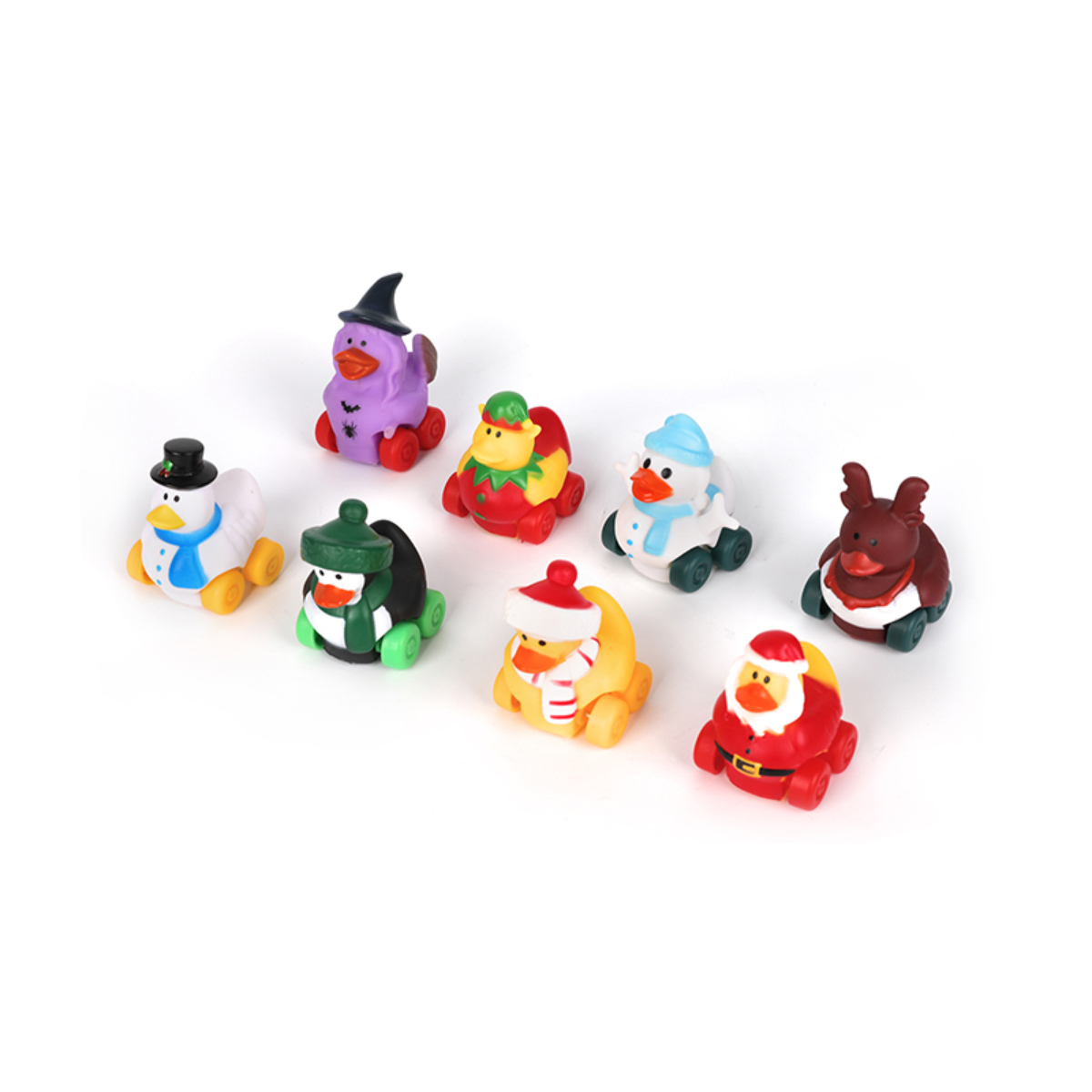
A Duck Toy Set has more than one piece. Extra pieces create more ways to play. A child can use one duck or line up several.
Different ducks in a set can do different things. One quacks. Another moves. A third lights up. A child chooses which duck fits what they want to do at that moment. The variety keeps the play fresh.
A set also lets a child sort and count. A child can put the ducks in a row. They can count how many they have. They can group them by size. The set supports more types of play than a single toy.
- More pieces mean more play options.
- Different features give a child choices.
- Sorting and counting add new types of play.
A Duck Toy Set can bring two children together. Each child picks a duck. They play side by side. They learn to take turns. The set becomes a way to play together.
How Do Different Age Groups Respond To Interactive Features
A one-year-old and a three-year-old use the same toy differently. The features that work for one may not work for the other.
Young children want simple, quick responses. Press a button and the duck quacks. Action and result happen together. The child presses the button again to hear it again. They repeat the same action over and over. That is how they learn.
Older children want more. They can follow steps in order. They can handle surprises. A duck that changes its response or needs several actions to trigger something fits an older child's skills.
- Young children like simple, repeated responses.
- Older children like variety and sequences.
- Features should match what a child can do at their age.
Language matters too. A child who speaks may enjoy a duck that says words. The duck becomes something to talk to. A child who does not speak yet focuses on sounds and movement instead.
How Does Play Environment Affect The Toy's Performance
Where a child plays changes how the toy works. A toy that works well in one room may not work in another.
Loud rooms cover up the duck's sounds. The child does not hear the quack clearly. They lose the connection between pressing and hearing. The toy becomes less fun.
Floor surfaces change how the duck moves. A duck that walks smoothly on wood floors may stall on carpet. The child expects the duck to move. When it does not, they may get upset.
- Noise masks sound effects.
- Carpet stops wheels or moving feet.
- Light matters for glowing features.
A glowing duck may be hard to see in a bright room. In a darker room, the glow stands out. The same feature works well in one setting and poorly in another.
What Role Does Parental Involvement Play In Engagement
Adults shape how children play. A child playing alone may not discover all the toy can do. A parent showing what happens changes that.
A parent presses the button. The duck quacks. The child sees what happens. Now the child knows what to do. The demonstration unlocks the toy's features.
Talking about the toy adds another layer. A parent says something about the duck. They ask what the child thinks will happen. They repeat sounds the duck makes. The talk extends the play.
- A demonstration shows the child how to start.
- Talk during play adds more to the experience.
- Shared play becomes a social event.
A parent also watches for safety. They see if the child gets frustrated. They help if something goes wrong. The parent and toy work together to keep play going.
How Is Engagement Measured In Play Testing
Observing children gives the best picture of engagement. Play testing shows what works and what does not.
How long does a child stay with the toy? Minutes. Seconds. The duration tells something. A child who plays for a few minutes is engaged. A child who walks away after a few seconds is not.
Do they come back to it later? A child who leaves and returns shows interest. The toy held their attention beyond the first interaction.
- Time spent playing is a basic measure.
- Return visits show deeper interest.
- Facial expressions give quick feedback.
Facial expressions tell a story. A child who smiles and laughs is engaged. A child who frowns or looks lost may not be. The face gives clues before the child walks away.
Related Products
-
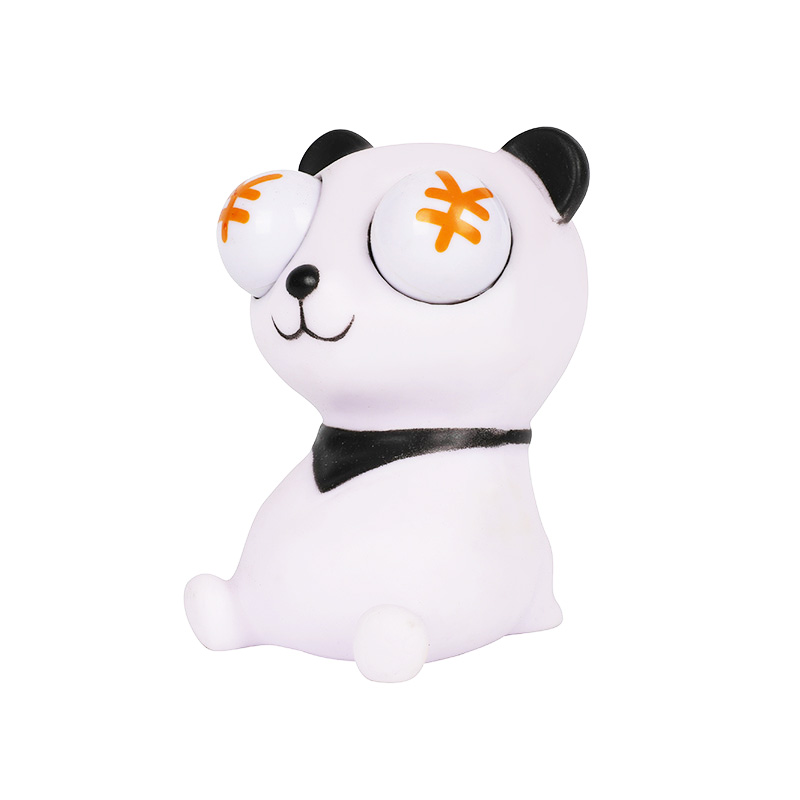
Pop-eyed Panda
Enter the whimsical world of the Pop-eye series with our delightful creation, the Pop-eyed Panda. Designed to bring joy and relieve stress, this squee...
View More -
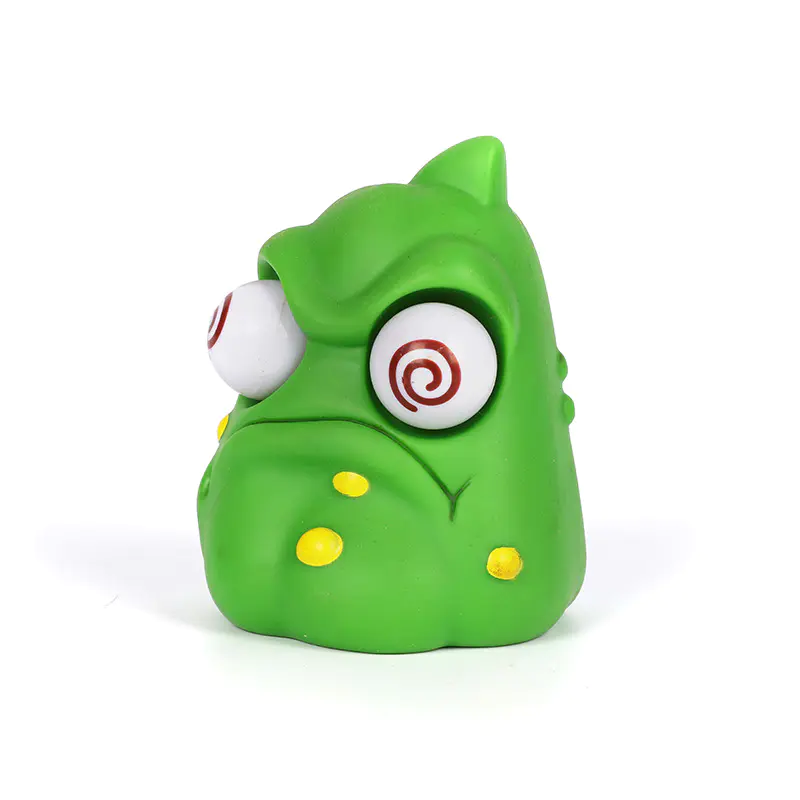
Staring Glowing Decompression Series
Step into the whimsical world of the Pop-eye series, where fun and functionality collide to bring you the Staring Glowing Decompression Series. These ...
View More -
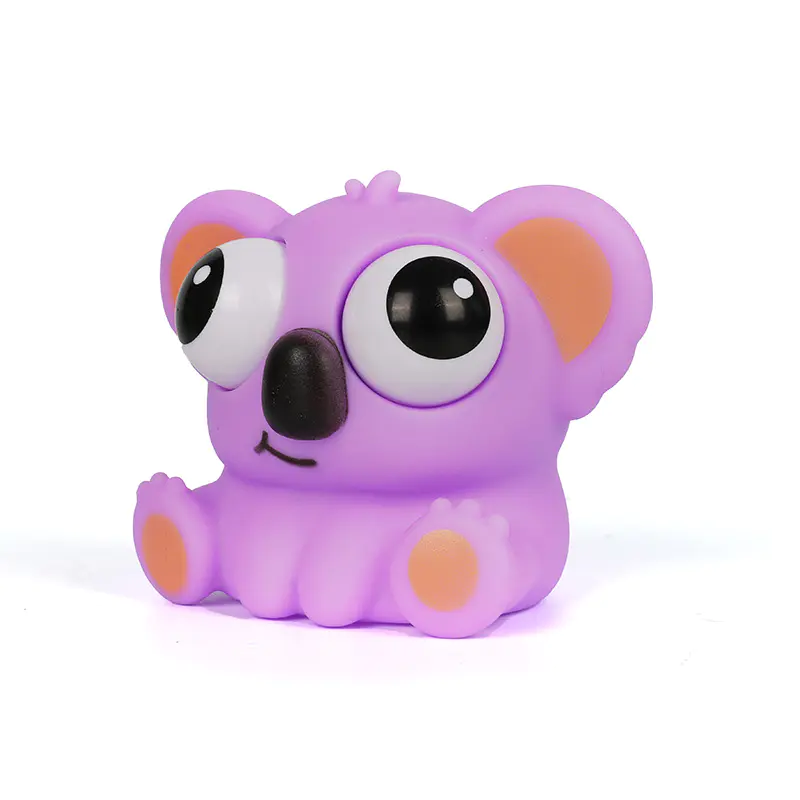
Cute Little Animal Series (Big-eyed)
Welcome to the enchanting world of our Cute Little Animal Series (Big-eyed), a delightful addition to our renowned Pop-eye Collection. These captivati...
View More -
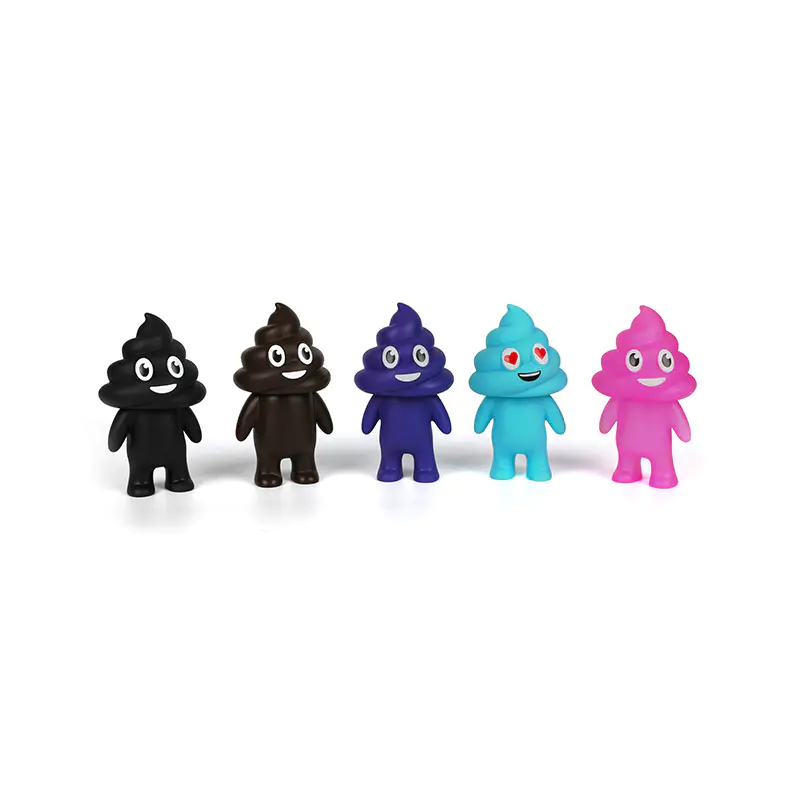
Poop People Series
Introducing the Poop People Series, a unique and playful line of collectible figures that bring humor and joy to toy collections everywhere. These qui...
View More -
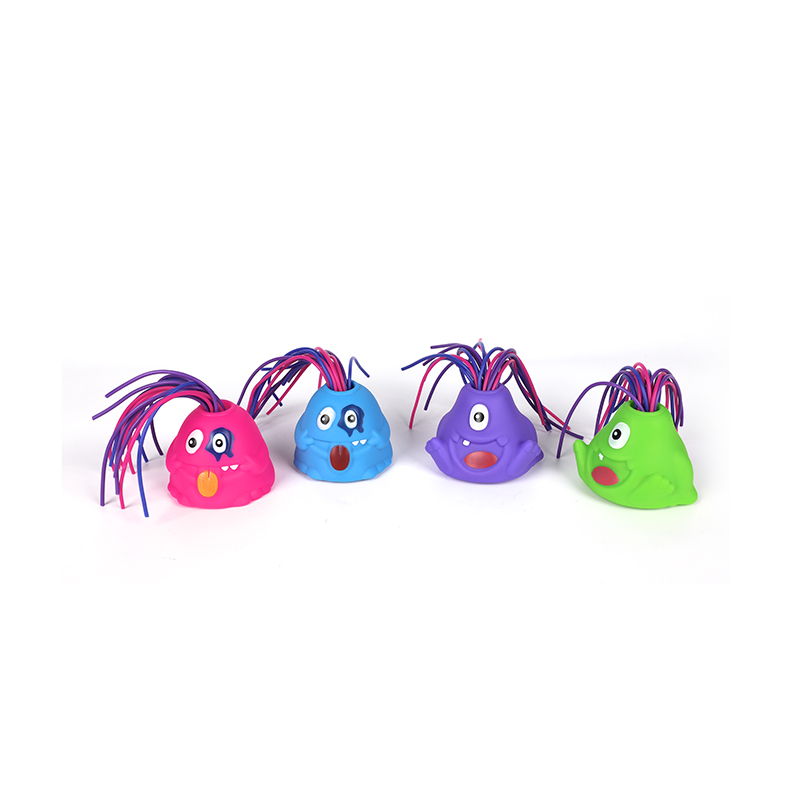
Fun Hair-Pulling Monster Stress Relief Anti-Anxiety Sound Toys
Laughter is one of the best ways to release stress, and Hair-Pulling Sound Toys are designed to do exactly that. These playful screaming monster figur...
View More -
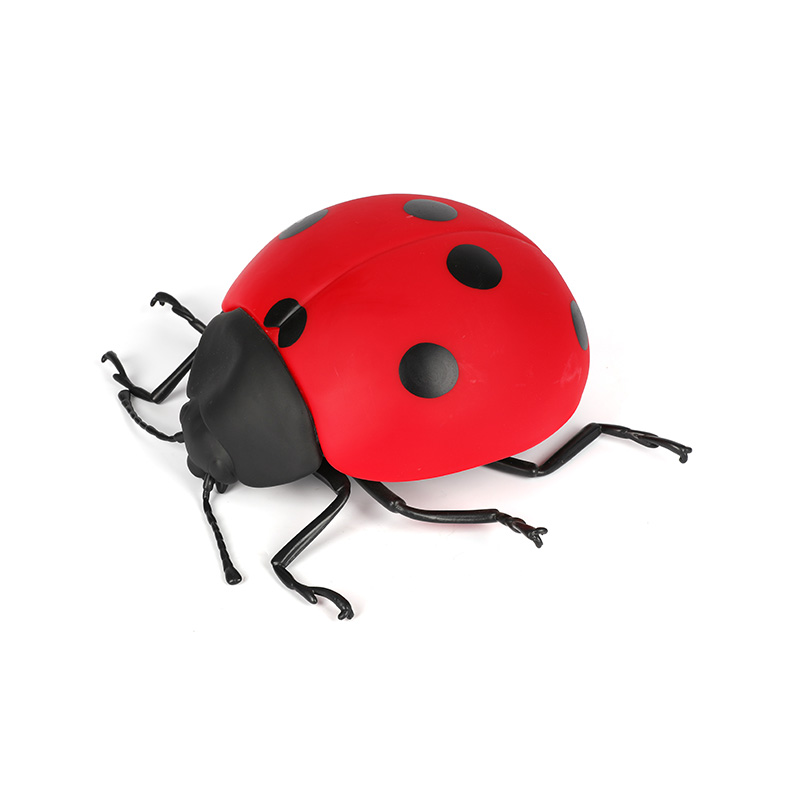
Beetle, Beetle Model Toys
Our Beetle Model Toys are pretty popular with kids and bug fans these days. We put real effort into making these beetle figures so they look detailed ...
View More -
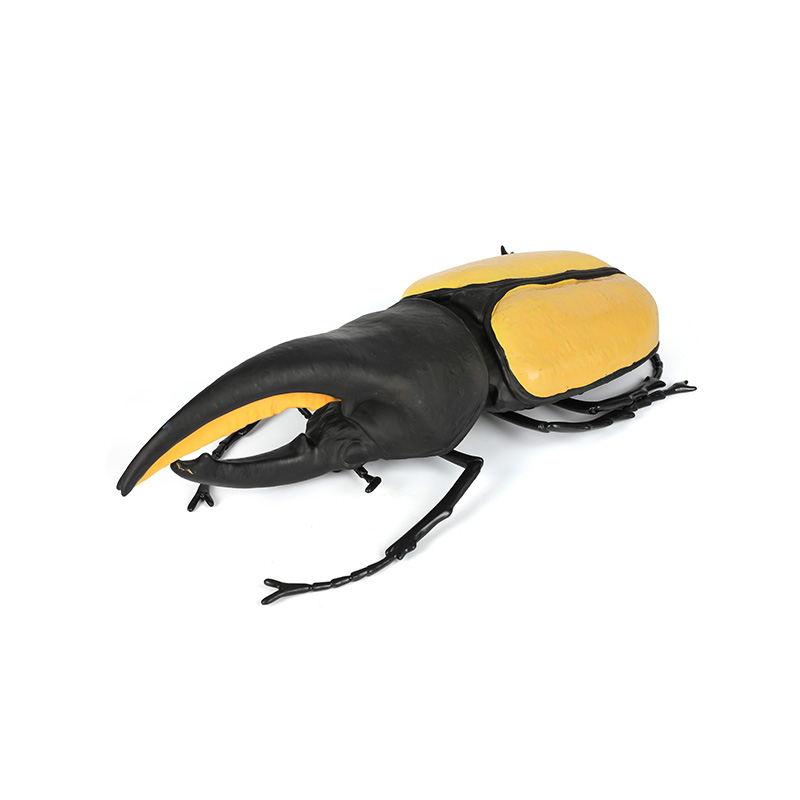
Beetle, Beetle Model Toys
Welcome to the world of Beetle Model Toys, where intricate design meets playful imagination. Our Beetle models are meticulously crafted to provide not...
View More -
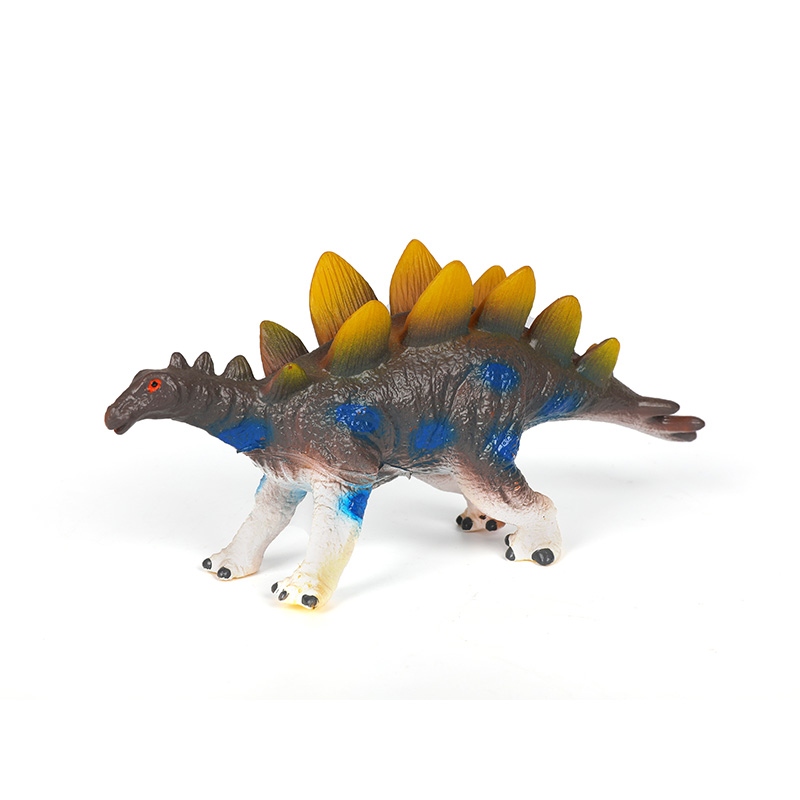
Diversity Series Dinosaur Model Puzzle Toys
Our Dinosaur Model Toys are really popular with kids these days. We make these dinosaur figures with a lot of care so they look real, help kids learn,...
View More

Copyright © Jinhua Blue Eagle Toys Technology Co., Ltd. All Rights
Reserved.

Information
-

+86 18072335560
-

-
 Weiyingsheng Industrial Co., Ltd., Yangbu Town Industrial Zone, Wucheng District, Jinhua City, Zhejiang Province
Links
Contact Us
Educational Model Toys Company