

 English
 English
 русский
 Español
- Type:
- Industry News
- Date
- 2026-Jul-31
Industry News
Which Dog Teeth Chew Toy Shape Cleans Back Teeth Better
A dog's mouth has different types of teeth, and each type serves a different purpose. The front teeth, incisors and canines, grab and tear food. The back teeth, premolars and molars, grind and crush. The back teeth sit farther back in the mouth, which makes them harder to reach with a chew toy.
The shape of the back teeth also contributes to the cleaning challenge. Molars have wider, flatter surfaces than front teeth. Those flat surfaces trap more plaque and food particles. The location at the back of the jaw means standard chew toys often do not make contact with these teeth during normal chewing.
Owners who brush their dog's teeth regularly know that reaching the back teeth takes effort. A toothbrush must go past the premolars to reach the molars. The same principle applies to chew toys. A toy that does not extend far enough into the mouth will not clean the teeth that need the most attention.
Does the Shape of a Chew Toy Affect Which Teeth Get Cleaned
Shape influences where a toy sits in the mouth and which teeth it contacts. Long, narrow shapes extend further back into the jaw. The dog chews along the length of the toy, and the back teeth make contact with the surface.
Round shapes like balls behave differently. A ball sits toward the front of the mouth. The dog chews on the ball with the front teeth and premolars. The molars, further back, do not make the same contact. The shape of the toy guides where the chewing action happens.
The movement patterns dogs use when chewing vary with the toy shape. A dog working on a long toy chews from side to side, engaging the molars. A dog chewing a ball tends to hold it with the front teeth and work it with the premolars. The toy shape directs the chewing action to different areas of the mouth.
What Makes a Toy Reach the Molars Effectively
Length matters for reaching the back teeth. A toy that measures several inches from end to end extends past the premolars into the molar area. The dog can grip one end and chew along the surface, bringing the back teeth into contact with the toy.
How dogs position toys during chewing also affects tooth contact. A dog often holds a long toy with the front teeth and works the toy sideways into the mouth. The back teeth then scrape against the toy surface. The action creates friction that cleans the tooth surfaces.
A Dog Teeth Chew Toy with an elongated design reaches the molars more effectively than a compact one. The length allows the toy to sit deeper in the mouth during chewing. The back teeth make contact with the toy surface, and the chewing action removes plaque and debris.
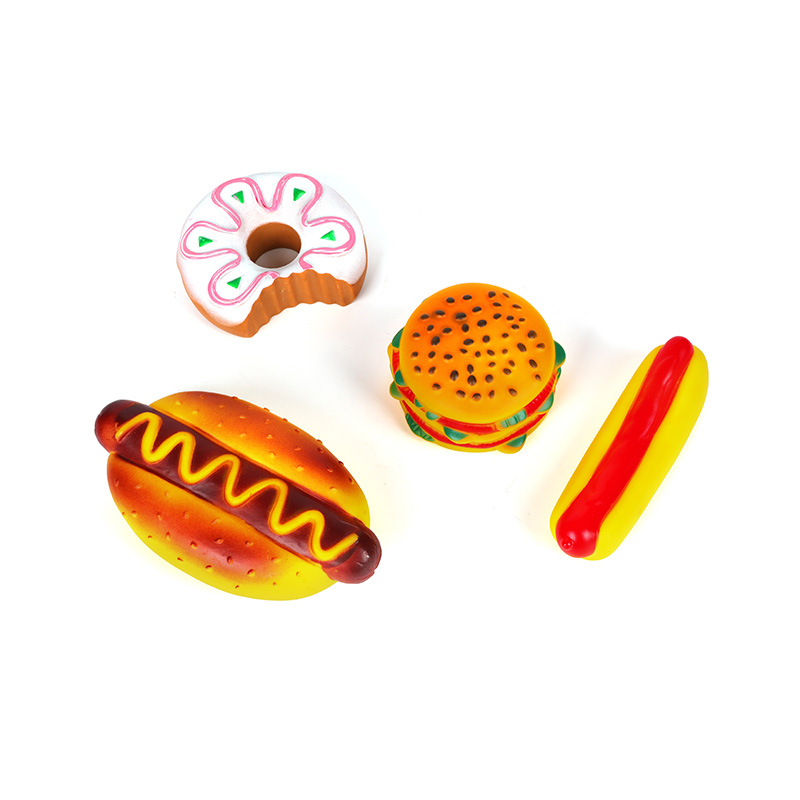
Are Textured Surfaces More Effective Than Smooth Ones
Texture adds a cleaning element that smooth surfaces lack. Ridges, nubs, and bristles create friction against tooth surfaces during chewing. The friction scrapes away plaque and massages gums. A textured Dog Teeth Chew Toy provides mechanical cleaning action that a smooth toy cannot match.
The shape of the toy determines whether the texture reaches the back teeth. A long toy with texture on the surface will clean the molars. A round toy with texture may never reach the back teeth. Texture alone cannot compensate for a shape that does not make contact with the right area.
| Toy Shape | Reaches Back Teeth | Texture Effectiveness | Overall Cleaning Potential for Molars |
|---|---|---|---|
| Long and narrow | Yes | High with ridges/nubs | Good |
| Round ball | Limited | Limited by reach | Low to moderate |
| Bone shape | Yes | High with textured surface | Good |
| Short compact shape | Limited | Limited by reach | Low |
| Flexible long toy | Yes | High with flex action | Good |
Can Round Toys Provide Adequate Cleaning for Back Teeth
Round toys have their place in a dog's toy collection. They work well for fetch, for carrying, and for chewing with the front teeth. But for back teeth cleaning, round toys face a reach limitation.
Custom Dog Balls may include spikes or nubs designed for dental cleaning. The texture provides friction when the dog chews. The limitation lies not in the texture but in the shape. A ball does not extend into the back of the mouth, so the molars do not make contact with the textured surface.
Some dogs manage to work a ball toward the back of the mouth. The behavior is not typical, and it does not provide consistent cleaning for the molars. For reliable back teeth cleaning, a shape designed for reach works better than a shape that requires unusual chewing positions.
Round toys still contribute to overall dental health. They clean the front teeth and premolars. They provide mental stimulation and satisfy the dog's need to chew. For comprehensive dental care, a round toy works best as one part of a broader approach.
How Does Material Choice Affect Cleaning Effectiveness
The material of a chew toy determines how much give it has when the dog bites down. A toy that flexes slightly conforms to the shape of the dog's mouth, allowing more tooth surface to contact the toy. That flexibility matters for back teeth because the molars sit deeper and at a different angle than the front teeth.
Firmness also plays a role. A toy that is too soft will not scrape plaque off the tooth surface. One that is too hard may be uncomfortable for the dog to chew or could damage teeth. The right material offers enough resistance to clean effectively while remaining gentle on gums and enamel.
Durable materials also support consistent use over time. A toy that breaks apart quickly gets set aside and does not contribute to ongoing dental care. A toy that maintains its shape and texture through repeated chewing sessions supports a regular cleaning routine.
Durability features worth noting:
- Resistance to cracking or splitting during aggressive chewing
- Retention of surface texture through multiple uses
- Non-toxic composition for safe handling and chewing
- Ability to withstand varied chewing pressures
What Should Owners Observe About Their Dog's Chewing Habits
Every dog chews differently. Some prefer to hold toys in the front of the mouth and work them with the premolars. Others move toys further back and use the molars. Observing the dog's natural chewing patterns provides clues about which shapes will work.
The location where a dog tends to hold a toy during chewing tells the owner where the toy is making contact. A toy that the dog works with the front teeth will not clean the back teeth effectively. One that the dog moves further into the mouth will reach the molars.
Testing a toy and watching the dog's behavior helps identify what works. Placing a toy and observing where the dog chews it. Noting whether the dog moves the toy to the back of the mouth or holds it at the front. Those observations guide future toy choices.
Why Does a Combination of Toy Shapes Make Sense
No single toy does everything. A Dog Teeth Chew Toy with a long, narrow shape cleans the back teeth well but may not provide the same enjoyment as a round toy for fetch or carrying. Custom Dog Balls offers fun and exercise but does not reach the molars. Each shape serves a different purpose.
Offering a variety of shapes gives the dog choices and covers different areas of the mouth. The long toy works on the back teeth. The ball works on the front teeth and premolars. The variety keeps the dog engaged and supports comprehensive dental care.
Using multiple toys also prevents boredom. A dog that has the same toy every day may lose interest. A rotation of different shapes and textures keeps chewing sessions fresh and encourages the dog to chew regularly.
What Practical Steps Help Owners Choose the Right Toy
Start by watching the dog's existing chewing habits. Does the dog hold toys at the front of the mouth or work them further back? Which toys get used most often? The answers point toward what shapes the dog prefers.
Consider the dog's breed and jaw structure. A larger dog with a longer snout may need a longer toy to reach the molars. A smaller dog may find a shorter toy sufficient.
Look for toys that extend beyond the dog's front teeth. A toy that measures long enough to reach the back of the mouth will make contact with the molars. The toy should also have texture on the surface that will create friction during chewing.
A checklist for choosing a chew toy for dental health:
- Measure the toy length relative to the dog's mouth
- Look for surface texture like ridges or nubs
- Consider the flexibility of the material
- Check durability for the dog's chewing style
- Observe where the dog holds the toy during initial use
Which Shape Emerges as the Better Choice for Back Teeth Cleaning
Long, narrow shapes consistently reach back teeth more effectively than round ones. The design allows the toy to sit deeper in the mouth, and the chewing action brings the molars into contact with the surface. Texture on the toy adds cleaning action but only works if the toy makes contact with the right teeth.
Round shapes have value in a dog's toy collection but should not be relied upon for molar cleaning. Custom Dog Balls with textured surface provides some dental benefit but still faces the reach limitation of its shape. For back teeth cleaning, an elongated design works better.
The choice of material matters alongside shape. A flexible material that conforms to the mouth provides more contact with tooth surfaces. A durable material keeps the toy in service longer and maintains cleaning effectiveness over time.
The final practical guidance for owners seeking better dental cleaning through chew toys comes down to observation and variety. Watch the dog's chewing habits. Offer different shapes and materials. Focus on designs that reach the back of the mouth. A thoughtful approach to toy selection supports better dental health for the dog.
Related Products
-
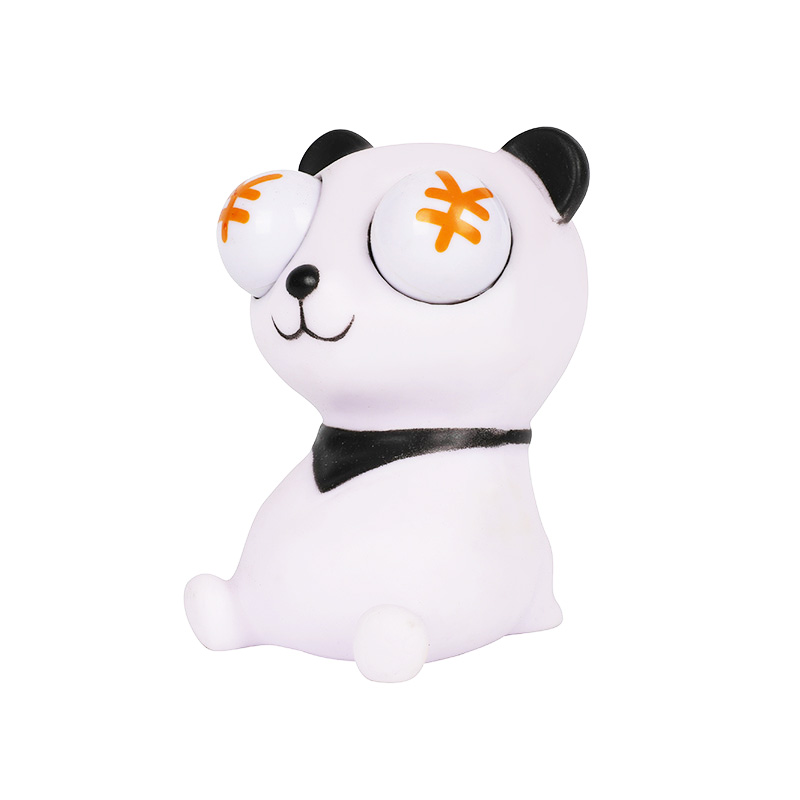
Pop-eyed Panda
Enter the whimsical world of the Pop-eye series with our delightful creation, the Pop-eyed Panda. Designed to bring joy and relieve stress, this squee...
View More -
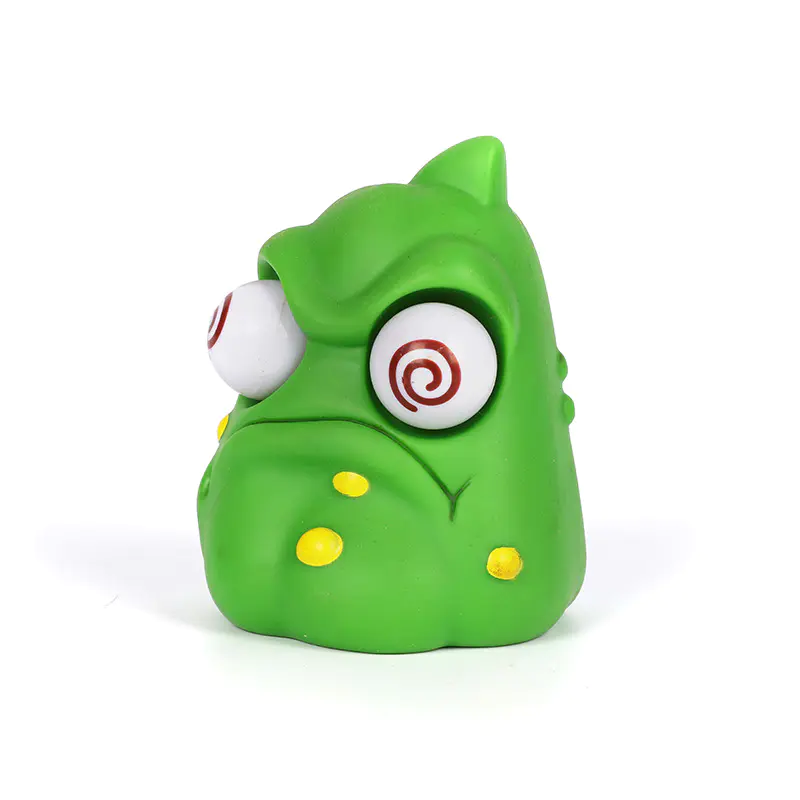
Staring Glowing Decompression Series
Step into the whimsical world of the Pop-eye series, where fun and functionality collide to bring you the Staring Glowing Decompression Series. These ...
View More -
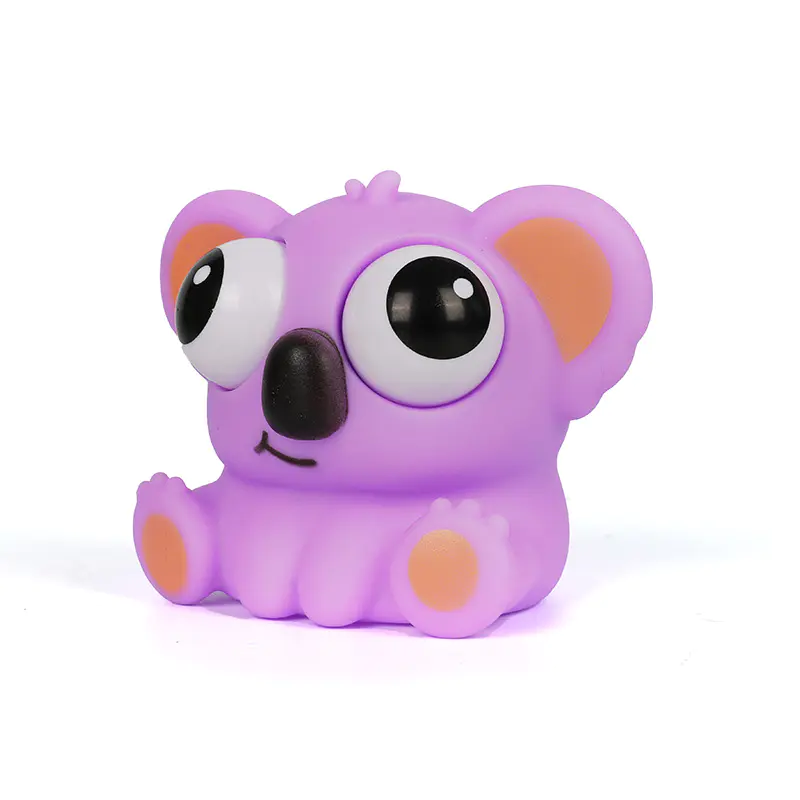
Cute Little Animal Series (Big-eyed)
Welcome to the enchanting world of our Cute Little Animal Series (Big-eyed), a delightful addition to our renowned Pop-eye Collection. These captivati...
View More -
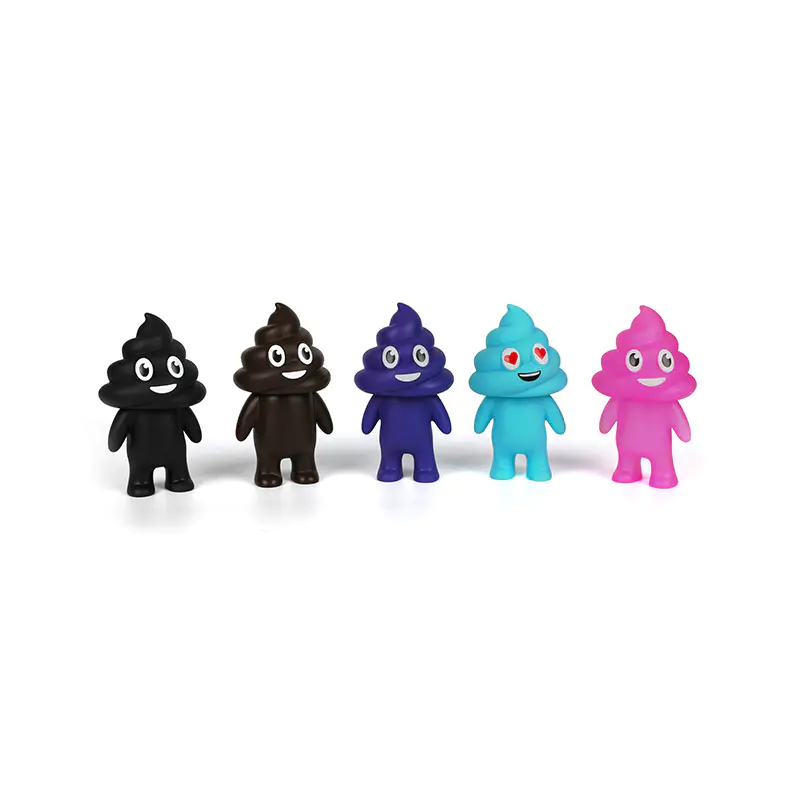
Poop People Series
Introducing the Poop People Series, a unique and playful line of collectible figures that bring humor and joy to toy collections everywhere. These qui...
View More -
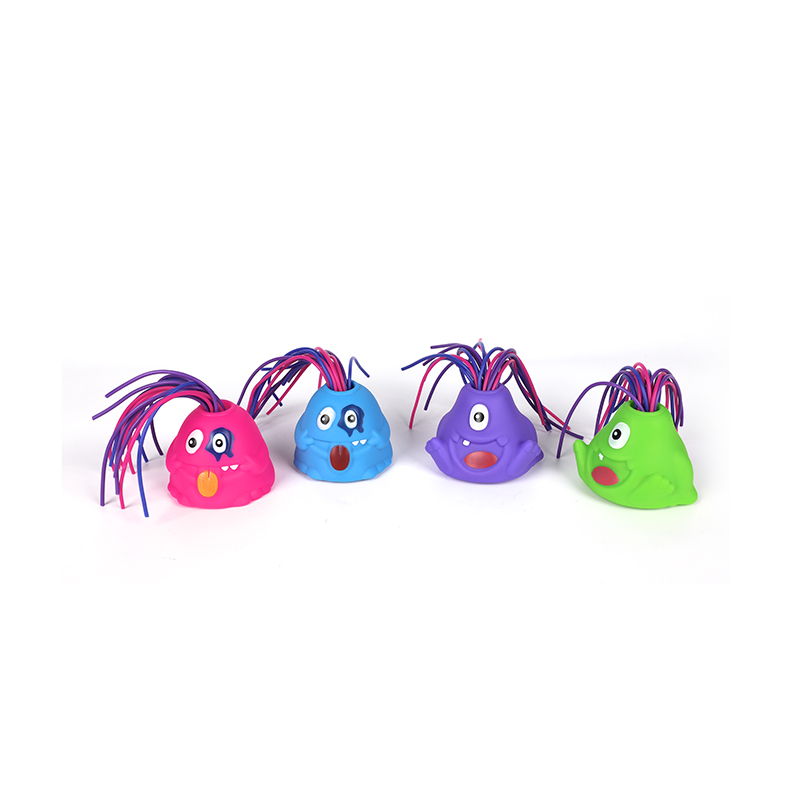
Fun Hair-Pulling Monster Stress Relief Anti-Anxiety Sound Toys
Laughter is one of the best ways to release stress, and Hair-Pulling Sound Toys are designed to do exactly that. These playful screaming monster figur...
View More -
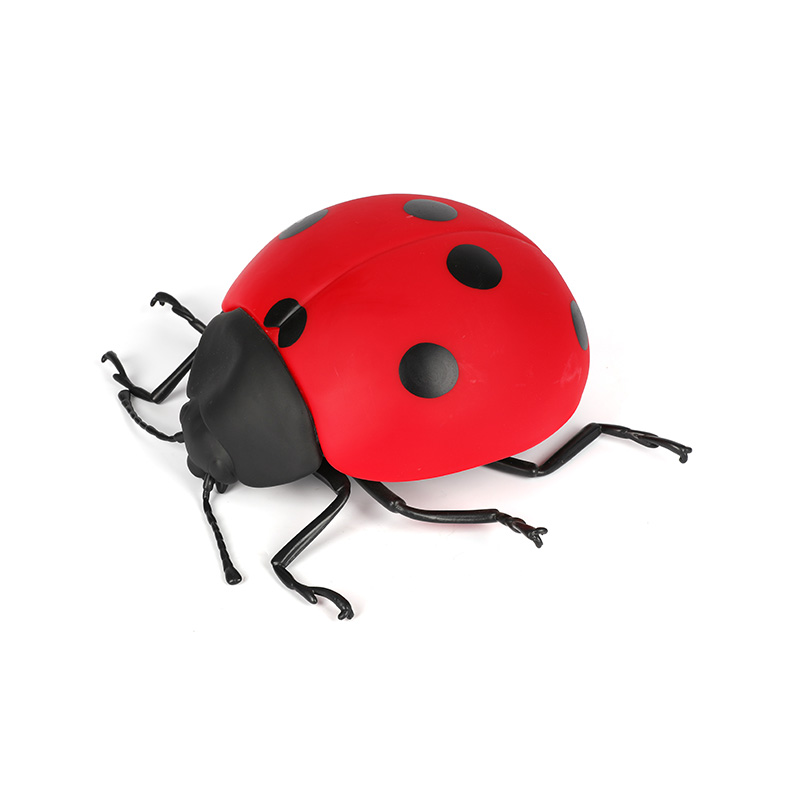
Beetle, Beetle Model Toys
Our Beetle Model Toys are pretty popular with kids and bug fans these days. We put real effort into making these beetle figures so they look detailed ...
View More -
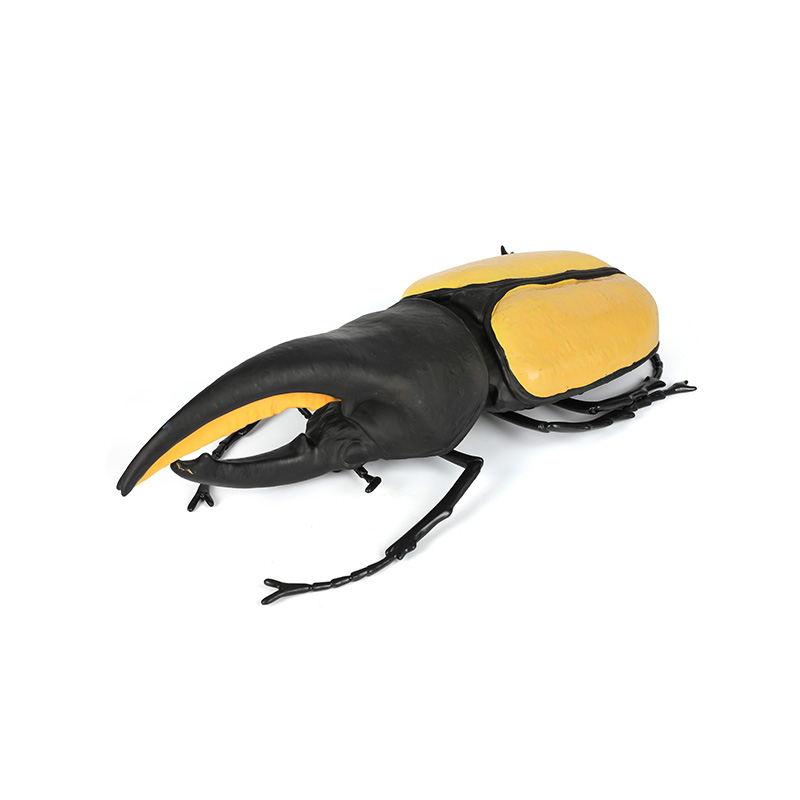
Beetle, Beetle Model Toys
Welcome to the world of Beetle Model Toys, where intricate design meets playful imagination. Our Beetle models are meticulously crafted to provide not...
View More -
Diversity Series Dinosaur Model Puzzle Toys
Our Dinosaur Model Toys are really popular with kids these days. We make these dinosaur figures with a lot of care so they look real, help kids learn,...
View More

Copyright © Jinhua Blue Eagle Toys Technology Co., Ltd. All Rights
Reserved.

Information
-

+86 18072335560
-

-
 Weiyingsheng Industrial Co., Ltd., Yangbu Town Industrial Zone, Wucheng District, Jinhua City, Zhejiang Province
Links
Contact Us
Educational Model Toys Company