

 English
 English
 русский
 Español
- Type:
- Industry News
- Date
- 2026-Aug-04
Industry News
What Is a Squeeze Tongue Toy and What Makes It Unique
Small toys often gain attention through a very plain idea: a light touch changes what people see and feel. Once a hand presses the surface, the shape shifts, the face changes, and a short moment of reaction appears. That kind of response can make a simple object feel less static and more alive.
A Squeeze Tongue Toy follows that idea closely. Press the soft body, and the tongue moves in a way that adds expression to the toy. Rather than relying only on softness or shape change, the design introduces a visible reaction that appears right after squeezing. The result feels playful without needing a complicated structure.
What makes the design stand out is the connection between motion and expression. A user does not only compress a soft body. The toy seems to react, almost like a character showing a mood. That small change can make the product easier to remember and easier to enjoy during repeated use.
Several parts work together to create that effect:
- a soft outer shell that reacts to pressure
- a character face that gives the toy its identity
- a tongue element that moves during squeezing
- a shape recovery process that brings everything back into place
Even though the action looks simple, the design depends on careful coordination. A small shift in shape, opening size, or internal space can change how the tongue moves and how naturally the expression appears. When those parts fit well, the toy feels smooth and balanced in use.
The tongue‑out feature also adds a stronger visual signal. A fixed smile or a plain soft body can feel pleasant, yet a moving tongue adds another layer of interaction. The user becomes part of the expression change, which gives the toy a more active role during play.
What Is a Squeeze Tongue Toy and How Does It Work?
A tongue movement toy works through pressure and release. Once the user presses the body, the internal space changes and pushes the tongue part outward through the designed opening. Releasing the pressure allows the material to return, which resets the toy for another squeeze.
The process usually feels simple in practice, yet the internal arrangement matters a great deal.
- Pressure enters through the soft outer surface.
- The body compresses and shifts its internal space.
- The tongue moves outward as part of the reaction.
- The shape returns when the pressure disappears.
Compared with a soft toy that only changes form, a tongue‑style design needs a more controlled structure. The body must stay flexible enough for squeezing while still holding its shape after repeated use. Too much stiffness can weaken the movement, while too much softness can reduce the clarity of the effect.
Position also matters. If the tongue opening sits in the wrong place, the movement may feel disconnected from the face. When the layout is balanced, the expression looks natural, and the movement feels like part of the character rather than a separate feature.
Material choice influences daily use as well. A soft touch usually makes the toy feel more comfortable in the hand. Surface texture shapes the grip, while flexibility affects how easily the toy responds. For products meant to be squeezed again and again, shape recovery becomes part of the experience too.
Why Does the Tongue Out Design Create a Different Play Experience?
A toy becomes more engaging when action leads to a visible response. That simple pattern helps explain why the tongue‑out feature attracts attention. The toy does not stay unchanged after being pressed. Instead, it reacts in a way that users can see right away.
That reaction gives the toy a little personality. A plain squeeze object may feel pleasant to hold, while a tongue‑moving figure adds a sense of character. The face appears to respond to the hand, which can make the interaction feel more lively.
Several details help create that feeling:
- the movement appears at the moment of pressing
- the face carries an expressive look
- the response is easy to repeat
- the user controls the action directly
A playful expression can also affect how people respond to the toy. Facial features often carry emotional meaning, even in small objects. A tongue‑out look can feel humorous, casual, or a little surprising, which helps explain why the design stands apart from more ordinary squeeze products.
A Hand Squeeze Toy usually depends on physical comfort and pressure feedback, while a tongue movement version adds a visible result that changes how the toy is experienced. The user feels the squeeze and also sees the reaction. That combination gives the product a more interactive identity.
How Is a Tongue Squeeze Design Different From Ordinary Squeeze Toys?
Ordinary squeeze toys usually focus on softness, texture, and simple shape change. A tongue‑out design keeps those qualities, then adds another layer through motion. That extra movement may seem small, yet it changes the way people notice and remember the toy.
| Feature | Traditional Squeeze Toy | Tongue Out Squeeze Toy |
|---|---|---|
| Main interaction | Pressure changes the shape | Pressure changes the shape and moves the tongue |
| Visual response | Limited expression change | Expression changes through movement |
| User experience | Focused on touch and softness | Combines touch with visible feedback |
| Design focus | Material and form | Character expression and motion |
| Interaction style | Quiet and simple | More lively and noticeable |
A moving tongue turns the squeeze action into a more complete response. Instead of just feeling the toy compress in the hand, the user sees something happen on the surface. That small difference changes the feeling of play and gives the product a distinct character.
From a design point of view, the tongue‑out structure shows how a tiny change can reshape the whole user experience. The idea remains simple, yet the interaction feels more active, and that is often what makes the format memorable.
What Design Factors Affect the Tongue Movement Effect?
A tongue‑out squeeze design looks straightforward at a glance. A hand presses the body, the tongue shifts outward, then everything returns after release. Even so, the movement depends on several small design choices working together.
Body shape affects how pressure travels. When the form is smooth and balanced, force moves in a cleaner way and the tongue response feels natural. A shape that feels uneven may make the movement look weak or delayed.
Internal space matters in a similar way. Enough room is needed for the tongue to move, while the body still has to keep its shape during use. Too little space can hold back the motion. Too much space can make the reaction feel loose.
A few details usually decide whether the effect feels right:
- Tongue placement needs to match the face.
- Material thickness needs to support repeated squeezing.
- Recovery ability needs to bring the toy back into shape.
- The front design needs to make the movement look like part of the character.
The tongue itself is not only a moving piece. Its size and angle affect the toy's expression. A small change may make the face look playful, awkward, or surprised. That is why visual design and internal structure usually develop together.
Why Do People Use Hand Squeeze Toy Products for Stress Relief and Relaxation?
Squeezing something soft is a simple habit that does not ask for much attention. The action is easy to repeat, and the response happens right away. For many people, that kind of direct interaction creates a short break from routine tasks.
A Hand Squeeze Toy fits that kind of use very well. It can sit on a desk, stay in a bag, or rest in a drawer until needed. Once picked up, it gives the hands something light to do without requiring any setup.
Daily use often depends on small moments rather than long sessions.
- A desk worker may squeeze it during a pause between tasks.
- Someone at home may use it while resting or watching something.
- A traveler may keep it nearby because it takes little space.
The tongue movement adds another layer to the experience. A regular squeeze toy gives mainly a soft touch. A tongue‑out version adds a visible reaction, so each press creates something easy to notice. That small change often makes the product feel more playful.
The appeal comes from the mix of touch and motion. The hand creates the action, and the toy answers back with an expression. That simple exchange can feel more engaging than holding a static object.
How Does Character Design Influence Tongue Squeeze Toys?
Character design shapes how people read the toy before they even touch it. A face, an eye shape, a mouth, or a color choice can create a mood right away.
A tongue‑out expression usually gives a lively or teasing feeling. It does not need extra explanation. The look itself already suggests movement, humor, or a casual attitude.
Several parts work together here:
- Eyes set the tone of the character.
- Mouth design supports the tongue effect.
- Body shape helps the face feel complete.
- Color choice makes the figure easier to remember.
A fixed expression can stay pleasant, yet a moving tongue changes how the face appears during use. After squeezing, the character looks different for a moment, and that brief change gives the toy more personality.
That also changes the relationship between appearance and function. The tongue is not added only for decoration. It becomes part of the action, so the design feels more connected as a whole.
Different characters can use the same idea in different ways. One version may look funny, another may feel cute, and another may lean toward a more exaggerated expression. The movement stays familiar, while the visual style gives each toy its own identity.
What Should Be Considered in the Design and Production of These Toys?
A toy like this needs more than a soft outer shape. Appearance, movement, comfort, and durability all have to work together. If one part feels off, the whole interaction can lose some of its effect.
Material selection sits near the center of the process. A surface that feels comfortable encourages repeated use, while suitable flexibility helps the tongue move in a clear way. A body that feels too firm may not squeeze well. A body that feels too soft may lose shape too quickly.
Production details also matter.
- Surface finish should feel smooth in the hand.
- Internal parts should stay stable during use.
- Shape should remain consistent from one piece to another.
- Packaging should help protect the toy before use.
Repeated squeezing places normal stress on the body, so structure needs to hold up over time. A well‑planned design helps the toy keep its look and response during regular use.
Cleaning and storage matter as well. A small toy often gets handled many times, so simple care and practical shape can make daily use easier.
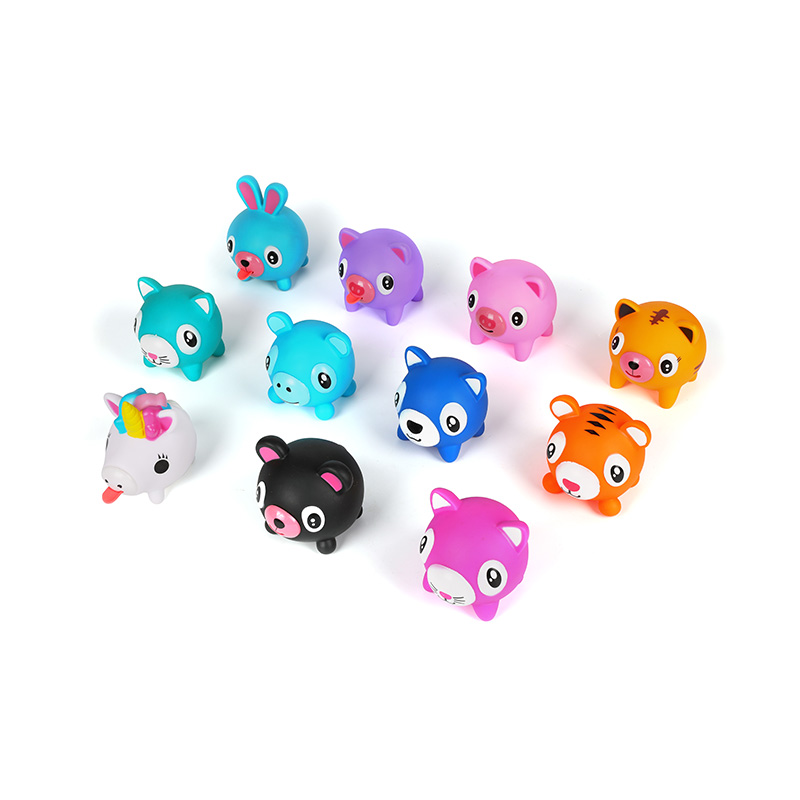
Why Does the Tongue Out Mechanism Give Squeeze Toys More Interaction?
A tongue‑out mechanism turns a basic press into a visible reaction. That change may look small, yet it shifts the whole feel of the toy. A squeeze is no longer only a hand action. It becomes something the user can see.
A plain soft toy often depends on texture and comfort alone. A tongue movement version adds a clear response that appears right after squeezing. That gives the product a stronger sense of participation.
The action usually follows a clear path:
- The hand presses the body.
- The shape changes inside.
- The tongue moves outward.
- The face shows a reaction.
A Squeeze Tongue Toy shows how a small design choice can change the way a product is experienced. It keeps the idea simple, yet adds enough movement to make each squeeze feel more alive.
That combination of touch, expression, and motion is what gives the design its own place among small interactive toys. It remains easy to use, easy to understand, and easy to enjoy in ordinary daily settings.
Related Products
-
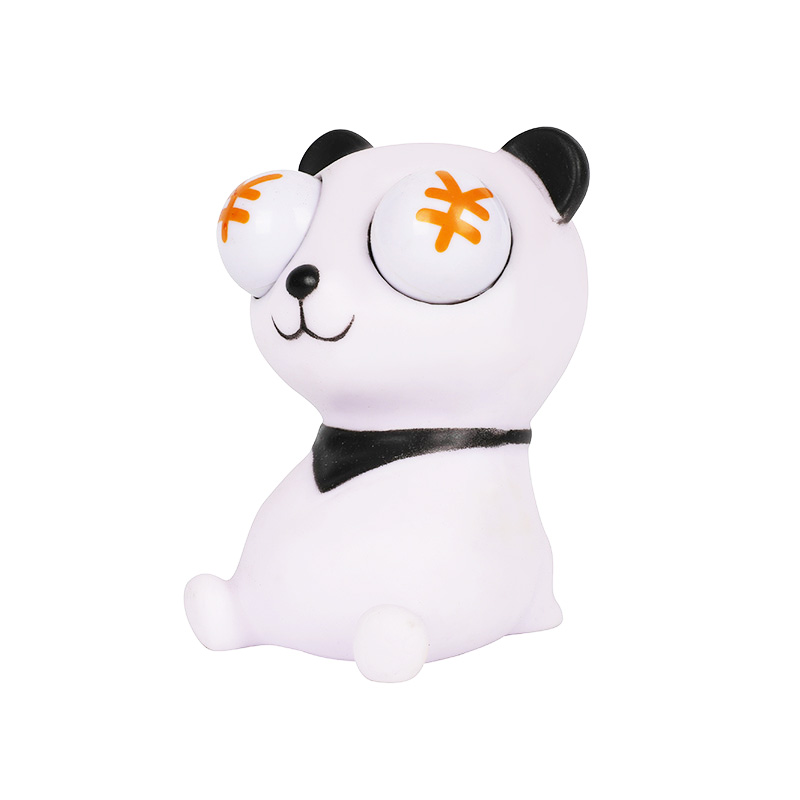
Pop-eyed Panda
Enter the whimsical world of the Pop-eye series with our delightful creation, the Pop-eyed Panda. Designed to bring joy and relieve stress, this squee...
View More -
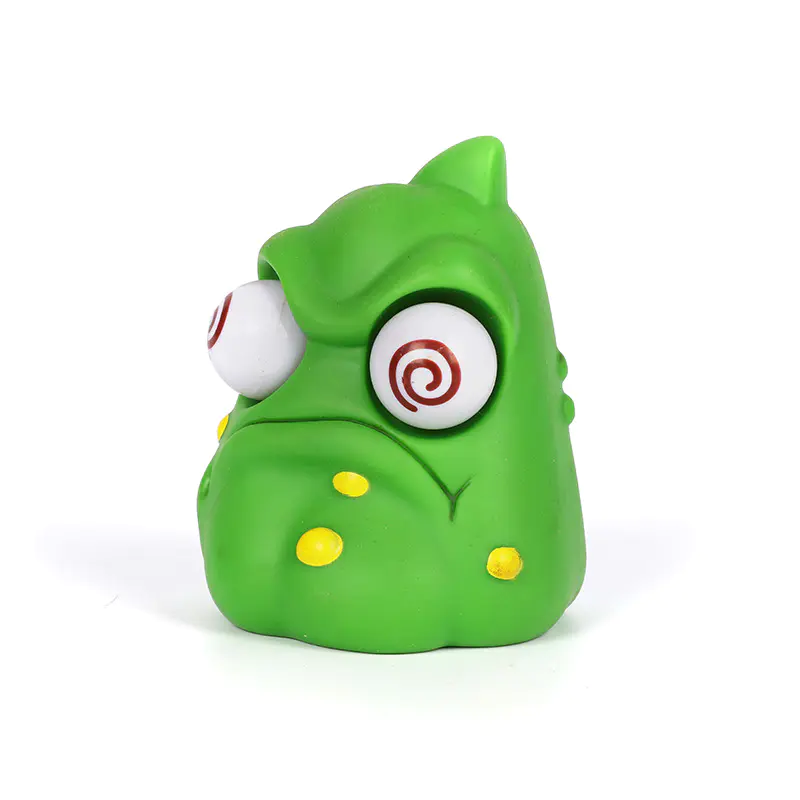
Staring Glowing Decompression Series
Step into the whimsical world of the Pop-eye series, where fun and functionality collide to bring you the Staring Glowing Decompression Series. These ...
View More -
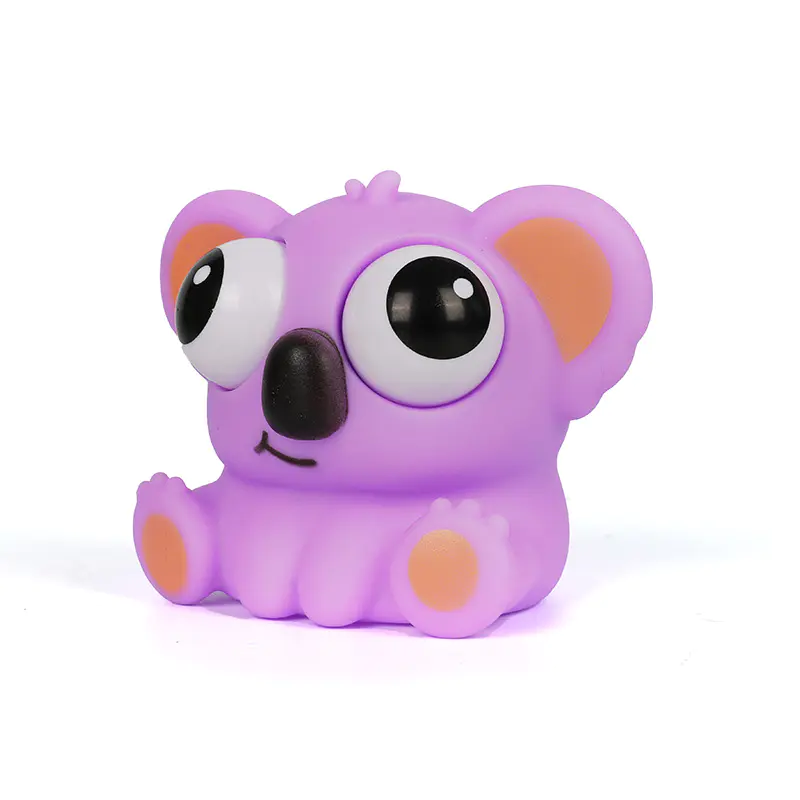
Cute Little Animal Series (Big-eyed)
Welcome to the enchanting world of our Cute Little Animal Series (Big-eyed), a delightful addition to our renowned Pop-eye Collection. These captivati...
View More -
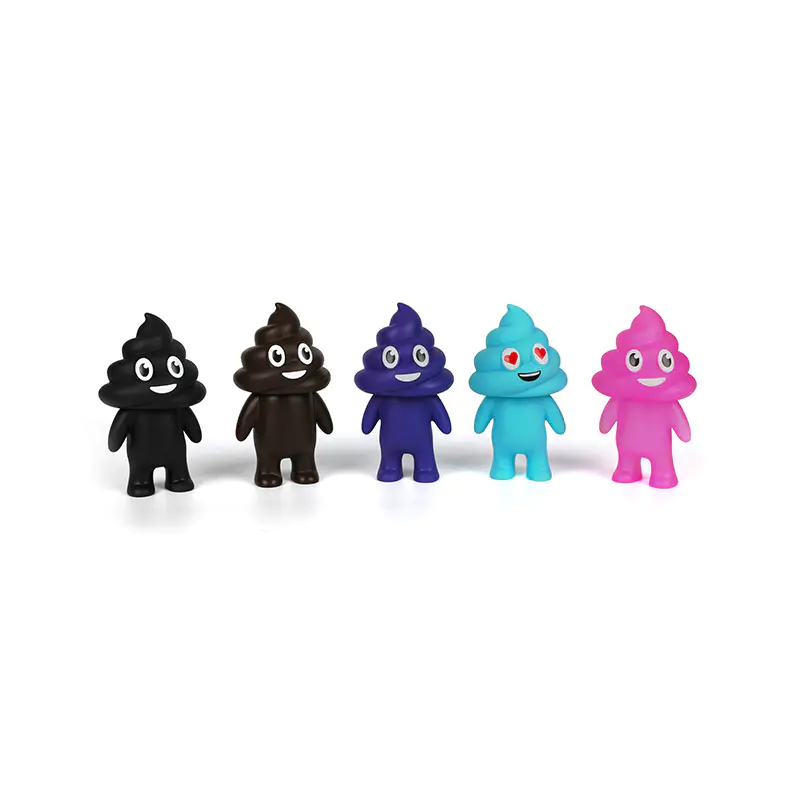
Poop People Series
Introducing the Poop People Series, a unique and playful line of collectible figures that bring humor and joy to toy collections everywhere. These qui...
View More -
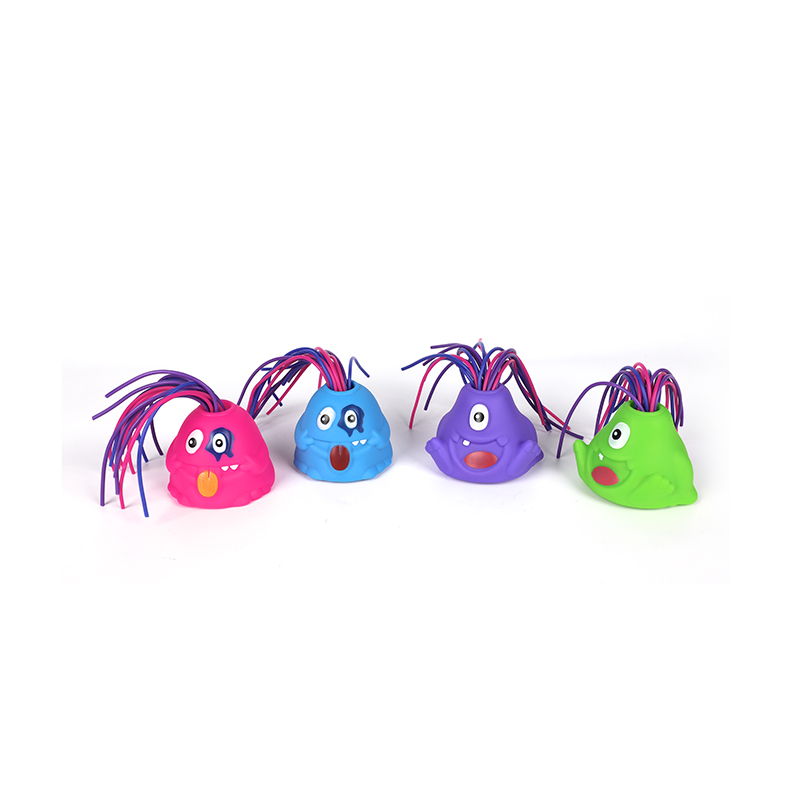
Fun Hair-Pulling Monster Stress Relief Anti-Anxiety Sound Toys
Laughter is one of the best ways to release stress, and Hair-Pulling Sound Toys are designed to do exactly that. These playful screaming monster figur...
View More -
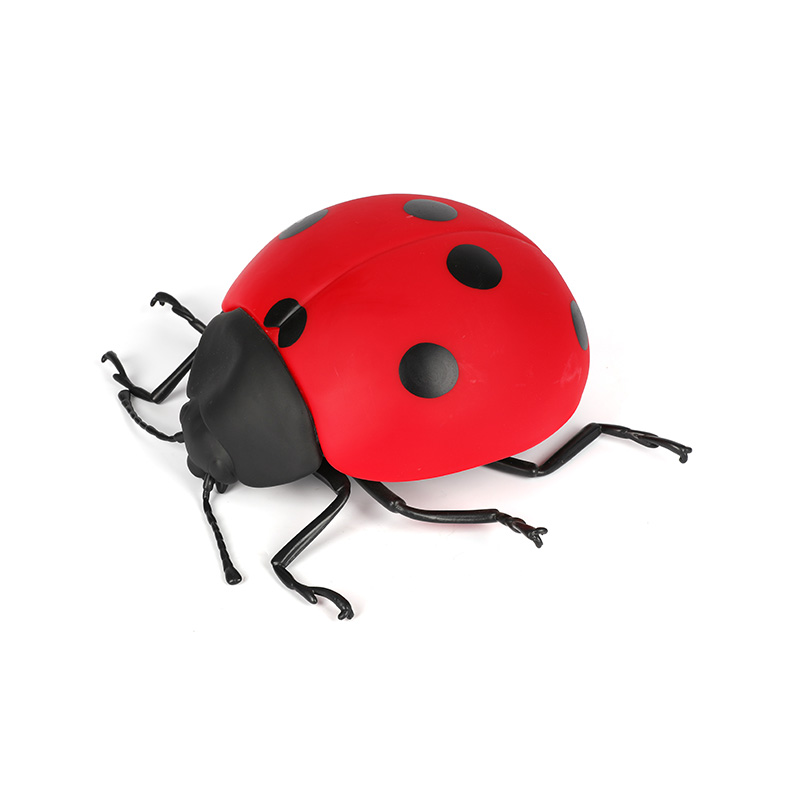
Beetle, Beetle Model Toys
Our Beetle Model Toys are pretty popular with kids and bug fans these days. We put real effort into making these beetle figures so they look detailed ...
View More -
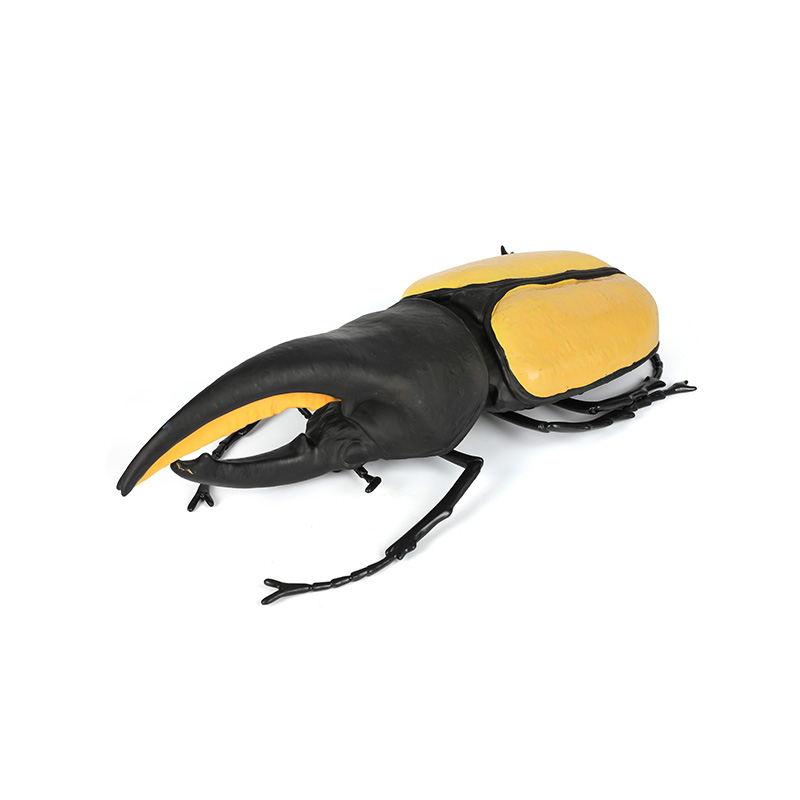
Beetle, Beetle Model Toys
Welcome to the world of Beetle Model Toys, where intricate design meets playful imagination. Our Beetle models are meticulously crafted to provide not...
View More -
Diversity Series Dinosaur Model Puzzle Toys
Our Dinosaur Model Toys are really popular with kids these days. We make these dinosaur figures with a lot of care so they look real, help kids learn,...
View More

Copyright © Jinhua Blue Eagle Toys Technology Co., Ltd. All Rights
Reserved.

Information
-

+86 18072335560
-

-
 Weiyingsheng Industrial Co., Ltd., Yangbu Town Industrial Zone, Wucheng District, Jinhua City, Zhejiang Province
Links
Contact Us
Educational Model Toys Company