

 English
 English
 русский
 Español
- Type:
- Industry News
- Date
- 2026-Aug-07
Industry News
What Materials Are Commonly Used in a Squeeze Tongue Toy
Walk down any toy aisle or peek into a gift shop, and those bright, protruding tongue shapes practically jump out at you. Soft and stretchable, they invite squeezing, pulling, twisting — the kind of hands‑on play rigid toys just can't offer. The appeal cuts across age groups too: younger kids love the tactile feedback, while older kids get a kick out of the exaggerated shape and watching the tongue snap back after being stretched to its limit.
What sets this category apart from standard plush toys or hard plastic figures really comes down to the material itself. A Squeeze Tongue Toy depends on properties that allow repeated deformation without losing form — the tongue stretches, gets released, snaps back, and that cycle repeats hundreds or thousands of times over the life of the toy. How well it holds up really depends entirely on what it's made of and how that material handles constant abuse.
Mouth contact adds another layer of concern that's hard to ignore. Young kids naturally bring things to their mouths, and a tongue‑shaped toy practically invites that behavior by design. Frequent handling, stretching, and potential mouthing together create specific material requirements that go beyond what a shelf toy or a rolling ball would ever need to satisfy. This toy spends real time against skin and sometimes saliva, so material safety carries genuine weight here — more than it would for most other toy categories.
Which Materials Typically Appear in Squeeze Tongue Toy Manufacturing
Manufacturers have a handful of material options for soft, stretchable novelty items, and picking one always means balancing tactile feel, durability, production cost, and safety against each other. Some materials stretch beautifully but degrade with time; others hold up well but sacrifice softness to get there.
Silicone shows up constantly in this category, mostly because it hits a genuinely useful combination of properties. It stretches without tearing, snaps back to shape reliably, and stays soft across a wide temperature range. Higher‑quality silicone grades also shrug off the oils and sweat that naturally transfer from hands during play, which matters more than people realize for something handled this often.
Other elastomers show up too, each with its own tradeoffs. Thermoplastic rubbers offer stretch qualities somewhat similar to silicone but can lag behind in durability or chemical resistance. Natural rubber stretches beautifully but raises real allergy concerns for some users. The material choice really shapes not just how the toy feels and performs, but what safety questions actually apply to it.
| Material Type | Stretch Characteristics | Durability Under Repeated Use | Common Safety Considerations |
|---|---|---|---|
| Silicone | Consistent return to shape, minimal set over time | Resists tearing; stable across temperatures | Needs food‑grade or medical‑grade formulation for mouth contact |
| Thermoplastic rubber | Good elasticity, gradual deformation over time | Moderate durability; may harden with age | Additives and plasticizers need evaluation for transfer risk |
| Natural rubber | Excellent elasticity, very responsive | Prone to oxidation and degradation | Allergy triggers; needs careful compounding |
| PVC‑based soft materials | Moderate stretch, can turn sticky over time | Variable durability; plasticizers may migrate | Plasticizer content needs real scrutiny for kids'products |
Why Squeeze Tongue Toys and Silicone Bubble Toys Share the Same Material Concerns
The Silicone Bubble Toy category runs into almost identical concerns as tongue‑style toys, and it's worth understanding why. Both rely on soft, stretchable silicone formulations that withstand squeezing and release. Both get handled constantly and end up in kids'mouths regularly. The material requirements for one really do carry straight over to the other, almost without modification.
Bubble‑style toys lean into the tactile satisfaction of squeezing and watching the material deform before bouncing back; tongue‑style toys lean more into the visual comedy of the extended shape itself. Different emphasis, sure, but the underlying material demands stay the same either way — softness, stretchability, and the ability to survive repeated deformation without breaking down.
The distinction between silicone grades matters for both categories equally, and it's genuinely easy to overlook. Not every silicone formulation meets the same bar. Industrial‑grade silicone often contains additives that have no business being in a children's product. Food‑grade and medical‑grade formulations go through much stricter composition controls instead. Anyone shopping for either a tongue toy or a bubble toy benefits from knowing this distinction exists before checking out.
What Physical and Chemical Traits Actually Make a Material Safe
A handful of characteristics really determine whether a toy poses any risk during normal use.
Freedom from harmful substances sits at the top of that list, no contest. Anything that could transfer to skin or saliva during handling — the base polymer, plasticizers, colorants, surface treatments — needs to steer clear of compounds tied to health concerns.
Resistance to tearing and fragmentation matters just as much, honestly. A toy that breaks apart creates small pieces that turn into choking or ingestion hazards fast. The material needs to hold its structural integrity through the stretching, pulling, and squeezing that normal play throws at it — no cracking, flaking, or surface separation along the way.
Temperature stability rounds out the list of essentials. Toys get left in hot cars, carried outside in summer heat, or stored in cold rooms, and none of that should change the material's properties in ways that compromise safety. It shouldn't turn excessively soft and sticky when it's hot, or brittle and crack‑prone when it's cold.
The absence of strong odors or surface residue often tells you a lot about quality too. A sharp chemical smell can signal volatile compounds waiting to release during handling. A sticky or greasy surface usually means plasticizer migration is happening — components literally moving to the surface where they can transfer to skin or end up ingested.
How to Actually Read Material Composition from Product Info
Packaging and labeling are really the first place to look for what a toy is actually made of. Reading these descriptions carefully tells you a lot about what you're buying. Terms like "silicone," "food‑grade silicone," or "medical‑grade silicone" carry real meaning about material quality. Vague terms like "rubber" or "soft plastic" without any further detail, though, tell you basically nothing useful.
Certification markings on packaging suggest the product went through some level of testing against specific standards, and recognizing them helps you spot products that have actually been evaluated. That said, missing certification markings don't automatically mean a product is unsafe — it just means you're working with less information than you'd like.
Some listings give detailed material disclosures; plenty of others offer barely anything at all. When packaging comes up short on detail, other signals become useful — seller reputation, how clearly things are labeled, whether there's actual contact information for the manufacturer. A seller who openly shares material info and testing claims is operating on a different level of transparency than one offering nothing but vague marketing language.
What Role Do Manufacturing Processes Play in Material Safety
Making a soft, stretchable toy takes more than just picking good raw materials — how those materials get processed shapes final safety just as much as what went in at the start. Even a well‑chosen silicone formulation can turn problematic if manufacturing conditions introduce contaminants or fail to cure the material properly.
Curing, or vulcanization, is really the critical step in producing silicone and rubber toys. This is the chemical process that turns raw polymer into the stable, elastic material users actually expect to feel. Incomplete curing leaves unreacted components sitting in the finished product, and those residual substances can migrate to the surface over time — creating exposure routes nobody intended in the first place.
Manufacturing facilities carry their own contamination risks too. Equipment that runs multiple material formulations without thorough cleaning between batches can introduce traces of one formula into another entirely different one. That cross‑contamination genuinely matters, since additives perfectly fine for industrial products have no business in something a child puts in their mouth. Dust, lubricants, airborne particles in the production environment — all of it can end up worked into the material without anyone noticing until later.
Consistency across every single unit matters just as much as getting the formula right in the first place. A process that produces good results most of the time can still occasionally throw a bad batch. Temperature swings, mixing time that drifts off spec, mold conditions that shift — any of these can change final material properties in ways that aren't obvious from the outside. Real quality control means monitoring these variables closely enough that every toy leaving the factory actually meets the same bar.
Which Testing Methods Help Verify Material Safety
Lab testing gives you objective information about what's actually in the material and what risks it might carry. These analyses hunt for specific substances that simply shouldn't appear in children's products, extracting samples and measuring compound levels against established safety limits.
Physical testing tackles durability questions instead. Stretch tests measure exactly how far a material extends before it fails. Tear resistance checks whether the material can survive the forces play actually generates. Together these tests simulate real use conditions, flagging weaknesses that could eventually lead to breakage — and the small parts that breakage tends to produce.
Simulating extended use helps predict how a material ages over time. Repeated stretch cycles reveal whether a toy holds its integrity or gradually develops cracks and weak points. Accelerated aging tests compress the effects of light, heat, and humidity into a shorter timeframe to see how material responds to storage and environmental exposure over its realistic lifespan. What comes out of these tests really shapes recommendations around product life and appropriate use conditions.
| Test Category | What It Measures | Why It Matters |
|---|---|---|
| Extractable substances | Materials that wash out or transfer on contact | Reveals exposure risk to undesirable compounds |
| Stretch and recovery | Deformation behavior under repeated use | Shows whether the toy keeps its shape over time |
| Tear propagation | Resistance to tearing from an existing cut | Shows how damage spreads once the toy gets nicked |
| Thermal stability | Performance across hot and cold conditions | Predicts behavior in realistic storage and play settings |
What to Actually Check During a Physical Inspection
A quick hands‑on look before buying can tell you a lot more than the packaging ever will. Visual appearance offers the first clues — a smooth, consistent surface with even coloring generally points to careful manufacturing. Uneven patches, visible bubbles, or blotchy color distribution, on the other hand, tend to signal processing problems worth being wary of.
Touch tells you even more. The material should feel clean and dry, never sticky or greasy. Surface tackiness usually means plasticizer migration or incomplete curing — neither is a good sign. It should also feel firm and consistent all over; soft spots or hard lumps point to uneven mixing or temperature swings somewhere in production.
The stretch‑and‑recovery check is worth doing every time. Pull the tongue gently, then let go. Good material snaps right back to its original shape without hesitation. Slow recovery, visible stretch marks, or a shape that's noticeably changed after release all suggest the material won't hold up well long‑term. It should spring back effortlessly, keeping that exaggerated tongue look that's really the whole point of the toy.
Smell is a simple screening step too, and it's easy to skip but shouldn't be. A strong chemical smell is worth pausing over. Some products carry a faint, characteristic odor naturally, but anything sharp, solvent‑like, or genuinely unpleasant usually points to problematic additives or leftover processing residue. No noticeable smell at all is generally the better sign.
How Intended Use Changes Safety Considerations
The age of the child using the toy really shifts the whole safety calculation. Toys aimed at older kids can assume less mouthing and more careful handling overall. Products labeled for toddlers and infants face a much stricter bar, since younger kids interact with toys in fundamentally different ways. The exact same material composition might be perfectly fine for a school‑aged child and genuinely inappropriate for a baby who mouths everything within reach.
How often and how long the toy gets used matters too. A toy played with daily for extended stretches needs better durability and lower migration risk than something used occasionally. Regular handling means more frequent exposure to anything that might migrate out of the material, and the cumulative effect of that exposure over months of use matters far more than any single contact ever would.
Age recommendations on packaging aren't just boilerplate — they reflect exactly these considerations. A toy labeled for ages three and up has genuinely been evaluated against the typical behaviors of that age group. Ignore that label, and you're potentially using a toy in ways the manufacturer never actually tested for, running into risks the original safety evaluation simply never accounted for.
Practical Steps to Confirm Suitability Before Purchase
A systematic check before buying makes for a much better‑informed decision. Here's a practical framework worth running through:
- Review packaging for clear material disclosures and specific grade information
- Check for certification markings that indicate independent testing
- Inspect the toy visually for surface flaws and color consistency
- Feel the material for stickiness, greasiness, or uneven texture
- Stretch the tongue gently to check recovery speed and shape retention
- Smell the product for any strong or unusual chemical odors
Knowing what questions to actually ask about material composition and testing makes for better purchasing decisions overall. When product information falls short, it's worth checking whether the seller offers any way to get more detail. A manufacturer or retailer who responds clearly about what materials were used and what testing was done is showing a lot more confidence in their product than one offering nothing but vague reassurances.
The real balance comes down to weighing available information against how the specific child will actually use the toy. A product that passes visual and tactile checks but comes with limited documentation might still suit an older child who's not going to mouth it. That same product could be a poor fit for a toddler who'll mouth it constantly. Matching what you actually know about a product to how the intended recipient will realistically use it is really the most reasonable way to land on suitability.
Related Products
-
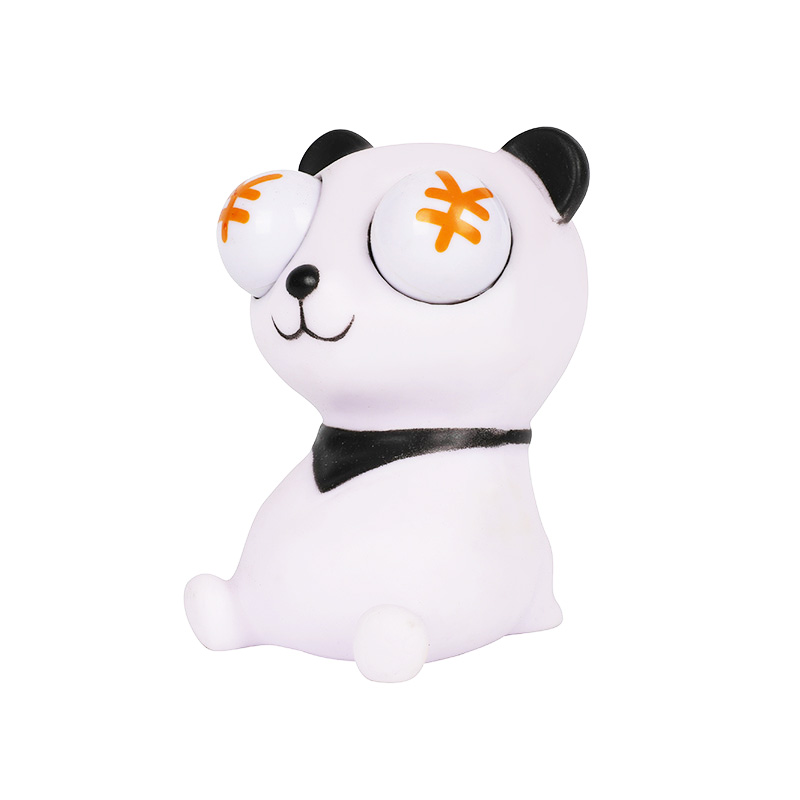
Pop-eyed Panda
Enter the whimsical world of the Pop-eye series with our delightful creation, the Pop-eyed Panda. Designed to bring joy and relieve stress, this squee...
View More -
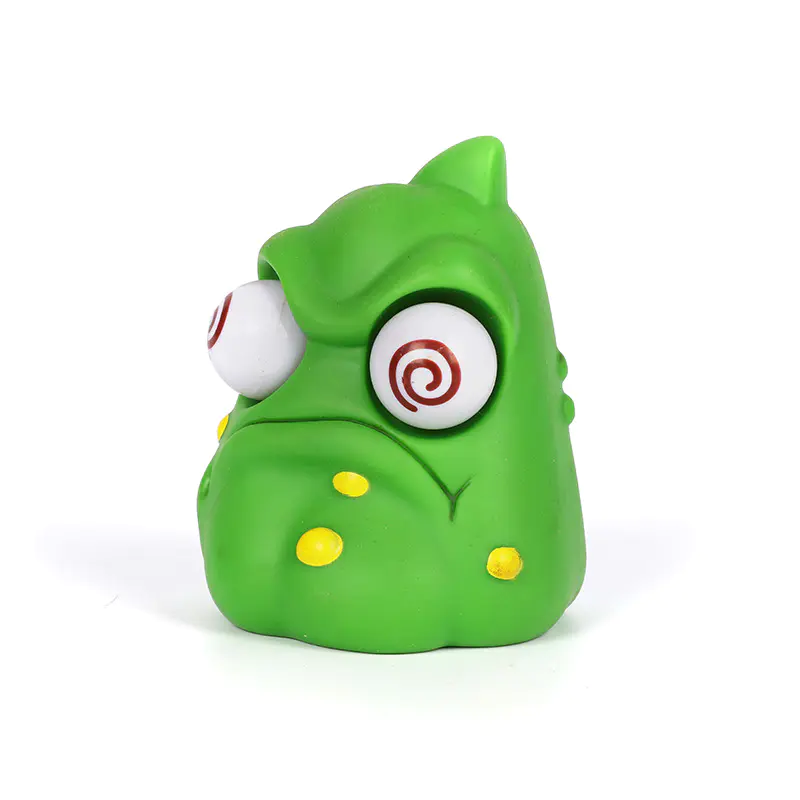
Staring Glowing Decompression Series
Step into the whimsical world of the Pop-eye series, where fun and functionality collide to bring you the Staring Glowing Decompression Series. These ...
View More -
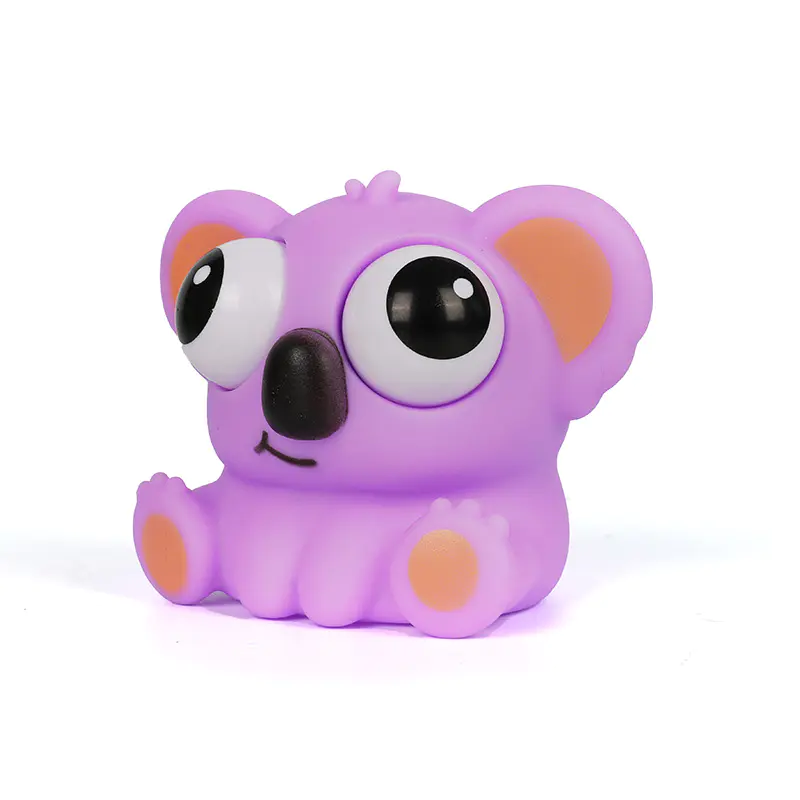
Cute Little Animal Series (Big-eyed)
Welcome to the enchanting world of our Cute Little Animal Series (Big-eyed), a delightful addition to our renowned Pop-eye Collection. These captivati...
View More -
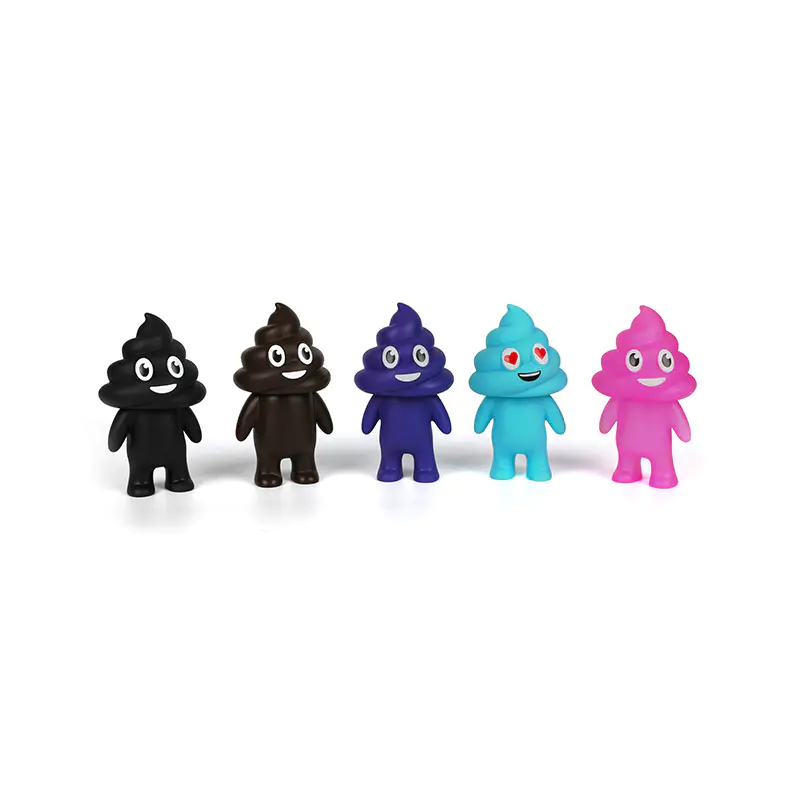
Poop People Series
Introducing the Poop People Series, a unique and playful line of collectible figures that bring humor and joy to toy collections everywhere. These qui...
View More -
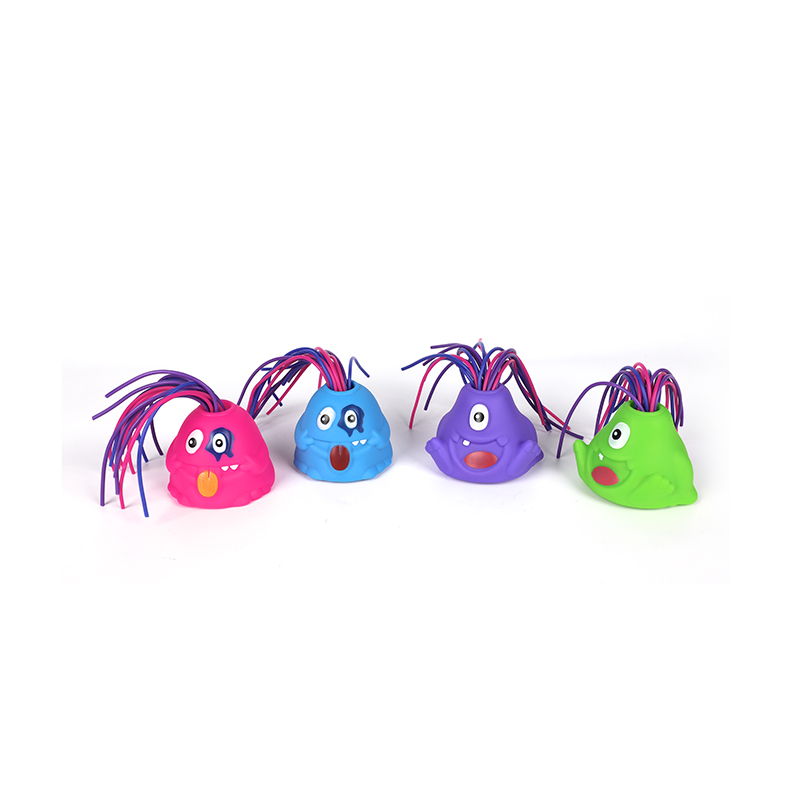
Fun Hair-Pulling Monster Stress Relief Anti-Anxiety Sound Toys
Laughter is one of the best ways to release stress, and Hair-Pulling Sound Toys are designed to do exactly that. These playful screaming monster figur...
View More -
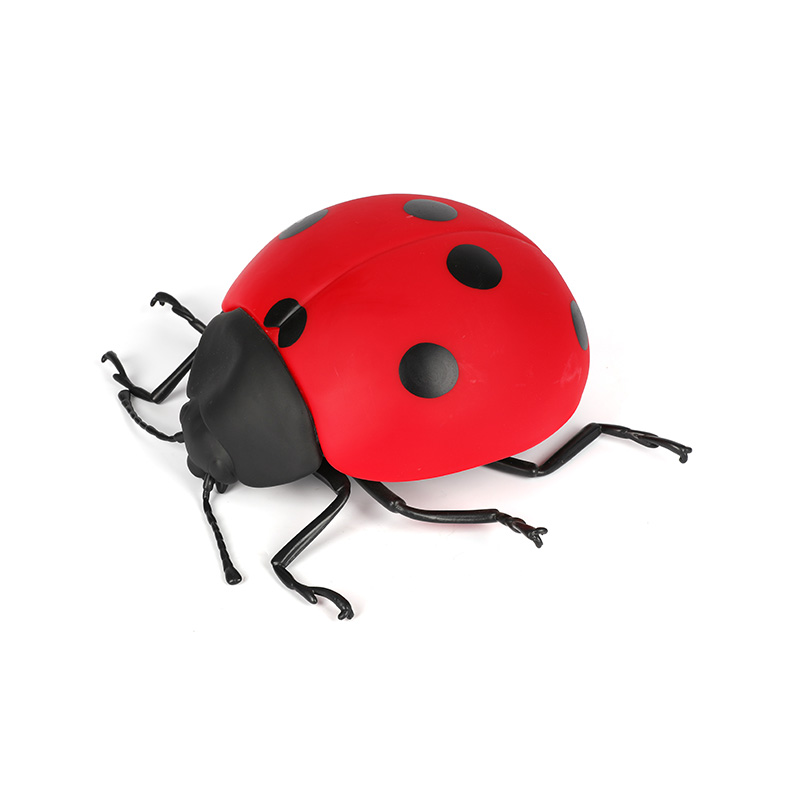
Beetle, Beetle Model Toys
Our Beetle Model Toys are pretty popular with kids and bug fans these days. We put real effort into making these beetle figures so they look detailed ...
View More -
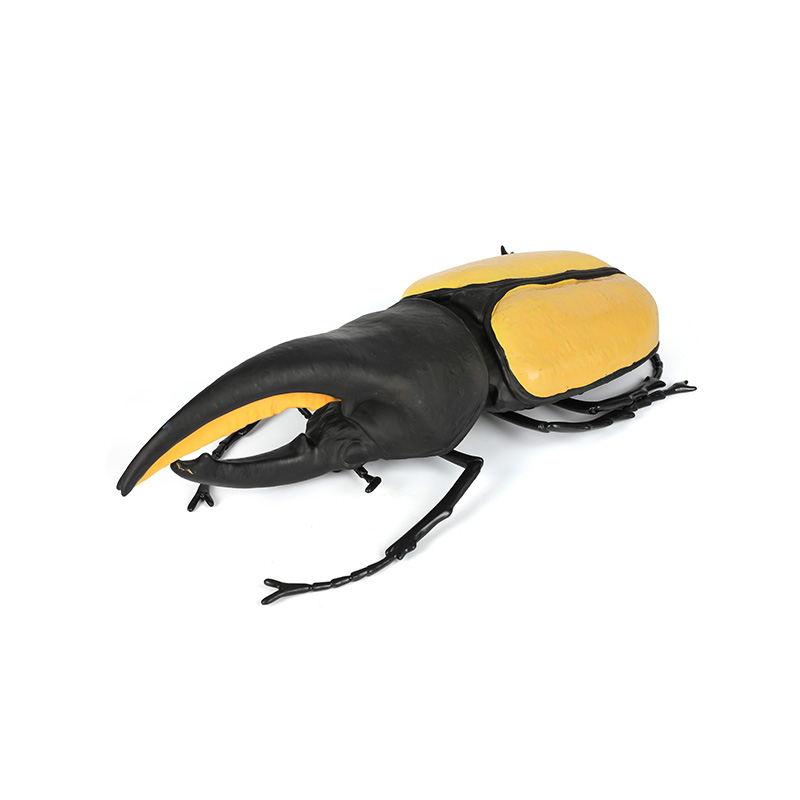
Beetle, Beetle Model Toys
Welcome to the world of Beetle Model Toys, where intricate design meets playful imagination. Our Beetle models are meticulously crafted to provide not...
View More -
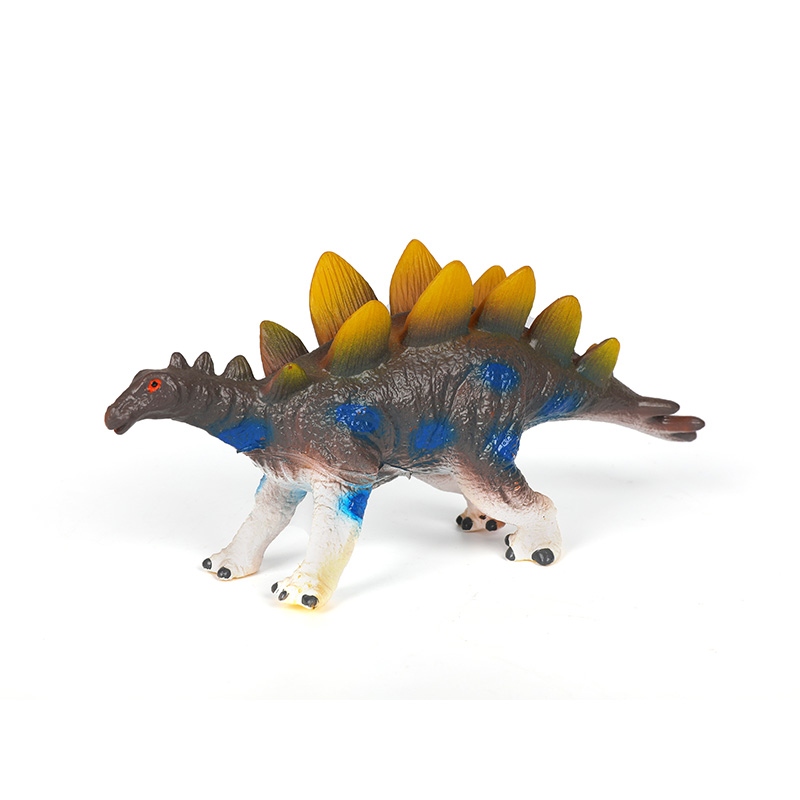
Diversity Series Dinosaur Model Puzzle Toys
Our Dinosaur Model Toys are really popular with kids these days. We make these dinosaur figures with a lot of care so they look real, help kids learn,...
View More
Copyright © Jinhua Blue Eagle Toys Technology Co., Ltd. All Rights
Reserved.

Information
-

+86 18072335560
-

-
 Weiyingsheng Industrial Co., Ltd., Yangbu Town Industrial Zone, Wucheng District, Jinhua City, Zhejiang Province
Links
Contact Us
Educational Model Toys Company