

 English
 English
 русский
 Español
- Type:
- Industry News
- Date
- 2026-Aug-25
Industry News
What Is the Nail Press Test for Dog Teeth Chew Toys
A chew toy needs to handle repeated biting while remaining suitable for contact with a dog's teeth. Material hardness plays an important role because teeth and chewing surfaces respond differently to soft, flexible materials and rigid surfaces. A product that feels comfortable in the hand may behave differently when pressure is applied repeatedly during chewing.
For a Dog Teeth Chew Toy, hardness should therefore be considered together with flexibility, surface condition, shape, and the way a dog uses the item. A dog that gently mouths a toy creates a different type of contact from one that repeatedly bites the same area with considerable force.
Durability also needs to be viewed carefully. Increasing hardness can make a surface less likely to deform during normal handling, yet durability alone does not tell whether a material provides a suitable chewing experience. A rigid surface may resist visible wear while placing greater pressure on areas of a tooth during repeated contact.
Material behavior can be considered through several simple points:
- How much does the surface deform under pressure?
- Does the material return to its original shape?
- Are any edges noticeably harder than nearby areas?
- Does the surface remain smooth during use?
- Does the structure change after repeated chewing?
Such questions are useful during product development because hardness is only one part of how a chew toy behaves. A balanced design needs to consider what happens when teeth, material, and shape interact during normal use.
What Is The Nail Press Test For Checking Hardness
A nail press test is a simple hands‑on method used for an initial observation of material firmness. A fingernail is pressed gently against a selected area of the toy, and the surface response is observed. Softer or more flexible material may show a small temporary mark or indentation, while a harder surface may resist visible deformation.
Testing should be performed across different areas rather than relying on one spot. A molded product can have variations caused by its shape, thickness, surface structure, or production conditions. Checking several locations can help reveal whether the material feels reasonably consistent.
A simple observation can include:
| Observation | Possible Material Response |
|---|---|
| Gentle nail pressure | Small temporary indentation |
| Continued light pressure | Limited surface deformation |
| Pressure released | Surface gradually returns |
| Different areas tested | Similar or noticeably different firmness |
Purpose of the test is not to declare a toy safe or unsafe from one press. Nail pressure is much lower and different from the forces created during actual chewing, so the result should be treated as an early screening method rather than a complete assessment.
Can a nail press test show whether a chew toy is too hard? It can provide a useful indication of surface firmness, especially during early product checks. It cannot determine how a particular dog's teeth will respond during repeated use.
For product development, a simple test can still be useful because it takes little preparation and allows obvious differences between materials or sections to be noticed quickly. More detailed evaluation is needed when the product moves beyond an initial material check.
Why Can A Dog Teeth Chew Toy That Is Too Hard Affect Enamel
Tooth enamel forms a hard outer surface around a tooth, yet hardness does not mean that unlimited force can be applied without concern. Repeated contact with a rigid object can create a different mechanical interaction from chewing on a material that gives slightly under pressure.
When a dog bites a very hard surface, pressure can become concentrated around smaller contact areas. Edges, raised sections, and narrow points may create greater local contact than a broad and flexible surface. Repeated biting against such areas may place additional stress on parts of a tooth.
Risk can also vary according to how a dog chews. Some dogs hold a toy gently, while others repeatedly focus on one section. Bite direction, tooth position, toy shape, and chewing duration all influence how force reaches the teeth.
A toy does not need to show visible damage for its hardness to be relevant. Surface condition and tooth contact are separate issues. A rigid product may remain intact during use while the teeth experience repeated contact with a firm surface.
Several design details deserve attention:
- Very rigid contact areas
- Narrow or sharp edges
- Hard raised sections
- Uneven surface firmness
- Shapes that encourage repeated pressure on one location
For that reason, material hardness should be considered during development rather than judged only after a product has been used. The aim is not simply to create a toy that resists chewing. A suitable design also needs to consider how the material behaves against teeth during repeated contact.
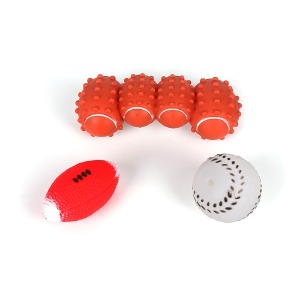
Does More Hardness Always Mean Better Durability
Hardness and durability describe different material characteristics. A hard surface may resist indentation, while durability also depends on flexibility, toughness, structural design, and the way force moves through the product.
Consider two materials that feel quite different when pressed. One may be relatively firm yet flexible enough to absorb part of the force. Another may feel rigid and resist deformation almost completely. Both can appear durable during a short inspection, while their behavior during repeated chewing may differ considerably.
For a Dog Teeth Chew Toy, relying only on hardness can therefore create an incomplete design approach. A material that is slightly flexible may deform under pressure and then recover, while a rigid material may transfer more of the applied force back through the contact area.
Material recovery is worth observing during development. After gentle pressure is removed, a flexible surface may gradually return toward its previous shape. Such behavior provides information about how the material responds to temporary force.
Durability can instead be considered through several connected characteristics:
- Resistance to surface wear
- Ability to recover after deformation
- Resistance to cracking
- Structural stability
- Consistency across the product
- Interaction between hardness and shape
A practical design does not need to treat hardness and durability as competing goals. Rather, material selection can consider how much firmness is needed for the intended use while retaining enough flexibility and structural balance for repeated contact.
For Dog Teeth Chew Toy development, that distinction helps shift attention away from a simple question of whether a material is hard enough. A more useful question is how the complete product behaves when a dog bites, releases, changes position, and returns to the same area repeatedly.
How Do Material And Shape Affect Chew Toy Performance
Material and shape work together during chewing, so looking at either factor alone can give an incomplete picture. A flexible material may behave gently across a broad surface, while a rigid material with a narrow contact point can concentrate pressure in a smaller area.
Shape changes where a dog places its teeth. A rounded surface provides a different contact pattern from a flat edge or raised section. Grooves, ridges, and small projections can encourage chewing in particular areas, making local hardness more important than the general feel of the product.
Size also affects handling. A toy that is difficult for a dog to hold may encourage awkward biting positions, while a suitable size can allow more natural interaction. Product dimensions should therefore correspond with the intended type of use rather than being chosen only for appearance.
Surface texture needs similar attention. Texture can provide grip and create varied contact points, yet overly rigid raised areas may behave differently from a softer surrounding surface.
Several design factors can be considered together:
- Material firmness
- Surface flexibility
- Overall size
- Contact area
- Edge shape
- Surface texture
- Structural thickness
A rounded design can distribute contact across a broader area, while a narrow edge may create more concentrated pressure. Such differences become relevant when designing a Dog Teeth Chew Toy, since chewing is rarely limited to one predictable position.
For manufacturers, material and geometry should therefore be assessed as one system. Changing the shape of an existing material can alter its behavior even when the material itself remains unchanged.
What Should Manufacturers Consider When Designing Custom Dog Balls
Custom Dog Balls require particular attention to size, shape, material response, and surface structure because a ball may be bitten, carried, rolled, pressed, and repeatedly caught from different angles.
Size should match the intended dog group and handling method. A ball that is too small may create handling concerns, while a very large design may be difficult for some dogs to grip comfortably. Product development therefore needs a clear use scenario before dimensions are selected.
Shape affects chewing behavior as well. A rounded form does not have the same contact pattern as a toy with corners or narrow projections. A smooth outer surface can provide more consistent contact, while added textures may create localized pressure points.
Material flexibility is another consideration. A ball does not necessarily need to be extremely hard to remain structurally stable. Elastic response, wall thickness, and material recovery can all contribute to how the product behaves during repeated biting.
A useful design review can ask:
- Is the size suitable for the intended use?
- Does the material have an appropriate balance of firmness and flexibility?
- Are edges and raised sections controlled?
- Does the surface remain consistent across the ball?
- Can repeated biting change the shape or surface in an undesirable way?
Avoiding excessive hardness can be part of a broader design approach rather than a single safety feature. A product intended for repeated chewing needs to consider how the material responds throughout its expected use rather than focusing only on whether it survives initial handling.
Custom designs also create more opportunities for adjustment. Changes in diameter, surface pattern, wall thickness, or material flexibility can alter how pressure is distributed. Such changes should be considered together rather than treated as separate visual modifications.
How Can Chew Toy Quality Be Checked Before Use
Quality checks can begin with simple observations before a product reaches regular use. Visual inspection may reveal rough edges, uneven surfaces, cracks, incomplete molding, or other visible irregularities that deserve attention.
A gentle surface press can provide another early indication of firmness. Several areas can be checked rather than relying on one point, especially when a toy has different textures or structural sections.
Elastic recovery can also be observed. After light pressure is released, a flexible material may gradually return toward its previous form. A noticeable permanent indentation may indicate that the material responds differently from nearby areas.
Edges and connection points deserve separate inspection because stress can concentrate around changes in geometry. A smooth central surface does not necessarily mean every part of a product behaves in the same way.
For Custom Dog Balls, inspection can include:
- Surface consistency
- Edge condition
- Shape stability
- Elastic response
- Visible cracks or splits
- Connection or molded areas
- Changes after repeated handling
During actual use, gradual changes can provide additional information. Surface wear, small cracks, changes in shape, or exposed sections should be observed rather than ignored. A toy that has changed considerably from its original condition may no longer behave in the same way.
Nail pressure remains useful as a simple material check, although it should not be treated as a complete test method. Actual chewing involves repeated force, changing angles, movement, and different tooth contact areas, so a broader evaluation gives a more realistic picture of product behavior.
For manufacturers, a useful quality process can connect material inspection with structural inspection. A material may have a suitable level of firmness while an edge, seam, or raised section creates a separate concern. Checking the complete product helps prevent attention from becoming fixed on one property.
Good product development therefore begins with a broader question: how will material, shape, size, and repeated contact work together during normal use? Hardness remains an important part of that question, while flexibility, structure, surface condition, and product consistency also influence the final result.
Related Products
-
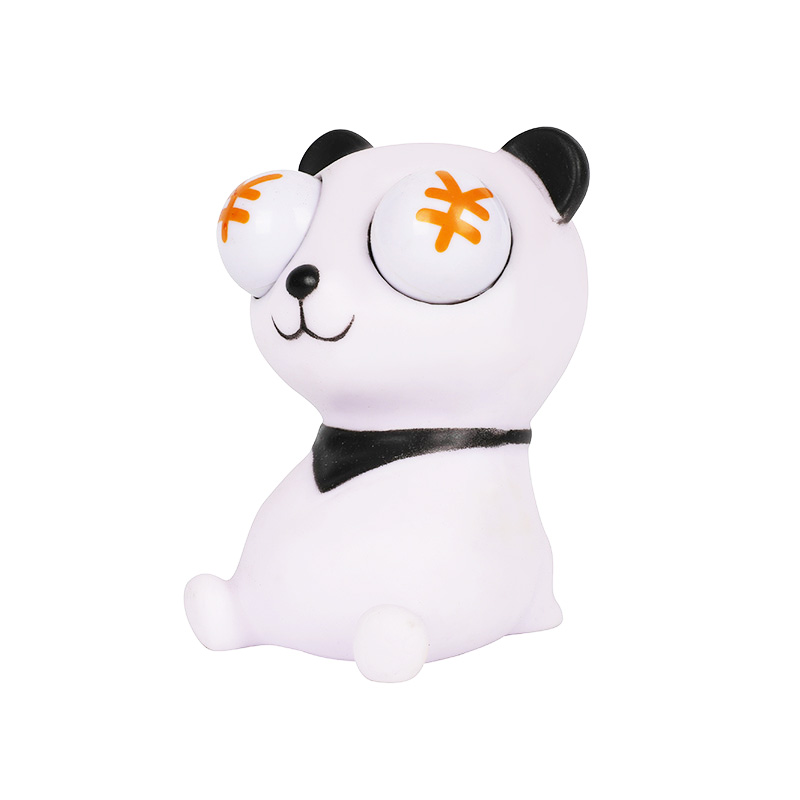
Pop-eyed Panda
Enter the whimsical world of the Pop-eye series with our delightful creation, the Pop-eyed Panda. Designed to bring joy and relieve stress, this squee...
View More -
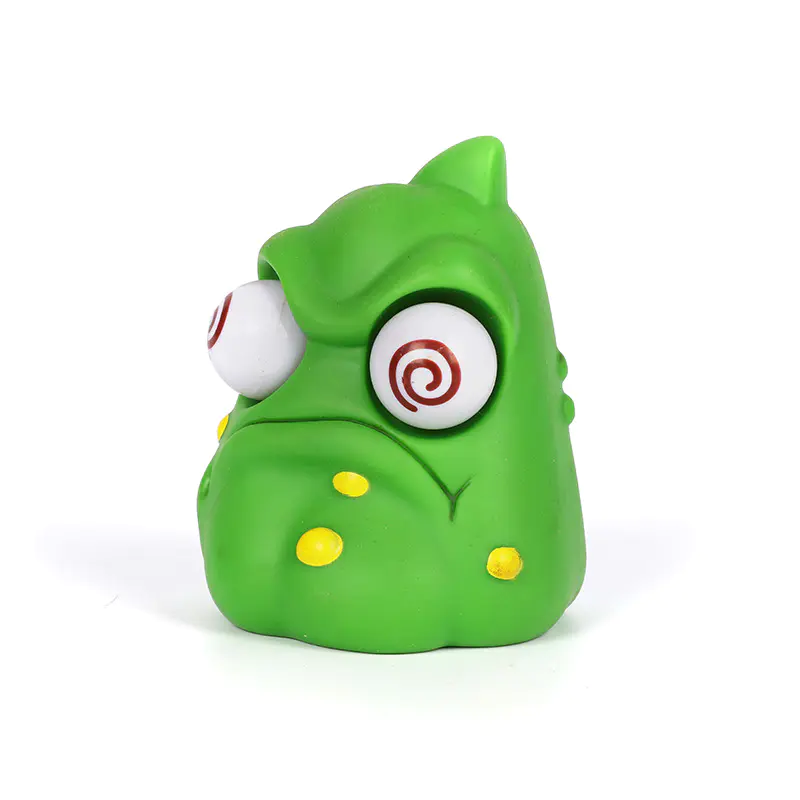
Staring Glowing Decompression Series
Step into the whimsical world of the Pop-eye series, where fun and functionality collide to bring you the Staring Glowing Decompression Series. These ...
View More -
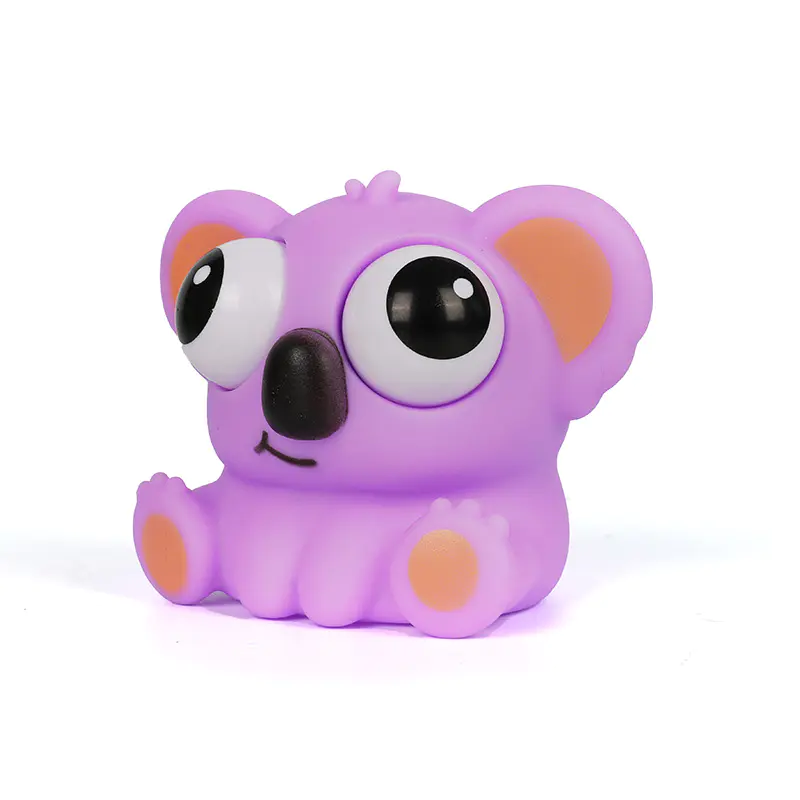
Cute Little Animal Series (Big-eyed)
Welcome to the enchanting world of our Cute Little Animal Series (Big-eyed), a delightful addition to our renowned Pop-eye Collection. These captivati...
View More -
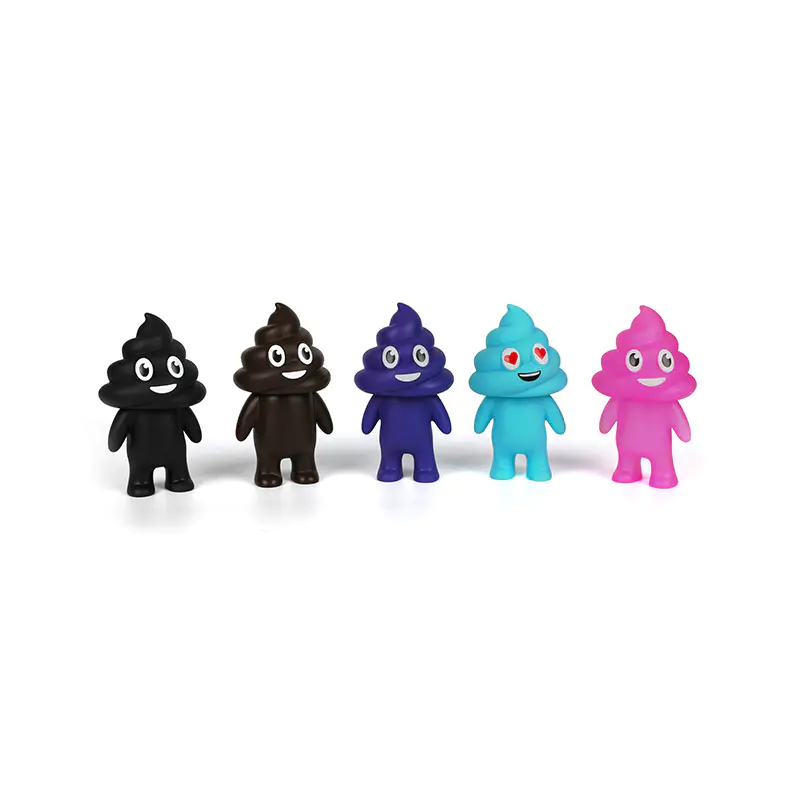
Poop People Series
Introducing the Poop People Series, a unique and playful line of collectible figures that bring humor and joy to toy collections everywhere. These qui...
View More -
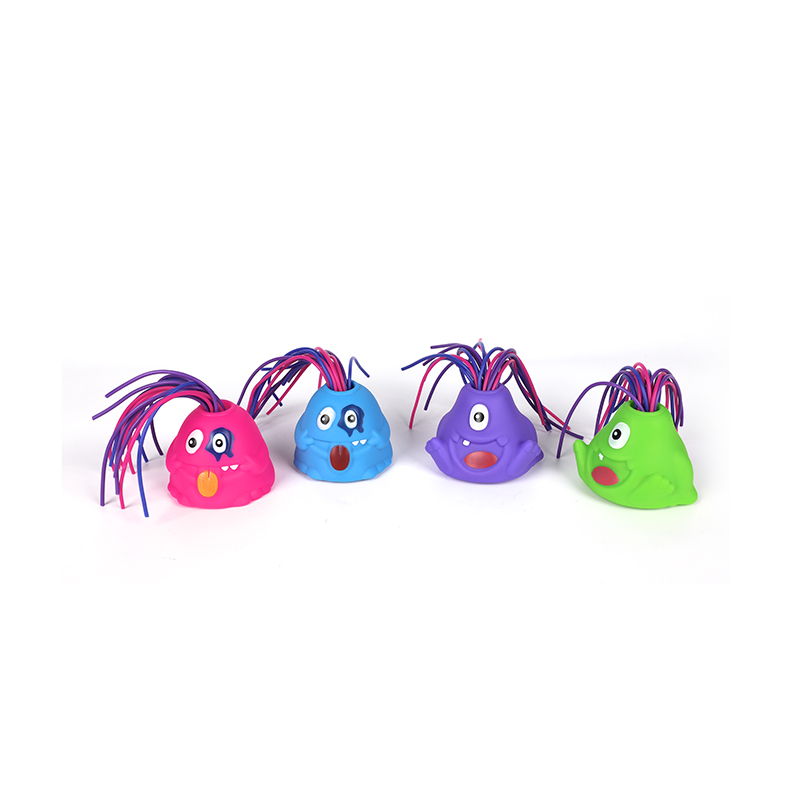
Fun Hair-Pulling Monster Stress Relief Anti-Anxiety Sound Toys
Laughter is one of the best ways to release stress, and Hair-Pulling Sound Toys are designed to do exactly that. These playful screaming monster figur...
View More -
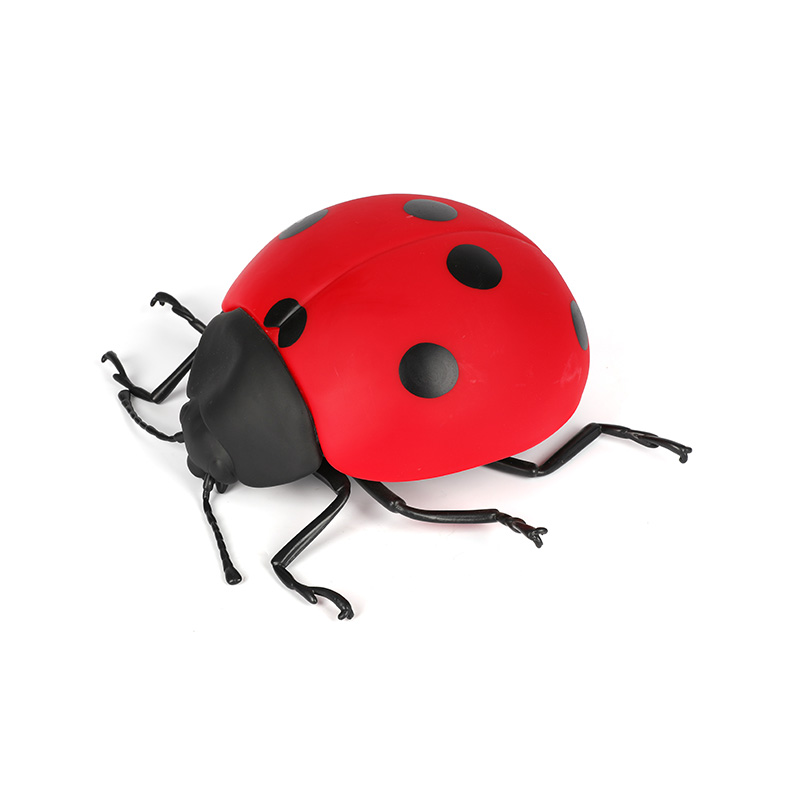
Beetle, Beetle Model Toys
Our Beetle Model Toys are pretty popular with kids and bug fans these days. We put real effort into making these beetle figures so they look detailed ...
View More -
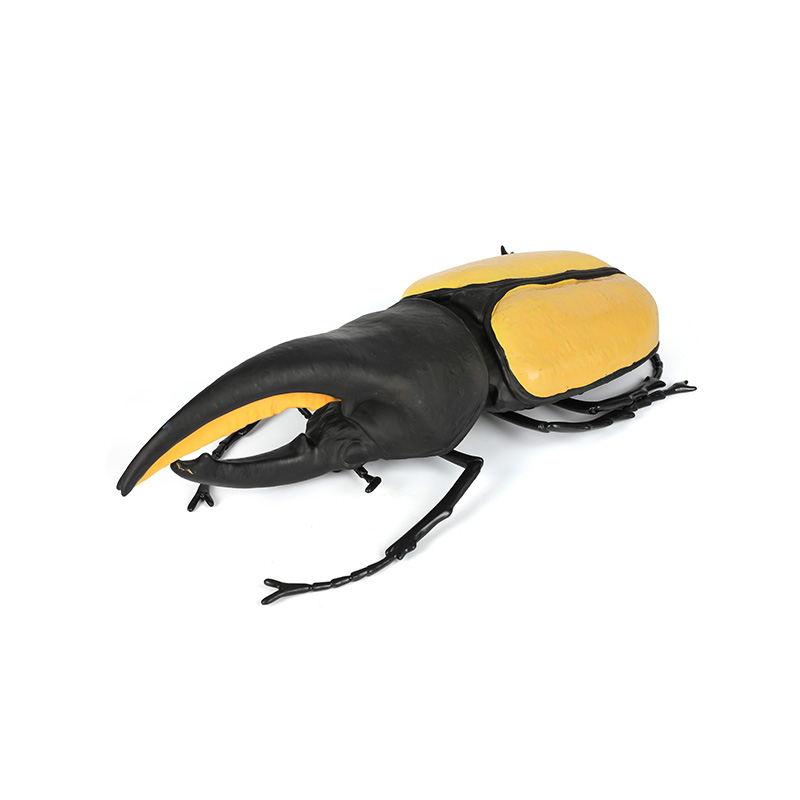
Beetle, Beetle Model Toys
Welcome to the world of Beetle Model Toys, where intricate design meets playful imagination. Our Beetle models are meticulously crafted to provide not...
View More -
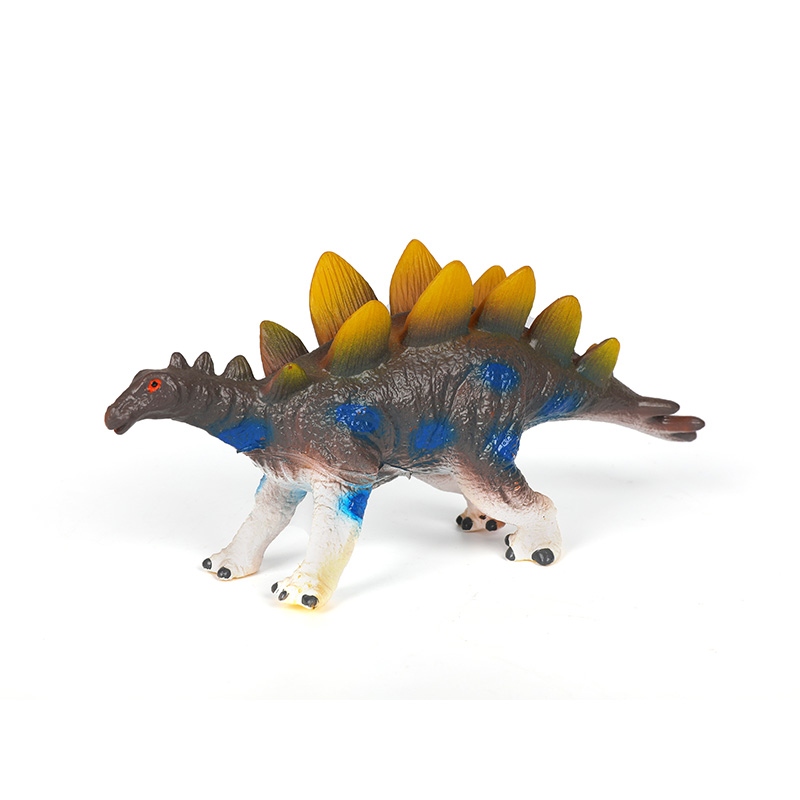
Diversity Series Dinosaur Model Puzzle Toys
Our Dinosaur Model Toys are really popular with kids these days. We make these dinosaur figures with a lot of care so they look real, help kids learn,...
View More

Copyright © Jinhua Blue Eagle Toys Technology Co., Ltd. All Rights
Reserved.

Information
-

+86 18072335560
-

-
 Weiyingsheng Industrial Co., Ltd., Yangbu Town Industrial Zone, Wucheng District, Jinhua City, Zhejiang Province
Links
Contact Us
Educational Model Toys Company