

 English
 English
 русский
 Español
- Type:
- Industry News
- Date
- 2026-Aug-21
Industry News
What Tips Help Keep Duck Toy Set Clean After Daily Use
Pet toys go through a lot of contact over their lifetime. Mouths carry saliva, paws track in dirt from the floor, and tugging or chewing transfers oils straight from skin and fur onto the surface. Over time, those materials build up layer by layer. A toy that started out clean gradually ends up coated in residue nobody really notices happening.
Regular cleaning cuts down on that buildup and keeps hygiene in check. A toy can look perfectly clean while still harboring residues that aren't visible at a glance. Cleaning removes both the obvious dirt and that quieter layer of oils and moisture accumulating underneath.
Cleaning frequency should track actual usage. A toy that comes out once a week needs far less attention than one used daily, since daily play means daily exposure to saliva, floor dirt, and handling all over again. The cleaning schedule really just needs to match how the toy actually gets used.
Understanding these cleaning needs helps owners take care of toys properly. Different materials and constructions call for different approaches, and a routine that works well on one toy might do nothing useful for another.
How Different Materials Affect Cleaning Methods
Pet toys come in a range of materials, and each one responds to cleaning differently. Some surfaces wipe clean with barely any effort using a damp cloth; others trap dirt in small crevices that take real work to reach.
Plastic and vinyl surfaces tend to be smooth and non‑porous, so dirt sits on top rather than working its way in. These materials clean up easily with mild soap and water — a soft cloth handles most residue without much fuss.
Fabric toys bring a different set of challenges. Fibers trap dirt and moisture down inside the material itself, so simple wiping won't get everything out. Fabric often needs a proper wash or soak to reach whatever's held within the weave.
Material type really does dictate which cleaning method actually works:
- Plastic: Wipe with a damp cloth and mild soap
- Fabric: Wash or soak, then let it dry thoroughly
- Rubber: Wash with soap and water, rinse well
- Vinyl: Wipe clean, avoid harsh chemicals
The same cleaning approach rarely works across every material. What cleans plastic well might do nothing for fabric, and using the wrong method risks damaging the toy or leaving residue behind instead of removing it.
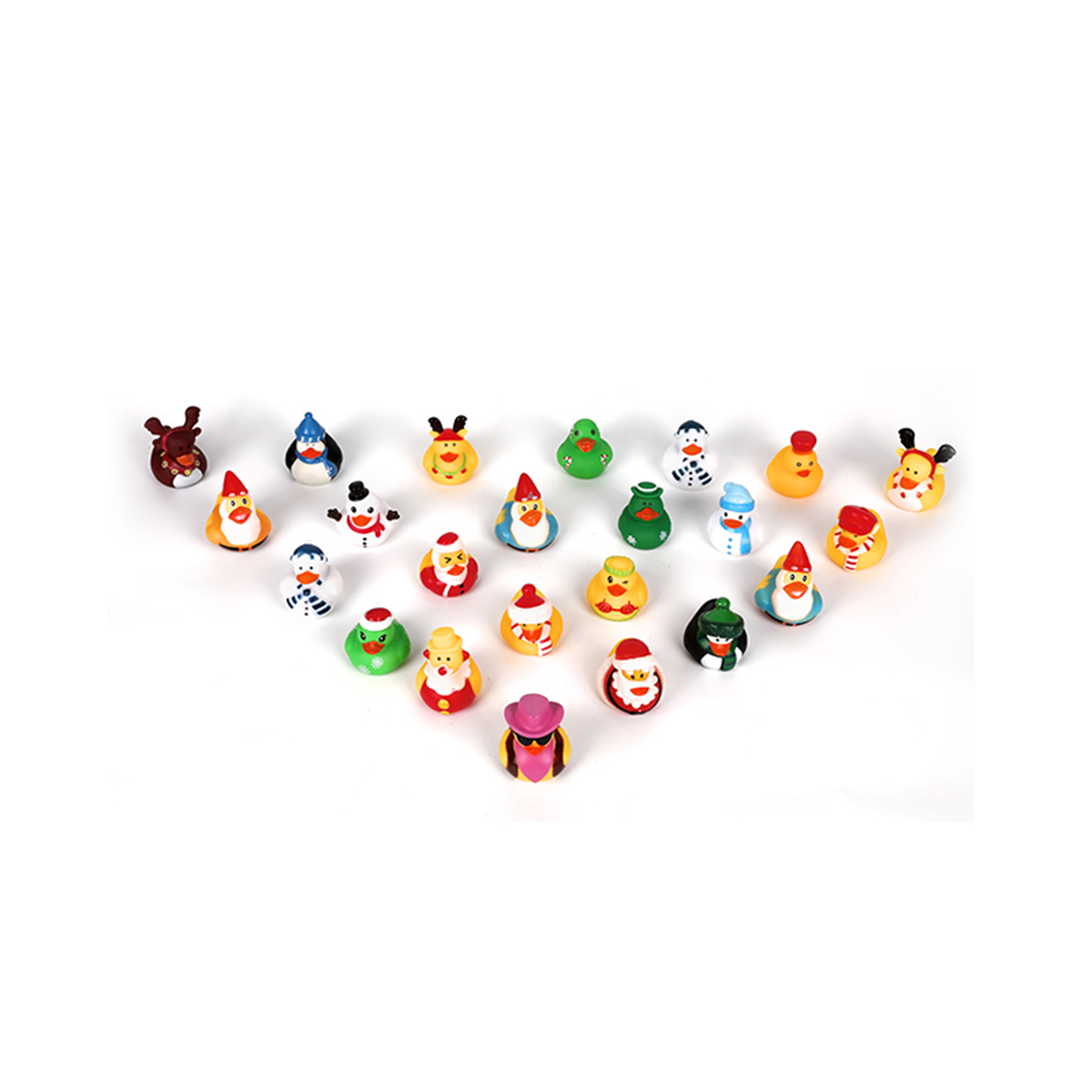
A Duck Toy Set often combines several materials in one product, so the cleaning routine needs to account for each piece separately rather than treating the whole toy the same way.
How Daily Handling Affects Toy Condition
Every play session leaves something behind on a toy's surface. Saliva brings moisture and enzymes, paws bring dirt and oils, and these materials accumulate with each round of play.
Contact with mouths and paws transfers oils and moisture steadily throughout the day. A toy that starts out clean in the morning ends the day with a layer of residue on it — thin enough to go unnoticed at first, but building up gradually with repeated use.
Some of that residue evaporates on its own; some sticks around. What remains slowly changes the toy's overall condition, bit by bit, session after session.
Surface texture plays a real role in how much residue actually clings. Smooth surfaces hold onto far less than textured ones, since a textured toy traps more material within its surface features naturally.
Handling without any cleaning in between leads to gradual buildup that's easy to miss simply because it happens slowly. A regular cleaning schedule keeps that buildup from ever reaching a noticeable point.
How Washing Methods Apply to Different Toy Types
Washing remains a go‑to approach for toy cleaning, though the right method depends heavily on what the toy is made of and what kind of dirt needs removing.
Some toys handle full submersion in water just fine. Plastic and rubber toys can go straight into a sink or basin, with soap lifting surface residue and a good rinse clearing away the soap afterward.
Others call for surface cleaning only. Toys built with electronics or sensitive materials shouldn't be submerged at all — a damp cloth or wipe is the safer route there.
Washing temperature affects how well the cleaning actually works. Warm water dissolves oils and residues more effectively than cold water manages, though hot water can damage certain materials if it's too aggressive.
Drying method matters for how quickly a toy becomes usable again. Air drying takes longer but stays safe across every material type, while towel drying speeds things up nicely for non‑porous surfaces.
| Material | Washing Method | Drying Approach |
|---|---|---|
| Plastic | Submerge in warm soapy water | Towel dry or air dry |
| Rubber | Submerge in warm soapy water | Air dry |
| Fabric | Submerge or machine wash | Air dry thoroughly |
| Vinyl | Wipe with damp cloth | Towel dry |
A Duck Toy Set with mixed materials often needs different washing methods for different pieces within the same set. Identifying what each piece is actually made of makes it much easier to pick the right approach for it.
Where Storage Practices Influence Cleanliness
Storage location shapes how much dust and dirt settles onto toys between uses. A toy tucked away in a closed cupboard stays noticeably cleaner than one left sitting out on the floor.
Enclosed storage shields toys from airborne particles that would otherwise settle on anything left exposed. A closed box or drawer keeps dust well away from the toy's surface.
Open storage, on the other hand, exposes toys to more contaminants over time. Open bins let dust settle in freely, and pets may end up handling stored toys between actual play sessions too.
Storage conditions directly affect how long a toy stays clean after washing. A clean toy tucked into a closed space stays that way far longer than one left out, which can pick up dust within a short stretch of time.
Drying benefits from the right storage conditions too. A toy that's still damp needs airflow to finish drying properly — sealing a damp toy into an enclosed space just creates conditions that aren't great for it. Letting a toy dry completely before putting it away tends to serve it far better in the long run.
How Surface Cleaning Compares With Deep Cleaning
Cleaning a toy can mean quite different things depending on what's actually being removed. Surface cleaning and deep cleaning serve genuinely different purposes, even though both fall under the same general label.
Surface cleaning handles visible dirt. A quick wipe with a damp cloth takes care of dust and light residue, and that's usually enough for toys used lightly with little buildup showing.
Deep cleaning goes after residues that settle deeper into a surface. Materials like fabric, rubber, or textured plastic tend to trap oils and moisture beneath what's visible, so a deeper clean often calls for soaking, scrubbing, or full submersion.
Which method makes sense really depends on the toy's condition at the time. A toy used daily tends to need deep cleaning more often, and visible buildup on any toy signals it's due for that deeper approach regardless of how frequently it gets used.
Different situations call for different cleaning depth:
- Light use: Surface wiping does the job
- Moderate use: Surface cleaning plus mild scrubbing
- Heavy use: Deep cleaning at regular intervals
- Visible buildup: Deep cleaning required
A Duck Toy Set with several pieces might have some items needing deep cleaning while others get by fine with surface cleaning alone. Checking each piece's condition before diving in helps decide which approach actually fits.
How Drying Affects Toy Condition After Cleaning
Drying makes up an important part of the cleaning process, not just an afterthought tacked onto the end. Moisture left sitting on a toy's surface can attract dust and create conditions that aren't great for the material underneath.
Proper drying heads off water spots and mineral residue. Hard water in particular can leave behind spots that only become noticeable once the toy has fully dried, making the toy look less clean than it actually is.
Drying time shifts depending on material and method used. Smooth materials dry quickly with a towel, while textured materials and fabric need extra time for air to reach every surface properly.
Complete drying before the toy gets used again really does matter for its condition. A toy that's still damp attracts dust straight out of the air, since dust sticks to damp surfaces far more readily than it does to dry ones.
A few drying tips worth keeping in mind:
- Use a clean towel for non‑porous surfaces
- Air dry fabric toys in a well‑ventilated spot
- Turn toys over so all sides get a chance to dry
- Give textured surfaces extra time
Proper drying keeps a toy in better shape between uses. An interactive duck toy, with its mix of parts, may need different drying approaches across those different components.
How Cleaning Frequency Should Match Use Patterns
The cleaning schedule really ought to reflect how often the toys actually get used. Daily use points toward daily or near‑daily cleaning; occasional use allows for a much lighter touch.
Heavier use naturally calls for more frequent cleaning. A toy that comes out every single day faces more exposure to saliva, dirt, and oils than one used sparingly, so building in light daily cleaning helps head off gradual buildup before it becomes a real chore.
Use patterns vary widely across households, too. Some pets play with toys throughout the day; others stick to specific play sessions and leave toys alone the rest of the time. The cleaning schedule works best when it follows the actual pattern in a given household rather than sticking to some fixed calendar.
How use and cleaning interact shapes a toy's condition over the long haul. Consistent cleaning keeps toys in noticeably better shape over time, while irregular cleaning lets residues pile up and turn harder to remove later on.
A regular schedule makes maintaining cleanliness far more manageable day to day. Following a routine tends to be easier for people than trying to remember periodic deep cleanings on some irregular basis.
How Interactive Duck Toy Designs Address Cleaning Needs
Interactive duck toy products often build in design features aimed at making cleaning easier. Some designs feature smooth surfaces that wipe clean without effort; others include components that pull apart for separate cleaning.
Design approaches vary quite a bit across products:
- Smooth plastic surfaces: Easy to wipe clean
- Textured or fabric areas: Tend to trap dirt more readily
- Simple shapes: Easier to clean than complex ones
- Multiple components: May need individual attention
Some designs factor in cleaning access right from the development stage. How easily someone can reach every surface directly affects how thoroughly the toy can actually be cleaned in practice.
Features that support cleaning include removable parts, smooth surfaces, and designs that avoid trapping dirt in hard‑to‑reach spots. When picking out an interactive duck toy, cleaning needs sit alongside play value and durability as factors worth weighing together.
What Should Be Considered When Planning Toy Cleaning Routines
Several factors shape how often and how thoroughly toys actually need cleaning. Weighing each one helps build a routine that keeps toys in solid condition without turning into a burden.
| Factor | How It Affects Cleaning Planning |
|---|---|
| Toy material and construction | Determines which cleaning methods work |
| Frequency of use | Indicates how often cleaning should happen |
| Cleaning supplies | Affects what methods are practical |
| Drying time and location | Influences when toys are ready for use |
| Storage conditions | Affects how long toys stay clean |
| Visibility of dirt | Helps decide when cleaning is needed |
| Time available | Shapes what routine is realistic |
Toy material and construction — what's the toy actually made of? Smooth materials need less effort overall, while textured and fabric toys demand more attention throughout.
Frequency of use — daily use calls for a regular cleaning rhythm; occasional use allows for far less frequent attention.
Cleaning supplies and equipment — what's actually on hand for cleaning shapes which methods are even practical to use.
Drying time and location — where and how toys dry affects when they're actually ready for the next round of play.
Storage conditions — toys left out in open areas collect dust noticeably faster than those tucked into closed spaces.
Visibility of dirt or residue — visible dirt is simple enough to spot and clean, though invisible residue still deserves regular attention even when nothing looks obviously dirty.
Time available for cleaning — a routine needs to fit into everyday life realistically. Overly complicated routines rarely get followed consistently, no matter how well‑intentioned they start out.
Planning a cleaning routine comes down to balancing all these factors together. What works well for one household might not suit another at all. The real goal is keeping toys clean without turning the process into something too demanding to actually stick with.
Related Products
-
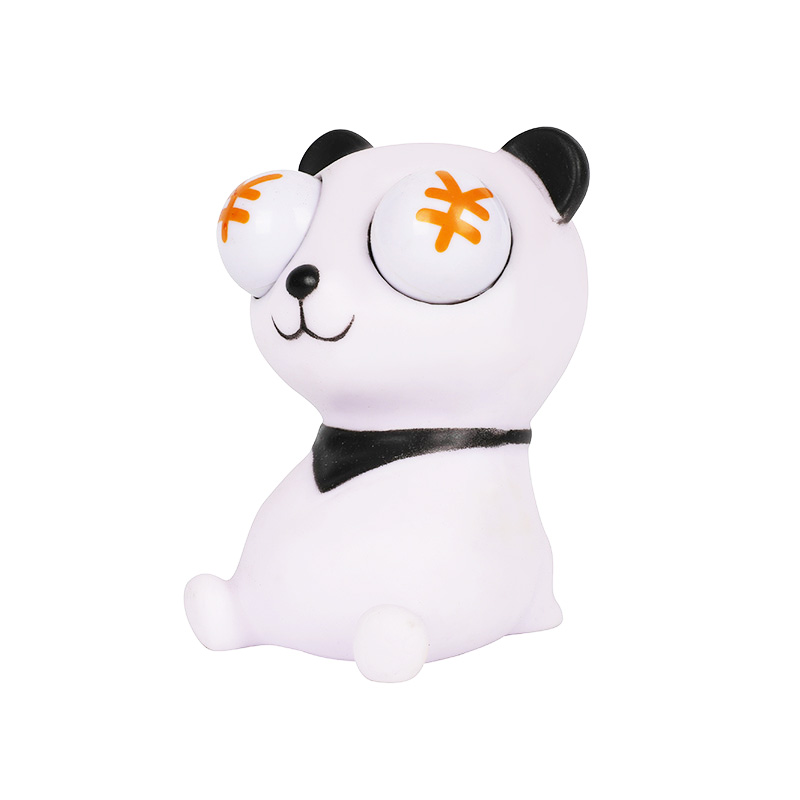
Pop-eyed Panda
Enter the whimsical world of the Pop-eye series with our delightful creation, the Pop-eyed Panda. Designed to bring joy and relieve stress, this squee...
View More -
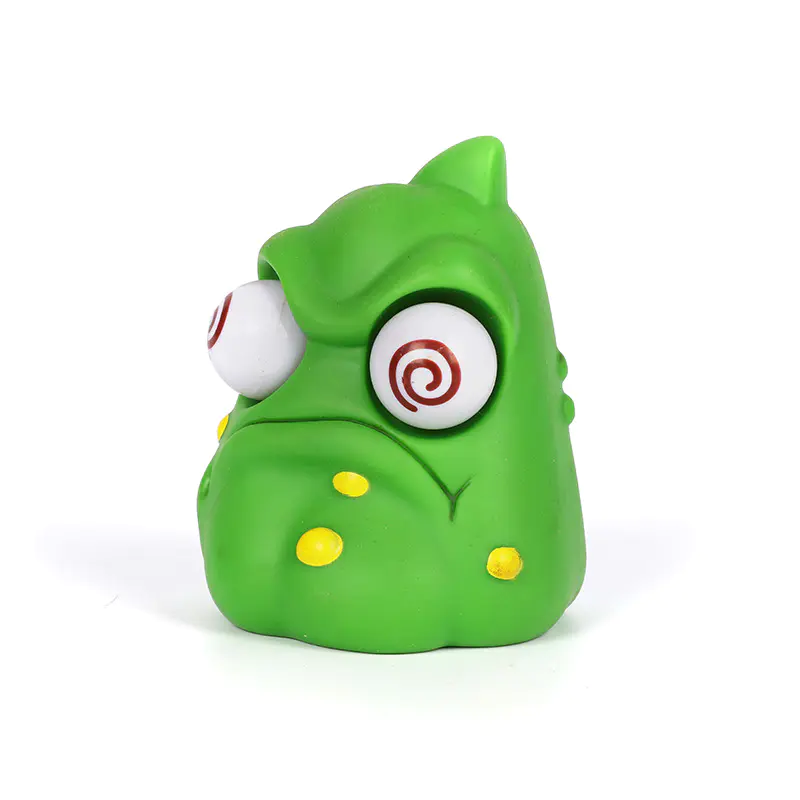
Staring Glowing Decompression Series
Step into the whimsical world of the Pop-eye series, where fun and functionality collide to bring you the Staring Glowing Decompression Series. These ...
View More -
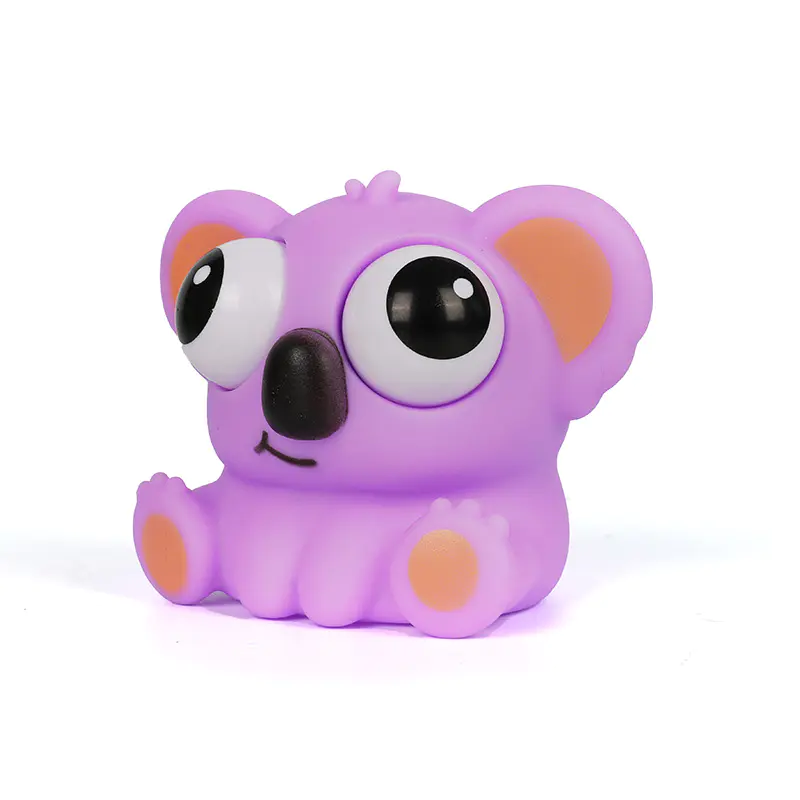
Cute Little Animal Series (Big-eyed)
Welcome to the enchanting world of our Cute Little Animal Series (Big-eyed), a delightful addition to our renowned Pop-eye Collection. These captivati...
View More -
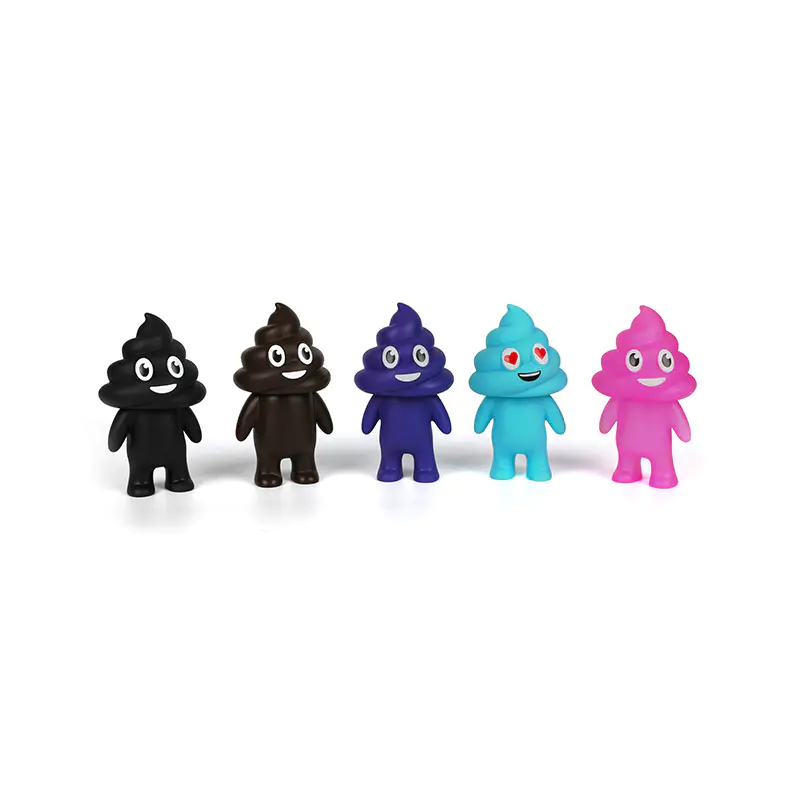
Poop People Series
Introducing the Poop People Series, a unique and playful line of collectible figures that bring humor and joy to toy collections everywhere. These qui...
View More -
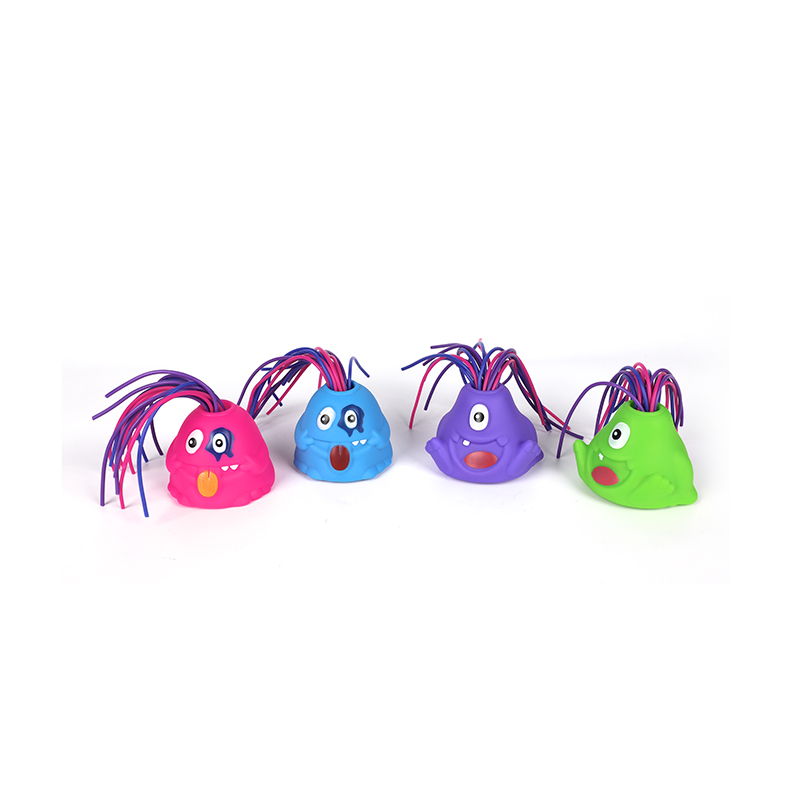
Fun Hair-Pulling Monster Stress Relief Anti-Anxiety Sound Toys
Laughter is one of the best ways to release stress, and Hair-Pulling Sound Toys are designed to do exactly that. These playful screaming monster figur...
View More -
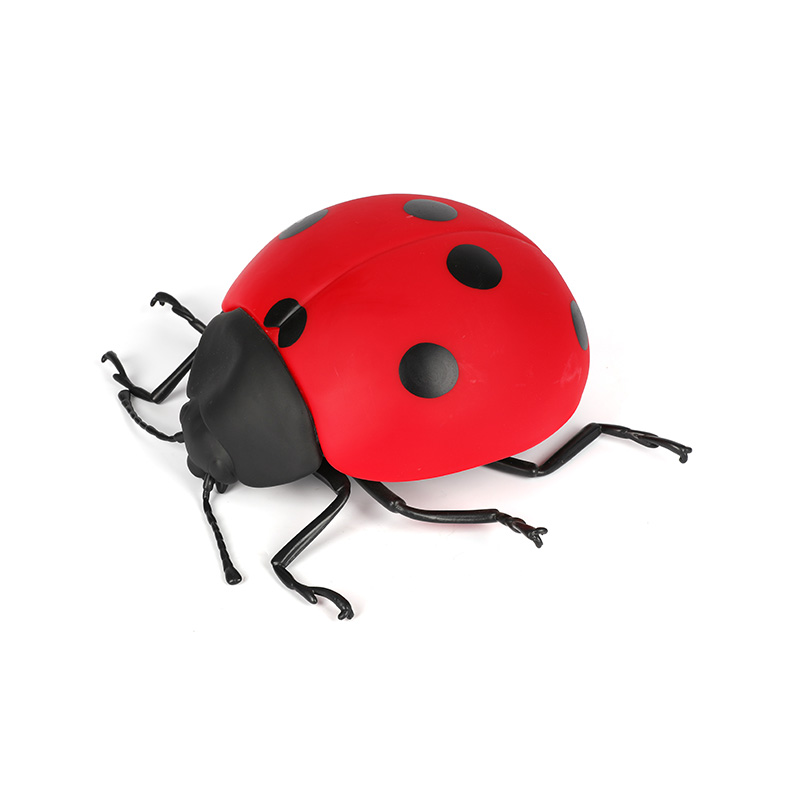
Beetle, Beetle Model Toys
Our Beetle Model Toys are pretty popular with kids and bug fans these days. We put real effort into making these beetle figures so they look detailed ...
View More -
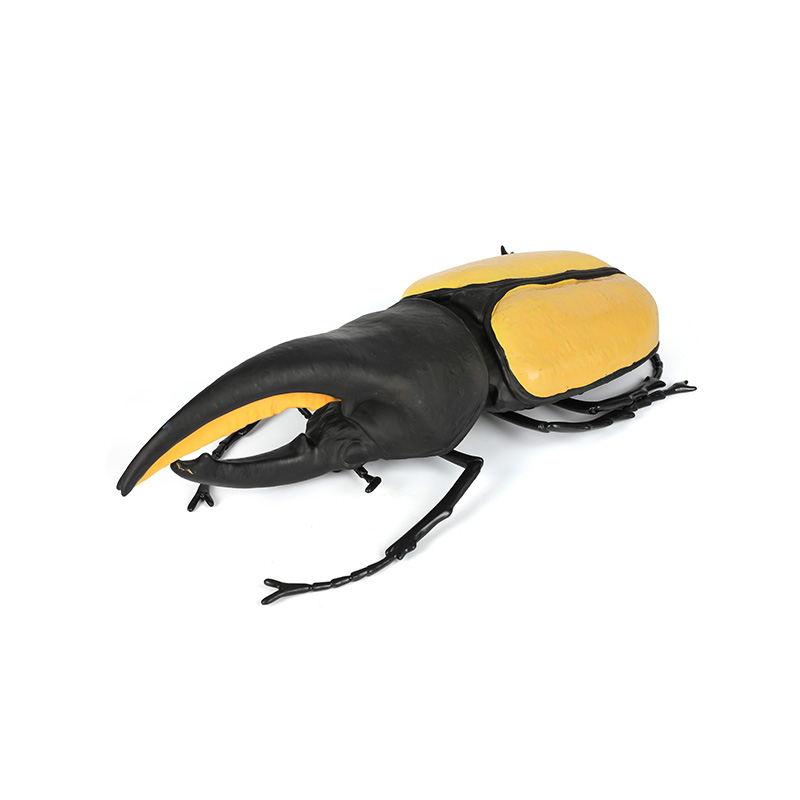
Beetle, Beetle Model Toys
Welcome to the world of Beetle Model Toys, where intricate design meets playful imagination. Our Beetle models are meticulously crafted to provide not...
View More -
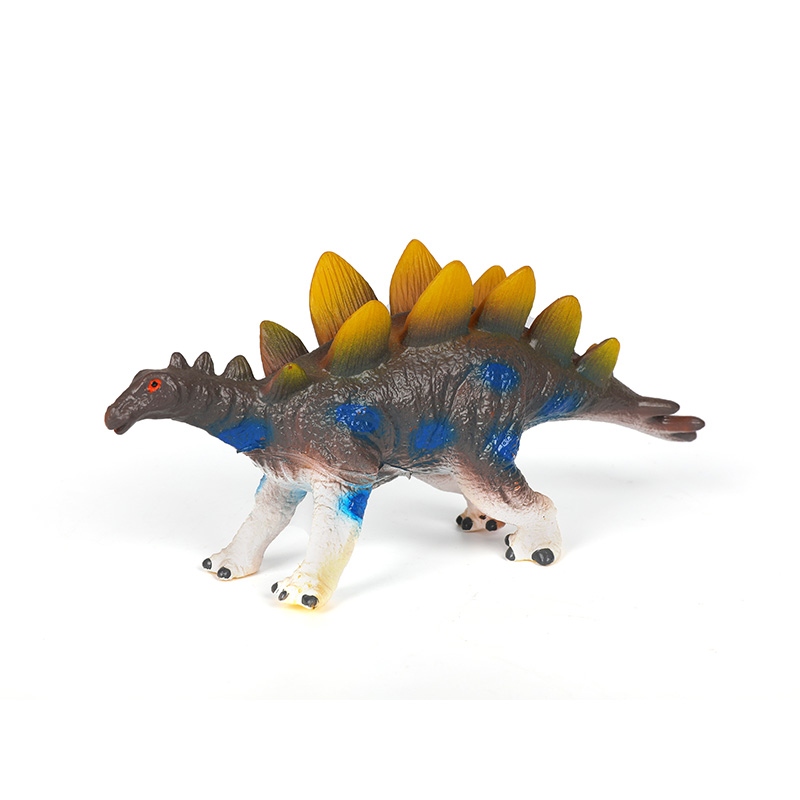
Diversity Series Dinosaur Model Puzzle Toys
Our Dinosaur Model Toys are really popular with kids these days. We make these dinosaur figures with a lot of care so they look real, help kids learn,...
View More
Copyright © Jinhua Blue Eagle Toys Technology Co., Ltd. All Rights
Reserved.

Information
-

+86 18072335560
-

-
 Weiyingsheng Industrial Co., Ltd., Yangbu Town Industrial Zone, Wucheng District, Jinhua City, Zhejiang Province
Links
Contact Us
Educational Model Toys Company