

 English
 English
 русский
 Español
- Type:
- Industry News
- Date
- 2026-Aug-28
Industry News
Which Fidget Bubble Toy Designs Encourage Creative Play
A simple pressing action can become much more than a repeated hand movement when a toy leaves room for different ways to play. Shape, bubble placement, color, texture, and the feel of each press can all influence how a child interacts with a Fidget Bubble Toy.
Some designs naturally suggest a particular activity, while others leave more space for children to create their own rules. A row of bubbles might become a counting game, for example, while a character‑shaped surface may become part of an imaginary story. No complicated mechanism is required for such changes. A small adjustment in layout can give a familiar action a new purpose.
Material also plays a part. A Silicone Bubble Toy can offer a soft, flexible surface with bubbles that move under finger pressure and return after being pressed. Such physical feedback can make children curious about what happens when they press different areas, change the order, or combine pressing with another activity.
Creative play often develops from simple choices. Rather than following one fixed instruction, children can decide what a shape means, create a rule around a color, or turn a group of bubbles into part of a story. Design decisions can either support that freedom or make it harder.
What Makes a Fidget Bubble Toy Suitable for Creative Play
Creative play does not always need a large number of functions. A simple surface can offer plenty of possibilities when children can decide how to use it.
Pressing one bubble can become a starting point. A child may press bubbles in a certain order, copy a pattern, create a rhythm, or ask another person to follow the same sequence. Another child may ignore all of those ideas and use the toy as part of pretend play.
Open‑ended design generally leaves several possible actions available. Shape and color can provide suggestions without forcing a single answer.
Several design features can contribute to that flexibility:
- Different bubble arrangements
- Recognizable or imaginative shapes
- Clear color groups
- Comfortable tactile surfaces
- Enough space for individual finger movement
- Layouts that can support simple self‑created rules
A toy becomes more interesting from a creative perspective when the physical design does not dictate every step. Children can then change activities according to their mood, age, surroundings, or imagination.
How Do Different Shapes Change the Way Children Play
Shape can influence the first idea that comes to mind. A round toy may feel neutral and leave the play direction open, while an animal, vehicle, fruit, or character‑inspired outline can suggest a story.
A familiar shape can act as a visual prompt. An animal‑shaped toy might become part of a pretend zoo, while a vehicle‑shaped design could appear in a make‑believe journey. Bubble pressing then becomes one small action inside a larger imaginary setting.
Unusual shapes can work in another way. Children may invent their own meaning rather than connecting the toy with a familiar object. A strange outline might become a planet, a creature, a map, or something entirely different.
Shape can also affect hand movement. Narrow sections may encourage pressing along a path, while wider areas can allow several fingers to work around the surface. Designers therefore need to consider both visual meaning and physical use.
Can Bubble Arrangement Influence Play Ideas
Bubble placement can turn a simple pressing surface into a small activity area. Rows may encourage counting or turn‑taking, while groups can support matching and pattern games.
A child might create a rule such as pressing every other bubble, following a color sequence, or copying another player's pattern. Rules can change during play, which gives the same layout a different purpose from one activity to another.
Clusters offer another possibility. Several bubbles grouped together may invite children to compare areas, create paths, or make up a challenge involving which bubble should be pressed next.
| Bubble Layout | Possible Play Idea | Creative Possibility |
|---|---|---|
| Straight Rows | Counting or Turn Taking | Create New Pressing Rules |
| Color Groups | Matching or Sorting | Make Personal Color Patterns |
| Clustered Bubbles | Selection Games | Invent Paths or Challenges |
| Mixed Arrangement | Free Pressing | Create Individual Play Methods |
| Repeating Pattern | Memory or Copying | Change the Pattern During Play |
A flexible arrangement can support both quiet individual play and shared activities. Children may begin with one simple rule and gradually add their own variations.
How Does Color Add Another Layer of Play
Color gives children another feature to notice besides touch. A surface with several colors can become a simple sorting or matching activity, while a single‑color design may place more attention on shape and movement.
Color groups can also become part of invented rules. For example, one color might mean pressing slowly, another might represent a turn, and another could become part of a story. None of those meanings need to be fixed by the designer.
Patterns can provide another source of play. Children may try to remember a color order, copy a sequence made by someone else, or create a new arrangement using their own rules.
Visual variety works best when colors remain easy to distinguish. Too much visual information can make a simple toy harder to read, especially when bubble shapes and surrounding graphics already contain many details.
Why Does Bubble Size Matter in Interactive Play
Bubble size affects how fingers move across the surface. Larger bubbles may allow a broader finger movement, while smaller ones can encourage more careful pressing.
Spacing matters as well. Bubbles placed close together can create a continuous field of interaction, while wider gaps can make each bubble feel like a separate target.
Different sizes can also create informal challenges. A child might press large bubbles with the palm and smaller ones with individual fingers, creating a new movement pattern without needing formal instructions.
Such differences can make a familiar pressing action feel less repetitive. A varied layout gives children something to compare, follow, change, and experiment with during play.
How Can a Silicone Bubble Toy Support Open Ended Play
Material feel can influence how a child responds to a toy. A Silicone Bubble Toy generally has a soft surface that can be pressed, released, and handled repeatedly. Each action provides a physical response, allowing children to notice the connection between movement and result.
Such feedback can become part of imaginative activities. A child may treat each bubble as a button on an imaginary machine, a stepping point in a game, or a small object within a story.
Flexible material can also make the toy easy to combine with other play activities. A child might use it while telling a story, playing a simple matching game, or creating a sequence with another person.
From a design perspective, tactile feedback works alongside visual features. Shape tells the child what the object might represent, color creates visual groups, while the pressing action provides a physical response. Combining those elements can give a simple toy several possible uses without adding complicated functions.
Which Designs Encourage Storytelling and Pretend Play
Recognizable shapes can give creative play a starting point without setting a fixed direction. An animal outline, for example, may become a character in a short story, while a vehicle shape can become part of an imaginary trip. Bubble pressing then becomes one action within a wider game rather than the only activity.
Food, plants, stars, houses, and everyday objects can work in a similar way. Familiar forms are easy to connect with experiences from daily life, while less familiar shapes can leave more room for imagination.
A Fidget Bubble Toy can also be placed beside blocks, drawing materials, small figures, or other simple toys. A child might press bubbles while creating a story, use bubble positions as places on an imaginary map, or assign different meanings to different areas.
Good design does not need to tell children what a shape represents. A clear outline can provide a prompt, while the meaning remains open.
How Can Fidget Bubble Toy Designs Support Simple Games
A pressing surface can become a small game board when players create rules around colors, positions, or sequences. Shared play may begin with a simple task, such as taking turns to press one bubble, then gradually develop into a more flexible activity.
Several easy game ideas can come from the same layout:
- Copying another person's pressing pattern
- Taking turns across different bubble rows
- Choosing a color before each turn
- Creating a sequence and asking another player to repeat it
- Making a path from one side of the toy to another
- Changing a rule after a certain part of the layout has been pressed
Such games do not need fixed instructions. Children can modify a rule when a new idea appears, which gives a familiar toy a changing role during play.
A pattern that begins as a memory activity might become a race, a story, or a cooperative challenge later. Flexible design supports such changes because bubbles can represent different things depending on the game.
How Does Texture Affect Creative Interaction
Texture adds another physical feature beyond pressing. A smooth surface can feel different from a raised bubble, while changes in shape can make certain areas easier to notice through touch.
For a Silicone Bubble Toy, material softness can influence how the surface feels during repeated handling. Children may press, trace, tap, or compare different areas rather than simply pushing bubbles in one direction.
Tactile differences can also become part of a game. A child might close their eyes and identify a bubble by touch, compare large and small areas, or create a rule based on how a surface feels.
Simple texture variation can therefore support experimentation without requiring additional mechanical functions.
Care still matters during design. Raised sections need enough space for comfortable finger movement, while crowded layouts may make individual areas harder to use. A practical balance between texture, spacing, and shape can leave room for both sensory interaction and imaginative play.
What Design Details Can Limit Creative Play
Creative possibilities can narrow when a toy has only one obvious way to interact. A layout built around a single fixed sequence may encourage repetition without giving children much reason to change the activity.
Visual complexity can create another limitation. Too many colors, shapes, decorations, or closely packed bubbles may make it difficult to identify individual areas.
Several design issues can reduce flexibility:
- Bubble spacing that makes pressing uncomfortable
- Patterns that allow little room for new rules
- Decorative elements that distract from the main play area
- Shapes that suggest only one narrow story
- Bubble layouts that are difficult to read visually
- Surfaces that do not provide clear tactile feedback
Simplicity can sometimes create more room for imagination. A child does not need a large number of features when a small set of clear visual and tactile elements can be combined in different ways.
How Can Fidget Bubble Toys Be Used in Group Play
A Fidget Bubble Toy can shift from individual use to shared play with very little change in setup. Several children can take turns, create a shared pattern, or decide on a new rule together.
Turn‑taking introduces a social element to an otherwise personal activity. One child may choose a color, another may press a matching bubble, and another may continue the pattern. Such interaction can encourage listening and cooperation while keeping the physical activity simple.
Group play can also involve storytelling. Each bubble area might represent a place, character, action, or object. As players take turns, each person can add something to the shared story.
Flexible rules are useful here. A fixed sequence may end quickly, while an open arrangement allows new ideas to appear as play continues.
How Can Parents and Educators Encourage Creative Use
Adult involvement can provide a starting point without controlling every step. Open questions can encourage children to create their own ideas around a simple toy.
Questions such as the following can work naturally during play:
- What could the bubbles represent?
- Can a new pattern be created?
- What happens when the colors become part of a game?
- Can another person copy the pressing order?
- Could the toy become part of a story?
No single answer needs to be treated as correct. One child may create a counting activity, while another may turn the same design into a pretend machine.
Combining bubble play with drawing, storytelling, blocks, or simple sorting activities can create additional possibilities. A short pressing game may become part of a longer activity rather than remaining separate from other forms of play.
What Should Designers Consider When Creating New Bubble Toy Shapes
Designers need to balance appearance with practical interaction. An attractive outline has limited value when fingers cannot reach the bubbles comfortably or when the shape makes pressing difficult.
Bubble spacing deserves careful attention because crowded areas can restrict movement, while large gaps may break up a useful pattern. Color selection also needs to support clear visual separation without making the surface confusing.
Material feel is another consideration. A Silicone Bubble Toy needs a surface that feels comfortable during handling while allowing bubbles to respond clearly to pressure.
A useful design review can look at several areas together:
- Shape — Does the outline suggest ideas without restricting imagination?
- Bubble layout — Can the arrangement support different games?
- Color — Are groups and patterns easy to recognize?
- Texture — Does touch add another way to interact?
- Spacing — Can individual bubbles be pressed without awkward movement?
- Flexibility — Can children create their own rules rather than follow one fixed sequence?
Such questions place creative use alongside physical handling during the design process.
How May Fidget Bubble Toy Design Continue to Change
Bubble toys can move beyond simple repetitive pressing when designers give greater attention to open‑ended interaction. Shapes, patterns, colors, and textures can work together without making the play experience complicated.
Future designs may place more attention on flexible layouts that support several activities. A single surface could serve as a quiet tactile object during one moment, a simple game board during another, and part of an imaginative story later.
Customization may also influence design choices. Different shapes and arrangements can suit different interests, while interchangeable or varied visual elements may give children more opportunities to create personal rules.
Creative play often grows from small changes. A different bubble position, a new color pattern, or an unusual outline can turn a familiar pressing action into something with a wider range of uses. For designers and educators, leaving space for personal interpretation can be as important as adding new functions.
Related Products
-
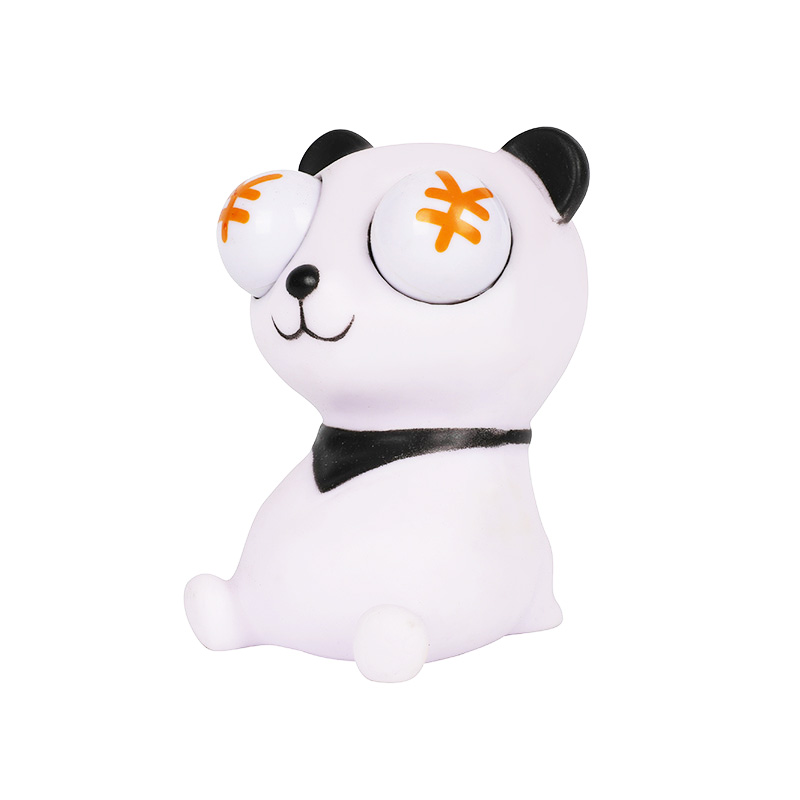
Pop-eyed Panda
Enter the whimsical world of the Pop-eye series with our delightful creation, the Pop-eyed Panda. Designed to bring joy and relieve stress, this squee...
View More -
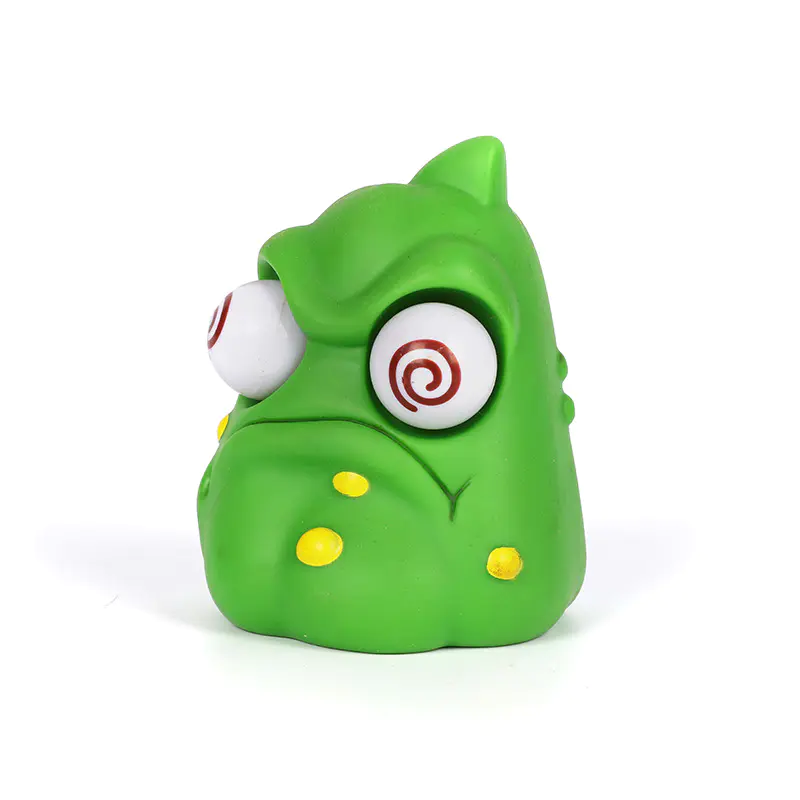
Staring Glowing Decompression Series
Step into the whimsical world of the Pop-eye series, where fun and functionality collide to bring you the Staring Glowing Decompression Series. These ...
View More -
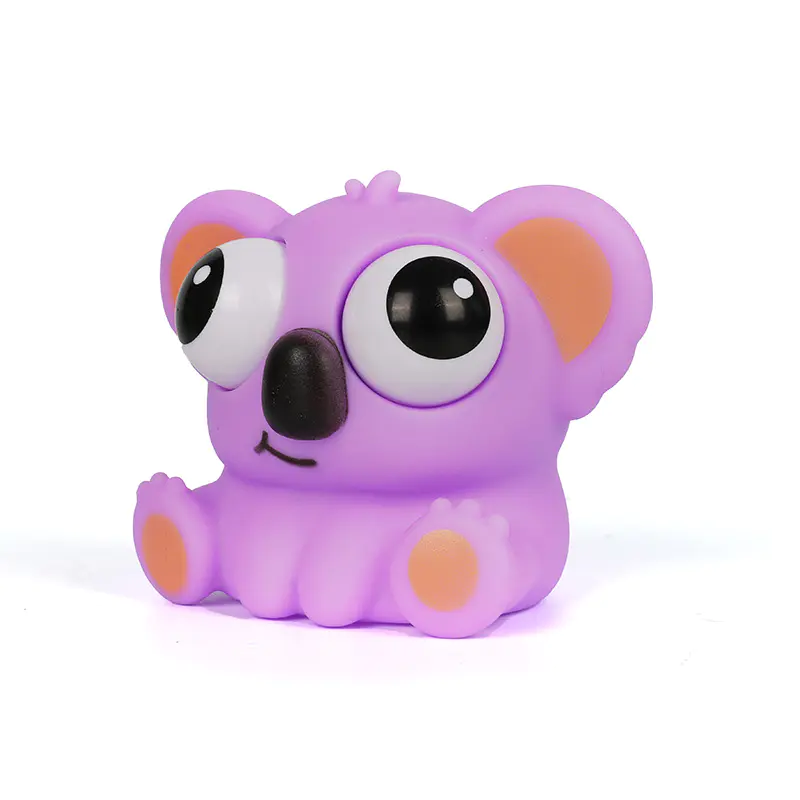
Cute Little Animal Series (Big-eyed)
Welcome to the enchanting world of our Cute Little Animal Series (Big-eyed), a delightful addition to our renowned Pop-eye Collection. These captivati...
View More -
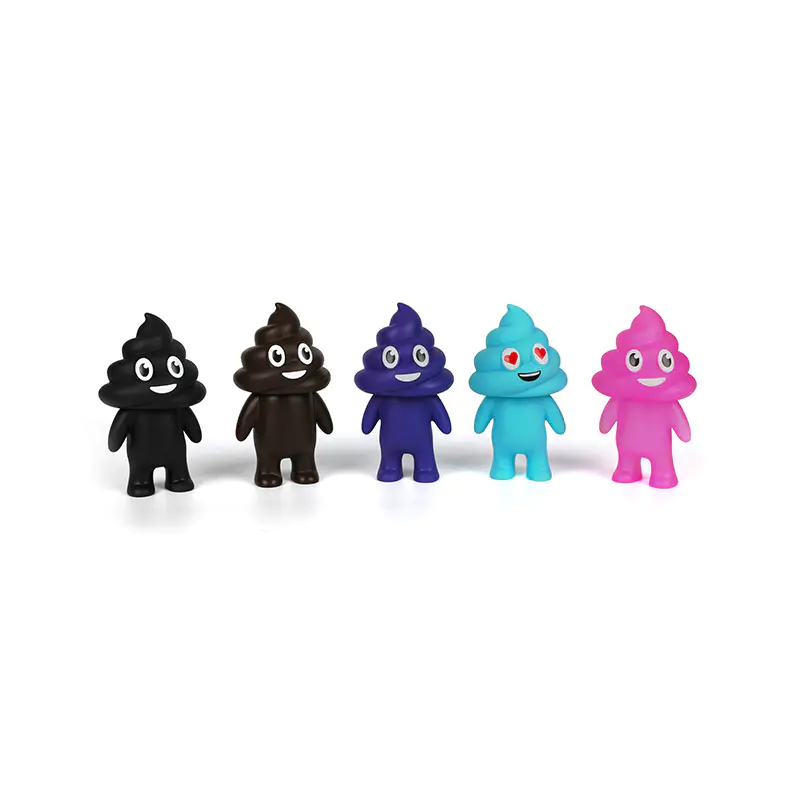
Poop People Series
Introducing the Poop People Series, a unique and playful line of collectible figures that bring humor and joy to toy collections everywhere. These qui...
View More -
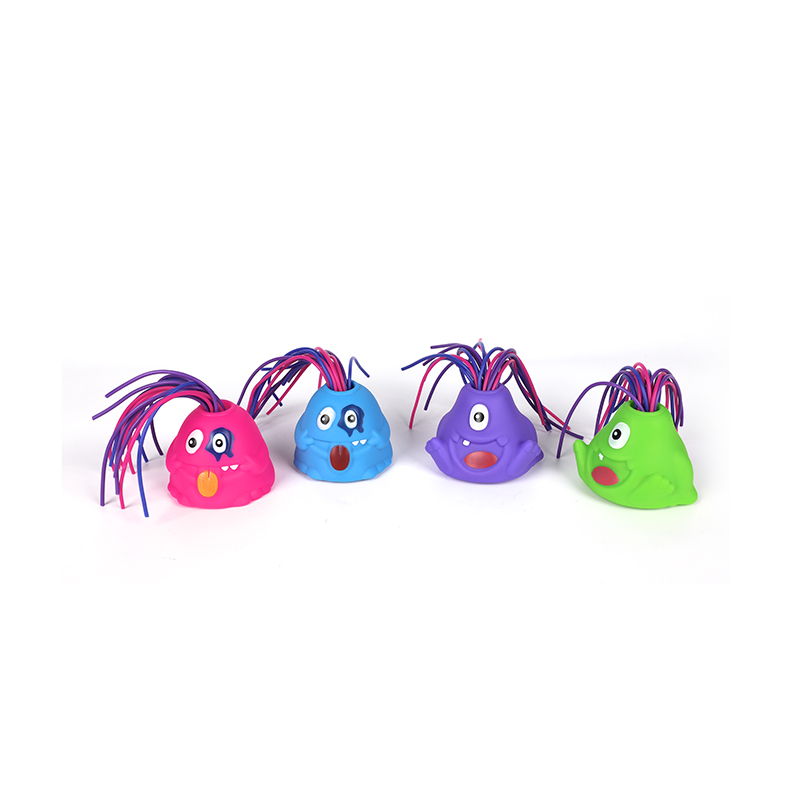
Fun Hair-Pulling Monster Stress Relief Anti-Anxiety Sound Toys
Laughter is one of the best ways to release stress, and Hair-Pulling Sound Toys are designed to do exactly that. These playful screaming monster figur...
View More -
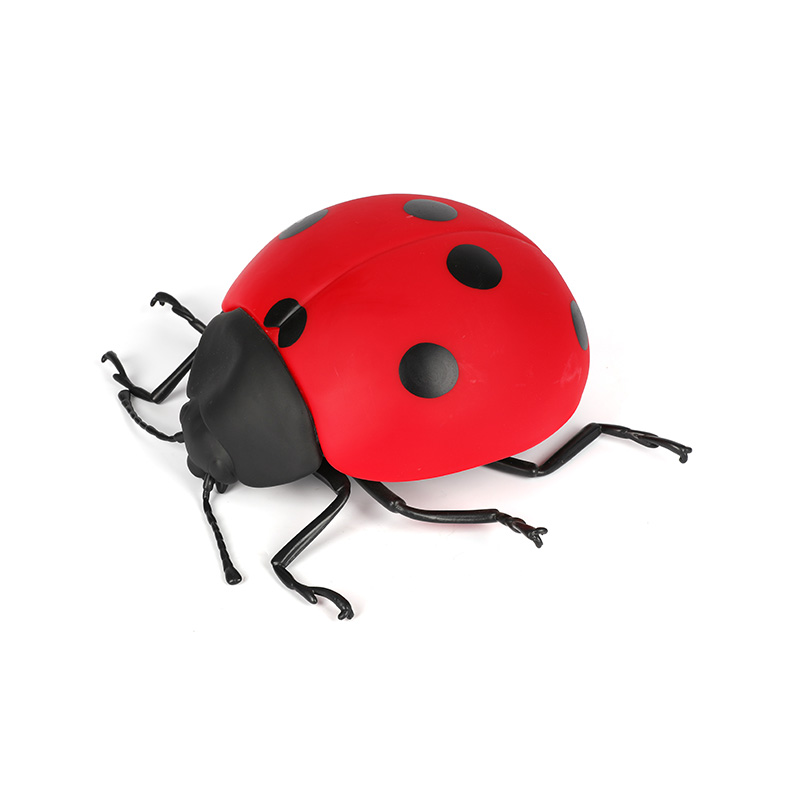
Beetle, Beetle Model Toys
Our Beetle Model Toys are pretty popular with kids and bug fans these days. We put real effort into making these beetle figures so they look detailed ...
View More -
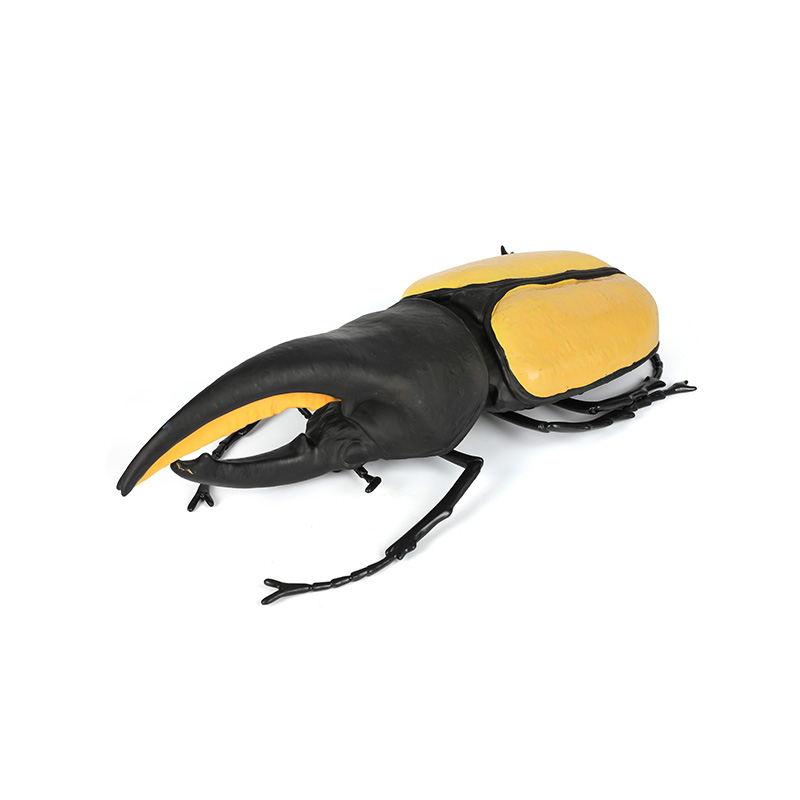
Beetle, Beetle Model Toys
Welcome to the world of Beetle Model Toys, where intricate design meets playful imagination. Our Beetle models are meticulously crafted to provide not...
View More -
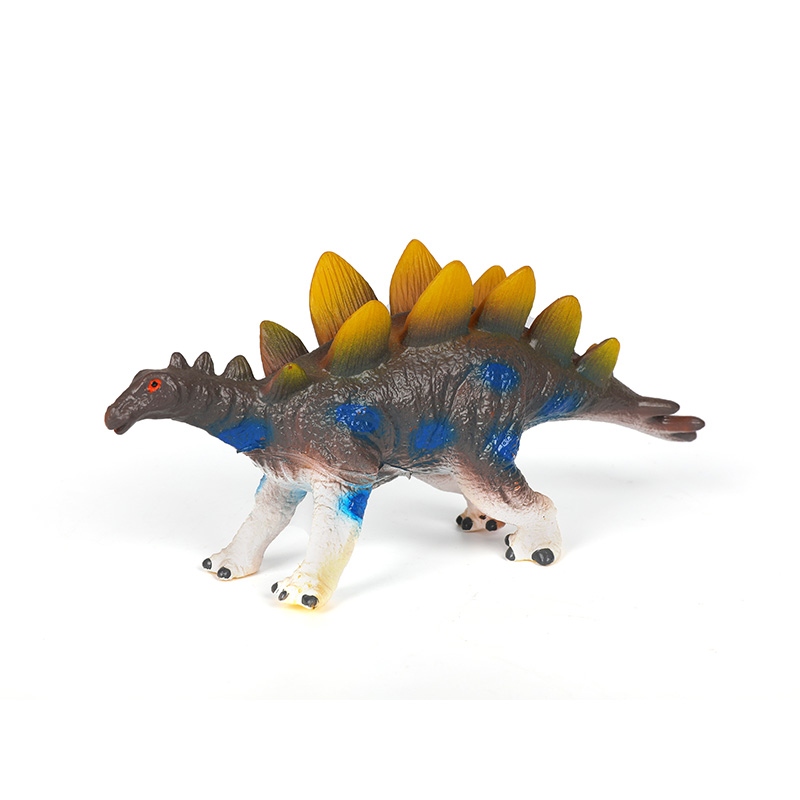
Diversity Series Dinosaur Model Puzzle Toys
Our Dinosaur Model Toys are really popular with kids these days. We make these dinosaur figures with a lot of care so they look real, help kids learn,...
View More

Copyright © Jinhua Blue Eagle Toys Technology Co., Ltd. All Rights
Reserved.

Information
-

+86 18072335560
-

-
 Weiyingsheng Industrial Co., Ltd., Yangbu Town Industrial Zone, Wucheng District, Jinhua City, Zhejiang Province
Links
Contact Us
Educational Model Toys Company