

 English
 English
 русский
 Español
- Type:
- Industry News
- Date
- 2026-Jul-21
Industry News
What Makes Light Up Duck Toy Different From Traditional Toys
Toy design often follows changes in daily play habits. A child may pick up a toy for a few minutes, place it beside a pillow, carry it from room to room, or use it during a quiet moment at home. Under those ordinary situations, shape and texture still matter, yet many toy designs now try to add one more layer of interaction.
Traditional toys usually depend on form, color, and imagination. A child may turn a simple figure into a story character, a travel companion, or part of a pretend scene without the toy needing to do anything extra. A Cartoon Duck Toy fits that pattern well. Its shape feels familiar, and children can use it in different ways without learning how it works.
A Light Up Duck Toy changes that experience in a small but noticeable way. Along with the duck shape, light effects add movement to the toy's appearance. That small change can affect how a child notices the toy, how long it stays interesting, and how it fits into quiet play, bedtime routines, or room decoration.
How Do Traditional Toys Differ From Light Up Toy Designs?
What Features Are Common In Traditional Toys?
Traditional toys usually rely on simple interaction. A child holds them, moves them, places them in a scene, or builds a story around them. The toy does not need to respond in order to stay useful. A small character with a fixed shape can still become a ship captain, a family pet, or a bedtime friend.
That kind of play leaves a lot of room for imagination. A toy with no light, sound, or motion can still support many stories because the child fills in the details. For younger children, a familiar animal shape often works well because it is easy to recognize and easy to remember.
Common features of traditional toys include:
- fixed appearance during use
- simple handling
- room for story-based play
- easy placement in different settings
A Cartoon Duck Toy belongs to that group. Its value often comes from the shape itself, along with the way children use it during daily play. The toy stays the same, while the story around it keeps changing.
How Does Light Up Duck Toy Add Another Layer Of Interaction?
A Light Up Duck Toy brings a visual change into the play experience. Instead of only staying in one form, the toy gives off light that can shift the mood of the room or draw attention during play. That extra response does not replace imagination. It simply changes the way the toy feels in the child's hands.
In a dim room, soft lighting can make the toy more noticeable. During quiet play, the light may become part of the story. At bedtime, the duck shape and the glow may help create a calmer feeling without making the toy complicated to use.
| Traditional Toy Style | Light Interactive Toy Style |
|---|---|
| Fixed look | Light changes the appearance |
| Simple physical play | Physical play plus visual response |
| Story built by imagination | Story shaped by imagination and light |
| Usually used as-is | Feels different in different settings |
The toy remains easy to understand. A child does not need instructions to enjoy it. The main difference lies in the reaction it gives back during use.
Why Does Visual Interaction Change Toy Experience?
How Do Light Effects Influence Children's Attention?
Children usually notice moving or glowing objects very quickly. A small light can make a familiar toy feel new, even when the shape is simple. That matters in daily play because toys often compete with other distractions in the room.
A glowing duck can become a bedtime companion, a quiet-time toy, or a small object that stays near the child after play ends. That kind of presence is different from a toy that sits still without any visual change.
Light effects may support several everyday situations:
- quiet play before sleep
- play in a dim room
- decoration in a child's room
- short moments of attention during family time
The appeal does not come from complexity. A soft visual change can be enough to make a toy easier to notice and easier to remember.
How Does Interactive Design Support Creative Play?
Interactive toys sometimes look more structured than traditional toys, though creative play still depends on the child. A lighted duck may become part of a story, a pretend friend, or a character that appears during a game.
Children often mix toys with daily life. A toy may sit on a shelf during the day, join a story in the evening, and then move beside a bed at night. A light feature can fit into those habits without taking over the whole experience.
Creative use may include:
- building a short story around the duck character
- placing the toy in different rooms
- using the toy during parent-child activities
- turning the light into part of a bedtime routine
A toy that responds in a visual way can make those small moments feel more active, while still leaving room for imagination.
How Does Light Up Duck Toy Combine Appearance And Function?
Why Is Duck Shape Easy To Recognize?
Duck designs stay popular because the shape feels friendly and easy to understand. Children do not need much time to recognize the character. A duck image often looks gentle, simple, and familiar, which makes it suitable for a wide range of toy styles.
That character shape can work in both traditional and light-based designs. A simple duck figure may stay charming on its own, while a lighted version adds another point of interest without changing the core image.
A Cartoon Duck Toy often relies on expression and shape details. A Light Up Duck Toy keeps the same basic character while adding a new visual layer.
How Does Cartoon Duck Toy Design Influence Play Value?
Cartoon-style design gives the duck more personality. Round lines, soft colors, and expressive details can make the toy feel warm and easy to approach. Children often respond to that kind of character quickly, especially when the toy looks friendly rather than complicated.
Cartoon features also make the duck easier to fit into stories. It may become a character in a pretend home, a bath-time figure, or a quiet companion near the pillow. Because the shape already feels familiar, the child can use it in many different ways without needing a fixed play rule.
A toy with a clear character image often stays useful longer because the child can keep inventing new roles for it. When light is added, the same character gains another way to stand out during everyday use.
How Are Light Features Used In Daily Play?
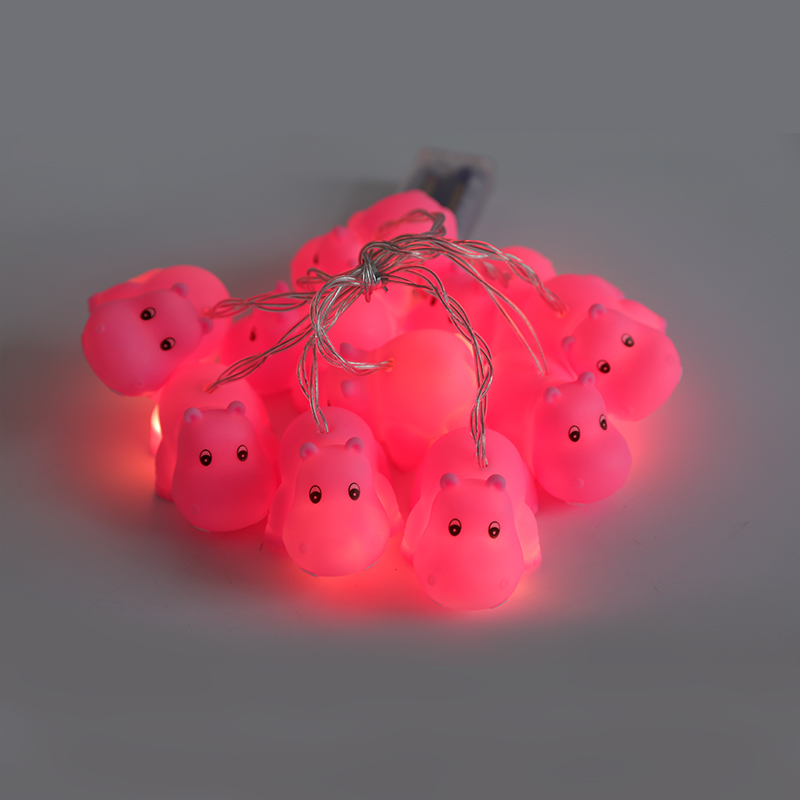
Light features have become part of many modern toy designs because they change how a toy appears in different situations. A toy that looks simple during the day may create a different feeling when used in a darker room. The change does not come from a complicated operation. A small visual response can make the toy feel more connected to the surrounding environment.
A Light Up Duck Toy can be used in several everyday situations. Some children may place it beside the bed, while others may use it during quiet play or family activities. The light function gives the toy another purpose beyond being a character figure.
Common situations include:
- keeping the toy near a sleeping area
- using it during calm indoor activities
- adding a decorative element to a child's space
- creating interaction during parent-child time
The way children use toys often changes over time. A toy that begins as a play object may later become part of a room setting or a familiar item kept nearby. Light features allow the toy to adapt to those changing habits.
Why Are Soft Light Effects Considered In Toy Design?
Light inside a toy needs to match the purpose of the product. A toy used in a child's room usually requires a comfortable visual feeling rather than a strong or distracting effect.
Soft lighting can help maintain the original character of the toy. The duck shape remains the main focus, while the light adds a small change that makes the toy feel different during use.
| Design Consideration | Reason |
|---|---|
| Light appearance | Helps create a suitable visual feeling |
| Toy structure | Protects internal parts during daily use |
| Operation method | Keeps interaction simple |
| Usage environment | Matches different play situations |
A balanced design allows the toy to remain easy to use. Children can enjoy the visual feature without needing complicated steps.
How Should Safety Be Considered In Light Based Toys?
What Materials Are Important For Toy Safety?
Material selection plays an important role in toy design because children often touch, carry, and interact with toys for long periods. Surface texture, durability, and overall construction all influence how the toy performs during daily use.
A toy needs to handle normal activities such as holding, moving, and occasional drops. Smooth surfaces, suitable structures, and careful manufacturing methods help create a safer play experience.
When checking toy materials, attention is often placed on:
- surface condition
- durability during regular handling
- connection between different parts
- suitability for the intended age group
Material choice is connected with both safety and comfort. A toy should feel natural in the hands while remaining suitable for repeated use.
How Should Electronic Components Be Managed In Toys?
Adding light functions means a toy contains internal components that need proper protection. Batteries, wiring parts, and control sections should be arranged in a way that supports normal use.
Children usually interact with toys in unpredictable ways. A toy may be placed on different surfaces, carried around, or used during active play. Internal structures need to be designed with those situations in mind.
Important points include:
- keeping internal parts protected
- securing battery areas properly
- checking the condition of the toy during use
- following usage instructions
A light function adds another experience to a toy, yet the basic requirements of safe structure and careful handling remain important.
Why Does Age Appropriate Design Matter?
Children at different stages interact with toys in different ways. Younger children may focus on touching and holding, while older children may create stories and more complex games around the same object.
Toy design needs to consider:
- size and shape
- operation method
- durability requirements
- interaction style
A simple design can work well for younger children, while a character-based toy with additional features may attract children who enjoy imaginative play.
Choosing a suitable toy depends on how the toy fits the child's daily habits rather than only looking at the extra functions.
How Do Light Up Duck Toy And Cartoon Duck Toy Meet Different Needs?
When Is A Traditional Cartoon Duck Toy Suitable?
A Cartoon Duck Toy mainly focuses on character design and imagination. Without additional functions, children can decide how the toy fits into their own stories.
Such toys are often used for:
- pretend games
- storytelling activities
- collecting character figures
- simple daily play
The fixed appearance can actually provide more freedom in some situations. Children are able to create their own rules because the toy does not guide the play process.
A duck character can become a family member in a pretend game, a friend during travel, or a small figure in a larger play scene.
When Does A Light Up Duck Toy Provide A Different Experience?
A Light Up Duck Toy adds another way for children to interact with the character. The light feature can make the toy feel more active, especially during quiet moments or in places where lighting conditions change.
Compared with a simple character toy, a light-based design may be used in more situations:
- as a bedtime companion
- as a room decoration
- during quiet indoor activities
- during family interaction
The difference is not about replacing traditional play. Both designs support imagination in different ways. One relies mainly on the child creating the experience, while the other adds a visual response that becomes part of the experience.
What Factors Influence Modern Toy Design Trends?
How Do Children's Play Habits Affect Toy Development?
Children's play habits continue to change. Many children enjoy toys that feel interactive, while simple designs still remain valuable because they encourage imagination.
Modern toy design often tries to balance different needs. A toy may include interactive features while keeping the familiar shape and easy operation that children already understand.
Design choices are influenced by:
- how children use toys at home
- interest in character-based products
- demand for different play situations
- the need for simple interaction
The purpose of adding features is not to make every toy complicated. Useful functions should fit naturally into play.
Why Is Function Integration Becoming More Common?
Combining appearance and function allows toys to serve different roles. A toy may be used for play, decoration, or as part of a daily routine.
For example, a duck-shaped toy with light features can remain a character item while also creating a different atmosphere in a room. The character design and practical function work together.
Function integration often focuses on:
- adding new interaction methods
- improving daily usability
- creating more flexible play situations
A successful design usually keeps a balance between new features and simple operation.
How Can Parents Choose Suitable Toys For Different Situations?
Considering Age And Usage Environment
A suitable toy should match the child's age, habits, and play environment. A toy used in a bedroom may have different requirements from one used in an outdoor space.
Parents can consider:
- where the toy will be used
- how the child usually plays
- whether the toy is easy to maintain
- whether the design matches the child's interests
The environment often affects how useful a toy becomes in daily life.
Balancing Interactive Features And Simple Play
Interactive functions can create new experiences, though simple play remains important. A toy does not need many functions to support creativity.
A balanced choice considers both sides:
- Does the toy encourage imagination?
- Is the operation easy to understand?
- Does the feature fit daily use?
- Is maintenance manageable?
Different toy designs serve different purposes. A traditional character toy and a light-based interactive toy can both become meaningful parts of childhood play.
Checking Quality And Maintenance Needs
Regular care helps keep toys in good condition. Cleaning methods, battery replacement, and storage habits all affect long-term use.
Parents may check:
- whether the surface is easy to clean
- whether parts remain secure
- whether light functions operate normally
- whether storage conditions are suitable
Good maintenance allows children to continue enjoying the toy while keeping daily use more convenient.
Toy design continues to develop around changing family routines and children's play styles. Traditional character toys support imagination through simple forms, while interactive designs add new ways to engage. A Light Up Duck Toy combines a familiar animal image with visual interaction, while a Cartoon Duck Toy continues to provide value through storytelling and creative play. Different designs can meet different needs depending on the situation, age group, and personal preference.
Related Products
-
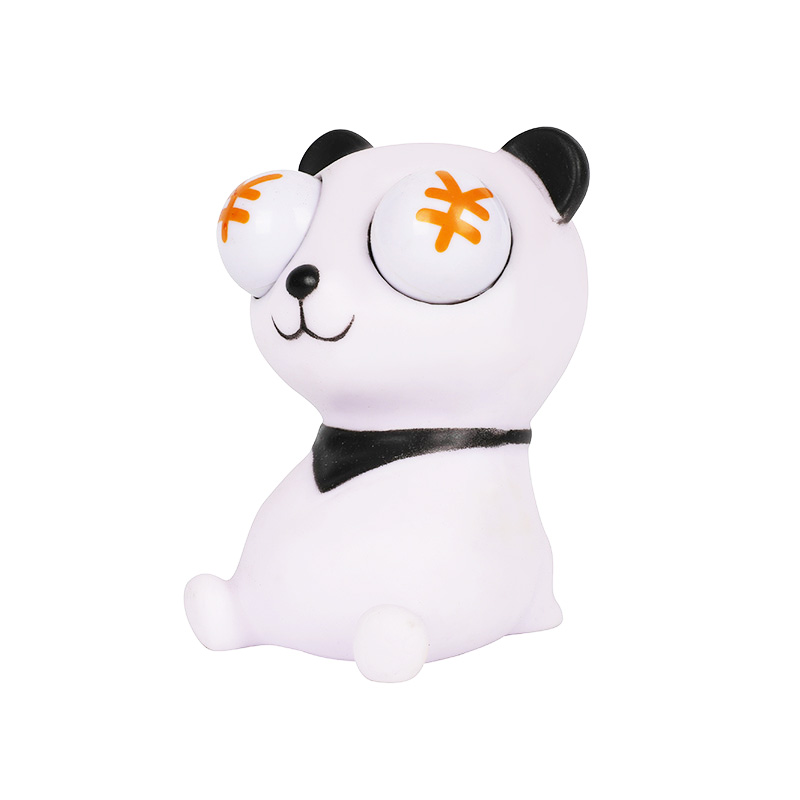
Pop-eyed Panda
Enter the whimsical world of the Pop-eye series with our delightful creation, the Pop-eyed Panda. Designed to bring joy and relieve stress, this squee...
View More -
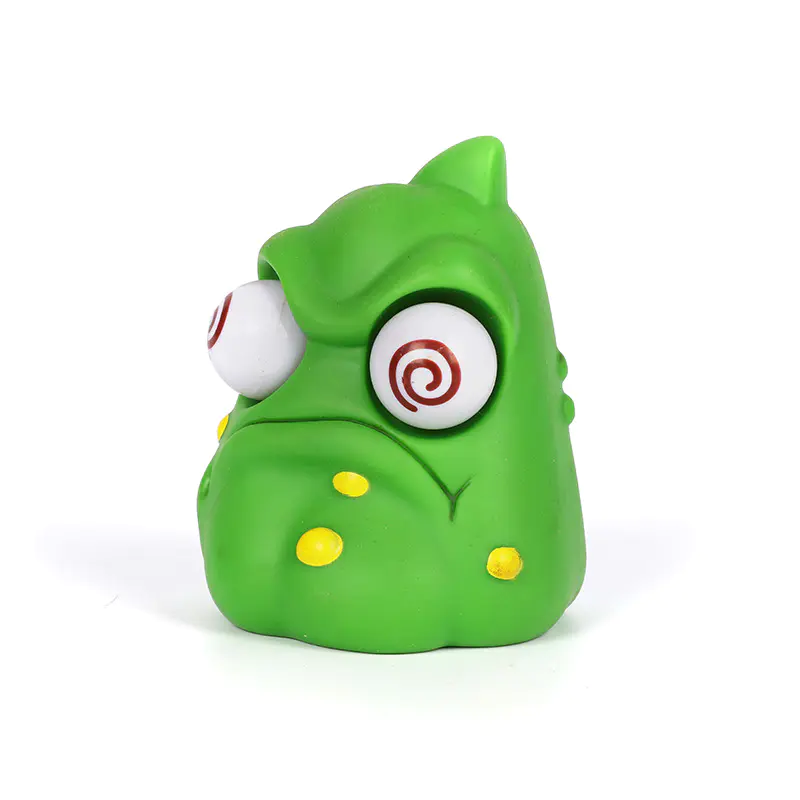
Staring Glowing Decompression Series
Step into the whimsical world of the Pop-eye series, where fun and functionality collide to bring you the Staring Glowing Decompression Series. These ...
View More -
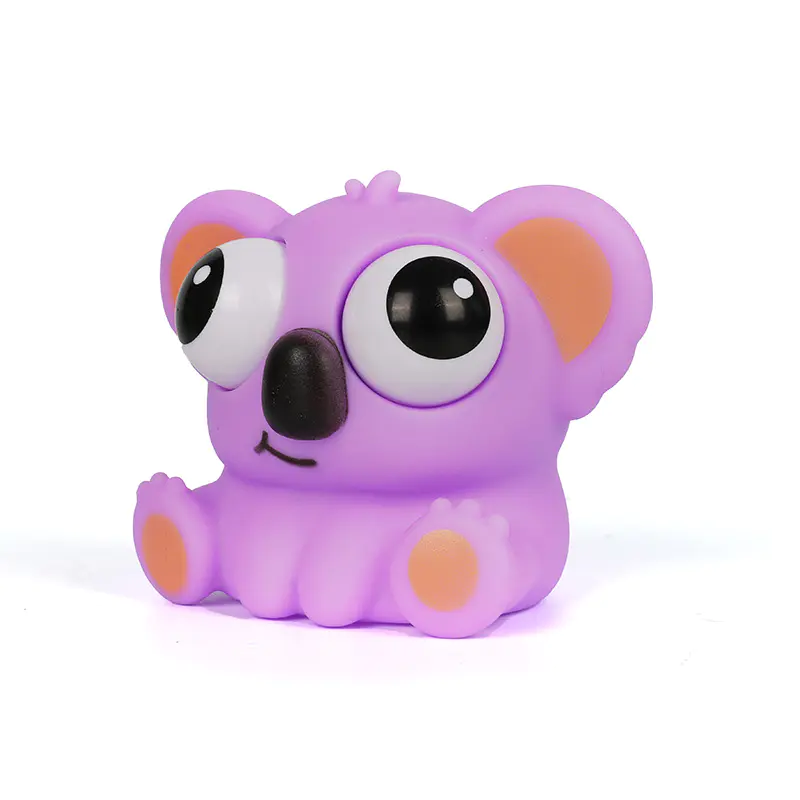
Cute Little Animal Series (Big-eyed)
Welcome to the enchanting world of our Cute Little Animal Series (Big-eyed), a delightful addition to our renowned Pop-eye Collection. These captivati...
View More -
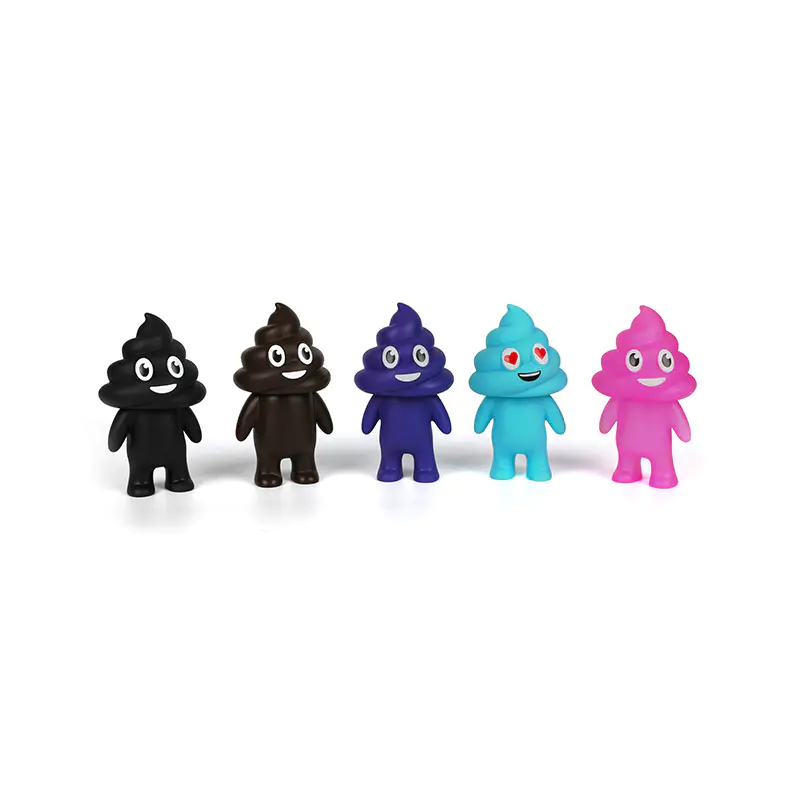
Poop People Series
Introducing the Poop People Series, a unique and playful line of collectible figures that bring humor and joy to toy collections everywhere. These qui...
View More -
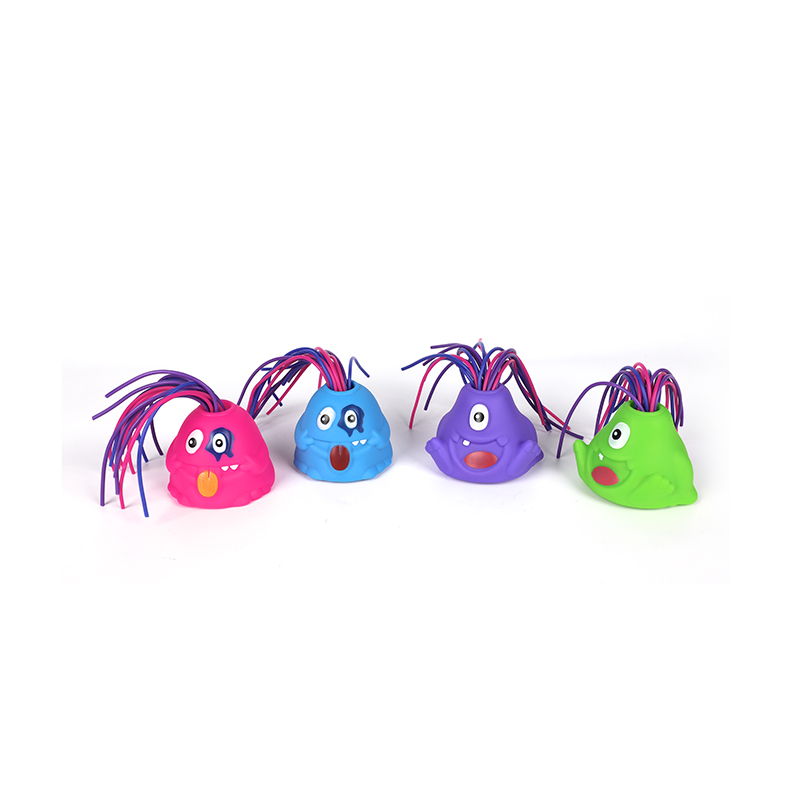
Fun Hair-Pulling Monster Stress Relief Anti-Anxiety Sound Toys
Laughter is one of the best ways to release stress, and Hair-Pulling Sound Toys are designed to do exactly that. These playful screaming monster figur...
View More -
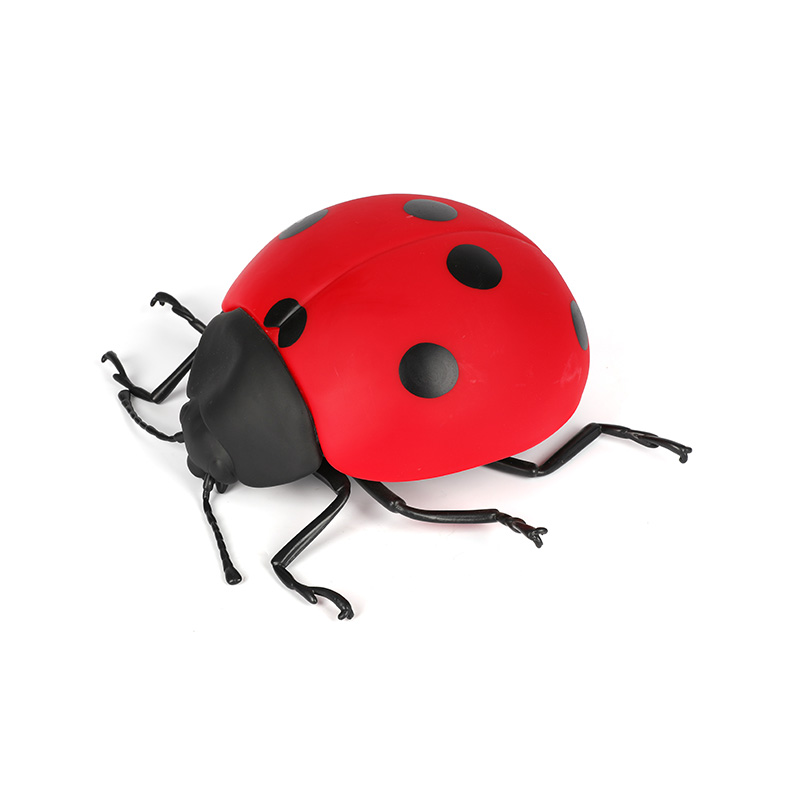
Beetle, Beetle Model Toys
Our Beetle Model Toys are pretty popular with kids and bug fans these days. We put real effort into making these beetle figures so they look detailed ...
View More -
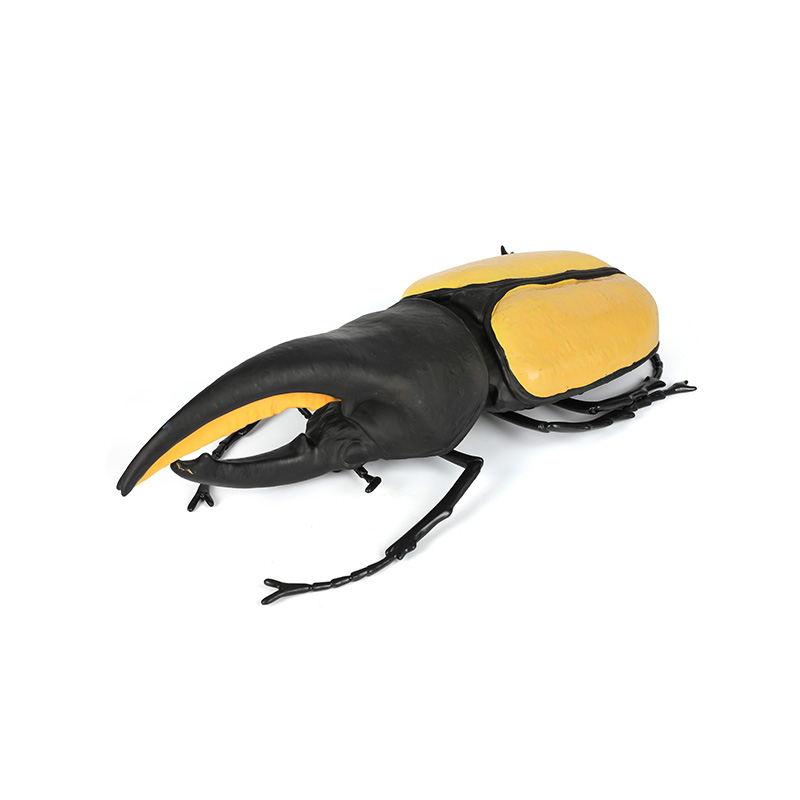
Beetle, Beetle Model Toys
Welcome to the world of Beetle Model Toys, where intricate design meets playful imagination. Our Beetle models are meticulously crafted to provide not...
View More -
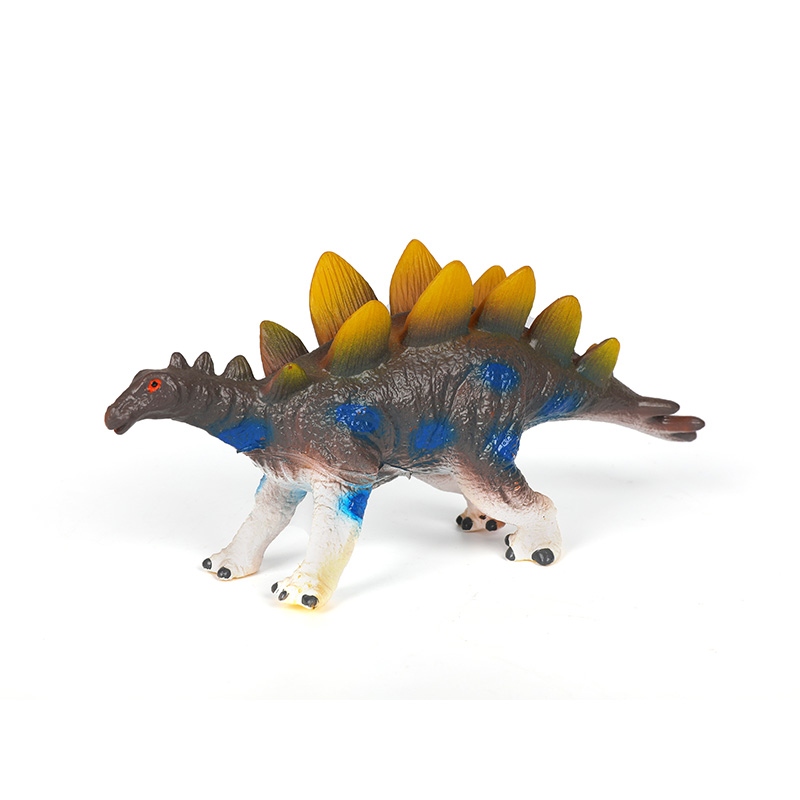
Diversity Series Dinosaur Model Puzzle Toys
Our Dinosaur Model Toys are really popular with kids these days. We make these dinosaur figures with a lot of care so they look real, help kids learn,...
View More
Copyright © Jinhua Blue Eagle Toys Technology Co., Ltd. All Rights
Reserved.

Information
-

+86 18072335560
-

-
 Weiyingsheng Industrial Co., Ltd., Yangbu Town Industrial Zone, Wucheng District, Jinhua City, Zhejiang Province
Links
Contact Us
Educational Model Toys Company