

 English
 English
 русский
 Español
- Type:
- Industry News
- Date
- 2026-Aug-11
Industry News
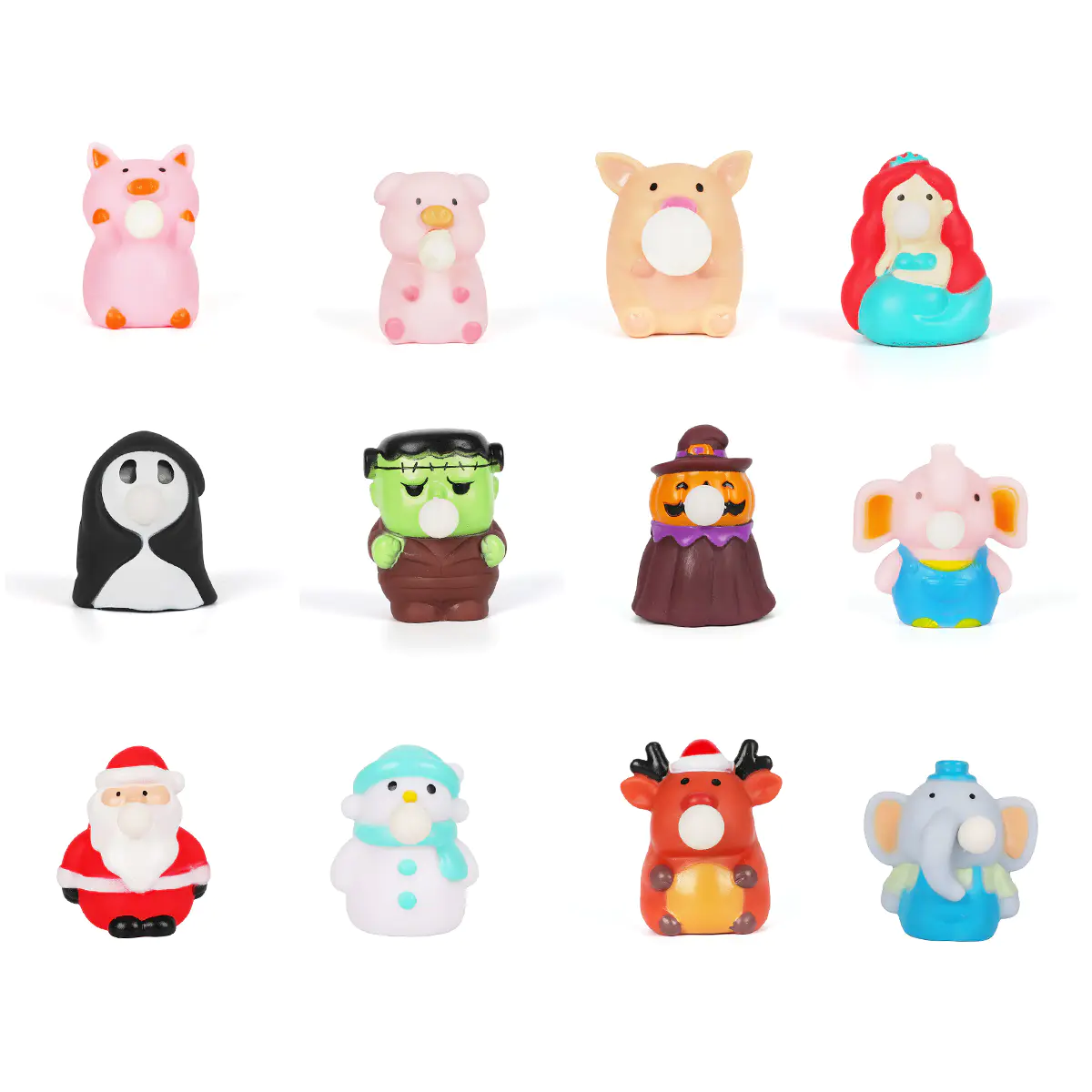
Why Silicone Bubble Toy Is Suitable For Family Activities
Family entertainment does not always need complicated rules, large play areas, or long preparation. Simple objects can create short moments of interaction around a dining table, sofa, bedroom, or quiet corner of a home, allowing different family members to join or leave without interrupting an ongoing routine.
Tactile toys fit naturally into such settings because interaction begins with a basic hand movement. Pressing, releasing, squeezing, or arranging can provide an easy starting point for casual play, while family members can create their own patterns instead of following a fixed set of instructions.
A Silicone Bubble Toy also offers a shared object that can pass between participants. One person may create a pressing pattern, another may copy it, and a third may change the rhythm. Simple exchanges can turn an ordinary break into a small family activity without requiring extensive preparation.
Several characteristics make simple play suitable for household routines:
- Easy hand interaction
- Short play periods
- Flexible rules
- Small storage space
- Shared participation
- Quiet indoor use
Age differences within a family can also make simple play useful. Younger children may focus on pressing individual bubbles, older children may create patterns or games, while adults can participate through turn-taking or memory activities.
A flexible play structure leaves room for different interests. Rather than requiring a fixed result, tactile interaction can remain open-ended, making it suitable for brief periods between meals, homework, household tasks, or other activities.
How Does Silicone Material Affect the Playing Experience
Material has a direct influence on how a tactile toy feels in the hand. Silicone has a soft and flexible surface that can bend under pressure and return toward its original form after release. Such behavior creates a clear physical response during repeated interaction.
Surface texture also matters. A smooth surface may feel different from a lightly textured one, even when both products use a similar flexible material. Shape, thickness, edges, and bubble size can further change how much pressure is needed during play.
Hand feel becomes especially noticeable during repetitive activity. A rigid object may require a different type of movement, while a flexible surface allows pressing with individual fingers or several fingers at once.
Material characteristics can also influence everyday handling:
| Material Feature | Effect During Play | Household Consideration |
|---|---|---|
| Flexible surface | Responds to finger pressure | Supports repeated pressing |
| Smooth texture | Creates a simple tactile feel | Easy to handle during casual play |
| Soft structure | Bends under pressure | Suitable for hand-based interaction |
| Resilient shape | Returns after pressing | Allows repeated use |
| Washable surface | Can be cleaned more easily | Useful for shared household use |
Cleaning still requires attention. Shared toys may be handled by several people, so surface care should follow the manufacturer's instructions. Dirt can collect around recessed areas, especially around small bubble sections, making regular inspection useful.
Material should not be viewed separately from construction. A flexible surface with poorly formed edges may feel different from a carefully finished surface, while shape and thickness can influence both pressure and handling.
How Does Bubble Pressing Create Different Play Patterns
Pressing individual bubbles creates a simple cause-and-effect action. Finger pressure changes the position of a small section, and release allows it to return toward its earlier form. Repetition creates a natural rhythm that can be used for several types of casual play.
Solo interaction can remain very simple. A person may press bubbles randomly, follow a row from one side to another, or create a repeating pattern. No complicated instructions are required, allowing play to begin whenever a short break becomes available.
Shared play introduces another layer. Family members can take turns creating patterns for someone else to copy. A sequence can start with a few presses and become longer as participants add new movements.
Possible activities include:
- Copying a pressing sequence
- Taking turns across different rows
- Creating alternating patterns
- Following a simple rhythm
- Remembering the order of several presses
Such activities involve movement and attention without turning the toy into a formal task. Family members can adjust the pace according to age, interest, or available time.
Repetition also gives the activity a predictable structure. A participant knows what physical response follows a press, which makes the interaction easy to continue without constant explanation.
Where Can a Fidget Bubble Toy Fit Into Daily Entertainment
Compact tactile toys can fit into areas where larger games would be inconvenient. A living room may provide space for shared play, while a bedroom or quiet corner may suit individual interaction.
Daily routines often contain short gaps. Waiting for a meal, taking a break from household work, sitting together after school, or spending a quiet evening can create opportunities for brief tactile activities.
A compact format can also make storage easier. After play, the item can return to a drawer, shelf, storage box, or another designated area without taking up much room.
Suitable locations can include:
- Living room
Family members can pass the toy around while talking, watching a program, or waiting for another activity to begin. - Bedroom
Quiet individual interaction may fit naturally into relaxed indoor routines. - Family activity area
Shared games based on patterns and turns can take place without setting up a large play surface. - Travel preparation area
A compact toy may be convenient to prepare alongside other small entertainment items, provided safe handling and local travel requirements are considered.
Location still affects how the toy should be used. A shared household area may encourage conversation and turn-taking, while a quiet space may suit repetitive individual play.
How Can Family Members Use the Toy Together
Shared play works well when rules remain simple enough for different participants to follow. One family member can begin with a short pattern, while another attempts to reproduce it. As familiarity grows, patterns can become longer or include different pressing rhythms.
Turn-taking provides another easy structure. Each participant receives a short opportunity to press a chosen group of bubbles before passing the toy onward. Such a format gives everyone a clear role without requiring a complicated scoring system.
Memory-based play can also develop naturally. One person creates a sequence, another repeats it, and the group checks whether the order matches. Difficulty can be adjusted simply by changing the number of presses or the spacing between movements.
| Family Activity | Basic Method | Interaction Focus |
|---|---|---|
| Pattern Copying | One person creates a sequence | Observation |
| Turn Taking | Each person presses a selected area | Participation |
| Memory Play | A sequence is repeated from memory | Recall |
| Rhythm Play | Pressing follows a simple beat | Timing |
| Free Play | Participants choose their own pattern | Creativity |
Adults can participate without changing the activity into a formal lesson. A parent, older sibling, or grandparent can create a pattern, follow a child's sequence, or simply take turns.
Such flexibility helps keep family play natural. Some sessions may last only a short while, while other moments may develop into longer shared activities. No fixed duration is required, and the same object can support different forms of interaction across ordinary household routines.
How Does Repetitive Play Support Hand Coordination
Repeated pressing creates a small movement that requires the fingers to apply and release pressure in a controlled way. Each bubble provides a clear physical response, so hand movement can remain closely connected with what is happening on the surface.
Such interaction can involve individual fingers, several fingers, or both hands. Changing the pressing pattern also changes the movement required, giving ordinary play some variety without adding complicated rules.
For younger participants, simple pressing may encourage attention toward hand movement and object position. Older children and adults may create more detailed sequences, alternating fingers or switching between different sections.
Several forms of interaction can be used:
- Pressing from left to right
- Alternating between two areas
- Using different fingers for separate rows
- Following a simple rhythm
- Copying another person's movement
No medical or therapeutic effect needs to be attached to ordinary play. A tactile activity can simply provide an opportunity for controlled hand movement and casual engagement.
Repetition also creates familiarity. Once a person becomes comfortable with the basic pressing action, attention can shift toward patterns, rhythm, memory, or shared interaction.
How Can the Toy Fit Different Age Groups
A simple play structure can be adapted according to age, ability, and interest. Younger children may enjoy pressing individual sections without following a specific rule, while older children may prefer pattern games or memory challenges.
Adults can participate in several ways. A parent may create a short sequence for a child to copy, while an older family member may join a turn-taking game. Such activities do not require everyone to interact in exactly the same way.
Age-appropriate supervision remains important, especially for younger children. Small parts, damaged surfaces, unsuitable materials, and improper use can create avoidable risks.
Before shared play, a quick inspection can help:
- Check for cracks or damaged sections.
- Look for loose pieces.
- Confirm that the product is suitable for the intended age group.
- Keep unsuitable small parts away from young children.
- Clean the surface according to care instructions.
Different age groups may also prefer different activity lengths. A younger child may remain interested in simple pressing, while older participants may continue with pattern-based games for longer periods.
A shared toy does not need to provide identical entertainment for everyone. Flexible interaction allows each participant to choose a suitable level of involvement.
What Makes the Toy Practical for Everyday Indoor Use
Practicality often comes from simple handling rather than a large number of functions. A compact tactile toy can be picked up quickly, used without extensive preparation, and stored after play.
Storage becomes easier when an item has a clear place in the home. A drawer, shelf, storage box, or dedicated play area can keep the toy separate from objects that should not be mixed with children's play materials.
Cleaning also forms part of everyday use. Fingerprints, dust, food particles, and other household dirt can collect on surfaces during repeated handling. Recessed bubble areas may require particular attention because particles can remain around edges or corners.
A simple maintenance routine can include:
- Wiping the surface with a suitable cleaning method
- Checking recessed sections
- Allowing the surface to dry properly
- Inspecting for damage
- Storing the toy in a clean area
Care methods should follow the material and product instructions rather than relying on a single cleaning method for every item.
Portability adds another practical advantage. A small tactile toy can be moved from one room to another without creating much setup work. Such flexibility makes it suitable for short entertainment periods rather than activities that require a dedicated space.
Noise level can also influence where tactile play fits into a household routine. Pressing a soft flexible surface generally creates a different sound from hard mechanical toys, making the activity suitable for settings where quiet interaction is preferred, subject to the specific construction of the product.
How Can Parents Create Simple Family Play Activities
Family play does not need a fixed rulebook. A few simple ideas can provide enough structure for several people to participate.
Pattern copying offers an easy starting point. One person presses a short sequence, while another tries to repeat it in the same order. More sections can be added gradually as participants become familiar with the activity.
Turn-based play works in a similar way. Each participant chooses a section, presses it, and passes the object to another person. A sequence can gradually develop as each person adds one movement.
Memory play can introduce a different type of interaction. A family member creates a pattern, hides or covers the surface briefly, and another participant attempts to reproduce the sequence. Such play can remain informal, with no need for scoring.
Other simple activities include:
- Rhythm patterns
Pressing can follow a slow or quick rhythm created by another participant. - Color or shape selection
When a product contains different visual sections, participants can choose areas according to an agreed rule. - Free pattern creation
Each person creates a personal sequence without copying another participant. - Story play
Pressing actions can be connected with simple storytelling, giving children a reason to create different patterns.
Flexibility helps prevent family entertainment from becoming repetitive in an unwanted way. A single tactile object can support quiet solo use, casual conversation, turn-taking, memory games, or free experimentation.
How Can Bubble Based Play Fit Into Family Routines
Everyday family life contains many small periods that do not require a large activity. A tactile toy can fit into some of those moments because interaction can begin and stop without extensive preparation.
A quiet afternoon may provide time for individual play, while an evening in a shared room can support turn-taking. Short breaks between household tasks can also offer a chance for a few minutes of simple interaction.
Travel preparation may present another possible setting. A compact object can be easier to store with other small entertainment items, although age suitability, local rules, and safe handling should always remain part of planning.
Family routines can use tactile play in different ways:
- Short individual breaks
- Shared evening activities
- Parent and child turn-taking
- Sibling pattern games
- Quiet indoor entertainment
- Casual play during waiting periods
A flexible object can also support conversation. One participant may create a sequence while another talks about the pattern, changes the rhythm, or suggests a new rule. Interaction becomes less about the object itself and more about what family members create around it.
Material, shape, storage, cleaning, and age suitability all influence practical use. A soft silicone surface provides a tactile response, while a bubble layout gives participants a simple structure for pressing and repeating. Such characteristics can make the play format easy to adapt across different household settings.
Family entertainment often works through small shared moments rather than complicated arrangements. A simple pressing activity can become a pattern game, a memory exercise, a turn-taking routine, or quiet individual play depending on the people involved and the setting.
Keeping rules flexible also allows different family members to participate at a comfortable level. Younger children may focus on basic pressing, older children can create patterns, and adults can join through conversation or shared turns. Practical care, suitable supervision, and clean storage help keep ordinary play appropriate for repeated household use.
Related Products
-
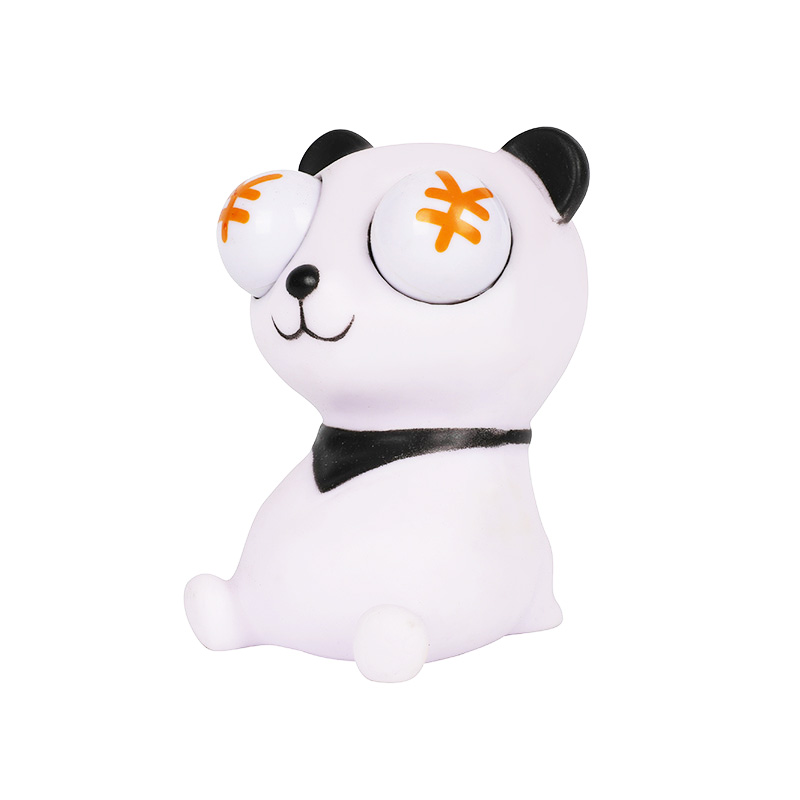
Pop-eyed Panda
Enter the whimsical world of the Pop-eye series with our delightful creation, the Pop-eyed Panda. Designed to bring joy and relieve stress, this squee...
View More -
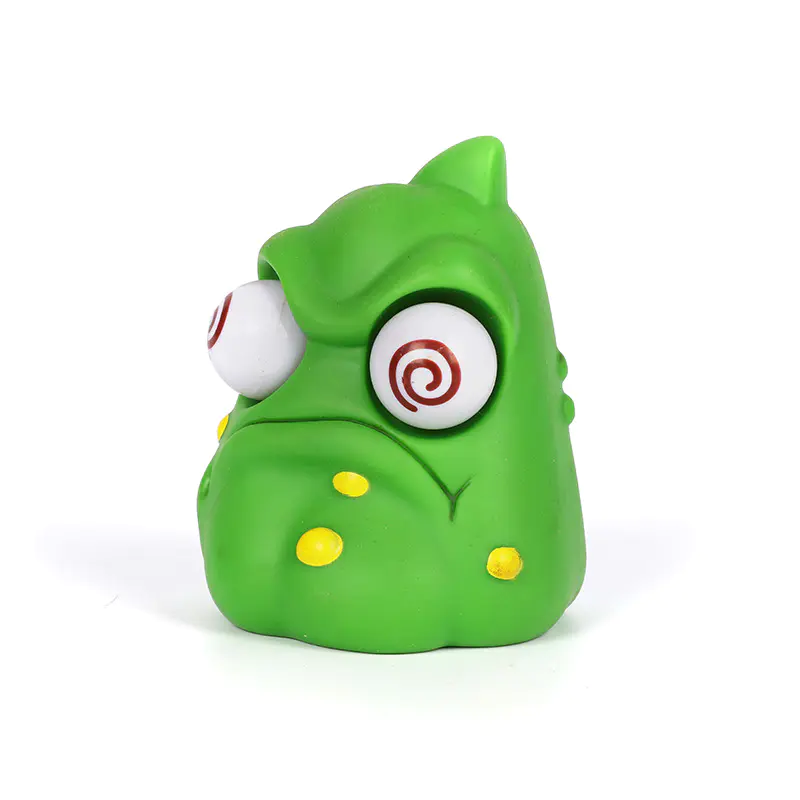
Staring Glowing Decompression Series
Step into the whimsical world of the Pop-eye series, where fun and functionality collide to bring you the Staring Glowing Decompression Series. These ...
View More -
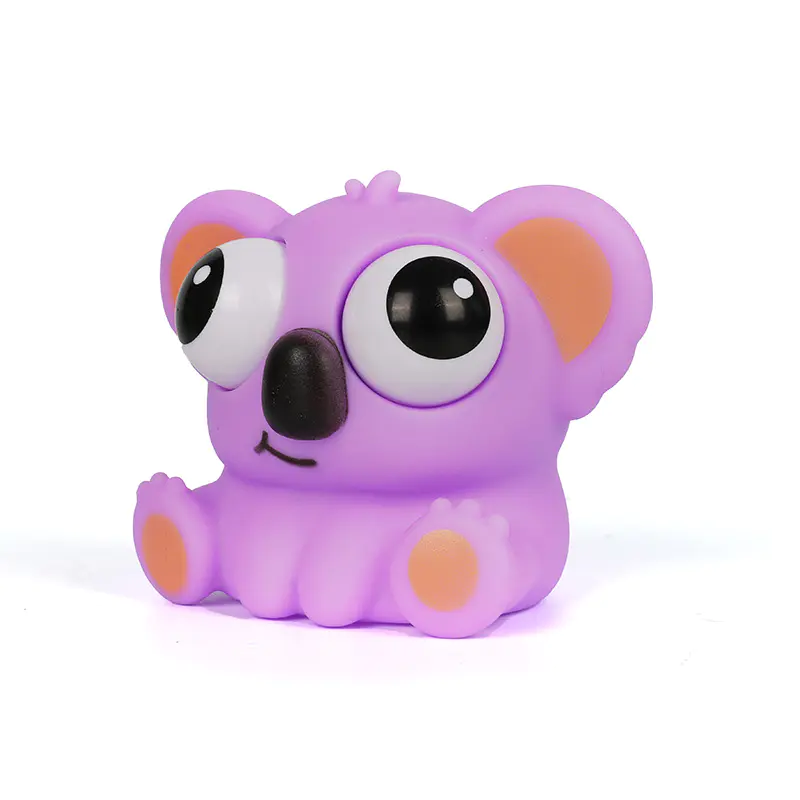
Cute Little Animal Series (Big-eyed)
Welcome to the enchanting world of our Cute Little Animal Series (Big-eyed), a delightful addition to our renowned Pop-eye Collection. These captivati...
View More -
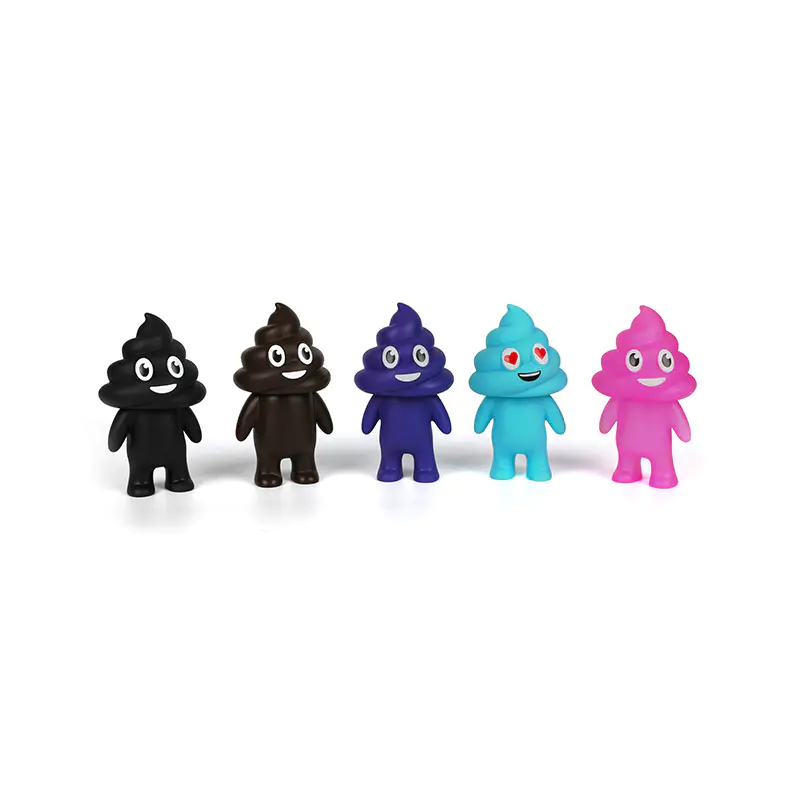
Poop People Series
Introducing the Poop People Series, a unique and playful line of collectible figures that bring humor and joy to toy collections everywhere. These qui...
View More -
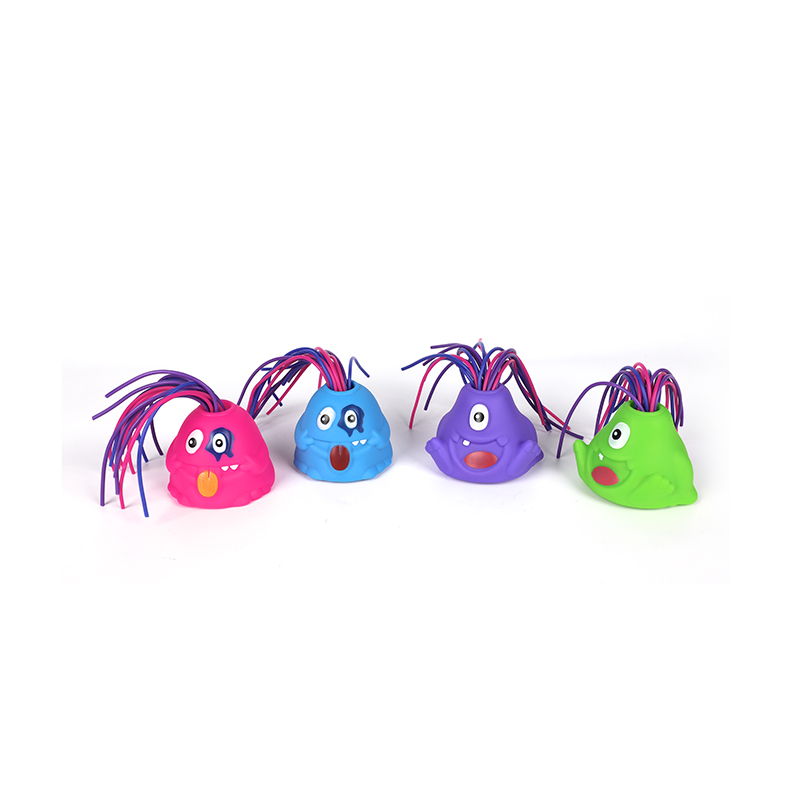
Fun Hair-Pulling Monster Stress Relief Anti-Anxiety Sound Toys
Laughter is one of the best ways to release stress, and Hair-Pulling Sound Toys are designed to do exactly that. These playful screaming monster figur...
View More -
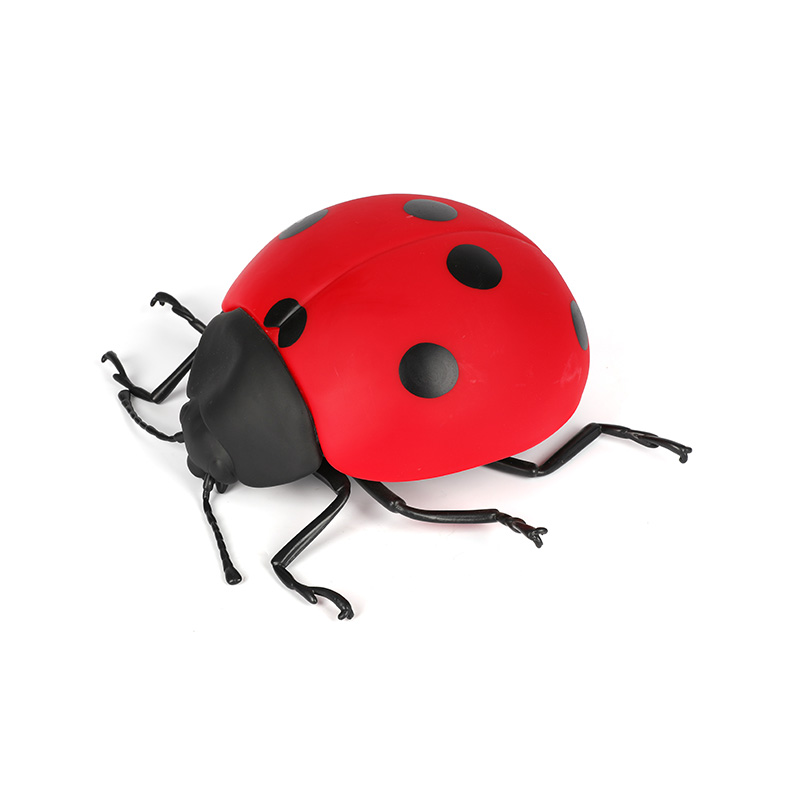
Beetle, Beetle Model Toys
Our Beetle Model Toys are pretty popular with kids and bug fans these days. We put real effort into making these beetle figures so they look detailed ...
View More -
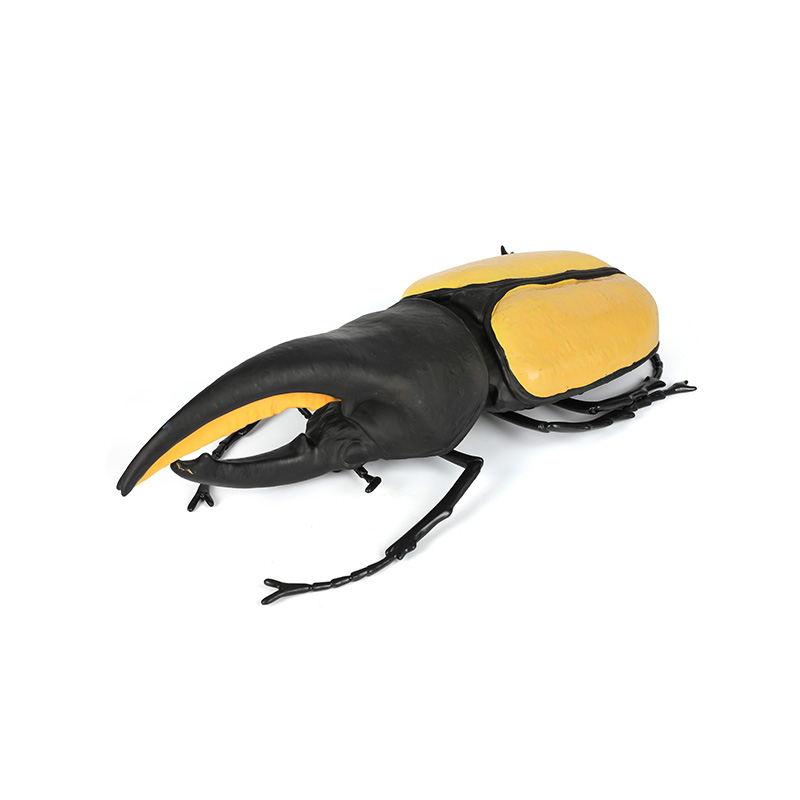
Beetle, Beetle Model Toys
Welcome to the world of Beetle Model Toys, where intricate design meets playful imagination. Our Beetle models are meticulously crafted to provide not...
View More -
Diversity Series Dinosaur Model Puzzle Toys
Our Dinosaur Model Toys are really popular with kids these days. We make these dinosaur figures with a lot of care so they look real, help kids learn,...
View More

Copyright © Jinhua Blue Eagle Toys Technology Co., Ltd. All Rights
Reserved.

Information
-

+86 18072335560
-

-
 Weiyingsheng Industrial Co., Ltd., Yangbu Town Industrial Zone, Wucheng District, Jinhua City, Zhejiang Province
Links
Contact Us
Educational Model Toys Company