

 English
 English
 русский
 Español
- Type:
- Industry News
- Date
- 2026-Aug-18
Industry News
Which Duck Toy Set Works for Bath and Water Play
Bath time can become a simple water play session when a child has a few objects to move, squeeze, fill, or float. Duck‑shaped toys are often used for that purpose because their shape is easy to hold and their floating form fits naturally into a bathtub or small water container. Different designs, however, behave quite differently once they are placed in water.
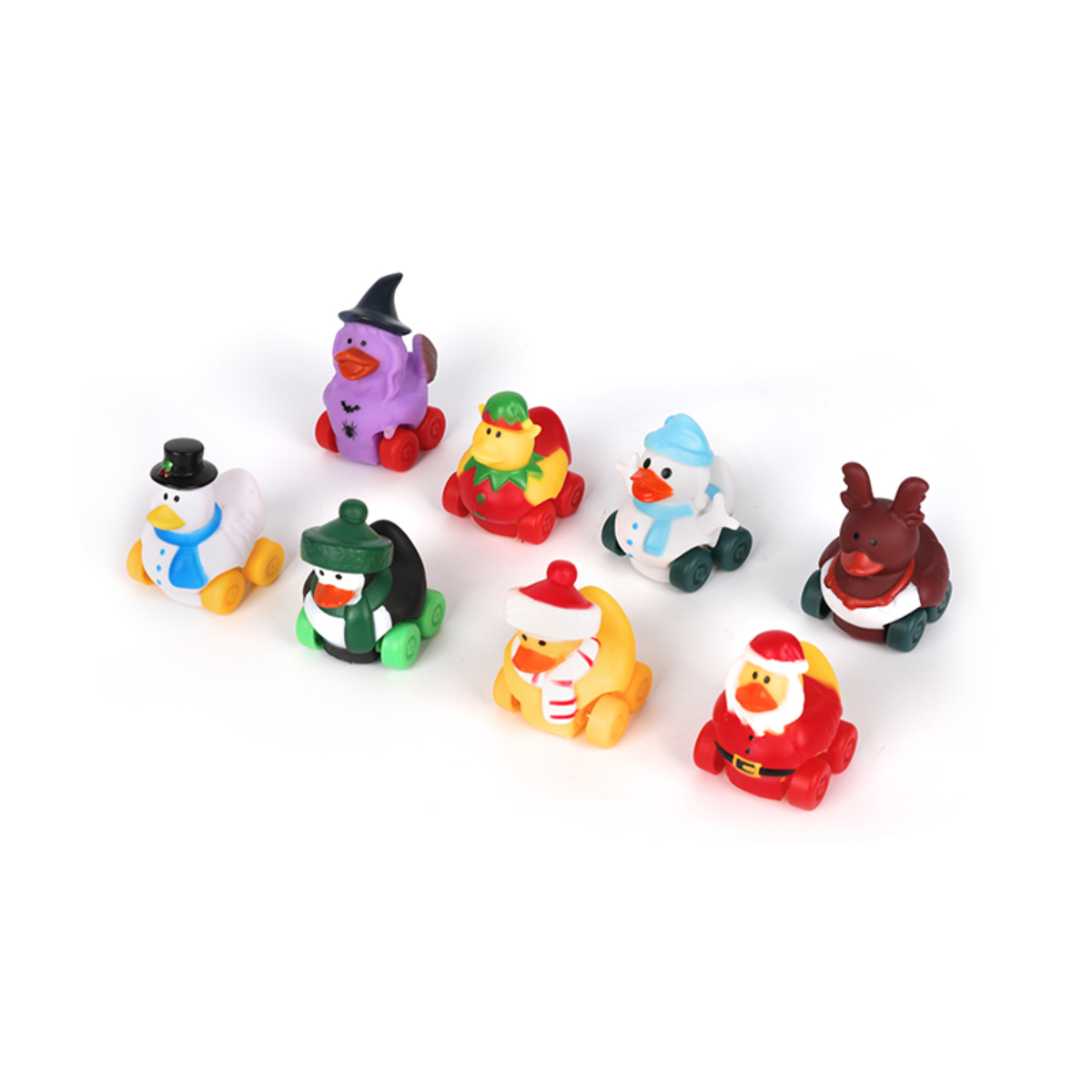
A Duck Toy Set may contain several floating pieces, water‑play parts, or interactive elements. A simple set can focus on floating and pouring, while another design may include light, movable parts, or openings that allow water to pass through. Each choice brings a different cleaning routine and a different way of playing.
For bath use, practical details matter more than the number of functions. Stable floating, easy handling, suitable materials, drainage, and safe construction all affect how well a toy fits into regular water play.
What Makes a Duck Toy Set Suitable for Bath Play
A suitable bath toy needs to work well in a wet and changing environment. Water covers the surface, hands become slippery, and young children may squeeze, drop, throw, or repeatedly submerge the toy. A design intended for this setting should therefore remain easy to handle during ordinary play.
Shape plays an important role. A rounded duck body can be comfortable for small hands, while a broad base may help the piece stay upright on the water. A toy that tips easily may still float, yet repeated movement can make play less convenient.
Surface design also deserves attention. Smooth areas are generally easier to rinse, while deep grooves and narrow openings can hold water or soap residue. A soft body may offer a different type of play from a firm hollow shape, especially when squeezing is part of the activity.
Several basic features can affect daily use:
- Stable floating behavior
- Easy‑to‑hold shape
- Surfaces that can be rinsed without much effort
- Construction suited to repeated contact with water
- Openings that do not retain unnecessary moisture
A simple design can work well for children who mainly enjoy moving floating toys around the tub. More interactive designs may suit children who like pouring, squeezing, or making water move through the toy.
How Does Floating Design Affect Water Play
Floating seems simple, although small changes in shape can alter how a toy behaves. Weight distribution, internal space, and body shape all influence whether a duck remains upright, leans to one side, or turns over during play.
A stable floating toy tends to stay within easy reach, which makes grabbing and moving it easier. A toy that rotates or tips can also create an interesting activity, especially when several pieces are used together, although frequent overturning may become inconvenient during a quieter bath.
Water depth can change the experience as well. In a shallow bath, children may push a toy along the bottom before allowing it to rise. In deeper water, floating movement becomes more noticeable. A set with several shapes can support simple activities such as lining up ducks, moving them from one side to another, or creating small races without requiring complicated features.
Material distribution matters during repeated use. A hollow body may float differently from a flexible body, while a heavier lower section can influence how the toy sits in water. Manufacturers therefore need to consider how shape and internal construction work together rather than treating appearance as the only design factor.
Which Features Make Bath Play More Interactive
Water play does not need complicated functions to remain engaging. Pouring, squeezing, floating, and moving objects through water can already provide several ways for a child to interact with a toy.
A duck with an opening can be used to collect water and pour it out. A flexible body may create another activity through squeezing. Several floating pieces can encourage children to arrange, separate, and regroup them during play.
Different activities may suit different children. Some may prefer repeating a simple action, while others may spend more time moving several pieces around the bath. A set with a range of shapes can provide more variation without relying on electronic functions.
Practical interaction also depends on how easily a child can control the toy. Large openings may be easier to use than narrow ones, while a small handle or rounded body can affect how firmly the object can be held with wet hands.
For everyday bath play, useful interaction often comes from:
- Pouring water from one piece to another
- Squeezing a flexible body
- Moving floating pieces through the bath
- Filling and emptying simple openings
- Arranging several ducks into groups
Designers also need to consider what happens after play ends. An opening that makes pouring enjoyable may allow water to enter the body and remain inside, creating a cleaning concern later.
Can a Light Up Duck Toy Work in Bath Water
A Light Up Duck Toy adds a different type of interaction by using illumination rather than movement alone. Light can make a floating toy easier to notice in a dim bathroom and can add visual interest during water play. Whether such a design can be submerged depends on its construction and stated usage conditions.
Electronic parts require more attention around water. A sealed structure may be designed for a specific type of water contact, while another lighted design may only be suitable for use near water. Appearance cannot provide enough information about water resistance.
Battery placement is another consideration. A child may repeatedly drop the toy into water, press it, squeeze it, or leave it floating for an extended period. Any electronic product intended for bath use needs clear instructions covering how it may be exposed to water.
Before placing a lighted toy into bath water, check:
- Whether immersion is permitted
- Whether the battery compartment is protected
- Whether the housing remains closed during use
- Whether the product requires removal from water after play
- Whether cleaning instructions permit direct rinsing
A light feature can add another layer to water play, although safety and maintenance should remain the main considerations. A toy should not be treated as suitable for immersion simply because it lights up when switched on.
How Does Toy Construction Affect Cleaning After Bath Time
Cleaning becomes part of bath toy use because water, soap, and small amounts of residue can remain on or inside a toy. External surfaces are generally straightforward to rinse, while enclosed spaces can create a different problem.
A hollow toy with a small opening may take in water during play. Squeezing or shaking the piece can remove some moisture, although hidden areas may remain damp. Repeated wet storage without proper drying can create an unpleasant environment inside the toy.
Construction therefore influences maintenance from the beginning. A design that can be opened for cleaning may require more care around small removable parts. A sealed body can reduce internal water entry when properly designed for immersion, while damage to the seal can change its condition over time.
After bath play, a practical routine can include:
- Rinse away soap and visible residue.
- Remove trapped water where the construction allows it.
- Place the toy somewhere with good air circulation.
- Allow the surface and internal areas to dry before storage.
- Check for cracks, loose parts, or changes in the housing.
Regular drying also makes storage easier because wet toys are less likely to remain packed together in a closed container.
| Bath Play Feature | Practical Consideration |
|---|---|
| Floating Shape | Should remain easy to move and hold |
| Water Opening | Needs suitable drainage after use |
| Flexible Body | Should be easy to rinse and dry |
| Light Function | Requires clear water‑use instructions |
| Multiple Pieces | Need separate cleaning and storage |
| Enclosed Structure | Should be checked for trapped moisture |
Good bath toy design therefore involves more than how an object behaves while floating. What happens after the water is drained can be just as important for regular household use.
What Should Be Considered When Choosing Materials
Material selection affects how a bath toy feels in the hand, reacts to repeated contact with water, and holds up during ordinary cleaning. A child may squeeze the body, drop it into the tub, or leave it floating while playing, so surface condition matters over repeated use.
Smooth surfaces are generally easier to rinse because fewer areas are available for soap or dirt to remain. Flexible materials can provide a different play experience, especially for squeeze toys, although flexibility also means the body may need closer inspection for cracks or surface damage.
Material choice should also match the way a toy is designed to be cleaned. A toy intended for regular rinsing needs surfaces that can handle normal washing without becoming difficult to dry. Small openings deserve particular attention because water can enter during play and remain inside.
For caregivers and buyers, several practical points are worth checking:
- Is the material suitable for repeated contact with bath water?
- Can the surface be rinsed without special treatment?
- Are there areas where water can remain trapped?
- Does the body keep its shape during normal handling?
- Are any small parts firmly attached?
A pleasant texture can make handling easier, although appearance or softness alone does not determine whether a toy suits bath use. Construction, maintenance, and intended use need to be considered together.
Which Duck Set Fits Different Water Play Activities
Different water activities call for different forms of interaction. A child who enjoys watching floating objects may have little need for openings or moving parts, while another child may prefer filling, pouring, or squeezing.
A set containing several simple ducks can encourage sorting and movement. Children can place the pieces in a line, push them through the water, or move them between containers. Designs with openings can add pouring activities, while flexible bodies can support squeezing play.
Lighted designs create another type of interaction, although water‑use conditions need to be checked before they are introduced into a bath. A light function can be useful for visual play without necessarily being suitable for full immersion.
| Water Play Activity | Useful Design Feature |
|---|---|
| Simple Floating | Stable Floating Shape |
| Pouring Water | Open Water Channels |
| Squeezing Play | Flexible Body |
| Group Play | Multiple Duck Characters |
| Light‑Based Play | Suitable Light Function |
| Easy Cleaning | Drainable Construction |
Matching a toy to the activity can make the selection process easier. A simple floating set may fit quiet bath play, while a set designed around pouring or squeezing can support more hands‑on interaction.
How Should Age and Supervision Affect Toy Choice
Age should be considered alongside toy construction. Young children may handle bath toys by squeezing them, dropping them, or placing parts near the mouth, making small detachable components a concern.
A Duck Toy Set intended for younger children should be checked for loose pieces, detachable decorations, narrow components, and openings that may create a handling issue. Instructions supplied with the product can provide useful information about the intended age range and conditions of use.
Bath supervision also remains important. A toy can make water play more engaging, yet it does not remove the need for an adult to stay attentive. Wet surfaces, slippery bath areas, and water depth can create risks that are unrelated to the toy itself.
A quick inspection before use can help identify changes caused by regular handling:
- Cracked body
- Loose decorative parts
- Damaged seams
- Missing covers
- Unusual battery compartment movement
- Sharp edges caused by damage
Lighted toys need additional attention because electronic components and batteries introduce concerns that do not apply to a simple floating piece.
When Is a Simple Duck Toy More Practical
Simple floating toys can fit well into everyday bath routines because they do not need complicated preparation. A child can place them in water and begin moving them around without setting up a separate activity.
Fewer components can also make cleaning and storage easier. A solid floating piece with a smooth outer surface may be rinsed and dried without dealing with internal channels or removable parts.
Simple designs can support several activities at once. Floating, pushing, arranging, counting, and transferring water can all be done with basic shapes. Play does not necessarily depend on having many built‑in functions.
For households that prefer an uncomplicated bath routine, a plain floating duck may therefore be easier to maintain. Such a choice can also make it easier to inspect the toy after use because there are fewer parts and fewer hidden spaces to check.
When Does a Light Up Design Make Sense
A Light Up Duck Toy may suit bath environments where visual interaction is part of the play. A gentle light can draw attention to a floating object and create a different atmosphere during evening bathing or dim indoor conditions.
Water exposure remains the key consideration. Some lighted products may be designed for immersion, while others may only tolerate splashes or damp surroundings. Checking the stated use conditions is necessary before placing one in a bathtub.
Battery access should also be considered. A secure battery compartment can reduce accidental opening during normal handling, while damaged housing may change how safely the product can be used.
Lighted designs can make sense when:
- The product is specifically intended for the planned water exposure
- Instructions clearly describe suitable bath use
- The housing remains intact
- Battery access is secure
- Cleaning can be completed without damaging the electronic section
A light function should therefore be viewed as a play feature rather than proof of water suitability.
What Should Be Checked After Water Play
Post‑bath care has a direct effect on how a toy remains usable over time. Water left on the surface is usually easy to remove, while moisture inside an enclosed body can take longer to escape.
Rinsing removes soap and residue from the outer surface. Toys with openings may need to be turned, squeezed, or drained according to their construction. Drying should take place before storage, especially when several pieces are placed together.
A practical routine can be kept simple:
- Rinse each piece after use.
- Empty trapped water where possible.
- Separate pieces during drying.
- Keep toys in a ventilated storage area.
- Check the body and attached parts regularly.
- Follow specific cleaning instructions for lighted designs.
Electronic toys deserve separate attention. Batteries should remain protected, and the housing should not be opened in ways that conflict with the product instructions. Any sign of cracking, loose components, or water entering a section that should remain dry is a reason to stop using the item until its condition has been assessed.
Which Duck Toy Set Works for Regular Bath and Water Play
Choosing a Duck Toy Set for bath use comes down to how the toy will actually be used. A simple floating design may suit children who enjoy moving objects around the water, while a set with pouring or squeezing features can support more active play.
Lighted designs bring another consideration because water exposure and electronic construction need to match. A Light Up Duck Toy should only be used in water when its instructions allow the intended type of contact.
Cleaning and drying also deserve attention from the beginning. A toy that is easy to rinse, drain, inspect, and store may fit more naturally into regular bath routines than a design that leaves water trapped inside.
For everyday water play, useful questions include:
- Does the toy float in a stable way?
- Can a child hold it comfortably with wet hands?
- Does water remain inside after use?
- Can all surfaces be cleaned and dried?
- Are small parts securely attached?
- Is any light or electronic function suitable for the intended water exposure?
A suitable choice is therefore closely tied to the child's preferred activity, the construction of the toy, and the conditions in which bath play takes place. Looking at those details together provides a practical basis for selecting a set without relying on appearance or feature count alone.
Related Products
-
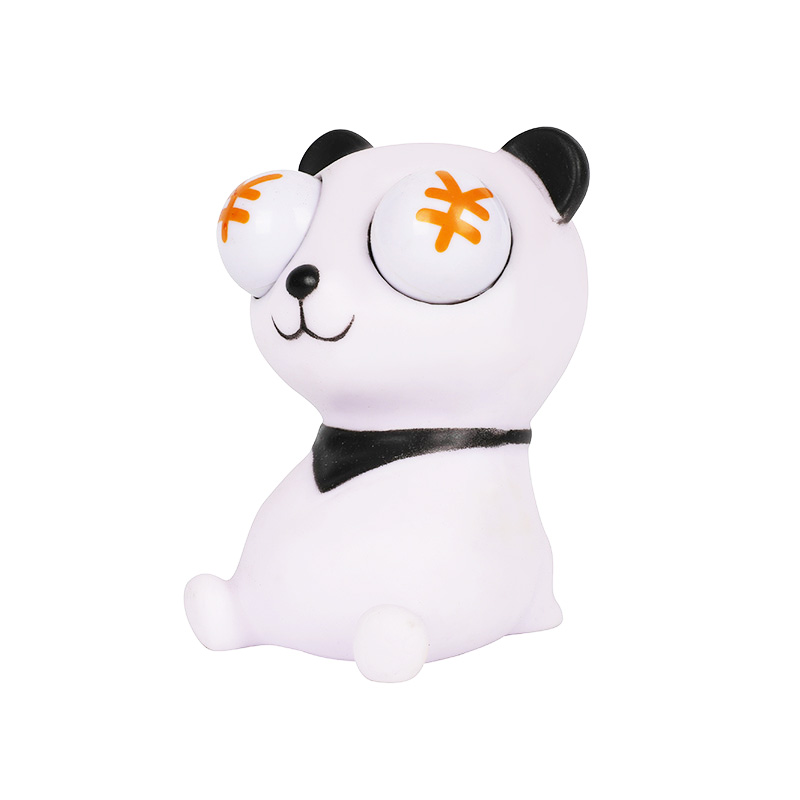
Pop-eyed Panda
Enter the whimsical world of the Pop-eye series with our delightful creation, the Pop-eyed Panda. Designed to bring joy and relieve stress, this squee...
View More -
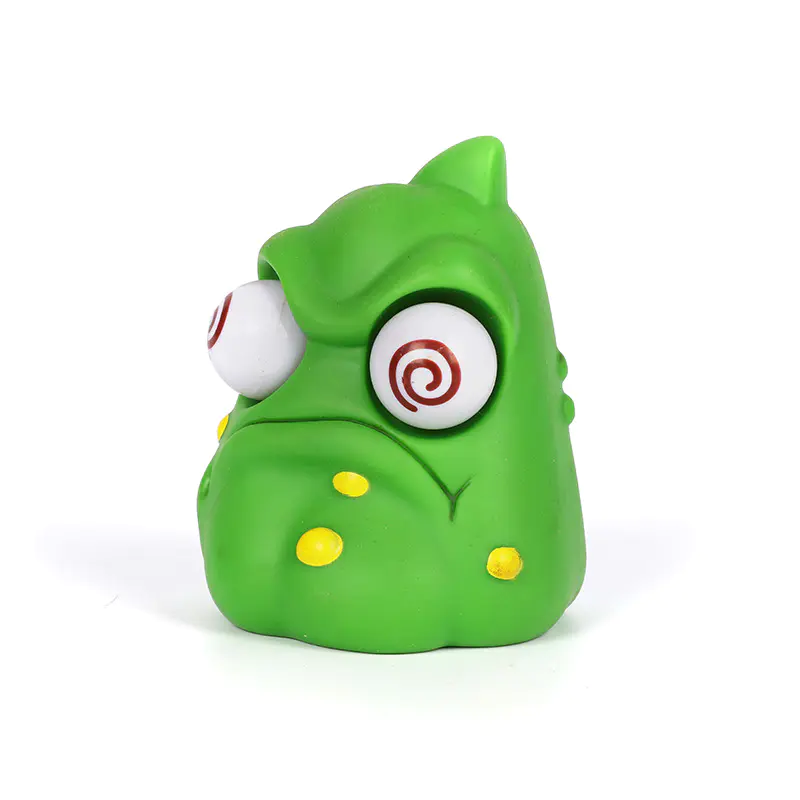
Staring Glowing Decompression Series
Step into the whimsical world of the Pop-eye series, where fun and functionality collide to bring you the Staring Glowing Decompression Series. These ...
View More -
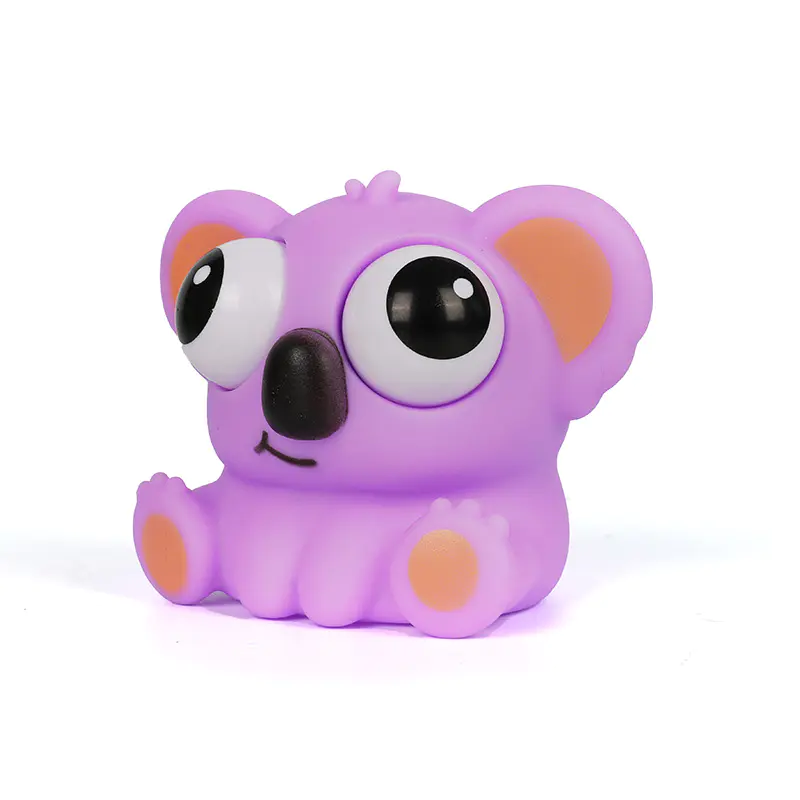
Cute Little Animal Series (Big-eyed)
Welcome to the enchanting world of our Cute Little Animal Series (Big-eyed), a delightful addition to our renowned Pop-eye Collection. These captivati...
View More -
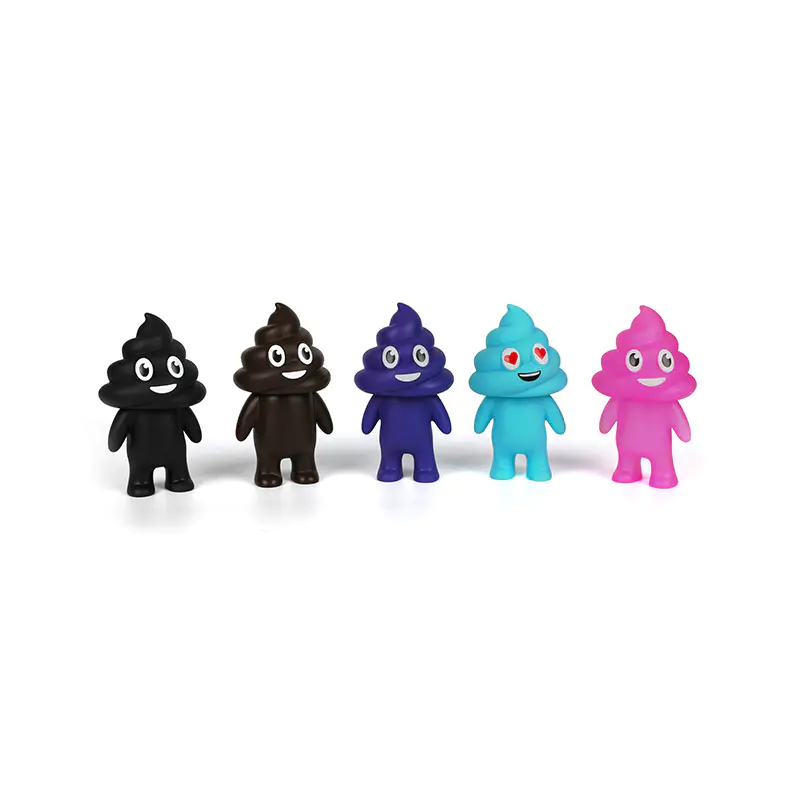
Poop People Series
Introducing the Poop People Series, a unique and playful line of collectible figures that bring humor and joy to toy collections everywhere. These qui...
View More -
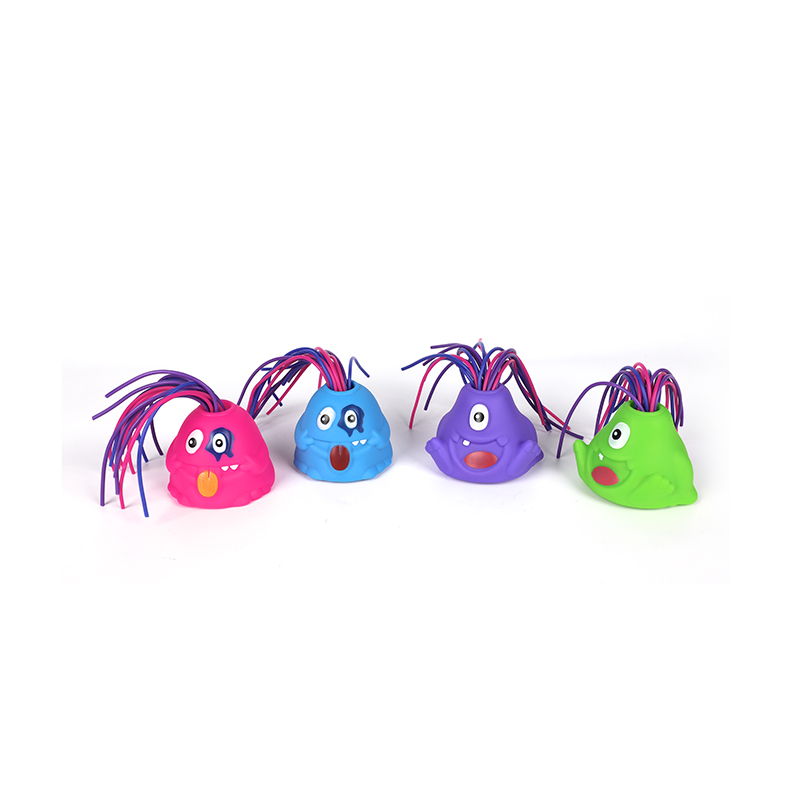
Fun Hair-Pulling Monster Stress Relief Anti-Anxiety Sound Toys
Laughter is one of the best ways to release stress, and Hair-Pulling Sound Toys are designed to do exactly that. These playful screaming monster figur...
View More -
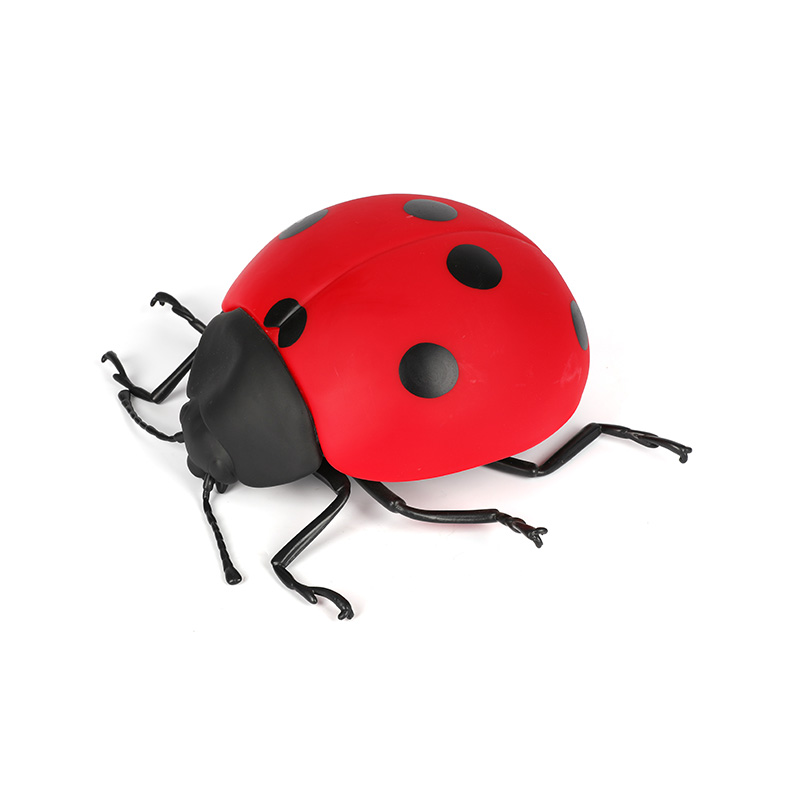
Beetle, Beetle Model Toys
Our Beetle Model Toys are pretty popular with kids and bug fans these days. We put real effort into making these beetle figures so they look detailed ...
View More -
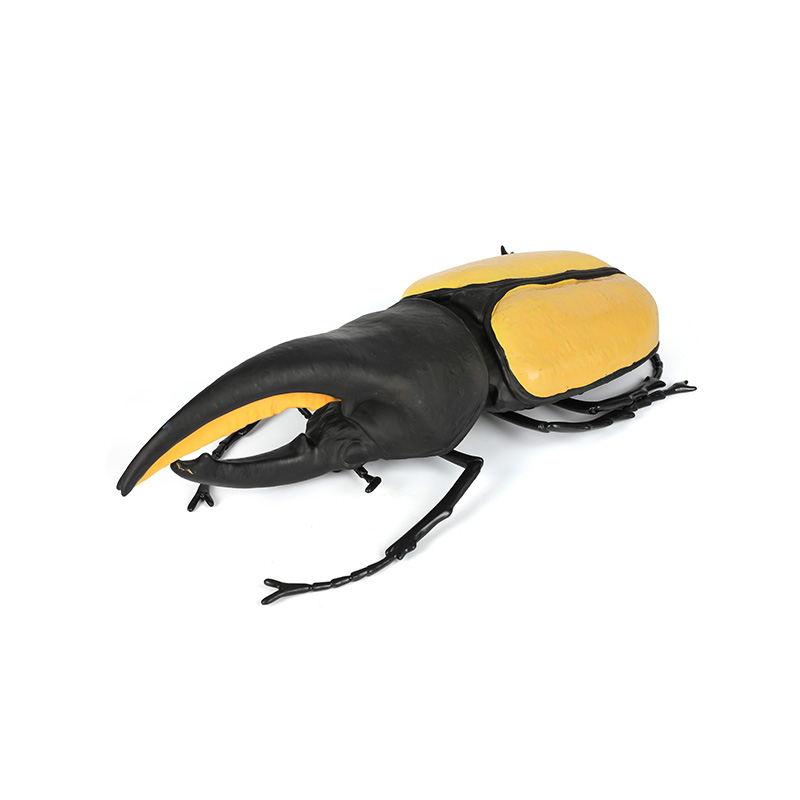
Beetle, Beetle Model Toys
Welcome to the world of Beetle Model Toys, where intricate design meets playful imagination. Our Beetle models are meticulously crafted to provide not...
View More -
Diversity Series Dinosaur Model Puzzle Toys
Our Dinosaur Model Toys are really popular with kids these days. We make these dinosaur figures with a lot of care so they look real, help kids learn,...
View More

Copyright © Jinhua Blue Eagle Toys Technology Co., Ltd. All Rights
Reserved.

Information
-

+86 18072335560
-

-
 Weiyingsheng Industrial Co., Ltd., Yangbu Town Industrial Zone, Wucheng District, Jinhua City, Zhejiang Province
Links
Contact Us
Educational Model Toys Company