

 English
 English
 русский
 Español
- Type:
- Industry News
- Date
- 2026-Aug-14
Industry News
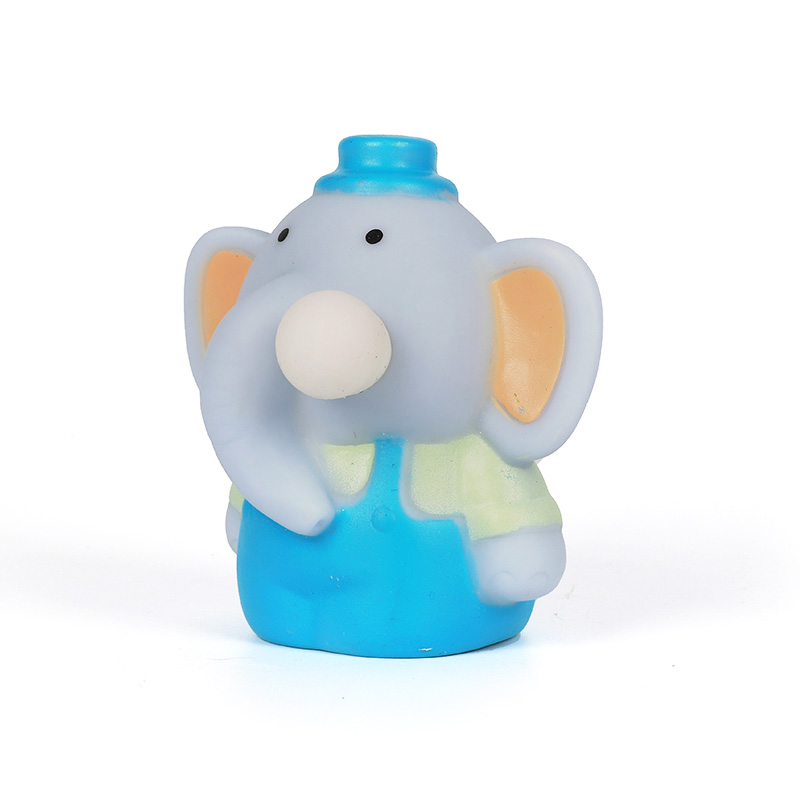
Why Bubble Stress Toy Is Popular For Office Desks
Office desks are usually arranged around work rather than leisure, so items placed within reach tend to have a practical reason for being there. A small object that can be picked up, squeezed and put down without changing the workspace can fit naturally into short pauses between tasks.
A Bubble Stress Toy combines a compact form with simple hand interaction. Unlike a decorative object that remains untouched, it invites brief physical movement through pressing, squeezing or touching its surface. Such interaction requires little preparation and can happen while someone is waiting for a file to load, thinking through a task or taking a short pause.
Desk space also shapes user preferences. Large objects can interfere with documents, keyboards or other equipment, while a compact item can remain beside a monitor or inside a drawer when not in use.
Several practical factors support desk use:
- Small footprint
- Easy hand access
- Simple operation
- Easy storage
- Limited setup
- Repeated use without changing the desk arrangement
- Popularity in an office setting therefore has less to do with decoration alone and more to do with how easily an object fits into an existing work routine.
How Simple Hand Movements Shape Desk Use
Hand movement is already part of many office tasks. Typing, writing, clicking and handling documents all involve repeated finger and hand activity. A small squeeze object introduces a different type of movement during short periods when active work stops.
A Hand Squeeze Toy can be used through a basic cycle: pick it up, apply pressure, release it and return it to the desk. No complicated instructions are needed, making the interaction easy to understand from the first use.
Different users may prefer different forms of movement. Some may enjoy repeated pressing, while others may prefer holding and squeezing the object for a short period. Texture also changes how each movement feels.
Simple interaction can fit naturally into moments such as:
- Waiting between tasks
- Pausing before a meeting
- Thinking through a work problem
- Taking a short desk break
- Sitting during a quiet period
A small physical action can provide a change from screen-based activity without requiring a separate space. Such convenience helps explain why interactive desk objects can become part of ordinary office habits.
How Texture and Shape Influence User Preference
Shape and surface feel play an important role in how a stress toy is handled. A rounded form may sit comfortably in the palm, while a smaller shape may suit finger-based pressing. Surface texture can also change how often a person wants to touch or squeeze an object.
Material flexibility affects the amount of pressure needed during use. A softer surface may deform readily, while a firmer surface can provide a different response. Neither approach needs to suit every user, since hand size, grip preference and intended use vary.
Shape also affects storage. A compact object can remain beside a keyboard without occupying much working space, while an unusual or larger form may need to be moved when documents or equipment are placed on the desk.
Practical design can therefore be considered through several elements:
- Grip
The object should be easy to hold without requiring an awkward hand position. - Surface
Texture should remain comfortable during repeated contact. - Shape
Contours can influence whether the item is mainly squeezed, pressed or held. - Size
Dimensions need to suit both hand use and desk storage. - Recovery
A flexible object needs to return toward its intended shape after pressure is released.
Physical characteristics can affect whether a desk object becomes something people reach for repeatedly or simply leaves untouched.
Why Short Breaks Encourage Small Interactive Objects
Office work often contains brief gaps between activities. A person may finish one task and spend a short period preparing for another, checking information or waiting for someone to respond. Such moments create opportunities for simple hand activity.
A small interactive object can fit into those gaps because it does not require a change of location. Someone can pick it up while remaining seated, use it briefly and place it back without rearranging the workspace.
Short use also differs from activities that require a dedicated break area. Reading, walking or preparing a drink changes the immediate work setting, whereas a desk object remains within the same physical space.
The appeal comes partly from convenience:
- No setup process
- No separate storage area
- Quick access
- Simple hand movement
- Easy return to work
A Bubble Stress Toy can therefore become associated with transition moments rather than a fixed schedule. One person may use it while thinking, another during a short pause, and someone else simply as a tactile object kept near the computer.
Such variation makes desk use more personal. The same object can serve different purposes without requiring a major change in routine.
How Bubble Stress Toy Differs From Passive Desk Decorations
Desk decorations generally contribute through appearance, while an interactive stress toy adds a physical element. A small plant, figure or decorative object may create visual interest without requiring contact. A squeeze toy becomes part of the workspace through repeated handling.
Visual appeal still matters because objects on a desk are seen throughout the working day. Shape and color can influence whether an item feels suitable for a particular workspace, although physical interaction gives a stress toy another role.
The difference can be viewed simply:
| Desk Item | Main Interaction | Typical Desk Role |
|---|---|---|
| Decorative figure | Visual | Personal decoration |
| Small plant | Visual and care | Workspace decoration |
| Bubble Stress Toy | Pressing and squeezing | Short hand interaction |
| Hand Squeeze Toy | Holding and squeezing | Tactile desk activity |
Interactive objects also need to respect the working environment. An item that creates excessive noise or requires frequent adjustment may become inconvenient in a shared office.
For that reason, desk suitability involves more than whether an object can be squeezed. Size, handling sound, surface condition and storage all influence how naturally it fits into everyday work.
What Makes a Hand Squeeze Toy Suitable for Office Use
Office use places practical limits on any small interactive object. A product intended for a desk needs to remain easy to handle while avoiding unnecessary disruption around nearby work areas.
Size is one of the simplest considerations. A compact form can remain within reach without taking over valuable desk space. Grip shape also matters because repeated use should not require an unusual hand position.
Surface material deserves attention as well. Frequent contact can transfer dust, skin oils and other particles onto the surface, especially when an item remains on a desk for long periods.
Useful selection points include:
- Comfortable hand position
- Suitable size for desk storage
- Surface that can be cleaned
- Material that tolerates repeated handling
- Shape that is easy to pick up
- Quiet interaction in shared spaces
A Hand Squeeze Toy used around coworkers also needs to fit the surrounding atmosphere. Quiet handling can be more appropriate for a shared office than an object that produces a noticeable sound with every movement.
Office suitability is therefore closely linked to ordinary habits. A simple object tends to fit more naturally when it can be handled without interrupting nearby work or creating extra maintenance.
How Repeated Use Affects Material and Shape
Frequent handling gradually places stress on a small desk toy. Each squeeze changes its shape, while release allows material to move back toward its original form. Repetition can eventually affect flexibility, surface condition or shape recovery.
Material response depends on how the object is made and how it is used. A softer structure may show changes around areas that receive frequent pressure, while a firmer structure may respond differently when squeezed repeatedly.
Shape also matters because pressure is rarely distributed evenly. Corners, narrow sections and raised surface features can receive more contact than larger flat areas.
Routine care can help maintain normal use:
- Keep the surface reasonably clean
- Avoid contact with sharp objects
- Store away from excessive heat
- Check for visible surface damage
- Avoid pulling or twisting sections not designed for such movement
Office environments can expose small objects to dust, food particles, skin oils and frequent handling. Regular cleaning therefore becomes part of normal desk care rather than an occasional task.
Long-term usability also depends on how the item is treated between uses. Leaving it under books or office equipment can place unnecessary pressure on its shape, while storing it loosely in a drawer can reduce accidental contact with other objects.
How Office Settings Influence Popularity
Not every workplace provides the same conditions for using a small interactive object. A private desk allows greater freedom, while a shared workspace requires more consideration for noise, storage and nearby coworkers.
Home offices can offer another type of environment because the user controls the surrounding space. A desk in a shared office may need an object that remains quiet and unobtrusive, especially during meetings or focused work periods.
| Office Setting | Common Use Situation | Relevant Design Consideration |
|---|---|---|
| Personal desk | Short work pauses | Easy access and compact size |
| Shared workspace | Occasional hand use | Quiet handling and simple storage |
| Home office | Flexible daily use | Comfort and easy cleaning |
| Reception area | Casual interaction | Surface condition and easy handling |
Reception or waiting areas introduce different needs because several people may handle the same object. Surface cleaning and durability can become more important when individual ownership is less clear.
Workplace culture also affects acceptance. An object that feels natural at a personal desk may appear less suitable during a formal meeting. Usage therefore depends not only on physical design, but also on when and where people choose to interact with it.
What Should Be Considered When Choosing a Desk Stress Toy
Choosing a small desk stress toy can start with the actual workspace rather than appearance alone. An item may look appealing while proving awkward to store, difficult to clean or uncomfortable to hold.
Size should match available desk space. A compact shape can stay near a keyboard or monitor without interfering with documents. Storage becomes easier when an item can be placed in a drawer or small container when needed.
Hand comfort is another practical factor. People use different grip patterns, so a shape that supports several simple movements can be easier to incorporate into daily routines.
Surface condition deserves similar attention. Repeated handling means that dust and skin oils may accumulate, especially when the object remains on an open desk.
A simple checklist can include:
- Desk space: Can it remain within reach without blocking work materials?
- Grip: Does its shape feel natural when held?
- Texture: Is surface contact comfortable?
- Material: Can it tolerate repeated handling?
- Cleaning: Can ordinary desk cleaning methods be used?
- Storage: Can it be moved away easily when the desk is needed for another task?
- Shared use: Would handling disturb nearby coworkers?
Practical suitability often matters more than decorative appeal once an object becomes part of a daily work environment.
How Desk Habits Continue to Shape Small Stress Toy Design
Desk habits continue to influence how small interactive objects are designed. Office workers spend long periods around screens, keyboards and documents, creating interest in objects that add simple physical interaction without requiring a separate activity.
A Bubble Stress Toy fits one part of that change because its purpose can combine visual appeal with hand movement. A person can leave it on a desk as a small decorative item, then use it when a tactile activity feels useful.
Design decisions increasingly need to account for ordinary workplace conditions:
- Limited desk space
- Repeated handling
- Easy storage
- Simple cleaning
- Comfortable grip
- Low disruption
- Flexible use during short pauses
A Hand Squeeze Toy follows a similar pattern, although its shape and movement may place more attention on grip comfort. Differences between pressing, squeezing and holding can influence how users interact with each form.
Material selection also remains connected with usage habits. Frequent pressure calls for suitable shape recovery, while shared environments place more attention on surface care and durability.
Small desk objects therefore reflect a wider change in how personal workspaces are arranged. Items no longer need to serve only a decorative purpose or a direct office function. Some combine appearance, touch and simple movement within a compact form.
For a Bubble Stress Toy, office popularity can be viewed through that combination. Small size makes storage straightforward, tactile interaction gives the object an active role, and simple handling allows use during natural pauses in the working day. Design choices around shape, texture, material and maintenance then determine how comfortably the object fits into repeated desk use.
Related Products
-
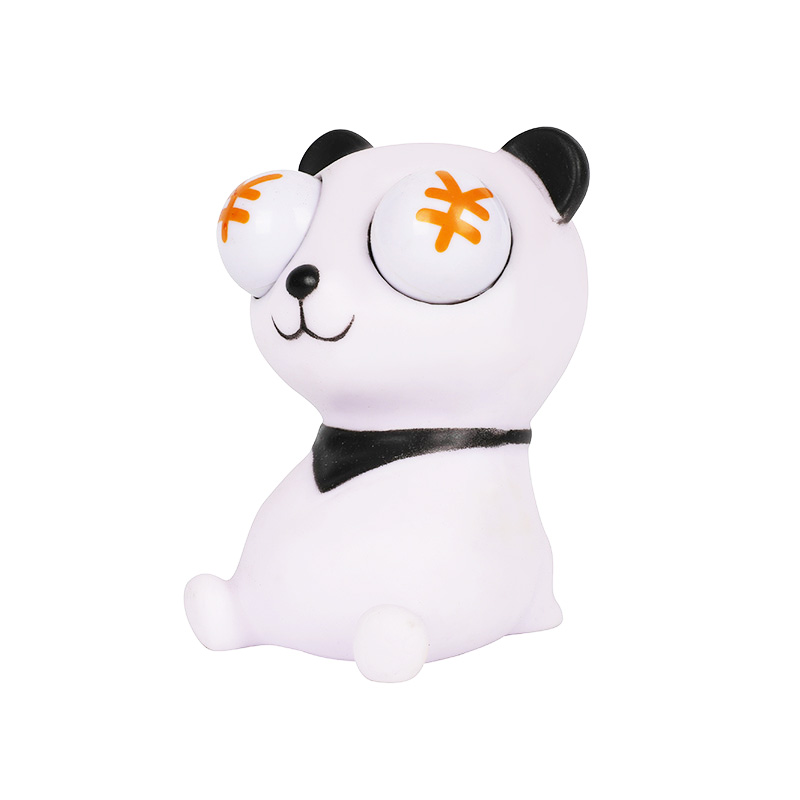
Pop-eyed Panda
Enter the whimsical world of the Pop-eye series with our delightful creation, the Pop-eyed Panda. Designed to bring joy and relieve stress, this squee...
View More -
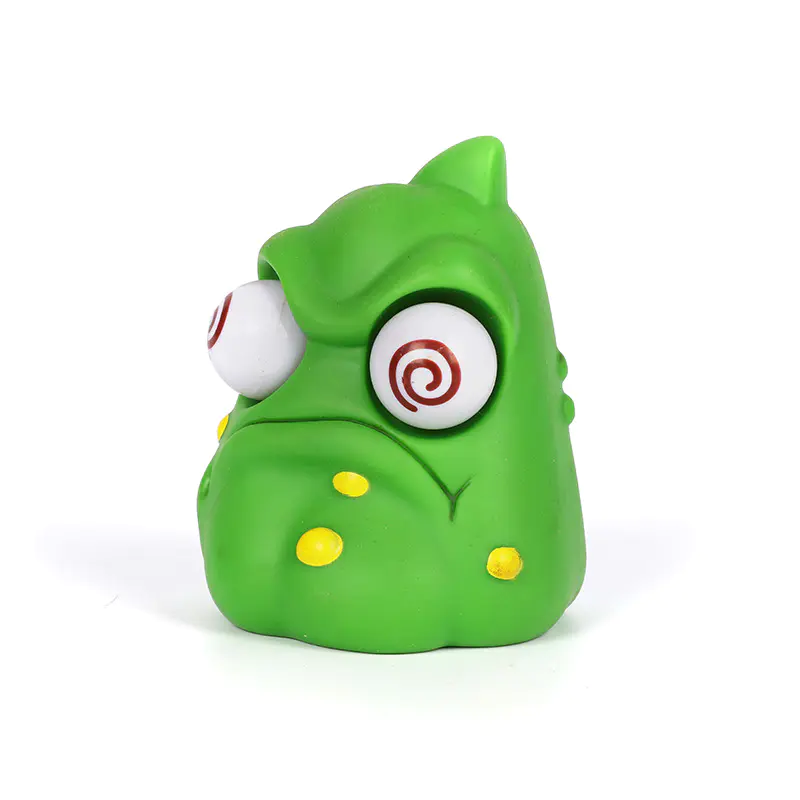
Staring Glowing Decompression Series
Step into the whimsical world of the Pop-eye series, where fun and functionality collide to bring you the Staring Glowing Decompression Series. These ...
View More -
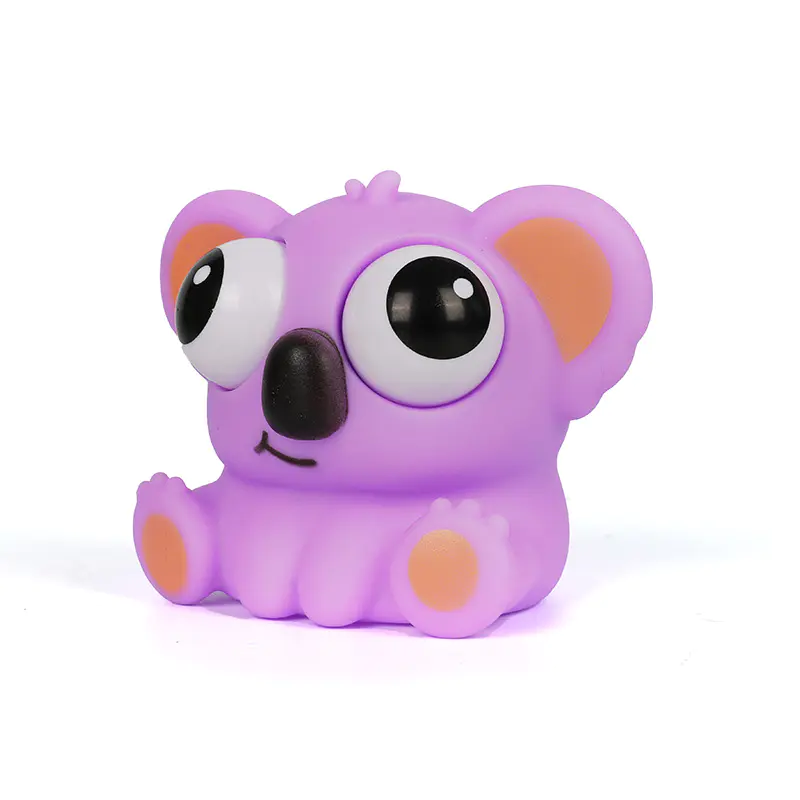
Cute Little Animal Series (Big-eyed)
Welcome to the enchanting world of our Cute Little Animal Series (Big-eyed), a delightful addition to our renowned Pop-eye Collection. These captivati...
View More -
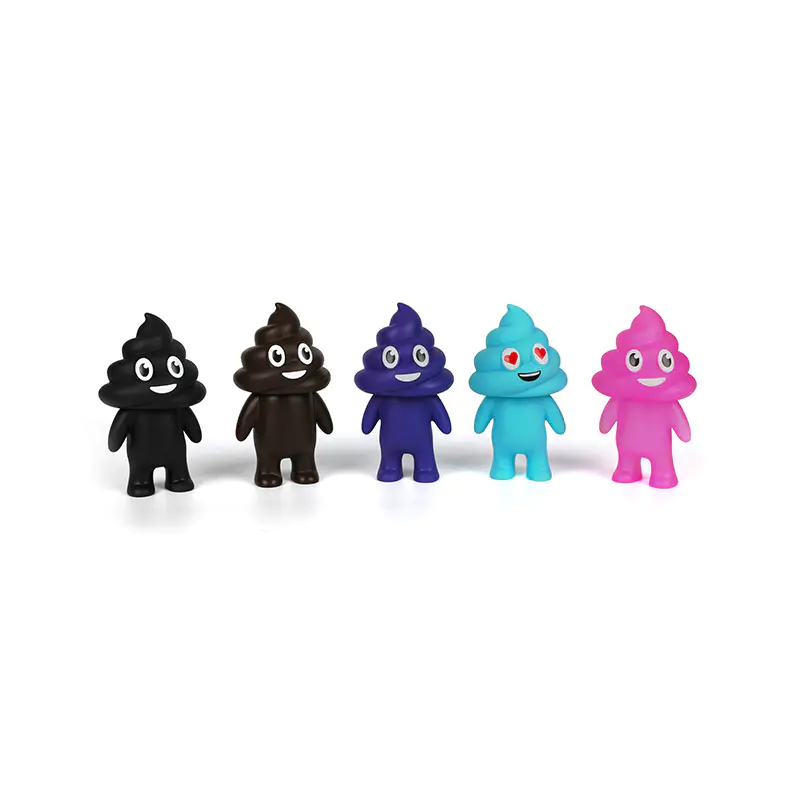
Poop People Series
Introducing the Poop People Series, a unique and playful line of collectible figures that bring humor and joy to toy collections everywhere. These qui...
View More -
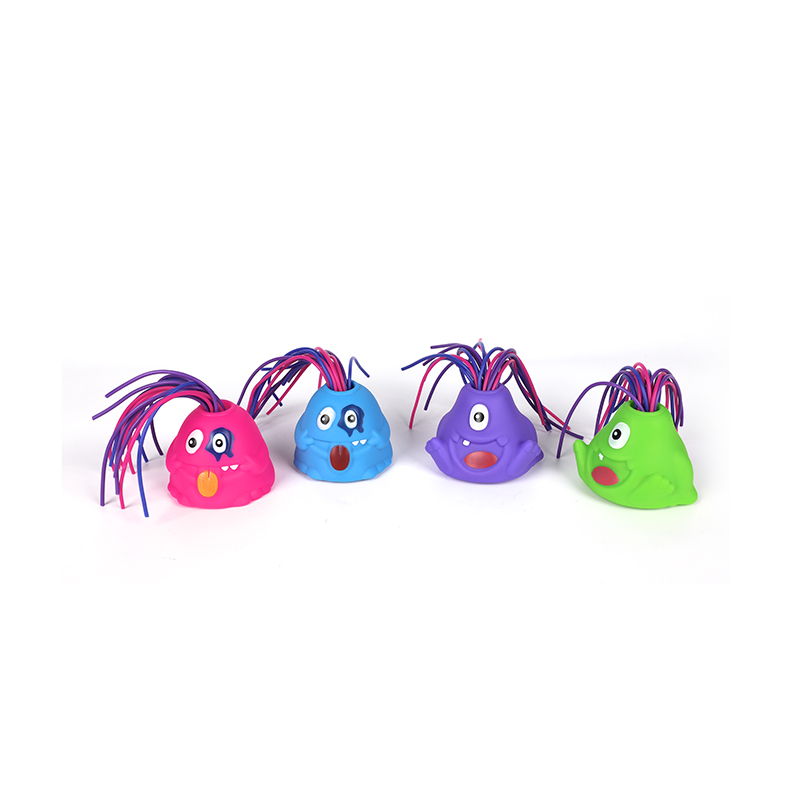
Fun Hair-Pulling Monster Stress Relief Anti-Anxiety Sound Toys
Laughter is one of the best ways to release stress, and Hair-Pulling Sound Toys are designed to do exactly that. These playful screaming monster figur...
View More -
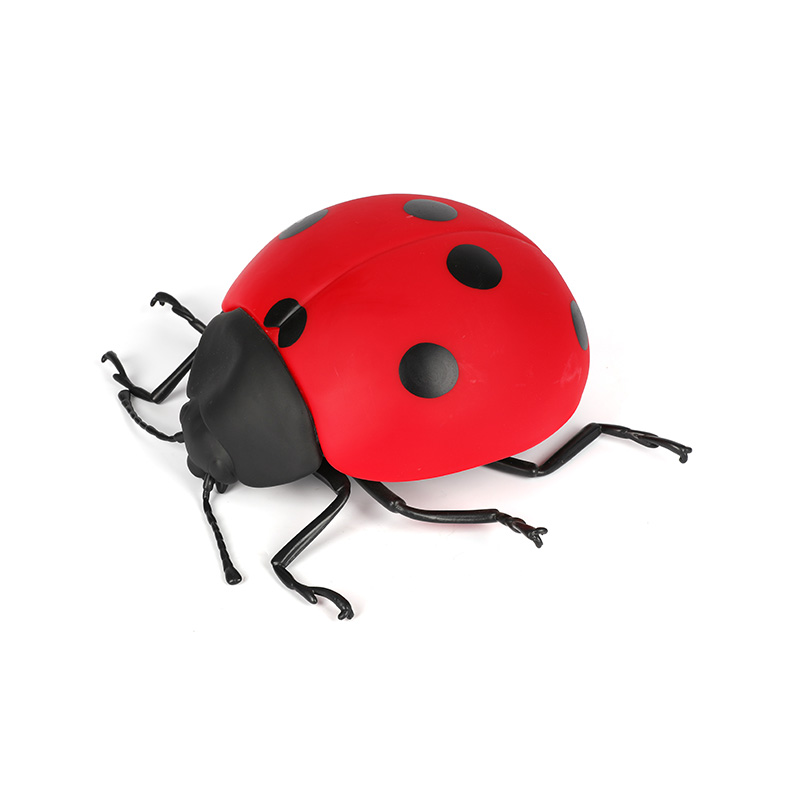
Beetle, Beetle Model Toys
Our Beetle Model Toys are pretty popular with kids and bug fans these days. We put real effort into making these beetle figures so they look detailed ...
View More -
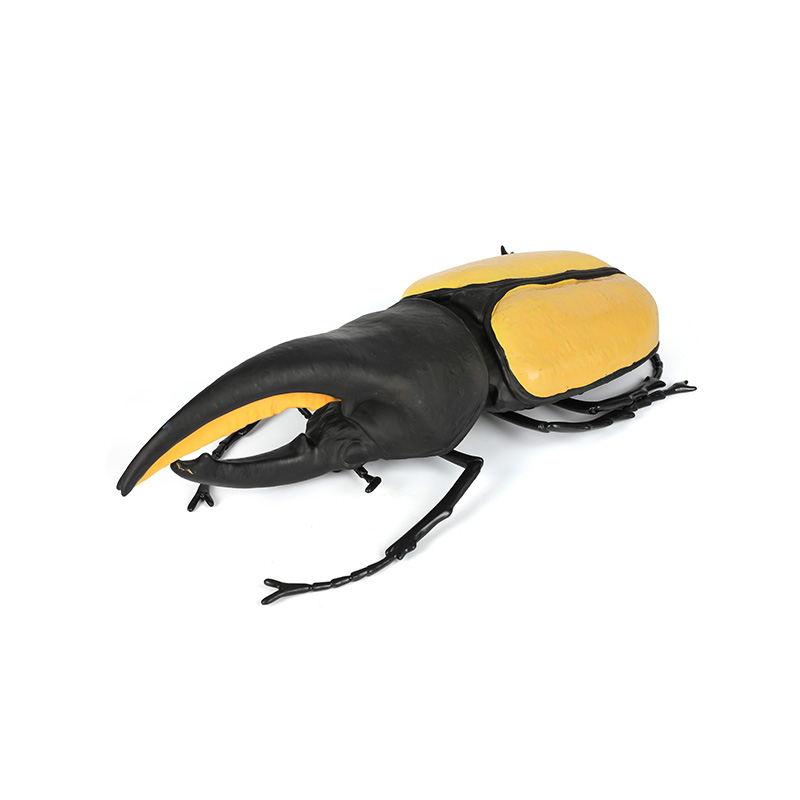
Beetle, Beetle Model Toys
Welcome to the world of Beetle Model Toys, where intricate design meets playful imagination. Our Beetle models are meticulously crafted to provide not...
View More -
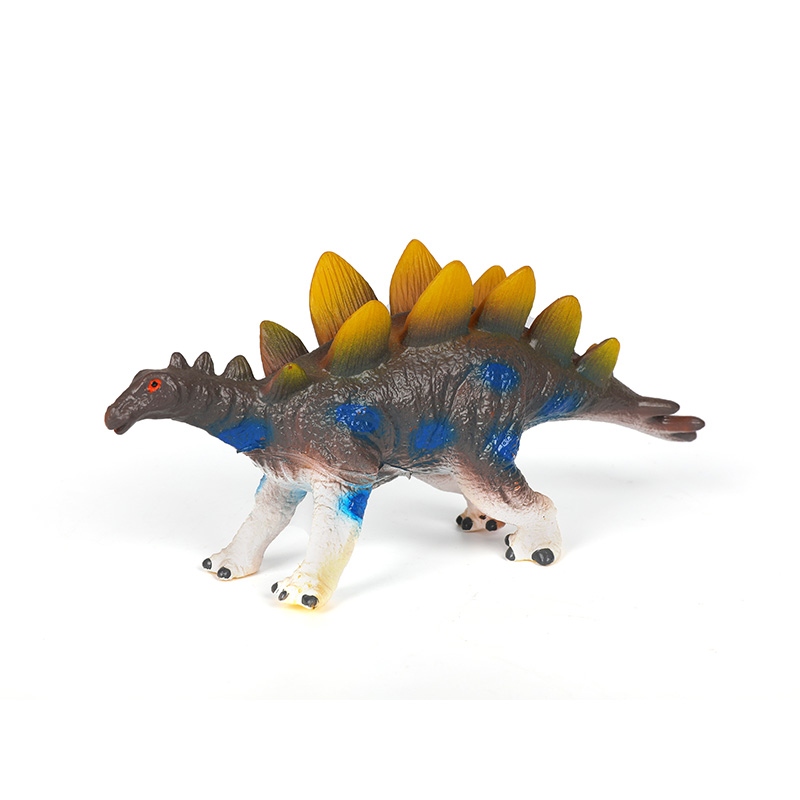
Diversity Series Dinosaur Model Puzzle Toys
Our Dinosaur Model Toys are really popular with kids these days. We make these dinosaur figures with a lot of care so they look real, help kids learn,...
View More
Copyright © Jinhua Blue Eagle Toys Technology Co., Ltd. All Rights
Reserved.

Information
-

+86 18072335560
-

-
 Weiyingsheng Industrial Co., Ltd., Yangbu Town Industrial Zone, Wucheng District, Jinhua City, Zhejiang Province
Links
Contact Us
Educational Model Toys Company